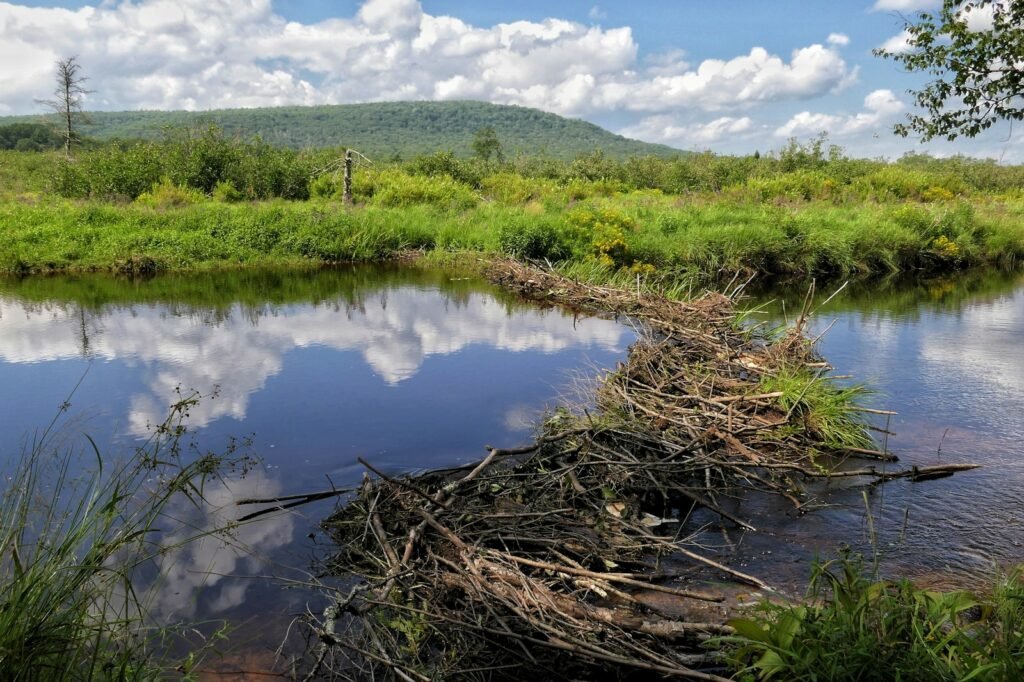

The quiet splash of a beaver tail on a backcountry pond might not look like breaking news, but across the United States these animals are rewriting the story of water, drought, and even wildfire in real time. Once trapped nearly to extinction, beavers are now returning to rivers and creeks from Oregon to New England – and scientists are racing to understand just how deeply they reshape the land. It turns out their dams do more than make photogenic ponds: they slow floods, store water, build wetlands, and engineer entire ecosystems from the bottom up. Yet in many places, we still treat them as nuisances to be removed rather than partners in rebuilding climate‑resilient landscapes. The real question emerging from new research is not whether beavers matter, but whether we can afford to ignore what they are already doing for us for free.
The Hidden Hydrologists: How Beavers Rewire Stream Flow
Picture a mountain stream after a storm: a surge of cold water racing downhill, then draining away just as quickly, leaving behind a dry channel by late summer. Now insert a family of beavers into that same creek, and the physics of the system begin to change. Their dams act like speed bumps for water, breaking a single fast pulse into a slow, stepped series of ponds and spillways. Instead of rushing downstream in hours, water lingers for days or weeks, seeping sideways into the soil and shallow aquifer. Researchers studying creeks in the western United States have found that reaches with active beaver complexes hold onto late‑season flows that would otherwise vanish when snowmelt is gone.
That slowing and spreading of water is what turns beavers into accidental hydrologists. The ponds they create raise local water tables, feeding springs and seeps that keep side channels and wetlands wet long after nearby undammed streams have dwindled to a trickle. In everyday terms, a landscape with beavers acts more like a sponge and less like a concrete gutter, soaking up wet‑season excess and releasing it gradually. For ranchers and rural communities downstream, that can mean greener pastures, more reliable stock water, and creeks that do not simply blink out during a hot August. You do not see beavers calculating flow rates, of course, but their teeth and instincts end up doing the same kind of work human engineers struggle to replicate.
Drought Insurance With Fur: Natural Water Storage in a Hotter Climate
In the American West, the word drought no longer describes an occasional crisis; it feels more like the new baseline. Reservoirs shrink, snowpacks arrive later and melt earlier, and small streams become seasonal scars instead of living waterways. In that context, beaver ponds have started to look a lot like a system of decentralized, self‑maintaining reservoirs. Each pond stores thousands to tens of thousands of gallons of water, not only on the surface but also in the saturated soils and gravel beneath.
Studies in states like Utah, Idaho, and California have documented that beaver complexes can increase the volume of water stored in stream corridors by many times compared with similar stretches without dams. That stored water does not just sit there; it bleeds slowly back into the channel, supporting flow when rains fail and snowmelt is a memory. From a climate perspective, beavers turn narrow, vulnerable trickles into slow‑release water banks scattered across whole watersheds. Human‑built reservoirs, by contrast, tend to be few, large, and expensive, and they evaporate heavily in hot, dry years. A valley laced with beaver ponds and wetlands is not drought‑proof, but it has a kind of hydrologic backup plan we would otherwise have to pay dearly to construct.
From Chainsaws to Incisors: Beavers as Flood and Erosion Engineers
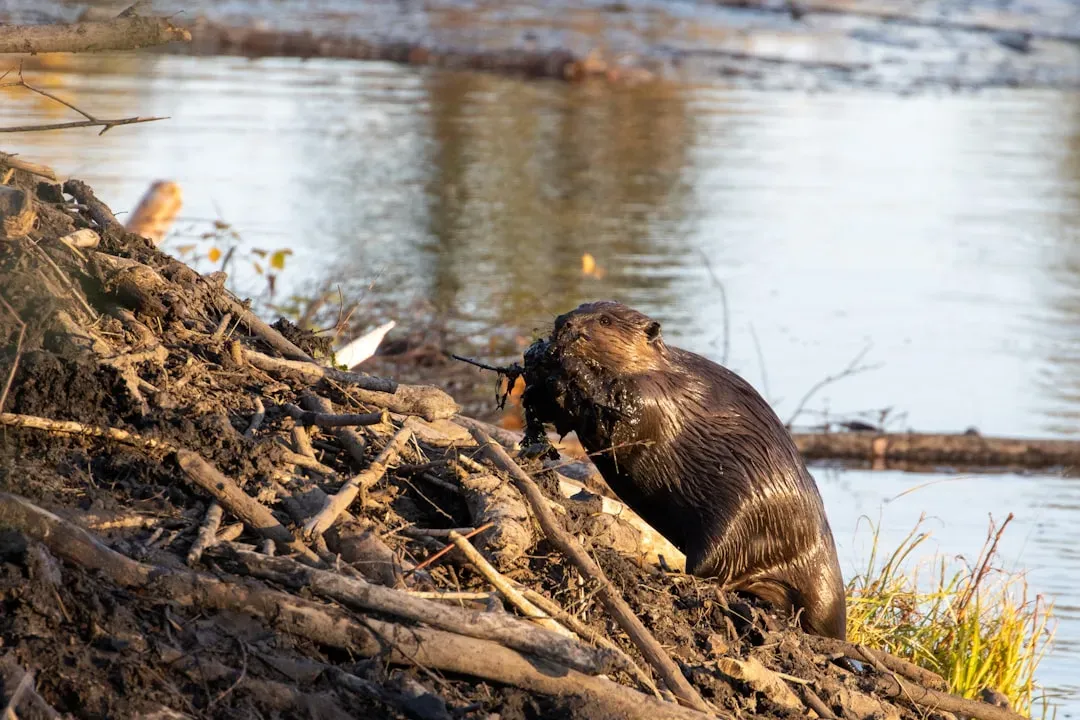
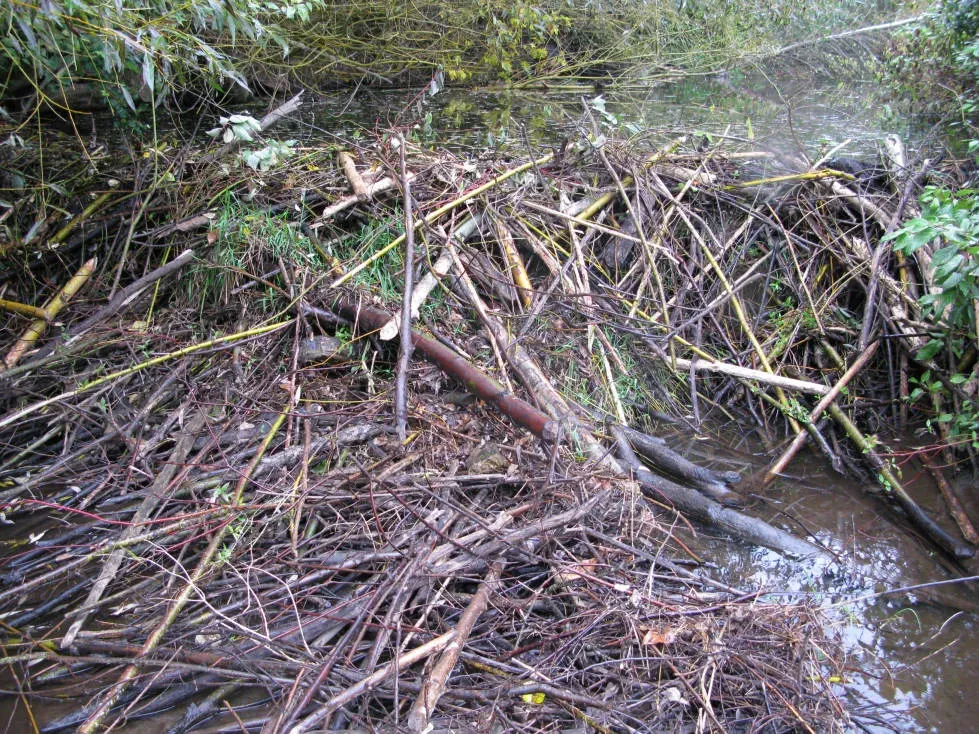
When river managers think about controlling floods and erosion, they often reach for heavy machinery and concrete. Beavers do it with nothing more than mud, willow branches, and a stubborn work ethic. Their dams act like temporary, flexible levees that fail and rebuild in a cycle that spreads high flows sideways instead of allowing them to slice deeper into the channel. During intense storms, beaver structures can divert water onto floodplains, where it slows down, drops sediment, and refills groundwater rather than simply tearing downstream.
That process changes the shape and stability of streams in ways that matter for people. Channels running through beaver territory tend to be shallower and more braided, with multiple flow paths and side pools that absorb energy like the slack water in a harbor. Downstream of dam complexes, peak flood heights can drop noticeably because the upstream ponds and wetlands are temporarily holding back so much water. Over years, the repeated cycle of dam building and breaching helps rebuild eroded floodplains, lifting streambeds that have been cut down by decades of fast, confined flow. In effect, beavers are constantly re‑negotiating the relationship between water and land – undoing some of the damage from straightened, over‑grazed, or channelized creeks.
Wetland Makers and Biodiversity Boosters: Life Behind the Dams
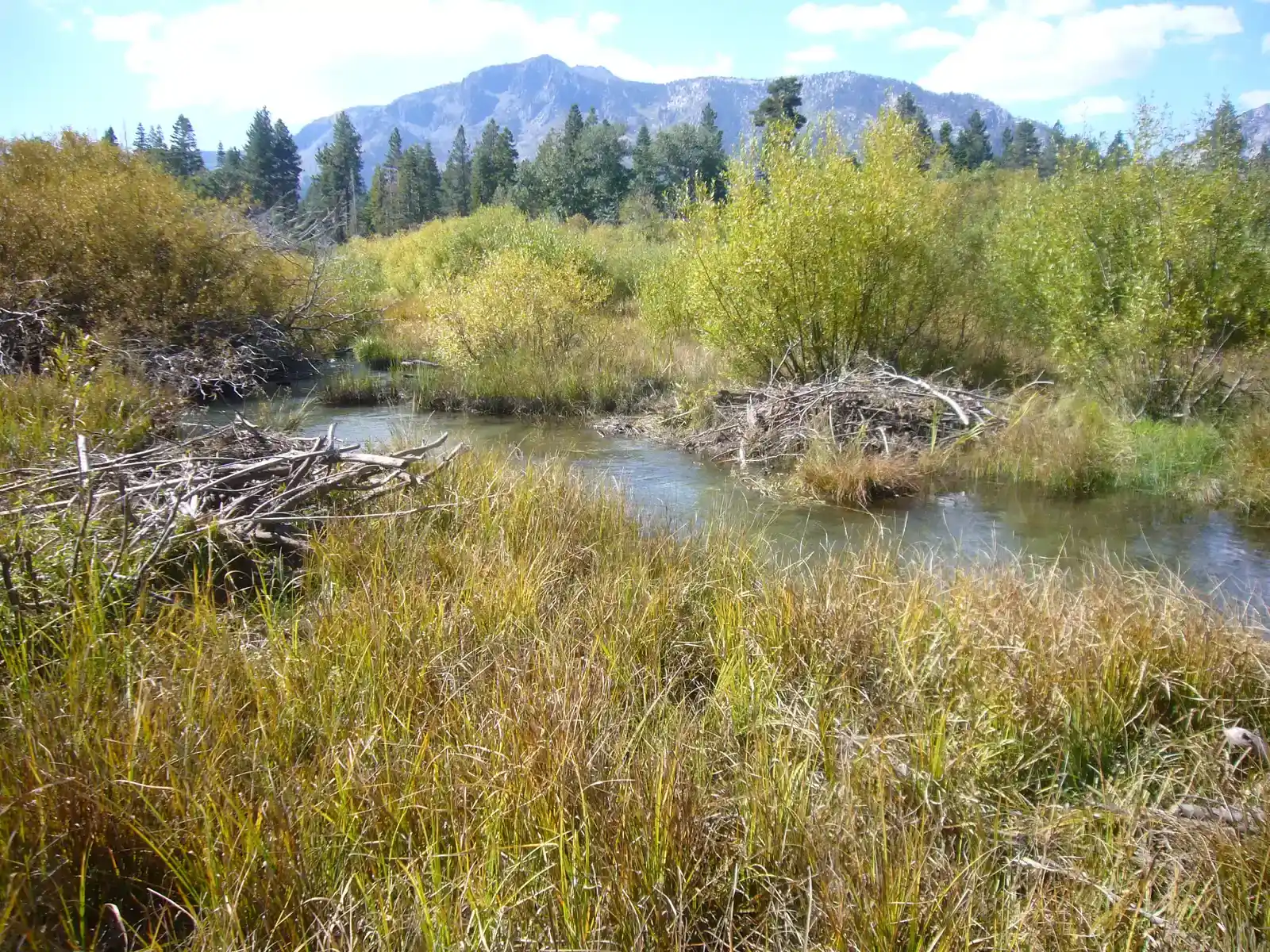
Walk into an active beaver pond at dawn and the first thing you notice is not the dam – it is the sound. Frogs call from the cattails, ducks lift off in small explosions of wings, dragonflies hunt over the water, and deer slip in to drink along muddy edges. By slowing water and raising local water tables, beavers create complex mosaics of open water, marsh, wet meadow, and shrub thickets. That habitat diversity, in turn, supports a far richer community of plants, insects, birds, and mammals than a single narrow stream ever could.
Ecologists tracking these changes have found that landscapes with active beavers often host more amphibian species, more songbirds, and more aquatic invertebrates than comparable places without them. Fish benefit too, though not always in obvious ways: cold‑water trout, for example, use deeper beaver ponds as thermal refuges during heat waves and as overwintering habitat when shallow riffles might freeze. The ponds also trap sediment and nutrients, which can boost productivity for algae and invertebrates at the base of the food web. In a sense, a single beaver family functions like a landscape architect hired to attract as much life as possible to a forgotten stretch of creek – and they work the night shift for free.
Firebreaks in a Burning West: Beavers and Wildfire Resilience
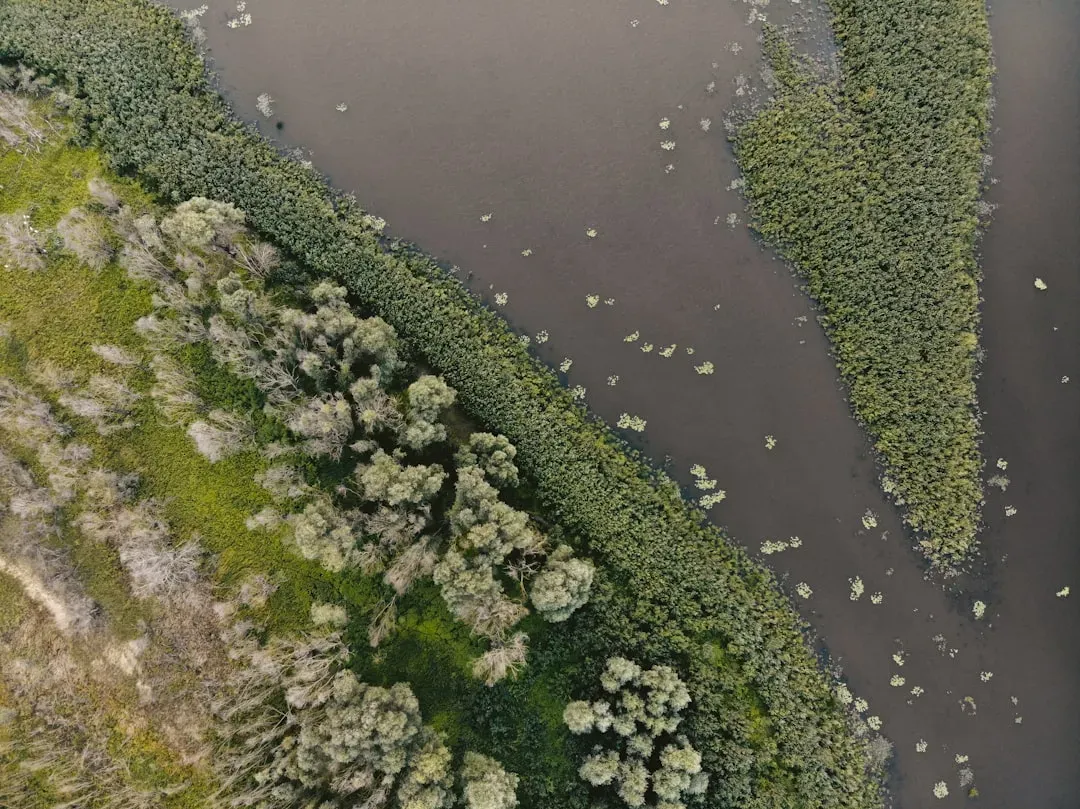
One of the most surprising discoveries of the past decade came not from careful experiments, but from grim natural ones: wildfires sweeping across the western United States. When scientists overlaid burn maps with satellite images, they noticed something striking. In many large fires, the green patches that remained unburned or lightly scorched were clustered around beaver wetlands. While upland forests and dry riparian corridors roasted, the soggy, pond‑laced zones shaped by beavers often stayed cooler, wetter, and harder to ignite.
Those watery pockets can act as natural firebreaks, slowing or redirecting flames and providing refuge for wildlife during and after a blaze. After the smoke clears, beaver wetlands frequently become nuclei of recovery, with remaining vegetation and moisture helping plants, insects, and vertebrates recolonize scorched ground. Fire managers have started to pay closer attention to these patterns, viewing beavers less as minor nuisances that flood culverts and more as allies in building fire‑resilient landscapes. In regions where climate change is driving longer, hotter fire seasons, a network of beaver‑maintained wetlands may do as much to shape fire behavior as miles of human‑built fuel breaks. The beavers are not fighting fire on purpose, but their stubborn insistence on wet, messy edges turns out to be exactly what a drying West needs.
Why It Matters: Beavers vs. Traditional Water Management
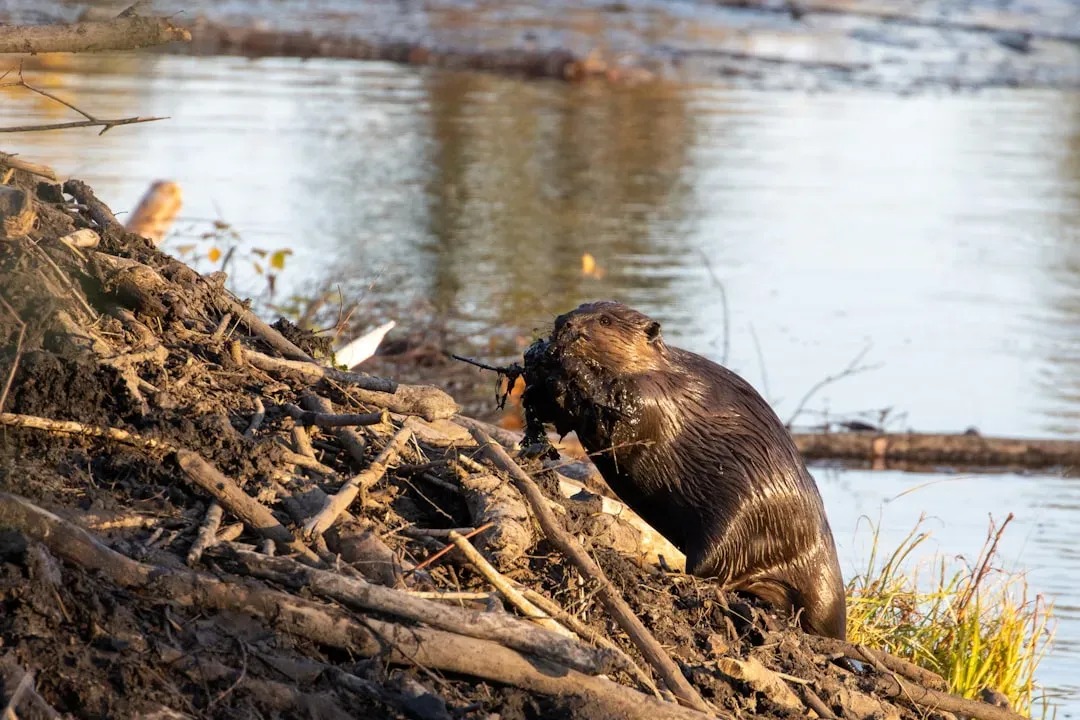
For more than a century, American water management has been dominated by large, centralized projects: dams, diversions, levees, and canals. Those structures brought undeniable benefits, from irrigation to hydropower, but they also locked many rivers into rigid channels that do not adapt well to a changing climate. Beavers, in contrast, represent a decentralized, self‑repairing, and surprisingly flexible form of water infrastructure. Instead of one big dam on a mainstem river, you get hundreds or thousands of small ones scattered across headwaters and tributaries.
This contrast matters because our old assumptions about water – predictable snowpacks, stable seasons, modest wildfires – are failing. Traditional gray infrastructure tends to be expensive to build, costly to maintain, and vulnerable to extremes it was not designed for. Beaver‑based or beaver‑inspired restoration, often referred to as low‑tech process‑based restoration, aims to work with natural stream dynamics rather than against them. A few strategic posts and branches can encourage beavers to build where their dams are helpful, or mimic their effects where the animals are absent. The result is a kind of living infrastructure that grows, adjusts, and sometimes even relocates itself as conditions shift, something concrete can never do.
From Pest to Partner: The New Science of Beaver‑Led Restoration
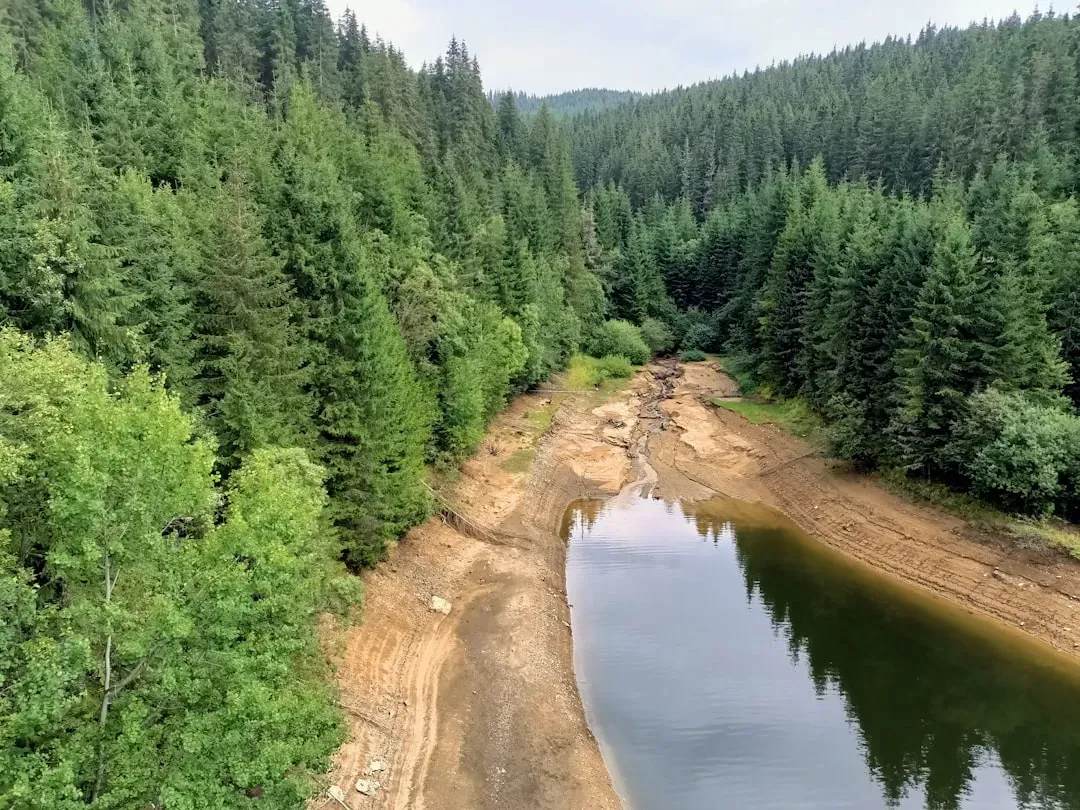
For much of American history, beavers were treated as either a fur resource or a nuisance species, trapped out to feed the hat trade or removed when they flooded roads and culverts. Over the last two decades, a quiet scientific reappraisal has been unfolding. Hydrologists, fish biologists, and land managers have begun to quantify what Indigenous communities across North America long recognized: that beavers are keystone species whose work supports entire ecological networks. This shift has given rise to new restoration strategies built around letting beavers do the heavy lifting where possible.
On working ranches and public lands, that can look like relocating beavers from problem sites to degraded headwaters where added water and habitat are welcome. It can also mean installing simple flow devices – often called pond levelers – to prevent beaver ponds from flooding roads or agricultural fields while allowing the animals to stay. Workshops on beaver coexistence now draw not just conservationists but private landowners, irrigation managers, and even highway departments. The science is still catching up to the enthusiasm, but early projects have shown that modest investments in coexistence can yield outsized returns in water storage, biodiversity, and resilience. Beavers, once framed as obstacles to human plans, are being cautiously reintroduced as partners in repairing damaged watersheds.
The Future Landscape: Beavers, Climate Shocks, and Tough Trade‑Offs
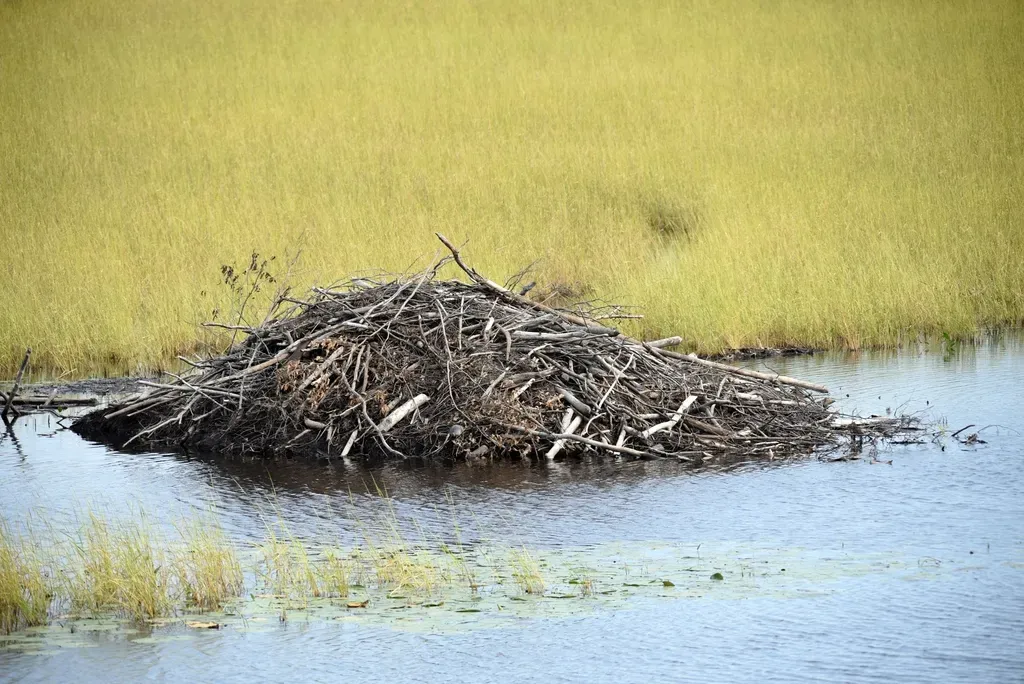
Looking ahead, the role of beavers in is likely to grow, but it will not be a simple success story. As climate extremes intensify, the same floods and heat waves that threaten human infrastructure will also test beaver colonies and the streams they inhabit. Some low‑gradient valleys will become beaver meccas, with networks of ponds, side channels, and willow thickets buffering droughts and fires. Other, steeper or heavily developed watersheds may remain largely closed to them because of roads, levees, and entrenched social conflicts over flooded land.
New tools – from high‑resolution satellite imagery to drone surveys and sophisticated watershed models – are giving scientists and managers a clearer picture of where beavers can do the most good with the least conflict. Still, tough questions loom: How much cropland are communities willing to risk for expanded wetlands? Where should beavers be encouraged, and where should their spread be limited? As with any powerful ecosystem engineer, the benefits are unevenly distributed, and the trade‑offs are real. The future of beavers in will depend less on their instincts and more on our willingness to see them as fellow shapers of the landscape, not just as background wildlife to be moved when convenient.
What You Can Do: Small Actions for a Beaver‑Friendly Watershed
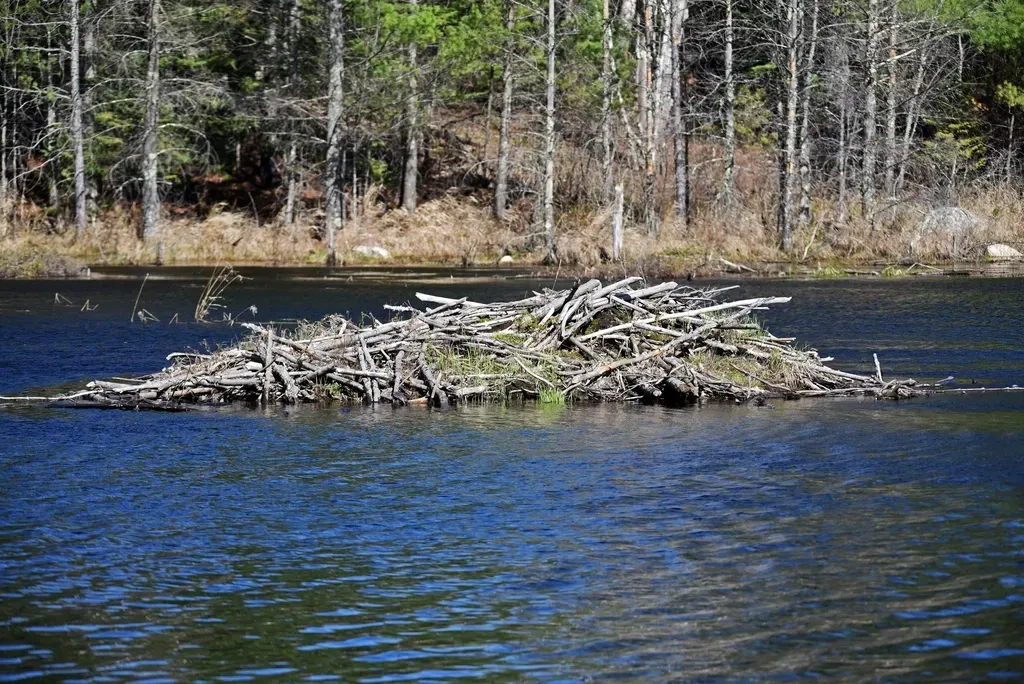
You do not need to live beside a beaver pond to shape their future; many of the most important decisions happen far from the water’s edge. Supporting local land trusts, watershed councils, or conservation groups that work on stream restoration helps create the kind of messy, multi‑threaded creeks beavers prefer. When ballot measures or local policies about wetlands, riparian buffers, or floodplain development come up, voting for options that leave more room for rivers also leaves more room for the animals that heal them. Even simple choices, like favoring products from ranches or timber operations that practice coexistence rather than removal, send a signal up the supply chain.
On a more personal level, paying attention to the small waterways around you – ditches, creeks, irrigation channels – changes how they are valued. A dam that once looked like a nuisance might start to register as a tiny piece of climate resilience, a rough‑hewn water battery charging during wet months and discharging during dry ones. If you are lucky enough to visit an active beaver site, the best thing you can do is watch quietly and leave it undisturbed; these animals work on timelines far longer than a single human visit. In the end, making space for beavers is one way of deciding what kind of water future we want: brittle and highly controlled, or flexible, living, and full of surprises.
Suhail Ahmed is a passionate digital professional and nature enthusiast with over 8 years of experience in content strategy, SEO, web development, and digital operations. Alongside his freelance journey, Suhail actively contributes to nature and wildlife platforms like Discover Wildlife, where he channels his curiosity for the planet into engaging, educational storytelling.
With a strong background in managing digital ecosystems — from ecommerce stores and WordPress websites to social media and automation — Suhail merges technical precision with creative insight. His content reflects a rare balance: SEO-friendly yet deeply human, data-informed yet emotionally resonant.
Driven by a love for discovery and storytelling, Suhail believes in using digital platforms to amplify causes that matter — especially those protecting Earth’s biodiversity and inspiring sustainable living. Whether he’s managing online projects or crafting wildlife content, his goal remains the same: to inform, inspire, and leave a positive digital footprint.