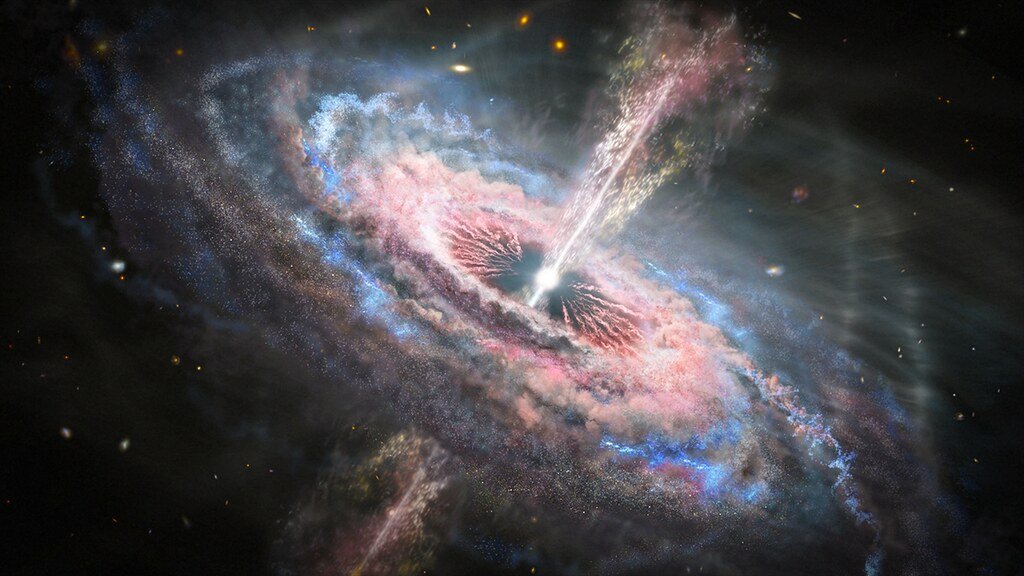

On a clear night, the sky can feel like a private cinema, putting on a show that most of us barely notice as we rush from one thing to the next. Yet some of the most jaw-dropping spectacles in nature don’t need tickets, special equipment, or even a lot of planning – just your own eyes and a bit of patience. The universe is constantly performing, and we’re usually too busy scrolling our phones to look up.
I still remember lying on the hood of a car in the middle of nowhere, watching streaks of light carve across the sky during a meteor shower, realizing that “space” isn’t just something in documentaries – it’s happening right above us. In 2026, with better forecasts, apps, and public alerts, it has never been easier to catch these shows if you know when to look. Here are seven celestial events you can watch with nothing more than your naked eyes, a dark spot, and maybe a blanket to keep you company.
Auroras: The Sky’s Ghostly Green Curtains
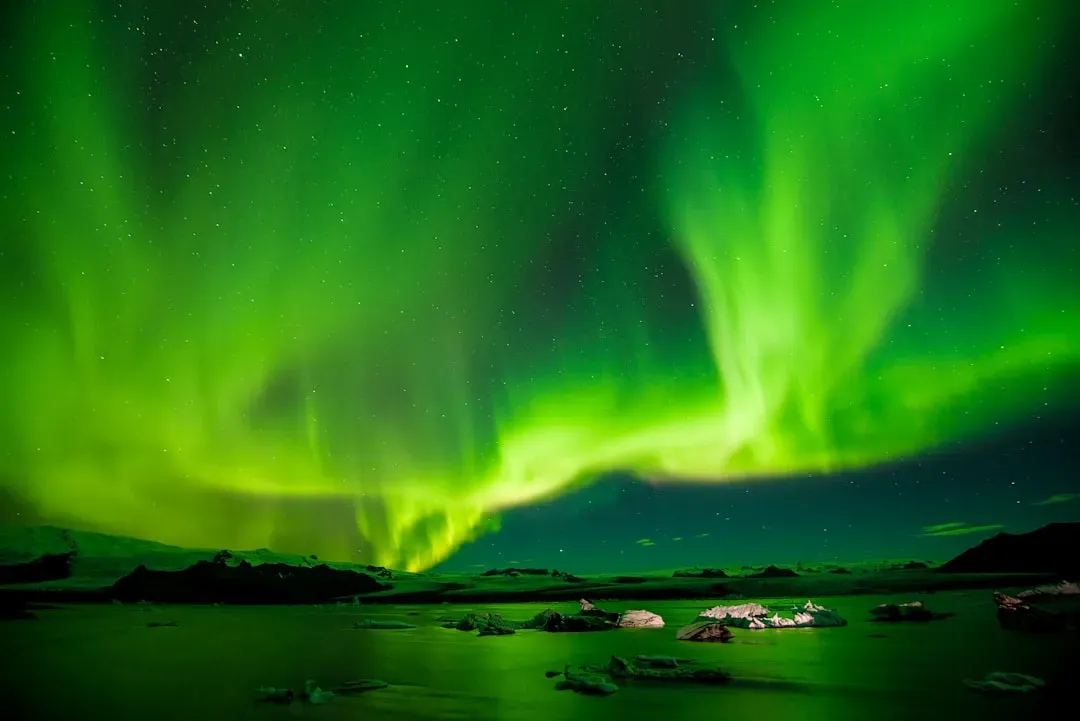
Imagine the sky suddenly coming alive with rippling green, purple, and red curtains that seem to dance and breathe – that’s an aurora. These light displays happen when charged particles from the Sun slam into Earth’s atmosphere near the magnetic poles and energize atoms high above us, causing them to glow. The result looks like slow-motion lightning mixed with underwater waves, except stretched across the heavens. Even without knowing the science, auroras feel otherworldly, like someone switched the sky into a hidden “magic mode.”
In the last few years, strong solar storms have pushed auroras farther from the poles than usual, making them visible in places that rarely see them. People as far south as parts of Europe and the northern United States have occasionally stepped outside to find the sky tinted green or pink. You don’t need a telescope or even perfect eyesight to be amazed; a dark horizon and time away from city lights are the real essentials. If you want to catch them, space weather alerts and aurora forecast apps can tip you off when a big solar storm is on the way.
Meteor Showers: Nighttime Fireworks From Cosmic Dust
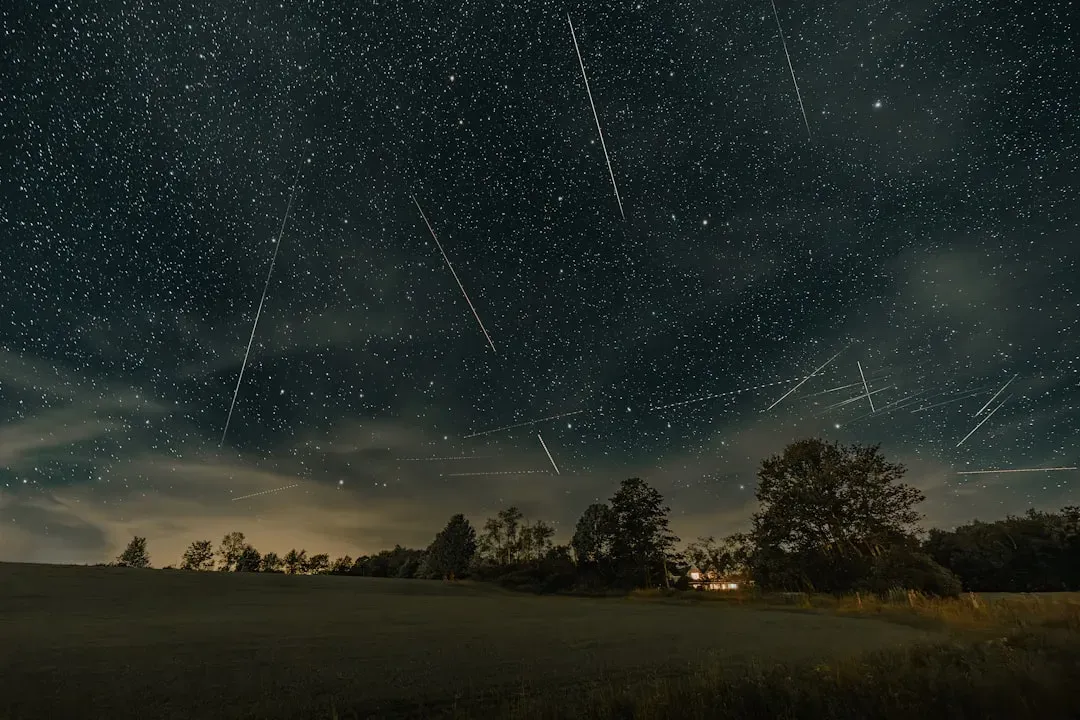
Meteor showers turn the night sky into a slow, quiet fireworks show, as tiny bits of rock and dust burn up high in the atmosphere. These particles are often leftovers from comets or asteroids, and Earth plows through their trail on a predictable schedule each year. When they hit the atmosphere at incredible speeds, they heat up and create bright streaks we call shooting stars. During a strong shower, you might see a meteor every few minutes, sometimes more if you’re in a truly dark area.
Famous annual showers like the Perseids in August and the Geminids in December are especially reliable and well-loved, because they can produce many bright meteors over several nights. The best part is you don’t have to know exactly where to look; just lie back, let your eyes adjust, and watch the whole sky. I’ve lost track of time doing this, counting streaks and gasping when one flares brighter than the rest. It’s a humbling reminder that Earth is constantly sweeping through ancient debris left behind by wandering cosmic visitors.
Total Lunar Eclipses: The Blood-Red Moon
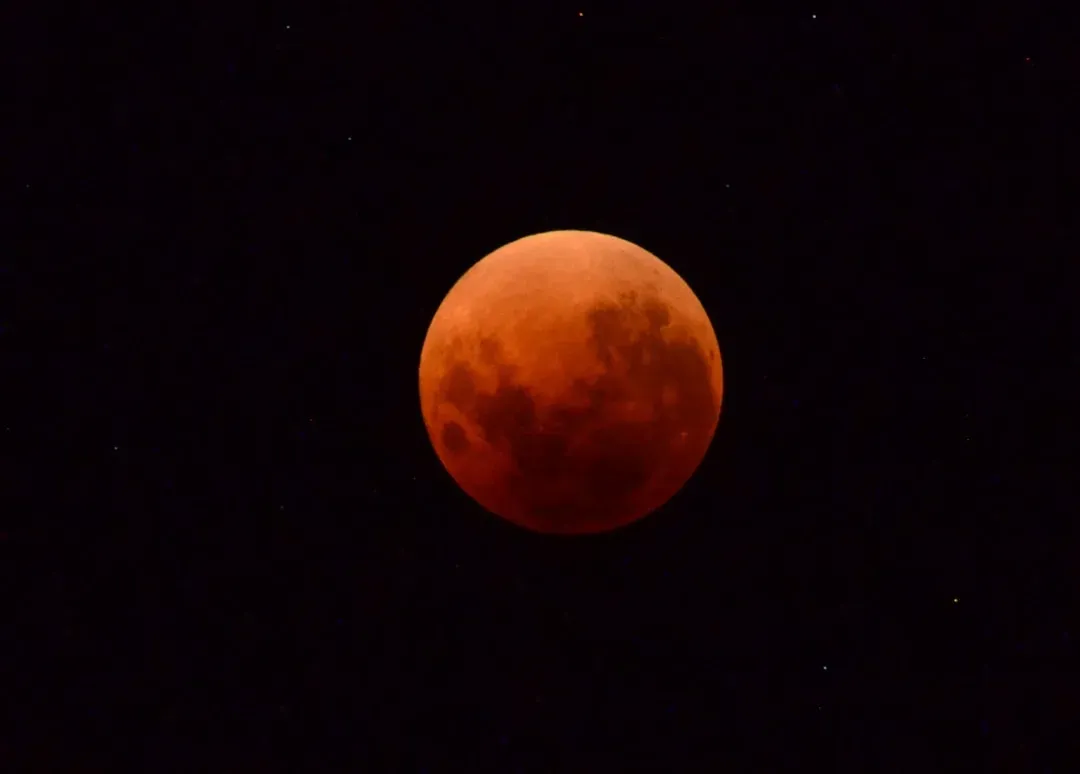
Dramatic and eerie, a total lunar eclipse turns the familiar full moon into a dim, reddish orb that looks almost like it’s glowing from within. This happens when Earth moves directly between the Sun and the Moon, and our planet’s shadow falls across the lunar surface. Instead of disappearing, the Moon is lit by sunlight bent through Earth’s atmosphere, filtered and colored by dust, clouds, and even volcanic ash. That filtered light gives it that haunting copper or brick-red color people love to call a “blood moon.”
The beauty of a lunar eclipse is how friendly it is for casual observers: you don’t need special glasses, a telescope, or any gear at all. You can watch it unfold gradually over a couple of hours, from the first dark bite on the moon’s edge to full totality when it glows red. In many places, friends gather in backyards or parks to watch together, passing around blankets and snacks like it’s a nighttime picnic. If you’ve never seen the moon fade and then return in real time, it can be surprisingly emotional – like seeing a trusted old friend in a completely new light.
The Milky Way: Our Home Galaxy Stretching Overhead
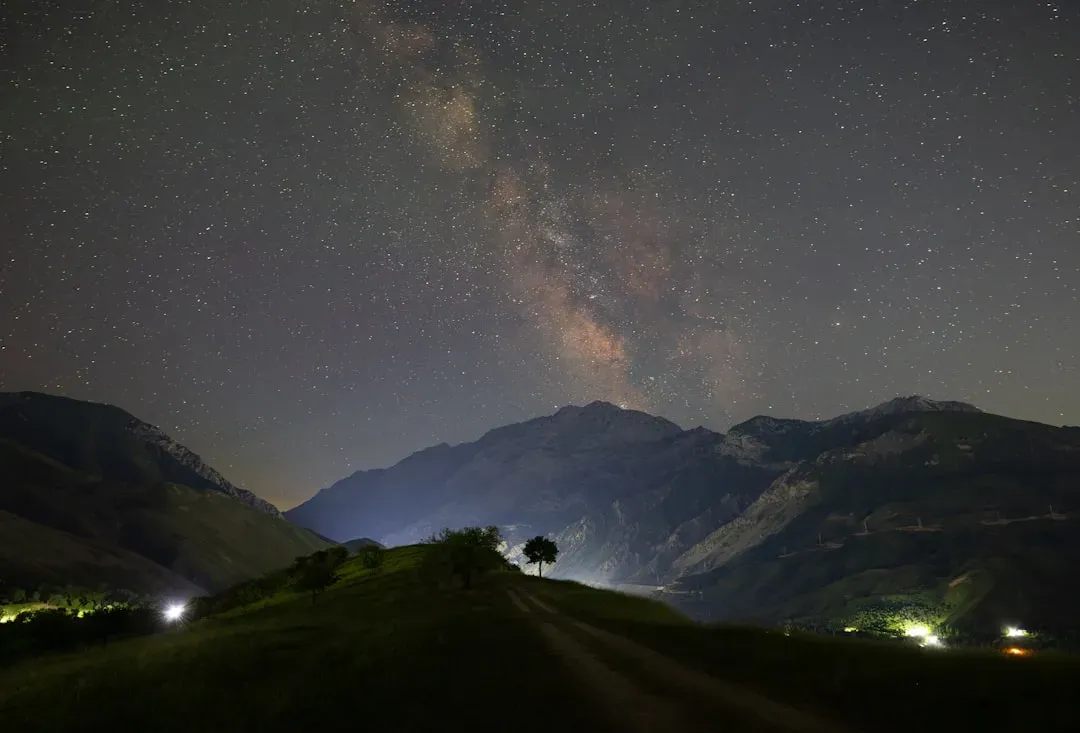
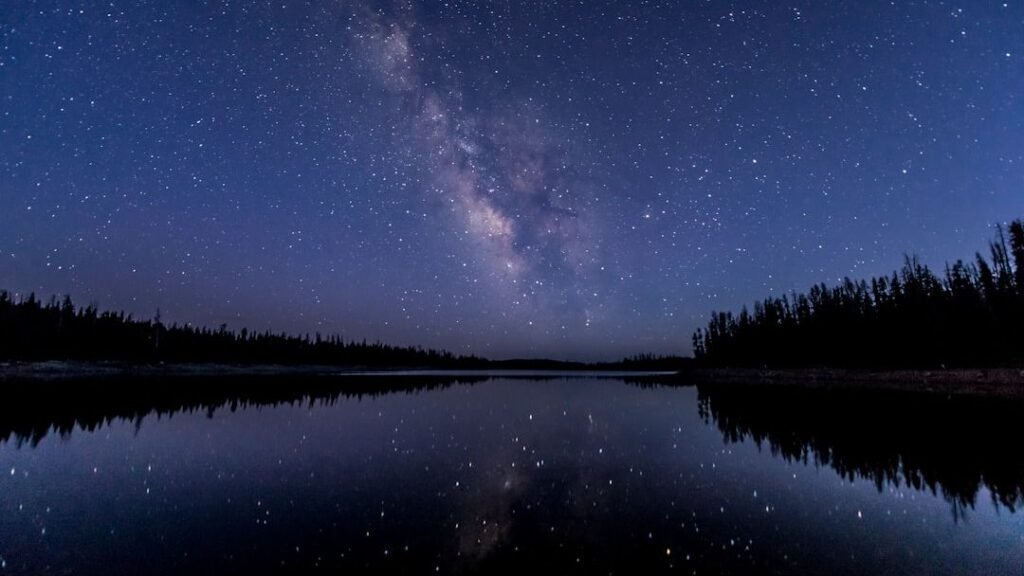
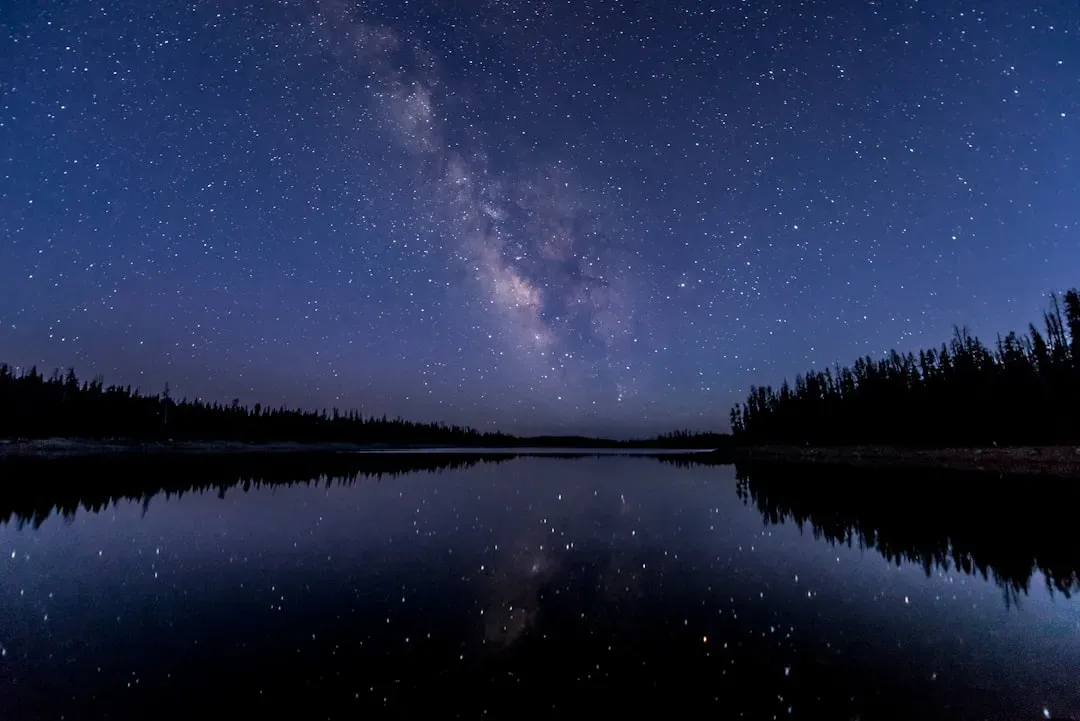
Most people living in cities have never really seen the Milky Way with their own eyes, which feels almost tragic when you think about it. In a truly dark place, far from streetlights and billboards, the Milky Way appears as a hazy, pale band arching across the sky, packed with more stars than you could ever count. It’s not a distant galaxy; it’s our own, seen from the inside, like looking across a crowded room and realizing you’re in the middle of a vast party. The sight can be so rich with detail that it feels almost like someone brushed smoke and diamonds across the night.
To catch it, you need three things: darkness, clear skies, and time for your eyes to adapt. Once your eyes are used to the dark, subtle details pop out – knots of stars, dark lanes of dust, and a faint glow that seems to shift as you stare. I remember the first time I really saw it; the sky felt deeper, almost like it had gained extra dimensions. In that moment, all the diagrams from school suddenly turned into reality, and it became impossible to forget that our “little” world orbits within a huge galactic disk of hundreds of billions of stars.
Planetary Conjunctions: When Worlds Line Up
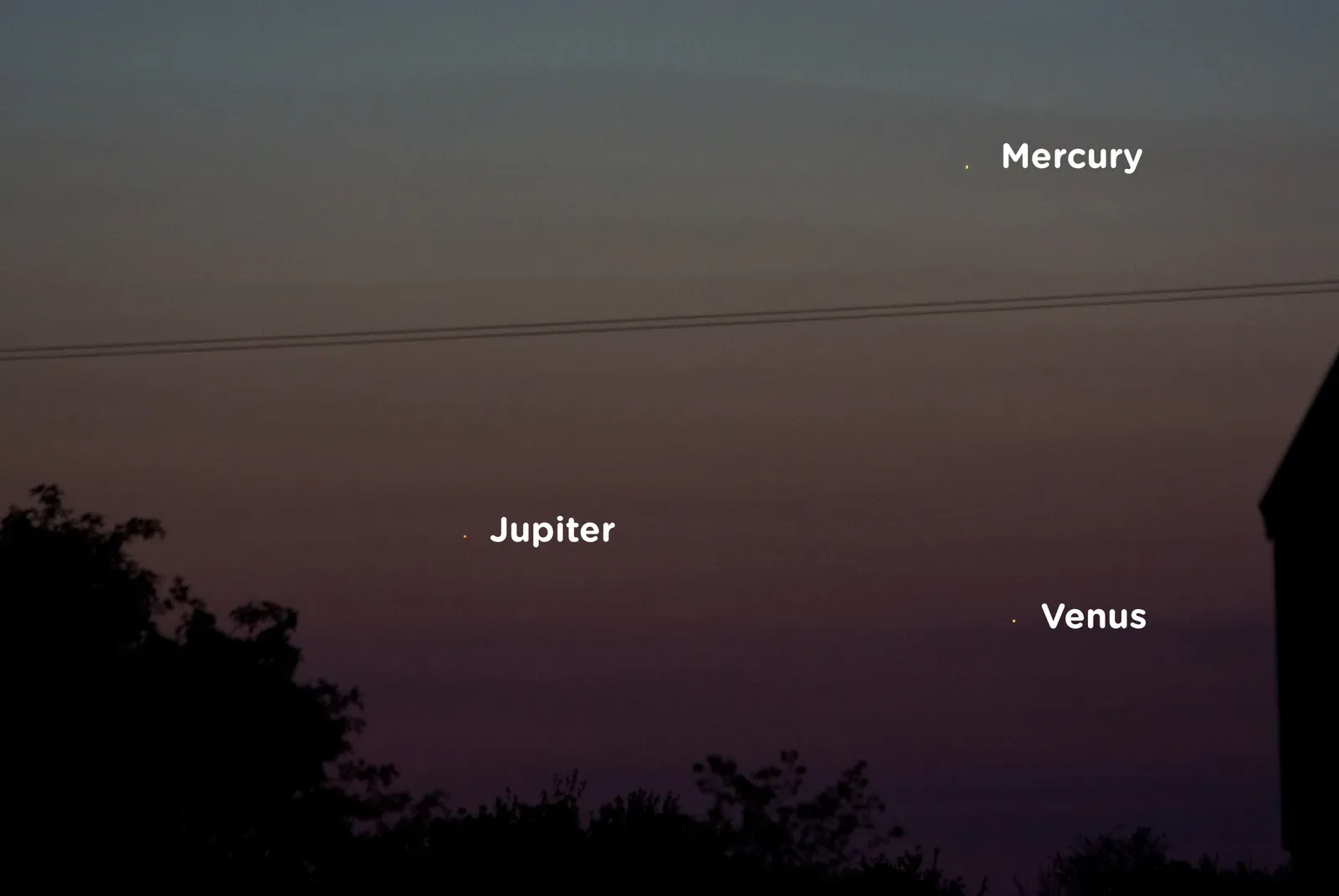
Every so often, bright planets in our solar system seem to snuggle up next to each other in the sky, creating striking pairings or groupings that catch even casual observers off guard. These are planetary conjunctions, when two or more planets appear very close together from our perspective on Earth, even though they’re still massively far apart in space. You might see Venus shining near Jupiter after sunset, or Mars hanging close to Saturn in the early morning. To the naked eye, they look like unusually bright “stars” held in an almost deliberate arrangement.
These alignments are easy to spot because planets don’t twinkle like regular stars; they shine with a steadier, more solid light. When multiple planets gather near the Moon, the sky starts to look surprisingly symmetrical, almost staged. People have been tracking these patterns for thousands of years, seeing them as omens or signs, long before we knew what planets actually were. In recent years, social media has made these events even more noticeable, as photos of bright “double stars” near the horizon spread quickly and nudge more people to walk outside and look up for themselves.
The Zodiacal Light: A Ghostly Pyramid Before Dawn
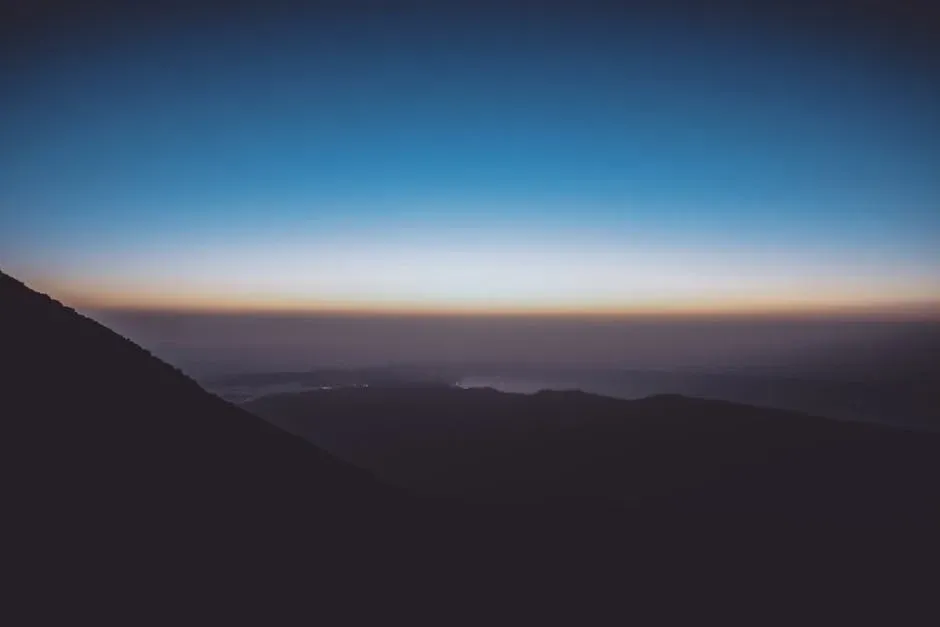
The zodiacal light is one of those “hidden” sky features that many people have never heard about but can’t forget once they’ve seen it. It appears as a faint, triangular glow rising from the horizon just before dawn or right after dusk, along the path where the Sun and planets travel. This ghostly light comes from sunlight reflecting off a huge cloud of dust particles spread through the inner solar system. It’s subtle, delicate, and easily drowned out by city lights or even bright moonlight.
To spot it, you need a very dark location, a clear view of the horizon, and some patience as your eyes adjust. When it finally appears, it can look almost like someone left a pale lantern glowing just above the ground, stretching upward into the stars. Because it lines up with the plane of the solar system, it’s literally a sign of all the material swirling around the Sun with us. It’s not as dramatic as an aurora or eclipse, but there’s something quietly powerful about seeing evidence of cosmic dust hanging in space, lit up by a star we take for granted every single day.
Bright Planetary Oppositions: When Planets Put On Their Best Show
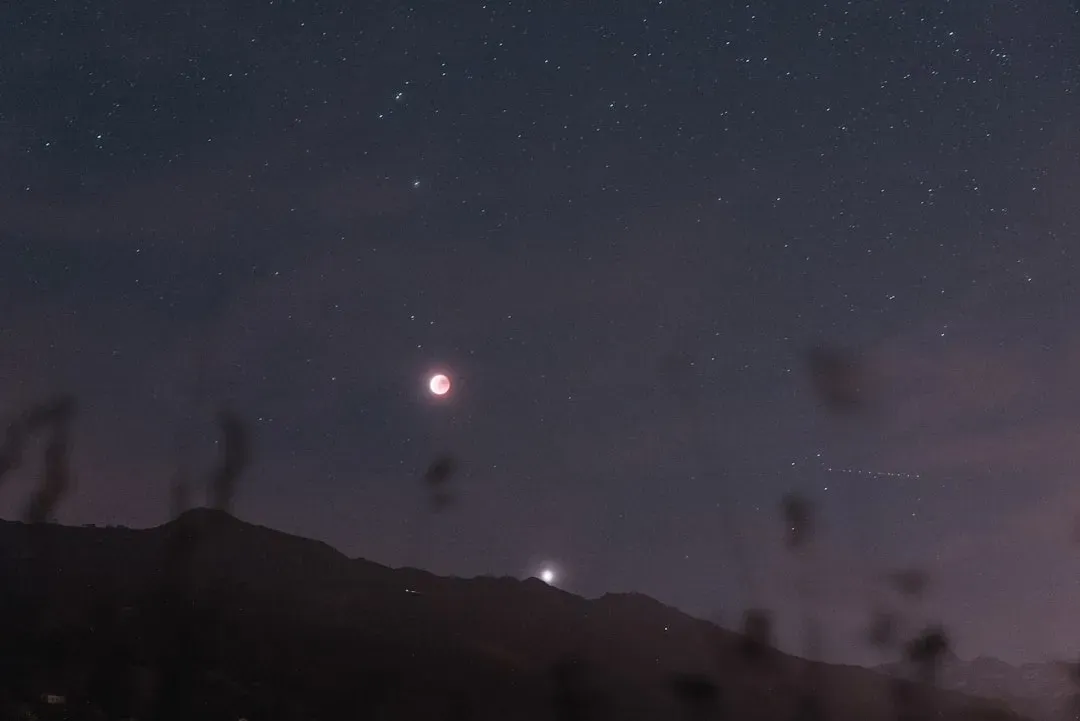
When a planet like Mars, Jupiter, or Saturn reaches opposition, it lines up with Earth and the Sun so that it rises at sunset and sets at sunrise, staying visible all night. During opposition, the planet is about as close and bright as it will get from our point of view, turning into a standout beacon in the sky. Mars can glow with a vivid orange-red hue, Jupiter can outshine nearly every other night object except the Moon, and Saturn appears as a steady golden point. Even without magnification, that extra brightness makes them feel more alive, more like worlds than distant lights.
In recent oppositions, Mars has drawn attention when it flared unusually bright, inspiring people to step outside and try to spot its reddish glow near the Moon or nearby stars. While a telescope reveals stunning details like rings or cloud bands, the naked-eye view still has a special charm: you’re looking at entire planets with your own eyes, no screens or cameras required. Apps and star charts make it simple to find them, but once you know where to look, you can learn to recognize each planet by color and brightness alone. It’s a bit like getting to know your neighbors in a crowded city of stars.
Conclusion: The Universe Is Closer Than It Looks
All of these events share one quiet truth: the universe is putting on a show whether we notice it or not. Auroras, eclipses, meteor showers, ghostly glows, and bright planets do not ask for expensive gear or years of training, just curiosity and a willingness to stand in the dark for a while. In a world that’s constantly urging us to look down at our screens, choosing to look up can feel almost rebellious. Yet the payoff is huge: those fleeting moments when the sky feels alive stay with you for years.
If you start checking simple forecasts, planning occasional dark-sky trips, and stepping outside during key dates, you’ll begin to realize how much you were missing. You might find yourself timing your vacations around meteor showers, or waking up early just to see a rare planetary lineup before sunrise. Over time, these experiences stitch together into a quiet sense of connection with something far bigger than your daily routine. When was the last time you really looked up and let the night sky surprise you?