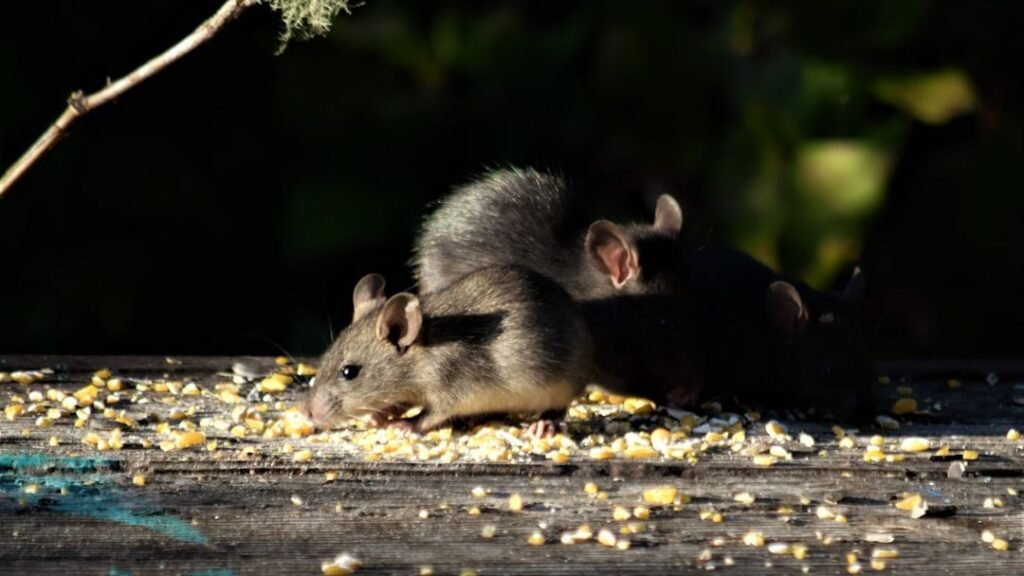

There’s something unsettling about hearing tiny paws scurrying across your floor late at night. Rats and mice are more than just unwelcome guests. They carry disease, contaminate food, and multiply at an alarming rate. Traditional pest control methods often involve harsh chemicals or traps that can be unpleasant to deal with. Yet what if you could send these rodents packing using nothing more than their own highly developed sense of smell against them?
Rodents rely heavily on their keen sense of smell to find food, detect danger, and follow scent trails as a way of navigation. This powerful sensory ability makes them vulnerable to certain scents that overwhelm and irritate their delicate noses. While these natural repellents aren’t always perfect on their own, they can be surprisingly effective when used as part of a broader prevention strategy. Let’s dive in and discover which smells make these unwanted visitors think twice about setting up camp in your space.
Peppermint Oil Creates an Unbearable Minty Barrier
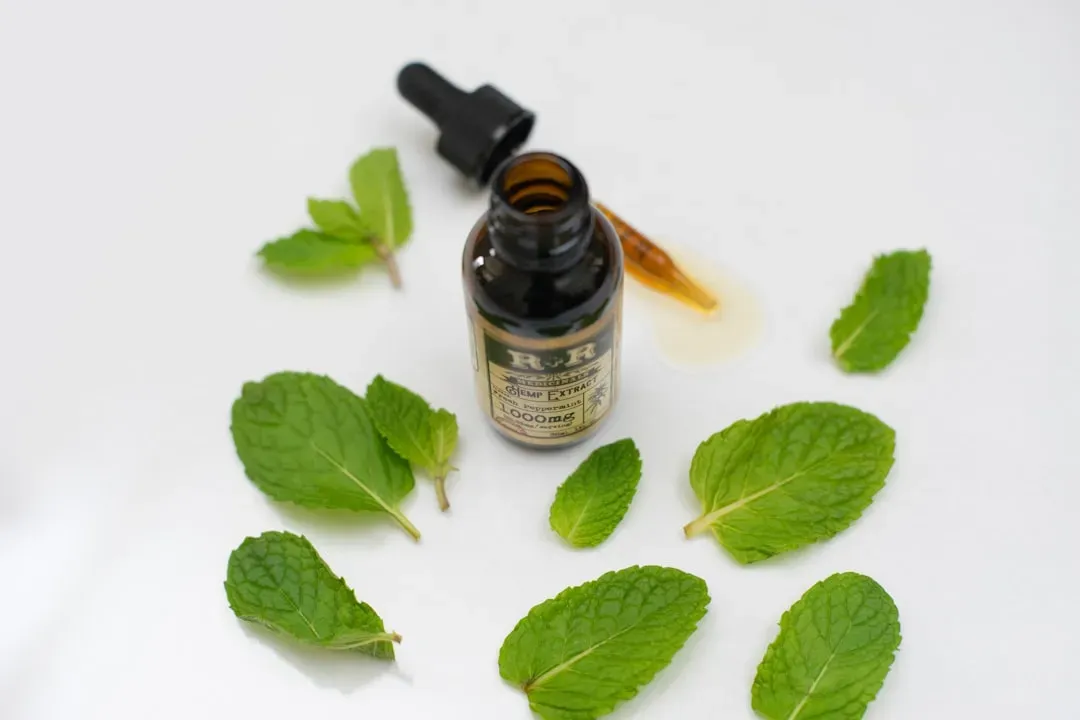
Peppermint oil is one of the most popular scents that deters mice because it’s natural, easy to find, and pleasant to humans. The secret lies in the menthol compound that creates that signature cooling sensation. For rodents, however, this same substance becomes an irritant to their nasal passages.
Mice find the potent menthol aroma of peppermint oil offensive and irritating to their nasal cavities. You can soak cotton balls in the oil and strategically place them near entry points, inside cabinets, or under sinks. Alternatively, mix about two teaspoons of pure peppermint oil with a cup of water in a spray bottle and apply it around suspected problem areas.
The catch? Peppermint oil may help repel mice, but the effectiveness is inconsistent and results have not been proven. The scent fades relatively quickly, meaning you’ll need to refresh your cotton balls or reapply spray every few days to maintain any deterrent effect.
White Vinegar Disrupts Their Navigation System

White vinegar has a potent smell that rats hate. Here’s the thing, though: vinegar doesn’t just repel them with its sharp, acidic odor. Acetic acid in white vinegar can cut through grease trails left by mice to map the room, removing any attractant odors.
Rodents leave scent trails to communicate with each other and navigate their environment. When you wipe down surfaces with a vinegar solution, you’re essentially erasing their roadmap. Mix equal parts water and white vinegar in a spray bottle and use it to clean countertops, baseboards, and door kickboards.
The smell can be pretty intense for humans too, admittedly. If you find the tang lingering longer than you’d like, simply follow up with a plain water wipe. Vinegar cleanses first, then deters second, so it works best as part of a wider cleaning programme.
Cayenne Pepper and Chili Powder Pack a Painful Punch

Ever accidentally touched your eye after handling hot peppers? Imagine that sensation multiplied for a creature with an extraordinarily sensitive nose. Capsaicin within chilli affects the pain receptors in all mammals, meaning that a single whiff for a mouse can help override their curiosity for exploring.
Chili oil or powder can irritate a mouse’s nose and deter them from specific areas, with some people sprinkling chili powder along baseboards or mixing chili oil with water to spray near entry points. The irritation from grooming themselves after contact with the spicy substance creates an additional deterrent effect.
Let’s be real though. The smell can fade and may not stop determined mice looking for food or warmth, making it more of a short-term deterrent than a long-term solution. Reapplication is essential, especially in high-traffic rodent zones.
Ammonia Mimics the Scent of Predators
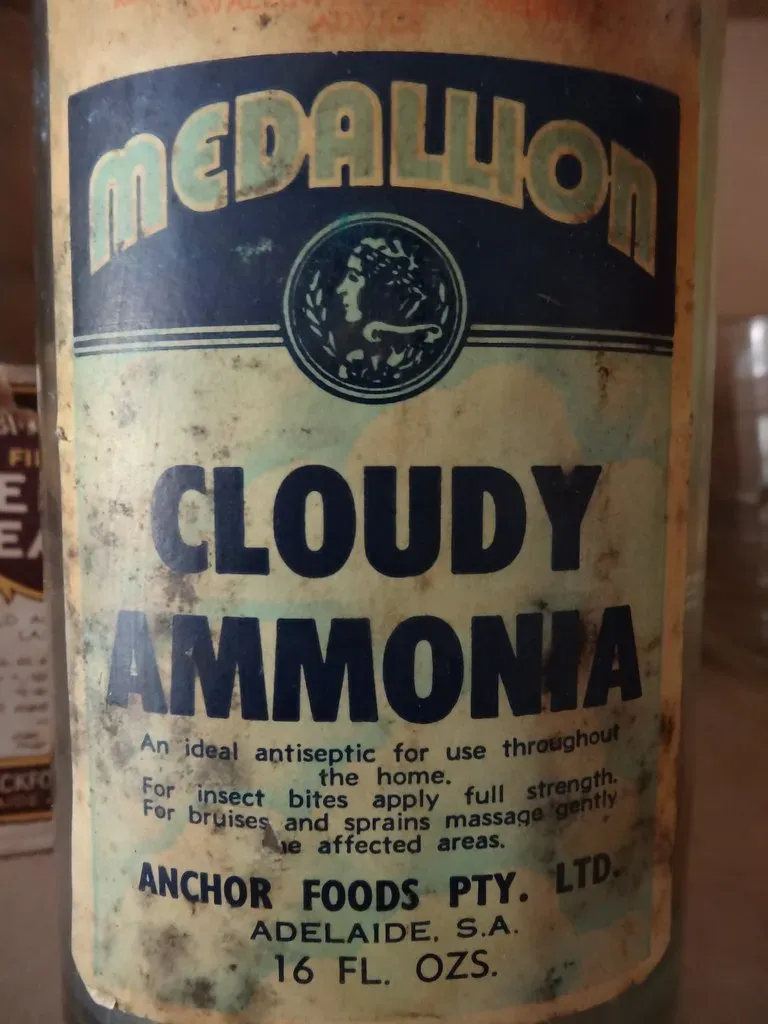
Ammonia is one of the stronger scents mice hate because it gives off a smell similar to predator urine, which can signal danger. This triggers an instinctive fear response in rodents, making them want to evacuate the area immediately.
You might be tempted to place small dishes of ammonia near entry points or areas where you’ve spotted mouse droppings. It’s hard to say for sure, but this approach comes with significant drawbacks. The scent fades quickly, and because ammonia is a harsh chemical, it can be risky to use around kids or pets.
The unpleasant smell that ammonia emits in the air causes extreme side effects including skin burns, eye damage, and inflamed airways. The potential health risks to your family often outweigh any temporary rodent-repelling benefits. If you do experiment with ammonia, use extreme caution and never in enclosed or occupied spaces.
Clove Oil Irritates Their Sensitive Membranes
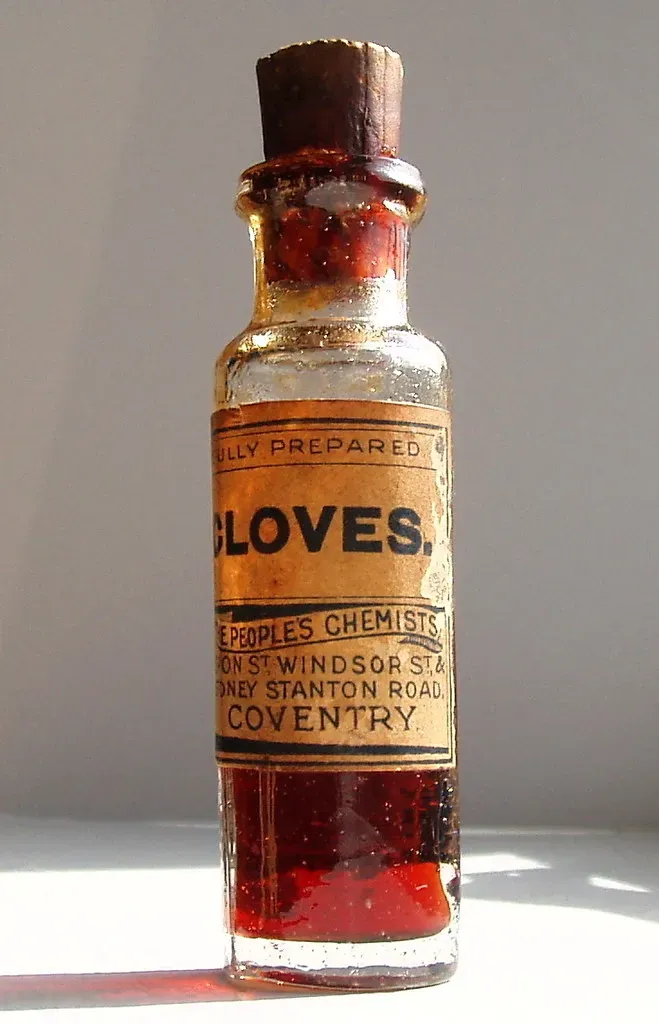
The warm, spicy aroma of cloves might remind you of holiday baking, but rodents find it absolutely intolerable. It’s the eugenol in cloves that creates the irritating smell for mucous membranes in mice, encouraging them to forage elsewhere.
You have several options for deploying this natural deterrent. Lightly soak cotton balls in clove oil and tuck them into corners, behind appliances, or in other spots where you’ve noticed rodent activity. You can put cloves into slices of fruit for a more decorative deterrent, or add clove oil to water, shake, and spray around skirting boards or areas where mice have been spotted.
Be mindful of your surfaces though. Clove oil can stain some paintwork, so always test on a small patch that won’t be noticed first. Like most scent-based repellents, consistency matters more than a single application.
Lavender and Other Essential Oils Overwhelm Their Senses

Essential plant oils like peppermint, rosemary, citronella, sage and lavender have strong botanical scents that rats dislike. While peppermint tends to get most of the attention, these other aromatic oils deserve recognition for their rodent-repelling properties.
Mice can find the strong floral scent of lavender overwhelming and unpleasant. Dried lavender in muslin sachets can be placed in store cupboards to deter mice seeking food. The pleasant aroma makes this option particularly appealing for homeowners who want their pest control efforts to smell good.
Eucalyptus oil offers similar benefits, while citronella has demonstrated particularly promising results. Citronellal has been shown to overwhelm the senses of rodents and can reduce their appetite in some cases when inhaled. Honestly, the variety gives you options to find a scent that works for both repelling rodents and pleasing your own nose.
Balsam Fir Oil Provides Concentrated Protection
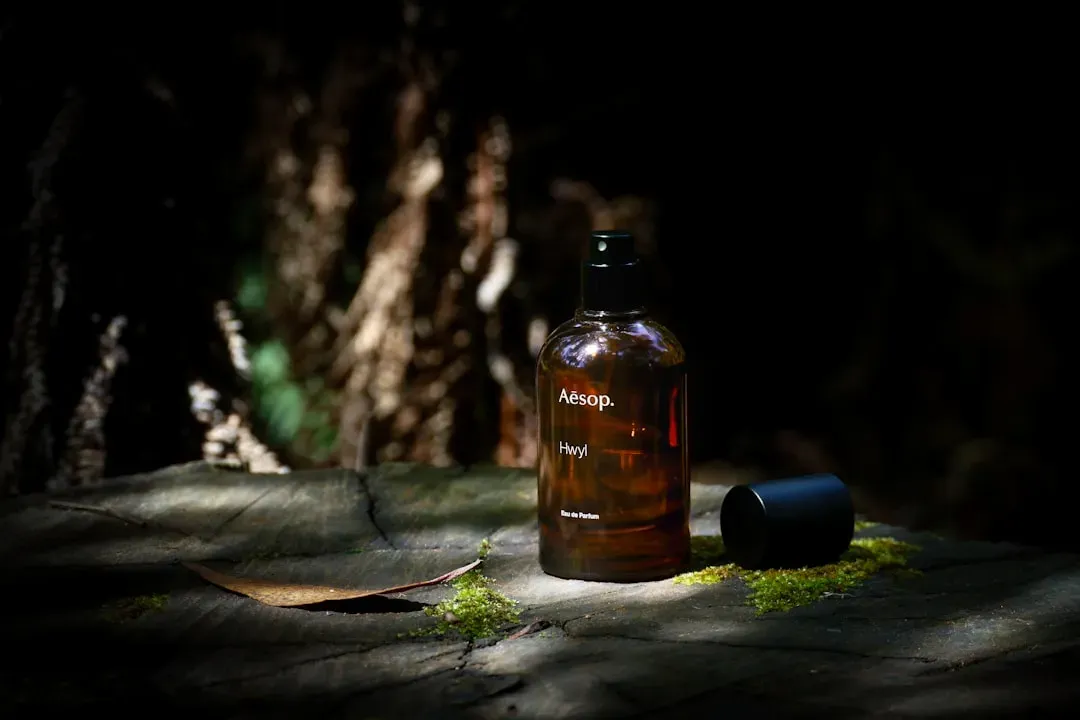
Some registered rodent repellents contain balsam oil among other ingredients, and the pungent piney smell has been reported to be effective at repelling mice and rats from enclosed spaces like RVs and cars. This lesser-known option deserves more attention for its concentrated potency.
Botanical repellents made from plant fiber and balsam fir oil create an odor that is overwhelming to rodents, but pleasant to people. The woodsy, fresh scent makes it ideal for use in storage areas, garages, or vehicles where rodents might seek shelter during colder months.
The advantage of balsam fir is its longevity compared to some other essential oils. Yet remember, pest repellents really work for rats and mice but generally just in the short term, as rodents are highly evolved alongside humans and easily become comfortable with repellent smells. Rotation is key to maintaining effectiveness over time.
The Reality Check: Scents Alone Won’t Solve Everything
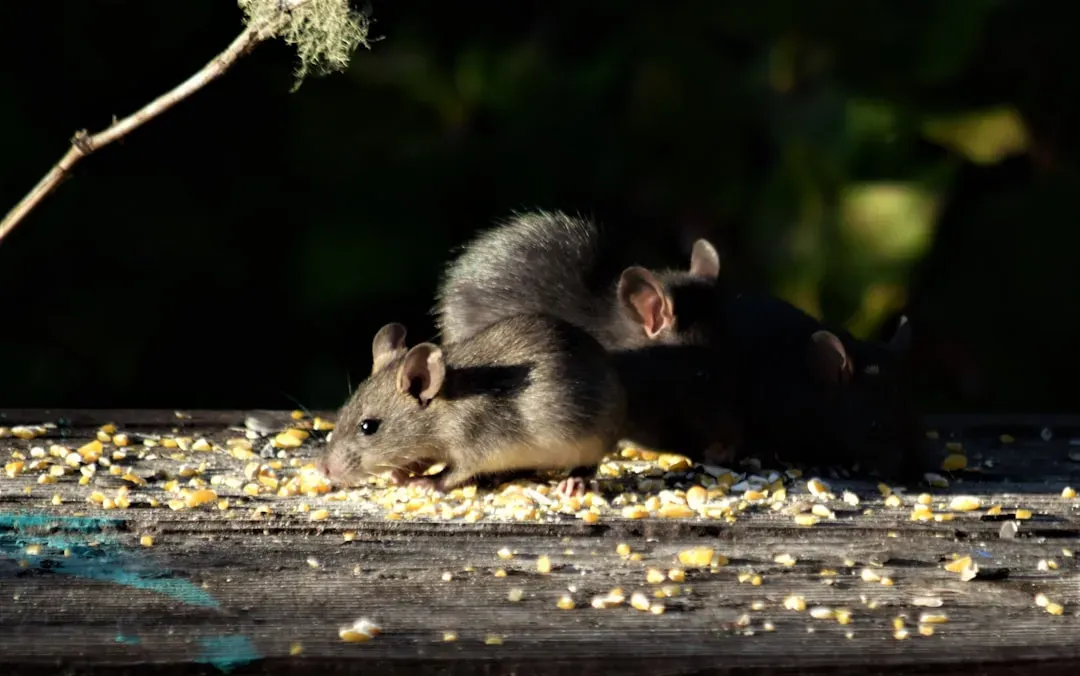
Let’s be honest about something important. Scent-based repellents work best as part of a broader pest control strategy and are not typically effective as a standalone solution for long-term rat prevention. These natural deterrents can absolutely help, particularly for prevention or minor rodent presence, but they’re not magic bullets.
The best natural rodent deterrent is locking up every possible food source and clearing any possible hiding place. Seal cracks and holes around your foundation, doors, and windows. Store food in airtight containers and clean up crumbs immediately. Eliminate water sources by fixing leaky pipes.
Do not rely solely on one repellent all the time; always rotate the repellent you’re using, where you apply it, and frequency to prevent rats from getting used to it. If you’re dealing with an active infestation rather than trying to prevent one, professional pest control services may be necessary to fully address the problem.
What surprises me most about these natural repellents is how they tap into millions of years of evolutionary instinct. Rodents have survived this long by trusting their noses, and we can use that same survival mechanism to encourage them to find somewhere else to live. Did you notice which scent surprised you most? Sometimes the simplest solutions have been right under our noses all along.