On some level, your brain still thinks the world is stable, cyclical, familiar: summers are hot, winters are cold, and storms are temporary visitors that eventually move on. But step outside that mental script, and the data tell a very different story, one where the entire planet’s weather engine is shifting gear. We’re living through a moment when the climate’s “rules” are being rewritten faster than our instincts can keep up. Scientists are not just tracking rising temperatures; they’re watching patterns of rain, wind, ice, and ocean heat flip into states that humans have never recorded before. The mystery is no longer whether the climate is changing, but what kind of new atmospheric age we’re actually entering – and how quickly our minds and societies can adapt.
The Hidden Clues: Heat Records That Refuse To Be Rare
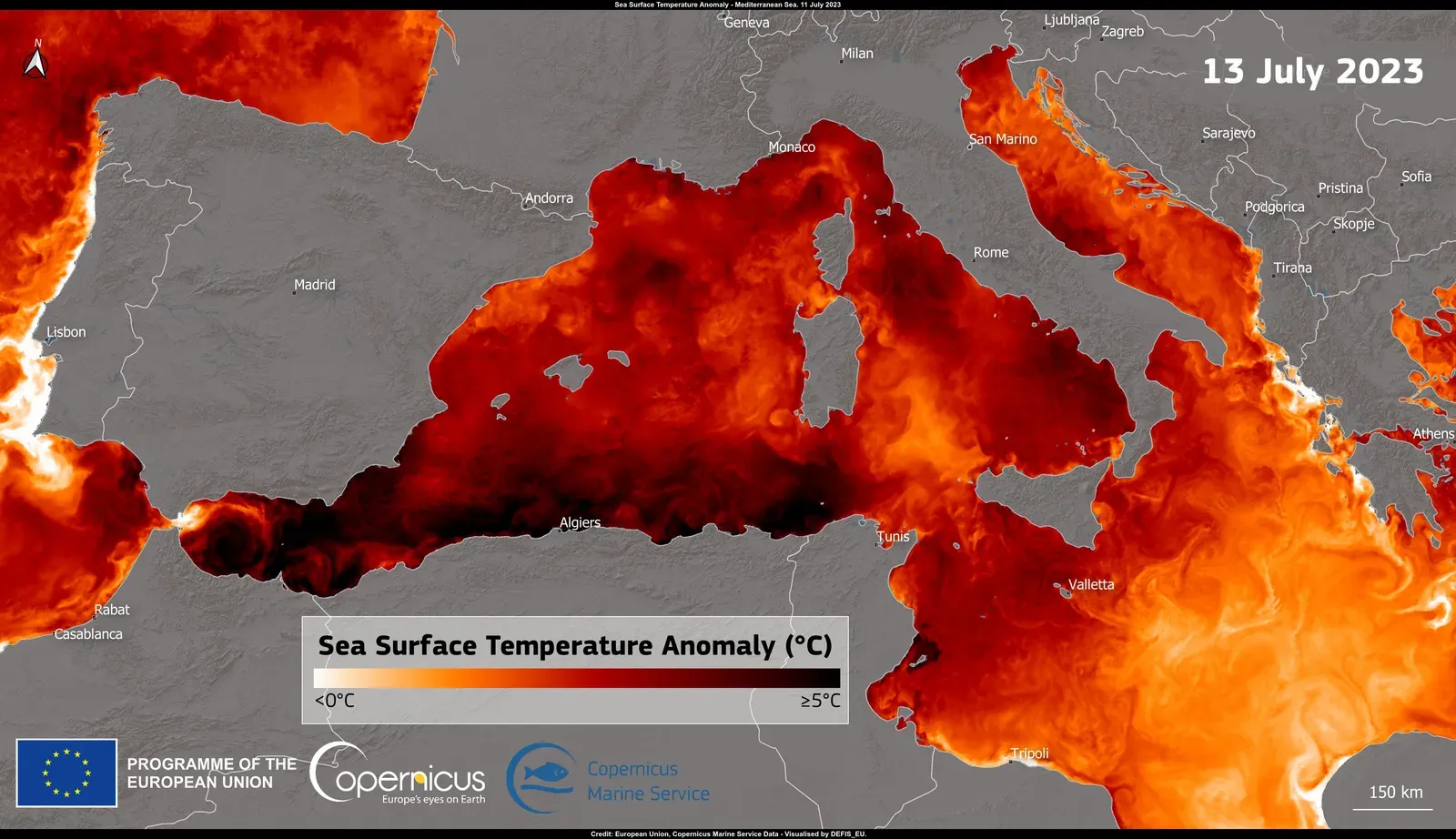
There was a time when breaking a heat record was a once-in-a-decade headline, a freak blip that made the news and then receded into memory. Now, record-breaking heat is starting to feel grimly routine, as if the thermostat of the planet has been nudged upward and the dial stuck. Year after year, scientists log new “hottest days,” “hottest months,” and “hottest years,” and what used to be exceptional is quietly becoming the new baseline. In 2023 and 2024, global average temperatures surged so far above pre-industrial levels that many researchers described the anomalies as shocking even by climate-change standards. This relentless shift is exactly what physics predicts when greenhouse gases trap more heat, but living through it feels like watching the goalposts move in real time.
What’s crucial – and deeply unsettling – is that our brains are wired to normalize whatever we see most often, so an unusually hot summer quickly becomes just “summer.” That mental adaptation hides the real danger: ecosystems, crops, and power grids don’t recalibrate as easily as we do. Heat waves that used to occur maybe once in several decades are now striking far more frequently, and in many regions they last longer and reach higher peak temperatures. Doctors are reporting more cases of heat-related illness in places that once considered themselves safely temperate, while nighttime temperatures often stay too high for the body to properly cool down. When records stop being rare, it’s a sign that the climate system itself has shifted into a new operating range.
Storms Supercharged: When Familiar Weather Turns Extreme
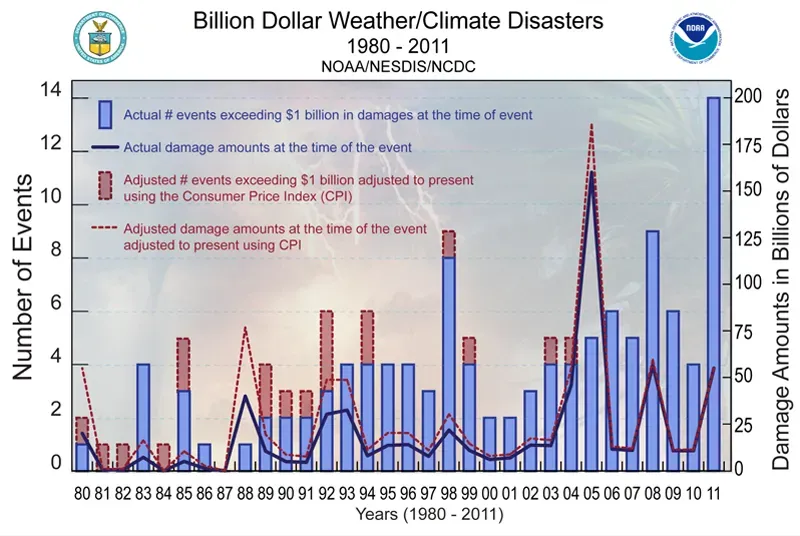
Thunderstorms, hurricanes, and heavy downpours have always been part of the planet’s drama, but lately they seem to be operating with a different script and a bigger budget. Warmer air can hold more moisture – roughly about seven percent more water vapor for every additional degree Celsius – so when that moisture finally condenses, the sky can dump incredible volumes of rain in very short bursts. That’s why places from the United States to Europe and Asia have seen seemingly “impossible” floods in recent years, where a month’s worth of rain falls in a day or even in a few hours. Streets turn into rivers, subway tunnels become channels, and infrastructure built for the storms of the past simply cannot handle the torrents of today. It looks like bad luck, but it is really physics meeting outdated expectations.
Meanwhile, tropical cyclones and hurricanes are tapping into warmer ocean waters that act like high-octane fuel. Even if the total number of storms each year does not explode, the share of the most intense, high-category storms is increasing in many ocean basins. Rapid intensification – where a storm jumps in strength dramatically in a short time – has become a particular concern for forecasters and coastal communities. When a storm strengthens far faster than models predicted, evacuation plans, emergency shelters, and even mental readiness are all caught off guard. The feeling that storms are no longer behaving “normally” is not just anxiety; it’s an intuitive recognition that the climate backdrop they form against has already changed.
From Ancient Cycles to a Disturbed Jet Stream
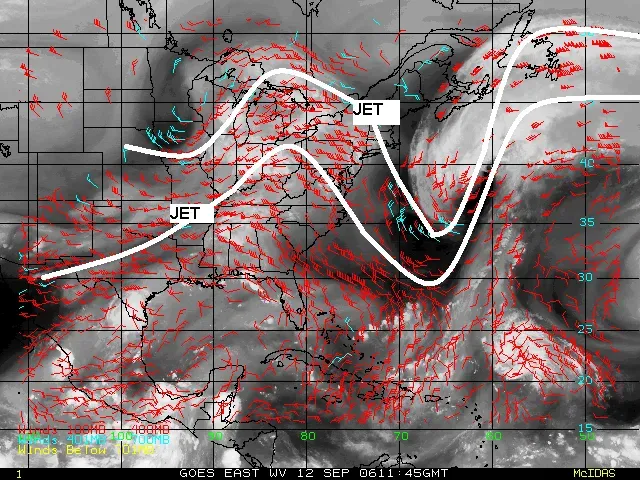
For thousands of years, human societies quietly relied on one of the atmosphere’s great organizing forces: the jet stream, a high-altitude river of air that helps steer weather across the mid-latitudes. Farmers learned when the rains usually came, sailors trusted prevailing winds, and entire cultures evolved around semi-predictable seasonal rhythms. Now, scientists are watching that jet stream bend, stall, and contort in ways that amplify extremes on the ground. In some cases, weaker temperature contrasts between the Arctic and lower latitudes – driven by faster Arctic warming – appear linked to more wavy, stuck patterns higher up in the atmosphere.
When that fast-flowing “weather highway” slows down or loops dramatically, familiar patterns can lock into place for weeks. A heat dome can linger over one region while another endures endless rain or unseasonal cold, leaving people feeling as if the weather wheel has jammed. These stalled patterns have already been implicated in deadly heat waves, devastating floods, and persistent droughts in various parts of the world. What used to be explained away as a strange season now has a clearer physical story behind it: a big piece of the planet’s atmospheric machinery isn’t running like it used to. Our cultural idea of four neat seasons was always an oversimplification, but in a disturbed jet-stream era, it is starting to feel more like nostalgia than reality.
Ice in Retreat: The Vanishing Memory of Winter

One of the most startling signs that we’ve crossed into a new climatic chapter is the rapid retreat of ice, from mountain glaciers to polar seas. Glaciers that have fed rivers for centuries are shrinking, leaving behind bare rock and unstable slopes, and in some cases scientists are projecting their near-total loss within this century. Arctic sea ice, which once provided a solid, bright shield reflecting sunlight back into space, now covers less area and is thinner on average than in previous decades. When that reflective ice is replaced by dark open water, more solar energy is absorbed, reinforcing local and global warming in a feedback loop. It’s as if the planet has started erasing its own long-term memory of cold seasons.
This matters for far more than scenic landscapes. Communities that depend on predictable meltwater for drinking supplies and agriculture are discovering that their water security is tied directly to the fate of distant ice fields. Wildlife adapted to stable snow and sea-ice conditions – whether it’s polar bears, penguins, or mountain-dwelling species – find themselves stranded in habitats that are changing faster than evolution typically allows. Even human-built systems, like winter tourism industries and snow-dependent transportation routes, are having to rethink what “normal winter” actually is. When ice that took centuries to build can vanish in a human lifetime, it’s a clear warning that the climate era we grew up imagining is already over.
Why It Matters: Our Brains, Our Bodies, and Our Built World
It’s tempting to file all of this under abstract “climate news,” but the shift in weather patterns is really a story about bodies and brains under pressure. Our nervous systems evolved in a world where environmental changes were relatively slow, giving cultures time to adapt farming methods, settlement patterns, and daily routines. Now, extreme heat, smoky skies from megafires, and yo-yoing seasons are hitting within a single generation, compressing that adaptation window to something much more psychologically jarring. Doctors are documenting more heat stress, respiratory issues from wildfire smoke, and even mental health strains tied to climate anxiety and disaster trauma. The new age of weather is literally touching our skin, lungs, and sleep cycles.
At the same time, the infrastructure and institutions we lean on were designed for a climate that no longer exists. Power grids that buckle during prolonged heat waves, stormwater systems overwhelmed by cloudbursts, and coastal defenses built for lower seas are all symptoms of a mismatch between past assumptions and present reality. The stakes are not evenly shared, either: low-income communities and historically marginalized groups often live in hotter neighborhoods, flood-prone zones, or areas with less green space and weaker safety nets. When the climate shifts, those existing vulnerabilities widen, turning a planetary physics problem into a question of justice and resilience. Recognizing that we’re entering a new weather age is not just scientific honesty; it is a prerequisite for protecting human dignity in a warming world.
Global Perspectives: Uneven Shockwaves Across the Planet
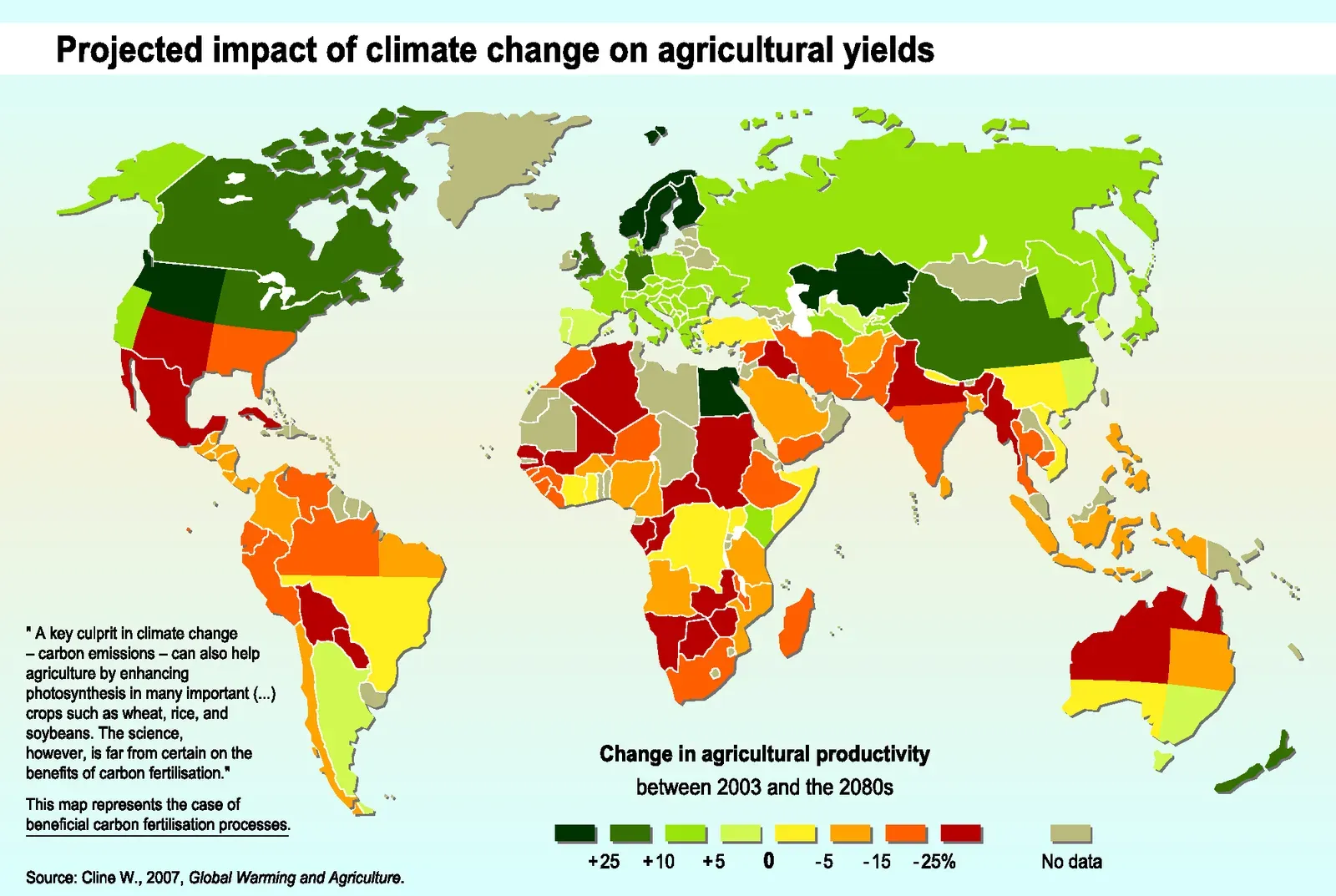
One of the trickiest parts about understanding this new weather era is that it does not look the same everywhere, even though it is driven by the same underlying warming trend. Some regions are seeing more intense monsoons or torrential downpours, while others slip deeper into long, punishing droughts. Small island nations contend with sea-level rise and stronger storms that threaten freshwater supplies and entire communities, while high-latitude countries juggle permafrost thaw and shifting wildfire seasons. Each place experiences its own mix of hazards, but the fingerprints of the same global energy imbalance show up again and again. What ties these stories together is not identical outcomes, but the shared sense that old climate guides no longer apply.
Scientists, meanwhile, are collaborating across borders to make sense of this mosaic of change. They combine satellite observations, ground-based measurements, climate models, and historical records to map how different regions are being pushed into unfamiliar regimes. For many parts of the Global South, the frustration is that they face some of the harshest consequences despite having contributed the least to historical greenhouse gas emissions. For wealthier countries, the illusion that climate disruption would remain a distant problem has already been shattered by record fires, heat waves, and floods close to home. Seen from above, the planet looks like a patchwork of local crises that are all chapters in the same global story: a climate system exiting its previous comfort zone.
New Tools, New Insights: How Science Is Catching Up
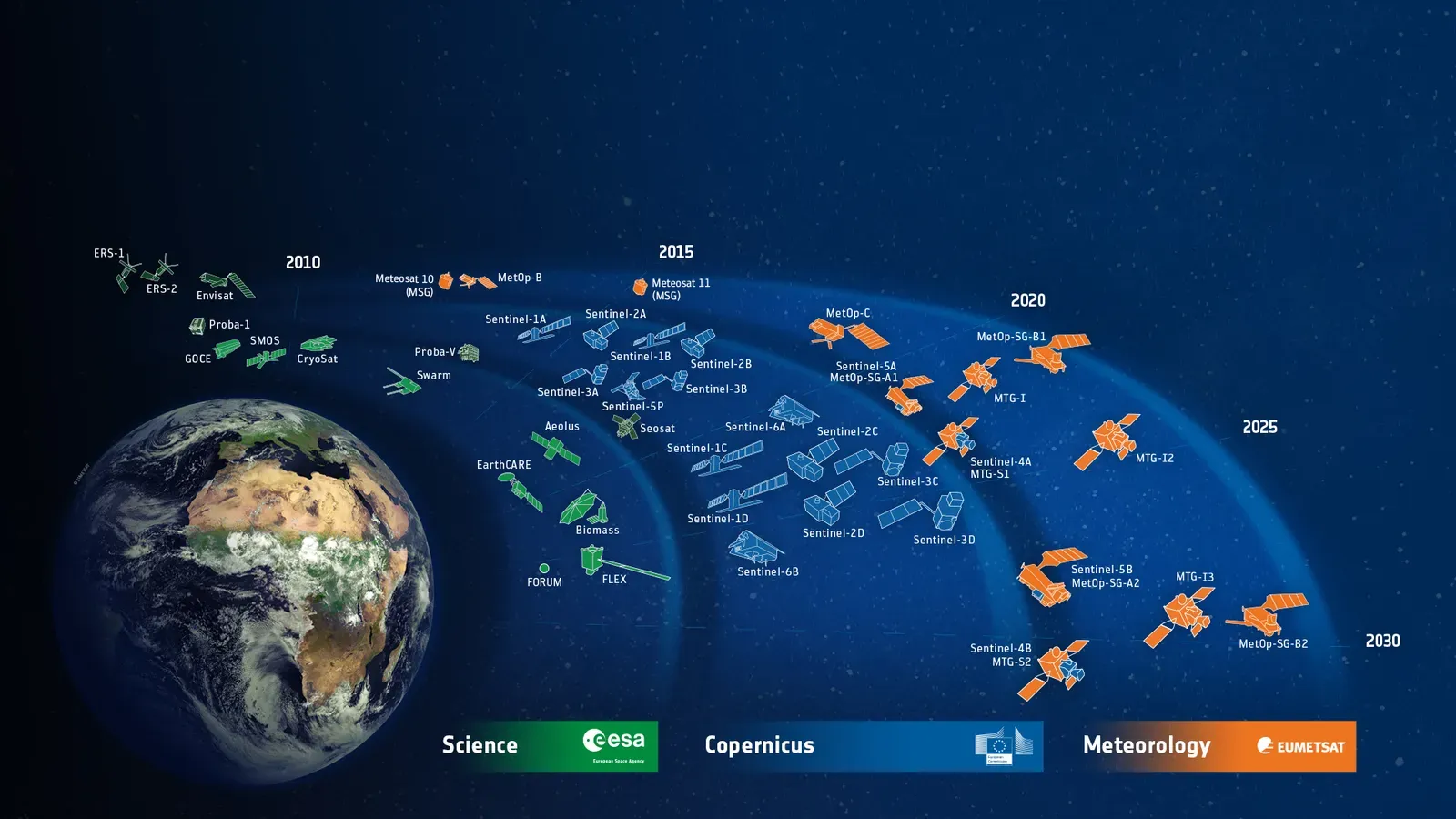
To track a climate that is changing this quickly, scientists have had to reinvent how they watch the sky, sea, and soil. High-resolution satellites now map everything from ocean temperatures to soil moisture and wildfire smoke plumes in near real time, revealing how events ripple across continents. Sophisticated climate models run on powerful supercomputers simulate not just average conditions but the statistics of extremes, helping researchers probe how likely certain heat waves or floods would have been in a world without human-driven warming. With a field known as event attribution, scientists can now estimate how much climate change has increased the odds or intensity of particular disasters. That turns vague warnings into quantifiable risk.
On the ground and in the oceans, networks of sensors, buoys, and autonomous vehicles feed a constant stream of data into this global weather-intelligence system. Machine learning methods sift through petabytes of information to spot early signals of changing patterns that human eyes might miss. These tools also support practical forecasting: more accurate heat-wave alerts, better flood warnings, and seasonal outlooks that help farmers and city planners make decisions. Together, they act like an upgraded nervous system for the planet, giving us a clearer view of the new climate age as it unfolds. The challenge is no longer that we lack information, but whether we can act on it at the scale and speed that the data demand.
The Future Landscape: Living With a Weather System in Overdrive
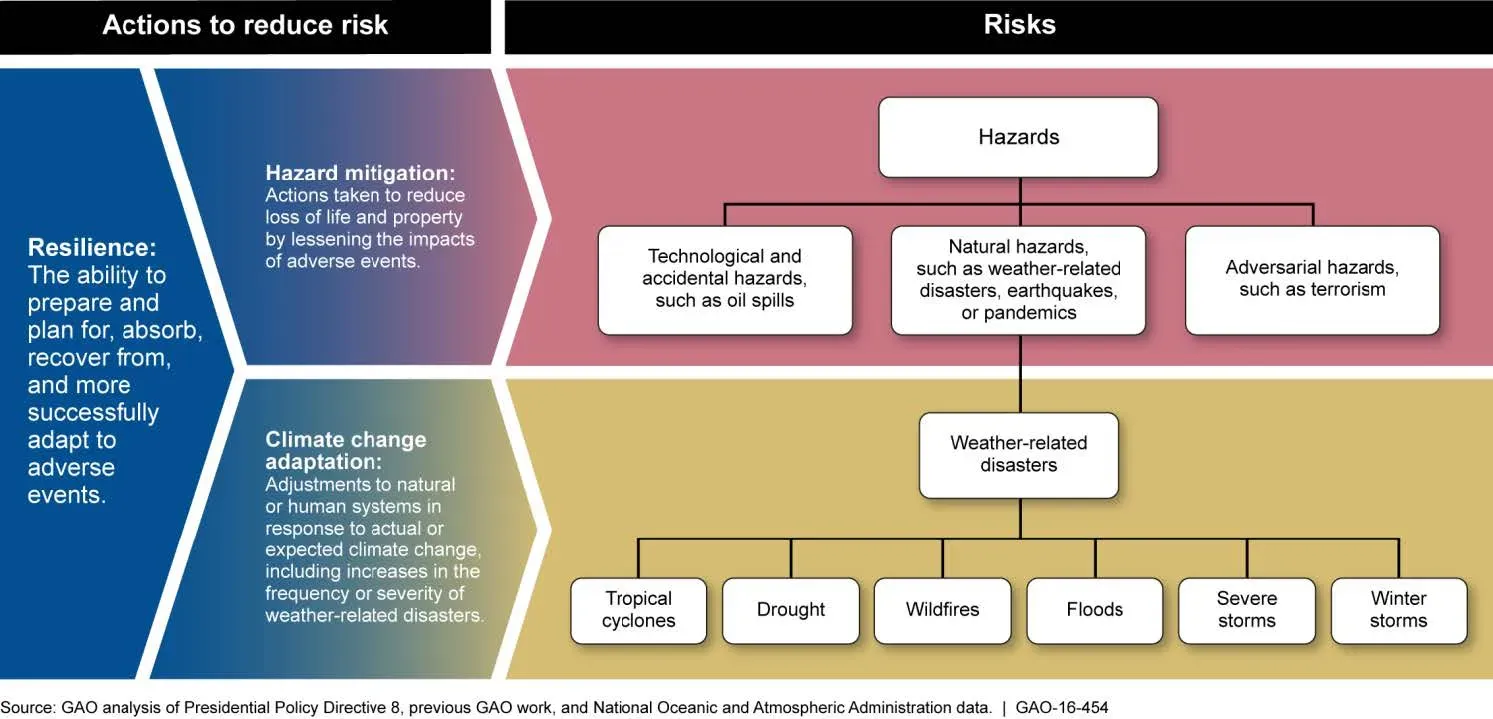
Looking ahead, scientists are not expecting the climate system to settle into a calm new normal anytime soon; instead, many warn of decades where extremes become more pronounced as long as greenhouse gas emissions remain high. That means planning for a future where heat waves are longer, fire seasons are more erratic, downpours more intense, and coastlines more exposed to higher seas and storm surges. Some communities are already experimenting with radical adaptations: relocating neighborhoods away from floodplains, redesigning cities with reflective roofs and tree canopies, and restoring wetlands that can soak up stormwater. Others are weighing more controversial ideas, from large-scale carbon removal to solar radiation management, as they wrestle with shrinking options and rising risks. The new age of weather will test not only our engineering, but also our ethics and political will.
At the same time, there is a growing recognition that resilience is as much about social fabric as concrete and steel. Communities that invest in social cohesion, early warning systems, and inclusive planning often bounce back faster from disasters than those that rely on infrastructure alone. Education, public health, and trust in science become critical tools for navigating a less predictable atmosphere. The future climate story is not written yet, but physics sets boundaries: the more we limit future warming, the less extreme this new weather era will become. Within those boundaries lies a profound question for this generation: what kind of world do we want our children’s brains and bodies to consider “normal”?
What You Can Do Now: Tuning Your Life to a Changing Sky
Faced with a planetary-scale problem, it’s easy to feel small, but individual and local choices still matter, especially when they ripple outward through culture and politics. One starting point is simply to pay closer attention to the weather around you – not in a doom-scrolling way, but as a curious observer. Notice when “once in a lifetime” events start to feel familiar, and talk about it with friends, family, and coworkers; shifting the social conversation is often the first step toward shifting policy. Support local efforts to plant trees, cool heat-prone neighborhoods, restore wetlands, or improve flood defenses; these projects both reduce risk and build a sense of shared purpose. You can also vote, advocate, and donate in ways that favor clean energy, climate-smart planning, and strong scientific institutions.
On a personal level, reducing your own carbon footprint is less about perfection and more about momentum. Choosing more efficient transport, adjusting home energy use, and cutting unnecessary waste all send signals into markets and politics that people care about a livable climate. Schools, workplaces, and community groups can host climate literacy events or partner with scientists and local officials to better understand regional risks. Paying attention to trusted weather and climate information – rather than rumors or sensationalism – helps you make smarter decisions when extreme events do arrive. In the end, recognizing that we are entering a new age of weather is not a reason to give up; it is an invitation to participate more fully in shaping how we respond.
Suhail Ahmed is a passionate digital professional and nature enthusiast with over 8 years of experience in content strategy, SEO, web development, and digital operations. Alongside his freelance journey, Suhail actively contributes to nature and wildlife platforms like Discover Wildlife, where he channels his curiosity for the planet into engaging, educational storytelling.
With a strong background in managing digital ecosystems — from ecommerce stores and WordPress websites to social media and automation — Suhail merges technical precision with creative insight. His content reflects a rare balance: SEO-friendly yet deeply human, data-informed yet emotionally resonant.
Driven by a love for discovery and storytelling, Suhail believes in using digital platforms to amplify causes that matter — especially those protecting Earth’s biodiversity and inspiring sustainable living. Whether he’s managing online projects or crafting wildlife content, his goal remains the same: to inform, inspire, and leave a positive digital footprint.