Space feels like the one place where we should have our facts straight. It’s rockets, math, physics, and billion-dollar missions… how could there be room for myths, right? And yet, some of the most “obvious” things many of us learned about space are flat-out wrong or wildly oversimplified.
Some of these myths come from old movies, some from school textbooks that never got updated, and some from the way our brains try to make sense of things we can’t see or touch. Let’s pull a few of these apart and look at what modern science actually says today, in 2026. You might be surprised how much of what you “know” about space belongs more in a sci-fi script than in reality.
Myth 1: The Great Wall of China Is Visible From Space With the Naked Eye

This one is surprisingly stubborn, probably because it’s so romantic: the idea that astronauts look down at Earth and easily spot the Great Wall of China winding across the land like a stone dragon. The truth is much less cinematic. From low Earth orbit, astronauts can see cities, airports, highways, and even large ships, but the Great Wall is extremely hard to pick out without help. It’s narrow, it tends to blend in with the surrounding terrain, and it’s not dramatically wider than a normal road when viewed from hundreds of kilometers up.
Astronauts on the International Space Station have said that major cities at night stand out far more clearly than any single building or structure, because of their lights and patterns. In daytime, features that contrast strongly with their surroundings – like desert roads cutting across dark rock, or bright runways on green fields – pop visually. The Great Wall, built mostly from local stone and earth, doesn’t stand out much from orbit. It’s a beautiful human achievement, but not Earth’s neon sign to space.
Myth 2: Space Is Completely Silent Everywhere
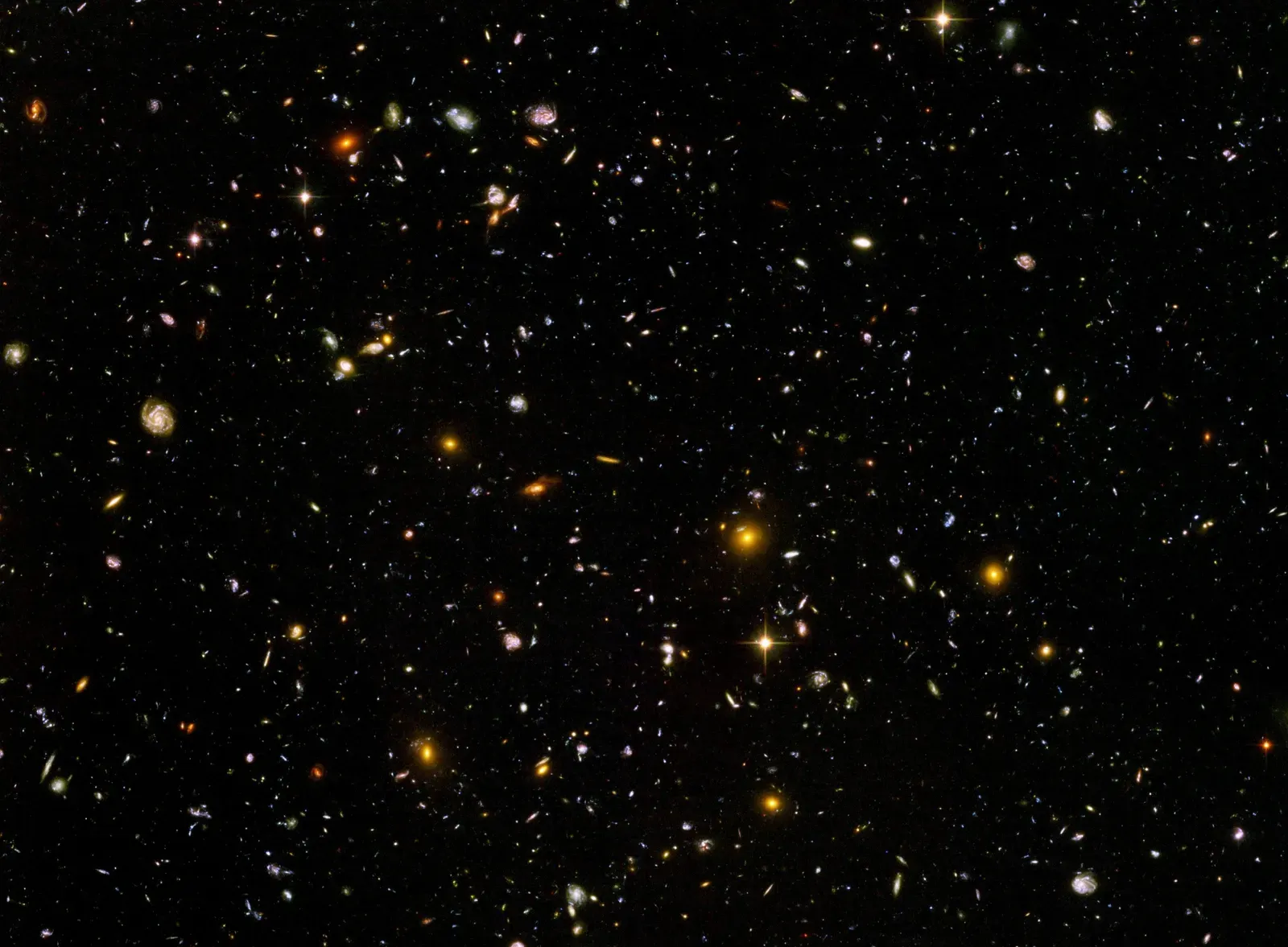
The classic line that “in space, no one can hear you scream” is technically rooted in something real: sound, as we experience it, needs a medium like air or water to travel. In the vacuum between stars, there’s basically nothing for sound waves to move through, so our kind of sound doesn’t work there. If you took your helmet off in the middle of empty interplanetary space, nobody would hear your last regret, which is one of many reasons that’s a terrible idea.
But saying space is “completely silent” oversimplifies what actually happens out there. Space is full of plasma, magnetic fields, and charged particles that can carry waves – not the kind you’d hear with your ears, but real oscillations that can be converted into audio. NASA has “translated” data from places like Jupiter’s magnetosphere or the solar wind into eerie, ghostly sounds that reflect real physical processes. Inside spacecraft, space stations, or even dense planetary atmospheres like on Venus or Titan, sound works just fine. Silence in space is more about location than a universal rule.
Myth 3: You Explode Instantly If Exposed to the Vacuum of Space
This one definitely comes from movies: a spacesuit tears, someone gets blown into space, and their body instantly swells up like a balloon and explodes. Reality is still deadly, but it’s far less dramatic and actually more unsettling. In a vacuum, the gases in your lungs and body do expand, and your saliva and tears may start to boil at body temperature, but your skin and connective tissues are strong enough to hold everything in. You don’t pop like a cartoon character.
The real danger is that without air pressure and oxygen, you lose consciousness in roughly ten to fifteen seconds, as the oxygen in your blood is used up. If you were rescued within maybe a minute or so and repressurized properly, you could potentially survive with limited or no lasting damage. NASA has data from vacuum chamber accidents on Earth that back this up. It’s a horrific situation, but it’s not instantaneous sci-fi gore; it’s a race against suffocation and decompression injury, not an explosive finale.
Myth 4: The Sun Is Just a Big Ball of Fire
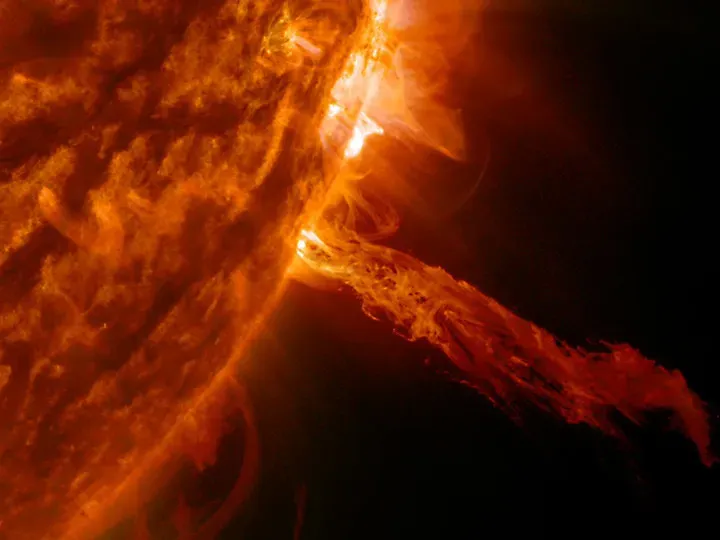
The temperatures at the Sun’s core reach many millions of degrees, and the pressure is so intense that atoms behave more like a compressed plasma than a normal gas. That fusion process is what keeps the Sun shining steadily for billions of years instead of sputtering out like a bonfire. Even the “surface” we see is more like a churning, magnetically tangled ocean of hot plasma than flames. Calling the Sun “a big ball of fire” is like calling an engine “a noisy box” – not totally wrong in vibe, but totally wrong in how it actually works.
Myth 5: There Is a Single, Clean “Edge” of Space
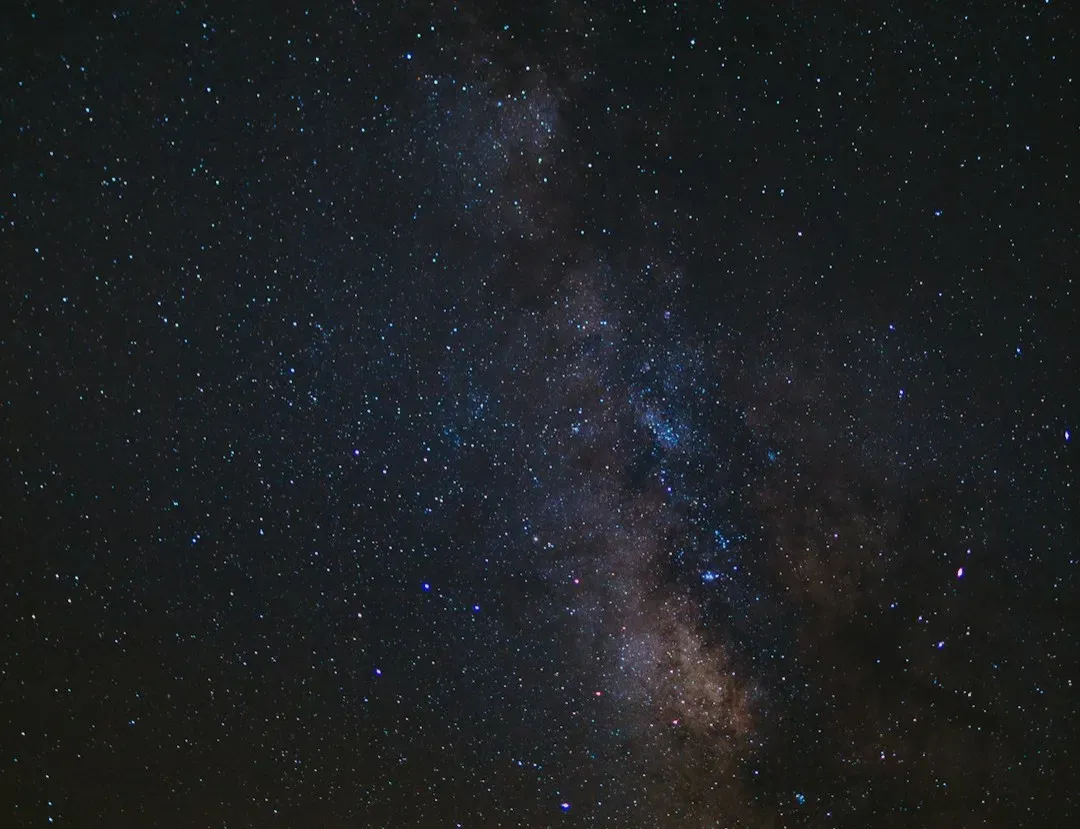
People love clear borders: one moment you’re in the sky, the next moment you’re in space, as if there’s a cosmic “You are now leaving Earth” sign floating up there. In reality, there is no sharp line where the atmosphere suddenly ends and the vacuum begins. Air gets thinner and thinner with altitude, and at some point it becomes so thin that it makes more sense to call it space – but that’s a human definition, not a natural step change. Different organizations draw that line in slightly different places depending on what they’re trying to measure or regulate.
The Kármán line, often quoted at about one hundred kilometers up, is a commonly used boundary where aerodynamic flight stops working well and orbital mechanics start to dominate. But the atmosphere stretches far beyond that, in incredibly thin wisps that reach out hundreds of kilometers. Even the International Space Station, orbiting at around four hundred kilometers, still feels a tiny bit of drag from those upper layers and needs occasional boosts to stay in orbit. Space doesn’t start with a cliff; it’s more like a long, fading shoreline of air.
Myth 6: The Dark Side of the Moon Is Always Dark
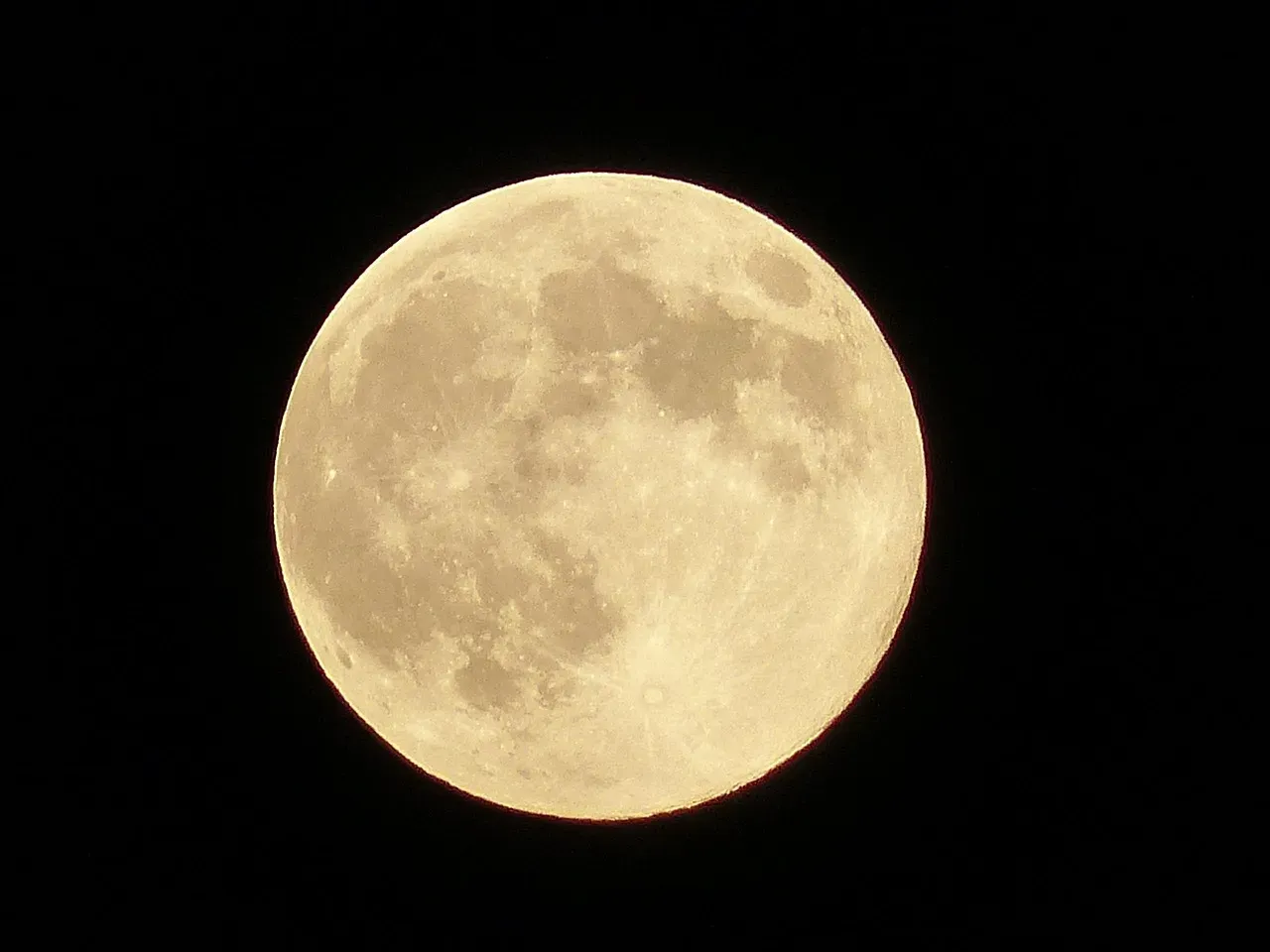
The phrase “dark side of the Moon” is catchy, mysterious, and utterly misleading. The Moon is tidally locked to Earth, which means one side always faces us and the other side always faces away. But both sides get sunlight. The “far side” of the Moon experiences day and night cycles just like the near side, with two-week-long days followed by two-week-long nights. The only thing that’s permanently true is that we on Earth almost never see that hidden face directly without spacecraft.
If you stood on the far side of the Moon, you’d see the Sun rising and setting over the gray landscape in slow motion, just like on the side we’re used to seeing in photographs. What you wouldn’t see is Earth hanging in the sky, because it would always be below your horizon. Modern lunar missions have mapped and photographed the far side in detail, revealing rugged highlands and huge impact craters, not an eternally dark, frozen wasteland. It’s less “forever night” and more “just out of view from home.”
Myth 7: Black Holes Are Cosmic Vacuum Cleaners Sucking Everything In
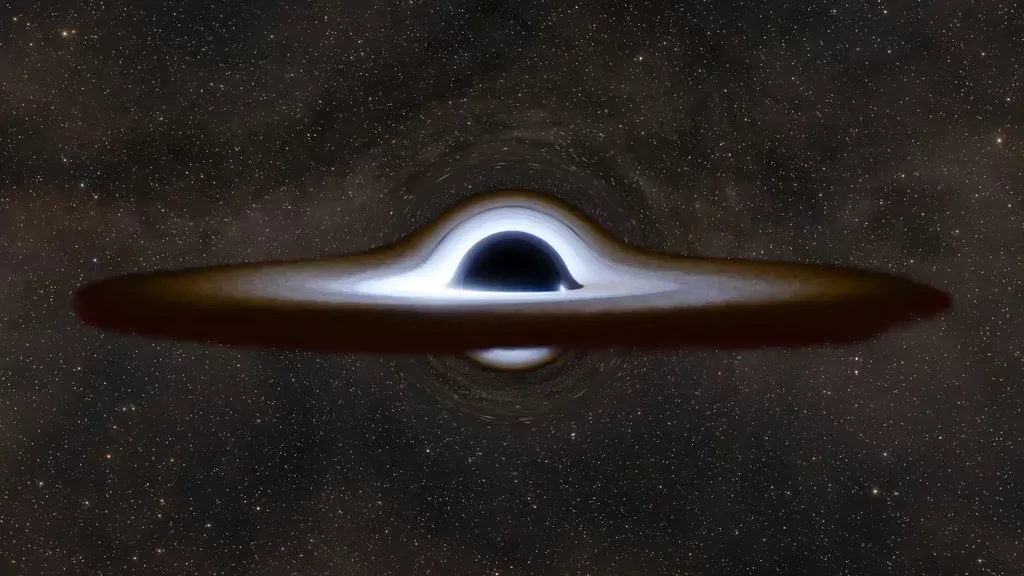
Black holes sound like pure nightmare fuel: invisible monsters roaming the galaxy, sucking in everything nearby like the mouth of a super-powered vacuum cleaner. That image makes for great drama, but it doesn’t match the physics. A black hole has gravity, but it follows the same rules as any other massive object. If our Sun were somehow replaced by a black hole of the same mass (leaving everything else unchanged), Earth’s orbit would stay almost exactly the same. We’d freeze in the dark, but we wouldn’t get dragged in like dust into a Hoover.
You only get into serious trouble with a black hole if you get too close to its event horizon, where escape becomes impossible. Before that, you can orbit it in stable paths like you would orbit a star, planet, or any massive body. We even see stars in our galaxy whipping around an enormous black hole at the center, staying in orbit year after year. The danger of black holes is real, but it’s about distance and gravity, not an unstoppable suction force hunting you down across space.
Space Is Stranger (and Smarter) Than the Myths
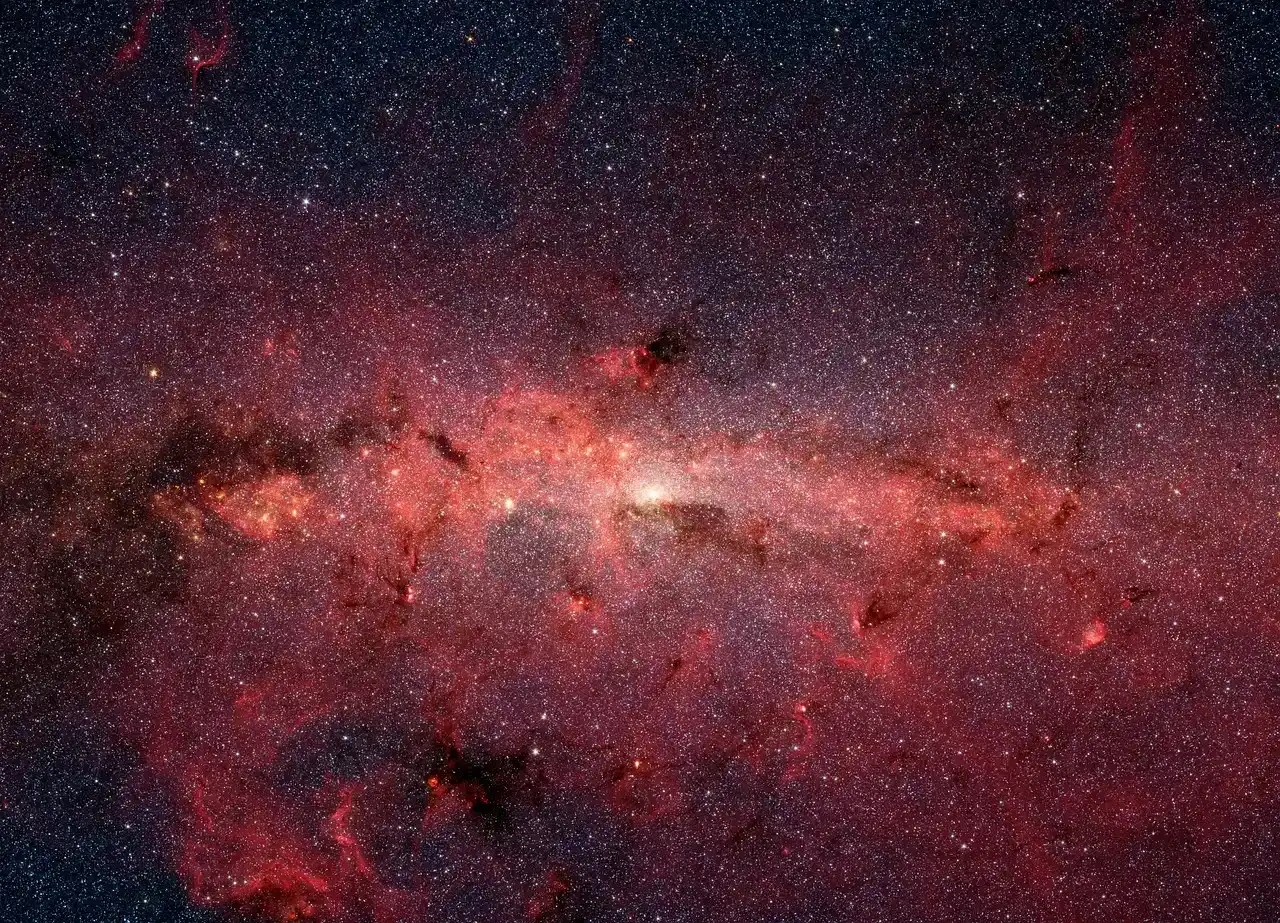
The real universe is messier, weirder, and far more interesting than the shortcuts we grew up with. Myths about space usually stick because they feel simple and dramatic, while the truth often needs a bit more nuance and a willingness to say, “It depends.” But when you look closer – at fusion instead of fire, far sides instead of dark sides, and black holes that obey the same gravity as everything else – the story of space becomes richer, not duller.
I’ve found that every time one of these myths gets replaced with a more accurate picture, the universe feels a little bigger and a little more real. It stops being just a backdrop for sci-fi and starts to feel like a place we actually live in and explore. And once you see how many “obvious” facts turn out to be myths, it’s hard not to wonder: which of your other assumptions about space might be the next to fall?