
You’ve probably heard at least a dozen food rules in your lifetime. Don’t eat after 8 PM. Avoid fat if you want to lose weight. Organic is always better. These ideas feel so deeply baked into everyday culture that questioning them almost feels reckless. Yet here we are, in 2026, with more research, better science, and a growing body of evidence suggesting that some of the most trusted food “facts” are actually myths.
Honestly, it’s a bit shocking how long some of these ideas have stuck around. They show up in diet books, gym conversations, and on social media feeds every single day. So let’s set the record straight and clear the air on seven of the most persistent food myths that science has now, firmly, debunked. Let’s dive in.
Myth #1: Eating Late at Night Automatically Makes You Gain Weight

Let’s be real, almost everyone has heard this one. The idea that the clock hitting 8 PM suddenly turns your food into pure body fat is one of the most widespread food myths of our time. The conventional wisdom today is that a calorie is a calorie, regardless of when you eat it, and that what causes weight gain is simply eating more calories than you burn. Nutrition experts call this the calorie in/calorie out theory of weight control.
When researchers tracked the eating habits of adults who ate past 8 PM, those people consumed more total calories than earlier eaters. The extra calories consumed by late eaters could lead to weight gain over time. Overall, when your total calorie intake falls within your daily needs, weight gain does not appear to happen merely as a result of eating at night. The problem isn’t the clock. It’s the chips, the ice cream, and the mindless bowl of cereal you’re eating while staring at a screen.
If you have already consumed your calorie allotment for the day and continue to eat, then yes, you’re consuming excess calories. However, there are many countries in the world where the standard dinner time is 9 PM or later. What’s more important are the types of foods and quantities you choose rather than what time you eat them. Think Spain and Italy, where late dinners are cultural norm and obesity rates tell a very different story than the myth suggests.
Myth #2: Eggs Will Destroy Your Heart
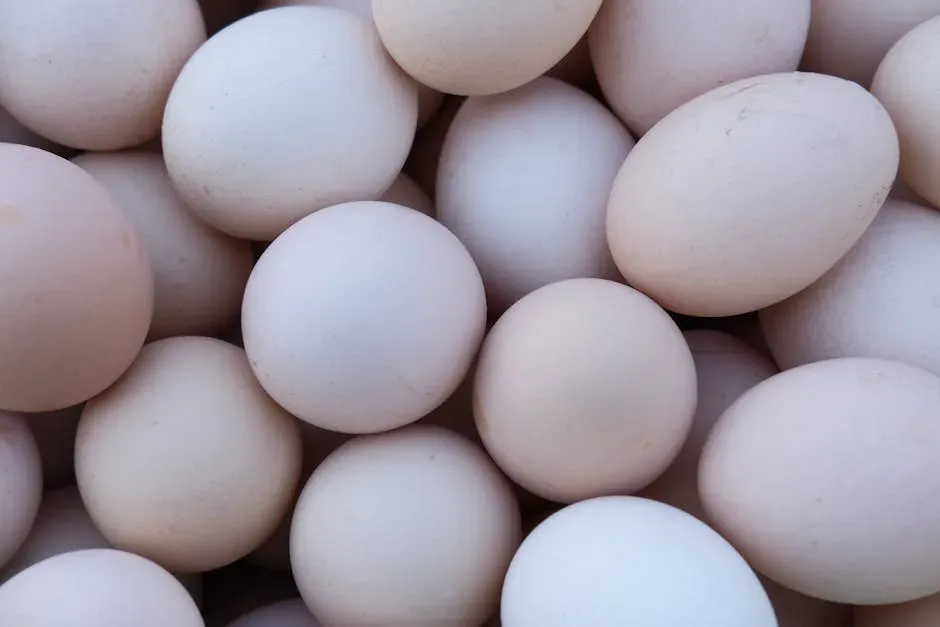
For decades, the egg was basically treated like a villain in a low-budget diet documentary. People tossed the yolks, ordered egg-white omelets, and genuinely feared that a Sunday morning scramble was shortening their lives. For years, eggs were demonized for their cholesterol content, leading many to believe that consuming them would send their cholesterol levels skyrocketing. However, research indicates that for most people, dietary cholesterol has little effect on blood cholesterol levels. The body tends to regulate its own cholesterol production, and for many, the impact of egg consumption is minimal.
The Framingham Heart Study, one of the largest studies on heart health, found no direct link between eating cholesterol-rich foods like eggs and higher blood cholesterol levels. In fact, for most people, around three quarters of them, eating eggs doesn’t significantly affect their cholesterol. Even more interesting: studies show that eggs can raise HDL, the “good” cholesterol, while not significantly affecting LDL, the “bad” cholesterol, for most individuals. That sunny-side-up egg is looking a lot less scary now, isn’t it?
Eggs, especially the yolk, are packed with nutrients like vitamins A, D, E, and B12, as well as minerals such as calcium, iron, and zinc, all of which support vision, bone health, and immunity. The yolk also contains antioxidants like lutein and zeaxanthin, which protect the eyes and reduce inflammation. Throwing away the yolk is basically throwing away the best part of the whole thing.
Myth #3: Fresh Vegetables Are Always More Nutritious Than Frozen
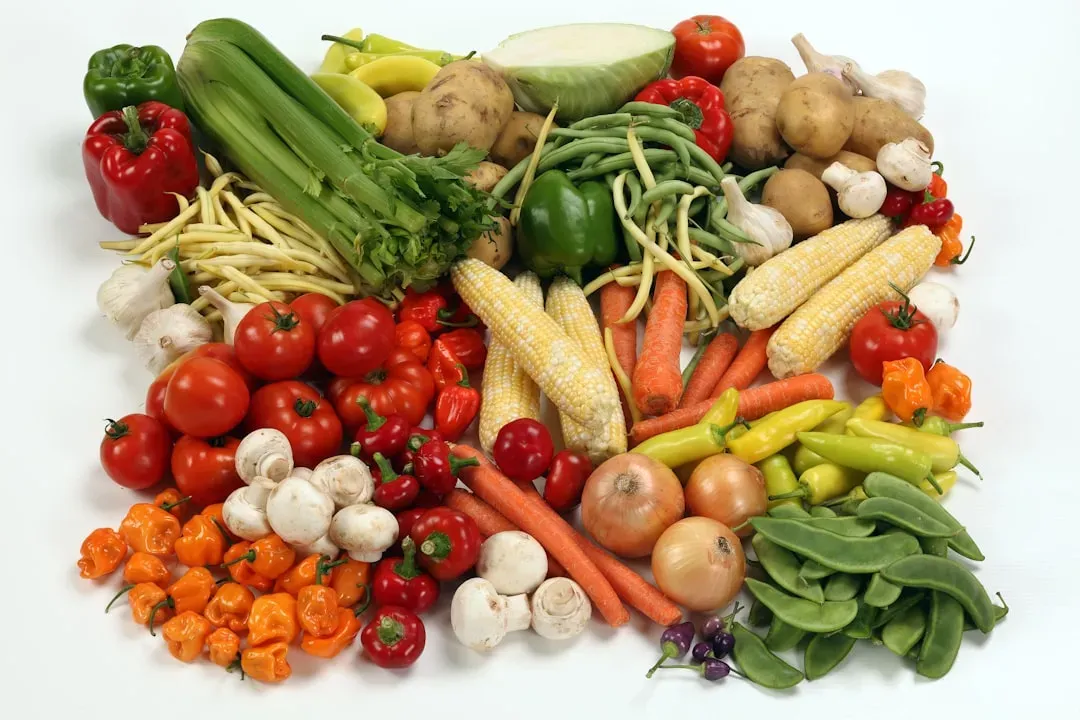
Here’s the thing. We’ve been conditioned to believe that “fresh” equals “better” in every single food situation. It’s a feel-good idea that sounds logical but doesn’t quite survive close scientific scrutiny. The “fresh is best” mentality leads many people to avoid frozen produce, believing it’s nutritionally inferior. This nutrition myth can limit access to affordable, convenient fruits and vegetables. Frozen produce often retains equal or superior nutritional value compared to fresh alternatives. Fruits and vegetables are typically frozen at peak ripeness, preserving nutrient content through the freezing process.
Fresh produce sold in grocery stores is usually picked before peak ripeness to ensure that it’s not rotten by the time it hits your shopping cart. This particular journey from farm to table could take a week or two. Frozen produce, on the other hand, is picked at or around peak ripeness, then blanched and packaged in a nitrogen atmosphere a few hours later, which helps preserve nutrients. Think about it like this: a frozen blueberry picked at its nutritional peak is essentially frozen in time, while a “fresh” blueberry on a supermarket shelf has been on a slow journey for days, losing value with every hour.
A 2024 study revealed that frozen peas contained more vitamin C than fresh peas after just three days. The nutritional differences between fresh and frozen vegetables are so minor that they’re unlikely to affect your health. So next time you grab that bag of frozen spinach instead of the wilting bunch in the produce section, you can feel pretty good about your choice.
Myth #4: Organic Food Is Nutritionally Superior
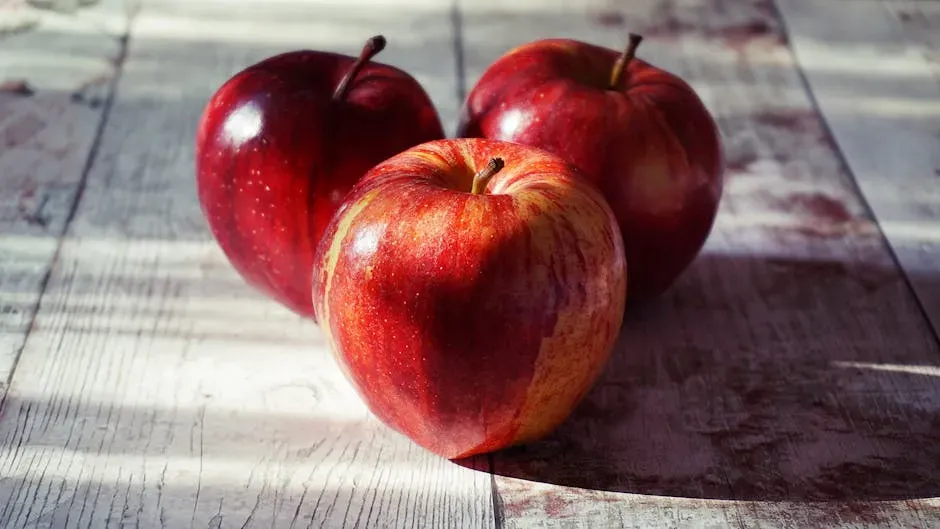
Few food myths have been as profitable for the food industry as this one. Organic food sales continue to surge, fueled largely by the belief that organic produce is fundamentally more nutritious than conventional options. I think many people genuinely feel healthier just holding an organic apple, even if the science doesn’t quite back that feeling up. The truth is, “organic” refers to farming methods, not nutrient density. A Stanford University meta-analysis found very little difference in vitamin content between organic and conventional produce.
While there is some evidence that organic produce has potential health benefits, there are no definitive conclusions that organic is better. When compared with conventionally farmed produce, organic produce has the same vitamins, minerals, antioxidants, proteins, lipids and other nutrients, as well as the same number of calories. Simply put, the health benefits of organic food are still unclear. The primary difference lies in farming practices, not in what ends up on your plate nutritionally.
Organic doesn’t automatically mean nutritious, and organic junk food is still junk food. It’s easy to assume that anything labeled “organic” must be better for you, but that’s not always the case. Organic simply refers to how food is grown, meaning it’s made without synthetic pesticides, GMOs, or antibiotics in animal products. While that can be great for reducing pesticide exposure and supporting sustainable farming, it doesn’t automatically make food more nutritious. An organic cookie is still a cookie. Full stop.
Myth #5: Carbs Are the Enemy of Weight Loss
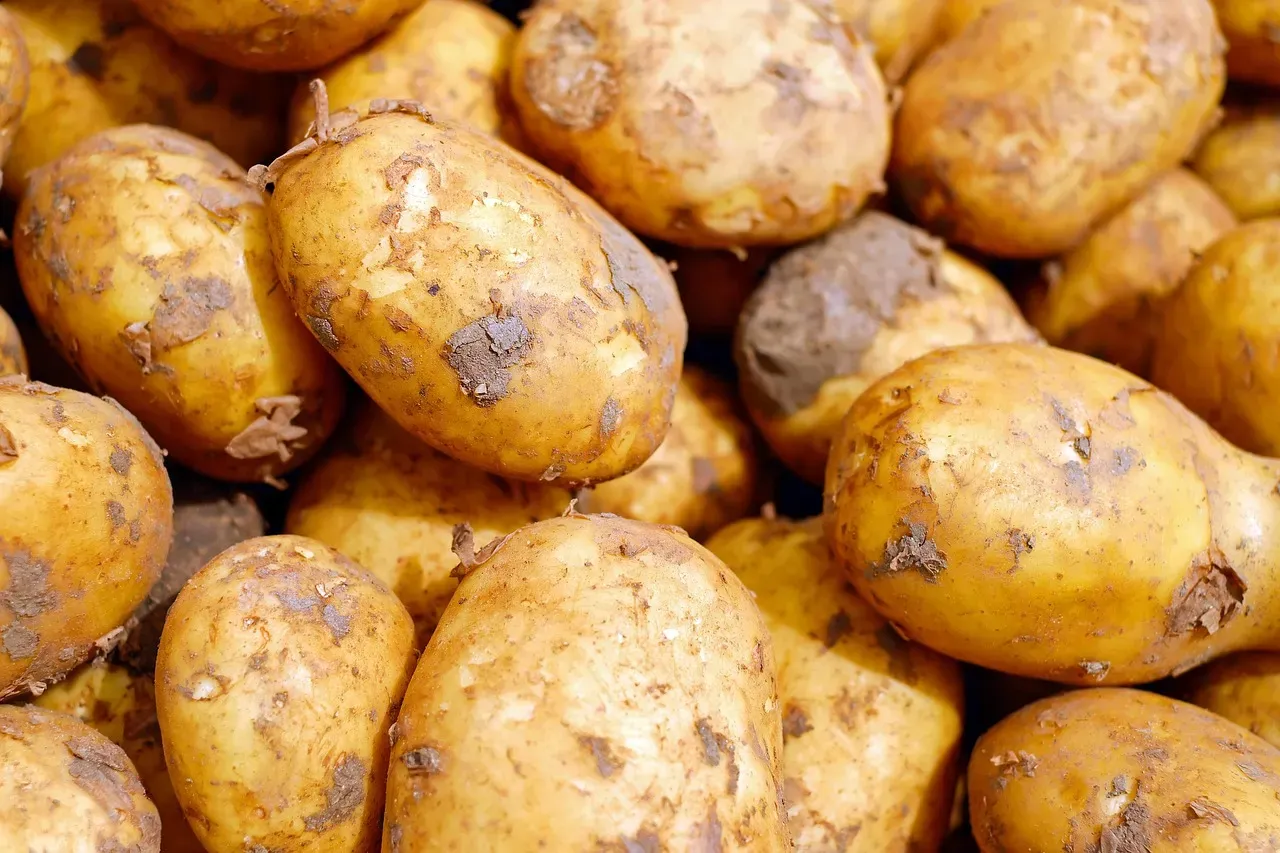
If you’ve spent any time in fitness circles or scrolled through a health account on social media, you’ve encountered this one. Carbs are the villain. Cut the carbs, lose the weight. It’s a clean, satisfying story. Carbohydrates are often seen as the enemy, but they’re not the villain when it comes to weight gain. Like anything, it’s all about balance and choosing the right kind. Weight gain happens when we eat more calories than we burn, whether they come from carbs, protein, or fats.
A 2024 meta-analysis confirmed that when protein and calories are equated, low-carb diets result in statistically similar fat loss to high-carb diets. In other words, it’s not the carbs themselves doing the damage. It’s the overall caloric surplus. A bowl of oatmeal is not the same as a plate of donuts, even though both technically contain carbohydrates. The metaphor I like? Blaming potatoes for obesity caused by fast food is like blaming the road for a car crash.
Cutting out carbs can mean missing out on essential nutrients like B vitamins, calcium, and dietary fibre. It can also lead to higher intakes of saturated fat, which increases our chronic disease risk, and a negative relationship with food. Whole grains, fruits, vegetables, and legumes are rich in complex carbohydrates that provide fiber, vitamins, and long-lasting energy. That’s hardly the profile of a dietary villain.
Myth #6: Low-Fat Means Healthy
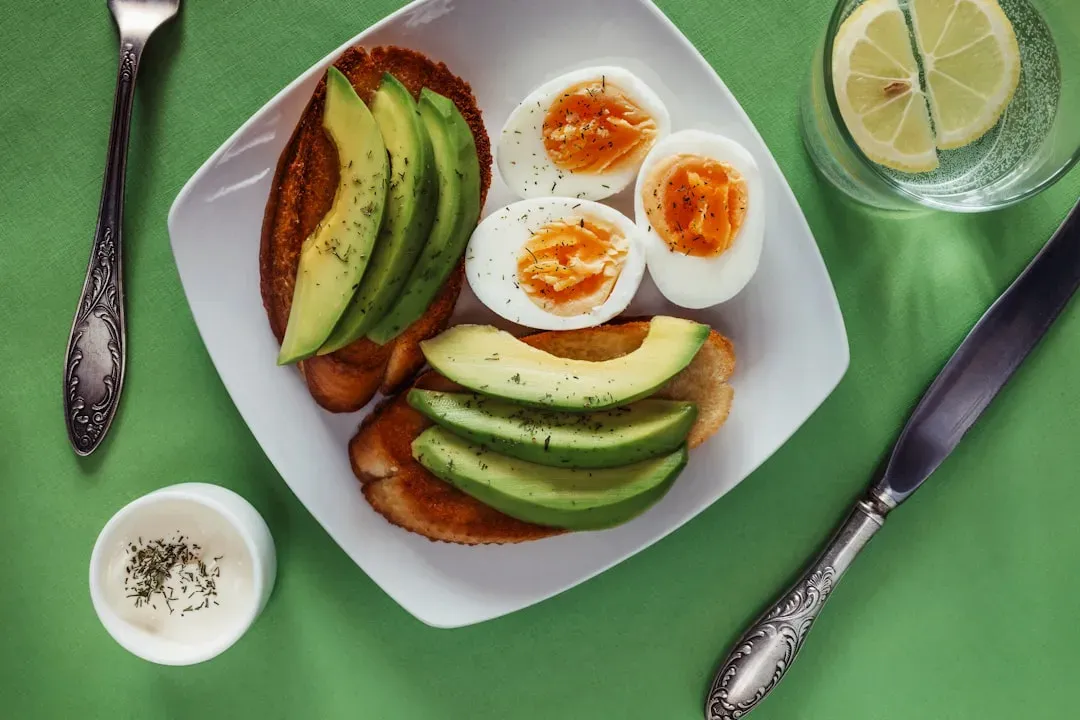
The 1990s gave us a lot of things. Frosted tips, cargo pants, and the universal conviction that fat was poison. The “low-fat” era rewired how an entire generation thought about food, and honestly, the fallout is still visible on supermarket shelves today. Fat got a bad rap in the ’90s, when low-fat diets were all the rage, and many Americans are still confused about the role of fat in a healthy diet. We now know that all fats aren’t created equal.
Many products labeled low-fat or fat-free contain added sugar or sodium to help make up for the loss of flavor when removing or reducing fat. This is the part nobody warned you about. When food companies strip fat from a product, they need to replace that taste with something. That something is almost always sugar. So you end up with something that sounds healthier, tastes decent, and is actually worse for your metabolic health in many cases.
Animal fats, which are more saturated, are linked to cardiovascular disease. But the healthier monounsaturated and polyunsaturated fats found in fish, avocados, olives and olive oil, eggs, nuts and seeds can lower your risk of cardiovascular disease and death. Fat isn’t the enemy. The type of fat, and the amount of sugar being used to disguise its absence, is what really matters.
Myth #7: Your Body Needs a Detox Diet to Eliminate Toxins

Detox teas, juice cleanses, five-day liver flushes. This might be the most financially lucrative myth on this entire list. Every year, people spend enormous amounts of money on products promising to “cleanse” their bodies of toxins. It sounds scientific. It feels proactive. The only problem is your body is already doing all of this, for free. Detox diets and fad diets promise to cleanse your body of toxins and lead to rapid weight loss. However, these claims are largely unsupported by scientific evidence. The body has its own efficient detoxification systems, primarily involving the liver and kidneys.
Your liver, kidneys, lungs, and skin naturally eliminate waste products and environmental toxins without requiring expensive supplements or restrictive diets. Research has found no credible evidence that detox diets or cleanses are necessary or effective for healthy individuals. Detox diets often restrict essential nutrients while your body works harder to eliminate waste products. That’s essentially the opposite of what they promise.
There’s little evidence that dietary cleanses do any of the things they promise. The fact is you don’t need to purchase a product to cleanse your body. Your liver, kidneys and gastrointestinal tract do a good job of detoxing it every day. If you’re looking to rejuvenate your body, focus on eating more whole foods, drinking water and removing highly processed foods from your diet. Turns out, the most effective detox plan is just a sensible diet. Not exactly a headline that sells tea subscriptions, but the truth rarely does.
Conclusion: Your Plate Deserves Better Than Myths
It’s hard not to feel a little cheated when science dismantles ideas you’ve followed for years. But honestly, that’s the beauty of evolving knowledge. Food myths are beliefs, nutritional concepts poorly justified or even contradicting existing scientific evidence, that are taken as the truth. Many of the existing myths are born from current misinformation, and it is this lack of trustworthy information about nutrition that results, most of the time, in diseases like metabolic syndrome, hypertension, and cardiovascular diseases. The stakes here are real.
The seven myths covered above share one thing in common: they all oversimplify a complex, nuanced science to fit a catchy rule. Real nutrition doesn’t work in rules. It works in patterns, context, and balance. So the next time someone tells you to skip the egg yolk, toss the frozen peas, or invest in a three-day juice cleanse, you’ll know exactly what the science actually says.
What myth surprised you the most? Drop your thoughts in the comments below.