
You’ve probably grown up hearing all kinds of animal “facts” that sound perfectly reasonable. Sharks smell a single drop of blood from miles away, goldfish forget everything in a few seconds, bats are totally blind. These ideas are so common that they feel untouchable, like trivia carved in stone.
But here’s the twist: a lot of what we think we know about animals is either wildly exaggerated, half true, or just flat-out wrong. Modern research, better cameras, and more patient observation have quietly rewritten much of the story. Once you see what really happens in the wild, those familiar myths start to look more like campfire stories than science.
Myth 1: Goldfish Only Have a Three-Second Memory
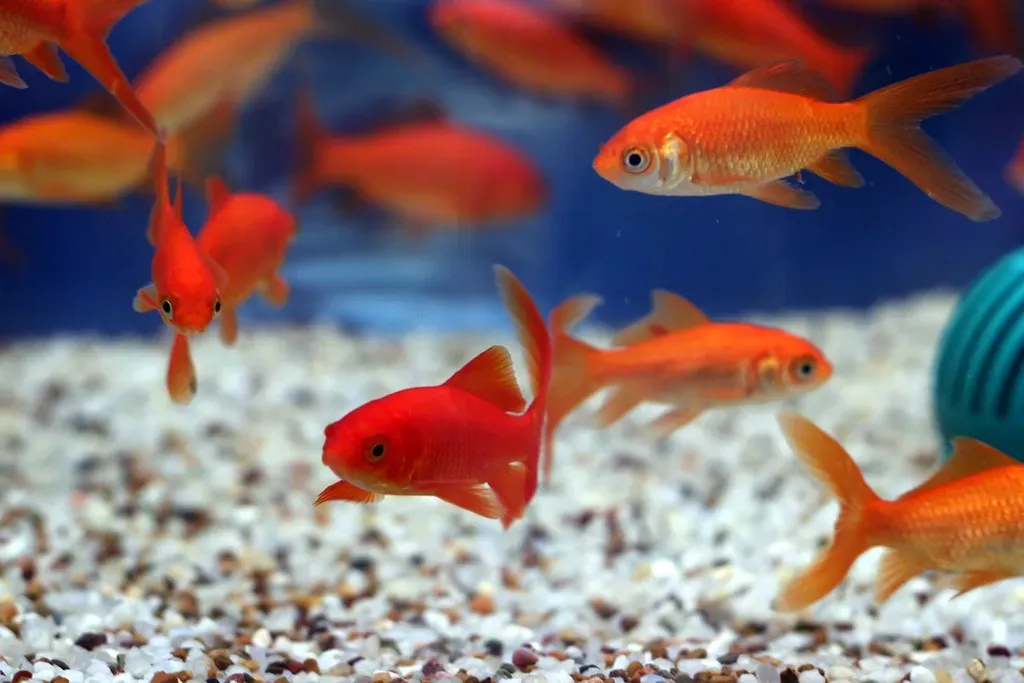
This one is so common that people joke about it without thinking, but it’s one of the most stubborn myths in animal science. Goldfish absolutely do not live in a constant blur of three-second memories. Experiments have shown that they can remember patterns, colors, feeding times, and even navigate mazes weeks or months after training. That alone should make us feel a little guilty about how casually we dismiss them as “dumb.”
Researchers have trained goldfish to associate sounds or visual cues with food, and the fish responded reliably long after the initial training. In other words, they can learn and retain information in a way that looks a lot like basic schooling in other animals. If anything, the myth says more about how humans underestimate small animals than about goldfish brains. Next time you see one circling a tank, it might actually be following a route it’s practiced many times.
Myth 2: Bats Are Completely Blind
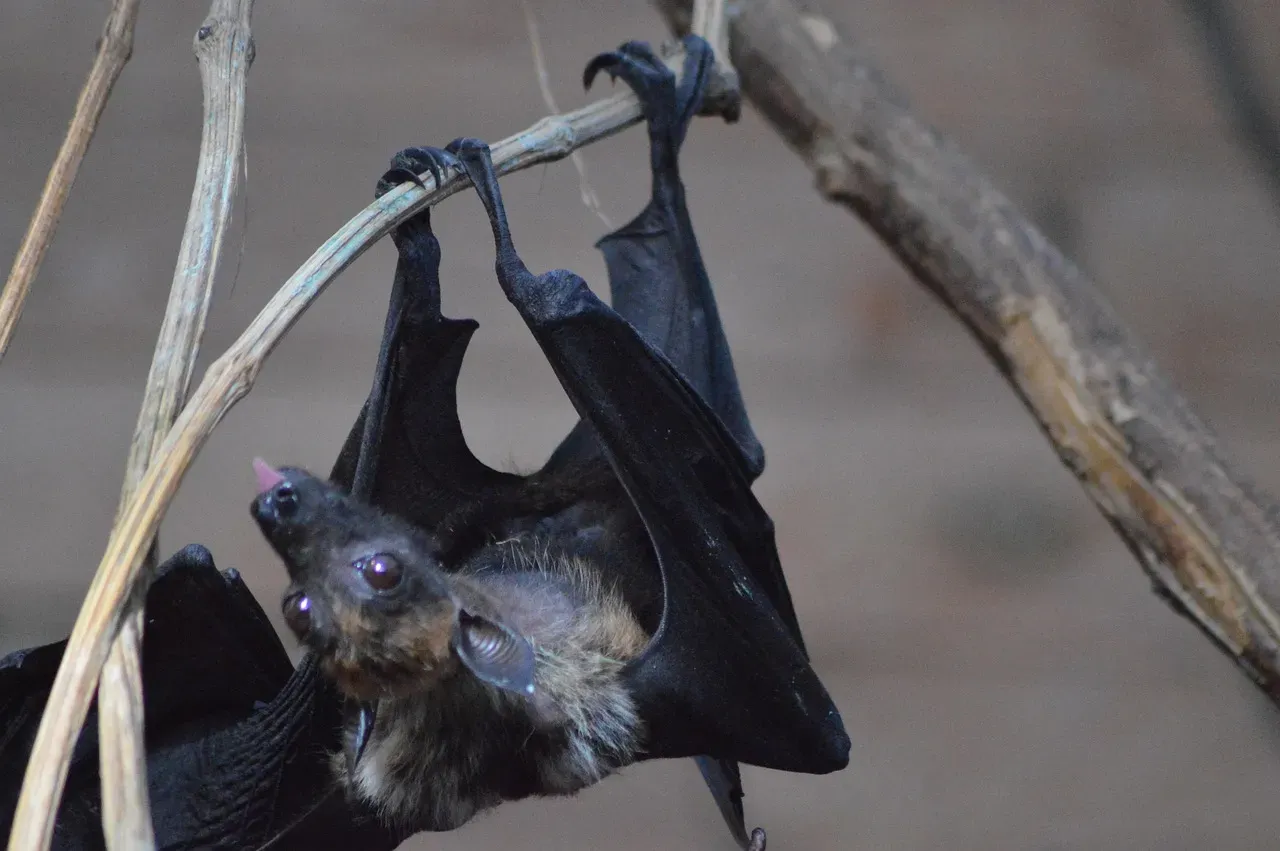
Some bats, especially fruit bats, actually rely heavily on their eyes and can see color and detail in low light conditions. Others use their eyes during dusk and dawn and lean more on echolocation when the darkness really sets in. The myth sticks around because we associate them so strongly with caves, night, and horror stories. In reality, a bat’s world is not pure blackness; it’s a rich mix of sound and subtle light that lets them fly with terrifying accuracy.
Myth 3: Sharks Can Smell a Single Drop of Blood from Miles Away

It’s a chilling idea: one tiny drop of blood in the ocean and suddenly every shark within miles is on its way. The truth is much less dramatic and a lot more interesting. Sharks do have an incredibly sensitive sense of smell, but they’re not magical tracking machines responding to microscopic hints from the other side of the sea. Their detection range depends on currents, water movement, and how concentrated the scent actually is.
In controlled tests, sharks can detect small amounts of chemicals or blood in the water, but we’re talking about measurable concentrations in their immediate environment, not some unlimited radius. Think of it more like smelling a barbecue several houses down, not a sandwich being unwrapped in another city. They’re very good at following gradients of scent once they pick it up, using subtle changes in concentration to get closer. That skill makes them powerful hunters, without needing the wild exaggeration.
Myth 4: Lemmings Commit Mass Suicide by Jumping Off Cliffs

This myth is dramatic, dark, and totally wrong. Lemmings do not gather in huge groups to fling themselves off cliffs in some kind of bizarre group suicide. The story really exploded because of old nature documentaries and exaggerated stories that turned natural migration and overcrowding into something far more sensational. In reality, lemmings are just small rodents dealing with boom-and-bust population cycles in harsh environments.
When their numbers get too high, many lemmings migrate to new areas in search of food and space. During these movements, some may drown crossing rivers or fall from rocky terrain, and observers in the past misinterpreted what they saw. On top of that, staged footage decades ago cemented the myth into popular culture. What looks like a collective death wish is really just a tough life in the Arctic amplified by human storytelling and a taste for the dramatic.
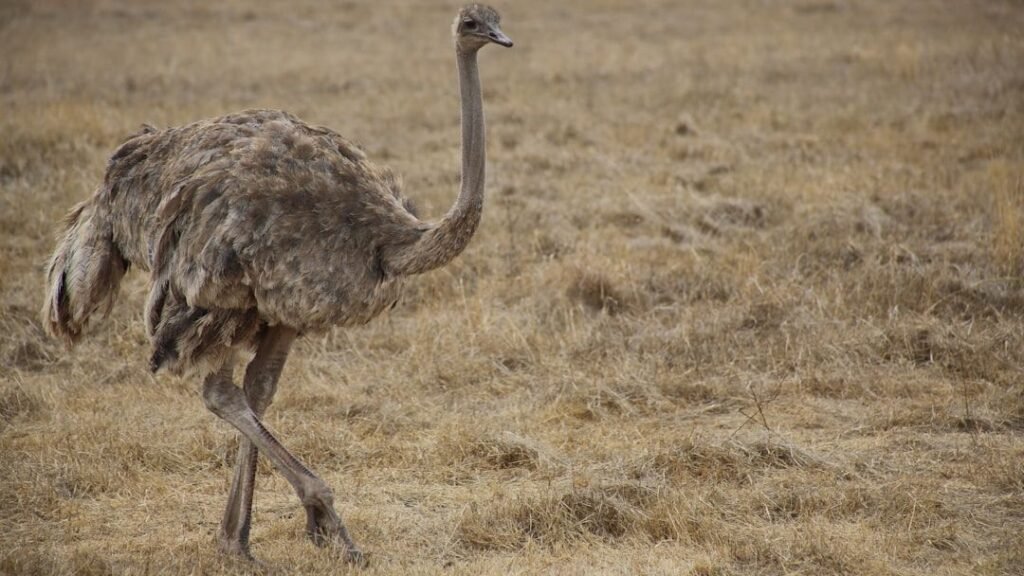
Myth 5: Ostriches Bury Their Heads in the Sand When Scared
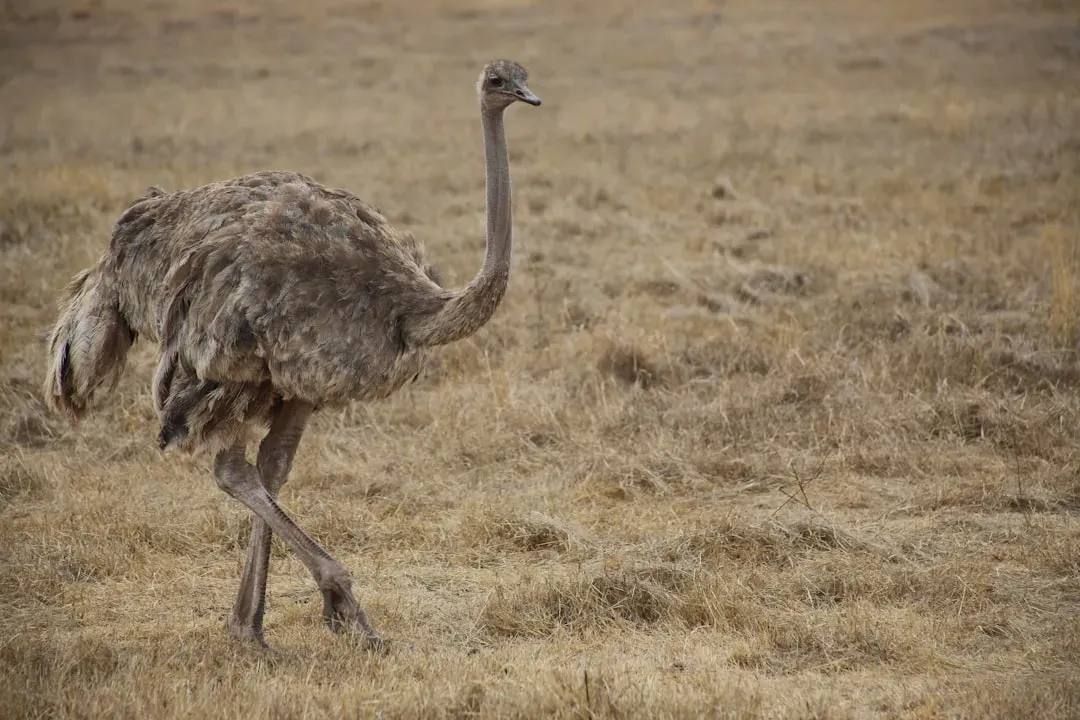
The image of an ostrich shoving its head into the ground to avoid danger is weirdly funny, but it’s also not real. Ostriches don’t bury their heads in the sand when they’re afraid. If they did, they’d be easy prey and probably wouldn’t have survived as a species. Instead, they rely on powerful legs to run at high speeds and sharp eyes to watch for trouble across open landscapes.
The myth probably comes from a mix of observation and distance. Ostriches sometimes lower their heads to the ground to turn their eggs or to look for food, and from far away, it can look like the head disappears. Their pale heads and necks can also blend with dry soil, creating the illusion that they’ve sunk into it. When truly threatened, an ostrich is more likely to sprint or kick with enough force to seriously injure a predator, not pretend the problem isn’t there.
Myth 6: Dogs Only See in Black and White

Many people still believe that dogs live in a grayscale world, as if every walk is happening inside an old movie. Modern research on canine vision tells a very different story. Dogs do see color, just not the same full spectrum humans do. Their eyes have fewer types of color-detecting cells, so the world for them is more like a muted, blue-and-yellow-tinted painting rather than bright, rainbow-heavy reality.
For example, reds and greens may blend into more yellowish or brownish tones for dogs, while blues and yellows stand out more clearly. On the flip side, dogs beat most humans in low-light vision and motion detection, which matters a lot more if you’re a crepuscular hunter or a guard animal. The old black-and-white myth likely stuck because we used to rely on crude assumptions about animal eyesight. Now we know their view is different, not dull.
Myth 7: Mother Birds Reject Their Babies If Humans Touch Them

This one has probably stopped countless kids from trying to help a fallen chick, and that’s a bit tragic. The idea is that a mother bird will smell human scent on a chick and instantly abandon it, but most birds don’t even rely heavily on smell in that way. Their parental drive is usually much stronger than a faint unfamiliar scent on their offspring. If a chick is placed back in the nest, many bird parents simply continue caring for it as normal.
That doesn’t mean we should grab every bird we see, because stress and injury are real issues, but the specific myth about scent-based rejection is misleading. Wildlife experts generally suggest returning an uninjured chick to its nest or leaving a feathered fledgling alone nearby so the parents can continue supervising. The myth likely survives because it sounds like a neat moral lesson about “not interfering with nature.” Reality, as usual, is less tidy and more forgiving.
These Myths are Often a Little Dramatic

These myths hang around because they’re simple, memorable, and often a little dramatic, while the real science is messier and more nuanced. Once you dig in, though, the truth about animals is actually more impressive than the legends. Goldfish learning tasks over time, dogs seeing a toned-down rainbow, bats combining sight and sound, and sharks using subtle scent gradients all show brains and bodies finely tuned to their worlds.
Letting go of these old stories is a bit like cleaning smudges off a window: the view gets clearer, and the real shapes finally come into focus. It also forces us to admit that we’ve underestimated a lot of creatures just because the myths were more convenient than the facts. The next time you hear a “fun fact” about animals that sounds almost too perfect, it might be worth pausing and wondering what’s really going on underneath the story.