
If you strip away the dragons, the gods, and the talking animals, so many myths start to look strangely familiar. They sound like people trying, with the tools they had, to make sense of a world that often felt terrifying and random. What’s wild is how often those old stories line up with what science is slowly uncovering now.
I still remember the first time I realized that a “legendary great flood” might be a community’s memory of a real, devastating coastal disaster, told and retold until it grew into a world-ending event. It changed how I looked at old stories: not as childish fantasies, but as emotional records of real people facing earthquakes, plagues, eclipses, and the raw power of nature. Let’s dig into seven famous kinds of myths and see what happens when we hold them up to the light of modern science.
1. Great Flood Myths and the Memory of Real Disasters
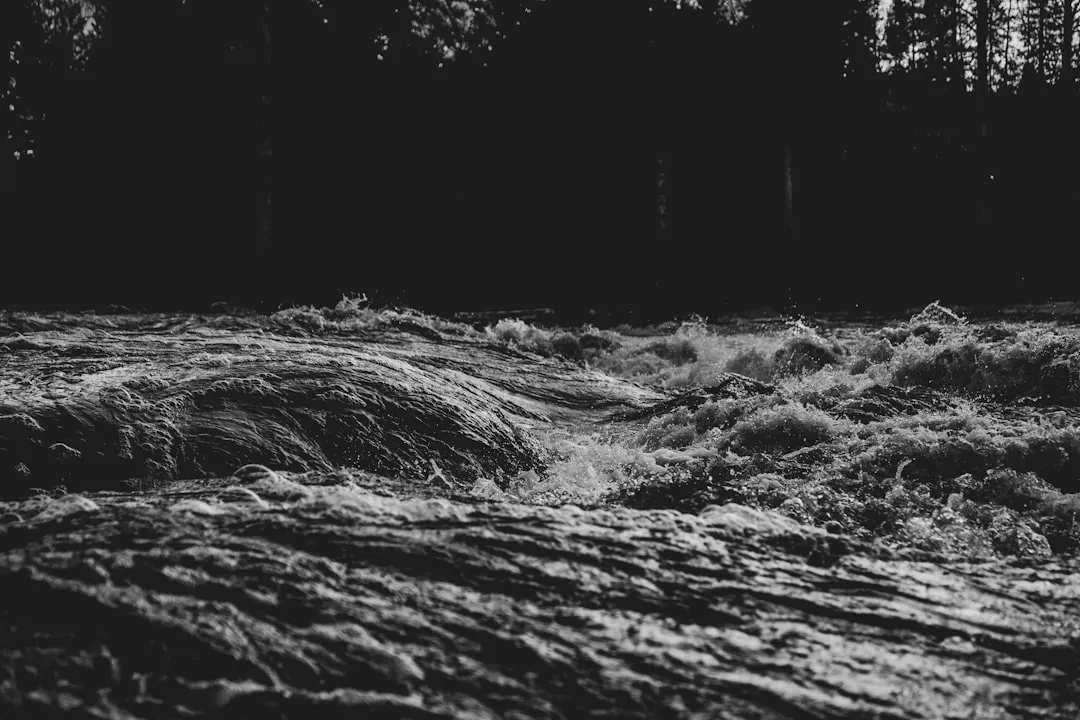
It’s almost unsettling how many cultures have some version of a great flood that wipes out the world and forces humanity to start over. Stories like these show up in the ancient Near East, in India, across parts of Africa, among Indigenous groups in the Americas, and in Pacific island traditions. When you see similar themes pop up in places that never talked to each other, you have to ask: what were they all remembering?
Geologists and archaeologists point to massive real-world events as likely roots for these legends. At the end of the last Ice Age, melting glaciers drove ocean levels much higher, swallowing coastlines that had been home for generations. Sudden tsunamis, storm surges, and catastrophic river floods have repeatedly drowned low-lying communities throughout history. Imagine watching your entire village vanish under water and then trying to warn your grandchildren so they never forget; the story is almost guaranteed to grow into a world-sized flood over time.
2. Dragon Legends and Misinterpreted Fossils
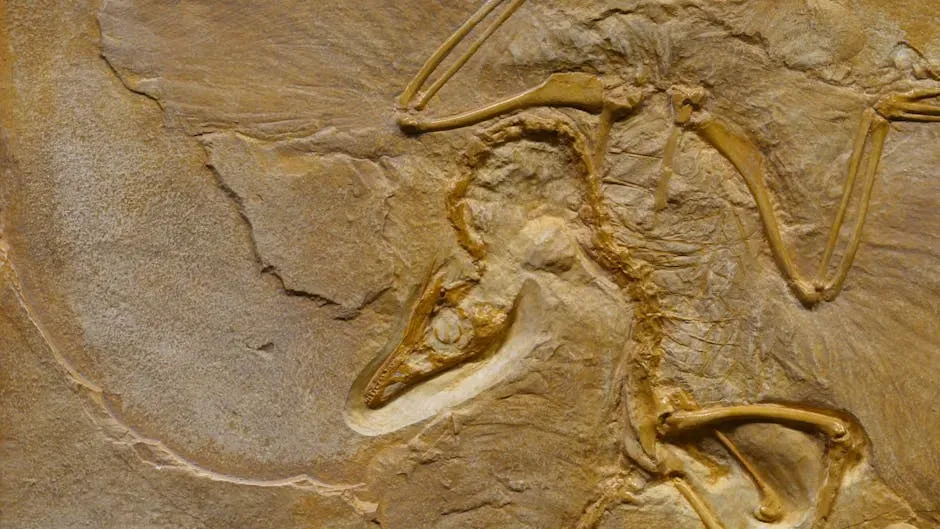
Before people knew what dinosaurs were, stumbling across a huge fossilized bone must have felt like uncovering proof of monsters. From Europe to China, dragon stories describe enormous, often reptilian creatures with terrifying teeth and claws. To ancient eyes, a massive femur or skull sticking out of a cliff face looked a lot less like a long-extinct herbivore and a lot more like the remains of a dragon that once roamed nearby.
Paleontologists have suggested that many early “dragon bones” were actually dinosaur or prehistoric mammal fossils dragged into temples or royal courts as curiosities. Some ancient Chinese texts even describe dragon bones being ground up for medicine, which modern researchers now recognize as fossilized remains. Add in the fact that big predators like crocodiles and large snakes were real and scary, and you get the perfect raw material for fire-breathing legends, even if the fire itself is pure story-telling flair.
3. Vampires, Werewolves, and Misunderstood Diseases
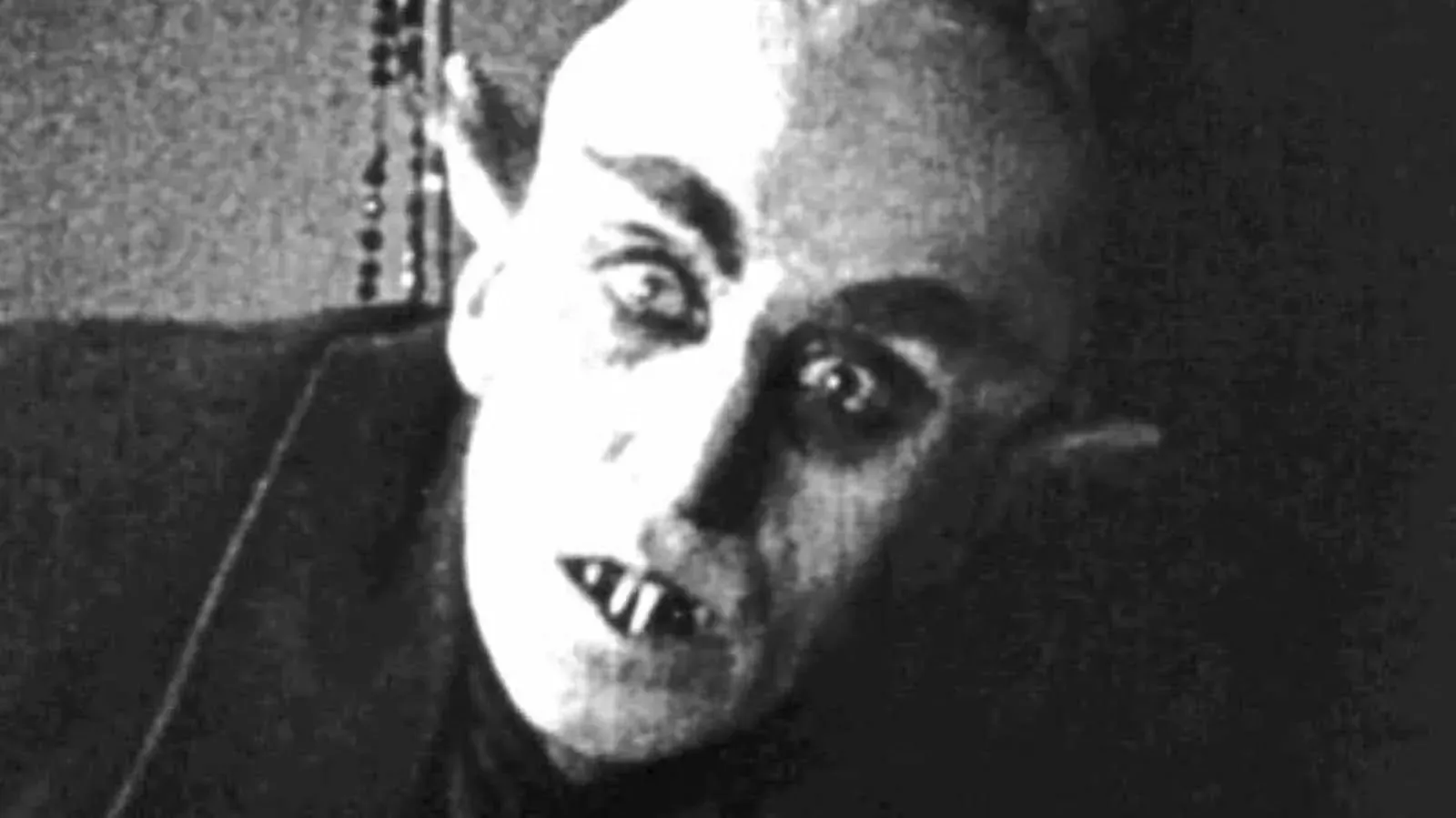
Many of the creepiest legends cluster around the body acting in strange, frightening ways people couldn’t explain. Vampire myths in Europe, for example, line up eerily with diseases like rabies or certain forms of anemia that cause pale skin, sensitivity to light, and bleeding gums. Before germ theory, it made emotional sense to believe that the dead were rising and draining their relatives, especially when graves were dug up and decaying bodies looked disturbingly fresh due to natural processes people didn’t understand.
Werewolf stories may have roots in conditions like hypertrichosis, where people grow thick hair all over their bodies, or in mental illnesses where individuals genuinely believed they were part-animal. Add in outbreaks of ergot poisoning from contaminated grain, which can cause hallucinations and wild behavior, and an isolated village could easily convince itself that a neighbor was shapeshifting into a beast at night. What we now see as symptoms and diagnoses once felt like supernatural curses stalking the edge of the firelight.
4. Sea Serpents and the Science of Misidentification
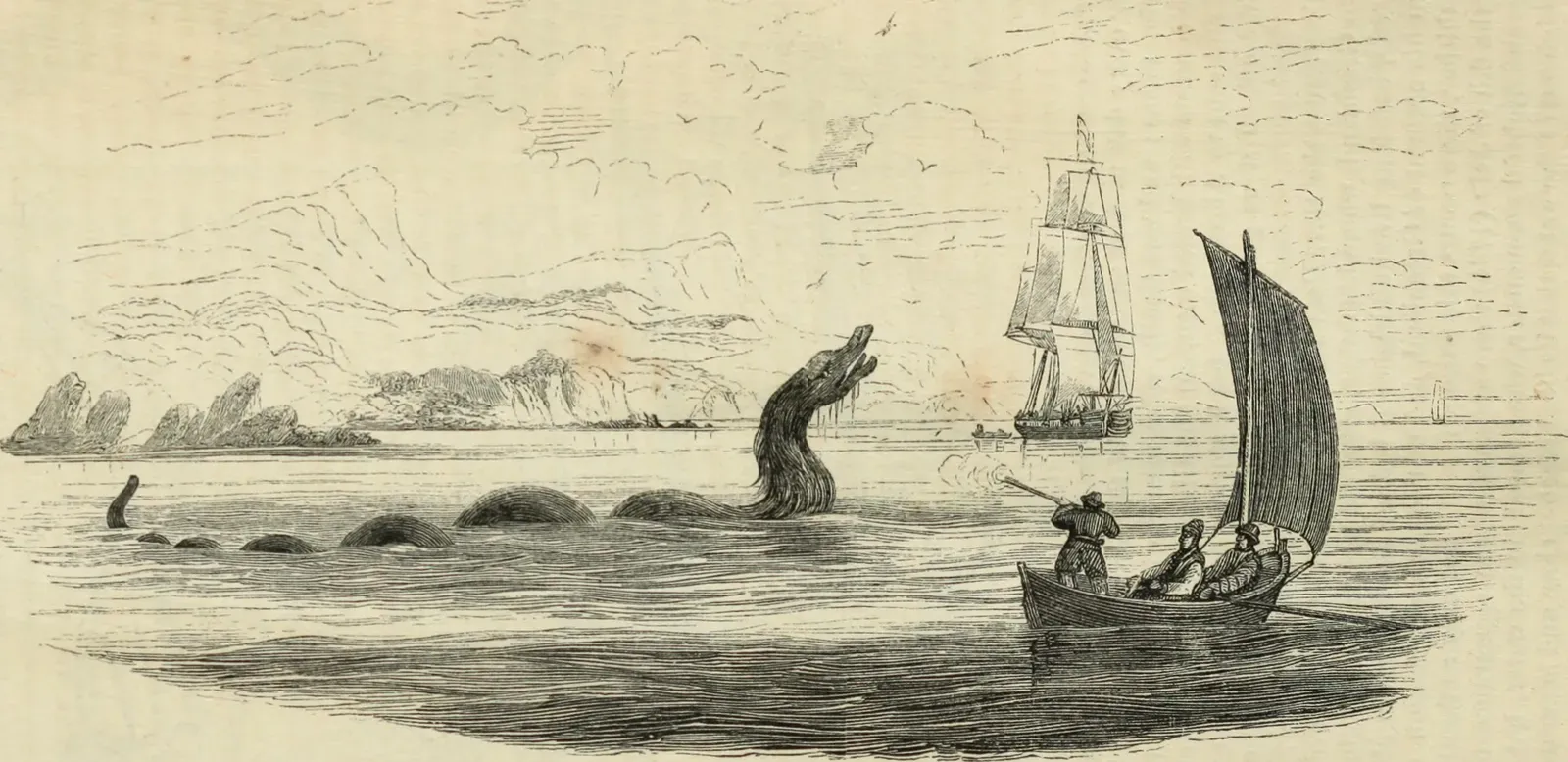
The ocean is perfect territory for monsters because it hides almost everything. Sailors for centuries told stories of serpents as long as ships, with eyes like lanterns and backs like moving islands. When we examine many of these accounts with modern eyes, they look less like fantasy and more like quick, terrified glimpses of real animals seen under awful conditions: rough seas, low visibility, and a deep desire to make sense of something enormous and unfamiliar.
Biologists and historians have matched some classic sea-serpent reports to known species like giant squids, oarfish, whales, and basking sharks. The carcass of a decomposing whale, stripped of skin and flesh by the ocean, can look bizarrely serpentine and alien, especially washed up on a remote shore. Combine that with the human brain’s tendency to fill in missing details and exaggerate danger, and a distant line in the water can balloon into a world-shaking monster worth retelling in every port.
5. Thunder Gods and the Physics of the Sky
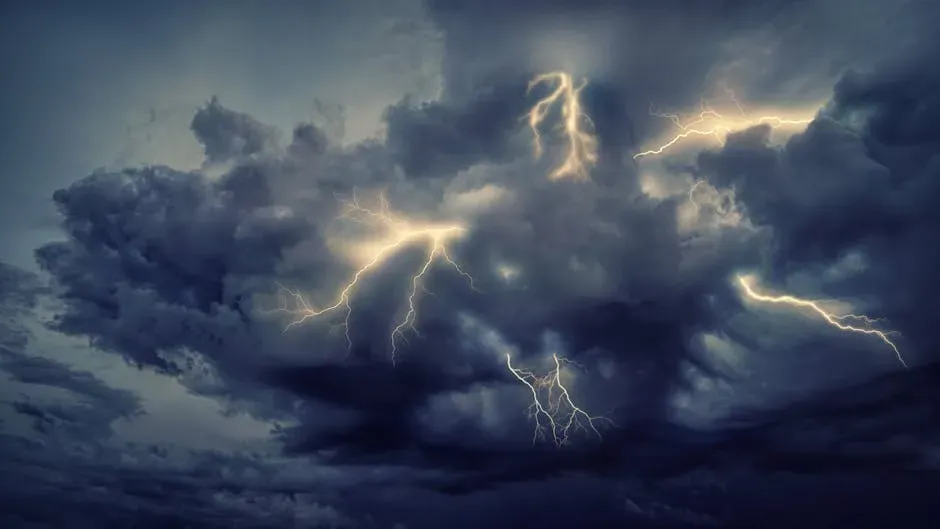
Lightning is one of those natural forces that still feels a bit magical even when you know the science. For people without modern meteorology, the sky splitting open with light and sound naturally lent itself to stories of gods wielding weapons or hurling their anger at the earth. Cultures from Scandinavia to West Africa created powerful thunder deities, often seen as protectors, warriors, or enforcers of moral rules.
Modern science explains lightning as electrical discharge between clouds and ground, with thunder as the shockwave from rapid air expansion. But here’s the interesting part: the emotional impact is the same now as it was then. A sudden storm rolling in with huge flashes and booming thunder still feels personal, like the world is reacting to something. Those old myths are less “wrong” than they are poetic attempts to give personality to a real, chaotic phenomenon that could kill a person, split a tree, or start a fire in an instant.
6. Atlantis and Lost Civilizations Beneath the Waves
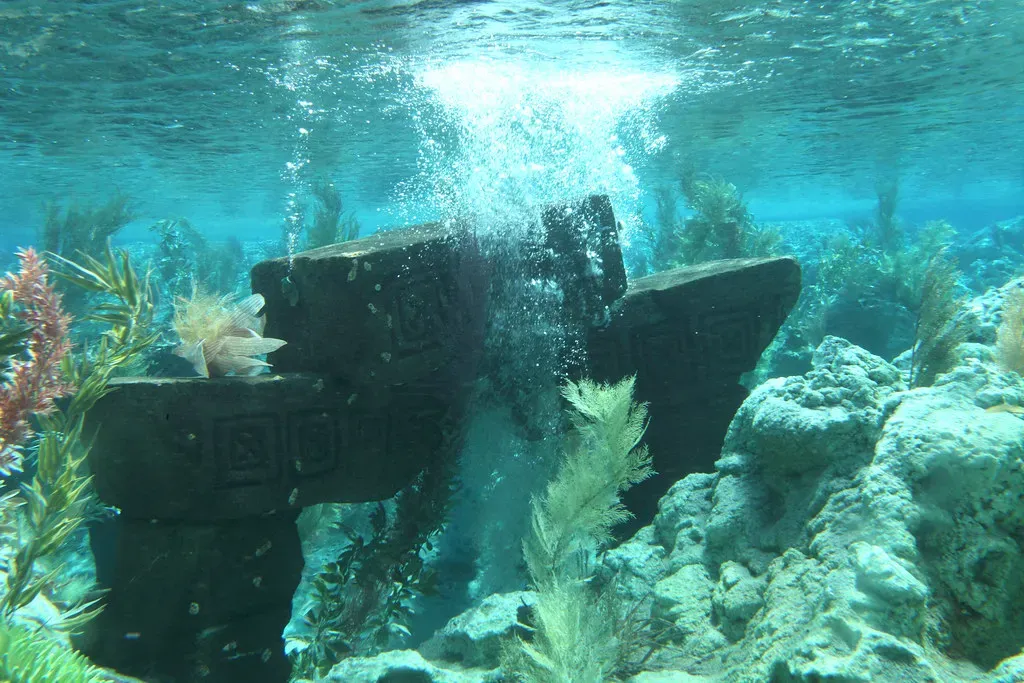
The idea of Atlantis has been haunting human imagination for a very long time: a brilliant, advanced city swallowed by the sea in a single, terrible day. Historians generally trace the story back to ancient Greek writings, which may have been more philosophical parable than travel report. Still, people keep searching because the core idea – a real place erased by disaster – does happen in the natural world.
Modern geology and archaeology have uncovered plenty of sunken settlements and coastal cities destroyed by earthquakes, volcanic eruptions, and tsunamis. The eruption of the volcano at Thera in the Aegean Sea was so violent that it reshaped local landscapes and may have inspired memories of cities destroyed by the sea. Around the world, submerged ruins show that rising seas and sudden disasters have literally buried chapters of human history, giving the Atlantis legend a realistic backbone even if the details are far more dramatic than the truth.
7. Prophecies, Omens, and the Psychology of Pattern-Hunting
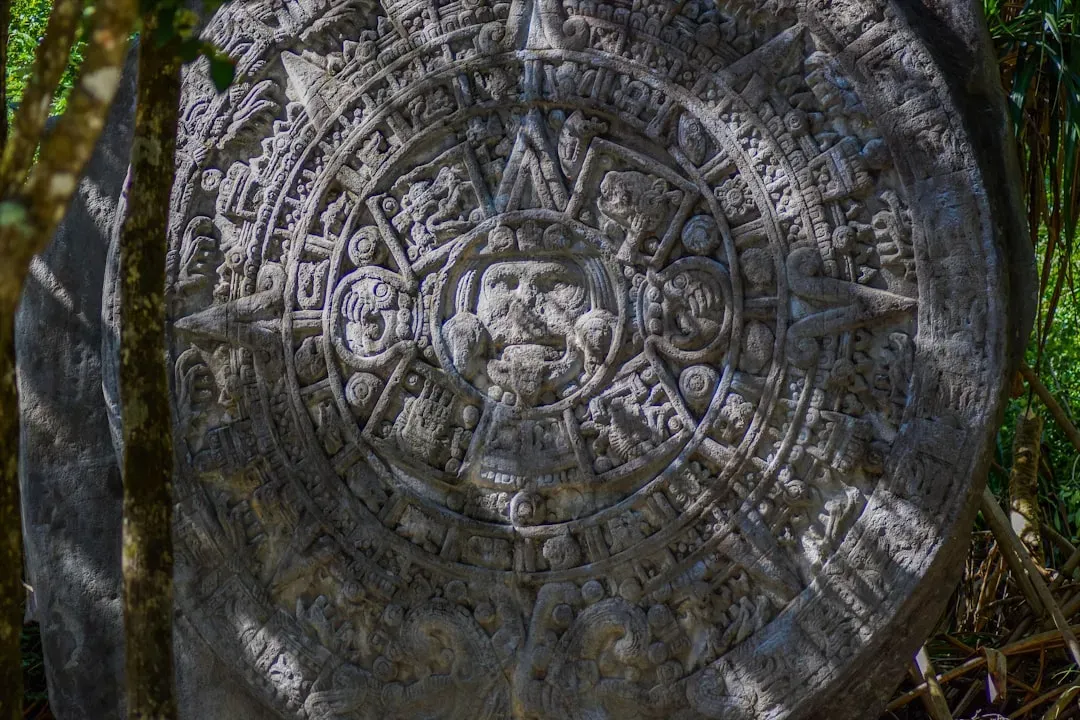
Humans are hardwired to look for patterns, and that instinct is both our superpower and our trap. Across cultures, people have believed in prophecies, omens, and fated events written in the stars or hidden in everyday coincidences. When a prediction seems to come true, it feels like proof that the universe is sending personal messages, but cognitive science offers a more grounded explanation.
Psychologists talk about confirmation bias and apophenia: our tendency to remember hits and forget misses, and to see meaningful connections in random noise. If you hear a vague prophecy about conflict and loss, you will eventually live through some kind of quarrel or grief and feel like the prophecy nailed it. The human brain is so good at connecting dots that we often build legends of destiny and fate on top of perfectly ordinary statistics and chance, turning random events into stories that feel guided by invisible hands.
Conclusion: Why Old Stories Still Matter in a Scientific Age
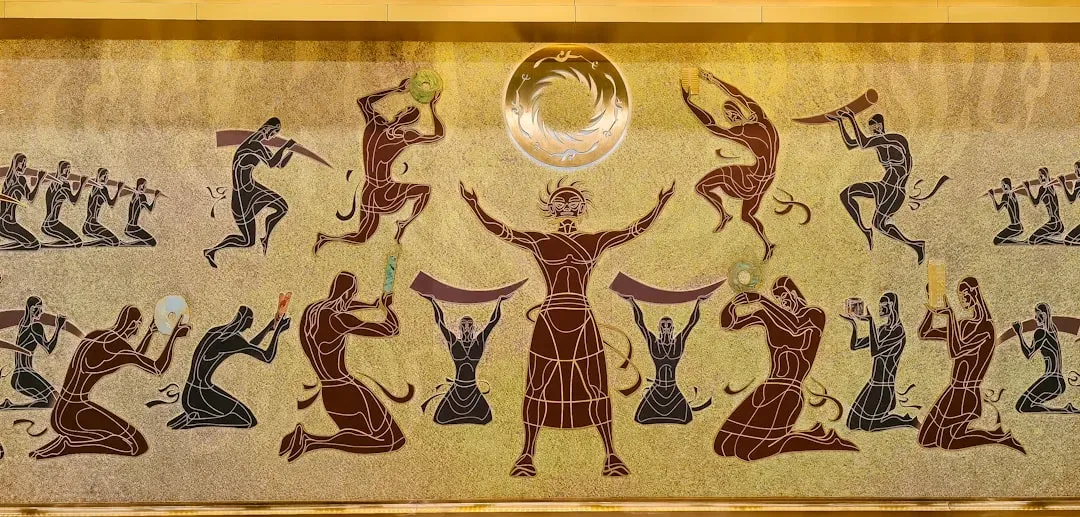
When you look at myths through a scientific lens, they stop being silly fairy tales and start to feel like emotional fossils. They carry traces of real floods, real diseases, real storms, and real psychological quirks, wrapped in symbols that made sense to the people who first told them. Science does not erase the magic; it just shifts it from the surface of the story to the astonishing complexity of the world underneath.
I think that is why these legends refuse to die, even in an age of satellites, gene editing, and quantum physics. They speak to our fear, our curiosity, and our need to feel that chaos has meaning, even if that meaning is dressed up as gods, monsters, or lost golden cities. Next time you hear an old myth, it might be worth asking not just whether it is “true,” but what real storm, real bone, or real human fear started it all in the first place. Would you have guessed how much science was hiding inside these ancient stories?