
Most of us grow up with a simple story about intelligence: humans sit at the top, and animals are somewhere way below, just running on instinct. Then you see a crow solving a puzzle that would stump a tired adult, or a dog reading your mood better than your closest friend, and that story starts to fall apart fast. In the last few years especially, science has been quietly rewriting what we thought we knew about animal minds – and the results are honestly a little mind‑bending.
What makes this so powerful is not just that animals are clever; it’s that they are clever in ways that feel strangely familiar. They remember who helped them and who hurt them. They plan for the future. They deceive, cooperate, teach, and even seem to experience something very close to grief. Once you see the evidence, it gets harder to pretend that we’re the only thinkers on the planet – and easier to feel a surprising sense of kinship with the creatures around us.
Crows That Outsmart Human Children With Multi‑Step Puzzles
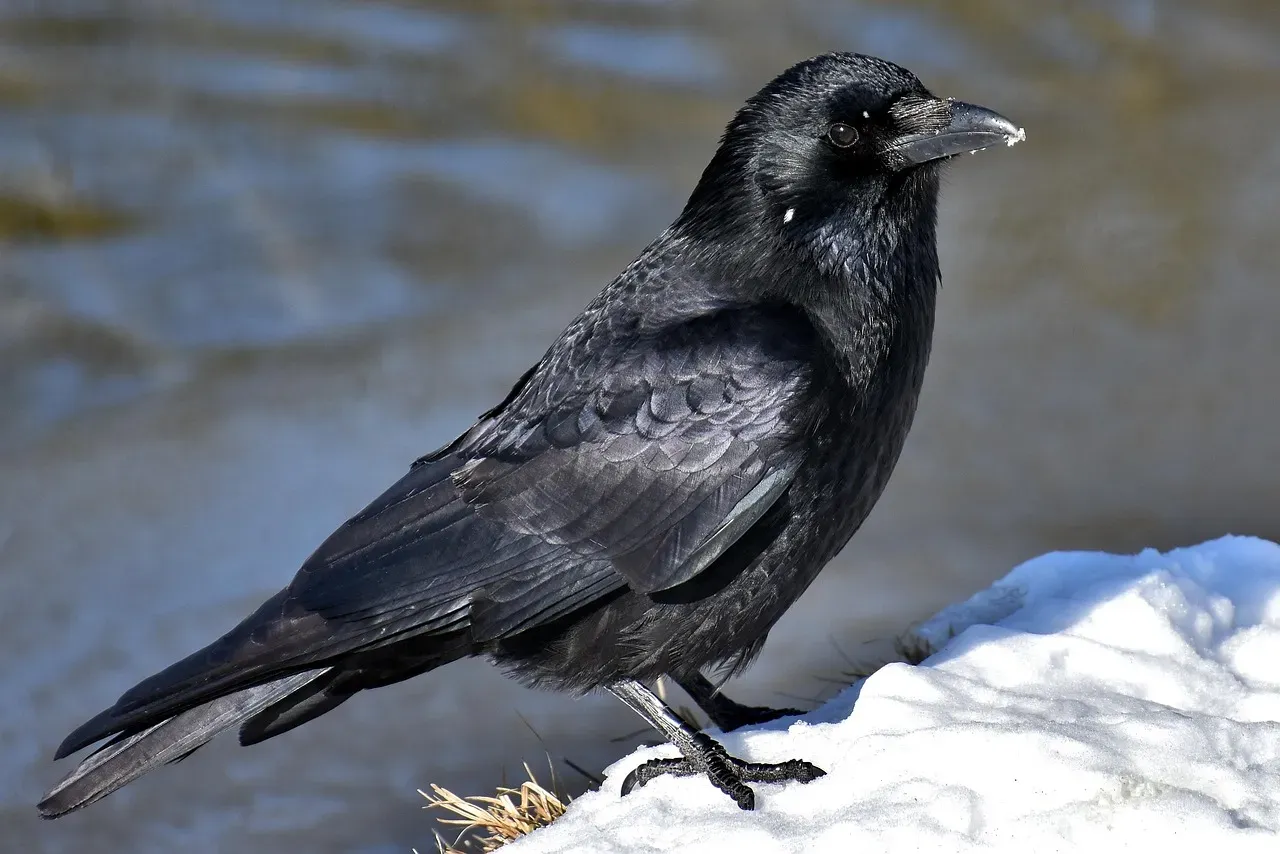
A few decades ago, calling someone a “bird brain” was an insult. Today, it’s almost a compliment, thanks to research on crows and their relatives, known collectively as corvids. In carefully designed lab tests, New Caledonian crows have solved complex, multi‑step puzzles that require using tools in the right order, much like a simple version of a video game quest. In several experiments, these birds performed on par with young children when it came to understanding basic cause and effect.
Scientists have watched crows bend bits of wire into hooks to retrieve food, use one tool to get another tool, and even choose the correct tool ahead of time for a problem they would face later. That last bit matters: it suggests something very close to planning, not just reacting. Their brains are tiny compared with ours, but incredibly dense and efficient, like a super‑compressed computer. It turns the old idea that “big brain equals smart” into something we now know is way too simple.
Octopuses That Use Tools, Escape Labs, And Remember People
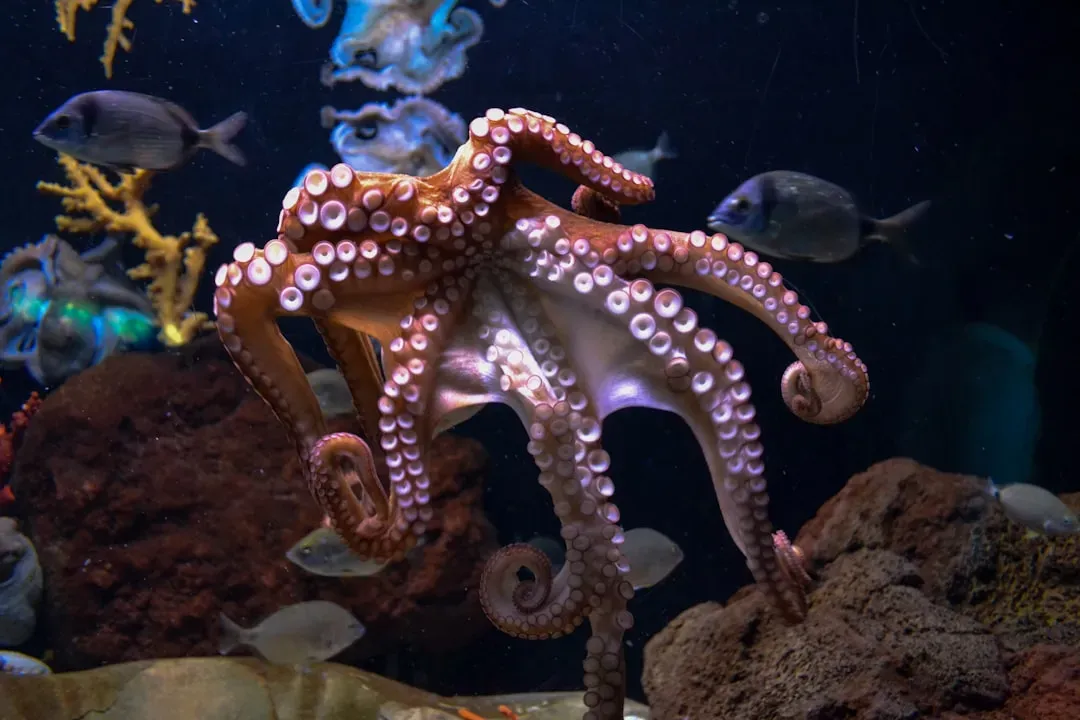
If any animal feels like it was quietly dropped in from another planet, it’s the octopus. Three hearts, blue blood, hundreds of suckers moving like living fingertips – and on top of that, a level of intelligence that keeps surprising researchers. In aquariums and labs, octopuses have unscrewed jar lids to get food, carried coconut shells to use later as portable shelters, and navigated mazes by remembering which path leads to a reward.
There are also numerous well‑documented cases of octopuses escaping from tanks at night, crossing floors, raiding nearby fish tanks, and then returning as if nothing happened. Researchers report that some individuals clearly recognize different people, reacting calmly to familiar caregivers and defensively to strangers. Their neurons are spread throughout their arms rather than concentrated just in the head, so their “thinking” is literally distributed. It’s a completely different style of intelligence from ours, which is exactly what makes it so eerie – and so impressive.
Rats That Show Empathy And Free Trapped Friends
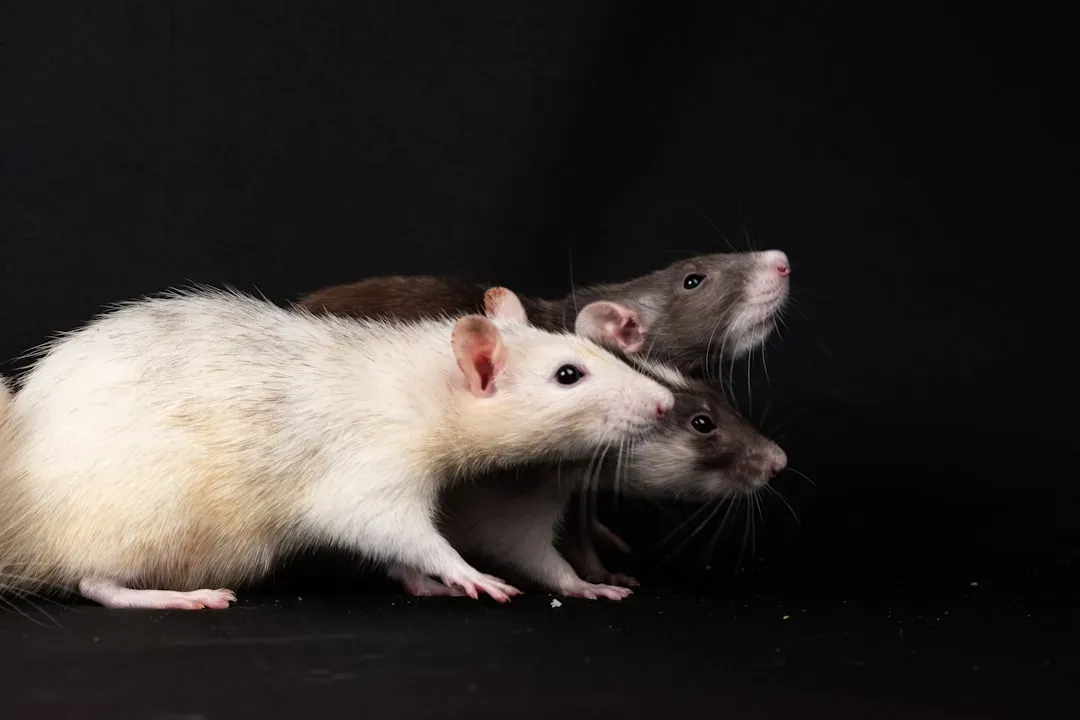
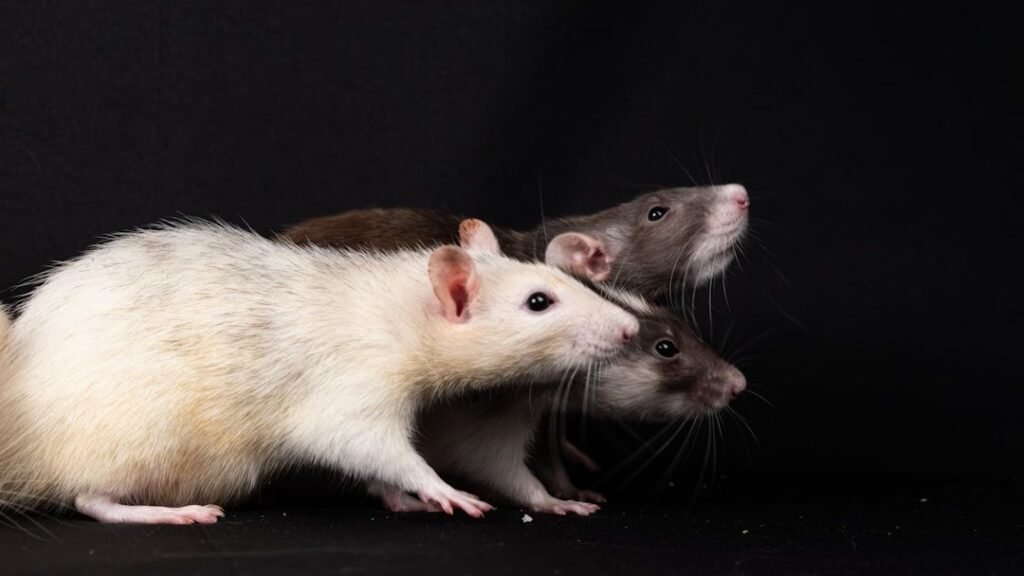
Rats have a terrible reputation in everyday life, yet in the lab they keep showing a more tender side than anyone expected. In one widely discussed set of experiments, a rat could choose between ignoring a trapped cage‑mate or learning how to open a small door to set them free. Over time, the vast majority of rats consistently chose to help the trapped individual, even when there was no extra reward like food attached.
Even more striking, when rats had the option to open a door to chocolate or open a door to free their friend, many chose to free the trapped rat first and then share the food. That behavior looks awfully close to empathy: noticing distress in another, feeling something about it, and acting to relieve it. Add to that how rats appear to pick up each other’s emotions, changing their behavior when they sense another rat’s fear or pain, and you get a picture of social awareness that is much more sophisticated than the old stereotype of “mindless vermin.”
Dogs That Read Human Emotions And Understand Words

Anyone who’s lived with a dog already suspects they know more than we give them credit for, but brain imaging has taken this from hunch to hard data. When dogs in MRI scanners listen to human voices, certain areas of their brains light up differently for praising tones, soothing tones, and neutral speech, even when the words themselves are unfamiliar. They’re not just hearing sounds; they’re tuning into our emotional messages in a way that overlaps with how human brains respond.
Some individual dogs also show an astonishing ability to learn human words. A handful of border collies, for example, have been documented recognizing the names of hundreds of different objects and fetching the right one on command, even when researchers test them with brand‑new items. They can use a kind of simple logic to guess that the unfamiliar word probably refers to the unfamiliar toy. Combined with their sensitivity to human gestures, facial expressions, and eye contact, dogs start to look less like “pets” and more like cross‑species social partners who’ve spent thousands of years learning how to speak our emotional language.
Dolphins That Use Names, Teach Skills, And Coordinate Hunts
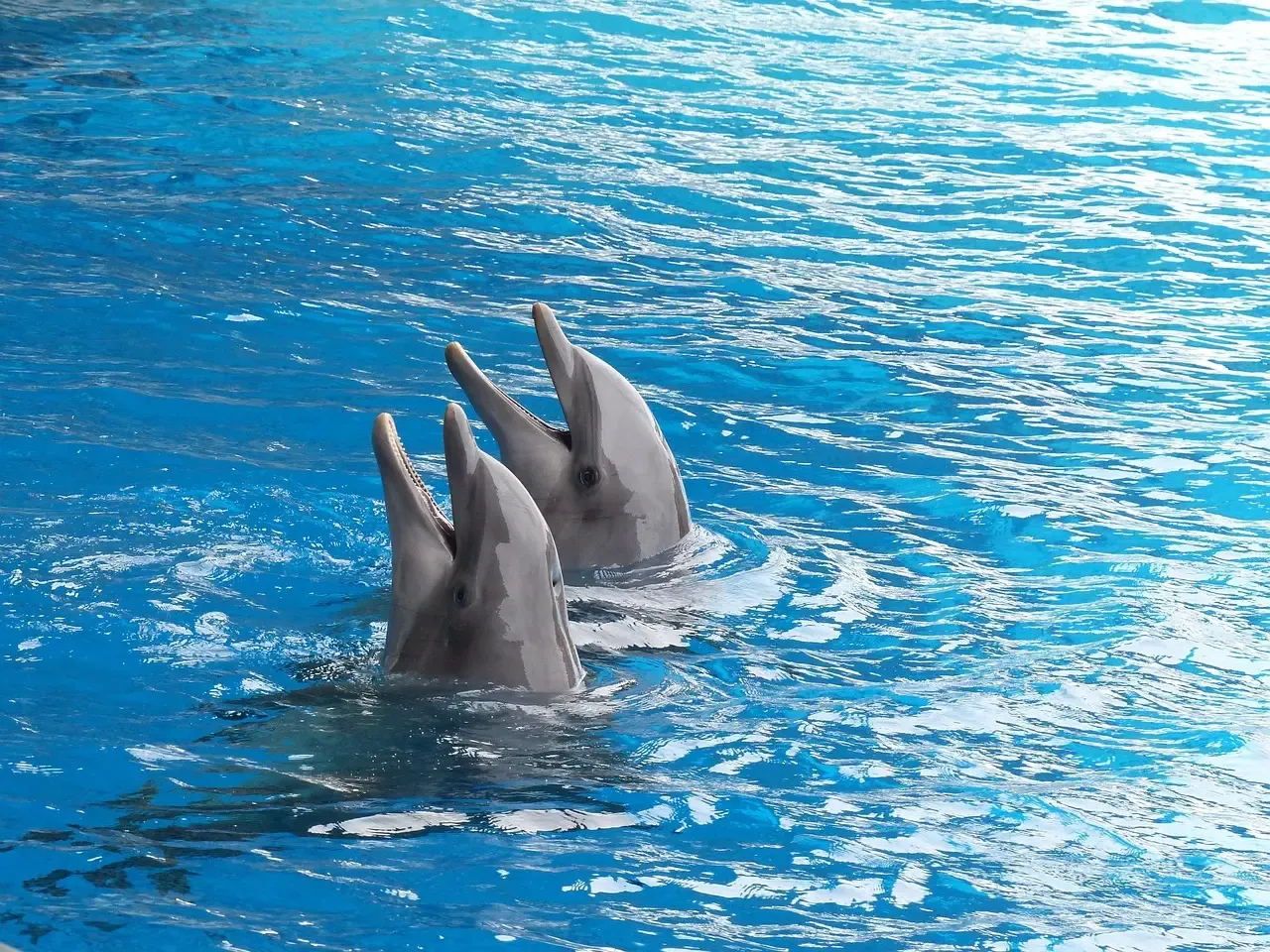
Dolphins are often painted as the geniuses of the sea, and while that can be exaggerated, there is real science behind their reputation. Wild bottlenose dolphins use unique signature whistles that function like names, each individual having its own distinct sound that others can call. Experiments have shown that dolphins respond more strongly to recordings of their own signature whistle than to those of others, even when played through speakers with no visible dolphin nearby.
In different regions, dolphins have also developed local cultures of tool use and hunting techniques that are passed down through learning, not genetics. One famous example involves dolphins fitting sponges over their snouts to protect themselves while foraging along rough seafloors, a skill mothers teach their calves. Others coordinate bubble‑net feeding or drive schools of fish toward waiting partners in a kind of underwater choreography. These behaviors check several boxes we tend to reserve for humans: naming, teaching, cultural variation, and cooperative strategy.
Elephants That Remember, Mourn, And Make Moral Choices
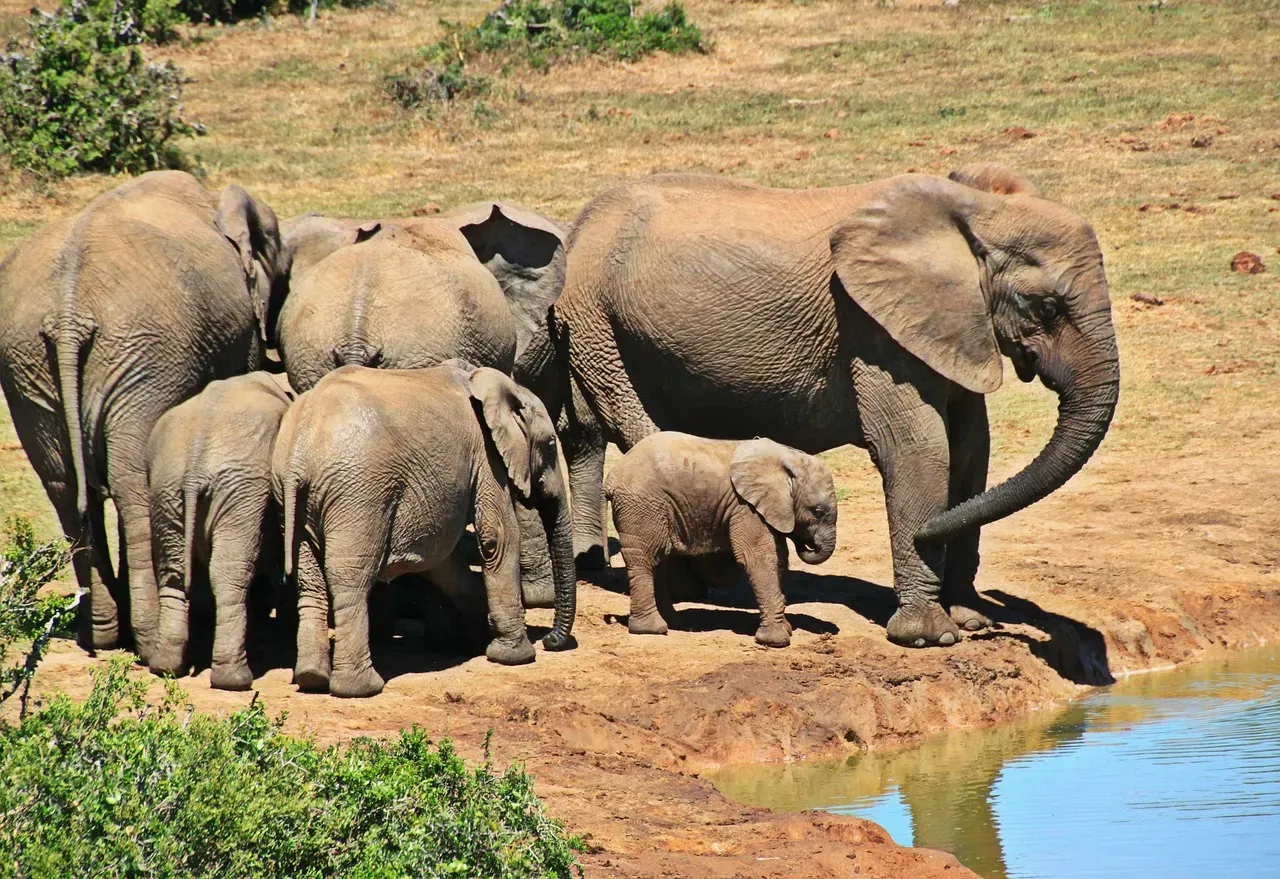
Elephants have become almost a symbol of memory for a reason. Field studies have shown that matriarchs – the older females who lead family groups – can remember the voices and scents of many different elephants and even humans over long stretches of time. That long memory can mean the difference between life and death, for example when they recall which water holes were safe during a drought years earlier or which humans posed a threat in the past.
There is also growing evidence that elephants respond to death in a way that feels hauntingly familiar. Herds have been observed gently touching the bones or tusks of deceased relatives, staying unusually quiet and lingering in the area. Some elephants have changed their usual travel routes to repeatedly visit the remains of a particular individual. Combined with reports of elephants helping injured companions, standing guard over vulnerable calves, or apparently refraining from trampling small animals in their path, it suggests a kind of moral awareness and emotional depth that many people still find hard to accept in non‑human animals.
Bees That Count, Navigate With Maps, And Make Group Decisions
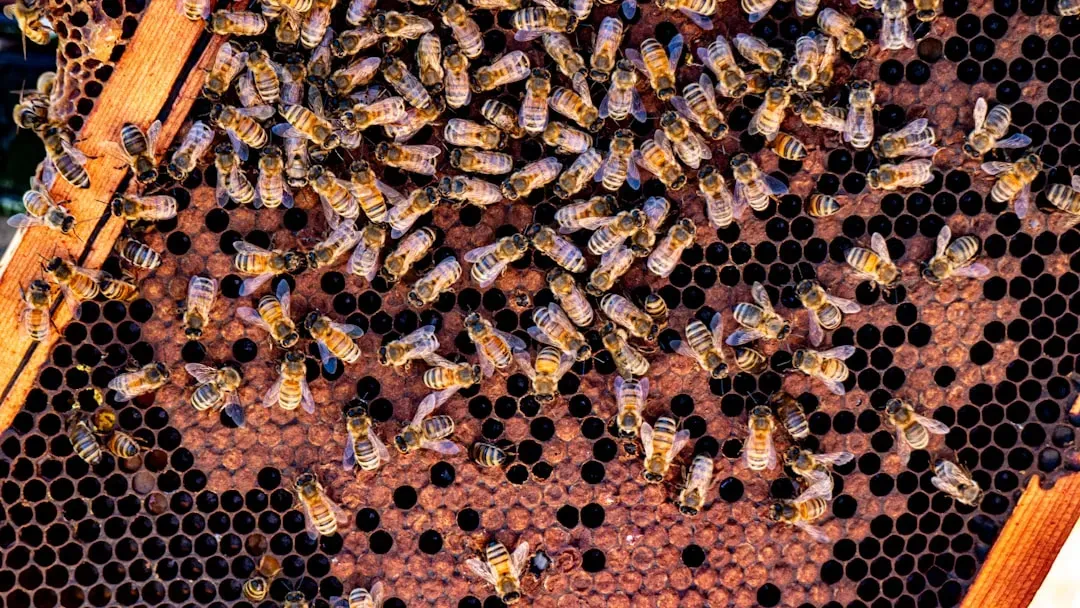
Bees are tiny, but their collective intelligence is one of the most impressive systems nature has produced. Individually, honeybees can learn to distinguish shapes, colors, and even numbers up to a small range, and they can remember the locations of flowers relative to landmarks like trees or buildings. In some experiments, bees have even been trained to perform simple “less than” and “greater than” tasks when shown different numbers of shapes, hinting at a basic sense of quantity.
As a group, bee colonies make decisions that almost look like they came from a well‑run committee. When a hive needs a new nesting site, scout bees search different locations, return to the hive, and perform dances that encode both direction and enthusiasm. Other bees check those sites and add their own dances, and over time, the colony converges on the most promising option through a kind of democratic process. What looks like random buzzing on the outside is, under the surface, a sophisticated information‑sharing network that lets a whole super‑organism weigh options and choose a future together.
Rethinking What It Means To Be “Smart”
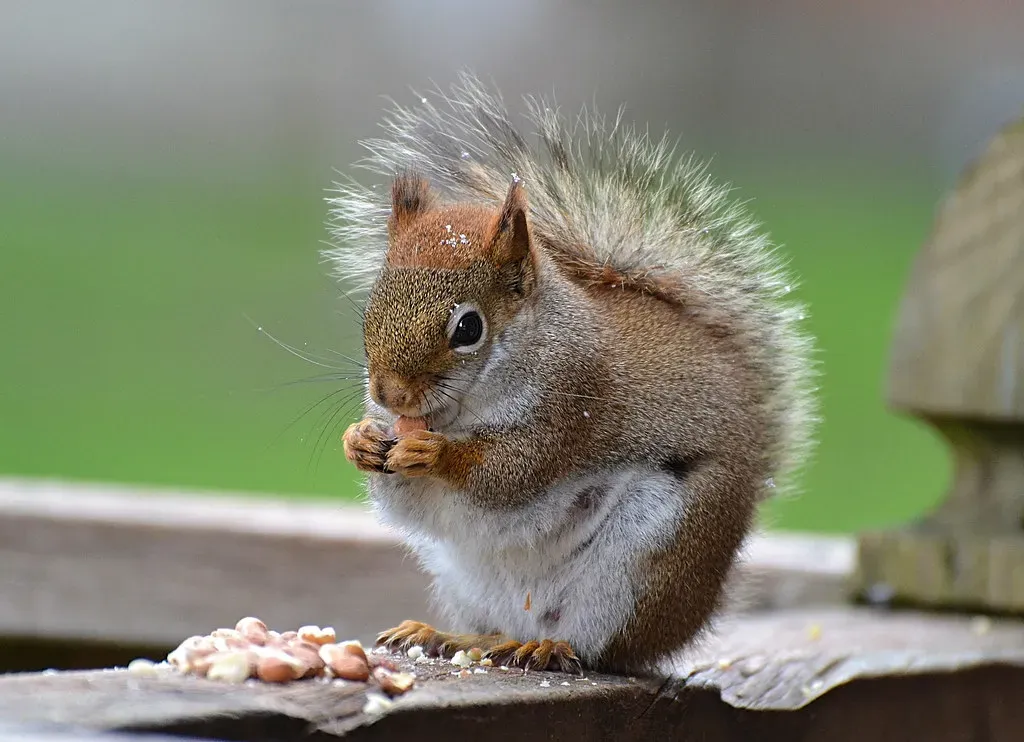
When you put these discoveries side by side, a pattern starts to emerge: intelligence is not one single ladder with humans at the top and everyone else below. It’s more like a wild, branching forest where different species have evolved different mental “superpowers” to fit their worlds. Crows excel at problem‑solving, octopuses at flexible exploration, rats at emotional sensitivity, dogs at reading humans, dolphins at social coordination, elephants at memory and feeling, and bees at collective decision‑making.
Once you see that, the old line between “us” and “them” feels a lot thinner. The animals around us are not just background characters in a human drama; they are thinkers, feelers, and sometimes planners in their own right, just following different scripts. Maybe the most surprising discovery is not that animals are smarter than we thought, but that we were so sure they weren’t. If they have been quietly outsmarting our expectations for this long, what else might they be capable of that we still have not noticed?