
You ever think about what it takes to actually get somewhere in space? I mean really get somewhere, not just orbit Earth for a few months. The distances are mind-boggling. The challenges are enormous. Yet here we are in 2026, and scientists are working on technologies that sound like they came straight out of a sci-fi novel.
Some of these breakthroughs could fundamentally change how we explore the cosmos. We’re talking about propulsion systems that could slash travel times to Mars by half, communication methods that are virtually unhackable, and ways to keep astronauts healthy on journeys lasting years. Let’s be real, if even a few of these pan out, space exploration will never be the same. So let’s dive in.
Nuclear Fusion Propulsion Systems
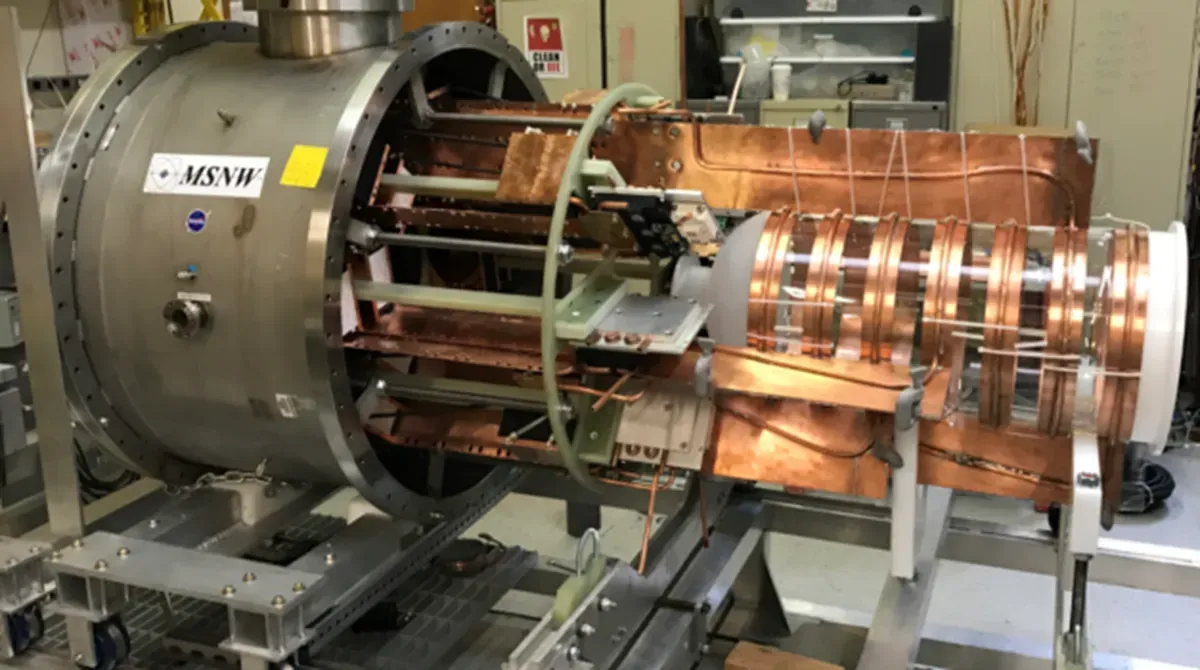
The Fusion Driven Rocket represents a revolutionary approach where the power source releases its energy directly into the propellant without requiring conversion to electricity, employing solid lithium propellant that requires no significant tankage mass and rapidly heating it to high exhaust velocity exceeding 30 kilometers per second. Think about that for a second. Depending on the concept, the exhaust velocity of a fusion-propelled rocket would be in the range of 150 to 350 kilometers per second, and planet Mars could be reached in 90 days or even less, compared to eight months with conventional propulsion.
The Sunbird nuclear fusion rocket concept has the potential to more than halve the time to travel to Mars and cut travel time to Pluto to about four years. Modeling shows that this technology can potentially propel a spacecraft with a mass of about 1,000 kilograms to Pluto in four years, with static tests set to begin in 2025 followed by an In Orbit Demonstration of the core technology components in 2027. Honestly, the fact that we might see actual tests soon makes this feel less like fantasy and more like something that could happen in our lifetimes.
Quantum Entanglement Communication Networks

A team of European scientists proved within an ESA study that the weird quantum effect called entanglement remains intact over a distance of 144 kilometers, allowing ESA to take a step closer to exploiting entanglement as a way of communicating with satellites with total security. The security aspect is incredible because anyone trying to eavesdrop would immediately be detected.
Quantum networks would enable the establishment of a quantum internet, allowing for secure communication and data transfer between Earth, satellites, and deep-space probes, and could facilitate real-time collaboration between scientists and engineers on Earth and space-based assets. SEAQUE has recorded multiple Bell violations, with more confidence than the Chinese quantum communications experiment Micius, and a stronger Bell violation than SpooQy-1, Singapore’s entanglement CubeSat. The technology is already being tested on the International Space Station, which is pretty wild when you think about it.
Antimatter Propulsion Technology
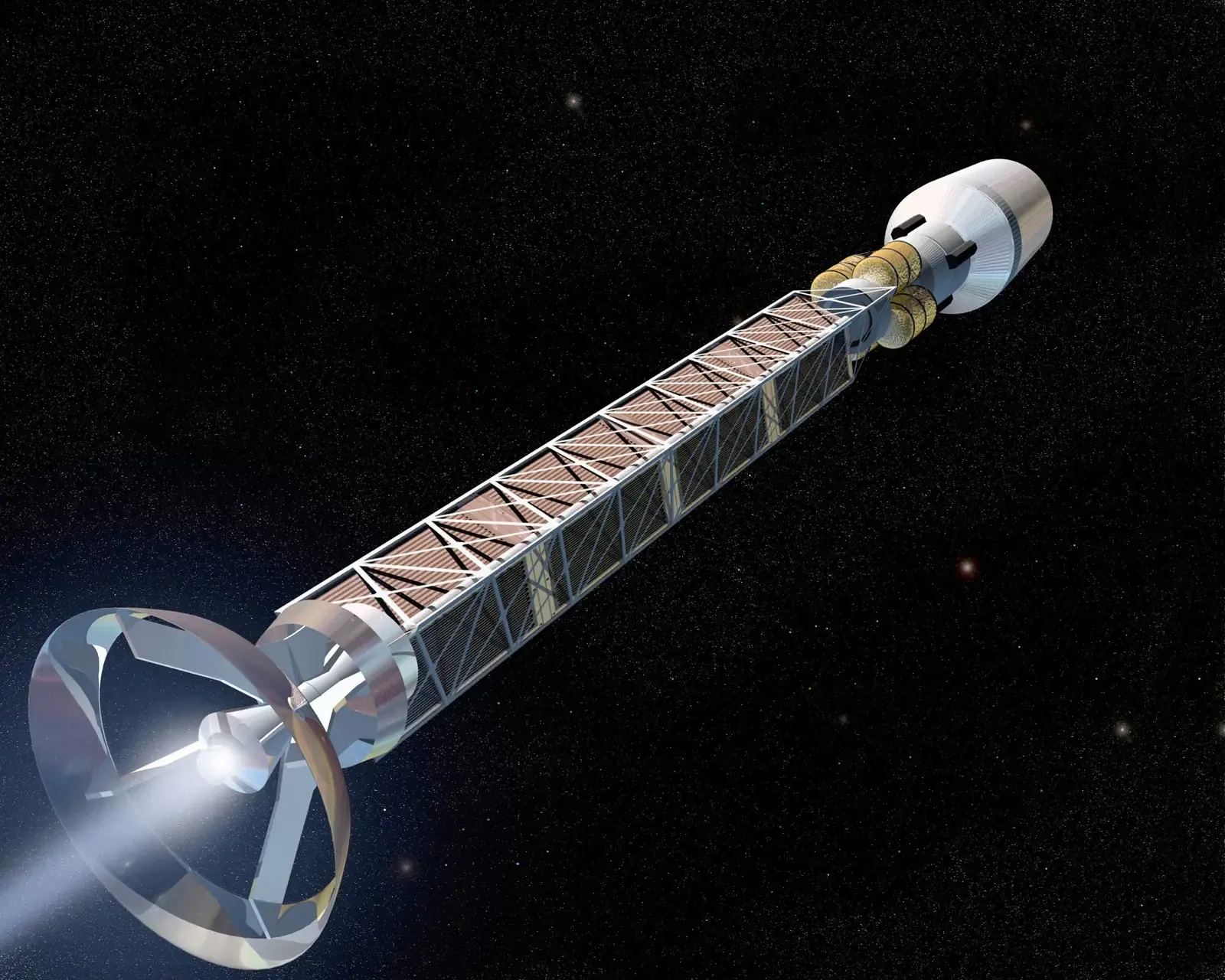
Here’s where things get really crazy. Antimatter annihilation releases an astonishing energy density of 9 times 10 to the 16th joules per kilogram, and harnessing this energy could make voyages to the outer reaches of the Solar System or even to neighboring stars feasible within human lifetimes. Antimatter propulsion would enable speeds that could get spacecraft to Alpha Centauri, the nearest star system roughly 4.3 light-years away, in just a few decades, compared to Voyager 1 which would take over 80,000 years to make the same journey.
The catch? CERN is capable of making just ten nanograms of antiprotons per year, and generating a single gram of antimatter would require four million dollars in energy costs and enough power to supply a small city for a year. Antimatter propulsion has not been achieved yet and the concept is still in its theoretical stage, with major challenges being the high costs and limited availability of facilities. It’s hard to say for sure when this might become practical, but the potential payoff is enormous.
Rotating Artificial Gravity Systems
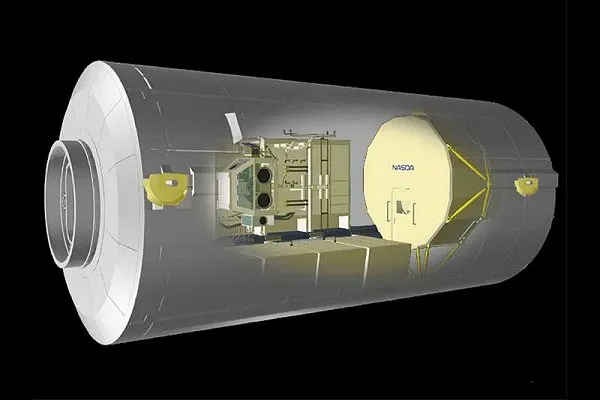
Let’s talk about keeping humans healthy in space for years at a time. Establishing artificial gravity could be key to protecting the health of astronauts on long-term space missions, as weight-bearing bones lose on average 1 to 1.5 percent of mineral density every month of spaceflight, and muscle mass is lost more rapidly under microgravity conditions than on Earth.
A rotating space station should have a minimum radius of 30 meters and a spin rate of 4.5 rpm to simulate an artificial gravity of 0.9 G, or to create 1 G we need 50 meters radius and a spin rate of approximately 4.2 rpm. The Voyager space station is a planned rotating wheel space station set to begin construction in 2025, and placed in a low-Earth orbit, the space hotel will rotate rapidly enough to generate artificial gravity for its 400 occupants and could become the largest man-made structure ever placed into orbit. I know it sounds crazy, but companies are actually moving forward with these designs.
Advanced Ion and Electric Propulsion
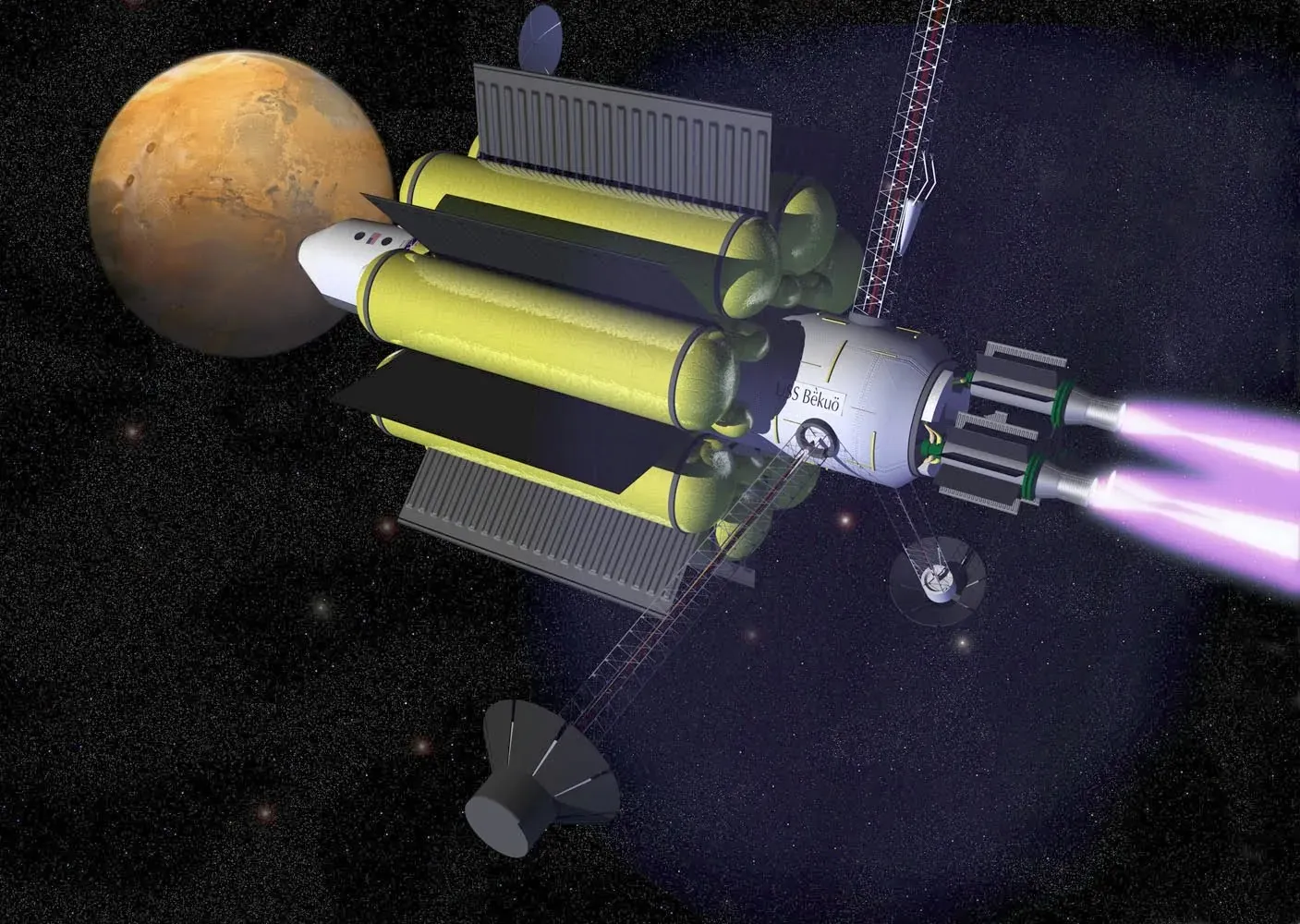
The Variable Specific Impulse Magnetoplasma Rocket is a plasma rocket in which electric fields heat and accelerate a propellant forming plasma, and magnetic fields direct the plasma in the proper direction as it is ejected from the engine, and unlike traditional nuclear electric propulsion the VASIMR design would enable the processing of large amounts of power while retaining the high fuel efficiency that characterizes electric rockets. What makes this exciting is that it bridges the gap between chemical rockets and more exotic propulsion.
In the near term, the VASIMR engine could support a wide array of high-power applications from solar electric in cislunar space to nuclear-electric in interplanetary space, and on a longer term, the VASIMR could be a precursor to future fusion rockets still in the conceptual stage. The beauty of this approach is that we can start using parts of the technology today while building toward the more advanced systems. It’s incremental progress that actually gets us somewhere.
Reusable Launch Vehicle Technology
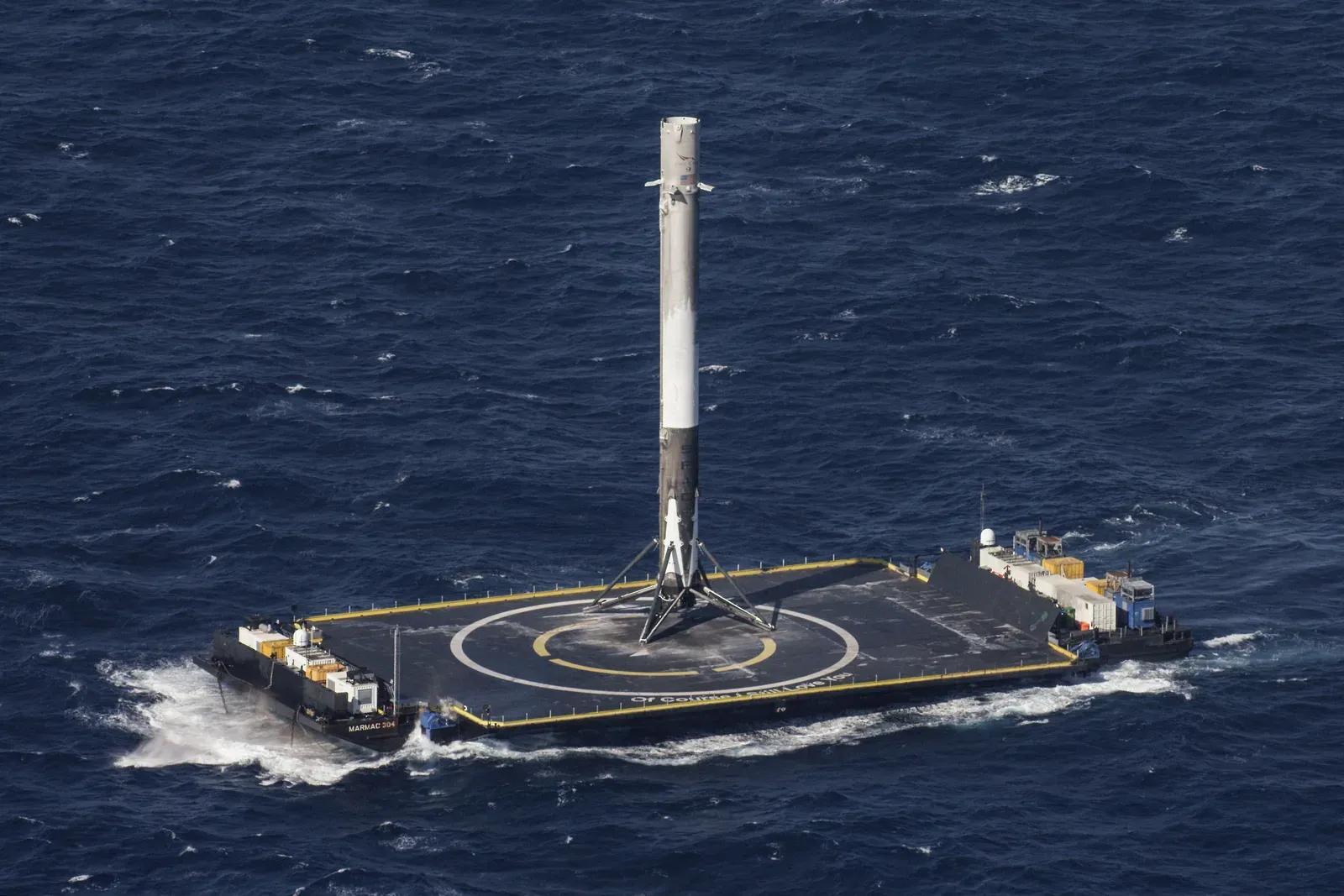
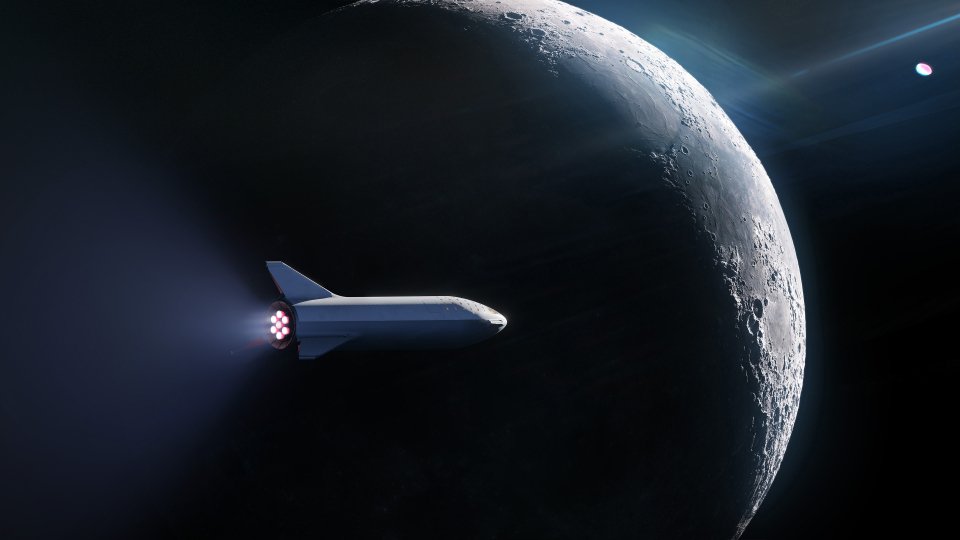
SpaceX’s flight tests of its in-development Starship, a notionally fully reusable rocket that is also the world’s largest and most powerful, are set to continue throughout 2026, and after successful debuts in 2025, other partially reusable rockets namely New Glenn from Blue Origin as well as Zhuque-3 from the Chinese commercial company LandSpace are slated for additional flights in 2026. This ongoing meteoric rise of reusability is already causing launch costs to plummet while launch rates skyrocket, allowing the creation of a more active, diverse and robust space economy in which far more opportunities exist for science and exploration.
This one might not sound as flashy as antimatter engines, but it’s arguably the most important breakthrough happening right now. Lower launch costs mean we can afford to try more ambitious missions. More launch opportunities mean more chances to test new technologies. It’s a virtuous cycle that enables everything else on this list.
Deep Space Navigation and Quantum Sensing
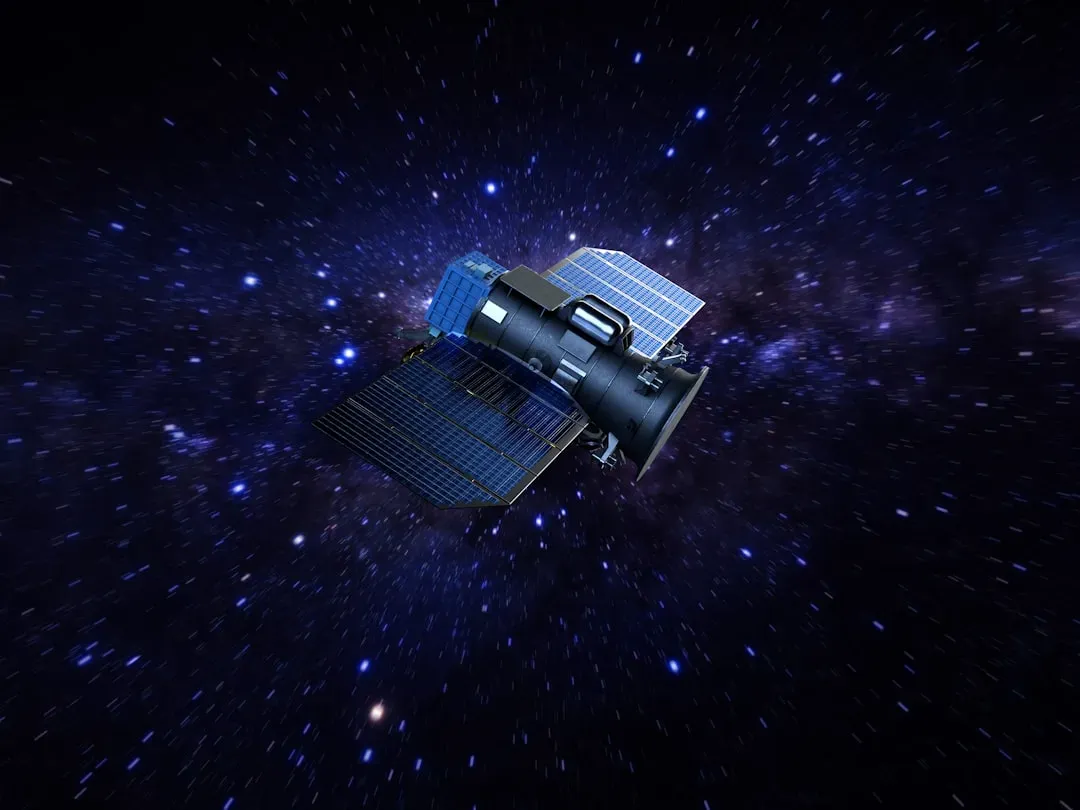
Quantum entanglement has potential applications in navigation and sensing which are critical components of space missions, as entangled particles can be used to improve the precision of measurements enabling more accurate positioning navigation and timing systems, and quantum sensors based on entanglement could detect minute changes in gravitational fields, magnetic fields, or other physical properties.
Quantum-enhanced gyroscopes and accelerometers could be used in spacecraft to achieve ultra-precise inertial navigation, reducing reliance on GPS signals which may be unreliable or unavailable in deep space. When you’re traveling to distant planets or beyond, knowing exactly where you are and where you’re going becomes absolutely critical. These quantum sensors could make navigation exponentially more accurate than anything we have today. The precision we’re talking about here would have seemed impossible just a decade ago.
Conclusion
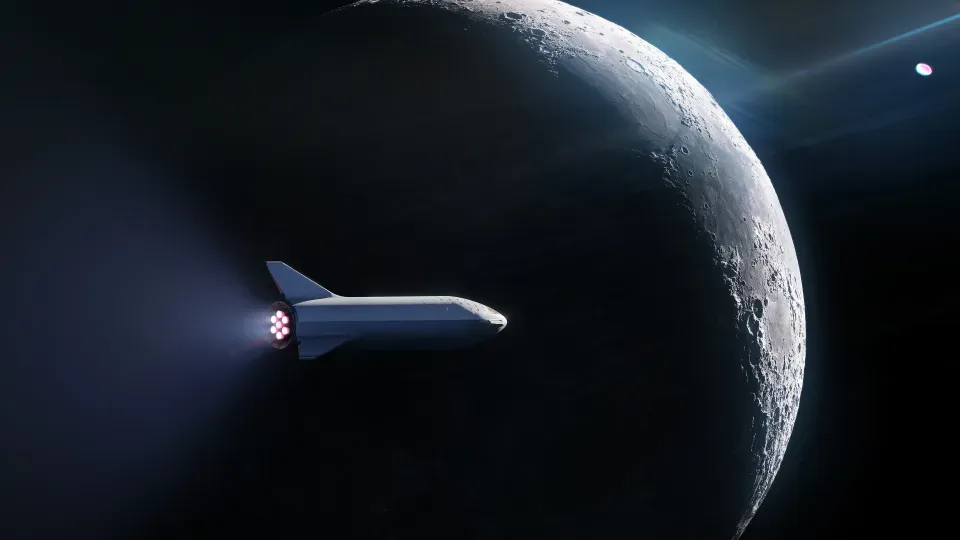
So where does all this leave us? We’re standing at a genuine turning point in space exploration. Some of these technologies are already being tested in orbit. Others are still mostly on paper. Yet the momentum is undeniable.
NASA marked significant progress toward the Artemis II test flight, the first crewed mission around the Moon in more than 50 years, as well as building momentum toward a human return to the lunar surface in preparation to send the first astronauts to Mars, with Artemis sending astronauts on increasingly difficult missions to explore more of the Moon for scientific discovery and economic benefits. The foundation is being laid right now for missions that seemed impossible before.
What’s most exciting is how these breakthroughs could work together. Imagine a spacecraft powered by fusion propulsion, communicating through quantum networks, navigating with quantum sensors, and keeping its crew healthy with artificial gravity. That’s not science fiction anymore. That’s the roadmap. What do you think? Will we see humans traveling to other star systems within our lifetimes? Tell us in the comments.
Hi, I’m Andrew, and I come from India. Experienced content specialist with a passion for writing. My forte includes health and wellness, Travel, Animals, and Nature. A nature nomad, I am obsessed with mountains and love high-altitude trekking. I have been on several Himalayan treks in India including the Everest Base Camp in Nepal, a profound experience.