Imagine waking up one morning and realizing that what used to be science fiction is now just… life. Diseases that terrified your parents are manageable, maybe even curable. Energy is clean and abundant. Your own body can be edited, repaired, or even partially replaced like software. That sounds dramatic, but it’s not that far off from where science is heading right now.
We’re living in a strange, in‑between moment: far enough along to see what’s coming, but not quite there yet. Some of these breakthroughs are still experimental, others are already quietly entering hospitals and labs. Together, they could bend the arc of human life in ways that are thrilling, scary, and completely transformative. Here are seven of the most powerful shifts unfolding in front of us.
1. CRISPR and Next‑Generation Gene Editing
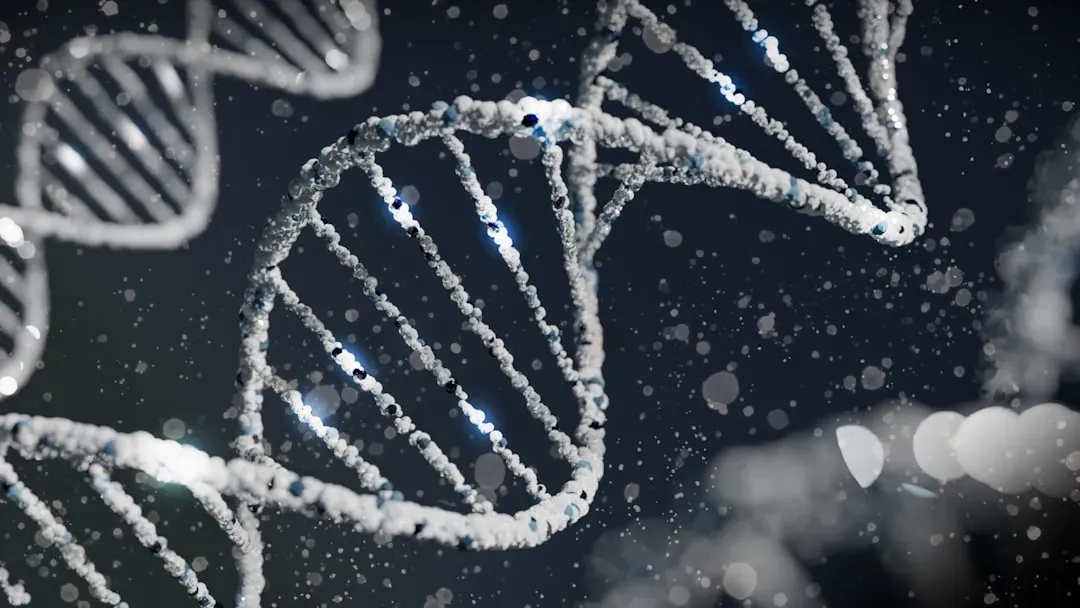
What if editing your DNA eventually becomes as routine as updating your phone’s software? CRISPR started that conversation, and newer tools like base editing and prime editing are pushing it further, making it possible to change single letters in the genetic code with stunning precision. Researchers have already used CRISPR-based therapies to treat conditions like sickle cell disease, moving from theory to real human patients in less than a decade.
The potential is massive: inherited blindness, blood disorders, and some immune diseases are now on the shortlist of conditions that might be treatable at the root cause, not just managed. But there’s a darker side lurking in the background – germline editing, where changes are passed to future generations, raises huge ethical questions about designer babies and inequality. Personally, I think the most responsible path is focusing on treating serious disease in living people and drawing a hard line at non‑medical enhancement, at least until society catches up. Just because we can rewrite the code of life doesn’t mean we’re ready to be its unchecked authors.
2. AI Doctors and Hyper‑Personalized Medicine
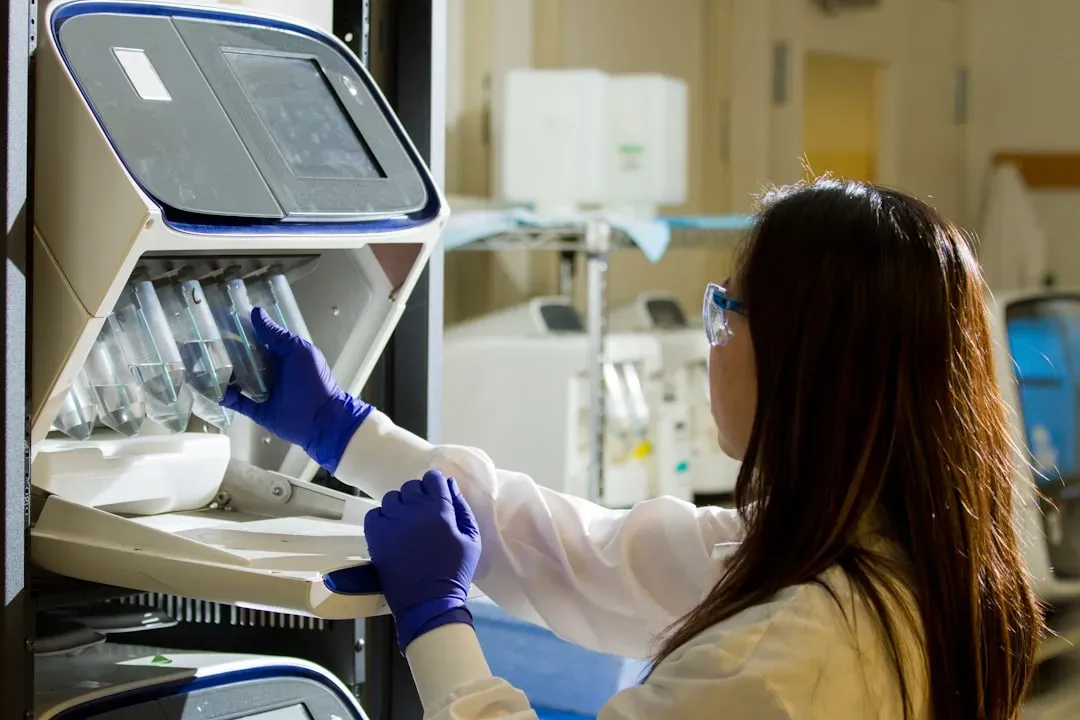
There’s a good chance that, in a few years, your “doctor” will include a powerful AI system quietly reading your scans and lab results before any human ever sees them. In medicine, artificial intelligence is already matching or surpassing specialists in detecting things like lung cancer on CT scans or early eye disease in retinal images, and it doesn’t get tired, bored, or distracted. Instead of one doctor’s experience, you’re effectively tapping into patterns learned from millions of cases.
But the real shift comes when AI models merge imaging, genetics, lifestyle data from wearables, and medical history into a constantly learning health profile. Your treatment plan could be tailored down to your exact biology, not based on averages from clinical trials where you may barely resemble the “typical” patient. I’ve had friends wait months for a diagnosis that an algorithm could likely have flagged in days, and it’s hard not to feel a little angry about that delay. The challenge now is trust, oversight, and making sure these tools serve everyone, not just people who can afford elite hospitals or expensive gadgets.
3. Regenerative Medicine and Lab‑Grown Organs
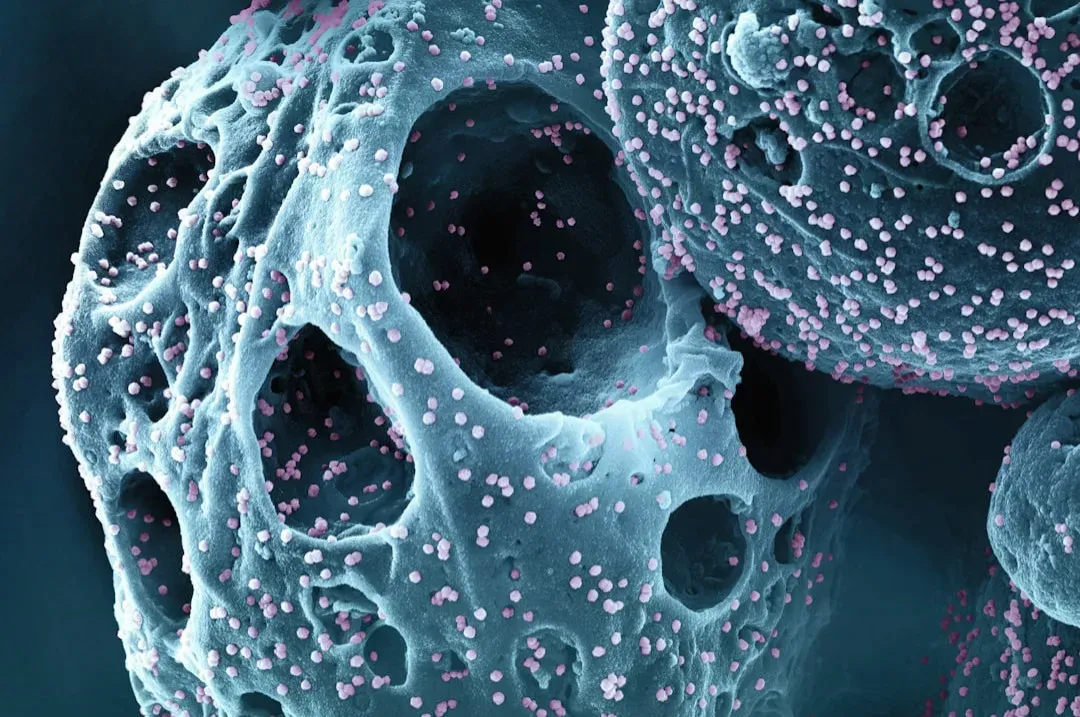
The idea that your body might one day repair itself like a lizard regrowing its tail sounds wild, but we’re edging closer to that reality through regenerative medicine. Scientists have grown mini‑organs called organoids from stem cells that mimic brain, liver, and kidney tissue, and have even used lab‑grown cells to help restore eyesight in some patients. There are ongoing efforts to 3D‑print tissues and, eventually, full organs using a person’s own cells as the raw material.
If this scales, the brutal math of organ waiting lists could change forever, with far fewer people dying while hoping for a match. Imagine going into surgery not to receive an organ from someone who died, but to receive a custom‑grown replacement built from your own biology, slashing the risk of rejection. There’s something emotionally powerful about that – your body becoming its own spare-parts factory instead of relying on tragedy to survive. Still, we’re not there yet; growing complex organs with working blood vessels and long‑term function remains one of the hardest engineering challenges in biology.
4. Brain–Computer Interfaces and the Merging of Mind and Machine
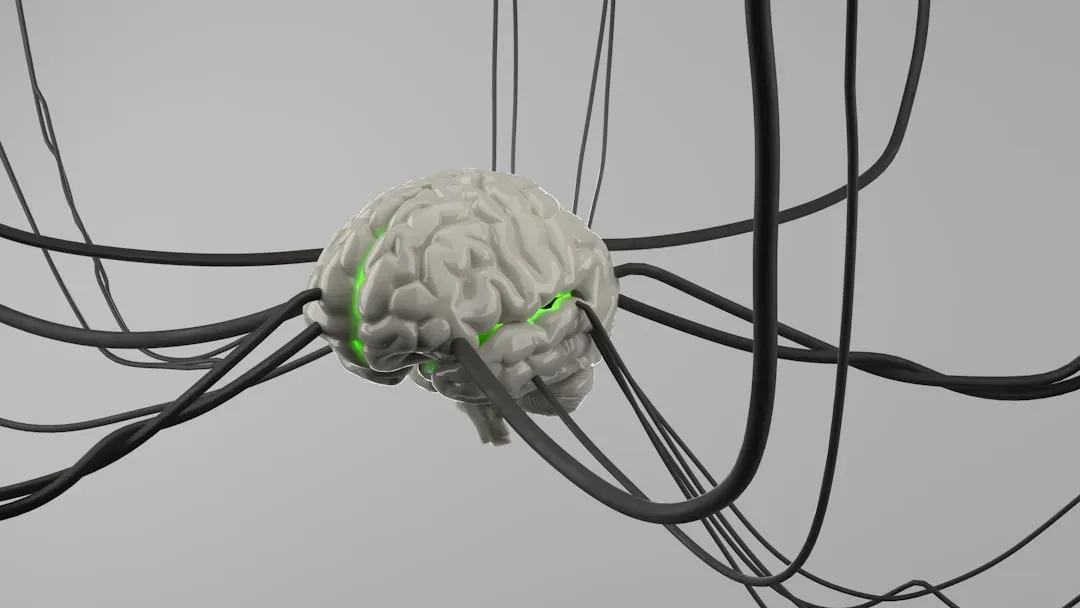
Brain–computer interfaces (BCIs) sound like a cyberpunk fantasy until you see a paralyzed person move a cursor on a screen just by thinking about it. Implants and non‑invasive devices can already pick up neural signals and translate them into actions, helping some patients regain basic communication or control robotic limbs. In 2024 and 2025, several research groups and companies implanted wireless BCIs in humans, showing that it’s possible to stream brain signals in real time without a tangle of external wires.
The long‑term vision goes way beyond medical uses: enhanced memory, direct brain‑to‑computer interaction, maybe even some form of shared mental experience. That’s where things get both fascinating and deeply unsettling. Who owns your thoughts if they’re flowing through a device connected to a commercial platform? Could your mental data be hacked, tracked, or manipulated? Personally, I love the idea of BCIs restoring lost abilities, but I’m far more skeptical about using them as a consumer gadget. The human mind is already fragile enough without adding push notifications directly to the cortex.
5. Quantum Computing and the End of “Unsolvable” Problems
Most of what runs our world today – from banking to streaming to flight control – depends on classical computers that manipulate bits, zeroes and ones. Quantum computers take a completely different approach, using quantum bits that can exist in multiple states at once, allowing certain calculations to scale in a way that’s simply impossible for traditional machines. Over the last few years, we’ve seen steady progress in building more stable qubits, improving error correction, and connecting small quantum processors into more powerful systems.
The implications, if these machines reach maturity, are enormous: they could crack some of the encryption that secures the internet but also help design new drugs, materials, and batteries by simulating complex molecules with breathtaking speed. It’s like going from counting on your fingers to doing math with an entire galaxy as your calculator. There’s a weird tension here – on one hand, the promise of curing diseases and building ultra‑efficient tech; on the other, the risk of breaking the digital locks that protect privacy and national security. That’s why many researchers are racing not just to build quantum computers, but also to invent new cryptography that can survive them.
6. Fusion Energy and the Quest for Star Power on Earth

For decades, fusion energy has been the scientific version of a running joke: always promised, never delivered, like a bus that’s permanently “five minutes away.” In the last few years, though, that joke has started to wear thin, because experiments have achieved significant milestones, including net energy gain in some laser‑based fusion setups. Private companies, backed by billions in investment, are racing to build compact fusion reactors using powerful magnets, hoping to deliver practical fusion power instead of just scientific proof‑of‑concepts.
If fusion ever truly works at scale, it could mean nearly limitless, low‑carbon energy using fuels derived from elements like hydrogen found in seawater. No long‑lived radioactive waste like traditional nuclear fission, no dependence on fossil fuels, and far less vulnerability to geopolitical energy shocks. To me, it’s one of the few technologies that could honestly change the mood of the entire planet – from anxious scarcity to cautious optimism. But optimism doesn’t turn bolts or solve engineering headaches, and there’s still a long road between flashy lab announcements and reliable power plants feeding electricity into the grid.
7. Radical Longevity and Aging as a Treatable Process

There’s a subtle but profound shift happening in how scientists think about aging: not as an unavoidable downhill slide, but as a series of biological processes that can be slowed, tweaked, or partially reversed. Research into senolytics – drugs that target “zombie” cells that accumulate with age – has shown promise in animals, and early human trials are underway for age‑related diseases. Other lines of work are looking at resetting cellular “clocks,” improving DNA repair, or mimicking the benefits of calorie restriction without actually starving yourself.
Most serious scientists aren’t promising immortality, but they are talking openly about extending healthy years, delaying frailty, and compressing the time we spend sick at the end of life. The emotional impact of that is hard to overstate: imagine your 70s feeling more like today’s energetic 50s, with your mind and body still able to do most of what you love. Of course, longer lives raise hard questions about pensions, work, inequality, and who gets access to these therapies. I think the most humane goal isn’t living forever, but making the years we already get less defined by pain, decline, and fear.
Living on the Edge of a Different Human Story
All of these breakthroughs – gene editing, AI medicine, regenerative organs, brain–computer links, quantum computing, fusion, and longevity research – are not isolated miracles floating in some sci‑fi future. They’re overlapping waves, each amplifying the others, slowly reshaping what it means to be human, to be healthy, to be secure. What makes this moment so strange is that we’re walking around doing everyday things – scrolling, commuting, arguing over small stuff – while tectonic plates of science are shifting quietly under our feet.
There’s real danger in that gap between what’s possible and what we’re ready for, socially, ethically, and politically. But there’s also a rare opportunity to pay attention now, to demand that these technologies are developed with fairness, humility, and a bit of hard‑earned skepticism. The future isn’t guaranteed to be brighter just because the tools are more powerful; it depends on what we choose to build with them, and who we decide gets a seat at the table. Which of these breakthroughs do you think will touch your own life first?