Ever watch a movie and think “there’s no way that could really happen”? Well, prepare to have your mind blown. While Hollywood often takes creative liberties with science for the sake of drama, there are some surprising moments when filmmakers actually got things absolutely right. These aren’t your typical superhero impossible stunts or time-traveling paradoxes. These are scientifically sound scenes that could happen in real life, crafted by directors who consulted with actual experts. Let’s dive into seven movie moments that’ll make you reconsider what’s possible.
Interstellar’s Black Hole Gets Physics Perfect
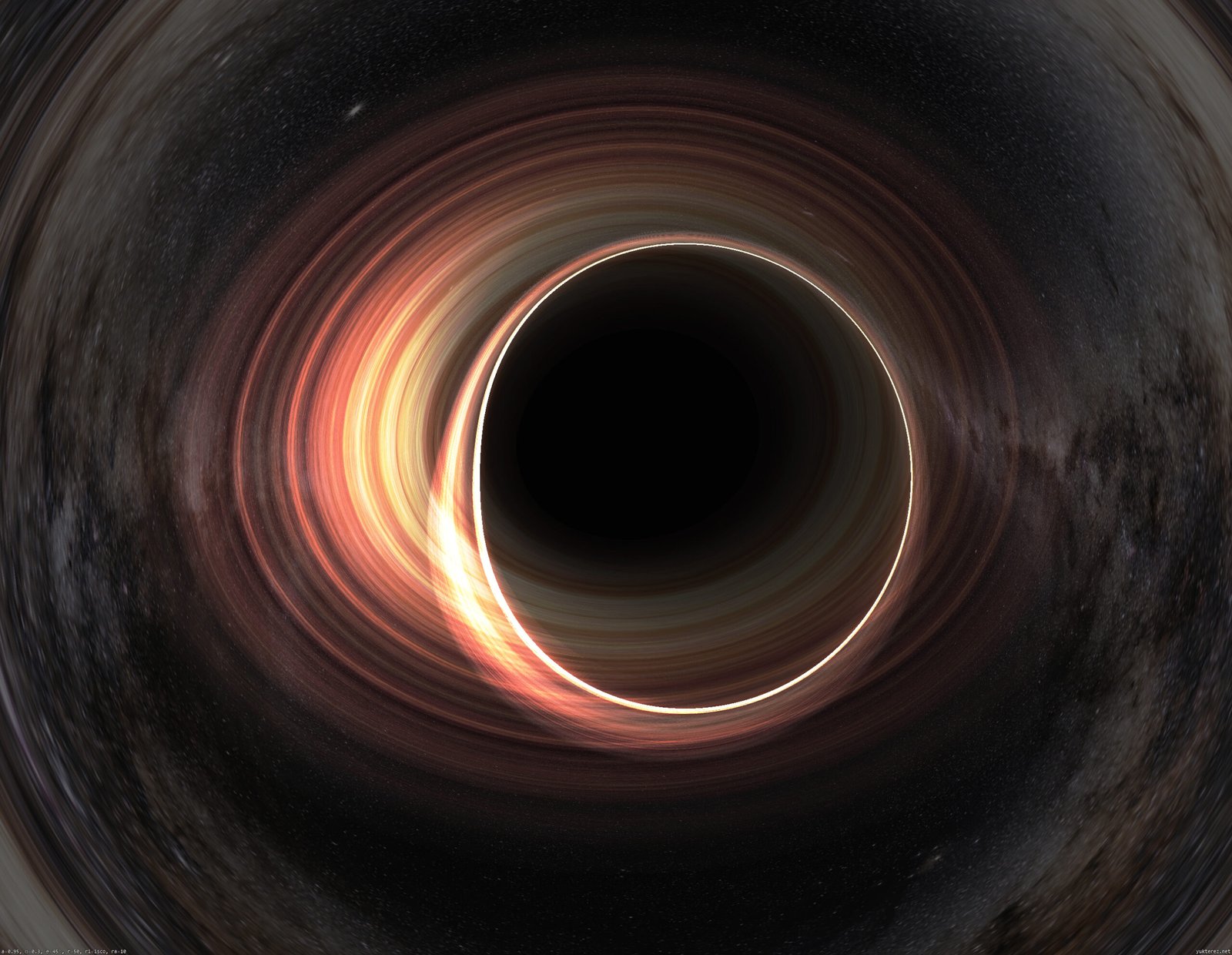
When Christopher Nolan’s Interstellar hit theaters, astrophysicist Neil deGrasse Tyson praised its accurate exploration of black holes, saying the science holds up even more than 2001: A Space Odyssey. The film’s representation of the black hole “Gargantua” was depicted with unprecedented scientific accuracy, thanks to Nobel Prize-winning physicist Kip Thorne’s expertise. Thorne provided the mathematical equations that special effects artists turned into movie magic. This collaboration led to some of the most physically-accurate images of a spinning black hole ever created. The movie’s portrayal of Gargantua closely resembled real-life photographs of black holes taken years later, showcasing the film’s commitment to scientific fidelity. Think of it like having a theoretical physicist draw you a blueprint of something no one had ever seen before, and then years later, scientists took actual photos that matched almost perfectly.
The Mathematical Magic Behind Gargantua’s Visual Effects
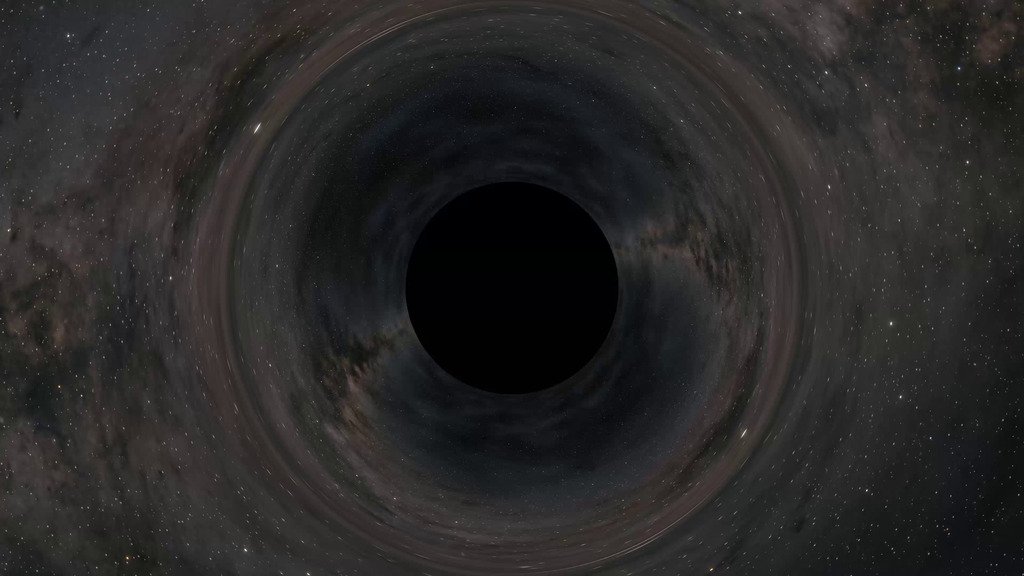
When Interstellar’s filmmakers set out to depict the black hole, they prioritized scientific accuracy by using Einstein Field Equations, which govern gravitational interactions as spacetime curves due to matter and energy. Thorne developed procedures for mapping light rays from source to camera, creating low-quality images in Mathematica before DNEG created the high-resolution render to simulate the accretion disk around Gargantua. The computer code, called Double Negative Gravitational Renderer or DNGR, helped construct a scientifically accurate view by mapping how millions of light beams travel through warped space-time. Thorne later wrote that he was ecstatic when he first saw the film clips, noting it was the first time he saw in ultra-high definition what a fast-spinning black hole actually looks like. The movie generated almost 800 TB of data in total.
Apollo 13’s Weightless Authenticity Sets the Gold Standard
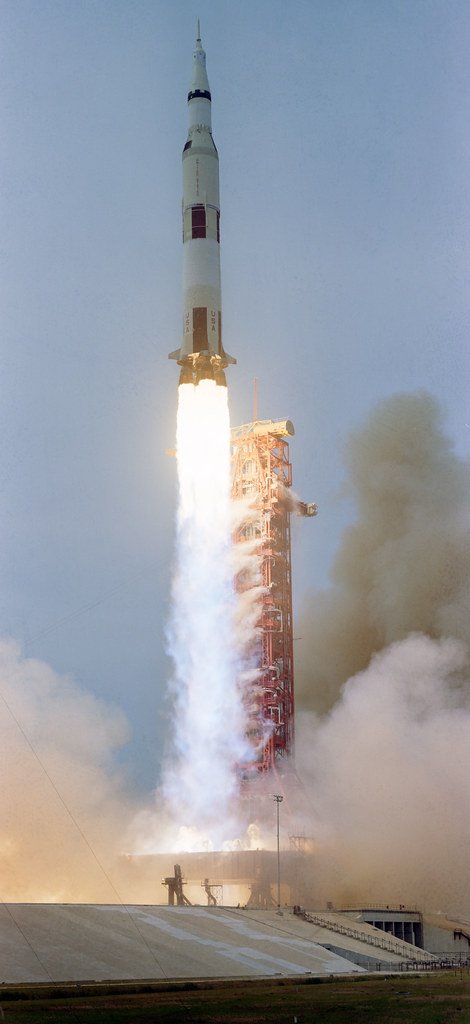
The production team behind Apollo 13 went to extraordinary lengths to ensure authenticity, filming weightlessness scenes aboard NASA’s KC-135 aircraft and constructing spacecraft replicas “down to every last rivet and piece of velcro”. Of all space films, Apollo 13 might be one of the most accurate, especially regarding the science of space travel, with realistic technical details of zero gravity and the actual spacecraft explosion. Each cast member performed extensive research, with technical adviser Dave Scott noting that every actor was determined to make every scene technically correct, word for word. Actors portraying flight controllers enrolled in Flight Controller School and studied audiotapes from the mission, reviewing hundreds of pages of NASA transcripts and attending a crash course in physics. Most experts agree that Apollo 13 is a pretty accurate movie from the physics perspective, with good physics being easy to find and bad physics being pretty hard to find.
Finding Nemo’s Marine Biology Masterclass
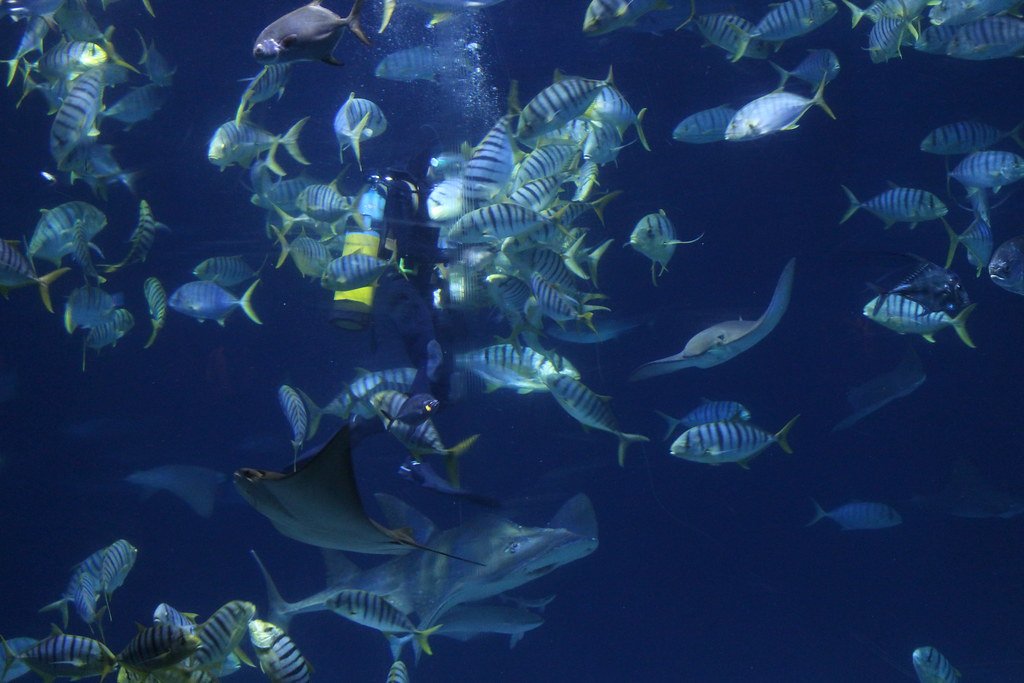
To ensure that fish movements were believable, Pixar’s animators took a crash course in fish biology and oceanography, visiting aquariums, diving in Hawaii, and receiving lectures from an ichthyologist. Animators painstakingly removed all kelp from coral reef scenes after marine biologist Mike Graham explained that kelp only grows in cold waters, which was just one of many measures taken to ensure scientific accuracy. Adam Summers and other experts gave lessons on fish locomotion, how fish scales reflect light, and wave mechanics, with director Andrew Stanton attending alongside animators, producers, and writers. Head shader Robin Cooper even reached her arm into a dead gray whale’s blowhole to photograph the interior, ensuring accurate portrayal when Marlin gets sucked into the whale’s mouth. The film correctly depicts clownfish as homebodies who rarely venture more than a few meters from their host anemone, making Marlin’s anxiety about ocean exploration biologically justified rather than neurotic.
The Current Highway That Actually Exists

Crush’s “express lane” concept in Finding Nemo isn’t pure fantasy, as ocean currents do have acceleration zones, particularly near topographical features like seamounts and continental shelf breaks, with these current jets providing genuine fast-track transport for marine life. Green turtles really do use these currents for epic migrations, though their navigation system is far more sophisticated than simple current-following, using magnetic field detection to create internal GPS systems. Think of it like nature’s own highway system, where sea turtles are expert drivers who know exactly which lanes to take for the fastest route. Some clownfish babies have been known to ride currents over 200 miles to find new anemones. This isn’t just movie magic – it’s a real phenomenon that marine biologists have documented in detail.
Contact’s SETI Protocols Mirror Reality

Contact is indescribably more accurate in its depiction of SETI than any Hollywood film in history. Warner Brothers filmed scenes at the Very Large Array in New Mexico, with postdoc researcher Bryan Butler serving as science advisor, depicting scientist Ellie Arroway’s actions as largely in line with SETI protocol. The setting, dialogue, and confirmation procedures shown are realistic, including having to contact someone in Australia to confirm observations before accepting them as real. Carl Sagan included theoretical physicist Kip Thorne’s study of wormhole travel in the screenplay, meaning the events are at least plausible if not proven, with virtually all the science in Contact being accurate down to radio frequency sounds. It’s like watching a documentary about how real scientists would actually handle first contact – because that’s essentially what it is.
The Martian’s Survival Science Is Surprisingly Solid

The film visualizes Watney’s habitat remarkably well, with filmmakers consulting closely with NASA to make the habitat look realistic, using equipment that could have come from the International Space Station. Watney breathes oxygen manufactured from Mars’s carbon dioxide atmosphere, which is exactly how astronautical engineers conceive it would be done. Most of the geology is extremely accurate. The movie’s representation of Mars’s surface was accurate, though the dust storm scenario was physically impossible since Mars’s thin atmosphere wouldn’t generate enough force to threaten spacecraft. NASA collaborated more with The Martian than most other space-themed films, with staff from many departments consulting from script development through principal photography. Author Andy Weir’s father was a particle physicist, and Weir diligently researched the book’s details.
2001: A Space Odyssey’s Physics Still Hold Up
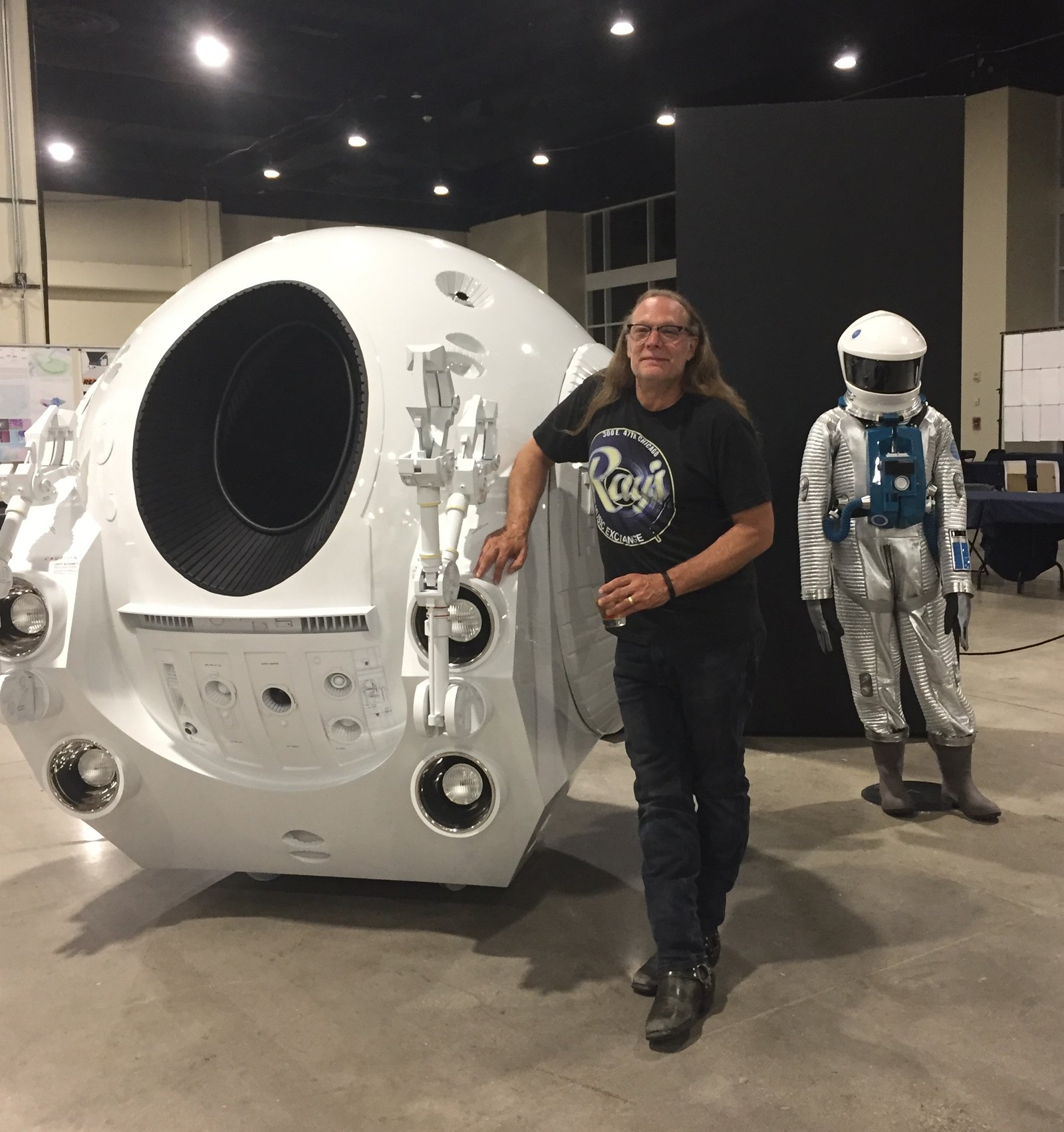
2001: A Space Odyssey is considered one of the space movies with the most accurate physics, alongside Contact and Apollo 13. The 1968 release of 2001: A Space Odyssey forever changed the concept of a futuristic but realistic space movie, setting a high bar that any science fiction film claiming to mimic space agency planetary travel had to reach. The film’s depiction of spacecraft movement, artificial gravity through rotation, and the silence of space remain scientifically sound decades later. Stanley Kubrick worked closely with scientific consultants to ensure accuracy in everything from spacecraft design to orbital mechanics. It’s remarkable that a movie from over 50 years ago still serves as a benchmark for scientific accuracy in space films. The attention to detail was so meticulous that NASA itself has praised the film’s realism.
Gravity’s Orbital Mechanics Despite Some Liberties
While Gravity takes some creative liberties with orbital mechanics for dramatic effect, many aspects of the film accurately portray the physics of space. The depiction of debris fields, the Kessler Syndrome concept, and the challenges of maneuvering in zero gravity are scientifically sound. The film correctly shows how objects continue moving in straight lines unless acted upon by another force, and how there’s no air resistance in space to slow things down. However, astronaut Buzz Aldrin pointed out that the physics of George Clooney’s character becoming untethered makes no sense, as once they stopped moving relative to each other, there would be no force pulling him away. Despite some inaccuracies, the film’s overall portrayal of space physics is more accurate than most Hollywood productions.
The Andromeda Strain’s Scientific Method in Action
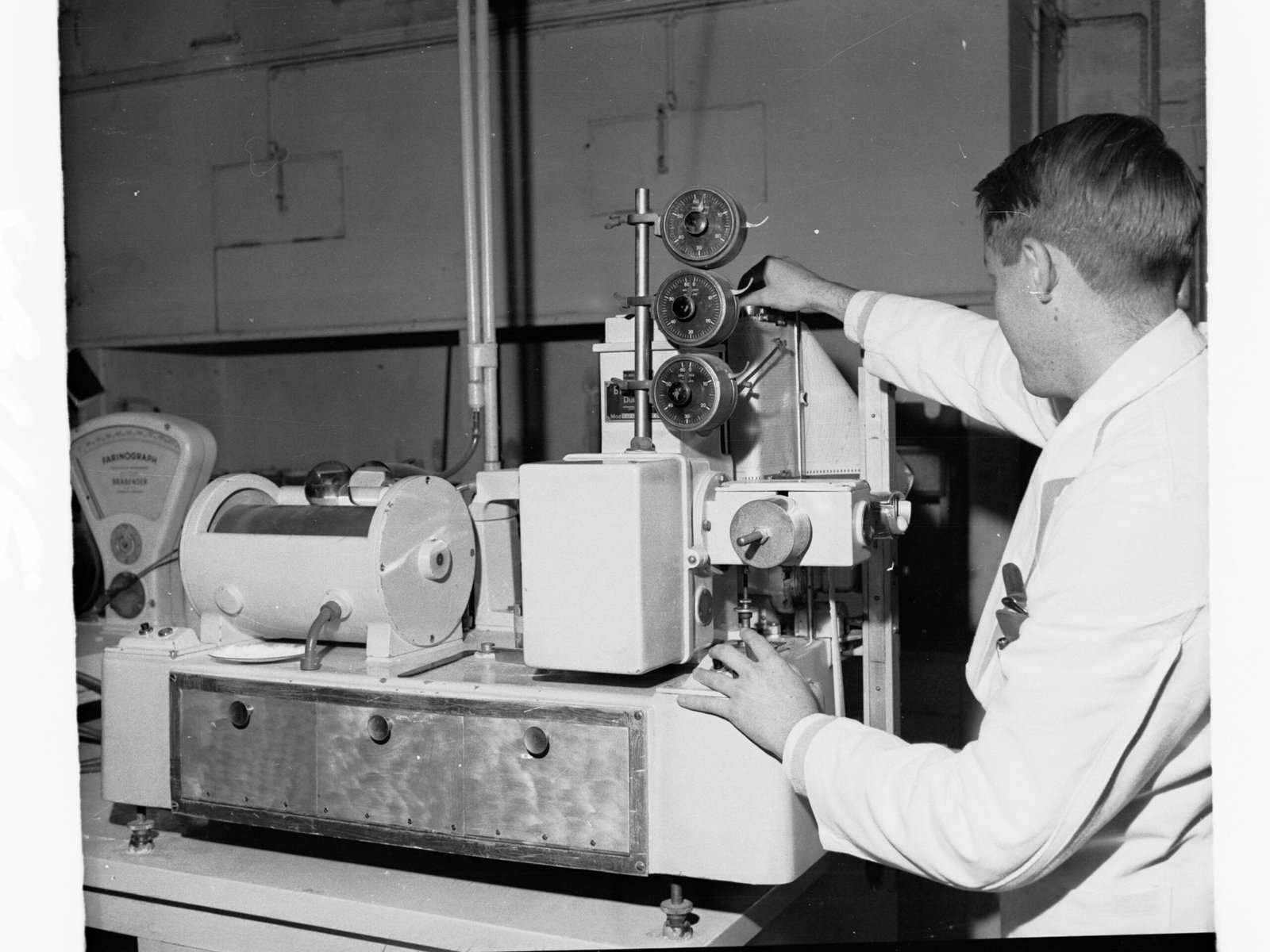
In The Andromeda Strain, based on Michael Crichton’s novel, the scene where scientists try to figure out the size of the microbe they’re dealing with is realistic because it shows the slow, methodical process of scientific investigation. The film accurately portrays how real scientists work – through careful observation, hypothesis testing, and peer review. Unlike many modern thrillers that show instant results from advanced technology, The Andromeda Strain shows the painstaking process of real scientific discovery. The quarantine procedures, sample analysis techniques, and collaborative problem-solving all reflect how scientists actually approach unknown biological threats. It might seem boring by today’s standards, but that’s exactly what makes it authentic. Real science is often methodical and time-consuming, not flashy and instantaneous.
Deep Impact’s Realistic Disaster Physics

While the 1990s saw many asteroid impact films, Deep Impact is surprisingly accurate regarding the type of devastation a comet crashing into the Atlantic could cause, with this accuracy giving the film a realistic feeling rather than Hollywood fantasy. The film correctly depicts tsunami formation, the global climate effects of impact debris, and the physics of how a large object would behave when entering Earth’s atmosphere. Unlike its more bombastic contemporary Armageddon, Deep Impact consulted with actual scientists about the geological and atmospheric consequences of such an impact. The movie shows how the initial impact would be just the beginning, with secondary effects like massive tsunamis and climate change being equally devastating. It’s a sobering reminder that sometimes the most accurate science is also the most terrifying.
Ant-Man’s Quantum Realm Gets Theoretical Physics Right

Ant-Man and the Wasp hired scientists to help get quantum physics right, including Spyridon Michalakis of Caltech, with the Quantum Realm’s depiction drawing extensively from what scientists have hypothesized, proving that real science can be as fascinating as fiction. Quantum scientist Spyridon Michalakis served as science advisor, with his most significant contributions being to the Quantum Realm where the superhero shrinks so small that known laws of physics are void due to Quantum Entanglement. While we can’t shrink people down to subatomic size in reality, the film’s depiction of what that realm might look like is based on legitimate quantum mechanical principles. The movie explores concepts like quantum tunneling, superposition, and entanglement in ways that, while simplified for entertainment, aren’t completely divorced from scientific theory. It’s like having a theoretical physics textbook come to life, complete with spectacular visual effects.
First Man’s Technical Accuracy Honors Real Events
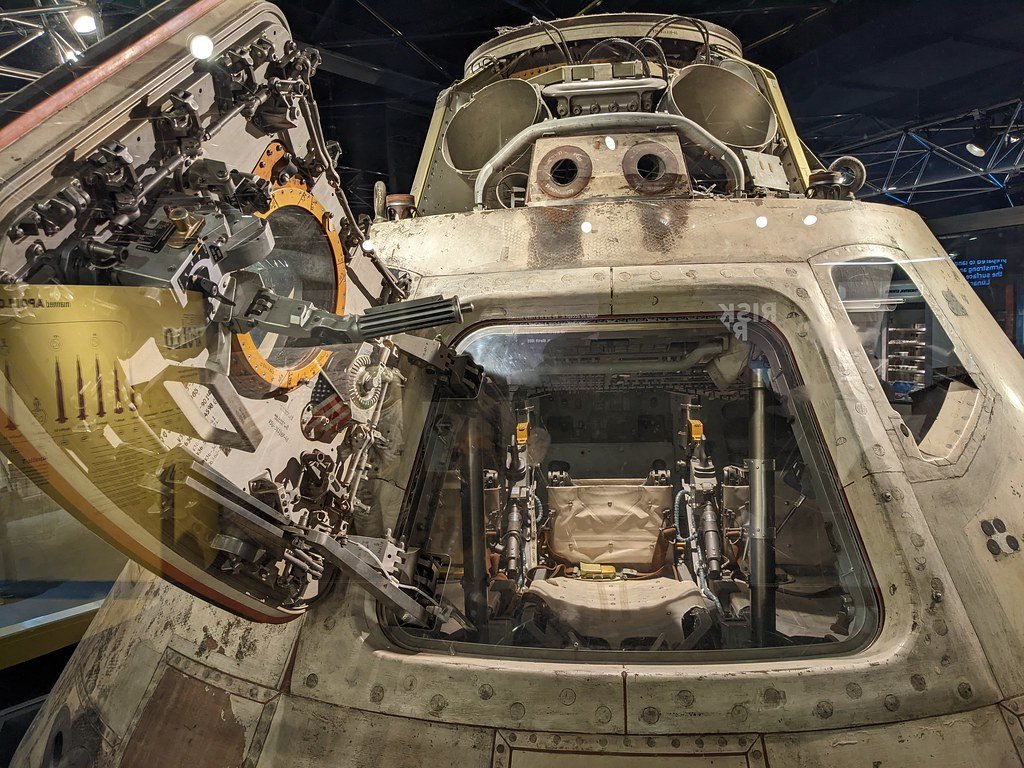
The film’s focus on largely unacknowledged black female mathematicians whose work as “human computers” made America’s space travel possible does justice to their heroic real-life counterparts who made the Mercury and Apollo missions possible. First Man’s depiction of spacecraft design, launch procedures, and the technical challenges of the Apollo program are meticulously researched and historically accurate. The film shows the real dangers and complexities of early space travel, from the cramped conditions inside spacecraft to the precision required for lunar landing maneuvers. Director Damien Chazelle worked closely with NASA historians and consulted original mission documents to ensure authenticity. Every detail, from the instrument panels to the communication protocols, reflects the actual technology and procedures used during the historic moon landing. It’s like watching history unfold with documentary-level accuracy wrapped in a compelling narrative.
Extraordinary Measures Gets Drug Development Right

Based on the real-life story of John Crowley, whose children suffered from Pompe disease, Extraordinary Measures brings to light important themes in basic drug research, showing how taking a hypothetical molecule from in vitro testing to clinical trials is time-consuming, challenging, and incredibly expensive. This is especially true for orphan drugs that remain commercially undeveloped due to lack of profitability potential, with Harrison Ford reportedly insistent upon ensuring scientific details were correct. The film accurately portrays the regulatory hurdles, funding challenges, and ethical dilemmas that researchers face when developing treatments for rare diseases. It shows how personal motivation can drive scientific breakthroughs, but also how the business side of medicine can create barriers to treatment. The movie doesn’t sugarcoat the reality that life-saving research often gets stalled not by scientific limitations, but by economic and bureaucratic obstacles.
These movie moments prove that sometimes truth really is stranger than fiction – or at least as compelling. From black holes that bend light exactly as Einstein predicted to clownfish behavior that marine biologists confirm as accurate, filmmakers who take the time to consult with real scientists often create the most memorable and impactful scenes. The next time you’re watching a sci-fi thriller and something seems too incredible to believe, remember that some of the most amazing movie moments are actually grounded in solid science. What would you have guessed would be the most scientifically accurate?