

Every now and then, a human being does something so extreme it makes even experts scratch their heads. We like to think science has an answer for everything, but there are cases where the numbers on paper don’t quite match what real people have survived, endured, or pushed their bodies to do.
I still remember reading about a runner who finished an ultra-marathon with blood values that should have put him in a hospital bed, not at a finish line. It felt like staring at a glitch in the system. You know something about physiology is “off,” but in the best possible way. The stories you’re about to read sit right in that strange space where biology, psychology, and sheer will collide – and the usual rules stop making sense.
Surviving the Impossible Cold: The Human Ice Phenomenon
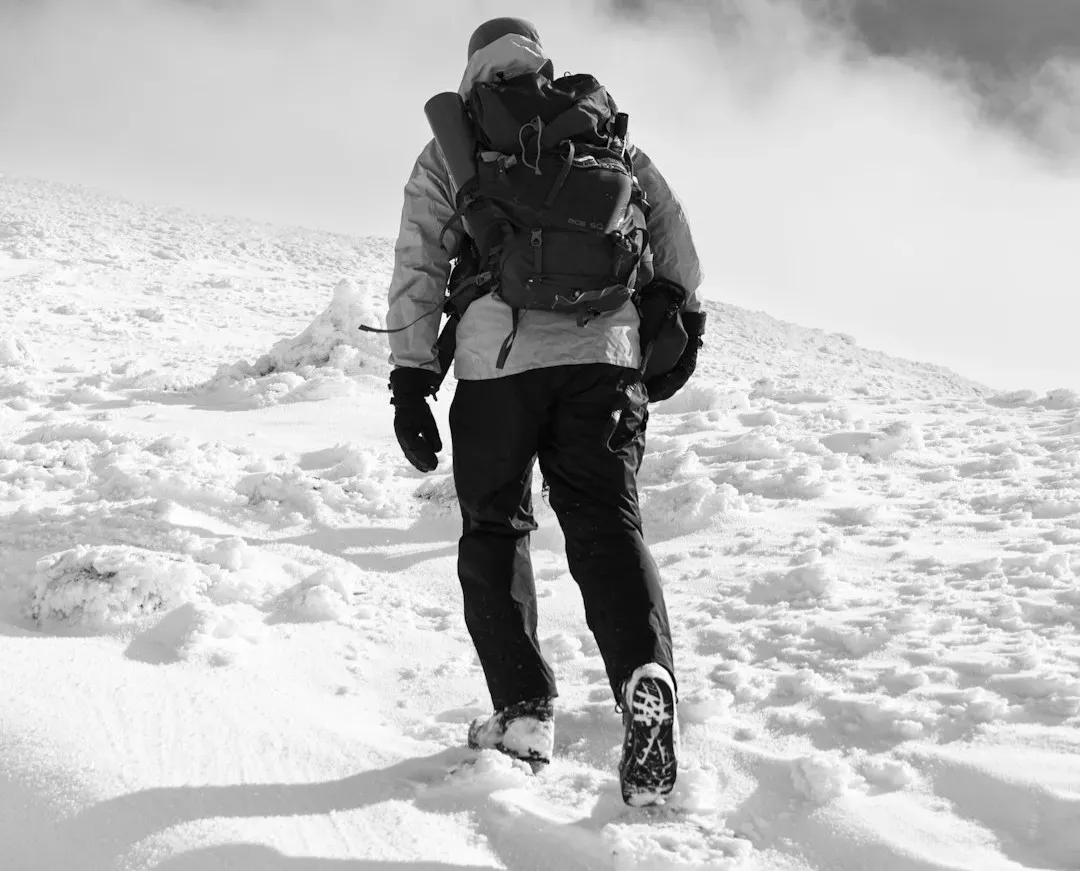
Imagine sitting almost naked in ice and snow, not shivering, not panicking – just breathing slowly, while sensors show your core temperature barely dipping. It sounds like a movie scene, but extreme cold-endurance practitioners have repeatedly shown that some humans can tolerate cold far beyond what textbooks say is survivable. The most famous cases involve people sitting in ice baths for hours, climbing snowy mountains in light clothing, or running marathons above the Arctic Circle wearing almost nothing.
Modern science can partially explain it through controlled breathing, mental focus, and shifts in metabolism that trigger brown fat activation and heat production. But the sheer extent of these feats keeps surprising researchers. In controlled studies, some individuals have been able to consciously influence parts of their autonomic nervous system – heart rate, temperature regulation – that were once considered beyond voluntary control. It raises an unsettling but exhilarating question: how much of what we consider “limits” is just an assumption we never thought to challenge?
Ultra-Marathons That Break the Body’s Fuel Rules

Human muscles aren’t supposed to run for days with hardly any sleep, yet that’s exactly what ultra-endurance runners do in races that stretch for one hundred miles, two hundred miles, or more. Under lab conditions, athletes hit a wall when their glycogen stores are depleted, but some ultra-runners keep going long after that point, switching fuel sources and pushing through damage that would end the race for almost anyone else. Blood tests taken after extreme races sometimes reveal markers of muscle breakdown at levels seen in severe trauma.
Sports scientists have tried to track what’s happening: shifts from carbohydrates to fat oxidation, changes in gut function that allow continuous fueling, and extraordinary pain tolerance that keeps them moving despite blisters, nausea, and hallucinations. Yet the “how” still feels incomplete. In real events, many runners push on after vomiting repeatedly, after toenails fall off, after their legs are cramping relentlessly. Their bodies send every possible signal to stop, but something in the mind refuses to listen, and that mismatch between biology’s warnings and human will is where the mystery lives.
Free Diving to Breath-Holding Depths That Should Kill
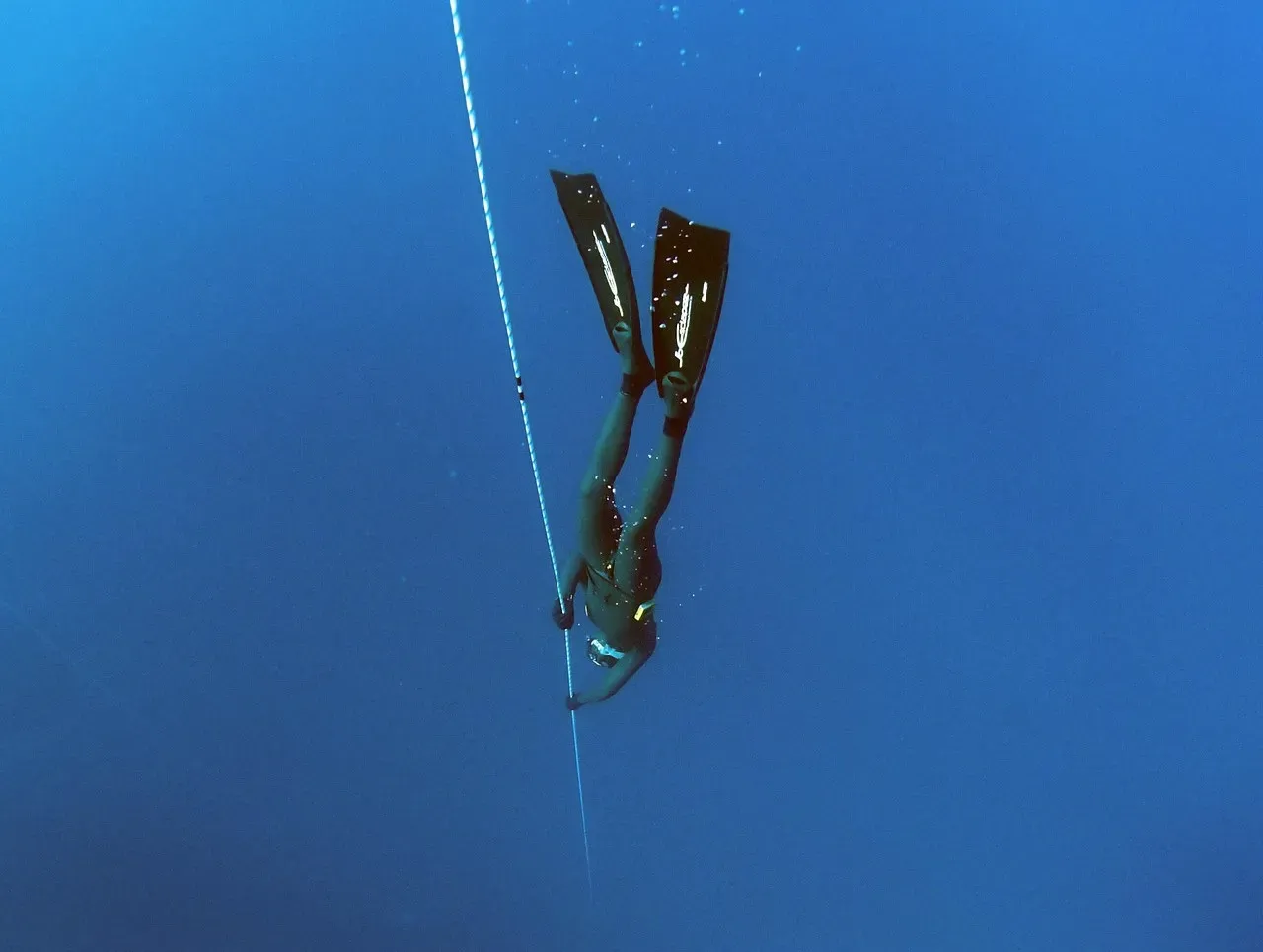
On paper, there is a clear limit to how long you can hold your breath before losing consciousness. Then you watch elite free divers sink into the dark, hundreds of feet below the surface, on a single breath, and resurface minutes later, still conscious and functioning. These are not tiny differences; some divers stay underwater for times that would terrify any emergency physician. The danger is not just running out of oxygen, but passing out silently underwater or suffering lung damage from pressure.
Physiologists talk about the mammalian dive reflex – slowed heart rate, blood shunting to vital organs, and spleen contraction releasing more red blood cells – as one explanation. Even with that, the numbers are baffling. Some divers train themselves to tolerate extremely high levels of carbon dioxide and critically low levels of oxygen that would make most people black out. It feels like they have discovered a hidden “survival mode” in the body that the rest of us never access, a kind of deep-water override button that keeps them alive where logic says they shouldn’t be.
Weeks in the Wilderness With Almost No Food

There are survival stories so extreme they sound like legends until doctors examine the survivors and confirm the timeline. People lost at sea or stranded in remote places have survived for weeks with almost no food, sometimes with only a trickle of water, in conditions that should lead to organ failure. Their bodies lose huge amounts of weight, their muscles waste away, and yet their systems somehow hold on, operating on the thinnest possible margin between life and death.
Metabolism does slow in starvation; the body starts burning fat, then muscle, and the brain reduces its energy use. That’s the standard explanation. But that alone doesn’t quite capture how some people stay mentally sharp enough to navigate, build shelter, or rescue themselves when they’re running on what feels like biological fumes. Many survivors describe a narrow, laser-like focus on very simple actions: one step, one task, one breath at a time. It’s as if the mind strips away everything non-essential and, in doing so, stretches life out longer than the textbooks predict.
Enduring Extreme Heat That Should Overload the System

If you’ve ever felt dizzy just walking outside on a brutally hot day, it’s hard to imagine people running, cycling, or working hard in that heat for hours. Yet endurance athletes compete in desert ultra-marathons, multi-day races through blistering temperatures, and events where the ground is so hot it can melt shoe soles. The human body is supposed to maintain a very narrow core temperature range, and going too far above it risks heatstroke, brain damage, and death.
What’s astonishing is how some individuals appear to adapt beyond expectations. With enough training, hydration strategies, and pacing, a small number of athletes manage to keep their bodies just below collapse point, even when the environment is harsh enough to send others to medical tents. Their sweat rate, blood flow to the skin, and heat tolerance seem tuned to an almost impossible level. Even with all our understanding of thermoregulation, there’s still a sense that these people are walking a physiological tightrope and somehow not falling, when almost anyone else would.
Mind Over Body: Pain Tolerance That Doesn’t Add Up

We tend to think of pain as a fixed response: you get injured, nerves fire, you hurt. But some endurance feats show that pain is much more negotiable than that. Soldiers marching on broken feet, athletes finishing races with stress fractures, climbers pushing with frostbitten hands – these aren’t just dramatic stories. Medical scans often confirm real, serious damage that, under normal circumstances, would stop movement entirely.
Researchers know that pain is filtered through the brain, influenced by emotion, expectation, and even meaning. Yet the gap between what some people feel and what’s actually happening in their bodies is still hard to reconcile. In experiments, trained subjects can tolerate cold, pressure, or exhaustion far longer than untrained ones, even with similar physical conditions. It’s as if their brains have learned to turn down the volume on suffering, creating a cushion of mental space where most of us would only feel panic. That deliberate uncoupling of pain and action is both awe-inspiring and deeply unsettling.
Near-Death Endurance and the “Last Reserve” Mystery

One of the strangest patterns across many endurance feats is the idea of a hidden reserve. People pushed to what feels like absolute failure sometimes find another burst of effort when survival or victory is on the line. Marathoners have sprinted after collapsing, mountaineers staggering on at high altitude after being written off by teammates, and disaster survivors hauling debris off others despite being exhausted themselves. On the surface, it looks like the body suddenly discovers extra energy that wasn’t there a moment before.
Some scientists describe a kind of internal governor, a protective mechanism in the brain that slows you down before true physical limits are reached. According to this idea, what you think is your maximum is actually a safety buffer, and only under extreme pressure does the brain loosen that control. That would explain why people can go beyond their supposed limits in life-or-death situations, but it doesn’t fully explain the outliers who seem to live in that space regularly, like elite ultra-endurance athletes. They operate so close to the edge that the line between human and superhuman starts to blur, leaving us to wonder how many of our own limits are real – and how many are just lines we’ve never dared to cross.
The Limits We Thought We Knew

Looking at these feats side by side, you get the sense that human endurance isn’t a simple set of numbers, but a moving target shaped by mindset, training, and circumstance. The body absolutely has hard constraints, yet people keep finding ways to dance on the razor’s edge of those constraints without tipping into catastrophe. It doesn’t mean anyone can do these things, but it does mean our understanding of what’s “impossible” is clearly incomplete.
Maybe the most unsettling part is that science can explain pieces of these stories but rarely the whole picture. Something about extreme focus, meaning, desperation, or sheer stubbornness lets certain people tap into capacities most of us never touch. The next time you feel like you’ve hit your limit – on a run, at work, or in life – it might be worth asking: is this truly the edge, or just the first line your brain drew to keep you comfortable?