
Some ancient structures feel less like buildings and more like riddles carved into stone. We can measure them, map them, even simulate how they might have been built, but a lingering question remains: how did people with no modern machinery pull this off so precisely, so massively, and often so beautifully? That sense of “wait… how?” is exactly what keeps engineers, archaeologists, and curious onlookers obsessed with these sites.
What makes the mystery even sharper is that we’re not talking about magic. We know these builders had clever minds, simple tools, and a lot of labor. Yet when you stand in front of a perfectly fitted stone joint or a monolith the size of a house, it feels like the past is quietly smirking at us. Let’s dive into seven of the most remarkable examples that still leave modern experts scratching their heads.
The Great Pyramid of Giza: Millimeter Precision at Monumental Scale
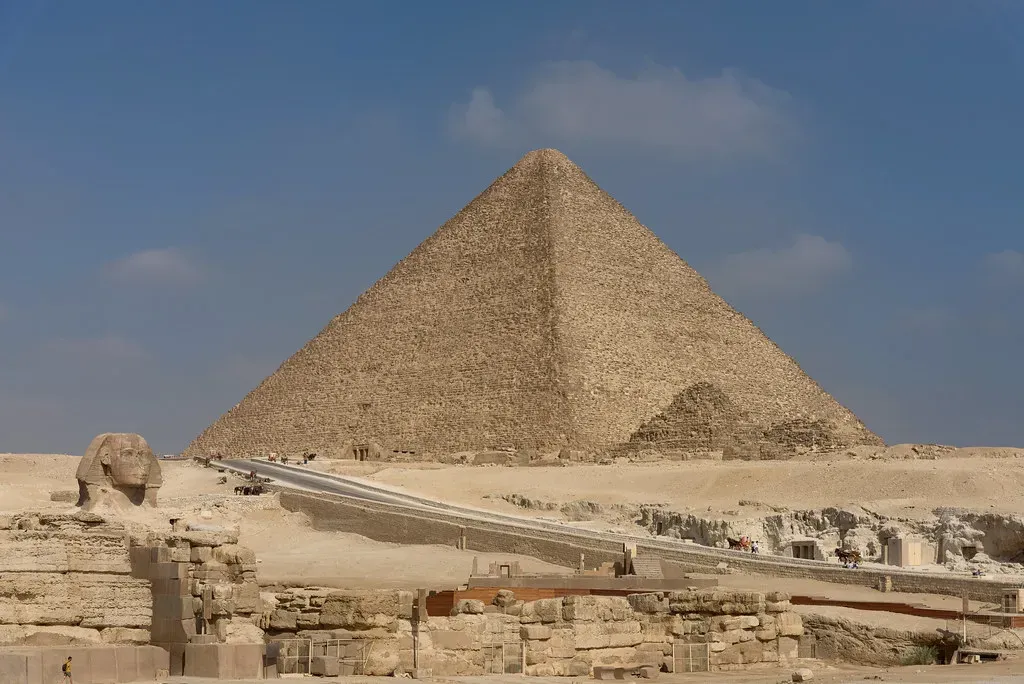
Imagine stacking more than two million limestone and granite blocks, some weighing as much as a small truck, into a structure aligned almost perfectly with the cardinal directions and still standing after over four thousand years. The Great Pyramid of Giza isn’t just big; it’s absurdly precise. The base is nearly level to within just a tiny fraction of a degree, and the sides deviate only slightly from perfect cardinal alignment, a level of accuracy that would challenge modern crews even with lasers and GPS.
Engineers still debate the practical “how” behind that achievement. Ramps are the most common explanation, but what kind, how long, and how they were moved as the structure grew is still argued in conference rooms and journals. The internal layout is equally baffling: narrow shafts, massive granite blocks suspended above burial chambers, and relieving chambers stacked with brutal simplicity yet stunning effectiveness. Standing at the base, you feel less like you’re looking at a pile of stones and more like you’re staring at an equation we haven’t fully solved.
Stonehenge: Giant Rings, Tiny Clues
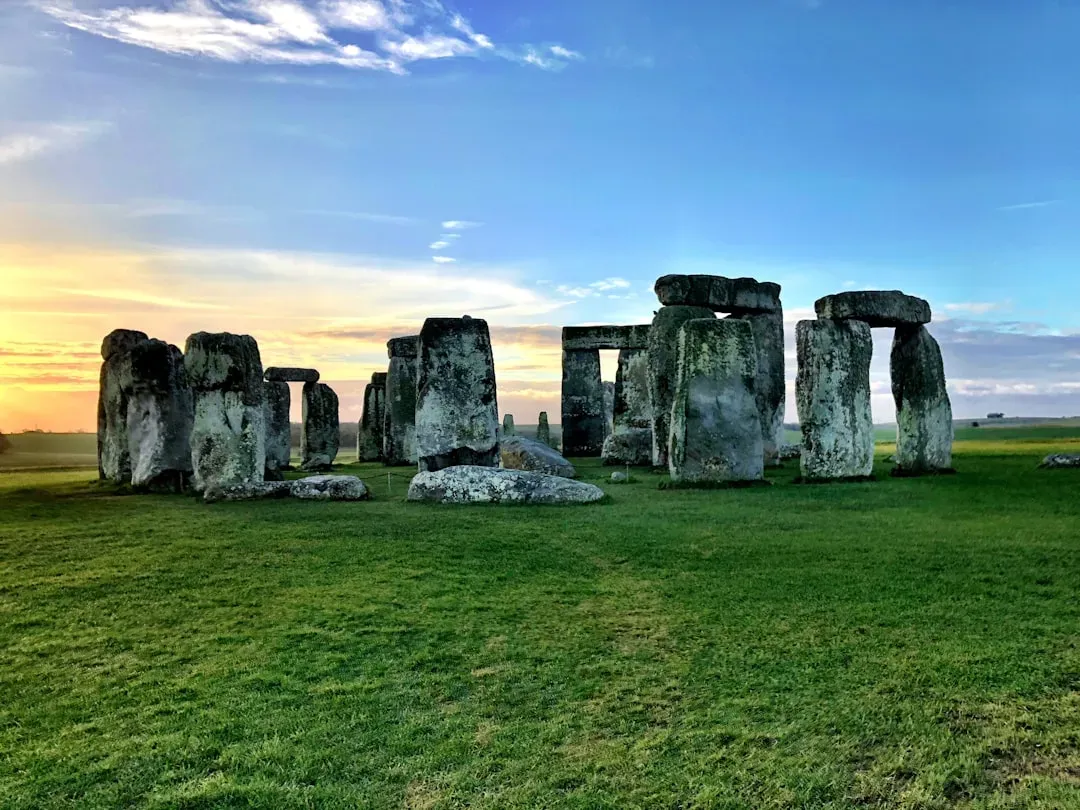
On the surface, Stonehenge looks simple: big stones in a ring on a plain in southern England. Then you learn that some of these stones came from quarries in Wales, around 150 miles away, long before highways, cranes, or steel tools. The “bluestones” were somehow dragged, rolled, or possibly even floated along rivers and then hauled overland, and no one can quite agree on the exact route or method. The larger sandstone sarsens, closer by but far heavier, add another layer of logistical headache.
Even once the stones reached the site, the construction details remain astonishing. The uprights and lintels use carpentry-style joints: mortise-and-tenon and tongue-and-groove fittings carved into stone, which keep the lintels locked in place. This isn’t just people dumping rocks in a circle; it’s precise, intentional engineering. We have many theories – from sledges and log rollers to teams working with ropes and earthen ramps – but the lack of direct evidence means that every version still carries a fair bit of guesswork, which only deepens the site’s quiet, unsettling mystery.
Machu Picchu: A City That Clings to the Clouds
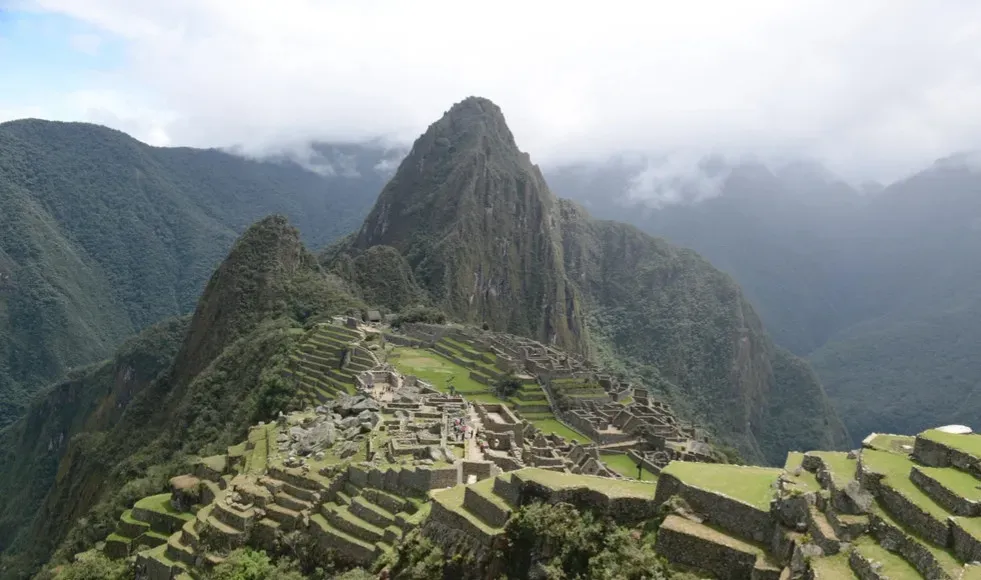
Perched high in the Andes, Machu Picchu looks like an architectural dare: build a city on a mountaintop that’s constantly drenched in rain and shaken by earthquakes. The Inca pulled it off using a combination of careful site selection, sophisticated drainage, and stonework that fits together so tightly you can’t easily slide a knife blade between the blocks. They did all of this without iron tools, wheels, or draft animals to haul loads up steep mountain trails.
The real magic, from an engineering point of view, is mostly underground. A huge portion of Machu Picchu consists of drainage layers, retaining walls, and terraces designed to keep the mountain from turning into a landslide. Water is channeled with a series of carved fountains and channels that feel almost modern in their logic. We can model some of these systems today, but the precise construction sequence – how stones were quarried, shaped, transported, and placed in such treacherous terrain – still isn’t fully nailed down. It’s like encountering a perfectly tuned machine with the instruction manual missing.
Gobekli Tepe: Monumental Architecture Before Cities
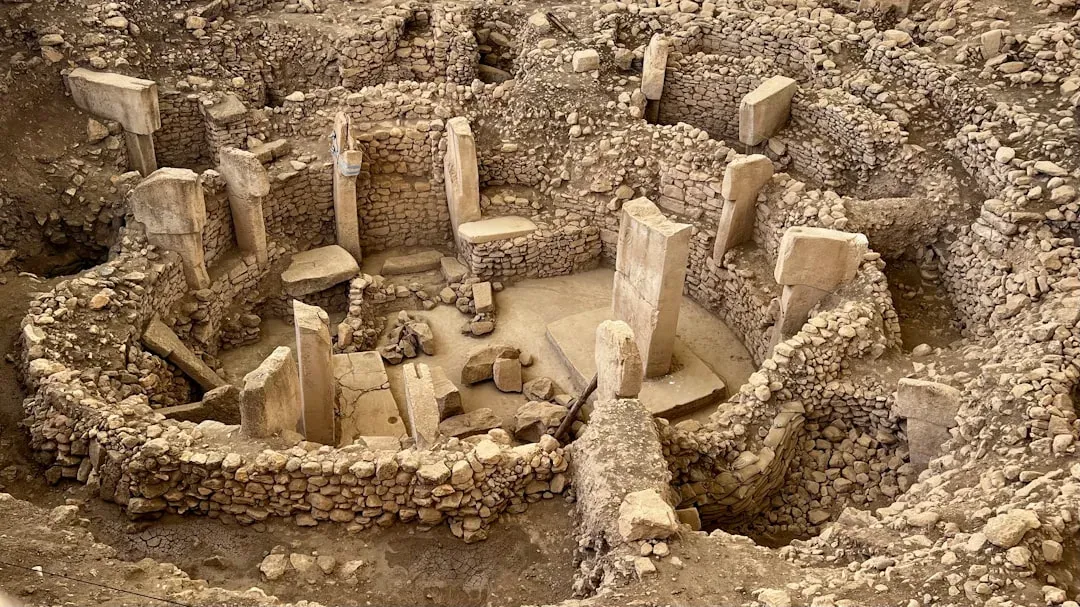
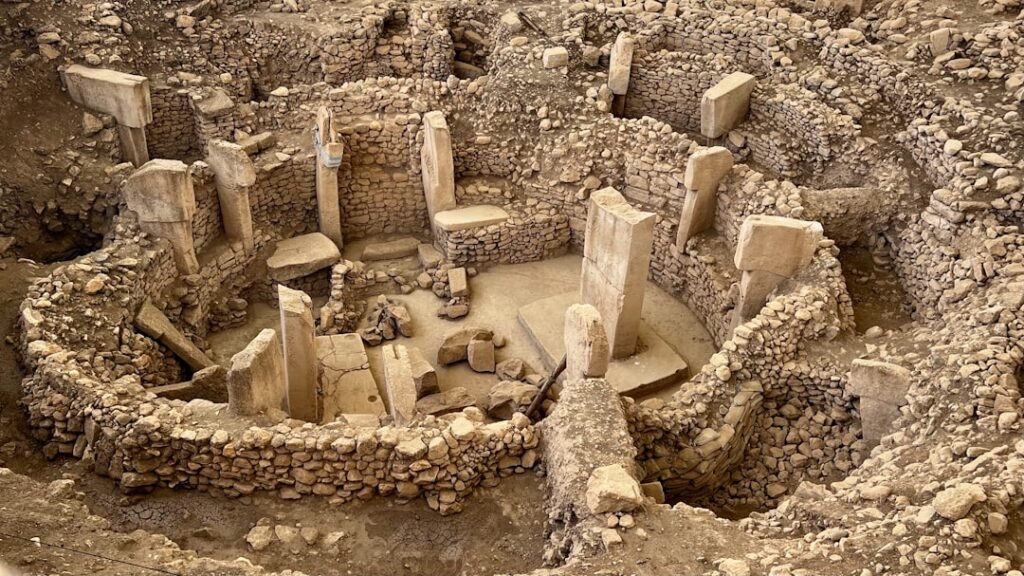
Gobekli Tepe in southeastern Turkey throws a wrench into the usual story of civilization. These ring-shaped enclosures with towering T-shaped pillars were built more than eleven thousand years ago, long before the emergence of known cities or metal tools. People who were likely still living as hunter-gatherers somehow organized the labor to quarry, carve, and erect massive stone pillars decorated with animals and abstract symbols. That alone turns a lot of assumptions upside down.
The technical questions are equally unsettling. How did a community without permanent villages plan and coordinate something this big? What kind of tools did they use to carve such detailed reliefs into hard limestone? Researchers have identified quarry sites nearby and traces of stone-working, but the full picture of the logistics – who did what, when, and how they raised those pillars without them cracking or tipping – remains fuzzy. It feels as if someone inserted a chapter of advanced architecture into prehistory long before the plot was supposed to get there.
Sacsayhuamán: Interlocking Stonework That Refuses to Budge
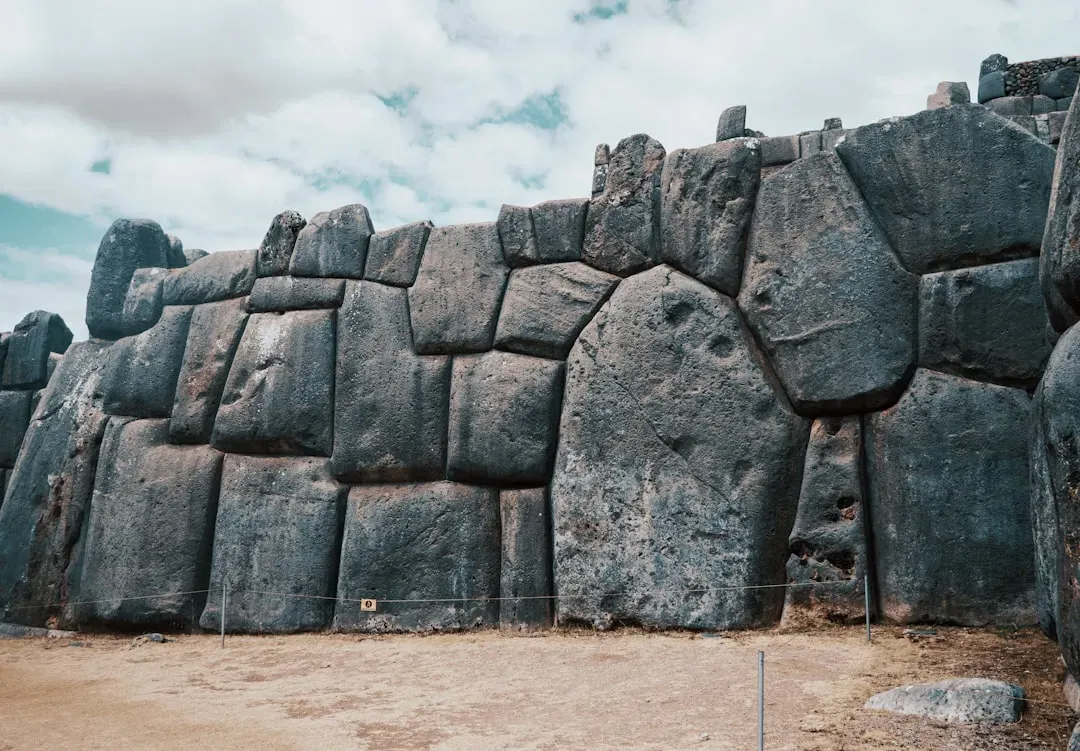
Just above the city of Cusco in Peru, the fortress of Sacsayhuamán looks almost like a stone puzzle built on a colossal scale. Enormous blocks, some taller than a person and weighing as much as a loaded truck, are fitted together in irregular shapes so tight that people often say you can’t slide a sheet of paper between them. The walls zigzag in a way that seems designed to deflect forces, and they’ve ridden out centuries of earthquakes while more modern buildings have crumbled below.
What keeps engineers up at night is less the idea of moving big stones and more the combination of irregular shapes and perfect fit. How do you repeatedly carve one jagged rock to match another without modern measuring tools, especially at that size? Theories range from careful trial-and-error shaping with stone hammers to systems of templates and marking, but no one has reproduced the technique at full scale with the same speed and precision implied by the site’s size. It makes the fortress feel less like a ruin and more like a long-standing challenge issued to anyone who thinks they truly understand construction.
Ba’albek’s Trilithon: Megaliths Beyond Imagination
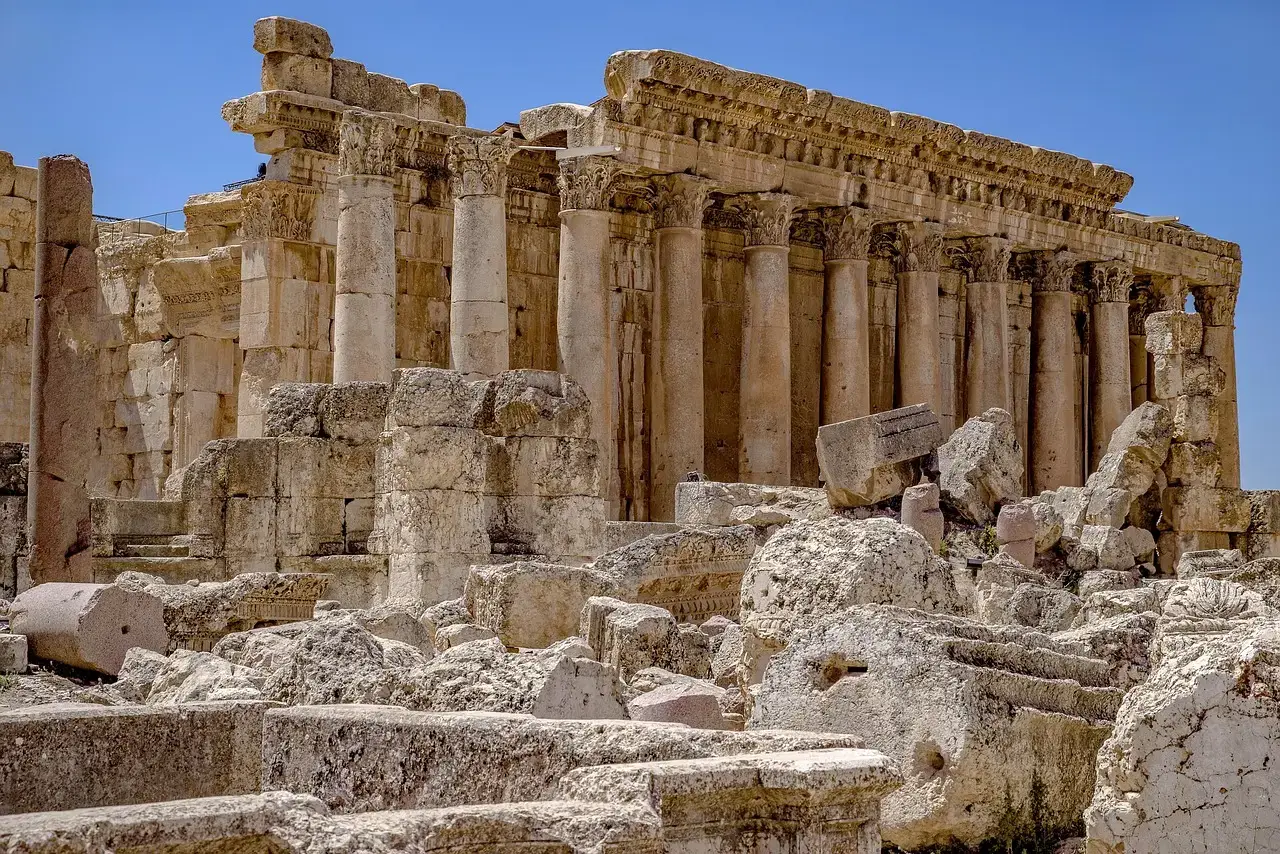
In Ba’albek, in modern-day Lebanon, lies one of the most extreme examples of ancient stone moving on the planet: the Trilithon, three gigantic stone blocks forming part of a Roman-era temple platform. Each block weighs as much as several fully loaded jumbo jets combined. Nearby lie even bigger stones, partially quarried, including one that’s often called among the largest worked stones ever attempted. Just considering the logistics of lifting or even sliding these monsters stretches the imagination.
Engineers can propose methods – carefully prepared tracks, huge teams of workers, sophisticated lever systems – but the margin for error at these weights is terrifyingly small. A single slip could shatter the stone or crush anyone nearby. The Romans were superb builders, and some scholars think the earlier foundation work may predate even them, which adds another twist to the story. With no surviving construction records, we’re left reconstructing possibilities from tool marks, quarry positions, and the stones themselves, like detectives trying to solve a case with most of the evidence missing.
Ellora and Kailasa Temple: A Mountain Carved Inside Out
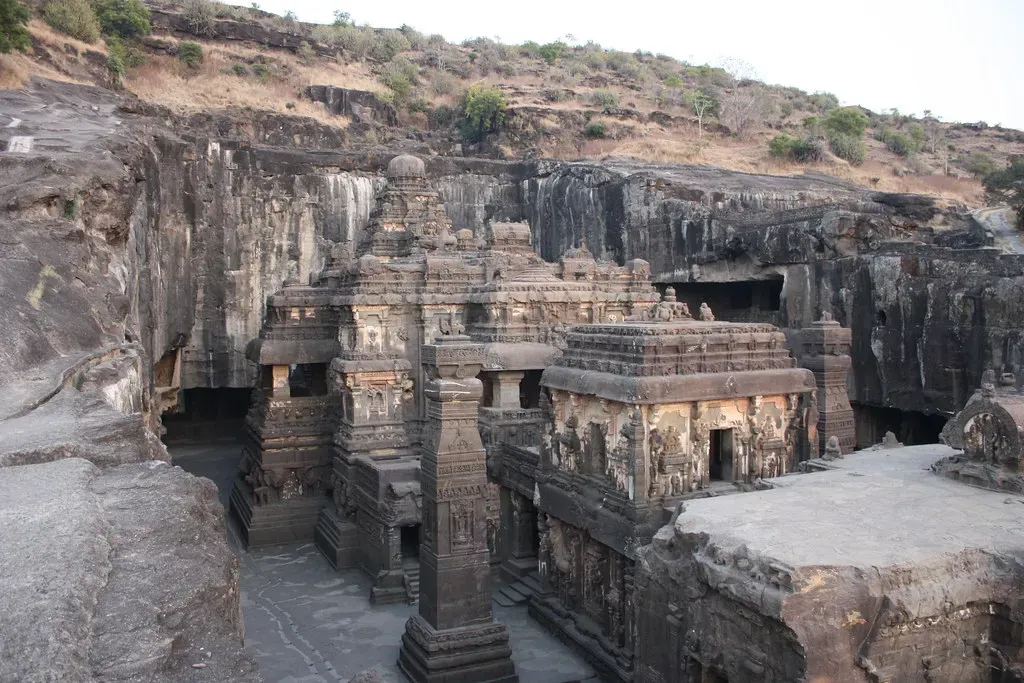
Most temples and cathedrals are built by stacking material upward; the Kailasa temple at Ellora in India flips that idea on its head. It was carved downward from a single massive rock cliff, essentially sculpted from the top down into a free-standing, multi-level temple with columns, courtyards, and sculptures. To pull that off, the builders had to plan the entire structure in three dimensions from the start, because one bad cut could ruin an entire section with no way to “add” stone back.
What unsettles modern engineers is the sheer planning precision implied by this approach. Without computer models, advanced surveying equipment, or detailed blueprints on paper, how did they coordinate teams of workers carving simultaneously at different levels without collapsing the structure? The volume of rock removed is mind-boggling, and yet the final result feels balanced, intricate, and structurally sound. It’s like watching someone carve a cathedral out of a single block of stone with hand tools and never once misjudge the depth.
Ancient Brilliance That Still Feels Unfinished
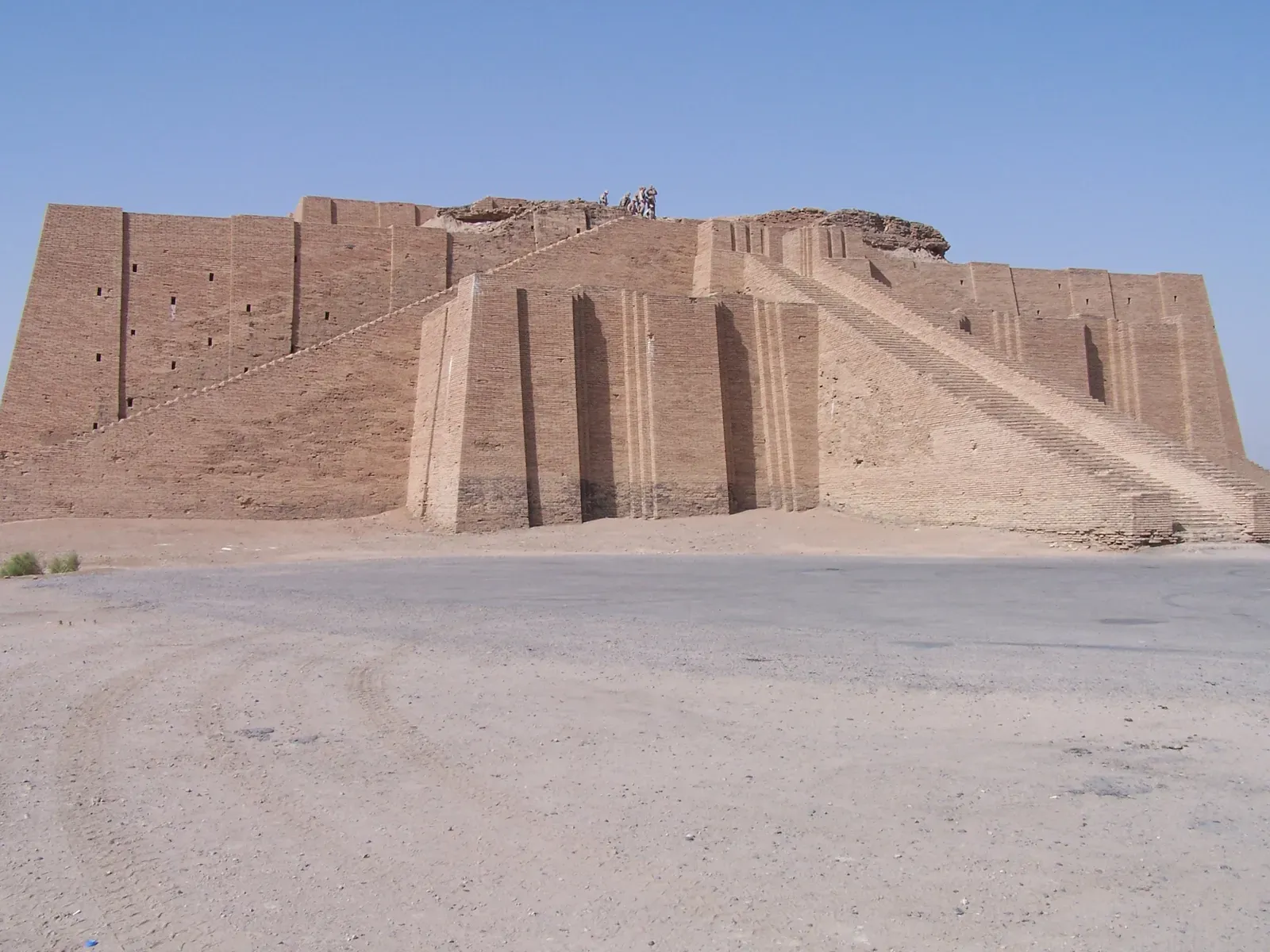
Across continents and millennia, these seven structures remind us that our ancestors were not just building shelters; they were pushing the limits of what was physically and organizationally possible. They moved stones heavier than our biggest trucks, carved rock faces into living spaces and sanctuaries, and aligned monuments with the sky and landscape with unnerving accuracy. Each site is a quiet rebuke to the idea that technological progress only moves forward in a straight line.
Modern engineers can offer plausible methods – sledges, ramps, counterweights, masses of labor, and ingenious use of simple tools – but the gaps in our knowledge are still wide enough to feel uncomfortable. Maybe that’s the real gift these places offer: they force us to admit that we do not have everything figured out and that human creativity runs deeper than our own era. When you think about these structures now, which one feels the most impossible to you?