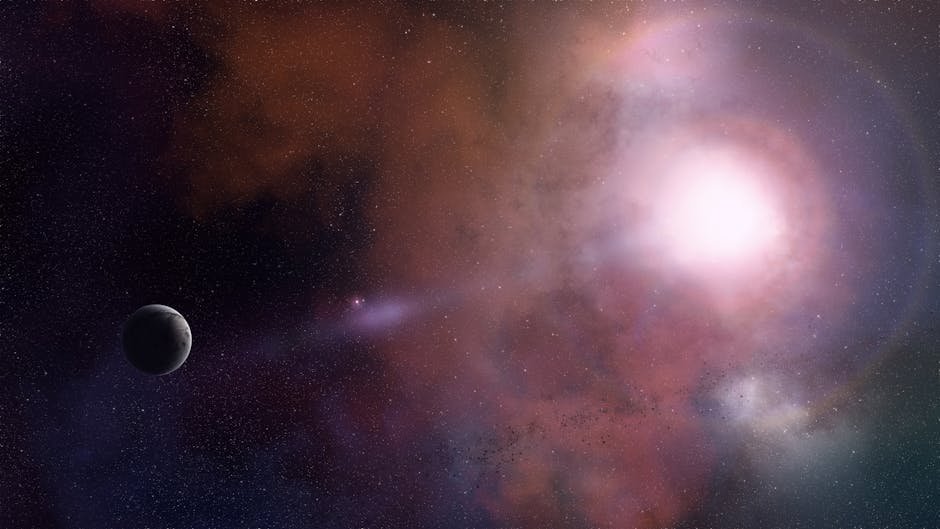

You live on a planet that has been studied, prodded, and dissected by some of the sharpest minds in human history. We’ve mapped the ocean floor, decoded the human genome, and sent probes to the very edges of the solar system. So it might shock you to learn that right here, all around you, there are things happening in nature that science genuinely cannot explain.
Not fringe theories. Not conspiracy nonsense. Real, observed, documented phenomena that continue to leave researchers scratching their heads. Some of them have been puzzling scientists for centuries. Others are being actively debated in the most prestigious journals right now, in 2026. Let’s dive in.
1. Ball Lightning: The Floating Fireballs That Defy Physics
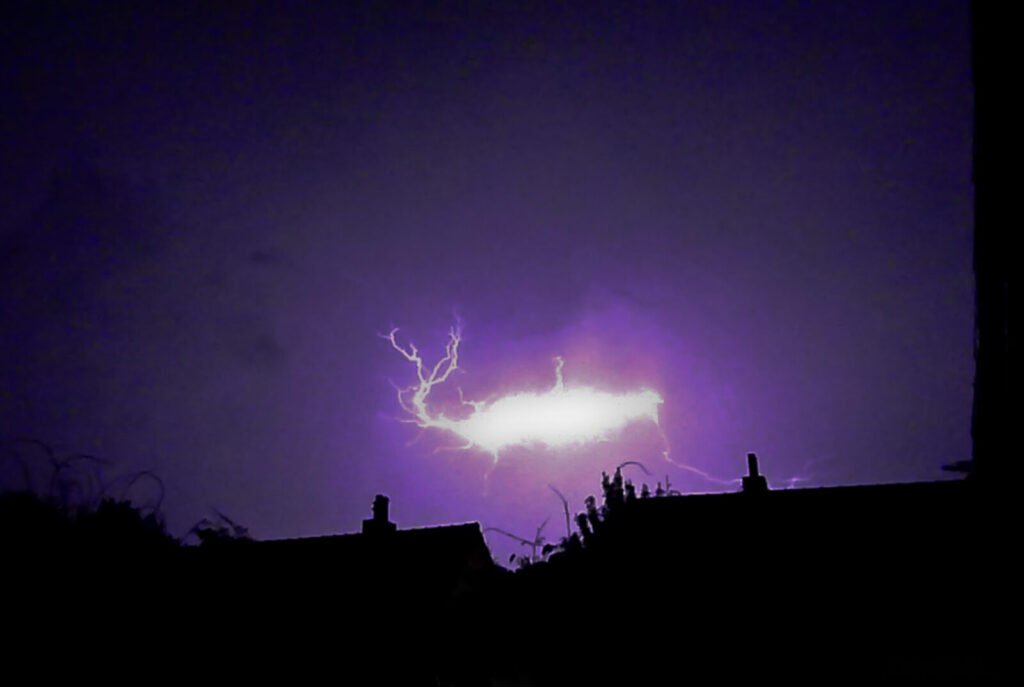
Imagine you’re standing near a window during a thunderstorm, and a glowing sphere of light drifts silently through your living room, passes through a glass pane without breaking it, and then vanishes. Sounds like a ghost story, right? Ball lightning is a rare and unexplained phenomenon described as luminescent spherical objects that vary from pea-sized to several meters in diameter. It doesn’t behave like any normal electrical discharge you’ve ever seen.
It typically measures between 10 to 100 centimeters in diameter and can last anywhere from a moment to a little over a minute. What makes it so maddening to scientists is its behavior. Observations have shown that ball lightning can even pass through walls and glass without leaving a mark, which raises eyebrows and makes people wonder what it really is. As recently as July 2025, following a rainstorm in Rich Valley, Alberta, a couple witnessed a lightning strike near their home and a pale blue “ball of fire” that hovered at an approximate height of 7 meters above the ground, and moved slowly with an oscillating quality for about 20 seconds before disappearing from view.
There’s no one-size-fits-all explanation for the properties of ball lightning. Over the years, theories have ranged from electromagnetic radiation to plasma bubbles. Some researchers have even floated the wild idea that it could be connected to dark matter physics. The most provocative new theory comes from physicist Ariel Zhitnitsky, who proposes that ball lightning may be a manifestation of dark matter physics, specifically Axion Quark Nuggets. Honestly, when dark matter enters the conversation about something you might see floating through your kitchen, you know science is deeply lost.
2. The Sun’s Corona: Hotter on the Outside Than the Inside
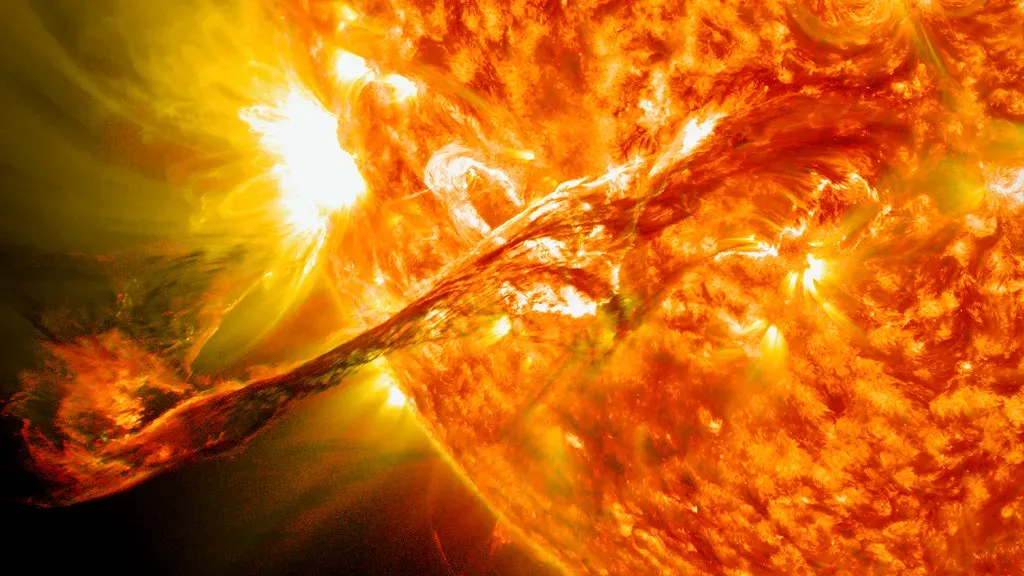
Here’s the thing that should stop you in your tracks: the surface of the Sun is roughly 10,000 degrees Fahrenheit. Moving away from it, you’d expect things to cool down, right? That’s how heat works. Except the Sun didn’t get that memo. Temperatures in the corona, the tenuous outermost layer of the solar atmosphere, spike upwards of 2 million degrees Fahrenheit, while just 1,000 miles below, the underlying surface simmers at a balmy 10,000 degrees Fahrenheit. That’s not a small discrepancy. That’s like a flame coming out of an ice cube.
For more than half a century, scientists have been puzzled by one of the Sun’s unsolved mysteries: why is its outer atmosphere, the corona, millions of degrees hotter than the solar surface below? Two leading theories have been put forward involving magnetic wave activity. Using the U.S. NSF Inouye Solar Telescope, scientists in 2025 uncovered elusive torsional Alfvén waves in the Sun’s corona. These were waves predicted decades ago but never directly observed until recently. Together, these discoveries suggest that the Sun’s extreme atmospheric temperatures may result from a complex combination of magnetic structures, plasma flows, and wave-particle interactions. While the mystery is not fully solved yet, scientists are closer than ever to understanding one of the most fascinating puzzles of our nearest star.
3. The Origin of Life: Abiogenesis Still Has No Answer
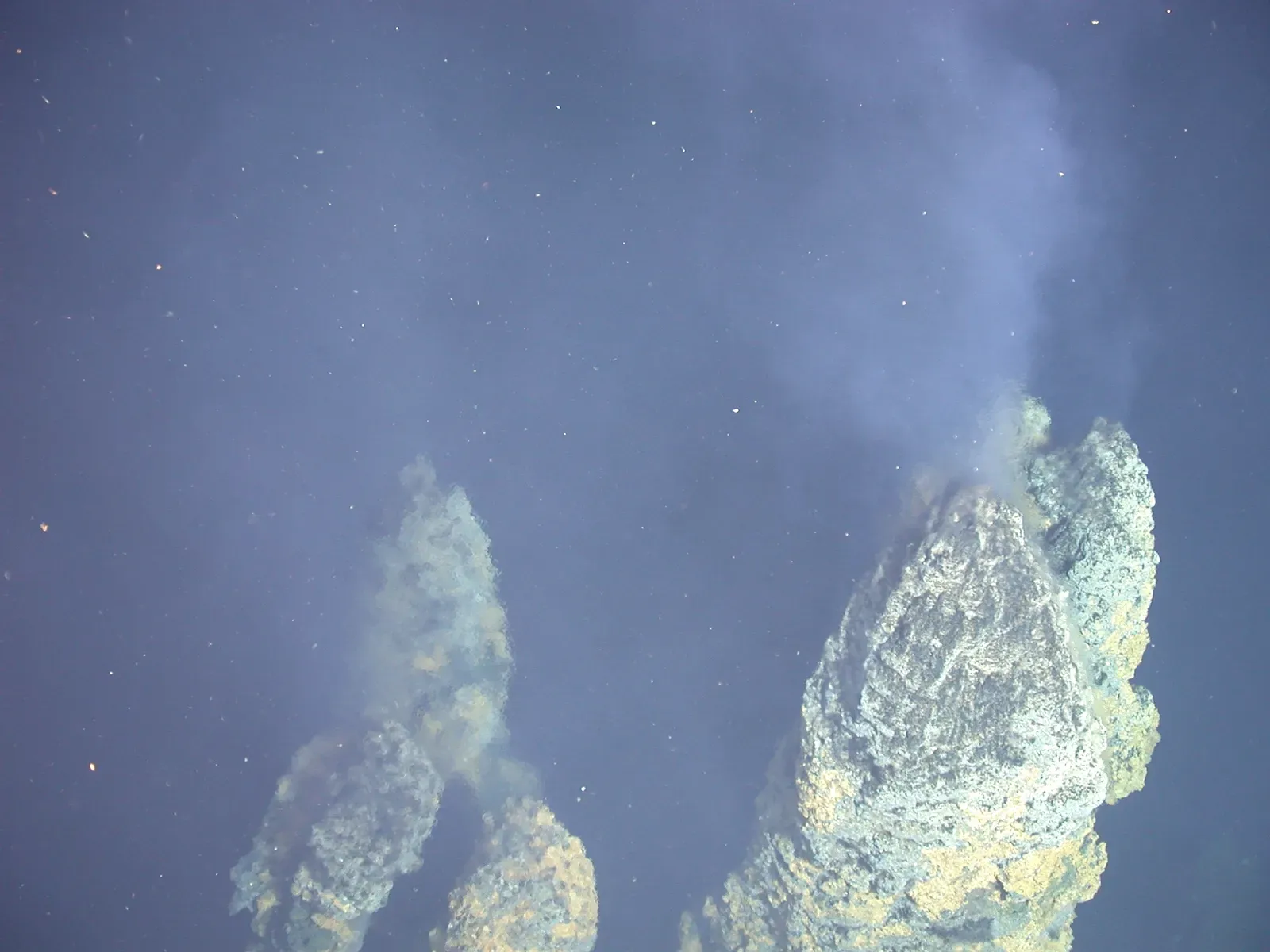
You exist. Your parents existed. Their parents existed. Go back far enough and you eventually hit a wall so profound it has stumped every biologist, chemist, and philosopher who has ever tried to climb it. Scientists fully understand the mechanics of biological evolution, but they still cannot definitively explain the much deeper transition from non-living chemicals to the first self-replicating biological organism. This fundamental process, known as abiogenesis, asks: how did simple, nonliving molecules spontaneously organize into complex, information-carrying cells that could reproduce?
Theories range from the primordial soup hypothesis to deep-sea hydrothermal vents and even panspermia, but no single explanation encompasses all the evidence. The gap is staggering. Laboratory attempts to recreate the conditions of early Earth have successfully produced some of the basic molecular building blocks of life, such as simple amino acids. However, the conceptual and biological leap from these inert blocks to a functioning, self-aware, and replicating cell is the single most significant unsolved step in biology. Think of it like having all the Lego bricks in the world but having no idea how a Lego castle could ever just spontaneously build itself.
4. The Taos Hum: A Sound That Won’t Go Away

For decades, residents of Taos, New Mexico, have been haunted by something that should, by all logic, have been explained by now. For decades, residents of Taos, New Mexico, have reported hearing a persistent low-frequency humming sound. It’s not audible to everyone, and those who hear it describe it as a low drone that can’t be located or recorded easily. Here’s what makes it particularly unsettling: only a fraction of people in the area can hear it at all, and no recording device has managed to capture it reliably.
Numerous scientific studies have been conducted to try and identify the source of the Taos Hum, but with little success. Investigations have ruled out common culprits such as industrial equipment, power lines, and seismic activity. Theories abound, ranging from the plausible, such as tinnitus or other auditory disorders in the hearers, to the more exotic, including secret military experiments and unusual geological phenomena. What’s especially strange is that it’s not just Taos. Similar sounds have been reported in Bristol, England, and Largs, Scotland, making it one of the most widely experienced yet poorly understood auditory mysteries. A hum with no confirmed source, heard by real people across multiple continents. That’s worth losing sleep over.
5. Mass Whale Strandings: Why Do They Walk Onto Land?

You’d think that after millions of years of evolution, a creature as intelligent and biologically sophisticated as a whale would not repeatedly make the catastrophic mistake of beaching itself on dry land. Yet it keeps happening. Also referred to as beaching, this peculiar phenomenon occurs when large numbers of whales strand themselves on land and are unable to return to the water. These aquatic creatures then perish mainly as a result of dehydration or suffocation under their enormous weight. While puzzling, whale strandings are fairly frequent, usually occurring along the coasts of Australia and New Zealand.
Scientists have proposed a range of theories, such as navigation errors due to geomagnetic disturbances or hunting endeavors gone awry. Another possibility is that a great number of these creatures unintentionally beach themselves by following the distress calls of a single troubled whale. That last idea is genuinely heartbreaking. An entire pod, perhaps dozens of animals, following one confused individual to their deaths out of loyalty. With multiple complex factors at play, a single definitive cause for such occurrences remains elusive. It’s hard to say for sure, but the more you study it, the more it seems like the ocean itself is keeping its deepest secrets close.
6. Earthquake Lights: Glowing Skies Before the Ground Shakes
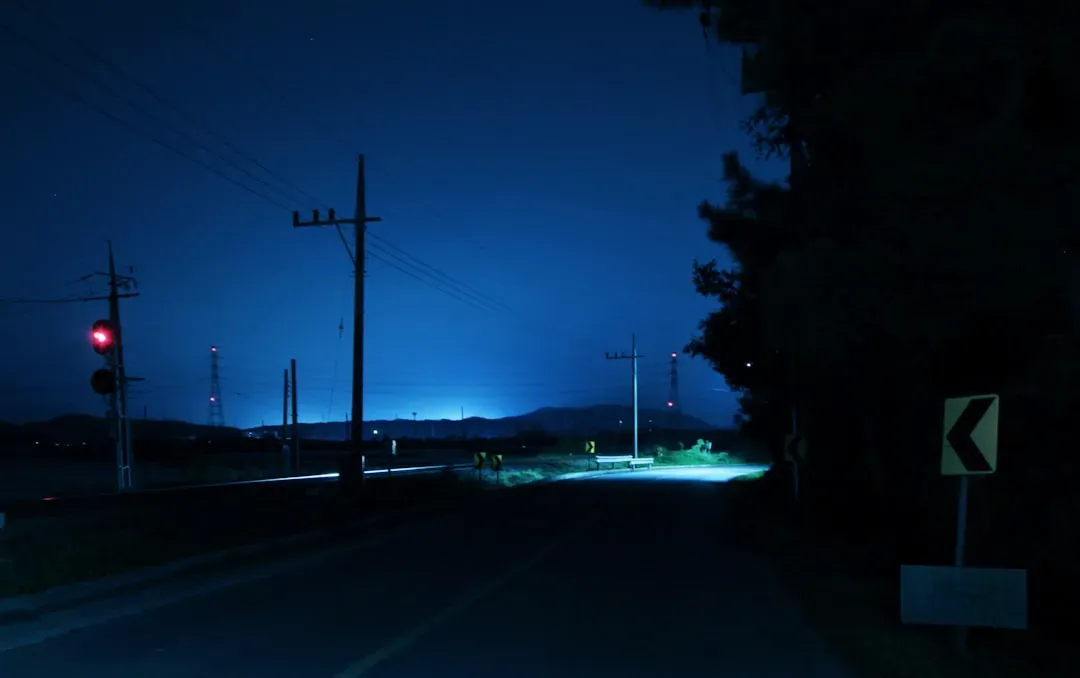
When you think about earthquakes, you probably picture the ground shaking violently and buildings cracking. You probably don’t picture the sky lighting up in eerie flashes days or even weeks before the quake hits. These mysterious luminescent phenomena have been reported to sometimes occur before or during an earthquake. They typically appear as bright flashes in the sky and, in some cases, have been observed weeks ahead of the actual earthquakes.
For centuries, these lights have confounded scientists, but one possible explanation is that they are caused by earthquake-induced stress, which releases electrical charges from certain types of rocks. These charges then travel up into the atmosphere, where they interact with the air and produce light. The truly astonishing thing is that if this phenomenon were fully understood and predictable, it could potentially serve as a warning system. A similar explanation has also been offered for the equally mysterious lightning associated with volcanic eruptions. Regardless, the debate surrounding these occurrences still remains charged, with some researchers even questioning their actual existence. That last part is the wild twist. Some scientists aren’t even sure if earthquake lights are genuinely real or just a collection of misidentified events. The jury is still very much out.
7. Why We Dream: The Brain’s Nightly Mystery Tour

Every night, your brain creates what can only be described as an entirely original film, complete with characters, locations, emotional arcs, and bizarre plot twists, and then plays it for you while you lie completely unconscious. The fascinating part? Science still doesn’t fully know why it does this. Dreams are a universal human experience, yet their fundamental biological and psychological functions remain fiercely debated and not fully explained by science. Theories range from simple emotional processing and memory consolidation to random, meaningless brain activity, such as the famous Activation-Synthesis Model. However, no single theory completely accounts for the bizarre, detailed narratives and emotional intensity of our nocturnal mental theater.
The debate has intensified in recent years with new imaging technology. A 2025 fMRI study by the Max Planck Institute for Human Cognitive and Brain Sciences suggested that dreams are essential for “future proofing” memory and practicing social scenarios. That’s a compelling idea, though it still doesn’t explain every dimension of dreaming. The complexity and unusual narrative structure of dreams suggest a profound psychological function for human survival. Yet, we still don’t know why the brain devotes so much energy to fabricating these elaborate, often meaningless, narratives while we sleep. Every night you close your eyes, your brain is running a program that its own creators, the scientists who study it, cannot yet decode. Sleep on that thought.
Conclusion: The Gaps in Our Knowledge Are the Most Exciting Places to Look

What unites all seven of these phenomena is something quietly humbling: despite centuries of observation, centuries of science, and all the computational power of the modern world, nature still holds cards we haven’t seen. Nature is a vast realm of wonders, many of which continue to defy scientific explanation. Despite remarkable advances in technology and research, a number of natural phenomena remain puzzling and only partially understood. That isn’t a failure of science. If anything, I think it’s the greatest argument for why science matters and why it should never stop asking questions.
The phenomena on this list are not myths or legends. They are documented, observed, and in many cases actively studied right now. They remind you that the universe is not an open book but more like a library where some of the most intriguing rooms are still locked. These phenomena remind us that science is a constantly evolving process, and that curiosity often leads to more questions than answers. While we may not fully understand these mysteries yet, each one is an invitation to keep exploring, observing, and wondering. Which one surprised you the most? Tell us in the comments below.