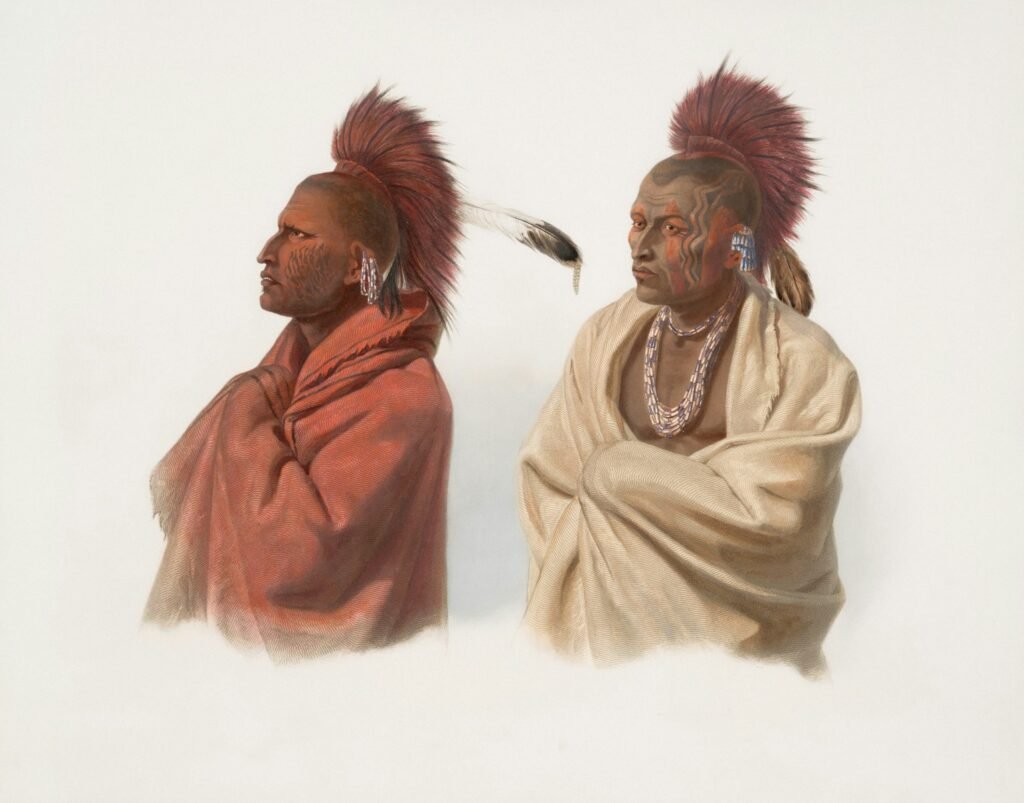

They led no armies of tanks, built no steel skyscrapers, and signed no modern constitutions – yet their decisions still echo through the legal systems, landscapes, and social movements of North America today. For centuries, Native American leaders have been portrayed in narrow, often mythic ways, while the real complexity of their political strategy, environmental knowledge, and social vision stayed out of the spotlight. Now, historians, archaeologists, and social scientists are piecing together a far richer story, one that challenges old stereotypes and reframes these figures as sophisticated statesmen, tacticians, and futurists. By tracing their lives through artifacts, written records, and oral histories, we can see how they shaped everything from land policy to ecological science. Their stories are not relics of a vanished world – they are active blueprints for how to live, govern, and share a continent in crisis.
Hiawatha and the Great Law: A Political System Centuries Ahead of Its Time
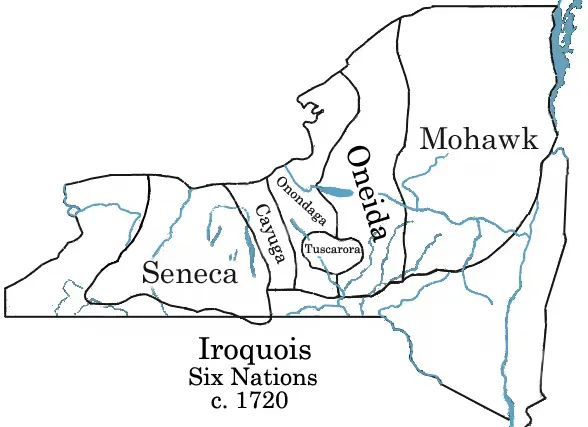
Imagine a region torn by cycles of revenge killings, only to be transformed into one of the most stable political confederacies in precolonial North America. That is the world Hiawatha helped reshape through the Haudenosaunee (Iroquois) Confederacy and the Great Law of Peace, a sophisticated oral constitution that united multiple nations under a shared council system. Anthropologists and historians describe this as a form of federalism, with local autonomy balanced by centralized decision-making, a structure that some scholars argue influenced early American political thinkers. Whether or not you accept that direct influence, the parallels are striking: checks and balances, consensus-based governance, and codified rights and responsibilities. Far from being “primitive,” this system shows a deep understanding of conflict resolution and long-term power-sharing that many modern states still struggle to maintain.
Scientific and historical research into the Great Law has pushed scholars to reconsider what counts as a constitutional system. Oral recitations, wampum belts, and ritualized decision-making were once dismissed as “non-written” and therefore less serious than paper documents, but that view is quickly collapsing. When researchers map the duration and territory of the Haudenosaunee Confederacy, they find a political entity that endured for centuries, surviving epidemics, warfare, and European encroachment. That longevity itself functions as a kind of real-world experiment in governance, with empirical evidence of what worked. In a world grappling with polarization and fragile democracies, Hiawatha’s legacy suggests that consensus governance is not utopian theory – it has been field-tested on this continent for generations.
Pocahontas: Between Myth, Diplomacy, and the Harsh Science of Survival
Few Native American figures have been more distorted in popular culture than Pocahontas, yet the historical person was operating within a brutally hard ecological and epidemiological reality. As a daughter of Wahunsenacawh (often called Powhatan), she moved between the English settlers and her own people at a time when food scarcity, disease, and violent clashes were constant threats. Archaeological digs around Jamestown, combined with colonial records, reveal how precarious survival was during those early years, with crop failures, malnutrition, and unfamiliar pathogens decimating populations. Within that context, her role as a diplomatic intermediary – however constrained by gender, age, and power – takes on a starkly practical dimension. Mediation was not a romantic gesture; it was a matter of whether whole communities lived or starved.
Modern historians and Indigenous scholars stress that she was not a free-floating heroine but a member of a complex Powhatan political system making strategic choices. Her eventual marriage to John Rolfe is often polished into a love story, but in reality it functioned as a political alliance that temporarily eased tensions and enabled critical trade of food and technology. The fact that she later traveled to England, becoming a living symbol in propaganda about “New World” colonization, shows how her identity was appropriated to justify expansion. At the same time, her short life – cut off by likely infectious disease – embodies the brutal asymmetry of contact-era biology. When we strip away the myth, Pocahontas’s story becomes a case study in how human decisions, ecological stress, and disease evolution collided in one of the most consequential experiments in forced coexistence in history.
Tecumseh: A Continental Strategy for Unity and Ecological Defense
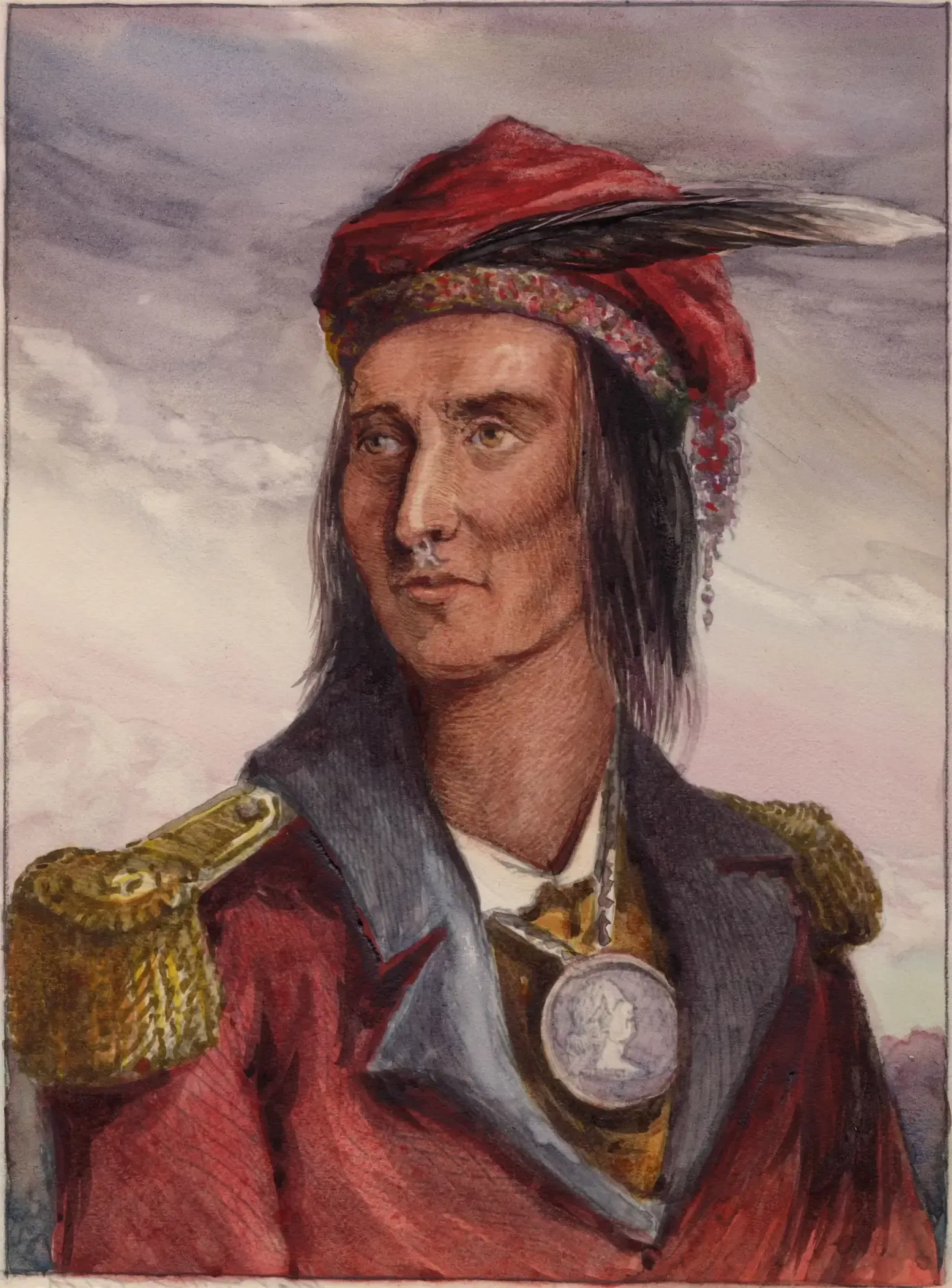
Tecumseh, the Shawnee leader, thought in continental terms long before railroad maps and highways stitched North America together. At a time when the United States was rapidly pushing west, he and his brother Tenskwatawa envisioned a multi-tribal confederacy that would resist land sales and defend shared territory. Historians tracking his travels calculate that he covered thousands of miles on foot and horseback, building alliances that spanned the Great Lakes, the Ohio Valley, and into the South. This was not random resistance; it was a form of geopolitical planning, with coordinated messaging about land as a collective resource that no single leader had the right to sell. His core argument – that land is a shared inheritance rather than a commodity – clashes directly with the private-property logic that dominated American expansion.
From a modern environmental science perspective, Tecumseh’s stance reads almost eerily prescient. Ecologists now emphasize that watersheds, forests, and wildlife corridors function as interconnected systems, not patchworks of isolated plots. Tecumseh’s insistence on collective land stewardship aligns with that systems thinking long before anyone drew an ecosystem on a chalkboard. When war came, and he ultimately died during the War of 1812, the confederacy he was building did not survive intact. Yet his vision persists in present-day movements for Indigenous land rights and co-management of protected areas, where the same idea recurs: you cannot sell away the health of a landscape piecemeal and expect the whole to survive.
Sacagawea: Embodied Geography and the Science of Knowing a Landscape
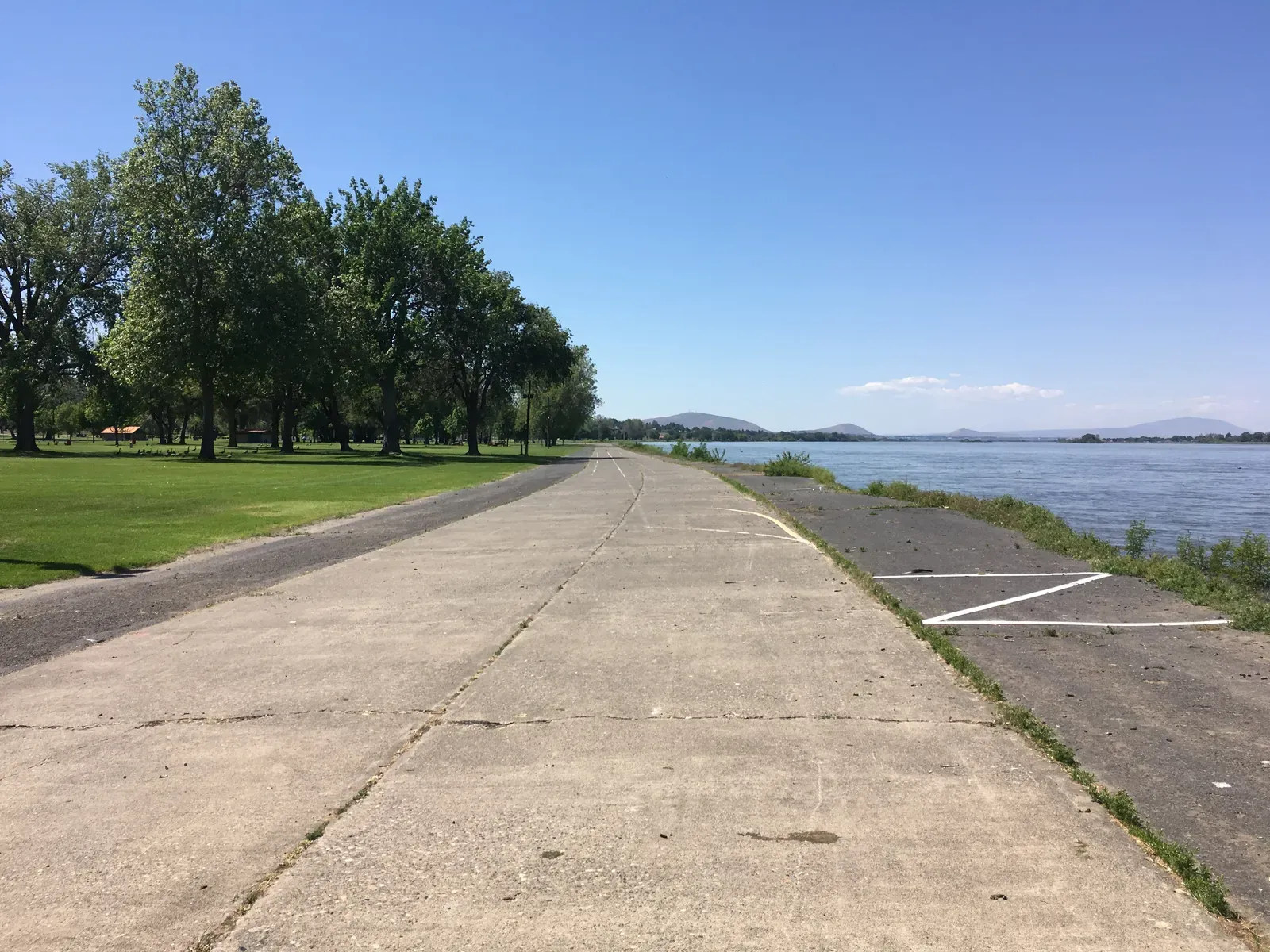
Sacagawea’s name is often attached to the Lewis and Clark expedition like a footnote, but her role illuminates something scientists increasingly appreciate: deep, embodied geographic knowledge can rival any instrument. As a young Shoshone woman traveling with the Corps of Discovery, she brought familiarity with plants, river systems, and mountain passes that the expedition’s maps did not yet capture. When historians and geographers reconstruct the journey using modern GIS tools, they see how crucial local knowledge was for choosing routes and avoiding disasters. She recognized edible plants, medicinal herbs, and critical water sources in places that were deadly mysteries to the newcomers. In a sense, her expertise functioned as a living database encoded in memory and experience rather than on paper.
Contemporary ethnobotanists – scientists who study how cultures use plants – regularly find that Indigenous knowledge systems contain highly precise, testable information about species behavior and seasonal cycles. Sacagawea’s contributions fit squarely within that tradition, even if her name is often overshadowed by the expedition’s leaders. Her mere presence, traveling with an infant, also signaled to some Native groups that this was not a purely military force, shaping first impressions and diplomatic encounters. The expedition’s journals implicitly confirm how often they relied on her recognition of places and resources, even when they did not fully credit her. Today, as researchers work with Indigenous communities to map traditional ecological knowledge onto digital tools, Sacagawea’s role looks less like a side character and more like a prototype for respectful, if imperfect, collaboration between Western science and Native expertise.
Sitting Bull: Resistance, Visions, and the Psychology of Collective Defiance
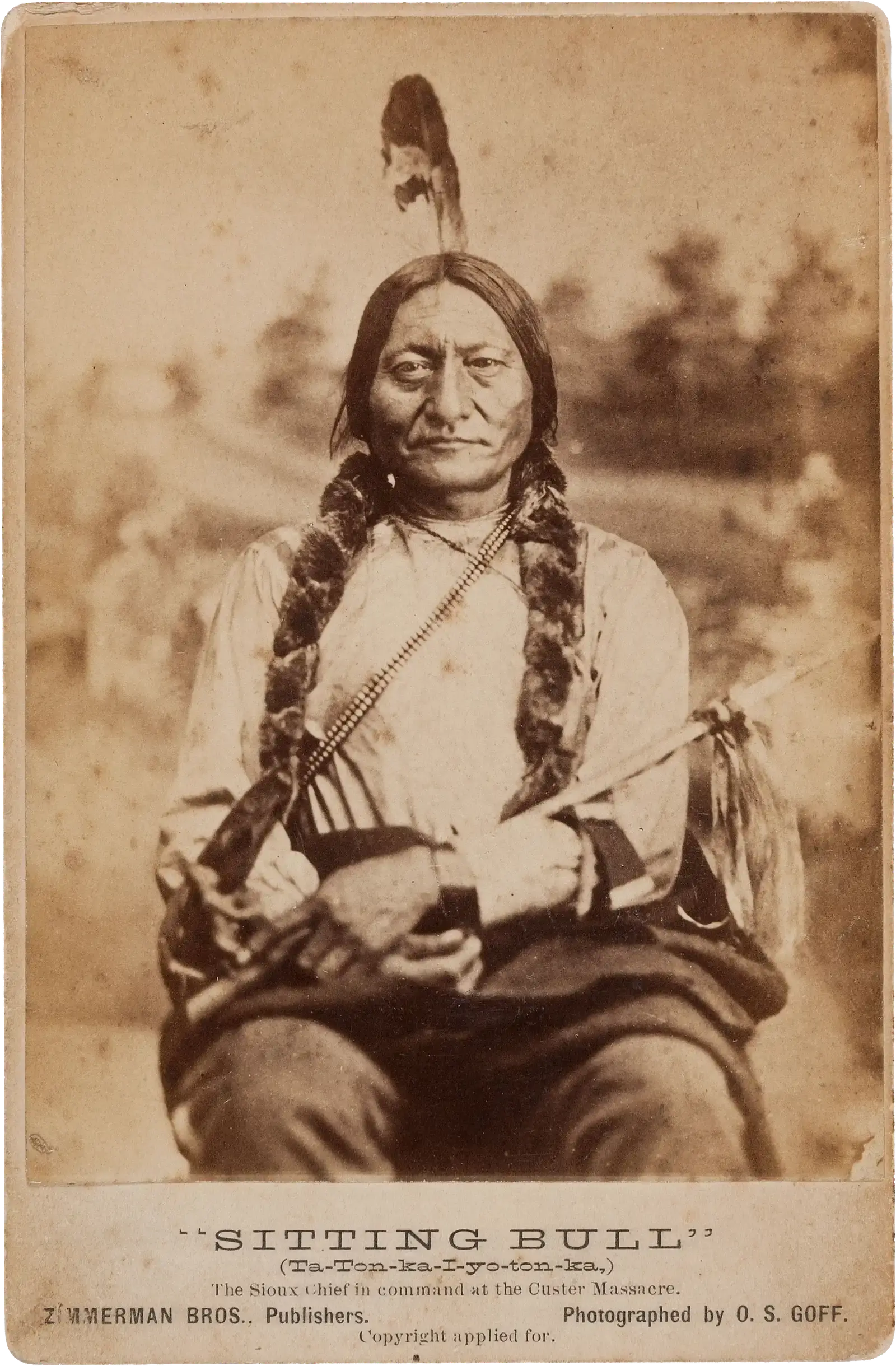
Sitting Bull of the Hunkpapa Lakota is often remembered only in the shadow of the Battle of the Little Bighorn, but his life offers a window into how spiritual visions, political strategy, and psychology intertwine. He emerged as a unifying voice at a time when the buffalo herds – the foundation of Plains economies and cultures – were being systematically destroyed. That ecological catastrophe cannot be overstated; scientists estimate that tens of millions of bison were killed in a span of decades, collapsing an entire food and material system. In response, Sitting Bull advocated resistance not as random violence but as a defense of a way of life under deliberate assault. His visions and ceremonies provided shared narratives that helped people endure fear, grief, and uncertainty.
Modern psychologists studying resistance movements point out that stories and symbols are not just “beliefs”; they are tools that organize collective action under stress. Sitting Bull’s leadership shows how spiritual frameworks can shape decision-making, morale, and risk tolerance in concrete ways. He was deeply skeptical of U.S. promises, informed by a track record of broken treaties that legal historians continue to analyze as foundational injustices. Even after the dramatic victory at Little Bighorn, he understood that military success alone could not reverse the broader machinery of expansion and resource extraction. His eventual surrender and later death on Standing Rock Reservation underscore the heavy cost of sustained defiance, but they also mark the persistence of a political tradition that refuses to accept the inevitability of dispossession.
Wilma Mankiller: From Rural Infrastructure to Systems-Level Social Change
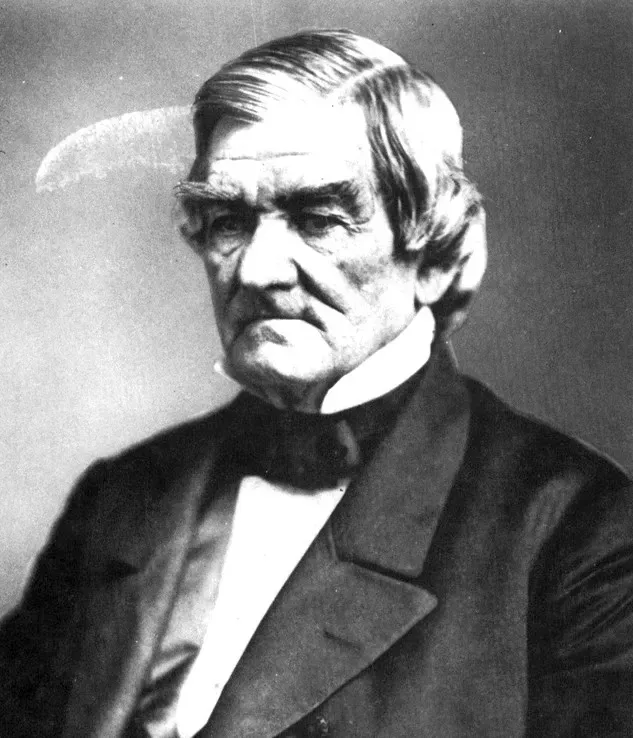
Fast forward to the late twentieth century, and you find Wilma Mankiller, Principal Chief of the Cherokee Nation, applying a different kind of vision: infrastructure as a path to sovereignty. She first gained attention by helping lead a rural community project in Bell, Oklahoma, where residents worked together to bring running water and basic services to their town. Development experts later cited this as a model of community-driven planning, demonstrating that when people design their own systems, they are more sustainable and better maintained. When she later became chief, she expanded that thinking into health care, education, and economic development for the Cherokee Nation. Her leadership treated social indicators – like diabetes rates, graduation numbers, and employment levels – as interconnected variables in a living system, not isolated problems.
From a science journalist’s perspective, Mankiller’s tenure looks almost like a social experiment in applied systems thinking. Instead of importing one-size-fits-all solutions, her administration emphasized cultural grounding, language revitalization, and local decision-making, which research now links to better mental health and community resilience. She challenged the idea that Indigenous governments should simply manage scarcity and decline, arguing instead for proactive, visionary planning. In many ways, her work anticipated current discussions about data-driven policy and community-based research, where metrics are used to support sovereignty rather than to control it. Her legacy suggests that Native leadership is not only about preserving tradition; it can also be a cutting-edge arena for innovative governance.
Why These Leaders Matter Now: Rethinking Power, Science, and Who Gets To Be “Modern”
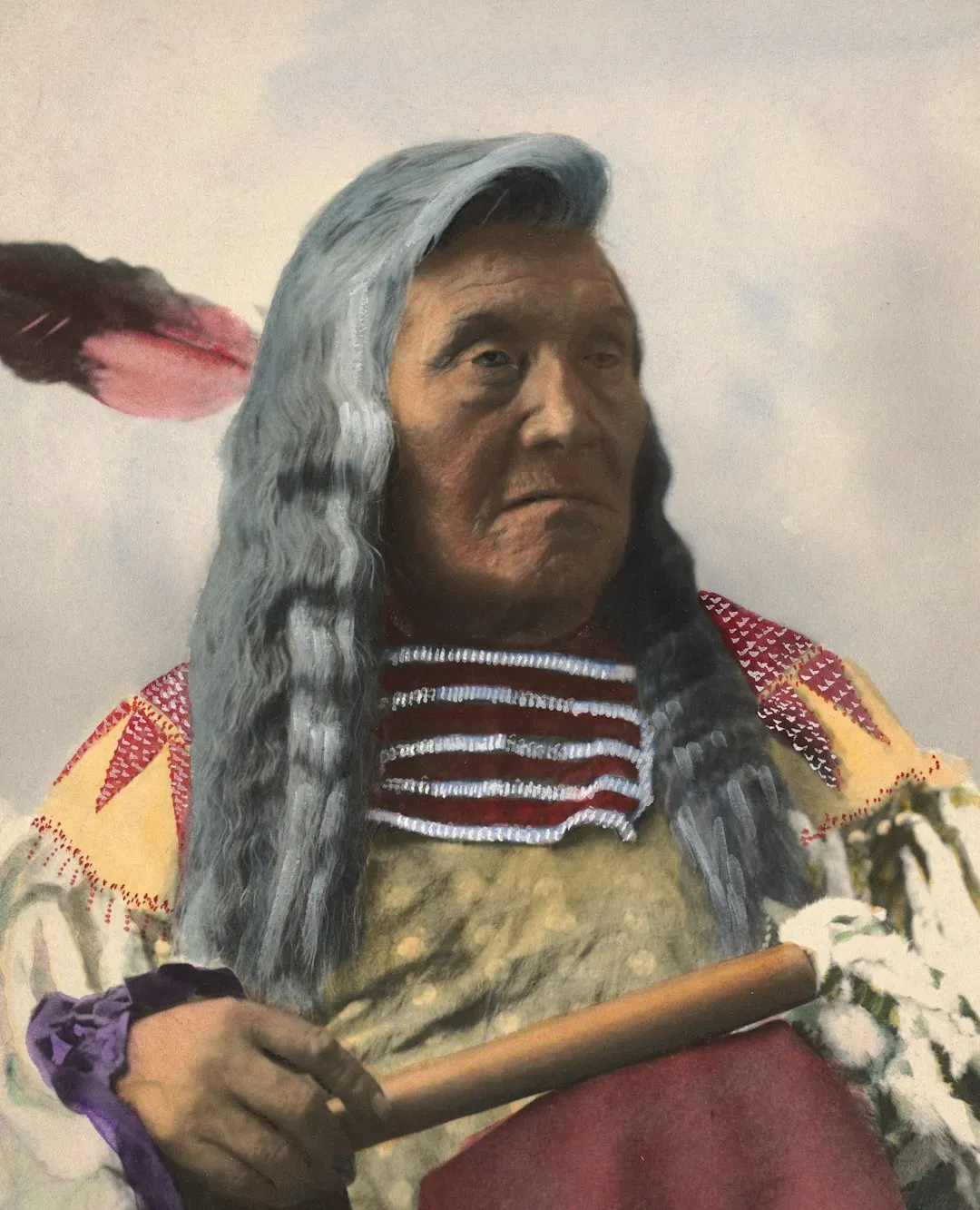
When we pull these leaders into one frame – Hiawatha, Pocahontas, Tecumseh, Sacagawea, Sitting Bull, Wilma Mankiller – a pattern emerges that challenges old narratives about who is “modern” and who is “traditional.” Each of them grappled with core questions that still dominate headlines today: how to share land, manage resources, resist exploitation, and design fair political systems. Their solutions ranged from constitutional confederacies to diplomatic alliances, from ecological stewardship to community-led development. Historians, legal scholars, and environmental scientists increasingly argue that ignoring these contributions is not just unfair; it actively distorts our understanding of how North America was built. When textbooks sideline Native leaders, they also erase crucial experiments in democracy, sustainability, and social resilience.
Comparing their approaches with conventional Western models is revealing. Where industrial-era thinking often focused on extraction and short-term gain, many of these leaders operated from a framework that viewed land, animals, and people as parts of a long-term relational web. Modern science is only now catching up to some of these insights, whether in ecosystem theory, climate resilience, or trauma-informed psychology. Seeing Native leaders as full participants in global intellectual history forces us to expand what counts as “data,” “expertise,” and “innovation.” It also exposes a hard truth: many of the crises we face – climate instability, biodiversity loss, social inequality – are the logical outcome of ignoring voices that warned, early and often, that a different relationship with the land and with power was possible.
The Future Landscape: Indigenous Leadership, Climate Science, and Shared Stewardship
Looking ahead, the legacies of these leaders are not just museum pieces; they are active frameworks for the future of the continent. As climate change accelerates wildfires, droughts, and extreme weather, researchers and policymakers are turning with new seriousness to Indigenous fire practices, water management strategies, and land governance models. Co-management agreements between tribal nations and federal or state agencies are gradually expanding, testing how shared authority can produce better ecological outcomes. There is growing evidence that lands under Indigenous stewardship tend to have higher biodiversity and healthier ecosystems, reinforcing the idea that governance and conservation cannot be separated. In a sense, the continent is circling back to practices that predate national borders and private property lines.
At the same time, new technologies – from satellite monitoring to machine learning – are being layered onto traditional knowledge systems, sometimes clumsily and sometimes with real collaboration. Indigenous scientists and leaders are at the forefront of blending ancestral teachings with cutting-edge tools, mapping sacred sites, tracking species, and modeling climate impacts on homelands. The challenges are enormous: legal battles over land, resource extraction projects, and political backlash against sovereignty efforts are all intensifying. But the underlying question is the same one Tecumseh, Hiawatha, and Wilma Mankiller wrestled with in their own eras: who gets to decide the fate of a landscape, and by what logic? The answer, if these leaders have anything to say about it, will not be written by one culture alone.
How Readers Can Engage: Listening, Learning, and Backing Native-Led Solutions
Engaging with these stories is not just an academic exercise; it can shape how you vote, donate, travel, and talk about history. One practical step is to seek out Native-authored books, podcasts, and documentaries that center Indigenous perspectives on these leaders and their communities. Visiting tribal museums, cultural centers, and historical sites – especially when they are run by Native nations themselves – helps redirect attention and resources to those telling their own stories. Supporting Native-led environmental and legal organizations, whether through small recurring donations or signal-boosting their work online, can have outsized impact. Even simple actions, like checking whose land you live on and learning the contemporary issues facing that nation, start to reframe the abstract past as a living present.
For readers with scientific or technical backgrounds, there is also room for collaboration done carefully and respectfully. Citizen science projects, climate initiatives, and community-based research efforts increasingly include partnerships with Indigenous groups, where listening is at least as important as sharing expertise. Teachers and parents can bring these leaders into classrooms not as sidebars, but as central figures in stories about democracy, ecology, and innovation. The point is not to romanticize or freeze them in time, but to recognize that their visions remain urgent in a century defined by planetary change. As you close this article and look back across the continent you live on, it is worth asking: how differently might our future look if these leaders’ ideas were treated as foundational, rather than optional footnotes?
Suhail Ahmed is a passionate digital professional and nature enthusiast with over 8 years of experience in content strategy, SEO, web development, and digital operations. Alongside his freelance journey, Suhail actively contributes to nature and wildlife platforms like Discover Wildlife, where he channels his curiosity for the planet into engaging, educational storytelling.
With a strong background in managing digital ecosystems — from ecommerce stores and WordPress websites to social media and automation — Suhail merges technical precision with creative insight. His content reflects a rare balance: SEO-friendly yet deeply human, data-informed yet emotionally resonant.
Driven by a love for discovery and storytelling, Suhail believes in using digital platforms to amplify causes that matter — especially those protecting Earth’s biodiversity and inspiring sustainable living. Whether he’s managing online projects or crafting wildlife content, his goal remains the same: to inform, inspire, and leave a positive digital footprint.