Have you ever wondered what secrets lie beneath our feet, hidden in plain sight across the globe? Throughout history, humans have built, carved, and constructed incredible things that still puzzle researchers today. Some locations seem frozen in time, whispering riddles that modern science struggles to answer.
These aren’t just old ruins. They’re enigmas wrapped in stone, buried underground, or sunken beneath the waves. From temples that predate civilization as we know it to entire cities concealed below the earth, these mysterious places continue to challenge everything we thought we understood about ancient societies. Let’s explore seven of the most captivating sites that refuse to surrender their secrets easily.
Göbekli Tepe: The Temple That Rewrites History
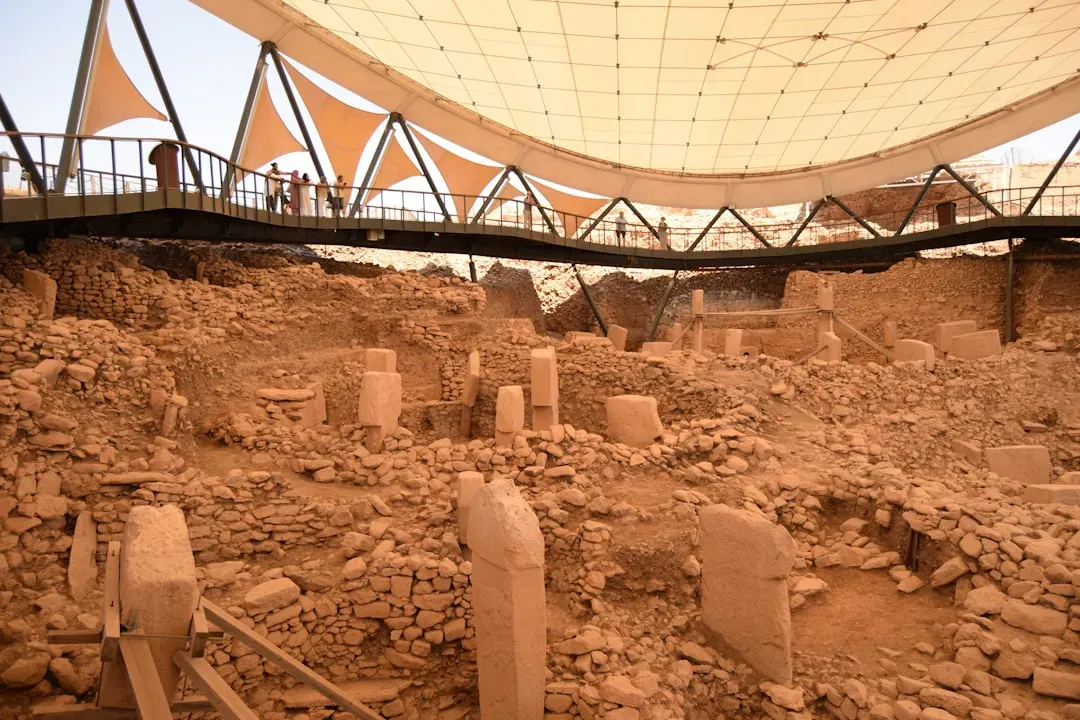
Picture this. You’re standing in southeastern Turkey, staring at massive stone pillars carved with intricate animals. Nothing unusual about that, right? Wrong. These structures date back to around 9500 BCE to at least 8000 BCE, featuring circular structures that contain large stone pillars among the world’s oldest known megaliths.
Here’s the mind-blowing part. These monumental structures predate Stonehenge by more than 6,000 years and the Egyptian pyramids by approximately 7,000 years, fundamentally challenging previous assumptions about the development of complex societies and monumental architecture. When this site was being built, humans weren’t supposed to have the organizational skills or technology for such massive projects. Recent findings suggest a settlement at Göbekli Tepe, with domestic structures, extensive cereal processing, a water supply, and tools associated with daily life, contrasting with a previous interpretation of the site as a sanctuary used by nomads, with few or no permanent inhabitants.
In 2025, a life-size human statue was found deliberately embedded in the base of a wall between two buildings, believed to be a votive offering, with excavations revealing living quarters, disproving earlier theories that the site served solely as a ceremonial pilgrimage destination. Honestly, every new discovery at this place seems to push back the timeline of civilization itself. The more we dig, the less we seem to know for certain.
Nan Madol: The Venice of the Pacific Built on Coral
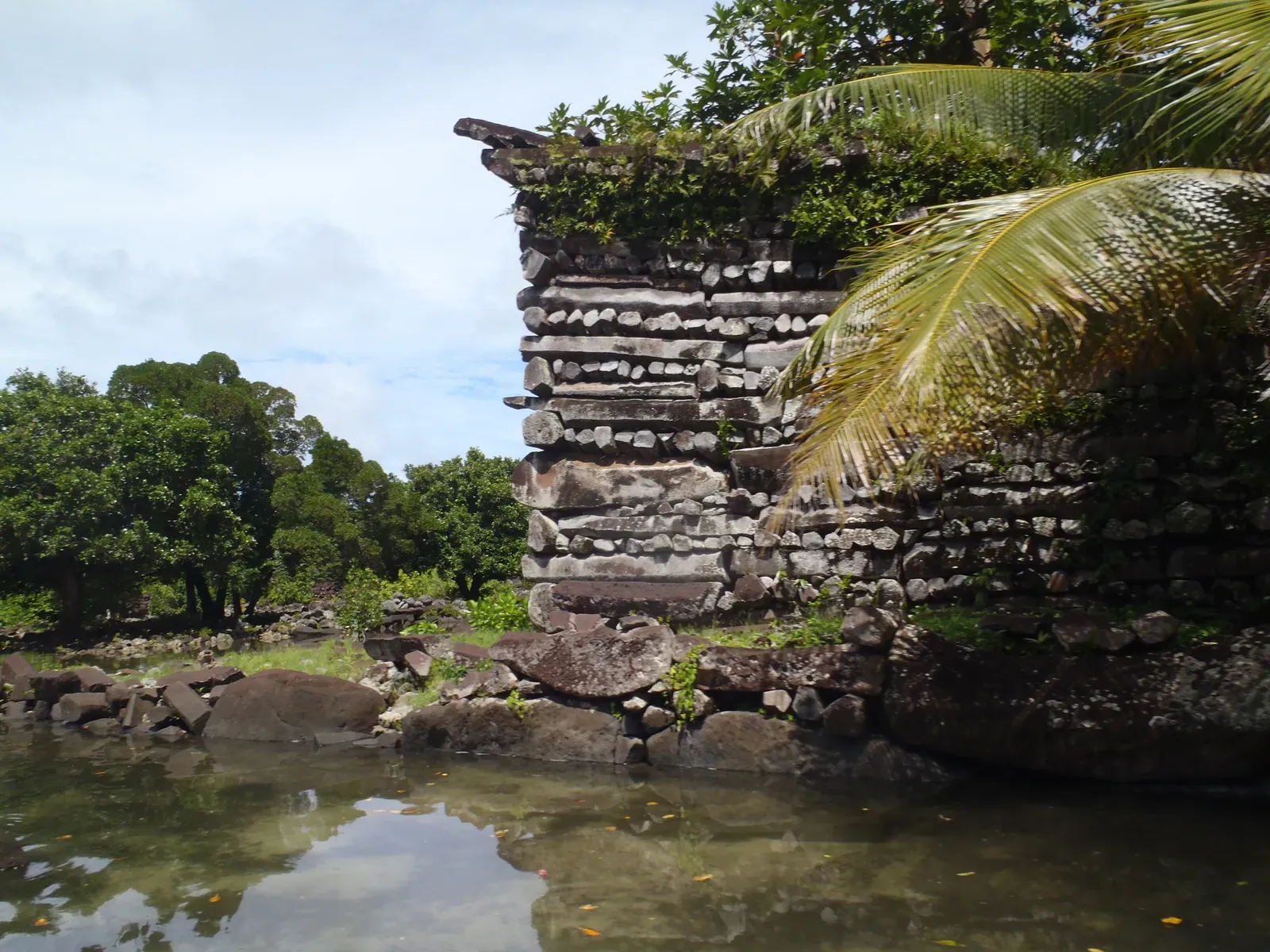
Imagine roughly one hundred artificial islands constructed atop a coral reef in the middle of the Pacific Ocean, connected by a maze of canals. That’s Nan Madol for you. This archaeological site adjacent to the eastern shore of the island of Pohnpei consists of a series of small artificial islands linked by a network of canals, with the site core containing 92 artificial islets bordered by tidal canals.
Carbon dating indicates that megalithic construction at Nan Madol began around AD 1180 when large basalt stones were taken from a volcanic plug on the opposite side of Pohnpei, though construction of the distinctive megalithic architecture began 1180–1200 AD. The 100-odd blocky stone structures were built atop coral reefs in a lagoon off a remote island in the western Pacific Ocean, with walls of the artificial islands reaching up to 25 feet tall and 17 feet thick in some parts. The sheer engineering prowess is staggering.
Local legends say twin sorcerers used magic to levitate the massive stones into place. While that’s clearly mythological, the real question remains unanswered. The average weight of each stone is 5 tons, with some weighing as much as 25 tons each, and conventional and mainstream scholars have yet to determine how it was built or who built them, with no technology identified on the island that explains how the logs were hoisted up. Experts still don’t know how the 100 artificial islands were constructed a millennium ago. What we do know is this place continues to perplex even the most experienced archaeologists.
Derinkuyu: A Hidden World Below Turkey
Sometimes the most astonishing discoveries happen by accident. In 1963, the tunnels were rediscovered after a resident of the area found a mysterious room behind a wall in his home while renovating, with further digging revealing access to the tunnel network, and in 1969, the site was opened to visitors, with about half of the underground city accessible as of 2016. What he’d stumbled upon was an entire ancient city buried beneath the earth.
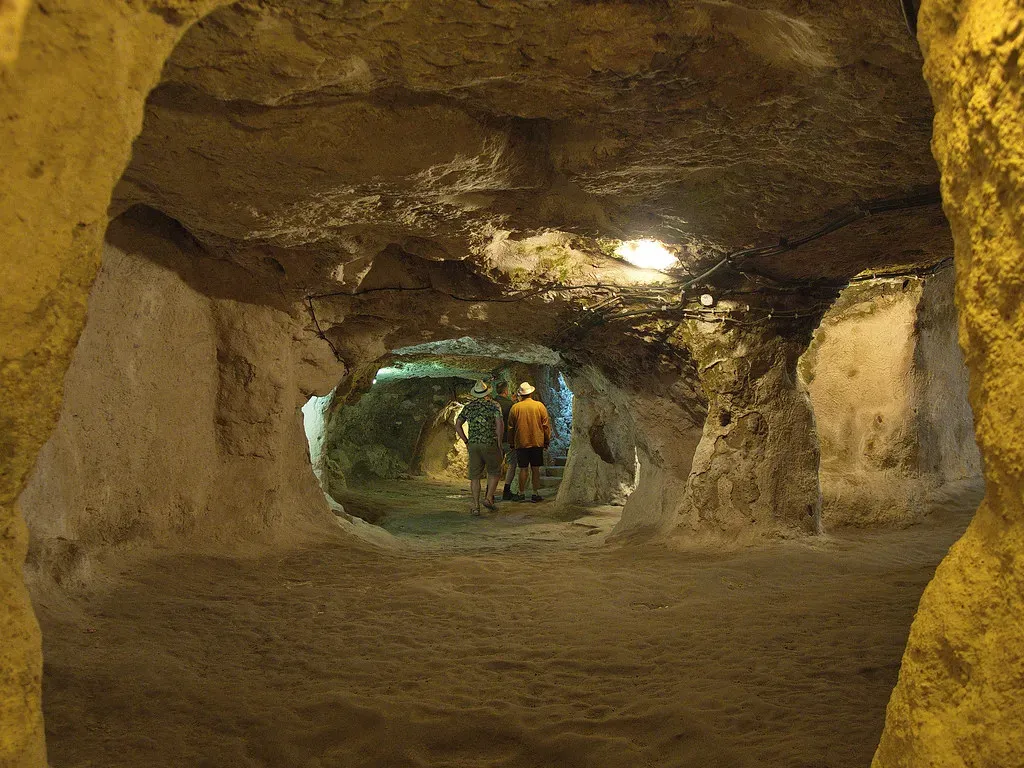
Derinkuyu is an ancient multi-level underground city near the modern town of Derinkuyu in Nevşehir Province, Turkey, extending to a depth of approximately 85 metres, large enough to have sheltered as many as 20,000 people together with their livestock and food stores, and is the largest excavated underground city in Turkey. Think about that for a moment. Twenty thousand people living underground with their animals, food storage, and everything needed to survive for extended periods.
The underground city at Derinkuyu could be closed from the inside with large rolling stone doors, with each floor able to be closed off separately, and could accommodate up to 20,000 people with amenities found in other underground complexes across Cappadocia, such as wine and oil presses, stables, cellars, storage rooms, refectories, and chapels. Archaeologists estimate there could be up to 18 levels in all. The sophistication of the ventilation system alone is remarkable. It’s hard to say for sure, but some experts believe portions could be thousands of years old.
Yonaguni Monument: Japan’s Underwater Mystery
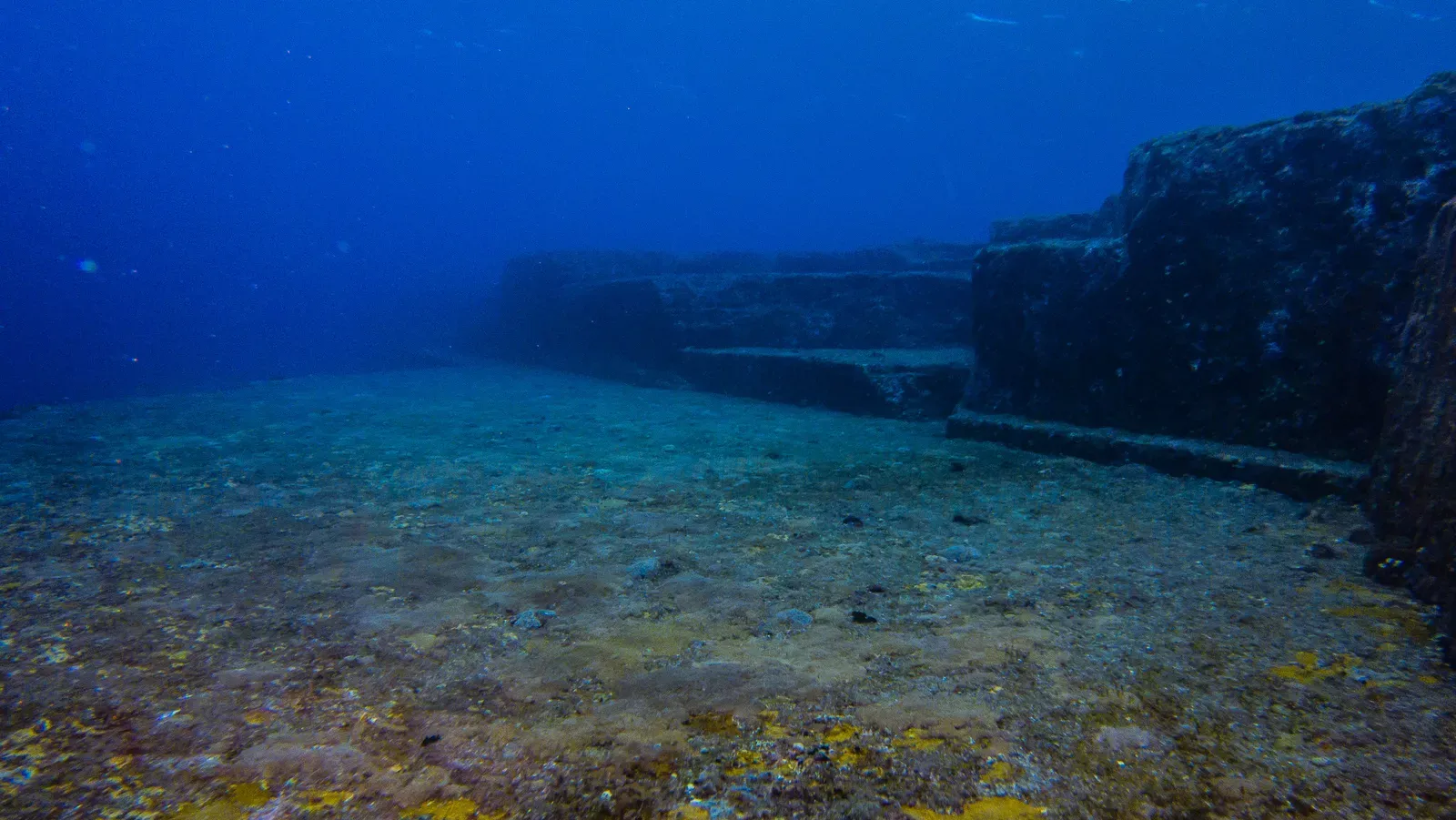
The Yonaguni Monument is an underwater rock structure that was discovered in the mid-1980s near Yonaguni Island, Japan. When divers first encountered it, they thought they’d found Japan’s version of Atlantis. This massive underwater structure features terraces, staircases, and sharp-edged formations, leading some to believe it is the ruins of an ancient civilization, possibly dating back to 10,000 years ago.
The debate around this site is fierce. Marine geologist Masaaki Kimura claims that the formations are man-made stepped monoliths, though these claims have been described as pseudoarchaeological. Yet when you look at photographs or dive the site yourself, the geometric precision seems almost too perfect to be accidental. The site features massive stone formations that resemble ancient architecture, with structures that appear to include terraces, straight edges, and right angles.
On the other hand, skeptics have compelling arguments. Research showed that although Yonaguni Monument may look like an artificial construction, it is a natural feature formed by the weathering and erosional processes acting on bedding and linear joints in sandstone, with similar features found at Sanninudai geosite and commonly observed on the south coast of Yonaguni Island. Others argue it is a natural geological formation shaped by underwater currents. Let’s be real, the jury is still out on this one, and that’s precisely what makes it so fascinating.
Saksaywaman: Inca Precision That Defies Explanation
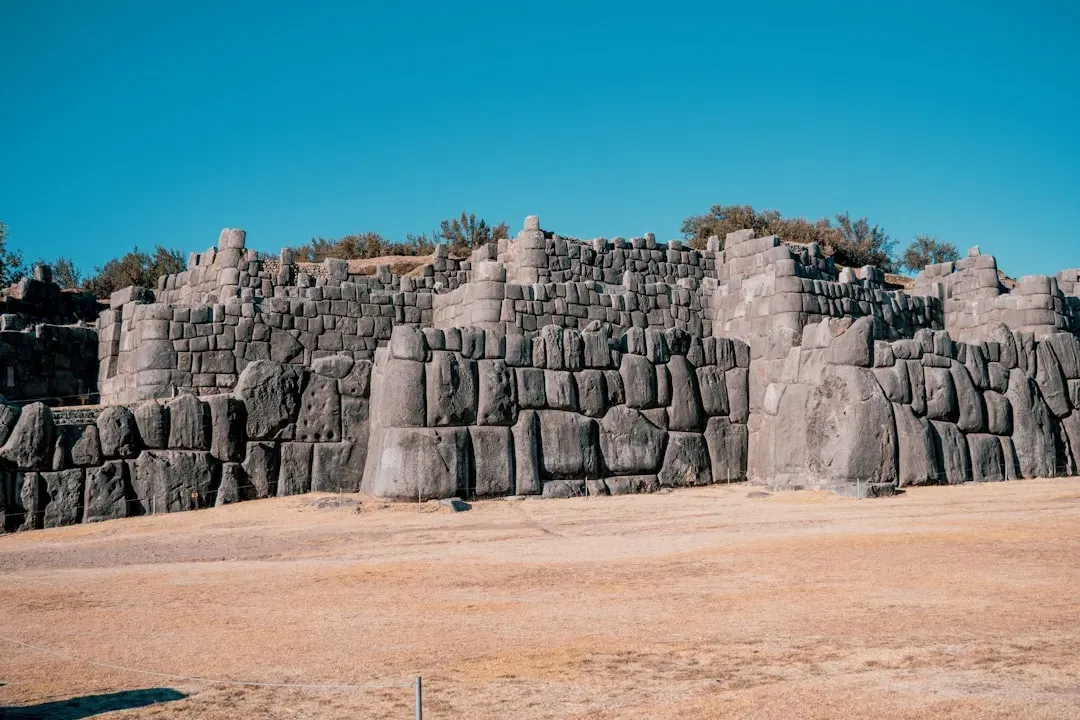
High in the Peruvian Andes sits Saksaywaman, a fortress complex that showcases stonework so precise it seems almost impossible. The massive stones fit together without mortar, and you literally cannot slide a piece of paper between many of the joints. We’re talking about multi-ton boulders carved and placed with surgical precision.
The Inca are credited with building this marvel, though some researchers question whether they inherited and expanded upon even older structures. The stones were quarried from locations miles away and transported uphill to this site. How did they manage this feat without wheels, iron tools, or draft animals capable of moving such weight? The techniques remain hotly debated.
What makes Saksaywaman particularly intriguing is the irregular shapes of the stones. Rather than cutting uniform blocks, the builders somehow carved massive boulders into complex, interlocking polygonal shapes that fit together like a three-dimensional jigsaw puzzle. Modern engineers study this site trying to figure out how ancient peoples achieved such remarkable precision. Some walls have withstood centuries of earthquakes that destroyed later colonial buildings nearby.
Longyou Caves: China’s Enigmatic Underground Halls
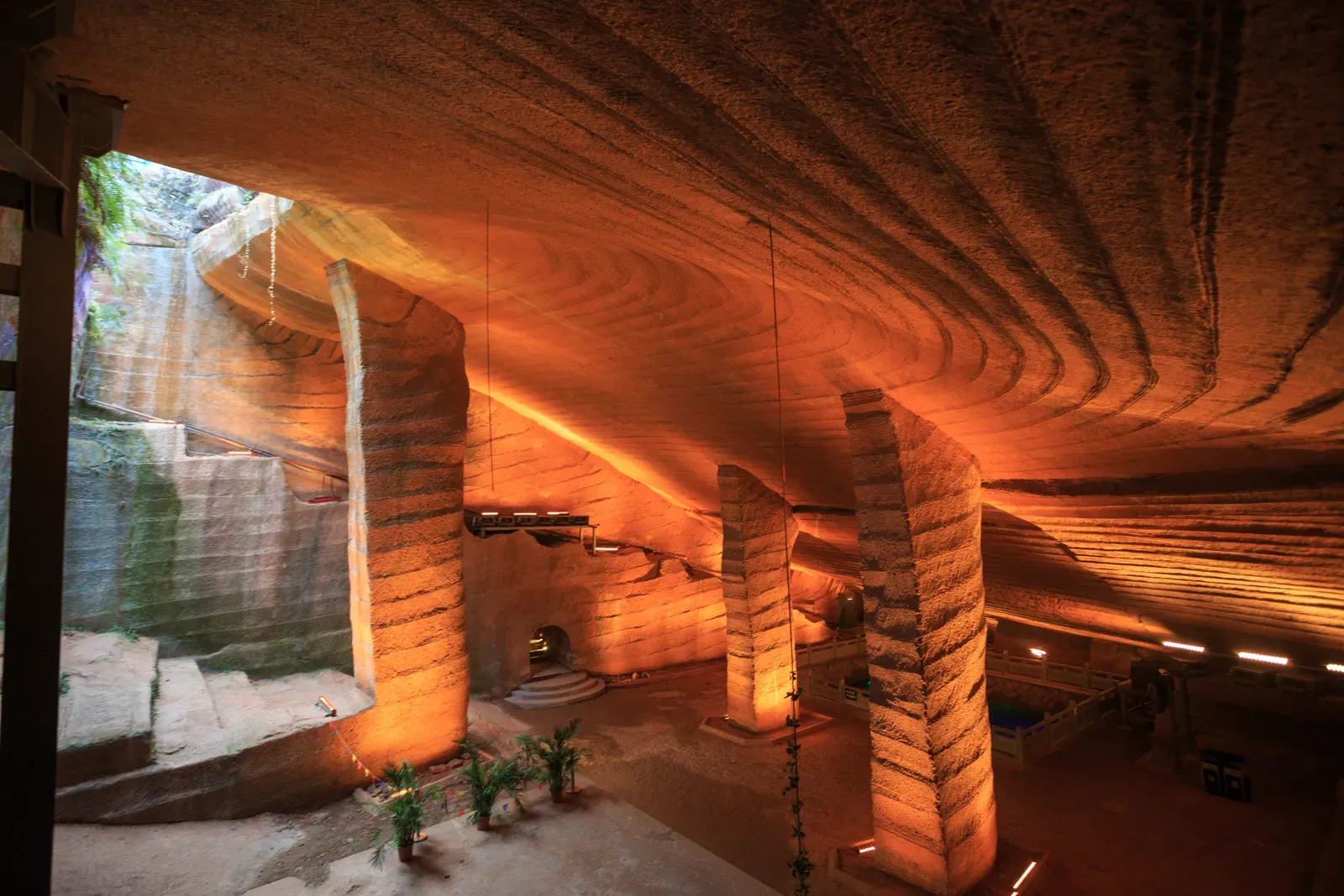
In 1992, a curious farmer in China’s Zhejiang Province decided to pump water out of local ponds. What he discovered changed everything. Hidden beneath the surface were massive hand-carved caverns, precisely excavated from solid siltstone. These became known as the Longyou Caves, and they’re absolutely baffling.
The caves feature enormous pillars, vaulted ceilings, and walls covered in precise parallel grooves, almost like the marks left by modern machinery. The scale is staggering, with nearly one million cubic meters of stone removed from the earth. Yet there’s no historical record of their construction, no debris piles from the excavation, and no apparent purpose that fully explains their existence.
The precision of the chisel marks suggests a systematic approach to their creation. The pillars are uniformly carved, and the chambers are remarkably symmetrical. Who carved them? When? And perhaps most mysteriously, why is there absolutely no mention of such a massive undertaking in Chinese historical records? The silence in the archives is deafening. Theories range from ancient armies needing hideouts to emperors wanting secret chambers, but none fully satisfy the evidence.
The Plain of Jars: Laos’s Stone Mystery
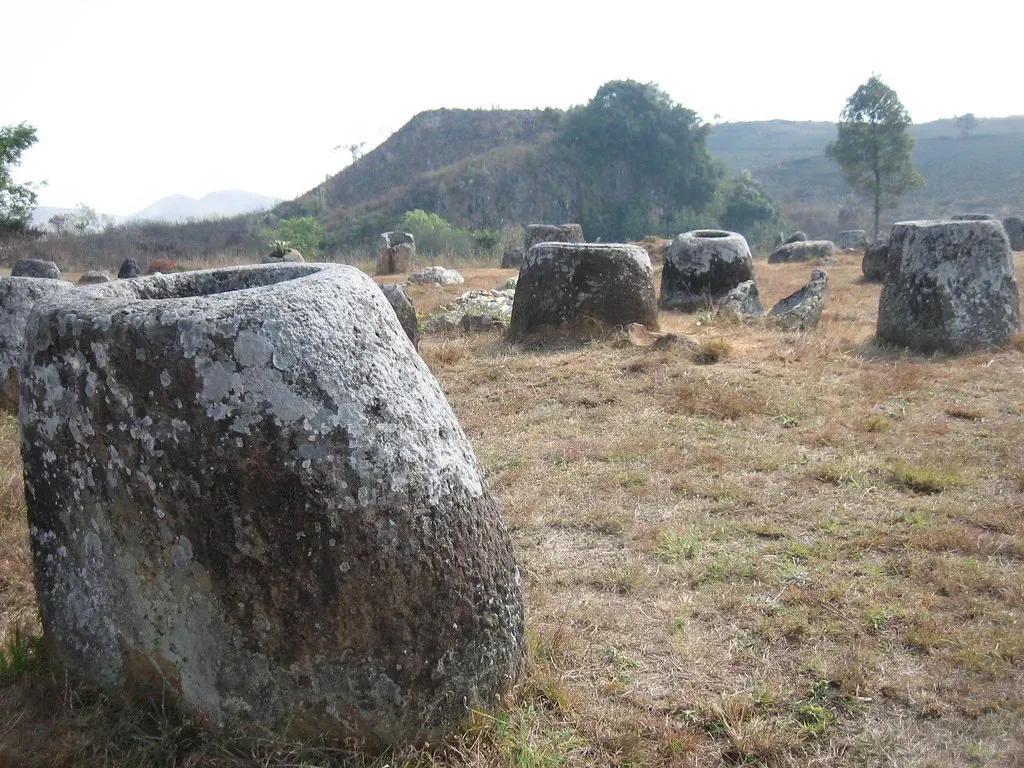
Scattered across the Xieng Khouang plateau in Laos are thousands of massive stone jars, some standing over three meters tall and weighing several tons. The Plain of Jars in the Xieng Khouang plain of Laos is one of the most enigmatic sights on Earth, with thousands of massive stone jars scattered across the landscape, some standing over three meters tall and weighing several tons, with nobody knowing who made them, why, or how they were moved.
Dating back roughly 2,500 years, these jars have sparked countless theories. Were they ancient burial urns? Vessels for storing rice wine? Rainwater collectors? Nobody knows for certain. Archaeologists have found human remains and burial goods near some jars, suggesting a funerary purpose, but that doesn’t explain everything about them.
The unexplained 2,500-year-old Plain of Jars has sites where undetonated U.S. bombs from the Vietnam War are still scattered, so only seven of the 60 sites are open to the public, with the danger making investigation challenging, adding modern tragedy to ancient mystery. The modern conflict has ironically preserved some of the mystery by making large portions of the area too dangerous to explore thoroughly. The jars remain silent witnesses to a forgotten purpose, their secrets locked in stone.
Conclusion
These seven mysterious places remind us that human history is far more complex and fascinating than we often acknowledge. Each site presents puzzles that challenge our understanding of ancient capabilities, engineering knowledge, and social organization. From underground cities to submerged structures, from impossibly precise stonework to massive unexplained monuments, these locations prove that our ancestors were capable of remarkable feats.
Technology continues to advance, offering new tools to investigate these enigmas. Ground-penetrating radar, lidar scanning, and sophisticated dating techniques are slowly peeling back layers of mystery. Yet some questions may never be fully answered, and perhaps that’s okay. The tension between what we know and what remains hidden keeps us searching, keeps us wondering about the people who came before us.
What do you think about these ancient mysteries? Do they make you question what else might be hiding in plain sight, waiting to be discovered? Share your thoughts in the comments below.
Jan loves Wildlife and Animals and is one of the founders of Animals Around The Globe. He holds an MSc in Finance & Economics and is a passionate PADI Open Water Diver. His favorite animals are Mountain Gorillas, Tigers, and Great White Sharks. He lived in South Africa, Germany, the USA, Ireland, Italy, China, and Australia. Before AATG, Jan worked for Google, Axel Springer, BMW and others.