There is something irresistibly magnetic about a place you can never step foot in. The more tightly the fences are drawn, the more our curiosity strains against them, especially when science, secrecy, and genuine danger all blur together. This article dives into seven real locations on our own planet that remain firmly off-limits, guarded by governments, corporations, and in some cases by the sheer risk of death. From islands overrun by invasive species to vaults that quietly decide what we eat tomorrow, these forbidden destinations say as much about us as they do about the landscapes themselves. Think of this as a guided tour you can only ever take with your mind.
North Sentinel Island: A Living Time Capsule We May Never Understand
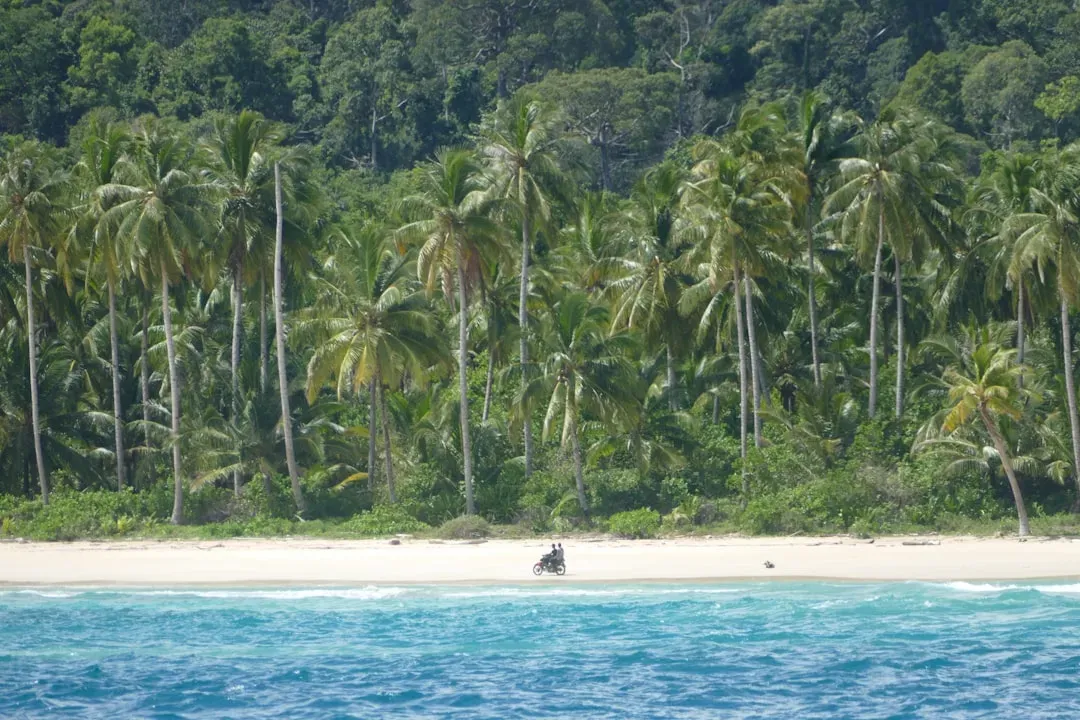
Imagine standing on a pristine tropical shoreline and realizing that the greatest danger is not the ocean, but the people watching you from the tree line. North Sentinel Island in the Bay of Bengal is home to the Sentinelese, one of the last uncontacted peoples on Earth, and outsiders are strictly banned from approaching. The Indian government has drawn a protective exclusion zone around the island, in part to shield the Sentinelese from disease, and in part because they have repeatedly attacked approaching boats and helicopters. Modern anthropology, epidemiology, and ethics all collide here in a tangle of questions with no easy answers.
Scientists know remarkably little about Sentinelese language, culture, or technologies, and most of what we think we know comes from brief, often hostile encounters and distant observations. In a way, the island functions like a time capsule from a pre-globalized human world, but any attempt to “open” that capsule could be catastrophic for them, exposing an immunologically naive population to common infections. For now, science must work with the most limited of data: satellite imagery, a handful of historical records, and comparisons to other Indigenous groups in the Andaman region. The mystery is real, but so is the moral boundary that keeps us from solving it.
Area 51: Classified Skies Above the Nevada Desert
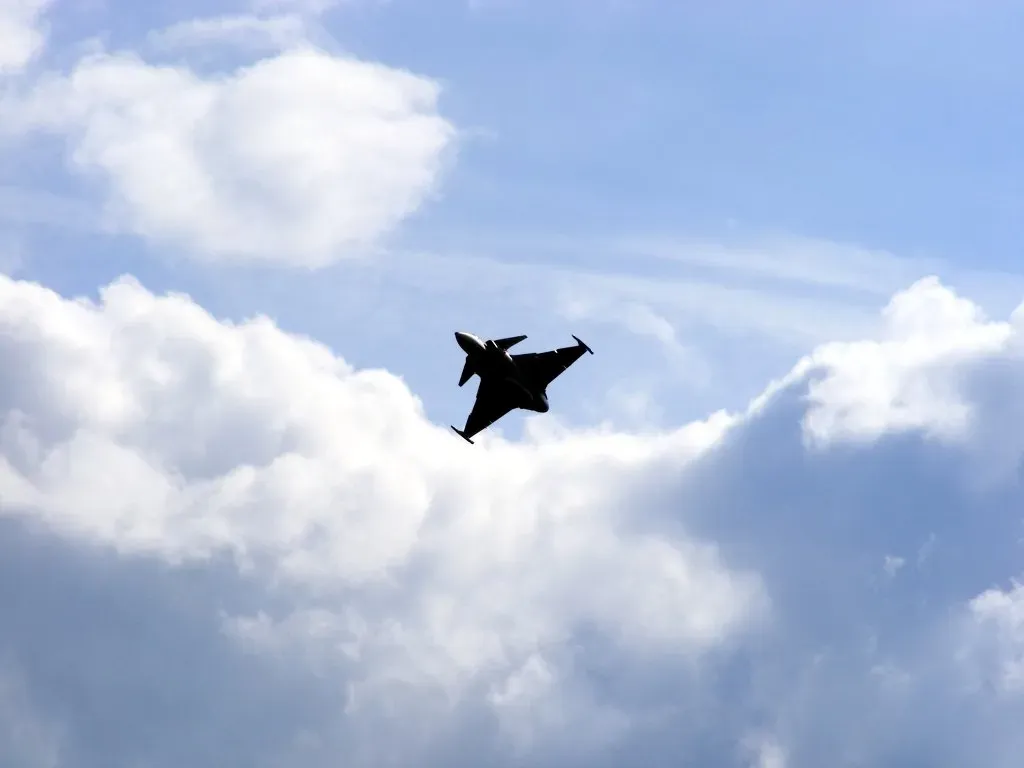
Few places have been so thoroughly mythologized and yet remain so inaccessible as the remote military installation known as Area 51. Officially part of the Nevada Test and Training Range, this dry lakebed airfield is where the United States has secretly tested high-performance aircraft and surveillance technologies for decades. The site was only formally acknowledged by the government in the twenty‑first century, long after aviation historians had linked it to projects like the U‑2 and A‑12 spy planes. Despite public fascination, the restricted airspace and armed patrols make it clear: this is not a place for casual curiosity.
The scientific story here is not about extraterrestrials, but about the way cutting-edge engineering is nurtured in extreme isolation. Experimental aircraft, radar-evading coatings, and advanced sensors all demand a place where failures can happen far from public view or foreign eyes. As a result, Area 51 has become a kind of laboratory for the physics of flight and signal detection, where classified aerodynamics and materials science quietly leap ahead of what we see in civilian aviation. Ironically, secrecy itself has fueled the site’s most persistent myths, because in the absence of open data, imagination fills the void.
Surtsey Island: A Forbidden Laboratory for Planet-Building
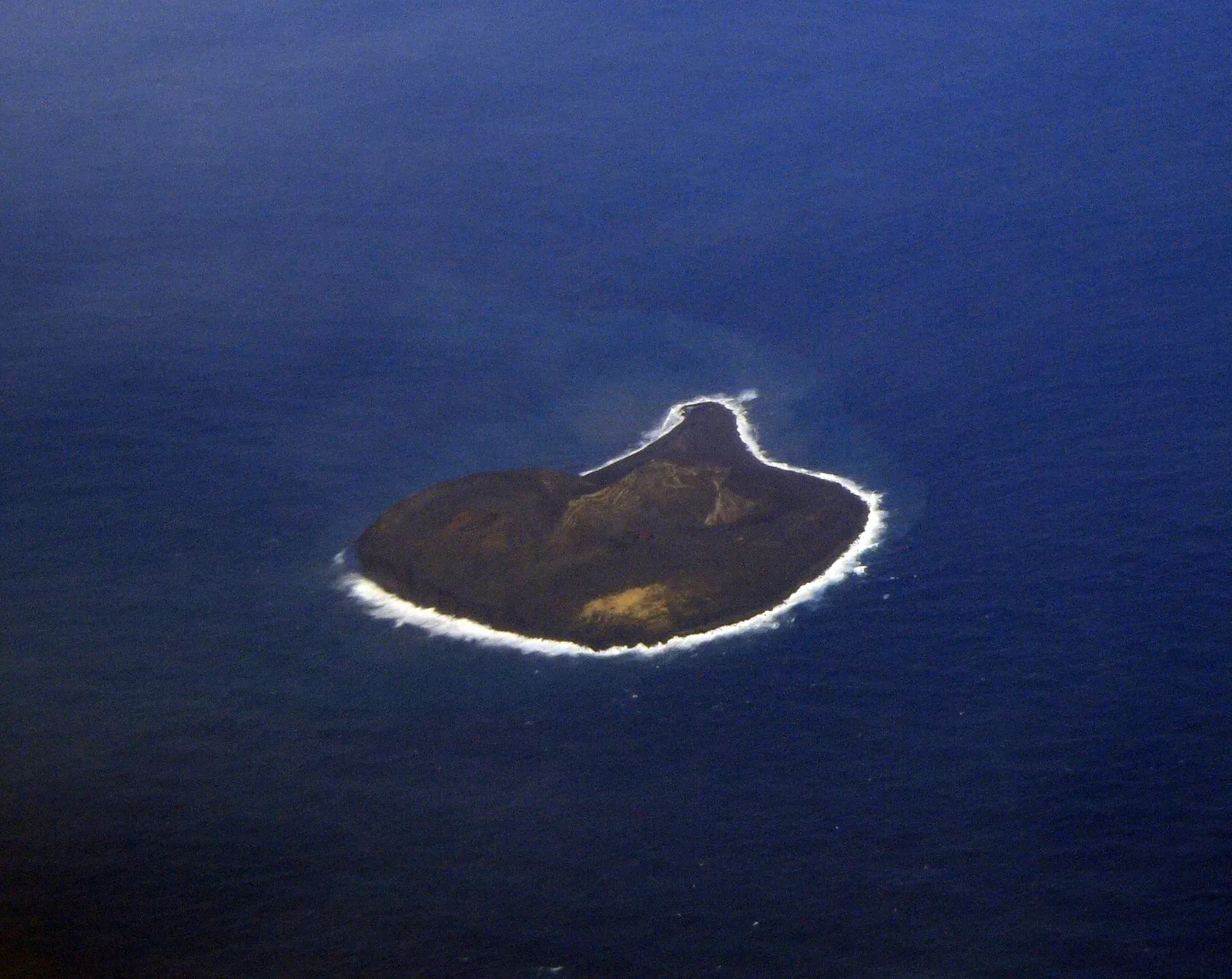
Off the southern coast of Iceland, an island appeared from the sea in the 1960s in a show of volcanic violence that looked almost staged. That island, Surtsey, is now one of the world’s most tightly controlled natural laboratories, and nearly everyone is banned from visiting without explicit scientific permission. No seeds can be carried in, no food waste left behind, and even soil on researchers’ boots is carefully regulated. The goal is radical: to watch an island build its own ecosystem from scratch, as close to untouched as we can reasonably get on Earth today.
For ecologists and geologists, Surtsey is like a real-world simulation of early Earth or even the surface of a newly formed planet elsewhere in the universe. Researchers track which species arrive first, how plants stabilize young lava and ash, and how birds, winds, and ocean currents act as vectors of life. The strict access ban is not about hoarding a scenic island, but about protecting the integrity of decades-long experiments. Every bootprint, every stray seed, could permanently skew the data, so for the sake of science, Surtsey must remain almost entirely forbidden.
The Lascaux Cave: Art, Fungus, and the Decision to Close a Masterpiece
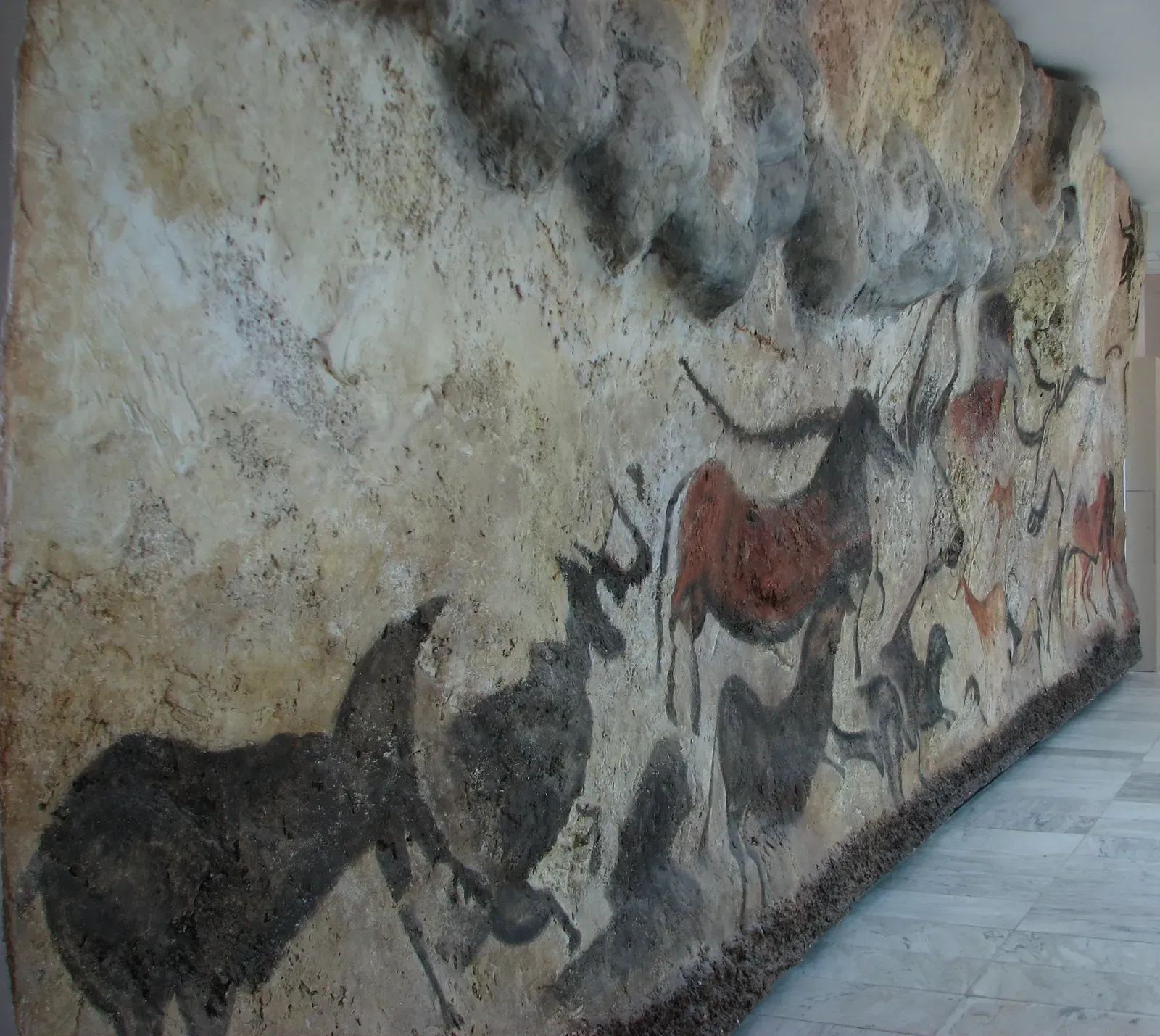
Hidden beneath a hillside in southwestern France, the Lascaux Cave holds some of the most extraordinary Paleolithic paintings ever discovered, with images of horses, bulls, and enigmatic symbols created roughly many thousands of years ago. When the cave was opened to the public in the mid‑twentieth century, visitors flooded in, breathing, sweating, and unknowingly bringing in spores and microbes. Within a few years, the ancient pigments began to suffer, as algae and fungal growths spread over the walls and climate conditions shifted. Authorities made a drastic call: close the original cave to all but a tiny number of researchers and conservators.
Today, almost no one is allowed into the true Lascaux, and the public instead visits painstakingly accurate replicas that simulate the cave geometry and art. Behind the scenes, scientists monitor temperature, humidity, carbon dioxide levels, and the microbial community with extraordinary precision, using sensors and environmental models to prevent further degradation. This is one of the clearest examples of how scientific insight can force an uncomfortable cultural compromise: to preserve a masterpiece of human prehistory, we have to accept that we will never again experience it directly. The cave remains a mystery partly because our very presence proved too damaging to bear.
Bouvet Island: The World’s Loneliest Forbidden Rock
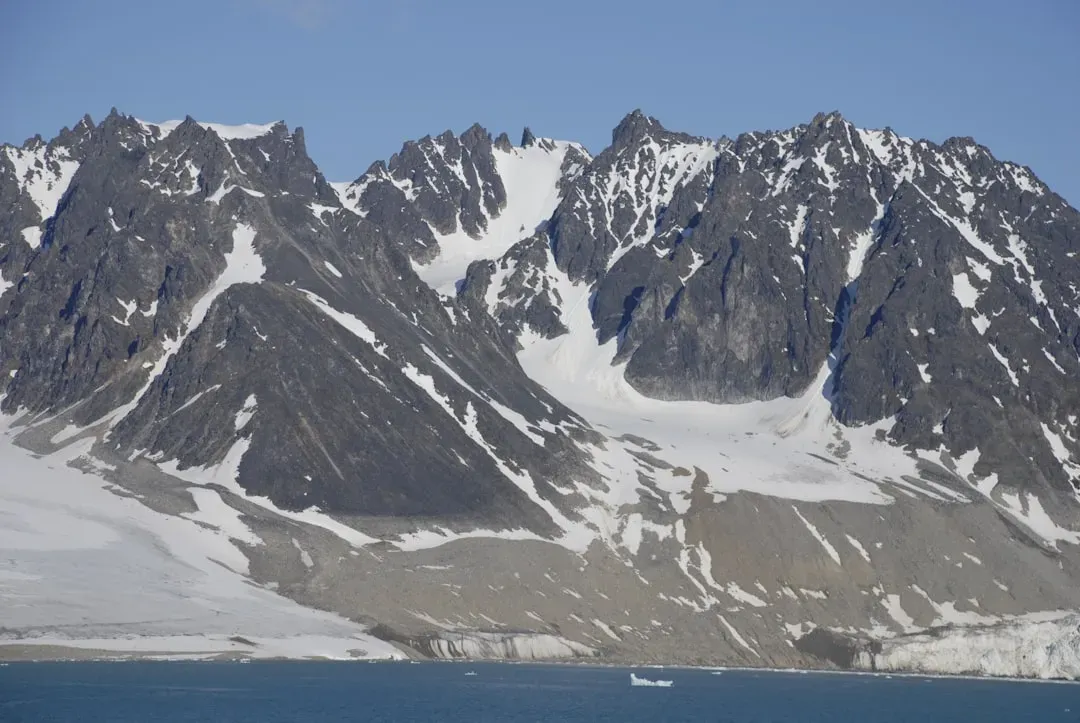
Far out in the South Atlantic, thousands of kilometers from any continent, lies Bouvet Island, a small Norwegian‑administered volcanic speck often described as the most remote island on Earth. Officially designated as a nature reserve, access is heavily restricted and landings require special permission that is rarely granted. The island is mostly glaciated cliffs hammered by brutal weather and heavy seas, making it physically hostile as well as legally off-limits. Shipwrecks and failed landings in the region underscore how unforgiving this place can be.
What makes Bouvet scientifically intriguing is its role as a natural observatory for extreme environments and climate signals. Its ice cover, penguin colonies, and marine ecosystems are all sensitive to changes in ocean temperature, sea ice dynamics, and atmospheric circulation. Studying such a site demands careful planning, remote sensing, and sometimes autonomous instruments instead of human boots on the ground. The mystery here is not about hidden civilizations, but about how much information can be extracted from a place that, by design and by nature, remains almost entirely untouched.
The Svalbard Global Seed Vault: Insurance Policy in a Frozen Mountain
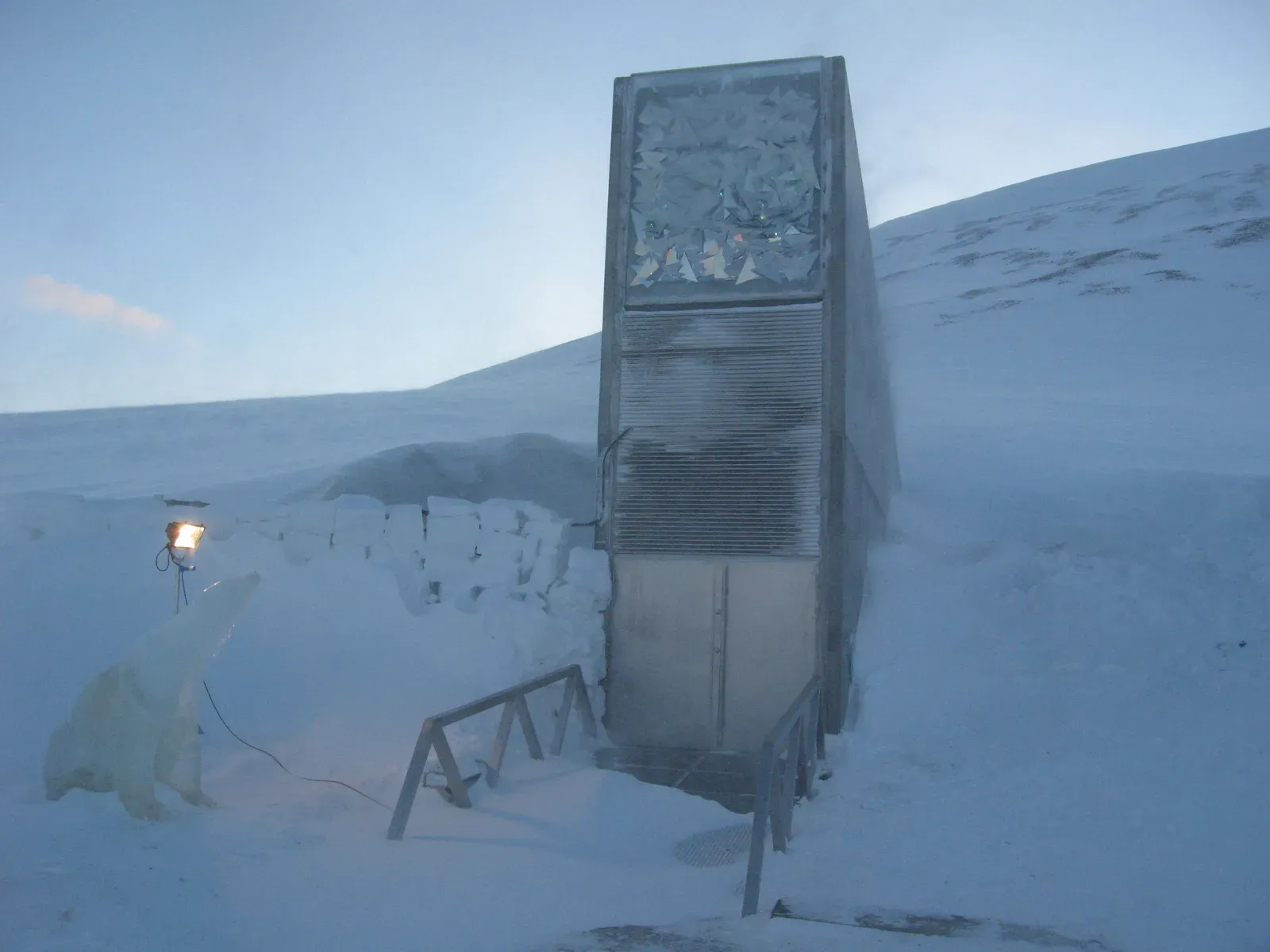
Halfway between mainland Norway and the North Pole, a concrete wedge set into a mountain looks like a piece of minimalist art dropped into the Arctic. This is the Svalbard Global Seed Vault, a secure backup facility for crop seeds from around the world, designed to protect agricultural biodiversity against disasters. Access is tightly controlled: only a small number of staff and authorized depositors are allowed inside, and the vault is not open to tourists or casual observers. The idea is simple but profound: if regional seed banks are destroyed by war, natural disaster, or neglect, the samples here can help re-start local agriculture.
From a scientific and technological standpoint, the vault is a climate‑controlled time capsule for plant genetics. Seeds are stored at low temperatures and low humidity, leveraging the naturally cold permafrost plus refrigeration to extend their viability for decades or more. The facility’s restrictions are less about mystery and more about security and stability, protecting a living archive that underpins global food systems. When people talk about forbidden places, they often imagine secret experiments; in Svalbard’s case, the secret is simply the astonishing diversity of life we depend on, preserved in carefully labeled, inaccessible shelves of frozen potential.
Snake Island (Ilha da Queimada Grande): Where Science Meets a Venomous Wall
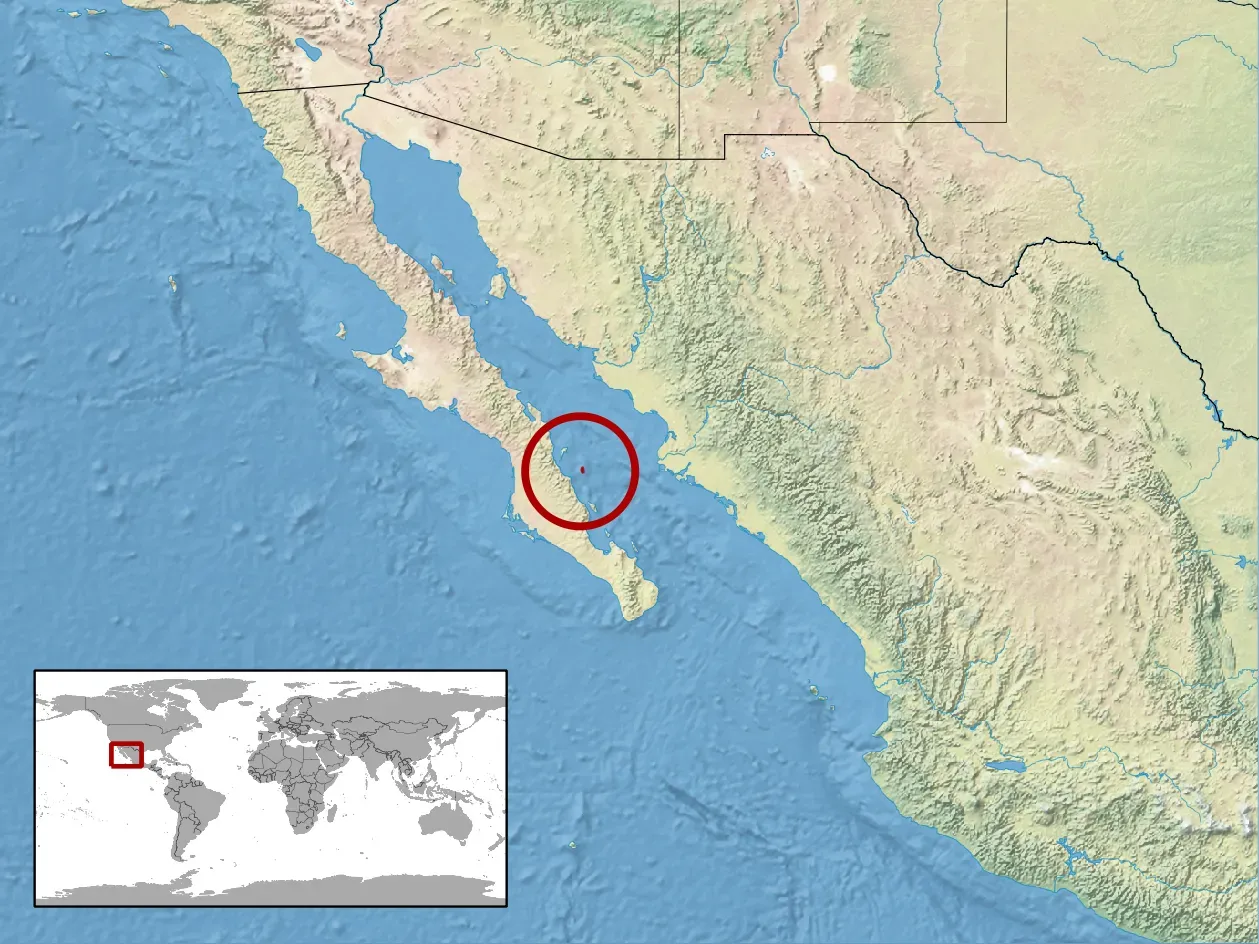
Off the coast of Brazil, there is an island so densely populated with venomous snakes that the government has essentially banned public access. Officially called Ilha da Queimada Grande, it is home to a large population of golden lancehead pit vipers, a species whose venom is medically important and potentially useful for drug development. Legends paint the island as an instant-death zone, but the reality is more measured: it is simply an environment where the risk to untrained visitors is unacceptably high. As a result, only authorized researchers and certain military or maintenance personnel are allowed to land, and even they follow strict safety protocols.
Biologists who do work there study everything from venom chemistry to population dynamics and habitat change, often under time pressure and logistical constraints. The snakes themselves have evolved unique traits compared with their mainland relatives, likely due to isolation and the island’s migratory bird traffic providing prey. This makes Snake Island an evolutionary case study, but one that cannot be opened to ecotourists without catastrophic consequences for both humans and reptiles. The sense of mystery around the island comes from the knowledge that an entire, specialized ecosystem is unfolding there out of sight, in a place most of us are legally and practically barred from ever seeing.
Why We Forbid Places: What These Sites Reveal About Modern Science and Power
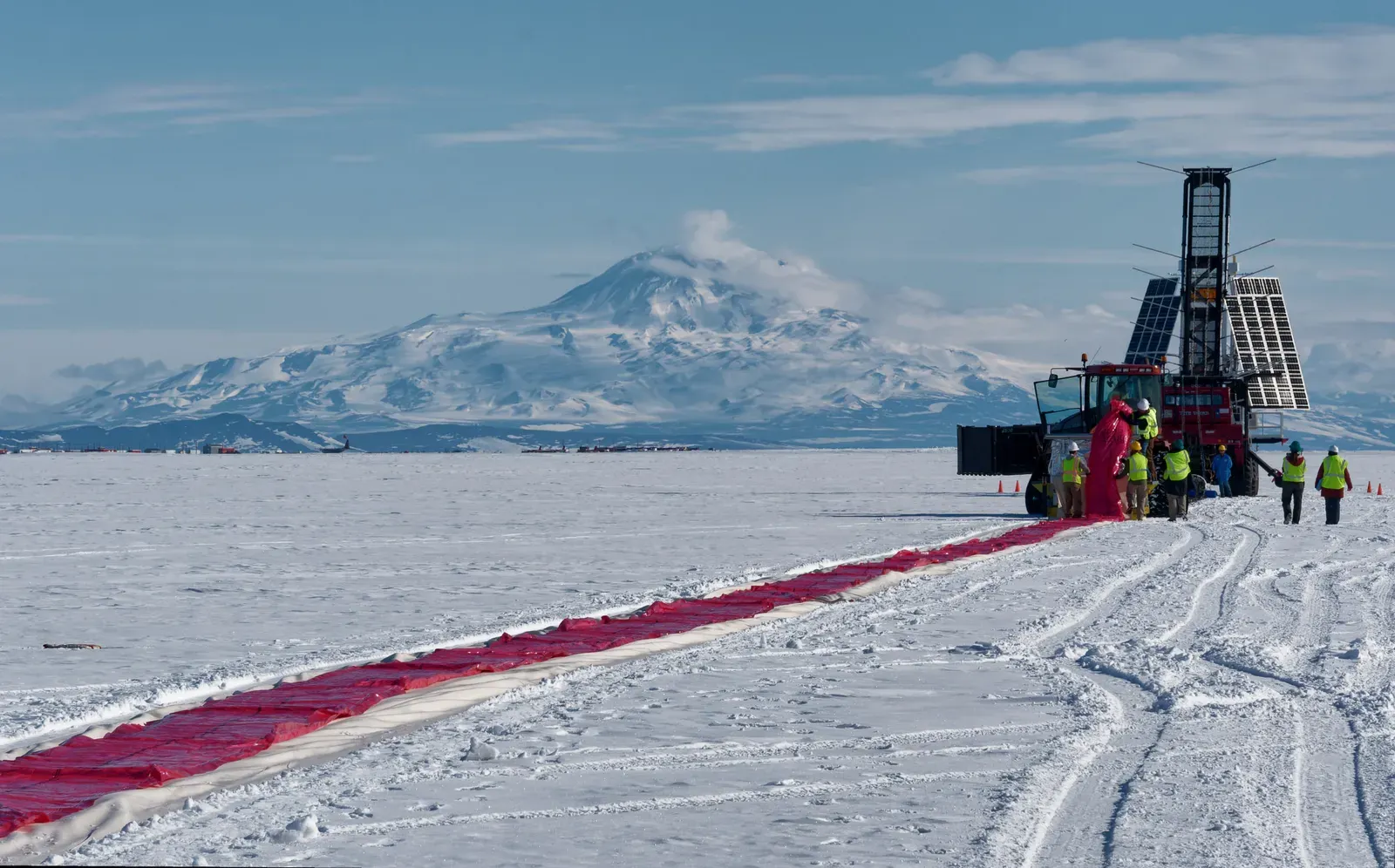
At first glance, these seven locations seem wildly different: a hostile Indigenous island, a secretive air base, a volcano‑born lab, an ancient cave, a near‑Antarctic rock, a frozen seed vault, and a snake‑covered outcrop. Yet they are linked by a common thread: each one sits at the intersection of knowledge, risk, and control. Modern science depends on carefully managed environments, whether that means shielding a new aircraft from foreign radar, protecting a fragile cave ecosystem from mold, or preserving the genetic code of crops inside a mountain. These restrictions reveal who has the authority to decide what is protected, who is allowed access, and which mysteries we consider worth keeping intact.
They also highlight a major shift from older attitudes that treated the world as something to be conquered and consumed. In previous centuries, explorers would have tried to “tame” North Sentinel Island, carve steps into Bouvet’s cliffs, or throw open Lascaux to visitors indefinitely. Now, we are more willing – if often grudgingly – to accept that some doors should stay closed for the sake of ethics, safety, or long‑term insight. In that sense, forbidden destinations double as mirrors, reflecting our current values about Indigenous rights, environmental stewardship, and the responsibilities that come with scientific power.
Looking from Afar: How to Explore These Places Without Crossing the Line
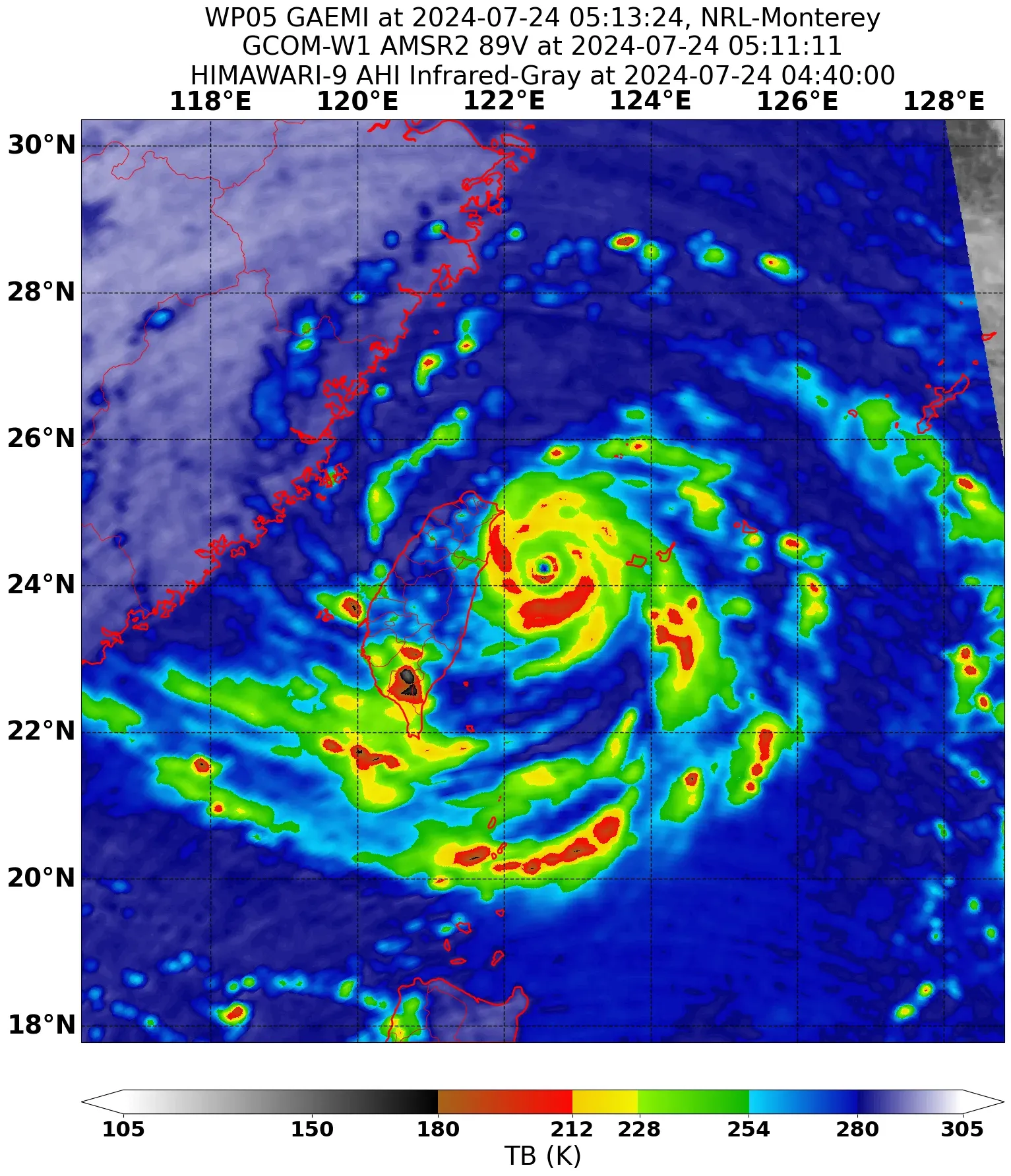
Even if you never set foot on these sites – and you almost certainly will not – you are not shut out of their stories. Satellite imagery, virtual reconstructions, museum exhibitions, documentaries, and open scientific publications all offer ways to engage with these forbidden destinations without adding to their risks. You can walk through a digital Lascaux, follow ecological field notes from Surtsey, or track new research emerging from the Svalbard seed collections and venom studies on Snake Island. In a sense, we now explore more with data and imagination than with literal footprints.
If anything, respecting the boundaries around these places is part of a broader practice of scientific literacy and global citizenship. Supporting organizations that protect Indigenous rights, fund biodiversity conservation, or open up research archives is a tangible way to participate without demanding direct access. Curiosity is powerful, but it does not need to be satisfied by physical presence to be meaningful. The next time you see a satellite photo of a restricted zone or read a study from a site you can never visit, you might ask yourself: is the mystery diminished by the distance, or made even more compelling?
Suhail Ahmed is a passionate digital professional and nature enthusiast with over 8 years of experience in content strategy, SEO, web development, and digital operations. Alongside his freelance journey, Suhail actively contributes to nature and wildlife platforms like Discover Wildlife, where he channels his curiosity for the planet into engaging, educational storytelling.
With a strong background in managing digital ecosystems — from ecommerce stores and WordPress websites to social media and automation — Suhail merges technical precision with creative insight. His content reflects a rare balance: SEO-friendly yet deeply human, data-informed yet emotionally resonant.
Driven by a love for discovery and storytelling, Suhail believes in using digital platforms to amplify causes that matter — especially those protecting Earth’s biodiversity and inspiring sustainable living. Whether he’s managing online projects or crafting wildlife content, his goal remains the same: to inform, inspire, and leave a positive digital footprint.