
Humanity has walked this earth for hundreds of thousands of years, leaving behind extraordinary marks of its existence. Some of those marks are so jaw-dropping, so puzzling, and so far ahead of their supposed time that even the sharpest minds in modern archaeology are left scratching their heads in disbelief. We’re talking about places that seem to defy logic, structures that challenge everything we think we know about our ancient ancestors.
You’d assume that with all our satellite imaging, ground-penetrating radar, DNA analysis, and artificial intelligence tools, we’d have cracked these codes by now. Honestly? We haven’t. Not even close. So buckle up, because what follows is a journey through seven of the most baffling ancient sites on Earth – places where every answer seems to generate five more questions. Let’s dive in.
1. Göbekli Tepe, Turkey – The Temple That Rewrote History
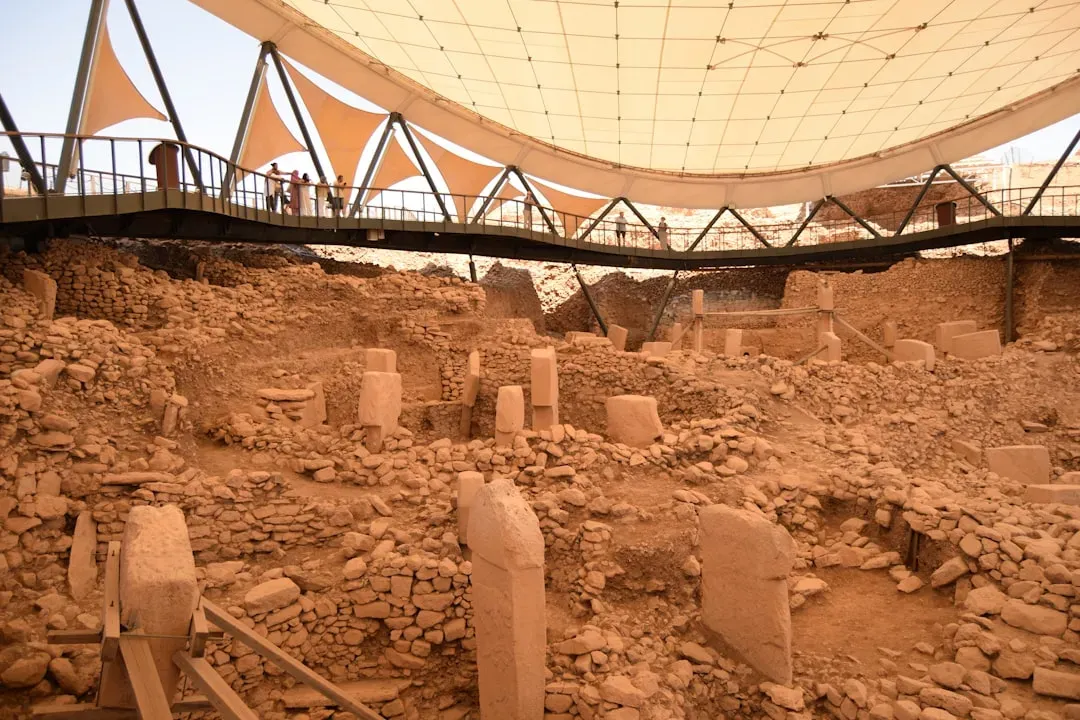
Here’s a fact that will stop you in your tracks: there is a temple in southeastern Turkey that was built roughly 12,000 years ago, predating the invention of pottery, writing, and farming. Göbekli Tepe is the world’s oldest example of monumental architecture, a temple built at the end of the last Ice Age some 12,000 years ago. That’s not a typo. This place was already ancient when Stonehenge was still just a wild plot of English grassland.
Researchers discovered that hunter-gatherers were responsible for the site, since no domesticated plants or animals have been recovered. This discovery not only challenged what we thought we knew about ancient human civilizations but also revealed that hunter-gatherers were more than simply nomadic people. In fact, they were innovative enough to use advanced architectural techniques, such as geometric patterns to mastermind and execute the construction. What’s even more remarkable is that as of 2021, less than 5% of the site had been excavated. Think about that for a moment – and then try to imagine what still lies buried beneath the surface.
2. Stonehenge, England – Britain’s Eternal Riddle
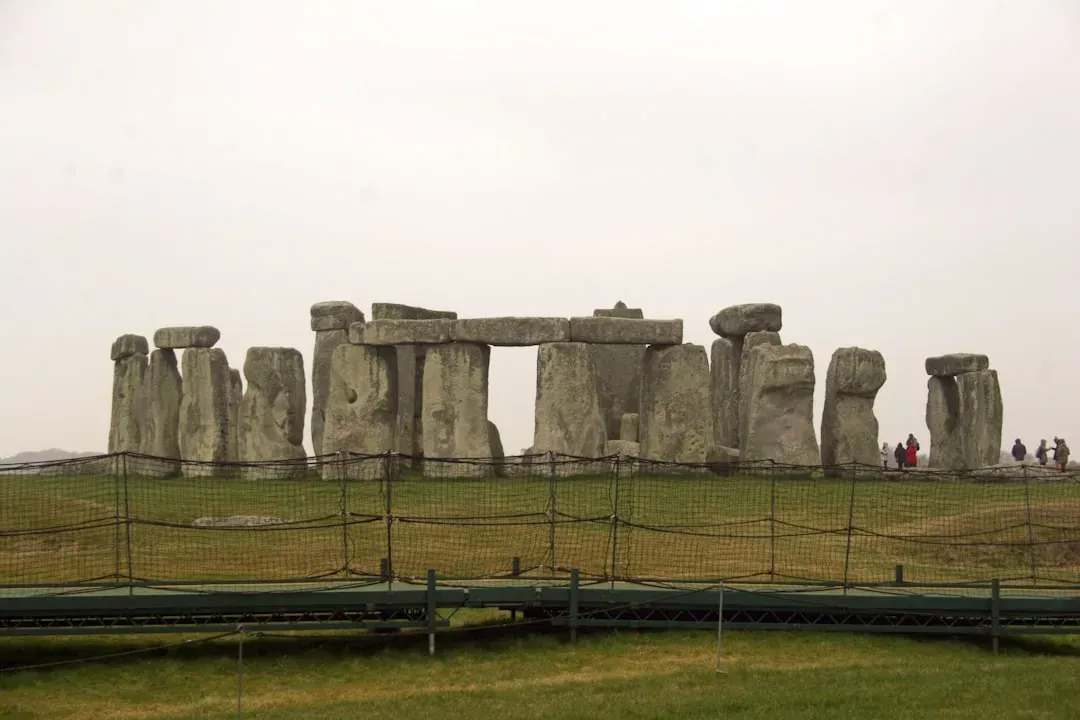
Few ancient sites capture the world’s imagination quite like Stonehenge. You’ve seen the photos, you’ve probably heard dozens of theories, and still, Stonehenge remains a testament to prehistoric logistical ingenuity, yet lacks a definitive explanation. That’s archaeologist-speak for: we really don’t know why it exists. Modern archaeology has revealed that Stonehenge was built over several generations by Neolithic and Bronze Age communities using entirely human techniques. The stones were moved from distant locations, including the Preseli Hills in Wales, and carefully shaped and erected using tools and methods available at the time.
Still, the “how” barely scratches the surface of the deeper mystery – the “why.” The function of Stonehenge is still not totally settled. The most current hypothesis is that it was a cemetery and a sanctuary for ancestor worship. To make things even more fascinating, a discovery of 17 other ritual monuments in the area surrounding Stonehenge was reported in 2014. Researchers from Birmingham University participating in the Stonehenge Hidden Landscapes Project used ground-penetrating radar to find outlying fields, a pond, a large pit, and several enclosures. Stonehenge wasn’t a lone monument – it was the centrepiece of an entire sacred landscape we’re still mapping today.
3. The Nazca Lines, Peru – Messages in the Desert
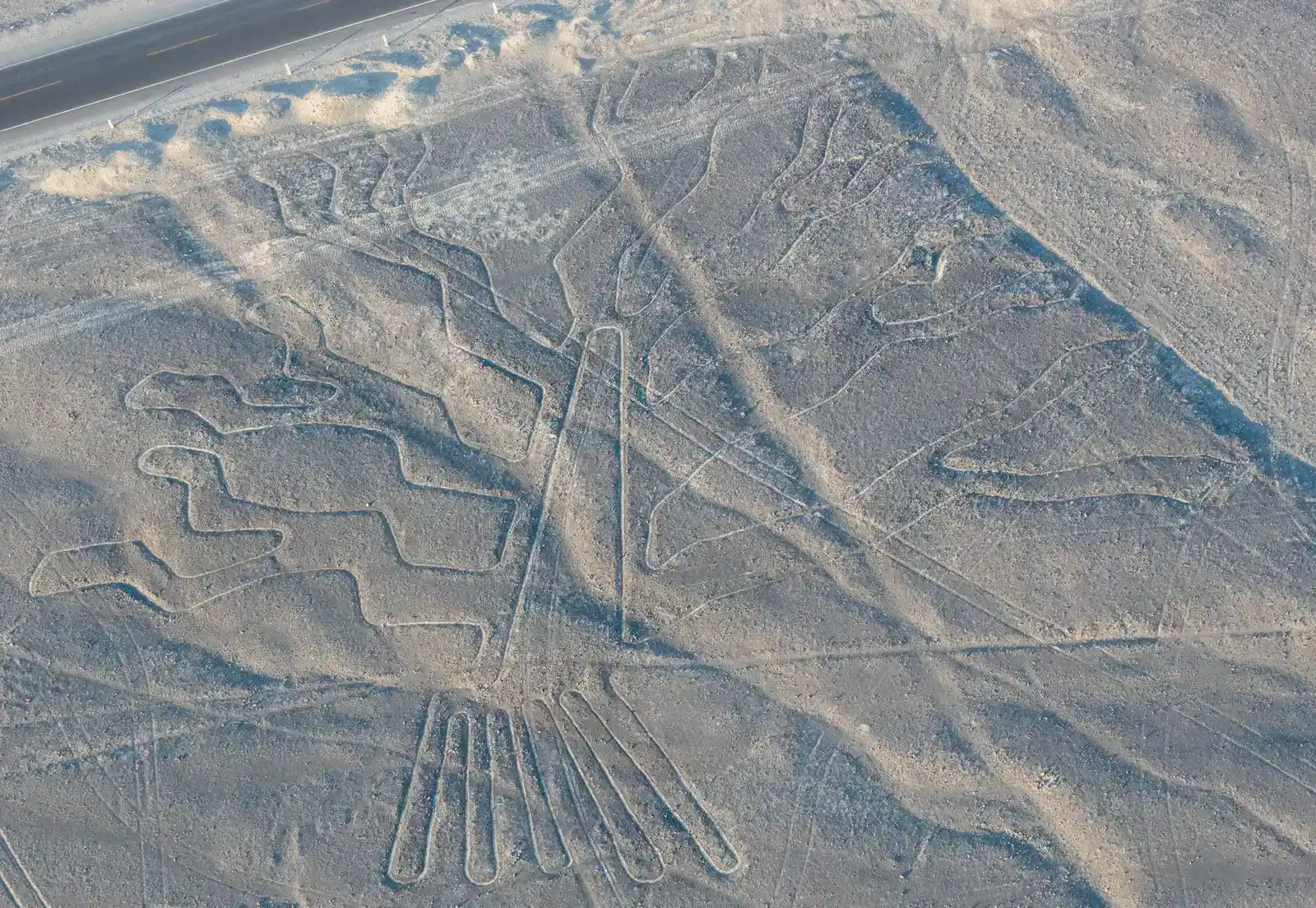
Imagine spending your life carving enormous drawings into the desert floor – drawings so large they can only be properly seen from the sky – and leaving behind absolutely no written explanation whatsoever. That’s essentially what the Nazca people of Peru did, and it continues to baffle researchers to this day. The Nazca Lines consist of thousands of geoglyphs created by removing surface stones to expose lighter soil beneath. While the construction technique is understood, the purpose remains elusive. The designs are best viewed from above, raising questions about intended observers and function.
With several hundred lines creating geometric shapes, trees, flowers, and over 70 animal shapes, such as birds, monkeys, llamas, fish, jaguars, whales, and lizards, the sheer variety alone is stunning. Theories range from astronomical calendars and water rituals to ceremonial pathways. Despite extensive study, no single explanation accounts for all features. I think what makes the Nazca Lines particularly eerie is not just their scale, but their silence. Whoever made them, they took their reasons to the grave – and the desert has been guarding those secrets for well over a thousand years.
4. Puma Punku, Bolivia – Stonework That Defies Explanation
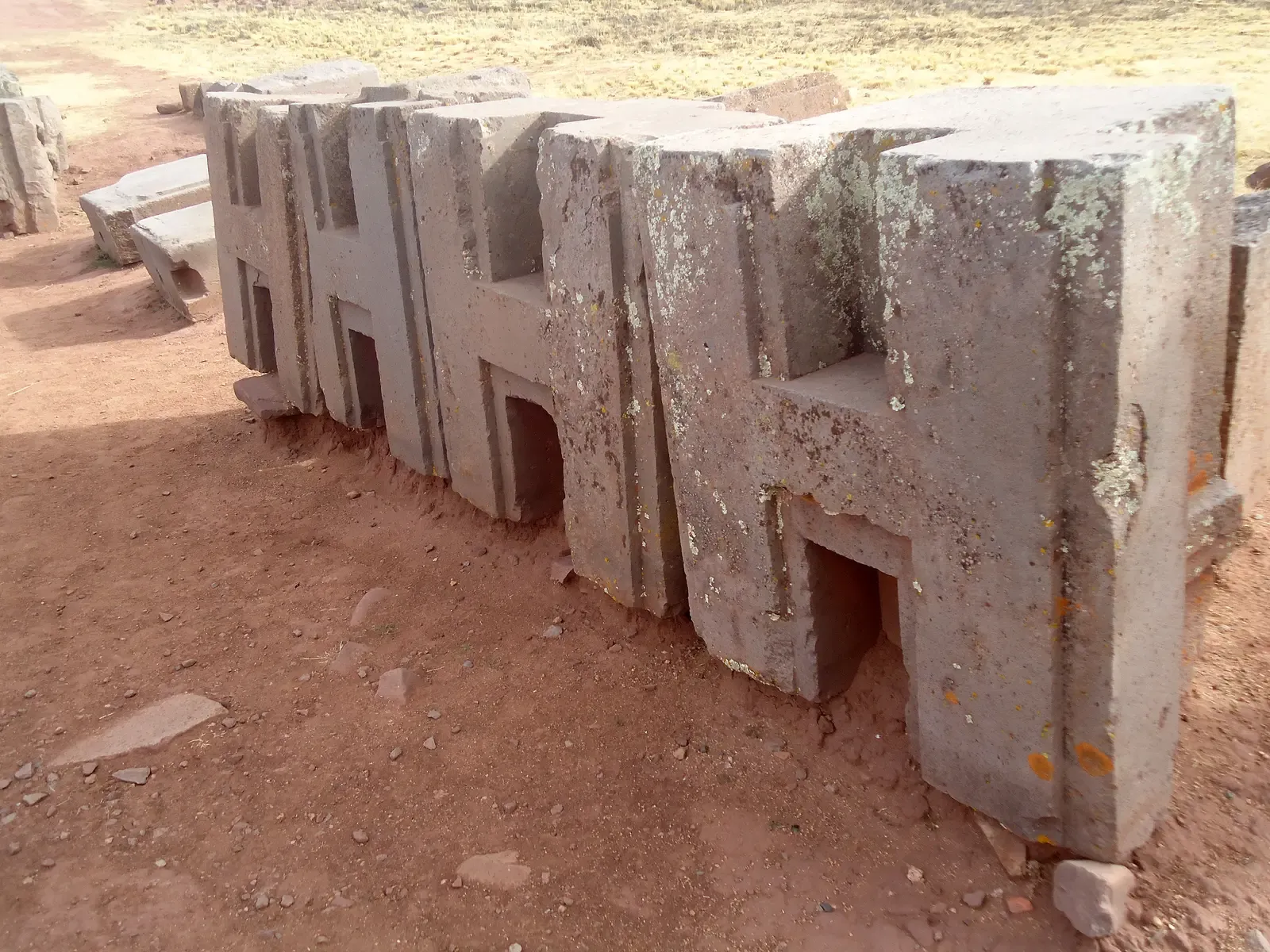
High up on the Bolivian altiplano, near the shores of Lake Titicaca, sits a site so precisely engineered that it has sparked centuries of debate, wild theories, and genuine scientific bewilderment. Puma Punku is a 6th-century T-shaped and strategically aligned man-made terraced platform mound with a sunken court and monumental structure, near Tiwanaku, La Paz, Bolivia. It is part of the Tiwanaku Site, an ancient archaeological complex that has been designated a UNESCO World Heritage Site. What makes it so controversial is the stonework itself – the kind of precision that makes modern engineers raise an eyebrow.
The stone retaining walls were precision-cut in H-shapes that mystify archaeologists. If the stones were quarried from a nearby dormant volcano, the tools and means to transport them to the site remain a mystery. The stones fit together so precisely there isn’t enough space for a razor blade to fit between them. The largest of Puma Punku’s stone blocks is 7.81 metres long, 5.17 metres wide, and is estimated to weigh about 131 tonnes. Moving a stone that size, across difficult mountain terrain, without modern machinery? Let’s just say that “ingenuity” feels like an understatement. It’s hard to say for sure exactly how they did it, but the end result speaks volumes about the sophistication of the Tiwanaku civilization.
5. Sacsayhuamán, Peru – The Incan Fortress That Shouldn’t Exist
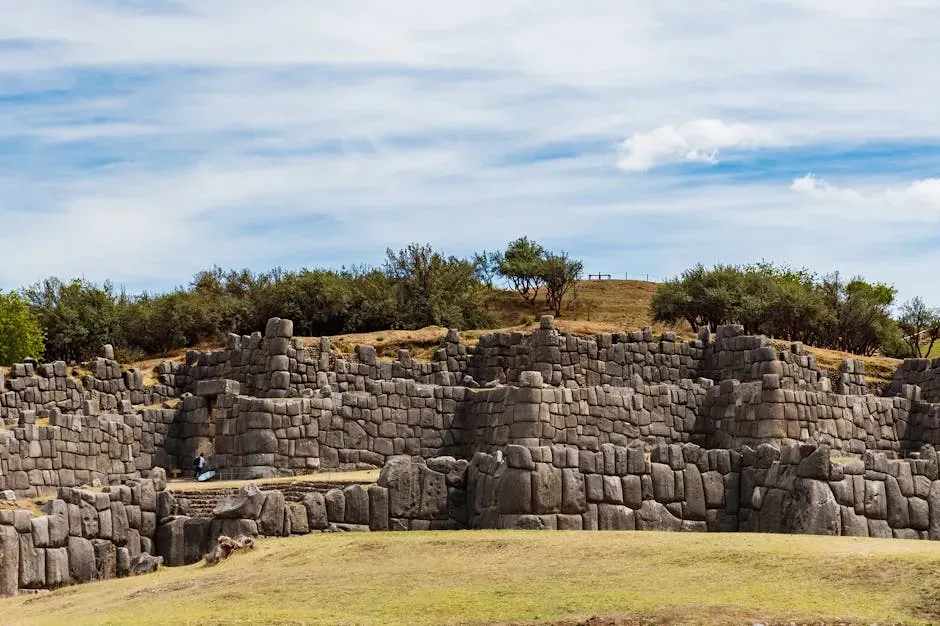
Just outside the city of Cusco in Peru stands a structure so extraordinary that the Spanish conquistadors who first encountered it refused to believe humans had built it. The fortress of Sacsayhuamán features massive limestone blocks fitted together without mortar, some weighing over 100 tons. The precision of these irregularly shaped blocks is so extreme that modern replicas would require advanced computer modeling to achieve. The seams between stones are so tight that not even a sheet of paper can be inserted. That last detail isn’t just impressive – it’s frankly humbling.
Sacsayhuamán continues to present a headscratcher to archaeologists trying to figure out how the ancient civilization moved and placed the 100-tonne stones at the site. Although it was built in the 15th century, the site is thought to have been inhabited since 900 AD. The Incan stone structure in Cusco was initially thought to be a fortress or a place for ceremonies. Its true function remains unknown. Think of it like a jigsaw puzzle assembled in the dark, by a civilization working at altitude, without the luxury of steel tools or any written engineering manual. The result is a masterpiece that modern construction would struggle to replicate even today.
6. The Antikythera Mechanism, Greece – An Ancient Computer Lost in Time
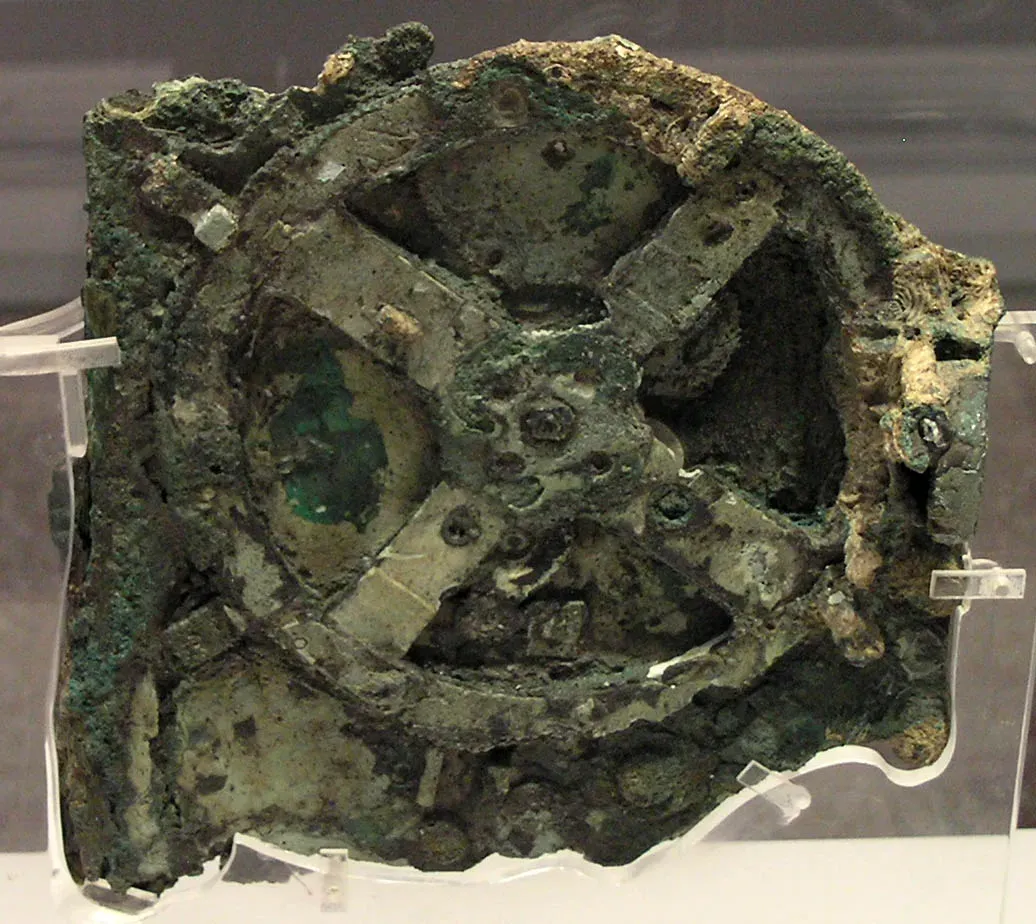
This one isn’t a site in the traditional sense – it’s an object so out-of-place in history that it effectively rewrites the story of ancient Greek technology. Discovered in 1901 in a shipwreck off the coast of the Greek island of Antikythera, this intricate device has puzzled historians, archaeologists, and scientists for over a century. What exactly is it? The Antikythera mechanism is an ancient Greek hand-powered model of the Solar System. It is the oldest known example of an analogue computer. It could be used to predict astronomical positions and eclipses decades in advance.
The Antikythera Mechanism challenges modern perceptions of ancient technological capabilities. The device employs differential gearing, a concept thought to have been developed only in the Middle Ages. The machine exhibited a level of technological sophistication no one dreamed was possible when it was built at least 2,000 years ago. Europe produced nothing to equal it until the geared clocks of the Medieval period, more than a thousand years later. There’s something deeply unsettling about that gap. It’s as though someone had a smartphone in the Bronze Age, and then the knowledge just… vanished. Either way, the Antikythera Mechanism represents the apex of ancient engineering expertise. Despite modern technology and tools such as CT scans, its ultimate purpose may stay forever mysterious.
7. Karahantepe, Turkey – The New Göbekli Tepe on the Block
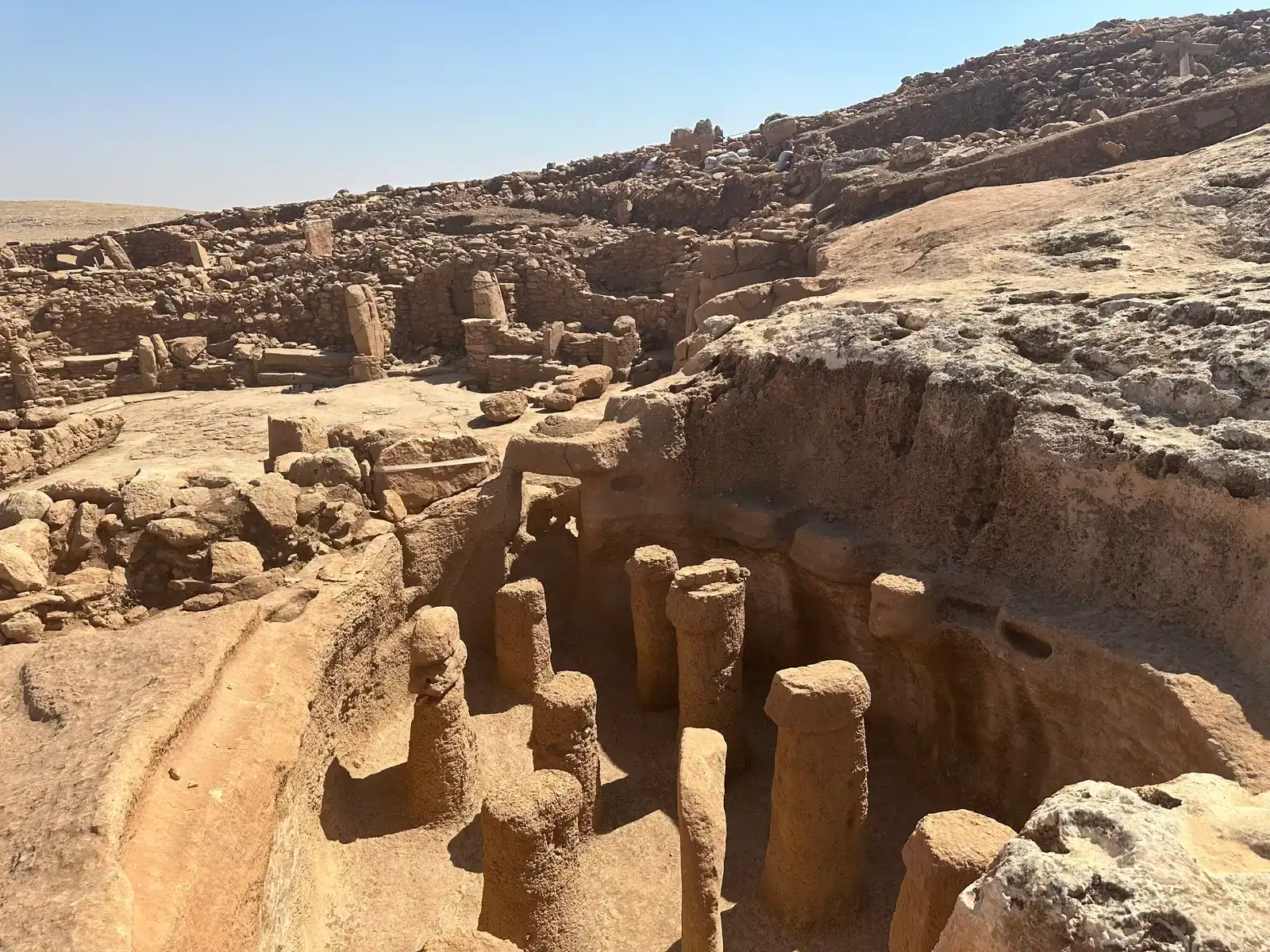
You may not have heard of Karahantepe yet, but trust me – this site is rapidly becoming one of the most talked-about places in the archaeological world. At the Neolithic site of Karahantepe in southeastern Turkey, archaeologists uncovered a massive circular structure resembling a modern amphitheater. Dating back roughly 11,000 years, the building features tiered stone seating and carved human and animal figures, demonstrating that monumental communal architecture existed long before agriculture became widespread. The structure suggests that hunter-gatherer societies were capable of organizing large-scale construction projects and maintaining complex social and ritual systems.
What sets Karahantepe apart from its famous neighbour Göbekli Tepe is the sheer intimacy of its carvings and the unsettling detail of its human figures. Most notable at this kind of site are the large circular structures or enclosures that contain massive carved and shaped megaliths featuring carved anthropomorphic figures, clothing, and wild animals. The carvings feel personal in a way that older megalithic sites do not. Ancient civilizations accomplished feats of engineering that continue to challenge modern understanding. Despite advances in archaeology, materials science, and experimental reconstruction, several monumental structures and the methods by which they were built remain a mystery. These mysteries persist not because the structures were poorly preserved, but because the technical knowledge behind them was never recorded. Karahantepe may be the most recent reminder that the ancient world still has extraordinary secrets left to share.
The Bigger Picture: What These Sites Tell Us About Ourselves
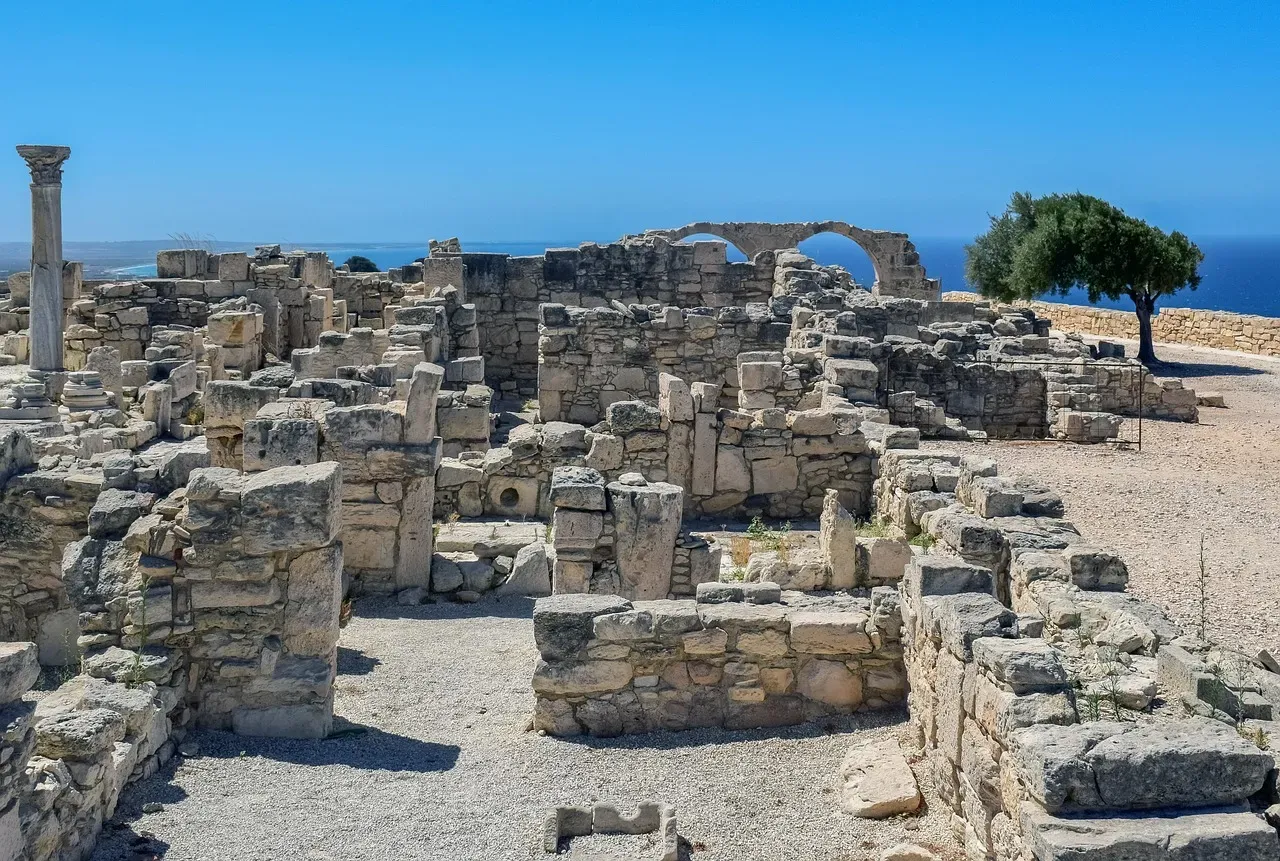
Looking at all seven of these sites together, a clear and somewhat humbling theme emerges. Each find adds another piece to the vast puzzle of human history, revealing the ingenuity, artistry, beliefs, and daily lives of our ancestors. The deeper we dig, both literally and metaphorically, the more we realize that our ancestors were far more capable, creative, and organised than we ever gave them credit for. They weren’t primitive. They were just different – and in many ways, astoundingly brilliant.
What’s particularly striking is that every single one of these sites raises the same uncomfortable question: what else are we missing? What makes these sites remarkable is not only their scale but also the precision, logistics, and coordination they entail. In many cases, massive stones were quarried, transported, and assembled with accuracy that would strain even modern machinery. Every time archaeologists think they’re getting closer to an answer, the ground offers up a new surprise. That, honestly, is what makes this field so endlessly fascinating.
The mysteries locked inside these ancient sites are more than just historical puzzles. They’re mirrors. They reflect the extraordinary potential of human beings when driven by belief, community, and purpose – even without a single piece of modern technology in sight. The next breakthrough discovery could be happening right now, beneath someone’s feet, in a field no one has thought to look at twice. Which one of these seven sites surprises you the most? Drop your thoughts in the comments – the conversation is just getting started.