


They loom on desert plateaus, cling to mountain ridges, and hide beneath jungle canopies – vast stone patterns, carved lines, and precise alignments that refuse to explain themselves. Archaeologists can date the stones, trace the tools, and map the terrain, but in many cases, the “why” behind these ancient sites is still disturbingly out of reach. In an era when satellites can count individual trees, we’re still guessing at the intentions of people who moved mountains with stone tools. That tension – between high-tech certainty and deep-time mystery – is exactly what makes these places so compelling to researchers today. As new methods from drone mapping to microscopic residue analysis come online, scientists are circling closer to answers, even as the biggest question remains: what were these people really trying to do?
The Nazca Lines, Peru: Giant Geoglyphs No One Was Meant to See Up Close
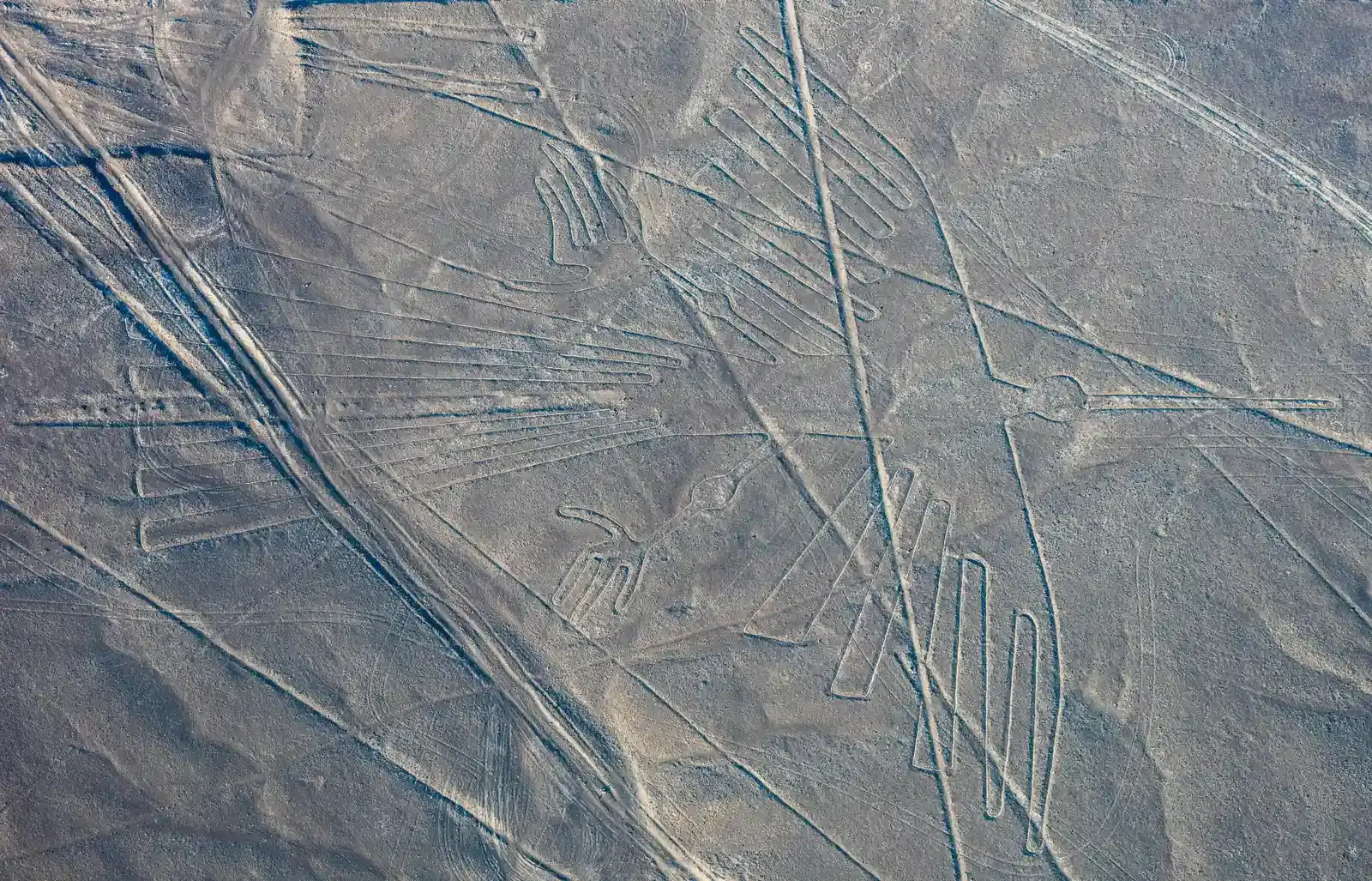
From the ground, the Nazca Desert is a wind-scoured emptiness of pale stones and dust; from the air, it suddenly blooms into hundreds of lines, geometric shapes, and animal figures stretching over dozens of miles. These geoglyphs, created by scraping away dark surface rocks to reveal lighter sediment beneath, are estimated to be more than a millennium and a half old. Some are simple straight lines running arrow-like toward the horizon, while others depict hummingbirds, spiders, monkeys, and stylized humans with outstretched arms. What unsettles archaeologists is how little sense these images make at ground level, where ancient people actually walked. You only grasp their full beauty and order from high above, a vantage point no Nazca artist could reach.
Researchers have floated almost every theory imaginable, from processional walkways and ritual calendars to markers linked to underground water sources. Recent computer analyses of line orientations suggest that several figures point toward solstice sunrises or significant stars, hinting at astronomical functions layered over ceremonial use. Drone-based 3D mapping has revealed previously unknown, faint geoglyphs, implying that what we see now is just the surviving subset of a once-denser ritual landscape. Yet there is no definitive link between any one figure and a specific activity like planting, sacrifice, or pilgrimage. The result is a site where the engineering is obvious, the labor investment is enormous, and the underlying purpose is still maddeningly opaque.
Göbekli Tepe, Turkey: Monumental Temples Before Farming, For Reasons We Still Don’t Grasp
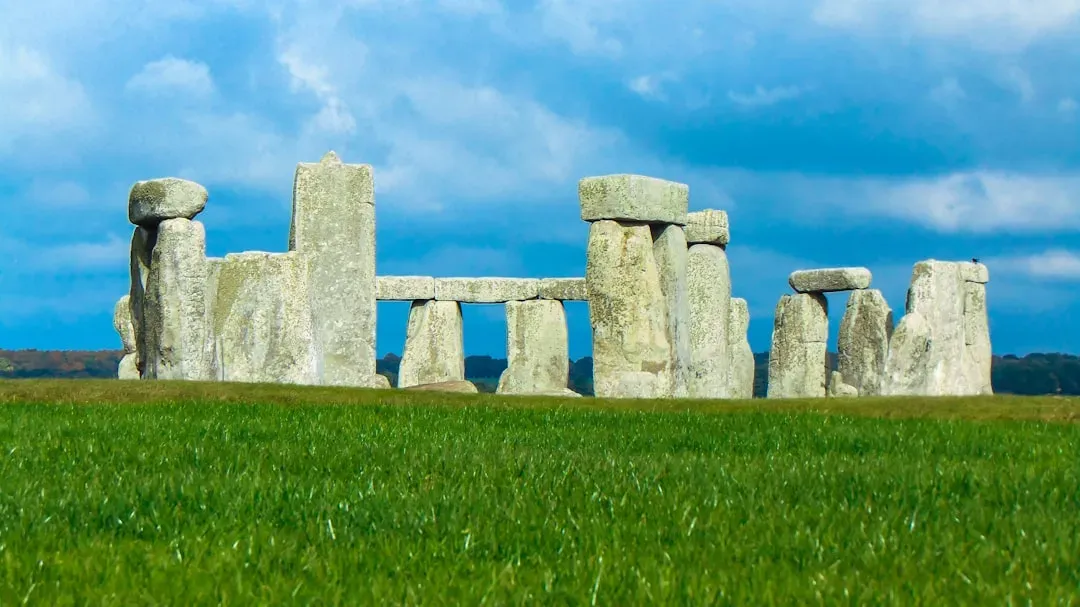
On a low hill in southeastern Turkey, T-shaped stone pillars arranged in circles have forced archaeologists to rewrite the story of civilization. Göbekli Tepe is more than ten thousand years old, built at a time when communities in the region were just flirting with early agriculture and still relied heavily on hunting and gathering. The pillars, some weighing many tons, are covered with carved animals – lions, snakes, vultures, scorpions – rendered with a confidence that suggests practiced artisans. This looks, feels, and functions like a ritual center or temple complex, yet it predates permanent villages and domesticated crops in the area. That inversion of the usual sequence – first farms, then temples – has shaken long-held assumptions about what drove people to build big.
Excavations and residue analyses show that people gathered here repeatedly, perhaps seasonally, to feast on wild game and drink fermented beverages, which would have required coordinated effort and planning. Some archaeologists argue that the social and spiritual pull of places like Göbekli Tepe may have pushed people toward farming, rather than the other way around. Others point out that there are no obvious burial chambers or living spaces, leaving open whether this was a ceremonial stage, a cosmic map in stone, or something more like a shared supra-tribal meeting ground. Even the deliberate burial of the site by its own builders – entombing the stone circles under tons of infill – adds a final twist. They did not just abandon this place; they carefully hid it, as if putting an entire worldview to rest.
Puma Punku, Bolivia: Precision Stonework in the Thin Air of the Andes
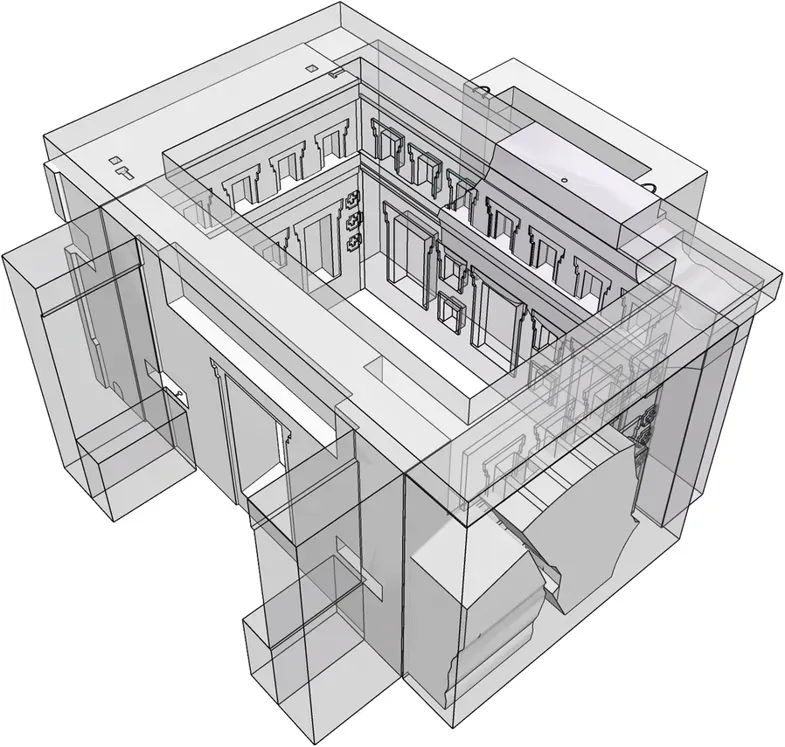
High on the Andean altiplano near Lake Titicaca, the ruins of Puma Punku look, at first glance, like an explosion in a megalithic workshop. Massive sandstone and andesite blocks lie scattered in jumbled heaps, some shaped into sharply carved “H”-blocks that fit together with interlocking precision. The cuts are strikingly straight, the angles tight, the surfaces so flat in places that modern archaeologists have measured deviations smaller than a credit card’s thickness. These details have made Puma Punku a magnet for wild speculation, from lost hyper-advanced cultures to extraterrestrial assistance. The real story is likely human – and more interesting – but still not fully understood.
Archaeological surveys tie Puma Punku to the Tiwanaku civilization, which flourished roughly a millennium and a half ago, long before the Inca. Researchers have identified ramps, platforms, and drainage systems hinting at a planned ceremonial complex rather than a random scatter of stones. Experimental archaeologists have demonstrated that stone tools, sand abrasion, and patient labor can indeed reproduce similar precision, undercutting claims that such work was impossible without metal saws. Yet a crucial question lingers: what exact function did this terrace of exquisitely carved blocks serve within Tiwanaku society? No clear central shrine, no obvious astronomical alignment, and no extensive inscriptions have emerged to provide context, leaving Puma Punku as a meticulously built stage whose performance we can no longer see.
Nabta Playa, Egypt: A Stone Circle Older Than Stonehenge in a Vanished Lakebed
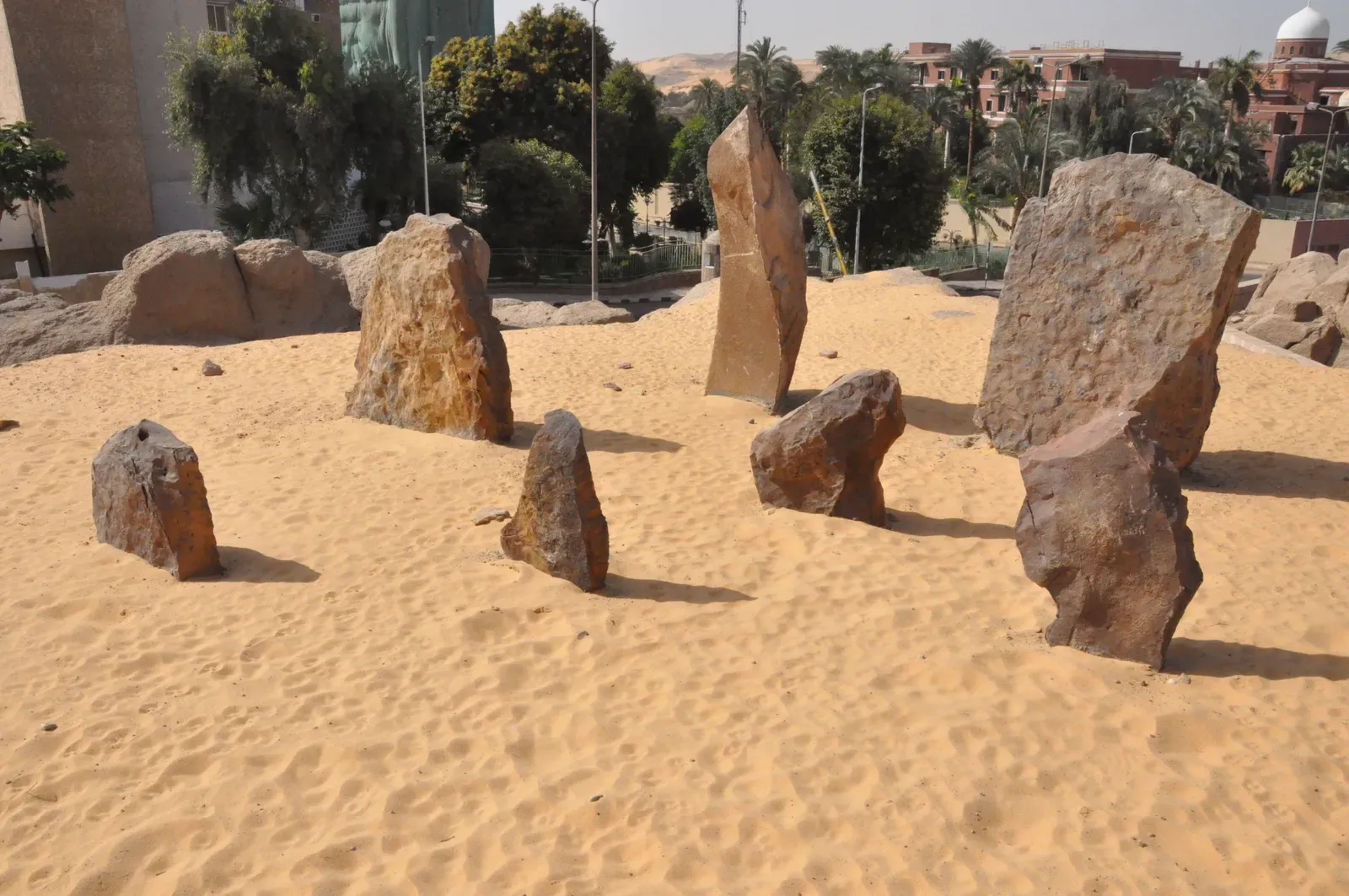
Long before the pharaohs raised pyramids along the Nile, pastoral communities gathered around a seasonal lake deep in what is now the Nubian desert. At Nabta Playa, a ring of standing stones and a series of aligned megaliths rest on what used to be a lakebed, now a desolate stretch of sand and rock. Radiocarbon dating suggests that parts of this site are older than Stonehenge, pushing sophisticated stone placement in North Africa back several thousand years. Some stones appear to align with solstice sunrises or key star positions, pointing to early sky-watching traditions. Others are associated with buried cattle remains, hinting at rituals around livestock that later became central to religious symbolism in the Nile Valley.
Despite decades of fieldwork, the precise purpose of Nabta Playa remains unsettled. Was it primarily an astronomical observatory used to time migrations, feasts, or rainy seasons? Or was the sky-watching folded into broader rituals centered on cattle veneration and social gatherings? Researchers using computer simulations of ancient night skies have proposed alignment patterns, but the small number of standing stones makes statistical certainty hard to achieve. Meanwhile, erosion, looting, and climate change threaten the fragile remains, erasing clues even as the questions sharpen. In this parched basin, a handful of stones and bones holds the outline of a belief system that never left written records.
The Hypogeum of Ħal Saflieni, Malta: An Underground Sound Lab Without a Clear Purpose
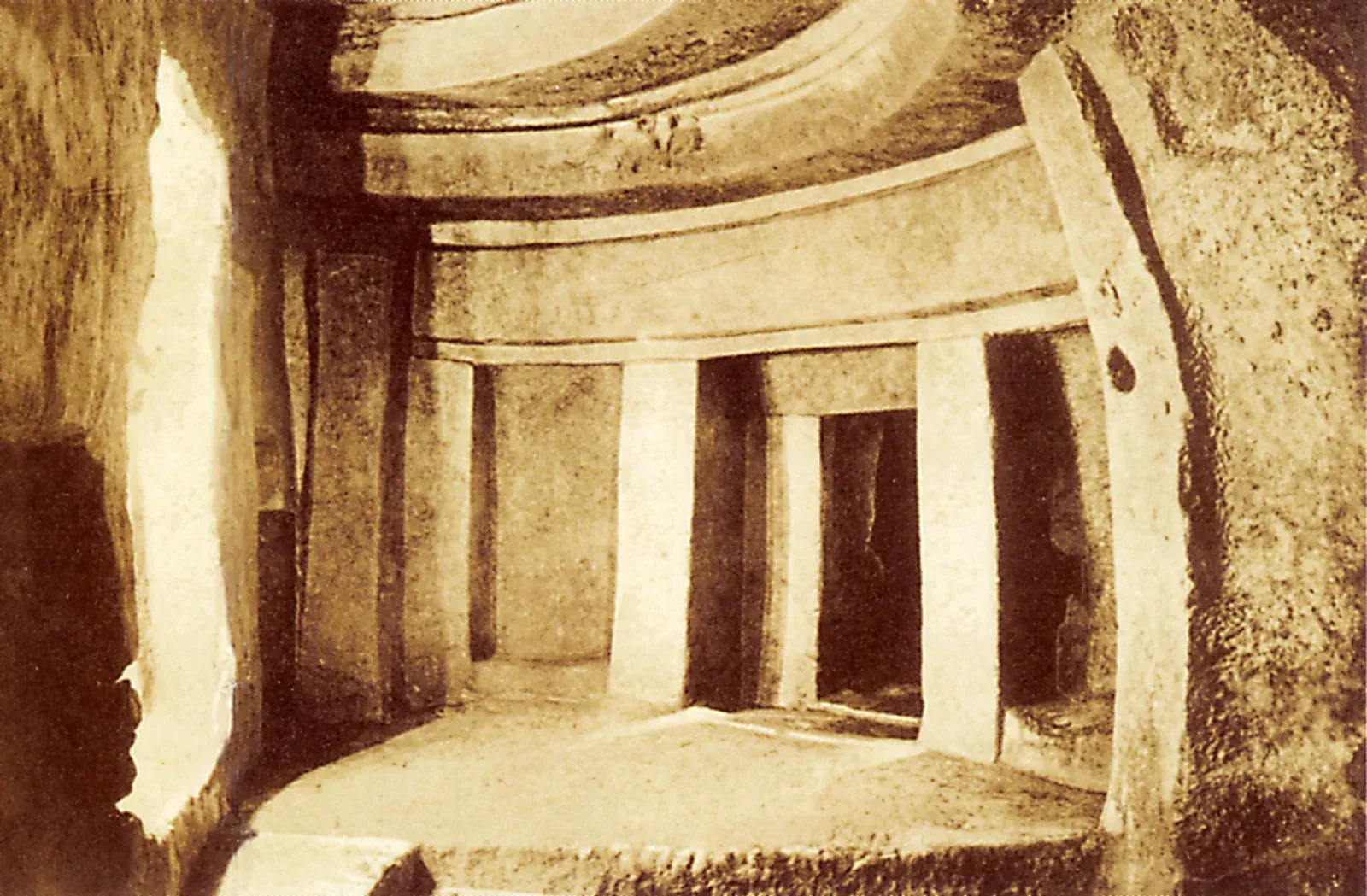
Beneath a quiet neighborhood in Malta lies a honeycomb of carved chambers, stairways, and niches known as the Hypogeum of Ħal Saflieni. Cut into limestone more than five thousand years ago, this multi-level underground complex features smoothly curved walls, painted ceilings, and carefully shaped cavities that feel both intimate and disorienting. Archaeologists have uncovered human remains, small figurines, and offerings, suggesting some mix of burial and ritual activity. But it is the acoustics that have captivated modern researchers: a low male voice spoken in one chamber can resonate through the complex with an eerie, amplified hum. It feels less like a tomb and more like an engineered soundscape.
Acoustic studies have found that certain frequencies, especially in the range of deep chanting, are dramatically enhanced in specific rooms, potentially inducing altered states of perception in listeners. This has led to theories that the Hypogeum was used for rituals where sound played a central role, perhaps to dramatize speeches or create a sense of presence beyond the human. At the same time, the presence of burials complicates any single-function explanation, since spaces of the dead and spaces of performance are intertwined. No inscriptions or clear iconography explain what participants believed they were hearing down there. In the end, we’re left with a structure that behaves like a prehistoric sound lab – and a ritual text that has been entirely lost.
The Carnac Alignments, France: Oceans of Standing Stones Marching Toward an Unknown Goal
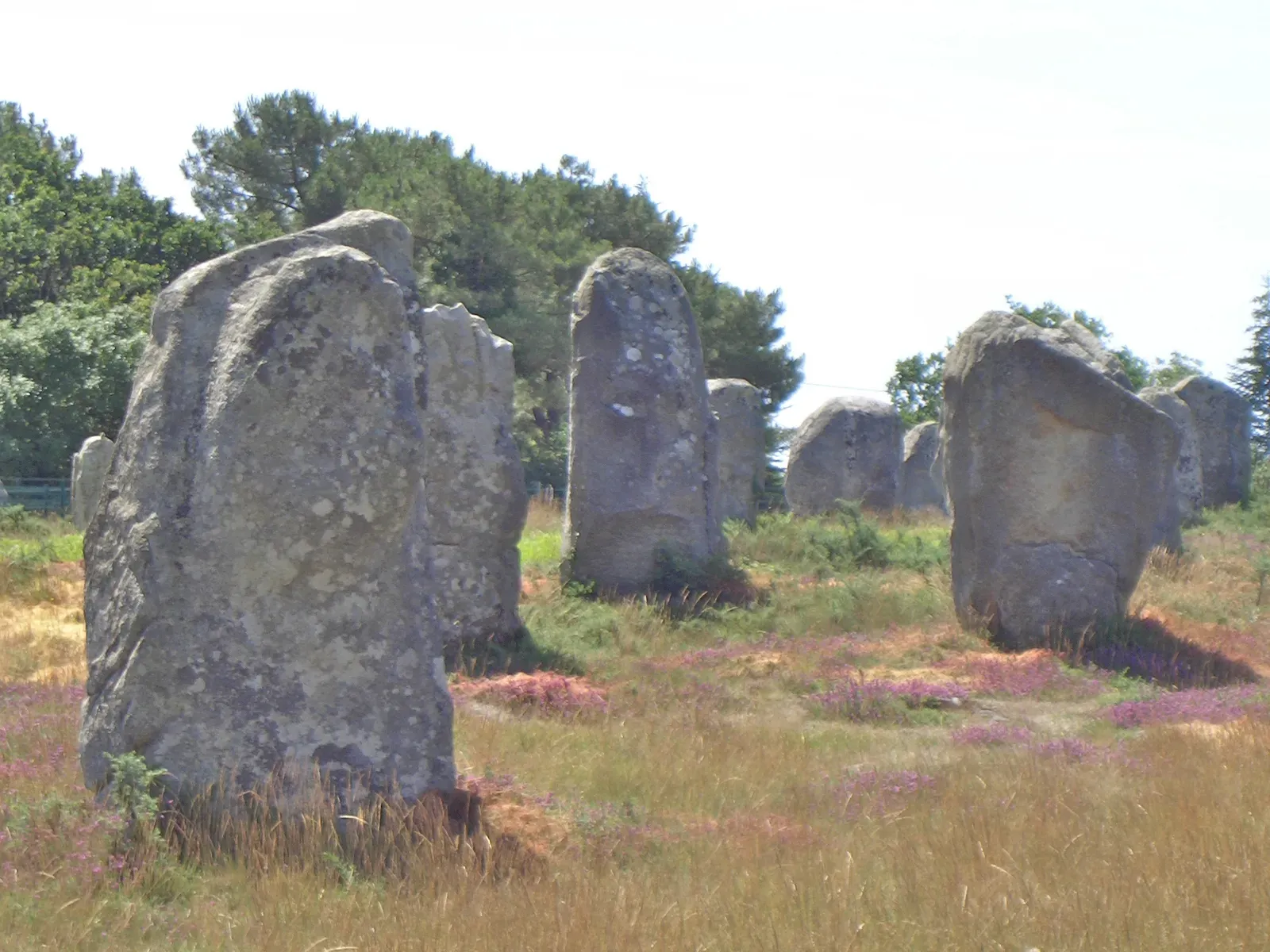
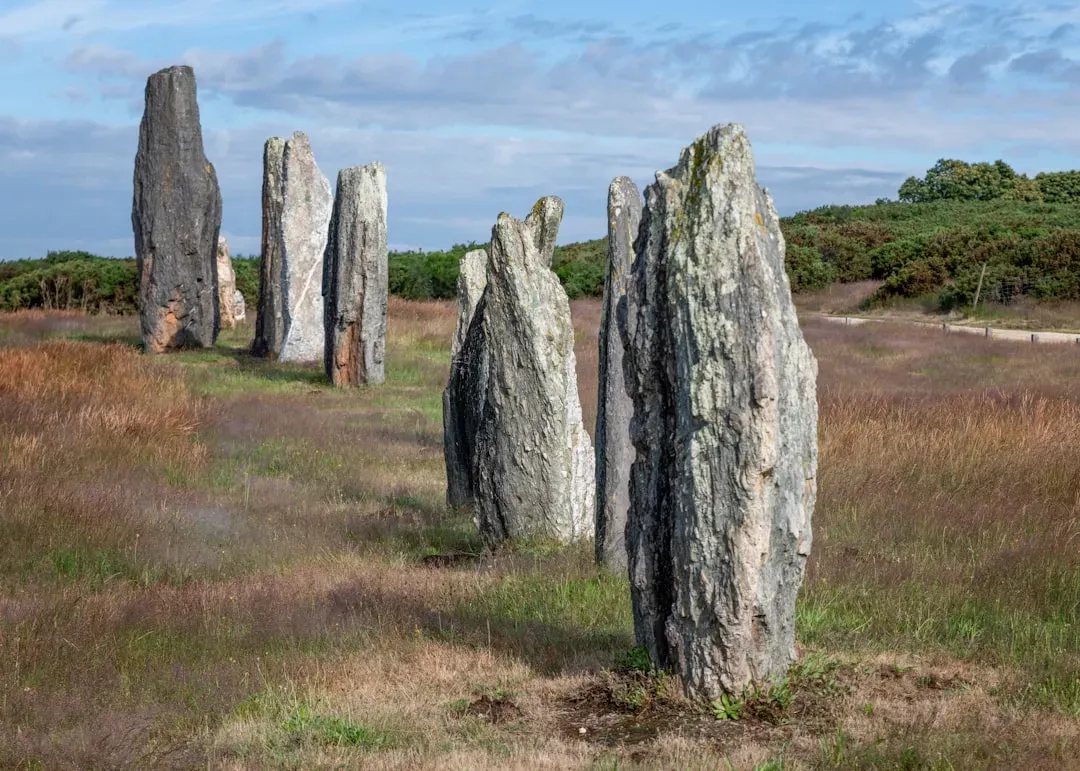
Near the town of Carnac in Brittany, more than three thousand standing stones stretch across the landscape in long rows, clusters, and isolated monoliths. Some are as tall as small houses, others barely rise above waist height, but together they form one of the densest megalithic complexes in Europe. The stones are aligned in roughly parallel lines that march toward the sea and up gentle hills, with occasional stone circles and burial mounds embedded within the broader layout. The sheer scale of the project, carried out by Neolithic communities with no metal tools or wheels, implies years of coordinated labor and shared purpose. Yet when you stand among them today, that purpose is not immediately obvious.
Archaeologists have proposed that the Carnac stones served as territorial markers, ritual processional routes, or elaborate communal calendars tracking solar and lunar cycles. Some alignments seem to track the rising or setting sun at key times of year, while others defy easy astronomical interpretation. Excavations around certain stones have revealed burials and offerings, suggesting that funerary rites may have been part of the story but not the whole of it. Modern statistical analyses of the alignments try to separate meaningful patterns from chance, with no consensus yet. The result is a windswept stone forest that feels like a message written across the land in a script we only half recognize.
Why These Enigmatic Sites Matter Far Beyond Their Mysteries
It’s tempting to treat these places as picturesque puzzles, good for dramatic documentaries and travel bucket lists, but their significance cuts much deeper. Each site forces archaeologists to confront assumptions about how complexity, belief, and technology evolve. A temple older than farming, a sound-tuned burial maze, desert drawings designed for unseen viewers – none of these fit neatly into the tidy ladder of “progress” that often shapes popular history. Instead, they show that people have always been capable of investing vast effort in ideas, rituals, and aesthetics that do not map cleanly onto modern categories like “religion,” “science,” or “art.” In that sense, the unknown purpose is not just a missing label; it is a challenge to our whole framework for understanding the past.
There is also a humbling scientific lesson here. Even with satellite imaging, isotope labs, and powerful modeling software, archaeology is still detective work built on partial clues. Researchers must balance hard data – tool marks, pollen grains, bone chemistry – with careful inference about social life, belief, and intention. Unlike in physics or chemistry, there is no way to rerun history’s experiment; once a stone is moved or a ritual ends, it does not repeat on command. That means uncertainty is not a failure but a built-in feature of the field. These mysterious sites remind us that science can be rigorous, testable, and honest while still admitting, openly, that some answers may remain out of reach.
The Future Landscape: New Tools Probing Ancient Intentions
Even if we never get full explanations, the toolkit for probing these sites is expanding at a remarkable pace. Drone-based lidar can strip away vegetation to reveal faint earthworks and alignments that the naked eye misses from the ground. Microscopic residue analysis can tease out what people were cooking, burning, or brewing at ritual centers, hinting at feasts, offerings, or psychoactive substances. Isotope studies on human and animal bones can reconstruct where individuals grew up and what they ate, exposing migration patterns and social networks behind major building projects. Each of these methods adds a layer of context to stones that otherwise sit mute in the landscape.
At the same time, artificial intelligence is beginning to scan massive datasets of site plans, alignments, and regional geography, searching for statistical patterns that humans might overlook. For example, subtle orientation trends across hundreds of monuments might reveal shared cosmological rules within a culture area. However, there are risks: algorithmic pattern-hunting can easily overfit noise, and the temptation to declare a mystery “solved” on thin evidence is strong. Climate change, erosion, and development pressure add urgency, as some sites literally crumble faster than we can study them. The future of these ancient enigmas will depend on how quickly and carefully we can marry new technologies with patient, field-based archaeology.
How Readers Can Engage With and Protect These Ancient Mysteries
Engaging with these places is not just a job for specialists in dusty field hats; ordinary travelers, readers, and voters shape their fate too. Thoughtful tourism – visiting with respect for site rules, staying on marked paths, and supporting local guides and museums – can provide funding that keeps conservation efforts alive. Digital participation matters as well: when you share stories about these sites, choosing reliable reporting over sensational claims helps shape public understanding. Simple habits, like reading beyond flashy conspiracy theories and seeking out archaeological explanations, create demand for better science communication. That, in turn, makes it easier for research teams to secure grants and permissions.
There are also concrete ways to support preservation from afar. Donations to reputable archaeological and heritage organizations, community-led cultural projects, or site-specific conservation campaigns can help stabilize fragile structures and train local stewards. Public pressure on governments to protect heritage in the face of looting, construction, or conflict can tip policy decisions. Even classroom teachers and parents can bring these stories into discussions with kids, framing ancient people not as mysterious “others” but as creative problem-solvers with different priorities. The more we see these sites as part of a shared human archive rather than distant curiosities, the more likely they are to survive for the next wave of questions. And in a world that often feels obsessed with speed and novelty, there is something grounding in knowing that some of our most important stories are still carved in stone – and still unfinished.
Suhail Ahmed is a passionate digital professional and nature enthusiast with over 8 years of experience in content strategy, SEO, web development, and digital operations. Alongside his freelance journey, Suhail actively contributes to nature and wildlife platforms like Discover Wildlife, where he channels his curiosity for the planet into engaging, educational storytelling.
With a strong background in managing digital ecosystems — from ecommerce stores and WordPress websites to social media and automation — Suhail merges technical precision with creative insight. His content reflects a rare balance: SEO-friendly yet deeply human, data-informed yet emotionally resonant.
Driven by a love for discovery and storytelling, Suhail believes in using digital platforms to amplify causes that matter — especially those protecting Earth’s biodiversity and inspiring sustainable living. Whether he’s managing online projects or crafting wildlife content, his goal remains the same: to inform, inspire, and leave a positive digital footprint.


