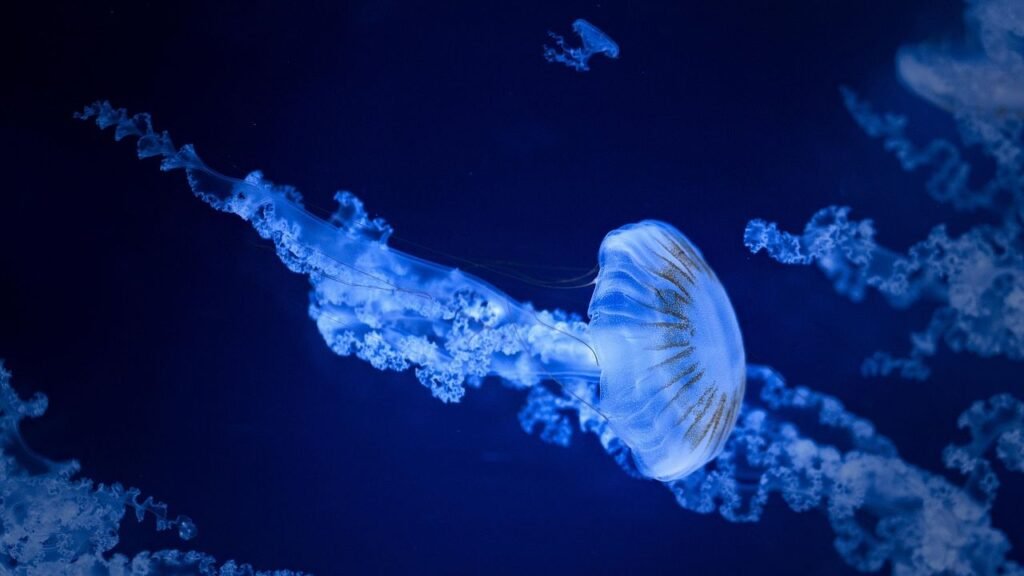

The deep sea is the closest thing we have on Earth to an alien world. Down there, sunlight never arrives, pressure could crush a submarine like a tin can, and life has found ways to exist that seem to break every rule we thought biology had. Oceanographers map, sample, and film this hidden realm with some of the most advanced technology on the planet, yet huge parts of the seafloor are still better mapped than the surface of Mars.
What really sticks with people who work in this field is not just how little we know, but how often the ocean proves us wrong. A place we thought was barren turns out to be full of life. A sound we thought was a whale turns out to be something else entirely. It’s like the sea is constantly saying: nice theory, now watch this. Here are seven deep‑sea mysteries that, even in 2026, still refuse to give us neat, satisfying answers.
The Bloop: The Sound That Shouldn’t Exist
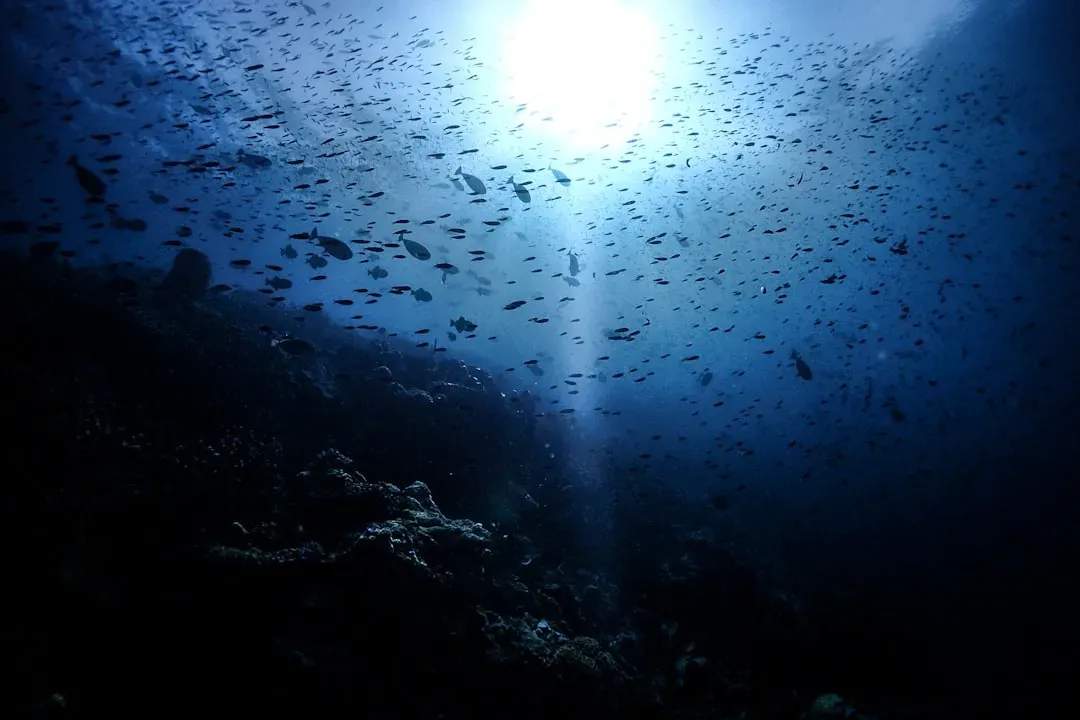
In the late nineteen‑nineties, underwater listening stations picked up a sound so loud and so strange that it set off a wave of speculation around the world. Nicknamed “the bloop,” it was recorded in the deep Pacific and seemed, at first pass, to have characteristics similar to an animal vocalization. The catch: if it were an animal, it would have had to be far bigger than any creature we know, even larger than a blue whale. That single idea – something out there larger than the largest animal ever known – grabbed people’s imaginations like a deep‑sea horror movie brought to life.
Years later, many researchers suggested that the bloop was probably the sound of ice cracking and breaking apart in Antarctica, a kind of underwater thunder created by massive icebergs. That explanation fits parts of the data, but some acoustics experts still point out that not every detail lines up perfectly. The ocean is a noisy place, full of submarines, shifting tectonic plates, and storms pounding the surface overhead, and teasing out exactly what caused one particular sound is harder than it sounds. The bloop has become a symbol of something larger: in a sea of sonar pings and data streams, there are still noises we can’t fully explain.
Gigantic Squid and the Limits of How Big Life Can Get
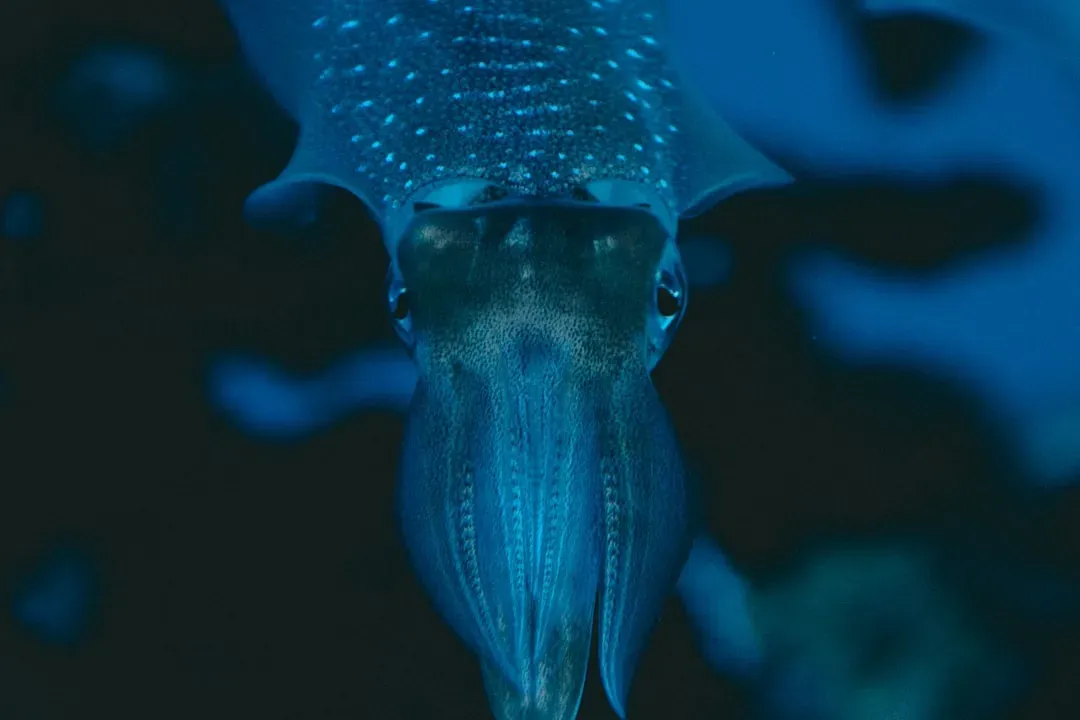
For centuries, sailors told stories of tentacled monsters dragging ships to their doom, and scientists rolled their eyes. Then, bit by bit, the carcasses of truly enormous squids began to wash ashore: eyes the size of dinner plates, tentacles lined with hooks, bodies stretching longer than a bus. In the last couple of decades, cameras have finally captured living giant and colossal squids in their natural habitat, floating in that inky blackness like something out of a fever dream. Yet, despite the photos and videos, there’s still shockingly much we don’t know about them.
We don’t really understand how such huge animals live in a world where food can be painfully scarce. Oceanographers are still debating how fast they grow, how long they live, how many there might be, and what exactly they eat besides unlucky deep‑diving whales and fish. Even basic behavior – where they mate, how territories work, what hunts them besides sperm whales – remains mostly guesswork. In a way, these squids push the limits of what we thought life could do under crushing pressure and near‑freezing temperatures. Every new image feels like a partial answer wrapped inside a new question.
The Puzzling Glow of Deep‑Sea Bioluminescence
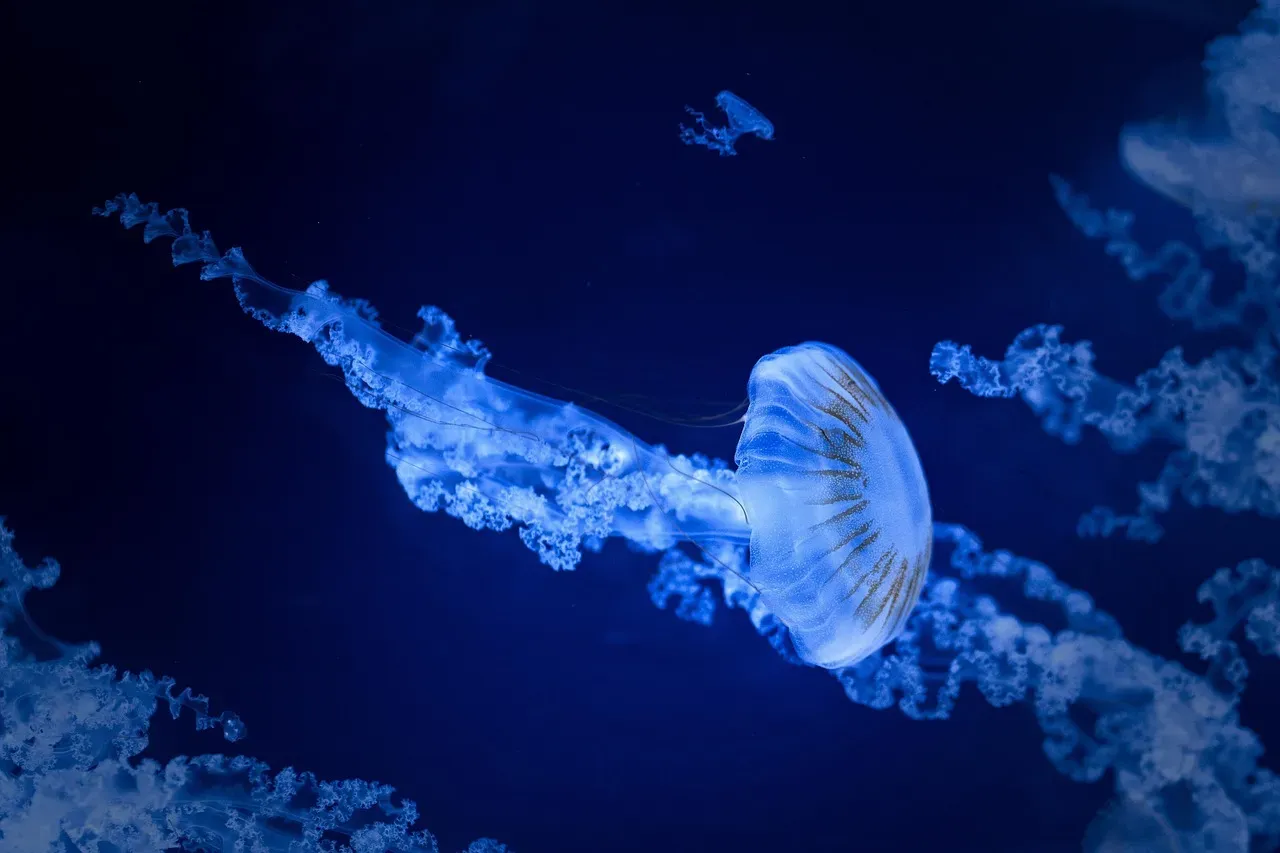
Drop into the deep sea on a research sub and, at first, everything is pitch black. Then, as your lights go off, the darkness comes alive: sparks of blue, pulses of green, drifting curtains of light like underwater auroras. A huge share of deep‑sea animals can produce their own light, and they use it for everything from hunting and hiding to flirting and faking. Some fish have headlights, some jelly‑like creatures release glowing clouds when disturbed, and others create patterns that look suspiciously like Morse code.
What still baffles oceanographers is how and why this glow evolved in so many wildly different groups of animals. The same basic trick – turning chemical energy into light – keeps popping up in bacteria, shrimp, squids, fish, and more, as if the deep sea keeps independently reinventing the idea. We know some specific uses: lure prey, confuse predators, attract mates, or even act like camouflage against the faint light above. But we’re likely seeing only a fragment of the full communication system happening in that darkness. To us it looks like random sparks; to deep‑sea life, it may be a complex conversation we’re just barely starting to notice.
The Alien Ecosystems of Hydrothermal Vents
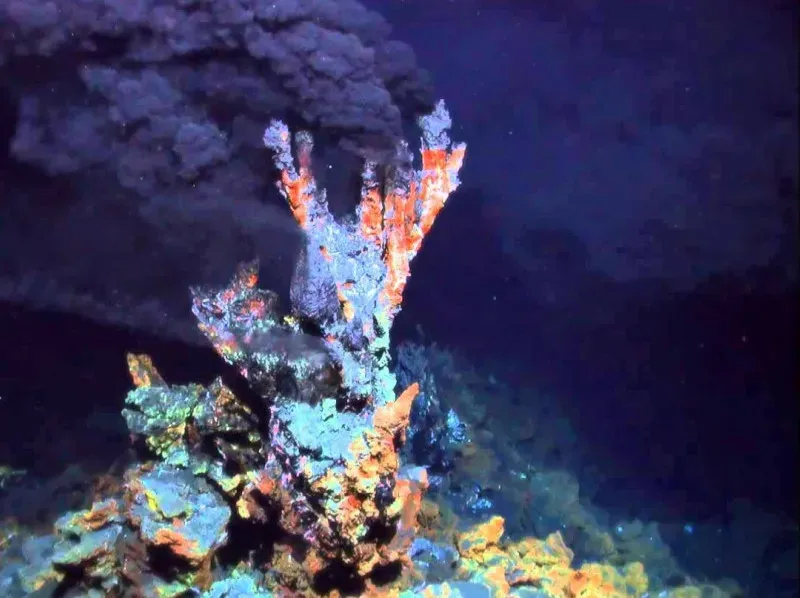
When hydrothermal vents were discovered in the late nineteen‑seventies, they changed biology forever. Picture underwater chimneys blasting superheated, mineral‑rich water into the cold, crushing deep. Around them, instead of the expected emptiness, scientists found dense communities of giant tube worms, strange clams, ghost‑white crabs, and bacteria feeding directly on chemicals bubbling out of the Earth’s crust. No sunlight, no photosynthesis, but an entire ecosystem thriving in the dark by tapping into chemical energy instead.
What’s still mysterious is how these vent communities get started and how they survive between eruptions and collapses. Vents can flare up, die off, or shift dramatically when the seafloor moves, yet life manages to hop from one vent to another across vast distances of deep, empty ocean. Oceanographers are still figuring out how larvae navigate, how far they can drift, and how the genetics of these populations work over time. There’s also the bigger, almost unsettling question: if life can start or thrive around hot, chemical‑rich rocks on our seafloor, what does that say about the potential for life on icy moons with hidden oceans like Europa or Enceladus?
The Strange Geometry of Deep‑Sea “Crop Circles”
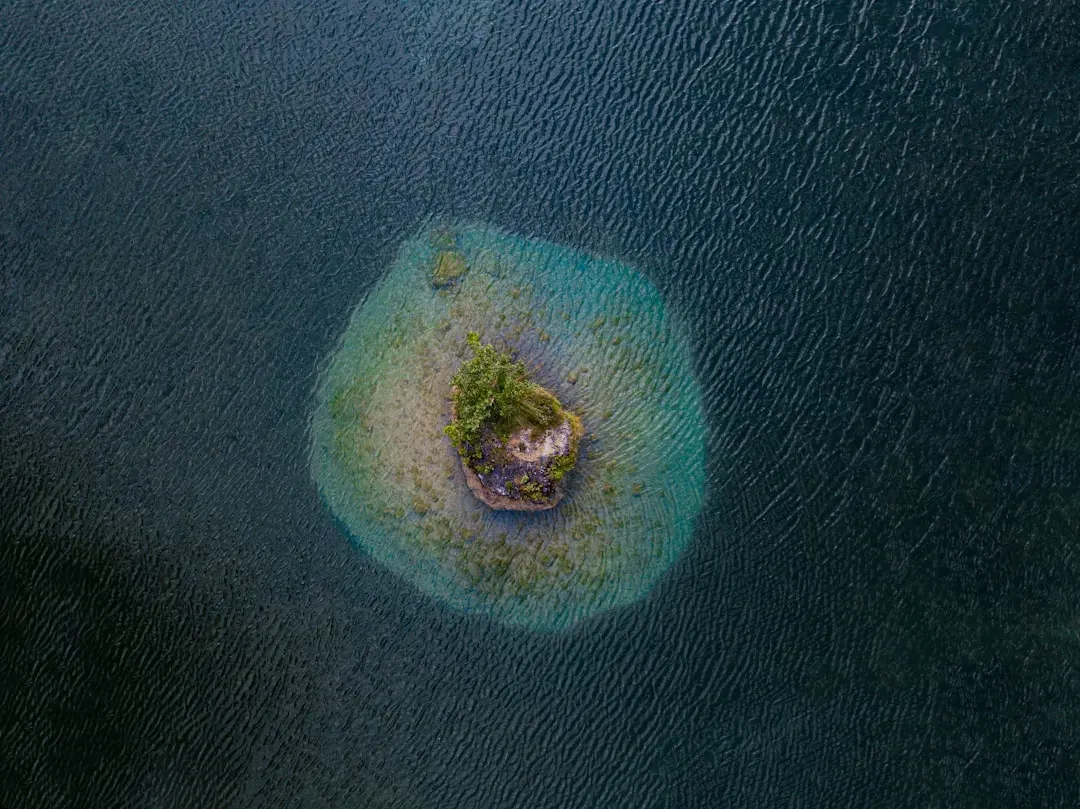
In some sandy stretches of the deep seafloor, cameras have captured elaborate circular patterns carved into the sediment, complete with ridges, valleys, and symmetrical spokes radiating out like a mandala. At first, these designs looked eerily like underwater crop circles, and nobody had a clue who or what was making them. They appear in places where conditions seem otherwise quiet and empty, far from coral reefs or rocky outcrops, which only deepened the mystery. For a while, they were the kind of puzzle that keeps researchers replaying footage at three in the morning.
We now know that at least some of these structures are created by a small species of pufferfish, with males sculpting the sand to attract females, using currents and fine grains like an underwater architecture project. But even that answer opens up more questions. How did such complex behavior evolve in a seemingly harsh, low‑energy environment far from shore? Do other species build similar hidden structures that we simply haven’t noticed yet because our cameras haven’t passed over the right patch of sand? The seafloor is enormous, and if a tiny fish can make something this intricate, it’s hard not to suspect there are more secret artworks sitting in the dark, waiting to be stumbled upon.
Missing Shipwrecks and Vanishing Metal
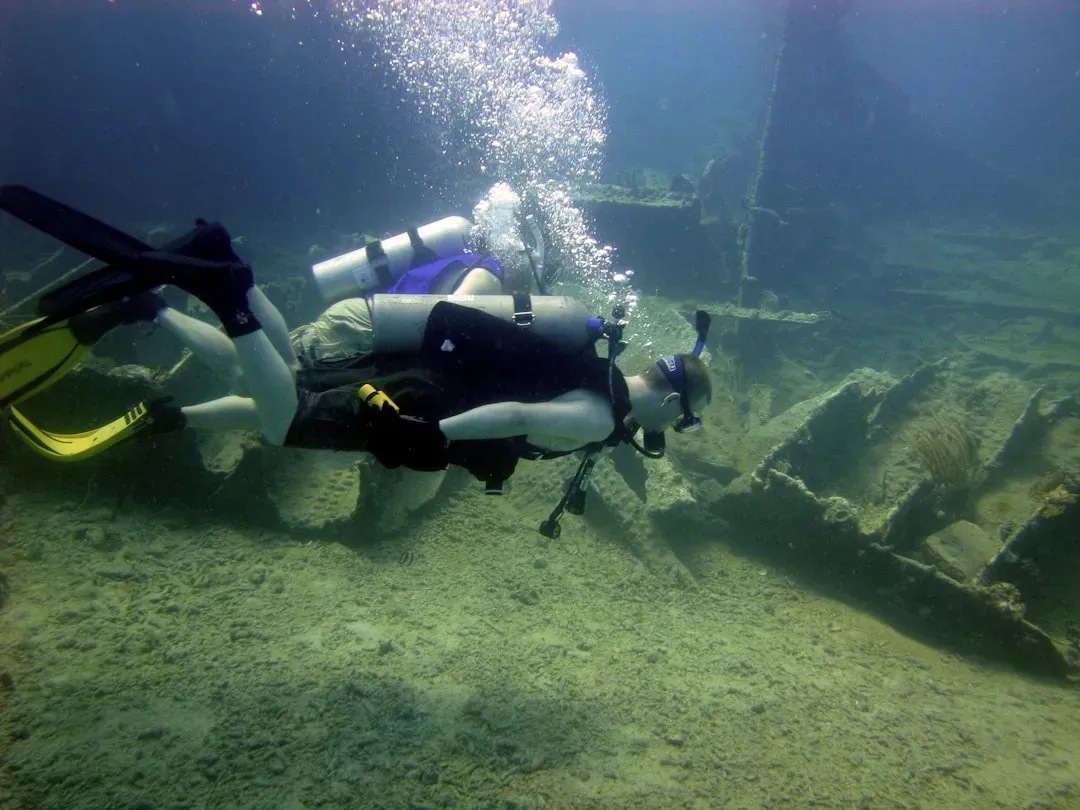
Given how many ships have sunk over the centuries, you might expect the seafloor to be littered with well‑preserved wrecks. In some places, that’s true: cold, deep water can keep wooden hulls and cargo intact for shockingly long periods. But in other regions, especially in the deeper parts of the ocean, wrecks seem to decay or outright vanish far faster than expected. Metal structures collapse, hulls break down, and sometimes only confusing fragments remain where a whole ship should be. It’s like the ocean is quietly erasing pieces of history.
Oceanographers and marine archaeologists are still trying to pin down exactly how chemistry, biology, and geology team up to do this. Certain bacteria can “eat” metal, forming rusticles that gradually turn steel into a crumbly mess. Currents can bury wrecks under shifting sediment, while deep‑sea creatures colonize and chew up wood, textiles, and even bones. The pace and pattern of this decay varies wildly from place to place, and that variability is still not well understood. Each wreck becomes a kind of time experiment, showing how the deep ocean recycles human artifacts back into raw material.
The Great Abyss: Why So Much Stays Empty
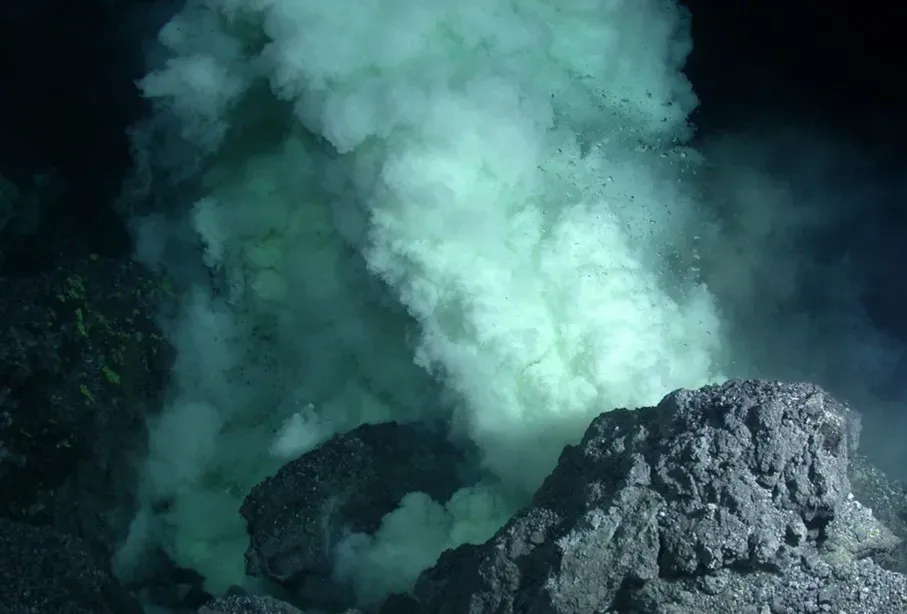
One of the most unsettling mysteries is not what we see, but what we don’t. Huge swaths of the abyssal plain – those flat, dark, deep‑sea deserts several kilometers down – seem almost empty at first glance. There’s life, but it’s thinly spread: a scattering of sea cucumbers, brittle stars, worms, and the occasional lonely fish. Compared to the riot of life in shallow reefs or around vents, the abyss feels like a quiet, slow‑motion world. Oceanographers still don’t fully understand how these communities persist when food from above drifts down like random snowflakes rather than steady rain.
At the same time, each new detailed survey tends to reveal more than expected: delicate tracks, small burrows, strange gelatinous animals that are nearly invisible, and microbial mats living off chemical traces in the sediment. This tension – between the emptiness our eyes see and the hidden life our instruments detect – is part of what makes the abyss so mentally hard to grasp. It’s a place where time stretches out, where some organisms may live extremely slow lives compared to ours, and where a single disturbance could linger for decades. As talk about deep‑sea mining and large‑scale exploitation grows louder, scientists are scrambling to understand this mysterious stability before we alter it in ways we can’t reverse.
An Ocean of Questions Beneath Our Feet
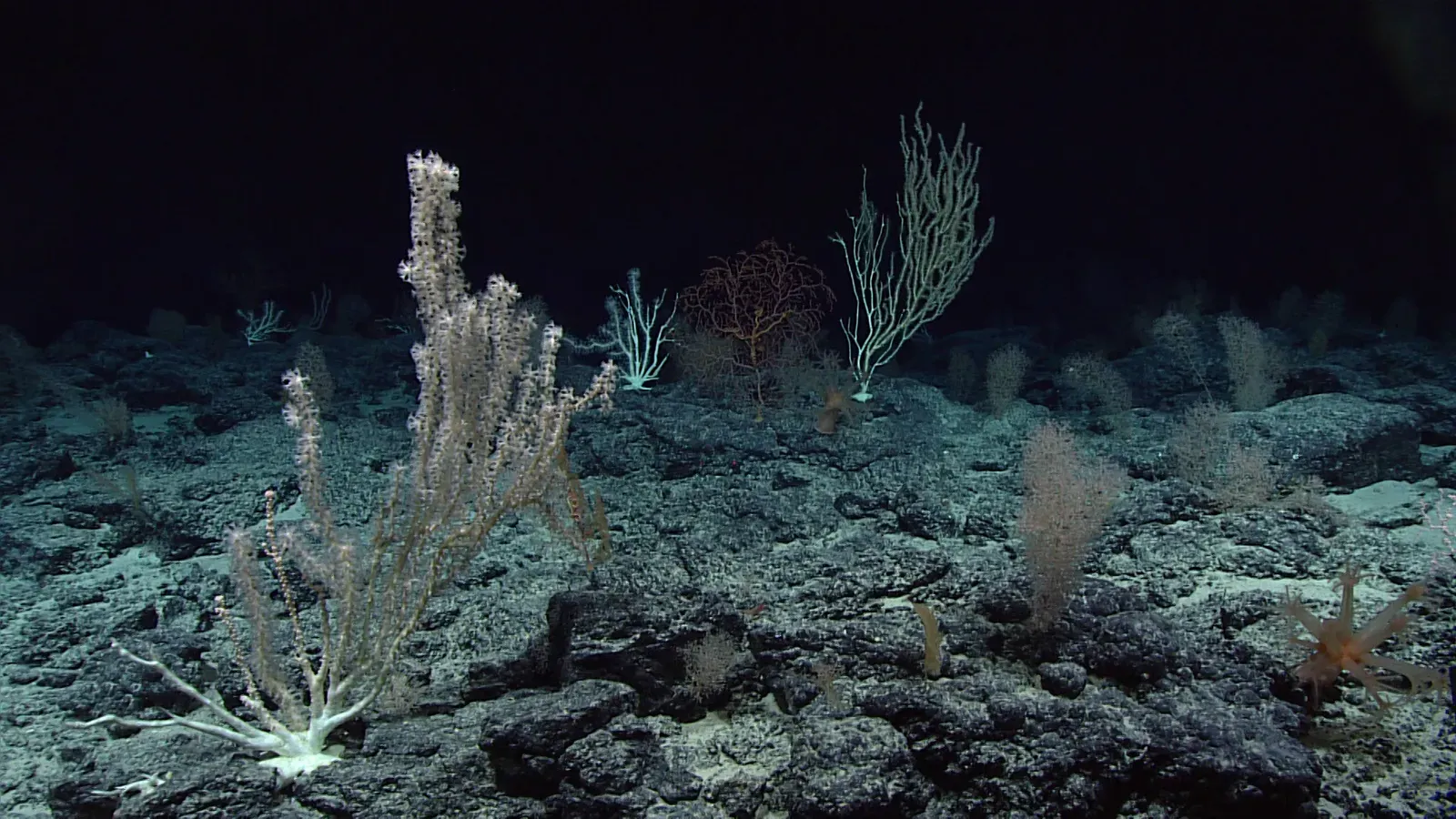
Standing on a beach, it’s easy to think the ocean is just a big, familiar blue blanket on the horizon. But under that surface lies a realm that keeps surprising even the people who dedicate their careers to studying it. Sounds without clear sources, creatures that break size records, living light shows, chemical cities in the dark, delicate sand sculptures, vanishing shipwrecks, and quiet plains that are not as empty as they seem – each mystery reminds us how thin our understanding really is. The deep sea is not just a backdrop to the planet; it’s a major character we’ve barely met.
When I first saw live footage from a remote deep‑sea camera, what struck me most was how often the scientists said some version of “we don’t know what that is” with equal parts frustration and delight. That mix of ignorance and curiosity might be the most honest way to think about the deep ocean right now. We’ve mapped only a fraction, sampled even less, and connected only a few dots in an enormous, shifting puzzle. With climate change, resource extraction, and new technologies all converging on the sea, the question isn’t whether the deep will keep its secrets forever, but which ones we’ll uncover in time and which will slip through our fingers. Which of these mysteries would you want answered first if you could ride a submersible down there tomorrow?