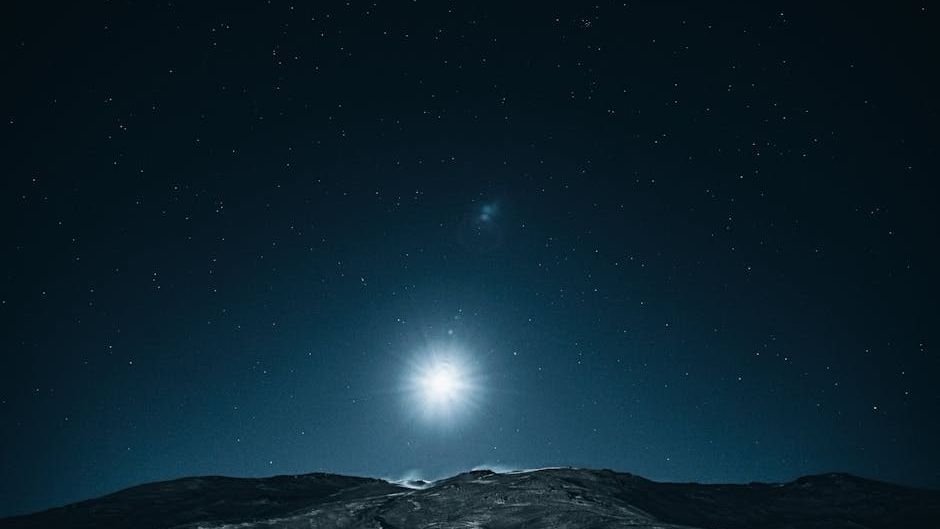

Sometimes the most shocking illusions aren’t created by magicians or digital artists, but by the world outside your window. You step outside, you look up, or you glance at a rock, and suddenly your brain is quietly lying to you. The sky seems bluer than it really is, mountains look closer than they are, a stick in water bends like rubber. You trust your senses, but nature loves to play with that trust.
I still remember standing on a hot road as a kid, swearing I could see a lake shimmering in the distance. Of course, there was nothing there – just heat and light teaming up to mess with my brain. That’s the strange part: even when we know we’re being fooled, the illusion still feels totally real. Let’s look at seven ways nature pulls off this trick, and why your senses keep falling for the show.
The Mirage: Lakes That Vanish As You Approach

You’re driving on a blistering summer day, and up ahead, the asphalt looks wet, almost like a shallow pool of water is spread across the road. As you get closer, it just keeps moving away, always staying out of reach. That disappearing puddle is not your imagination; it’s a classic inferior mirage, caused by layers of hot and cooler air bending light in just the right way to confuse your brain. Your eyes see light from the sky bent upward by heated air near the ground, and your brain, doing its best, interprets it as water reflecting the sky.
In deserts, this same effect can make distant patches of sand look like shimmering lakes or oases, which is one reason stories of travelers chasing phantom water are not just movie clichés. There are also superior mirages, where cold air sits below warmer air, and objects like ships or icebergs appear to float or stretch oddly above the horizon. Nature isn’t putting a fake object there; it’s simply bending light into a path your brain does not expect. The wild part is that even if someone explains the physics, your perception still insists there’s water or a floating ship, because your brain is wired to go with the most familiar explanation, not the correct one.
Fata Morgana: Floating Cities And Ghostly Ships
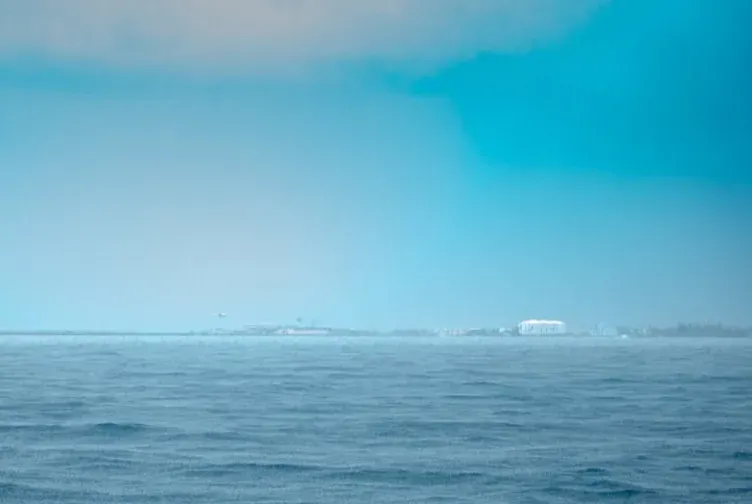
If mirages are nature’s warm-up trick, the Fata Morgana is the full magic show. This phenomenon happens when multiple layers of air at different temperatures bend light in complex ways, stacking and stretching images into bizarre shapes along the horizon. On some days at sea or over large lakes, distant ships can appear as tall, distorted silhouettes, hovering above the water like ghost vessels. Entire coastlines or icebergs can look like they’re being stretched into soaring towers, almost like a city from a fantasy novel.
People in history often took these visions as signs, omens, or evidence of mythical lands just beyond reach. The name Fata Morgana comes from the sorceress Morgan le Fay, linked with illusions and enchantment in medieval legends, and honestly, that feels pretty accurate. The Fata Morgana can flip, duplicate, or smear an object so thoroughly that you’d swear you’re looking at something else entirely. In some modern cases, distant skylines have appeared where there should only be sea, fueling viral videos and wild theories, even though the real explanation is just layers of air working like an uneven, shifting lens over the horizon.
Blue Skies And Red Sunsets: Color Tricks In The Air
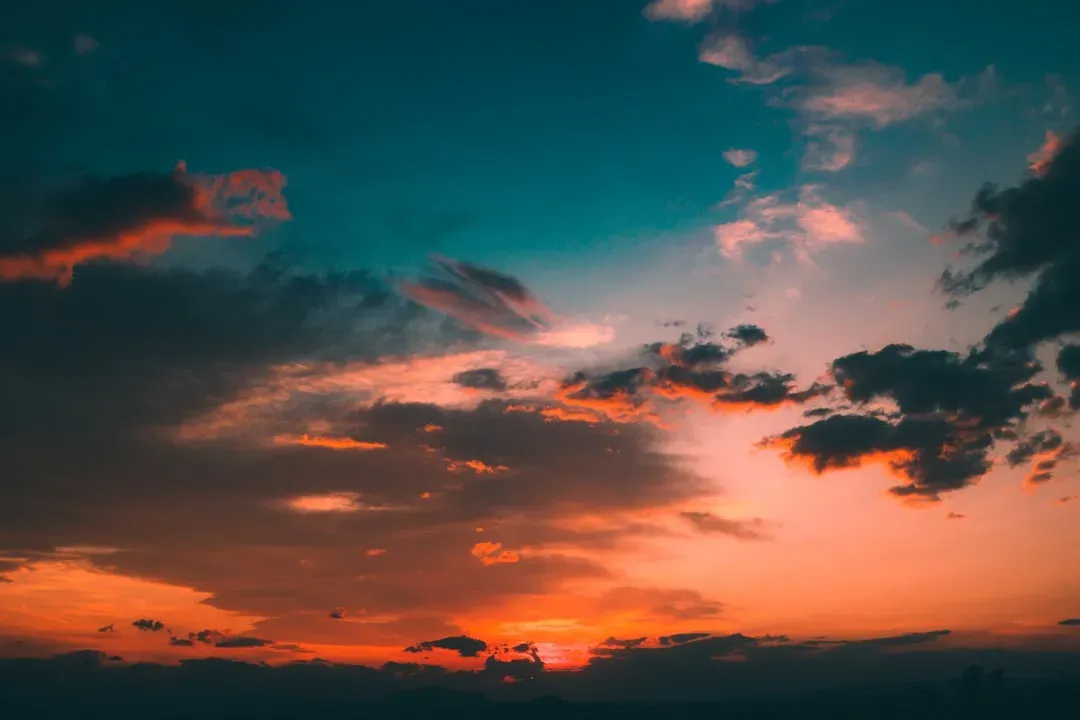
At sunrise and sunset, the same physics creates an entirely different mood. The sun’s light has to travel through a much longer stretch of atmosphere, so most of the blue and green light gets scattered out of your direct line of sight. What’s left are the warmer reds, oranges, and pinks, which wash across clouds and dust like nature’s own color filter. That fiery sunset you photograph for social media is basically one giant optical side effect of air and distance. It feels emotional and meaningful, but underneath, it’s just light being filtered, scattered, and stripped of certain colors before it reaches your eyes.
The Bent Stick: Refraction That Warps Reality

The Bent Stick: Refraction That Warps Reality (Image Credits: Pexels)
Take a straight stick or a spoon, place it in a glass of water, and it suddenly seems to bend sharply at the surface. Even when you know the stick is straight, it’s almost impossible not to see that angle. This happens because light travels at different speeds through air and water, and when it crosses the boundary between them, it changes direction. Your brain assumes light travels in straight lines, so it draws a mental picture based on that assumption, and the result is the illusion of a broken or shifted object.
This same bending of light, called refraction, is everywhere once you know to look for it. Fish in a pond are not where they appear to be, which is why trying to spear one by eye alone is surprisingly hard. A pebble on a riverbed looks closer to the surface than it really is because the water acts like a lens, compressing depth. Even the way your glasses or contact lenses correct your vision is a carefully designed refraction trick, nudging light so it lands where your eye can use it. Nature did it first with water, ice, and air; we just copied the method in glass.
Glories And Brocken Specters: Your Own Halo In The Clouds
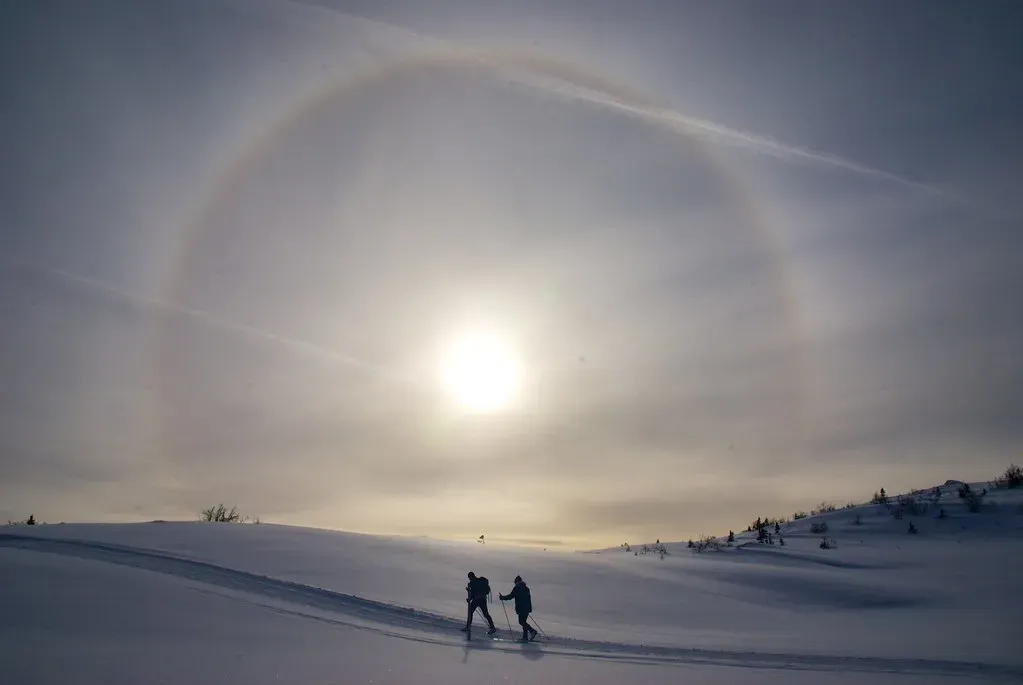
Imagine standing on a mountain ridge with the sun at your back and a sea of mist below. Suddenly, you see a huge shadowy figure in the fog in front of you, surrounded by a halo of rainbow light. It can be unsettling, like staring at a giant spirit, until you realize you’re actually looking at an optical effect caused by your own silhouette. This is called a Brocken specter, and the colored ring around it is known as a glory. The spooky giant shape is just your shadow magnified on the cloud or fog, stretched by perspective and distance.
The rainbow halo forms when sunlight scatters and diffracts around tiny water droplets in the mist, sending some of the light back in the direction of the sun. Because of the geometry involved, the effect is centered on the line running from the sun, through your eyes, to the cloud. That means each person only sees their own personal halo and ghostly figure. Pilots sometimes witness glories around the shadow of their plane on cloud tops, turning an ordinary flight into something that feels almost supernatural. It’s a vivid reminder that sometimes the “apparition” out there is really just a clever combination of light, droplets, and your own position in space.
Moon Illusion: Why The Moon Looks Huge Near The Horizon
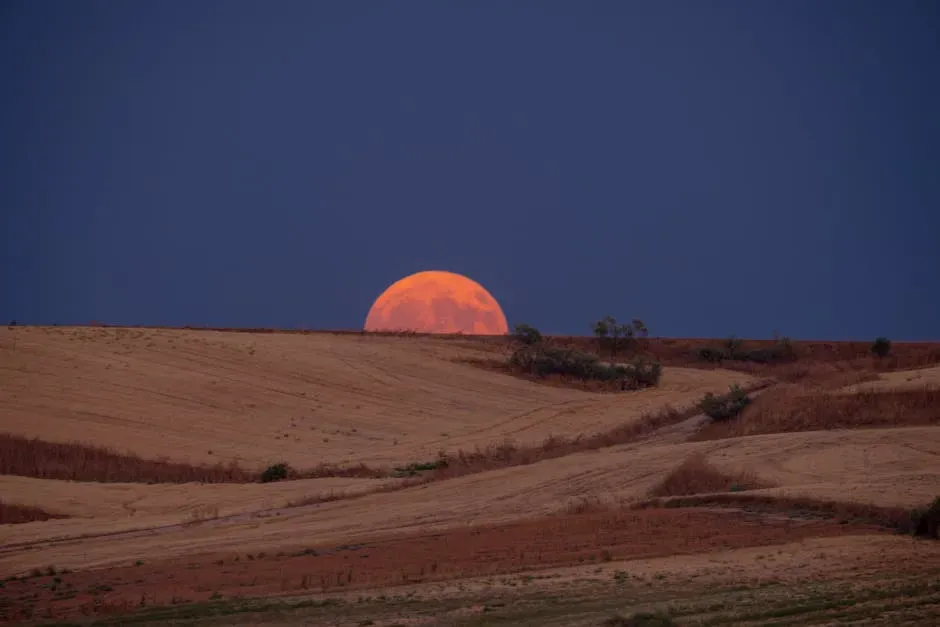
You’ve probably stepped outside, seen a full moon hanging low, and thought it looked impossibly huge, almost like it had swollen overnight. Yet if you photograph it and compare that to the moon high overhead, the size is basically the same. This is the moon illusion, a powerful mental trick where our perception of the moon’s size changes depending on its position in the sky. When the moon is near the horizon, your brain compares it to familiar objects like trees, houses, or hills, and it seems larger relative to them, even though its actual angular size hasn’t changed much.
Interestingly, if you cover the horizon with your hand or look at the moon upside down through your legs, the illusion often weakens or disappears, which is a funny but effective home experiment. Some researchers think the way we perceive the sky – as a flattened dome instead of a perfect sphere – also plays a role in how we judge distance and size. Whatever the exact combination of reasons, the key point is that the moon itself isn’t swelling or shrinking. The change happens entirely in your brain, which quietly adjusts the mental “scale” you use, making a perfectly ordinary moon feel oversized and dramatic.
Size And Distance Illusions: Mountains, Roads, And The Ames-Like Outdoors
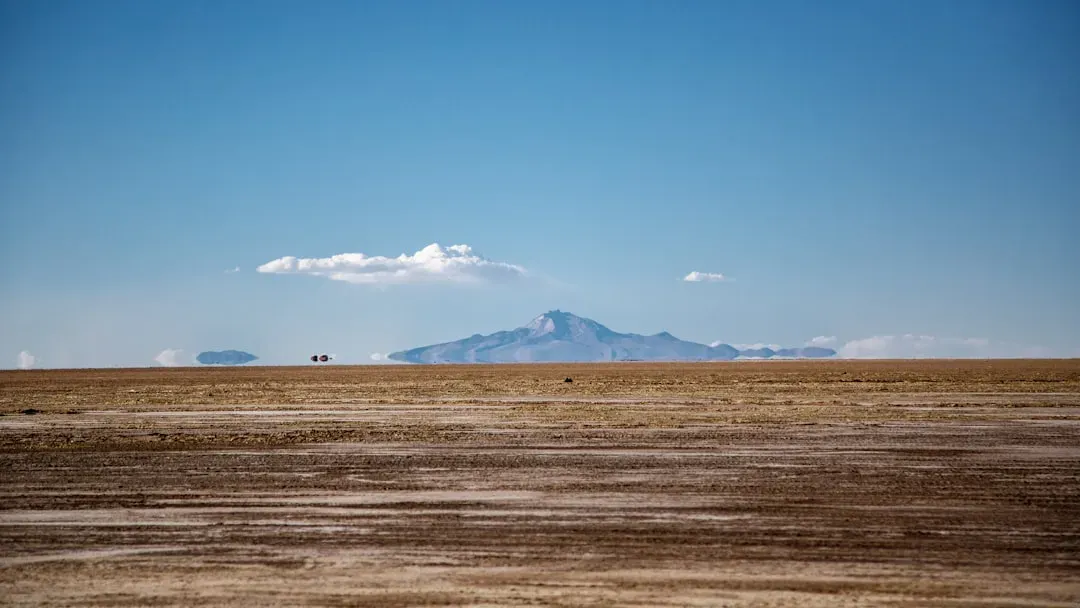
Nature is full of moments where your depth perception is gently lying to you. High mountains across a valley often look closer and smaller than they really are, which is why hikers frequently underestimate how long it will take to reach a peak they can clearly see. Vast landscapes strip away many of the depth cues you rely on in everyday life, like familiar objects or strong lines for comparison. Without those cues, your brain makes its best guess and often compresses distance, turning many-kilometer stretches into what looks like a manageable stroll.
Long straight roads create their own illusions as they converge toward a vanishing point, making the far end of the road look narrower and more pinched than it is. On sloping terrain, what’s called a gravity hill can make a slight downhill appear to be uphill, so cars in neutral seem to roll “up” the slope. This happens because the wider landscape frame – distant hills, tree lines, horizons – is tilted or misleading, and your brain trusts that frame more than the direct feeling of gravity. In some ways, outdoor spaces become enormous, real-world versions of the Ames room illusion, where context quietly reshapes your sense of size and slope without asking your permission.
Bioluminescent Seas And Fireflies: Light That Feels Unreal
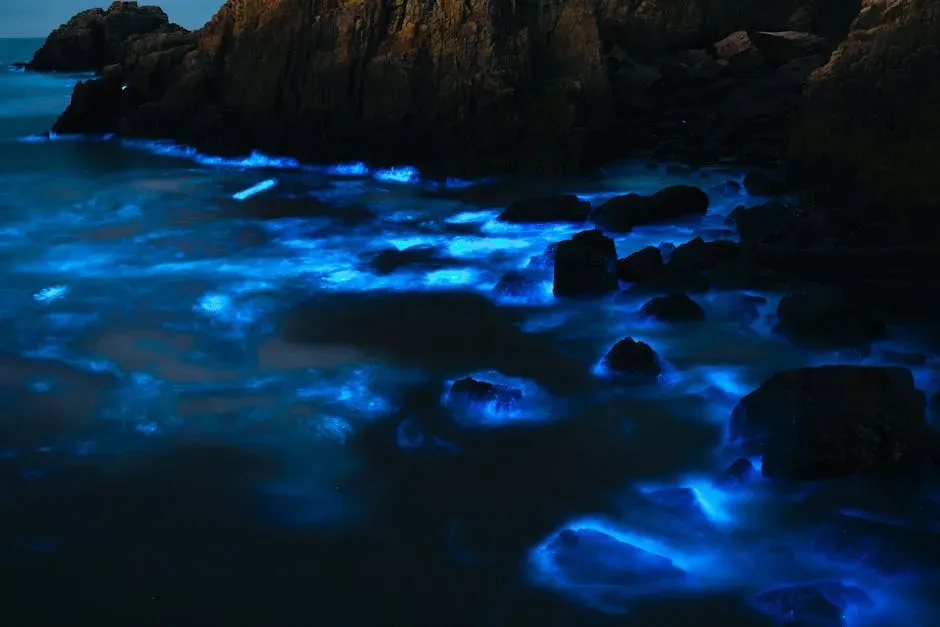
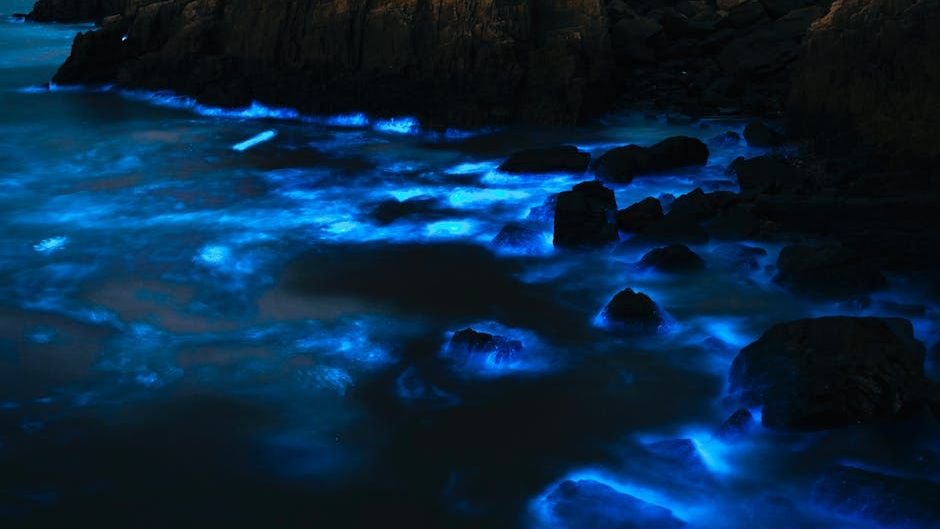
Stand on a dark beach where the waves glow electric blue as they crash, and it genuinely looks like someone turned on special effects. Bioluminescent plankton, such as certain dinoflagellates, can emit light when disturbed by movement, creating the impression of glowing footprints in wet sand or liquid stars in the water. It feels like a glitch in reality, because we don’t expect the ocean itself to light up in response to our steps or splashes. At first, your brain scrambles for an explanation – chemicals, pollution, maybe even something man-made – before finally landing on the fact that tiny living cells are doing this on their own.
On land, a summer field scattered with blinking fireflies messes with your sense of timing and location in a different way. The sudden pulses of light appear and disappear without revealing the insects’ paths, so your brain fills in gaps, making the fireflies seem to teleport. In both cases, animals and microorganisms are using biochemistry to produce light, often for communication, camouflage, or defense, but your senses read it as something borderline magical. It’s one of those rare illusions where, even after you know the science, the emotional impact doesn’t really fade. The world still feels a little too strange and theatrical to be entirely real.
Conclusion: When You Can’t Trust Your Own Eyes

All of these natural illusions point to the same uncomfortable truth: your senses are less like a camera and more like a storyteller. Your brain takes limited, often distorted data and builds the most convincing version of reality it can, even if that means seeing lakes on hot roads, giant moons, or halos around your own shadow. Most of the time this shortcut serves you well, but in certain lighting, weather, or landscapes, the shortcuts turn into full-blown tricks.
I find that oddly comforting rather than scary. If the world can look this strange without any digital effects or smoke machines, it means there’s still a lot of wonder packed into ordinary days – provided you’re paying attention. Next time the horizon, the sky, or even a glass of water looks suspicious, maybe pause and ask yourself a simple question: is this really what’s there, or just what my brain expects to see?