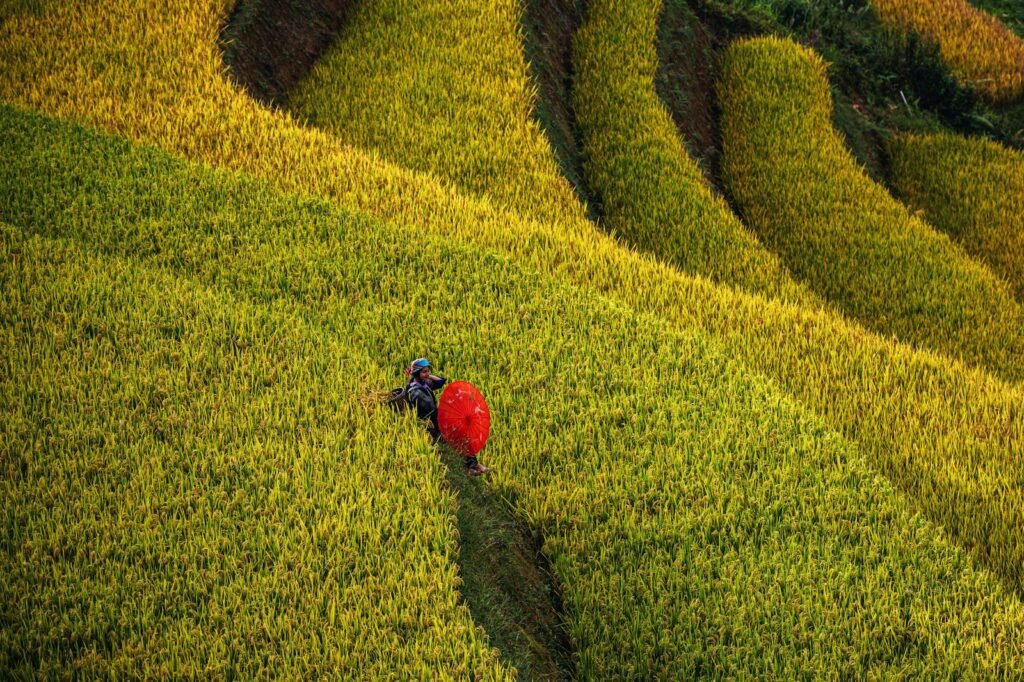

Long before tractors, satellites, and climate models, ancient farmers were running bold experiments that determined who ate and who starved. They faced brutal droughts, fickle rivers, and fragile soils with no modern chemistry or machinery to bail them out – only observation, trial and error, and a sharp eye on the sky. Yet many of their inventions were so effective that modern agronomists are circling back to them as solutions for a warming, crowded planet. These methods did more than grow food; they reshaped landscapes, powered population booms, and gave rise to cities and empires. To really understand how agriculture works today, it helps to look back at the quiet revolutions that started in mud, stone, and hand-built canals.
Terraced Hillsides: Turning Mountains into Layered Farms
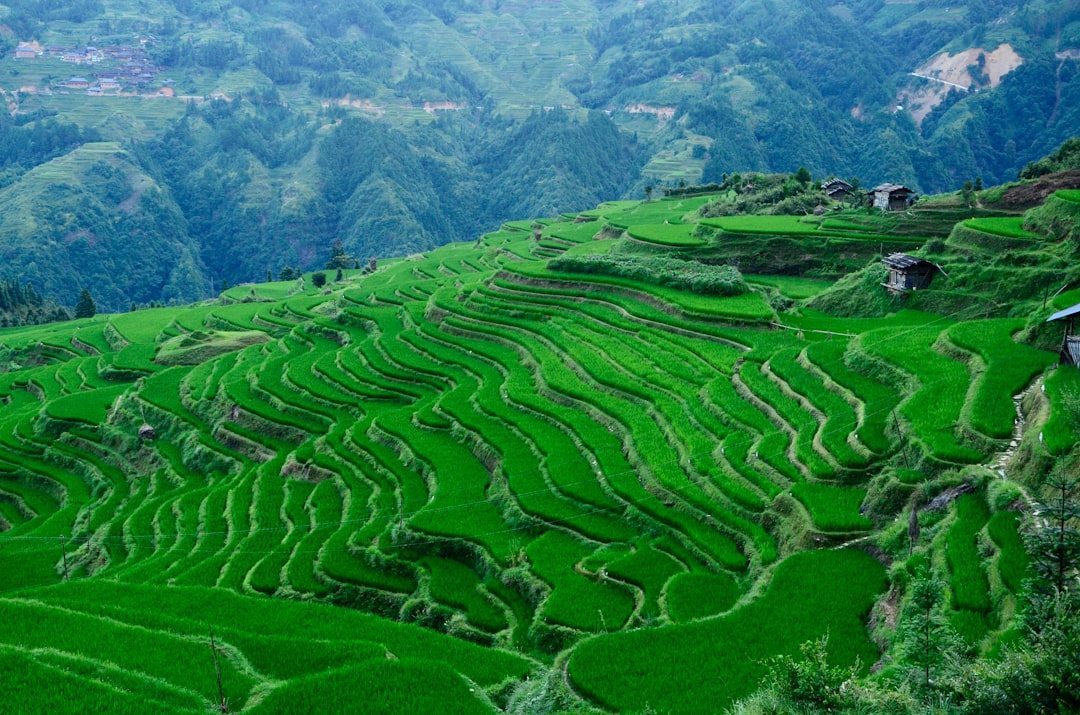
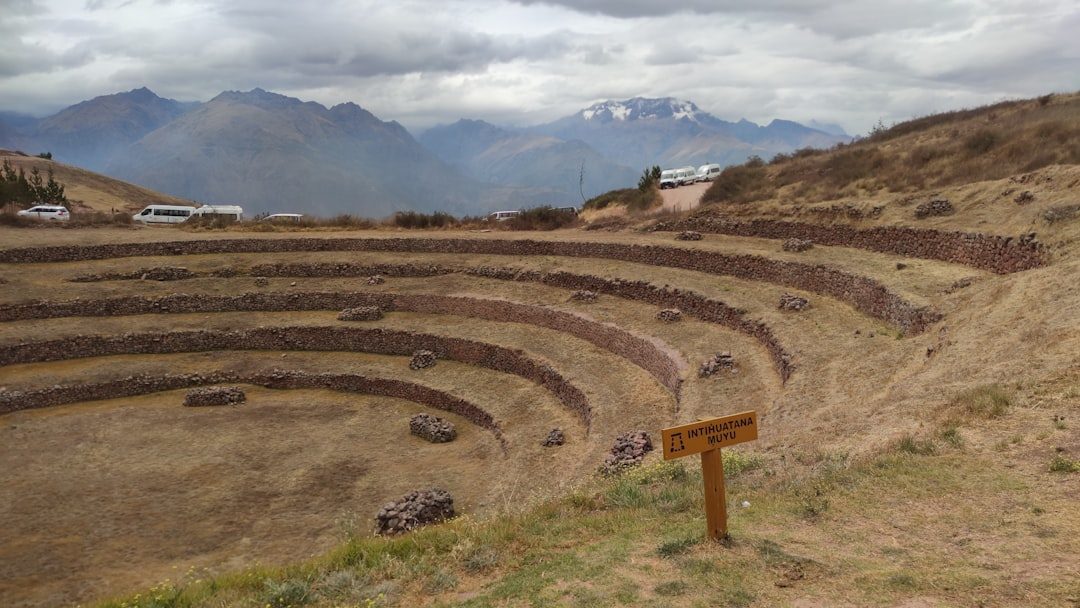
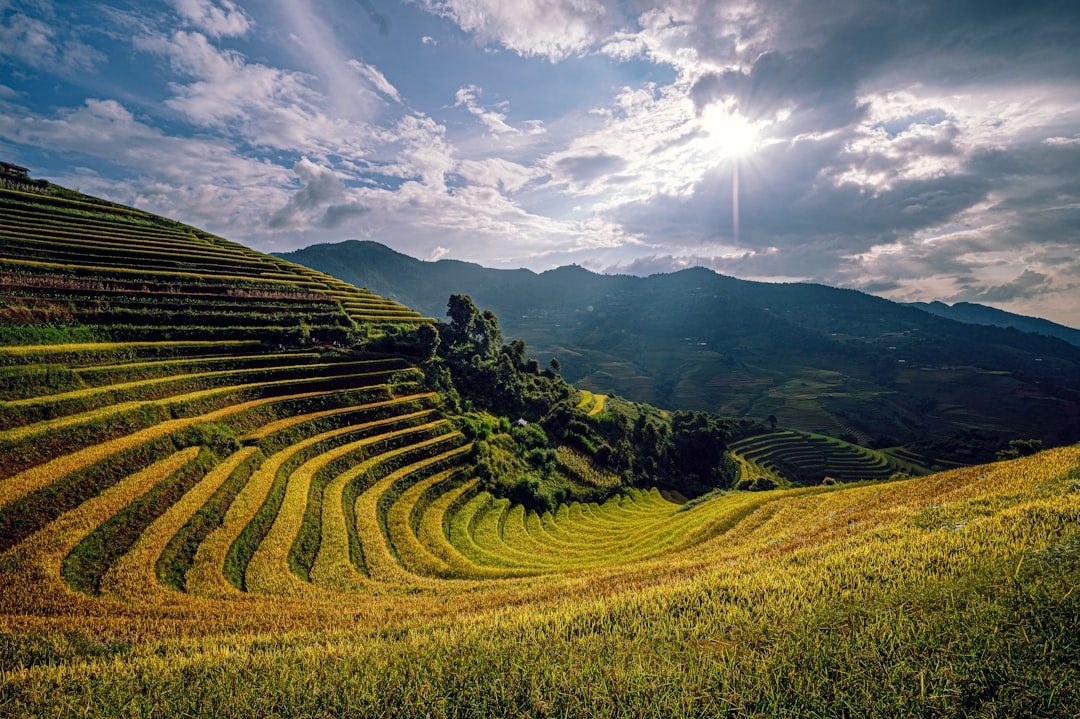
Imagine standing in front of a steep mountain slope, the kind that seems utterly useless for farming, and then realizing someone has carved it into a stacked staircase of fertile fields. That is the genius of terrace agriculture, practiced from the Andes to the Himalayas and parts of East Africa. Ancient engineers cut horizontal ledges into hillsides, shoring them up with stone or packed earth, then filled them with soil that could catch rain and hold plant roots in place. Instead of water rushing downhill in destructive sheets, it slowed, soaked in, and nurtured crops layer by layer. I remember seeing photos of Andean terraces as a kid and thinking they looked like giant green amphitheaters built for the gods, not for potatoes.
Scientifically, terraces work because they dramatically reduce erosion and increase infiltration, giving water more time to seep into the ground rather than blasting it away. They also create tiny microclimates: lower levels may trap cooler air and moisture, while upper levels get more sun and wind, allowing different crops or varieties to coexist on a single slope. Modern soil scientists point out that terraced systems can keep topsoil in place for centuries when maintained, something conventional sloping fields often fail to do over just a few seasons. In an era of intensifying rainfall in many regions, the logic of terracing – slowing water, storing it, and spreading risk – feels surprisingly modern.
Irrigation Canals and Basin Flooding: Capturing Rivers Before They Vanish
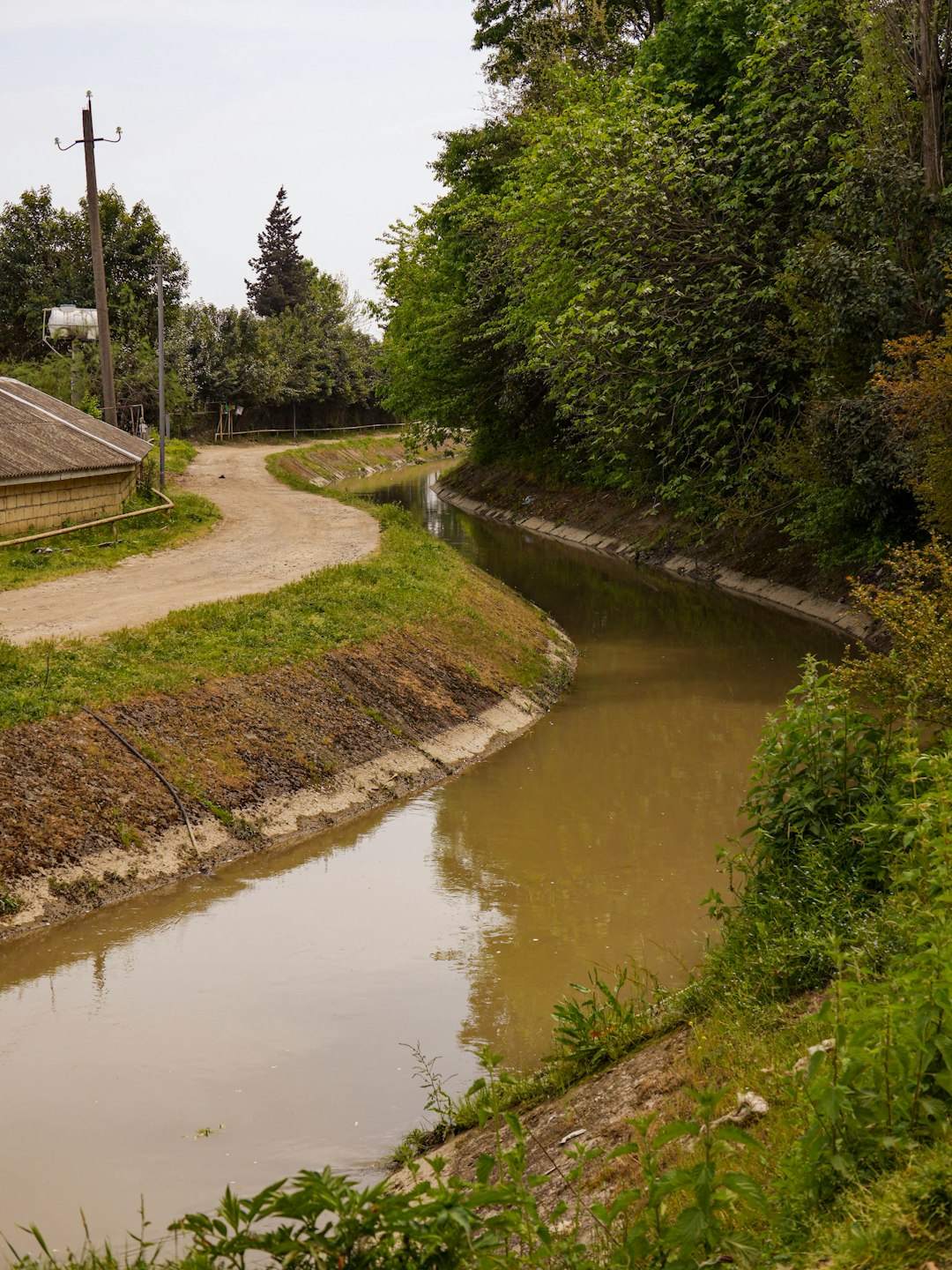
In the world’s first big river civilizations, survival hinged on one terrifying uncertainty: would the river flood enough to feed the fields, or not quite enough and leave people hungry? Early farmers along the Nile, Tigris, Euphrates, Indus, and Yellow River responded with a breakthrough that turned chance into strategy – engineered irrigation. They dug canals, ditches, and basins to divert floodwaters from main channels into controlled areas where they could soak fields gently rather than drown them. Instead of praying for the exact right flood, they built a system that smoothed out nature’s wild swings.
These systems were far from primitive; they required precise knowledge of gradients, soil permeability, and timing. Nile farmers practiced basin irrigation, trapping seasonal floodwaters behind low earthen walls and letting silt-laden water sit long enough to deposit a fresh layer of nutrients. Mesopotamian farmers, dealing with more erratic rivers, cut elaborate canal networks and used gates or weirs to regulate flow. When archaeologists and hydrologists reconstruct these systems, they find that early engineers understood something key: water is not just quantity, but timing and placement. Today, when we talk about “smart” irrigation and precision water management, we are basically adding sensors and software to a very old idea – move water where and when it is needed, not just where gravity happens to take it.
Flood-Recession and Inundation Farming: Planting in the Wake of the Waters
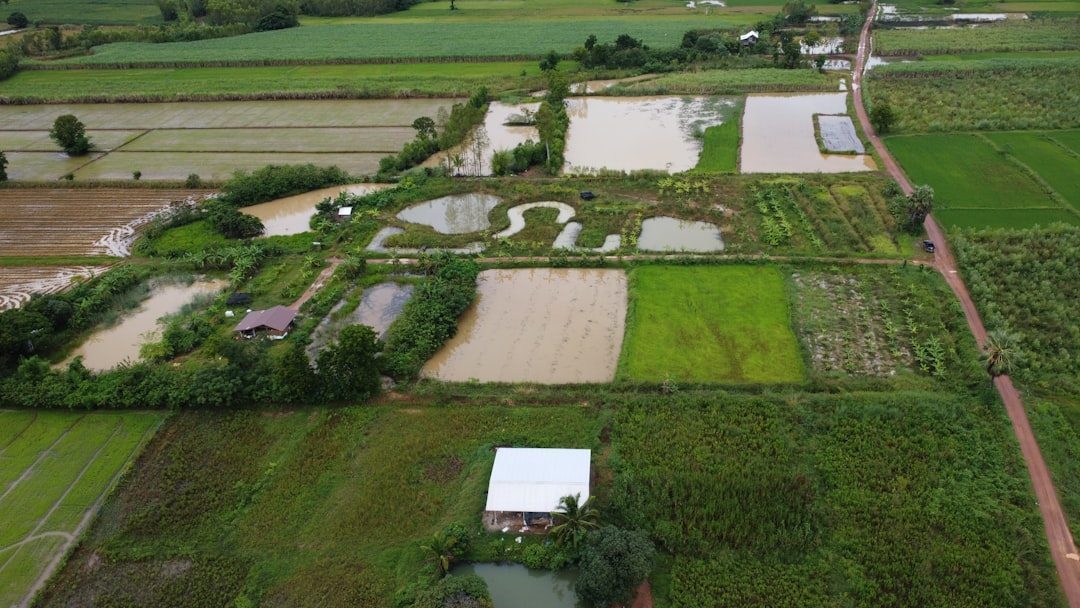
One of the most counterintuitive ancient techniques was to let land flood completely and only start farming as the water fell away. This method, sometimes called flood-recession or inundation agriculture, was used along big river valleys and lakes where water predictably rose and retreated. Farmers would wait for floodwaters to spread nutrient-rich silt across low-lying areas, then plant quickly in the wet, freshly enriched soil as the water withdrew. The calendar was written not in months, but in the slow curve of the receding shoreline. It sounds risky, but when floods were regular, it became one of the most efficient, low-input systems on Earth.
Scientifically, this works because the flood acts as both fertilizer delivery and soil conditioner. Suspended sediments bring minerals, organic matter increases, and soil structure is loosened for easier root penetration. Farmers did not need to haul compost or build long canal systems; the river did the heavy lifting. I find it striking that modern conservation agriculture often tries to mimic these principles – with cover crops, controlled flooding, or wetland restoration – after centuries of trying to confine rivers in rigid channels. The old insight still stands: sometimes the smartest move is not to fight water, but to dance with its rhythm.
Crop Rotation and Mixed Cropping: Early Experiments in Ecological Engineering
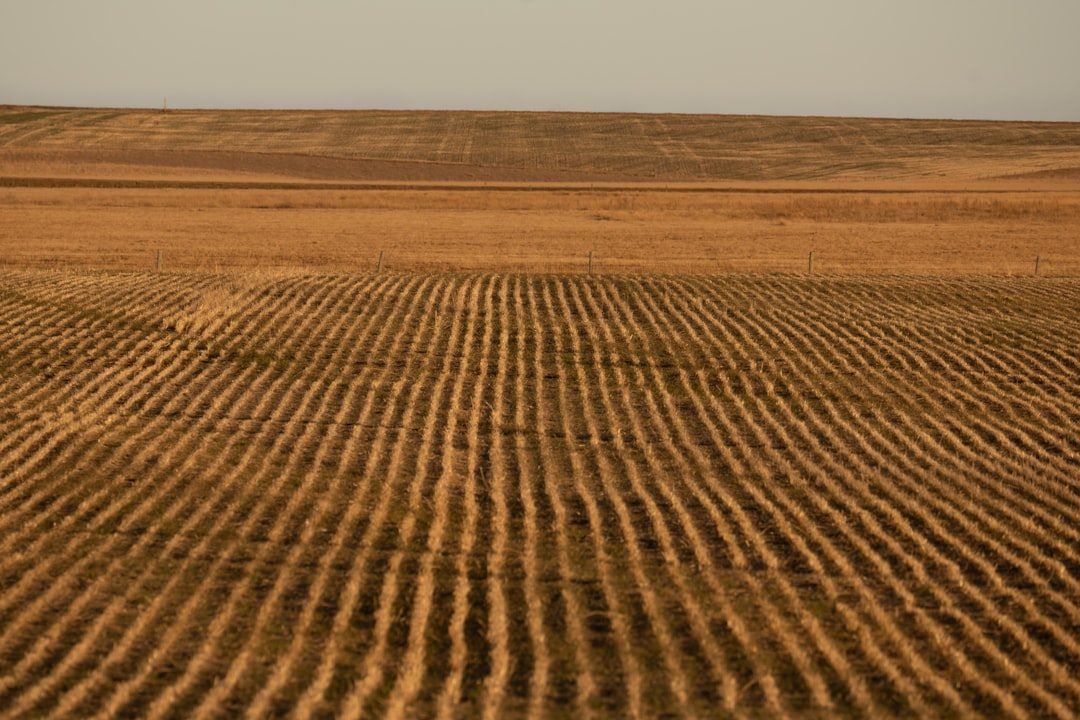
Long before anyone could name nitrogen or phosphorus, farmers noticed a simple pattern: plant the same crop over and over, and the soil turns tired and stingy; mix things up, and yields rebound. Ancient agriculturalists in Europe, the Middle East, Asia, and the Americas practiced early forms of crop rotation and mixed cropping that now look impressively close to modern ecological science. They alternated cereals with legumes, fallow periods, or fodder crops, and sometimes combined species in the same field so that they supported each other. The famous “Three Sisters” system of maize, beans, and squash in the Americas is one iconic example, where each plant filled a specific role in the tiny ecosystem of a field.
From a scientific standpoint, legumes partner with nitrogen-fixing bacteria to pull usable nitrogen from the air into the soil, helping replenish what heavy-feeding grains remove. Diverse root systems penetrate different depths, improving soil structure and reducing disease buildup by breaking pest cycles. When agronomists run experiments comparing diverse rotations to monocultures, they often find better yield stability over time, even if single-year maximums sometimes favor pure stands. To me, what is most impressive is that ancient farmers discovered these patterns through centuries of granular observation, field by field, season by season. In a sense, they were running long-term ecological trials before ecology had a name.
Raised Fields and Chinampas: Engineering Wetlands into Super-Productive Gardens
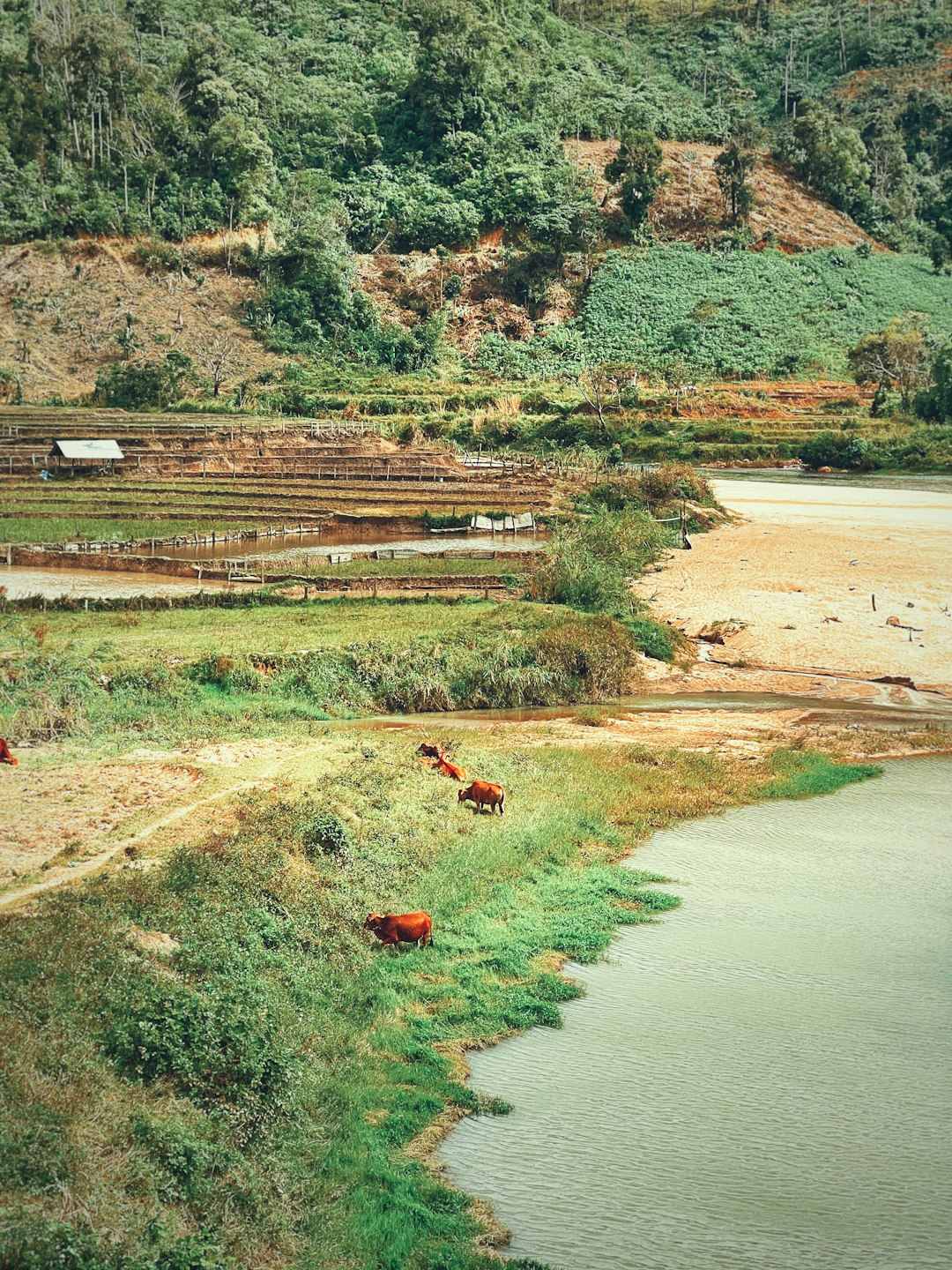
Some of the most ingenious ancient farming systems emerged not on dry land, but in wetlands that many people would have written off as useless swamps. In the Andean highlands and around the lakes of Mesoamerica, farmers constructed raised fields – long, flat ridges of soil sandwiched between drainage or irrigation canals. In the Valley of Mexico, these evolved into chinampas, sometimes described as “floating gardens,” though they are more like anchored, rectangular islands. Farmers piled up mud, organic matter, and plant debris to build fertile platforms, while canals moderated temperature and supplied water. When researchers measure productivity in reconstructed chinampas, they often find yields that rival or exceed many modern intensive systems.
The science behind these systems is elegantly simple: water in the surrounding canals stores heat, buffering plants against night-time cold snaps and even light frosts. Organic matter from canal dredging constantly replenishes nutrients, creating a semi-closed loop where little is wasted. Microbial life thrives in the damp, oxygen-rich soil, accelerating decomposition and nutrient cycling. Modern urban agriculture advocates sometimes look to chinampas as inspiration for climate-resilient, high-yield food systems near cities. Standing back from the details, it is hard not to see these raised fields as early prototypes of circular, regenerative agriculture that many researchers now argue we urgently need.
The Science Behind These Ancient Breakthroughs: Why It Matters Today
It is tempting to romanticize ancient farming as simple or purely traditional, but in reality these systems were grounded in rigorous, if unwritten, science. Farmers observed cause and effect – erosion after heavy rains, pest outbreaks after monocropping, yield declines in exhausted plots – and adjusted their methods like field scientists without lab coats. Terraces, rotations, irrigation, and raised beds are essentially applied physics, hydrology, and ecology in action. When soil scientists and climate researchers revisit these systems now, they are often stunned by how closely they match current best practices for resilience. In many cases, the limitation was not knowledge, but tools and scale.
Comparing these ancient techniques to some modern industrial methods can be uncomfortable. High-input monocultures powered by synthetic fertilizers and fossil fuels have delivered huge short-term gains but also serious downsides: erosion, biodiversity loss, and rising greenhouse gas emissions. In contrast, many ancient systems were designed to stretch finite resources, not overwhelm them, making them naturally conservative with water, nutrients, and land. That does not mean we should turn back the clock and abandon modern technology. But it does suggest that some of the smartest “new” ideas – regenerative agriculture, climate-smart farming, nature-based solutions – are really polished versions of strategies humans have relied on for millennia.
From Stone Tools to Sensors: How Ancient Ideas Are Shaping the Future of Farming

Fast-forward to today, and you will find satellites mapping terraces, drones monitoring flooded rice paddies, and AI models optimizing crop rotations – tools that would have felt like magic to early farmers. Yet the core principles they used still anchor many cutting-edge projects. Researchers are experimenting with terraced agroforestry in mountainous regions to reduce landslide risk while boosting yields, essentially updating ancient terrace logic with new tree species and climate data. In floodplains, some planners are exploring controlled seasonal flooding and flood-recession farming as safer, more sustainable alternatives to ever-higher levees. It is a strange but exciting feedback loop: high tech circling back to low tech for guidance.
Looking ahead, the biggest challenge is scaling these nature-aligned systems to feed billions under climate stress without repeating past mistakes. That might mean hybrid approaches, such as sensor-guided irrigation on traditional canal networks, or precision planting within diversified rotations. It will likely involve policies that reward farmers for soil conservation, water stewardship, and biodiversity, not just raw yield. Personally, I find it hopeful that solutions to future food crises may lie as much in old hand-built terraces and mud-lined canals as in gleaming research labs. If we listen carefully, those ancient fields are still whispering hard-won lessons about how to live within ecological limits.
How You Can Engage with This Living Legacy
For most of us, the idea of carving terraces or dredging chinampa canals by hand feels impossibly distant from daily life, but there are surprisingly practical ways to connect with this legacy. One simple step is to pay attention to where your food comes from and how it is grown, supporting farmers and brands that use soil-friendly, water-smart practices. Community-supported agriculture schemes, farmers markets, and local co-ops often feature producers experimenting with crop rotations, cover crops, or reduced tillage – ideas that echo ancient systems. Even in a small backyard or balcony, you can try mini versions: raised beds, mixed plantings, and composting are all cousins of older techniques. It is not about perfection, but about nudging your own food choices closer to the resilient methods that helped sustain societies for centuries.
If you are curious to go deeper, visiting archaeological sites, agricultural museums, or demonstration farms can turn abstract history into something you can see and touch. Educators and scientists increasingly collaborate with Indigenous and local farming communities who maintain versions of these systems today, from terraced rice paddies in Asia to Andean potato terraces and Mexican chinampas. Following and supporting that work – whether through donations, volunteering, or simply amplifying their stories – helps ensure that this knowledge is not just archived in papers, but actively used and valued. In a world that often chases the newest gadget, choosing to learn from ancient farmers is a quiet but powerful act. What piece of their wisdom are you most curious to try out in your own life?
Suhail Ahmed is a passionate digital professional and nature enthusiast with over 8 years of experience in content strategy, SEO, web development, and digital operations. Alongside his freelance journey, Suhail actively contributes to nature and wildlife platforms like Discover Wildlife, where he channels his curiosity for the planet into engaging, educational storytelling.
With a strong background in managing digital ecosystems — from ecommerce stores and WordPress websites to social media and automation — Suhail merges technical precision with creative insight. His content reflects a rare balance: SEO-friendly yet deeply human, data-informed yet emotionally resonant.
Driven by a love for discovery and storytelling, Suhail believes in using digital platforms to amplify causes that matter — especially those protecting Earth’s biodiversity and inspiring sustainable living. Whether he’s managing online projects or crafting wildlife content, his goal remains the same: to inform, inspire, and leave a positive digital footprint.