
Walk into a modern wellness clinic in 2026 and you might see herbal teas, breathwork classes, infrared saunas, and “energy” sessions on the menu. What many people don’t realize is that versions of a lot of these ideas have been practiced for centuries by Indigenous peoples across the Americas, often dismissed as superstition until science quietly began catching up. The surprising twist is this: while laboratories and clinical trials are relatively new, many of these traditions were refined over generations of observation, experimentation, and lived experience.
This isn’t some romanticized “back to nature” story. A lot of Indigenous knowledge has survived colonization, forced assimilation, and open attempts to erase it. Now, as researchers finally start listening instead of lecturing, they’re finding that some of these practices have measurable physiological, psychological, and social benefits. The science is still building, and there’s a long way to go, but the early signals are strong enough that hospitals, universities, and mental health providers are beginning to pay attention. Let’s look at seven healing practices that Indigenous communities have carried for a long time – and that science is only just beginning to understand.
Sweat Lodges and Heat Ceremonies
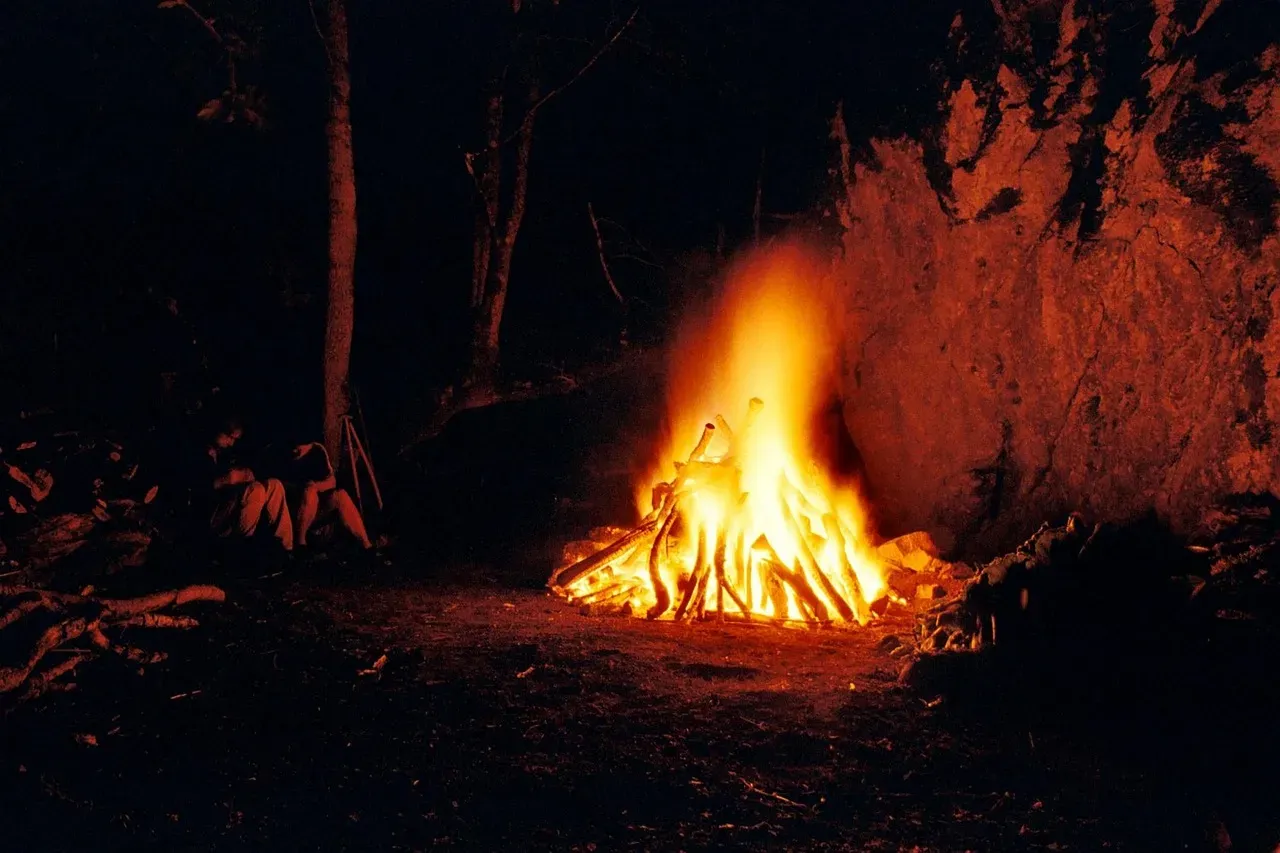
Imagine combining a deeply emotional group therapy session with a very intense sauna, and you’re somewhere in the neighborhood of a traditional sweat lodge. Many Indigenous nations across North America have long used sweat ceremonies for purification, prayer, and community bonding, not just as a physical detox but as a full-body, full-spirit reset. Participants enter a small dome-like structure, hot stones are brought in, water is poured to create steam, and the space turns dark, hot, and intimate. For many, it’s a place to let go of grief, trauma, or shame in a setting where you’re held by community, not sitting alone with a therapist’s clipboard.
Modern science has mostly studied heat exposure in things like Finnish saunas and steam rooms, but the findings are interesting for sweat lodges too. Regular sauna use has been linked to better cardiovascular health, improved circulation, and reduced risk of some heart conditions, and heat exposure may trigger beneficial stress responses in the body. Studies in mental health also suggest that intense, meaningful group rituals can reduce feelings of isolation and improve emotional resilience. Researchers are just beginning to examine Indigenous-specific sweat lodge practices, and they’re finding that the combination of heat, ritual, storytelling, and social support may matter far more than just sweating out toxins.
Plant Medicine and Traditional Herbalism
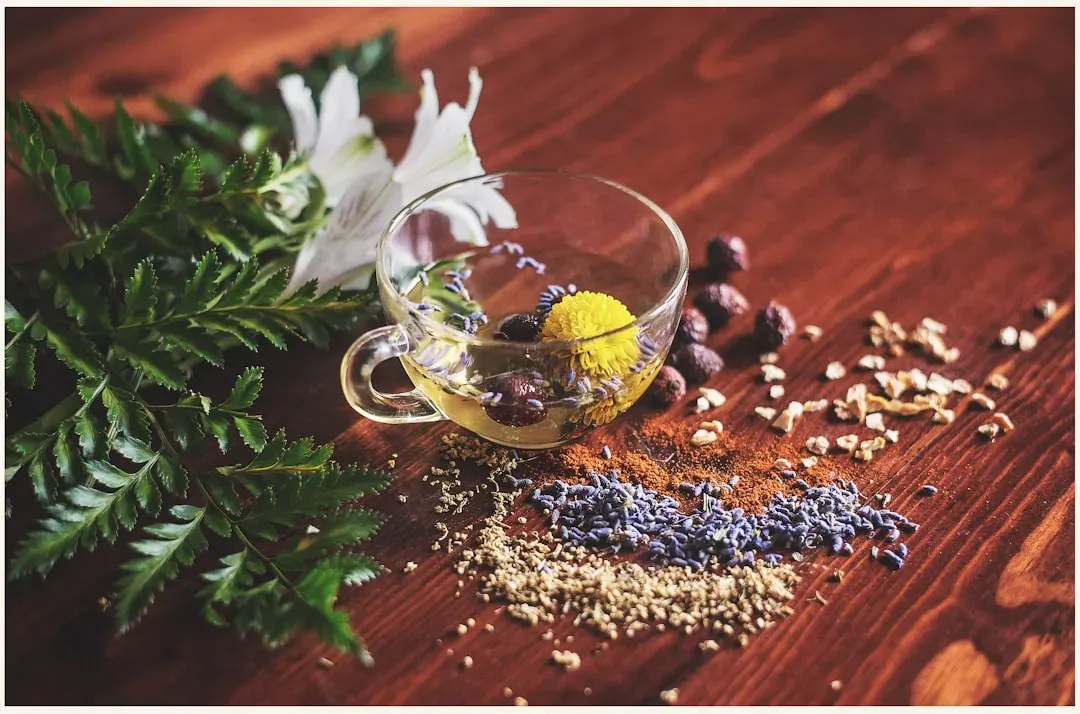
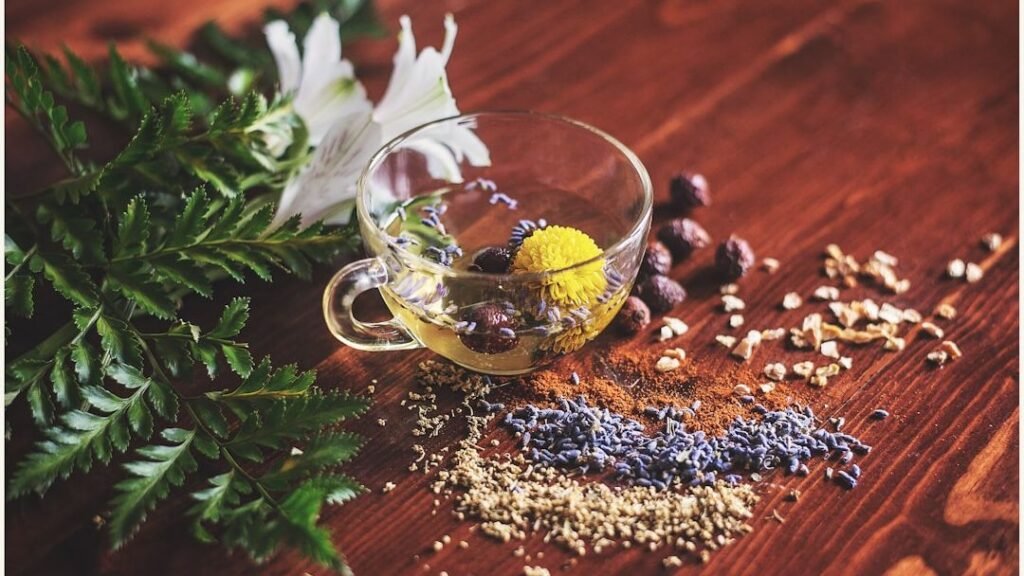
Indigenous healers across the Americas have long used plants not as trendy “superfoods,” but as precise tools – carefully matched to symptoms, seasons, and even spiritual states. Think of willow bark used for pain relief long before aspirin existed, or the use of certain tree barks, berries, and roots to manage infections and digestive issues when there were no pharmacies in sight. These remedies weren’t random; they came from generations of observation, pattern recognition, and careful experimentation, with knowledge passed down orally and through practice.
Modern pharmacology has already confirmed that countless drugs originally came from or were inspired by plant compounds, including many used traditionally by Indigenous communities. Researchers now are looking more closely at specific herbs long used in Indigenous medicine for inflammation, diabetes, heart issues, and immune support. They’re finding active molecules that can affect blood sugar, blood pressure, or immune responses in measurable ways. The big shift happening now is ethical: instead of mining Indigenous plant knowledge without credit, there’s a growing push toward respectful collaboration, cultural protection, and benefit-sharing – acknowledging that what the lab “discovers” often started as lived knowledge in a community.
Ceremonial Tobacco and Sacred Smoke
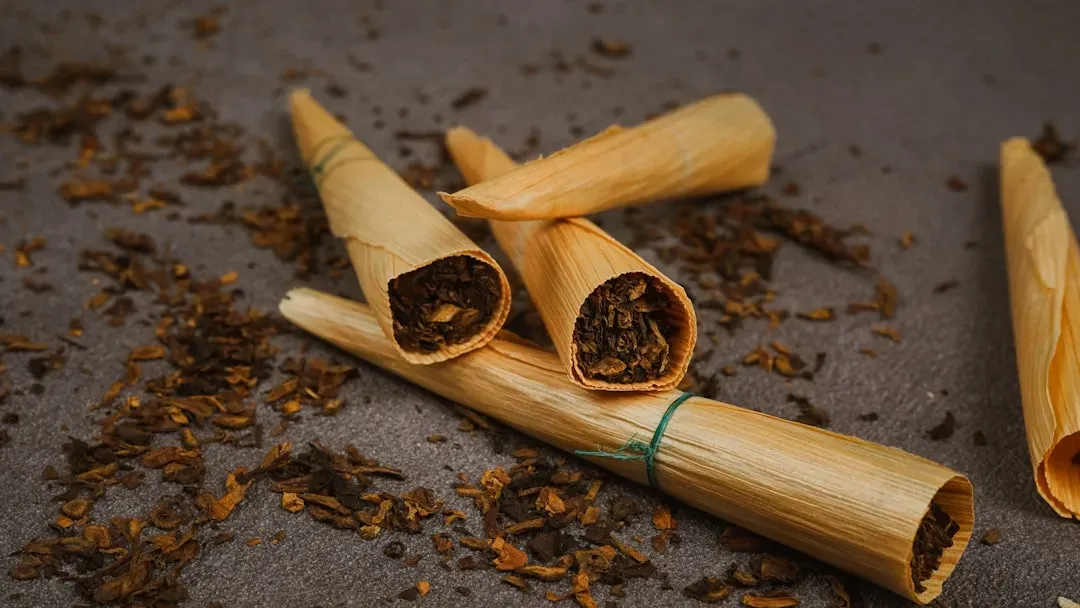
If you grew up around anti-smoking campaigns, the idea of tobacco as healing might sound completely backward. But ceremonial tobacco in many Indigenous traditions is not about nicotine addiction or stress-smoking; it’s a sacred plant used in a very different way. Often, it’s offered in prayer, shared in ceremony, or used as a way of sealing commitments and showing respect. The tobacco itself is usually much more natural than commercial cigarettes, and the intention isn’t constant consumption but specific, meaningful use.
Science is beginning to tease apart something many elders have been saying for years: the danger lies in how tobacco is processed and used, not simply in its existence as a plant. Commercial tobacco products are engineered for addiction, with additives and processing methods that amplify harm. Traditional ceremonial use tends to be infrequent, controlled, and embedded in rituals that discourage casual, constant use. Public health researchers are now exploring how reconnecting with sacred meanings of tobacco might actually help reduce commercial smoking in Indigenous communities, shifting the plant from a destructive addiction back toward a respectful, bounded relationship.
Talking Circles and Relational Healing
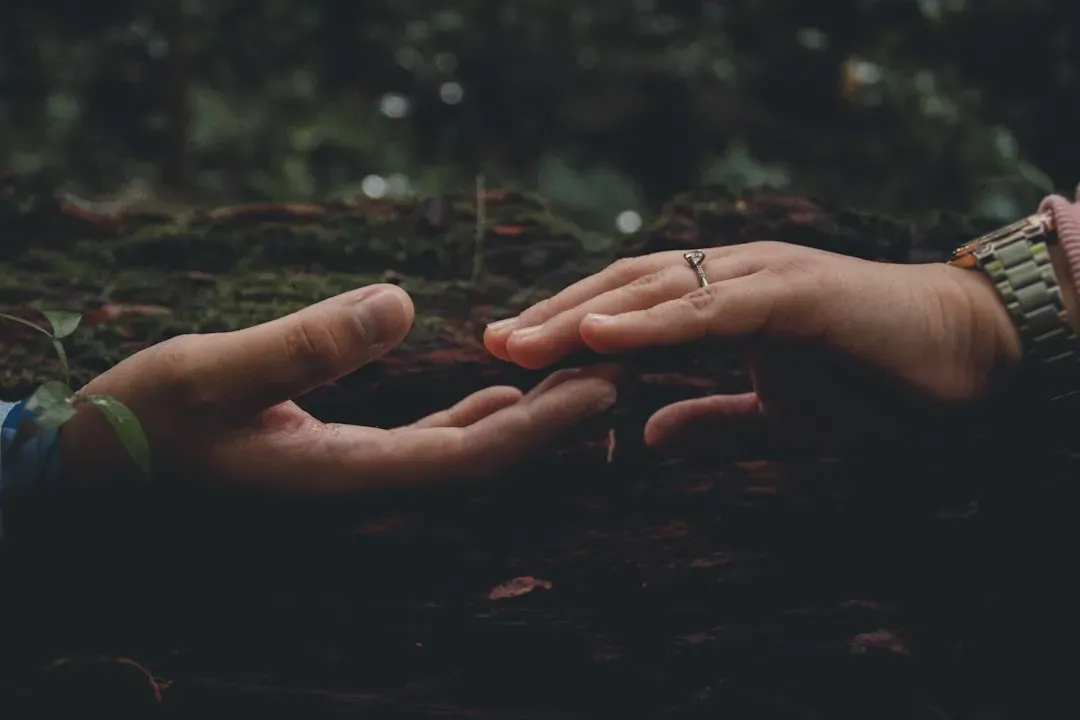
Picture a group of people sitting in a circle, passing a talking stick or object, where only the person holding it speaks and everyone else listens. It sounds simple, but talking circles are one of the most quietly powerful Indigenous healing practices in North America. They’re used to work through grief, conflicts, addiction, intergenerational trauma, and community decisions. The circle format flattens hierarchy – elders, youth, men, women, leaders, and quiet folks all share the same space – and the rules emphasize listening without interruption or judgment.
Mental health researchers and trauma specialists are increasingly interested in talking circles because they align closely with what we know helps people heal: feeling heard, being part of a community, and having a safe space to tell your story. Studies on group-based, culturally grounded programs using talking circles have found reductions in depression symptoms, substance use, and self-harm risk in some Indigenous communities. What modern psychology is still catching up to is something these circles embody: healing doesn’t always come from “fixing” an individual, but from mending the web of relationships they live inside. It’s therapy, but the therapist is the circle itself.
Song, Drumming, and Vibrational Healing
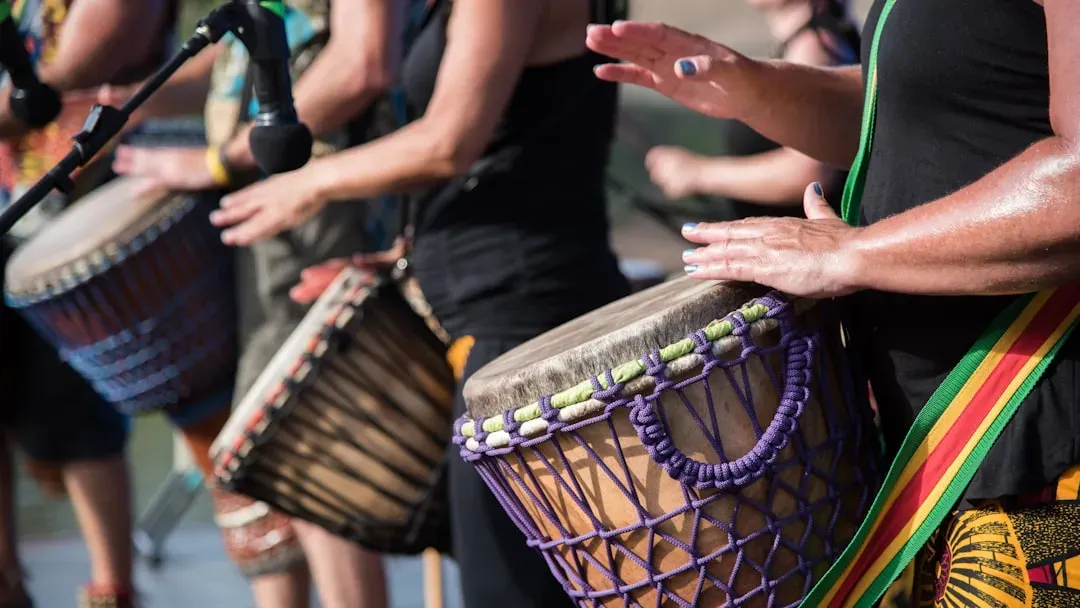
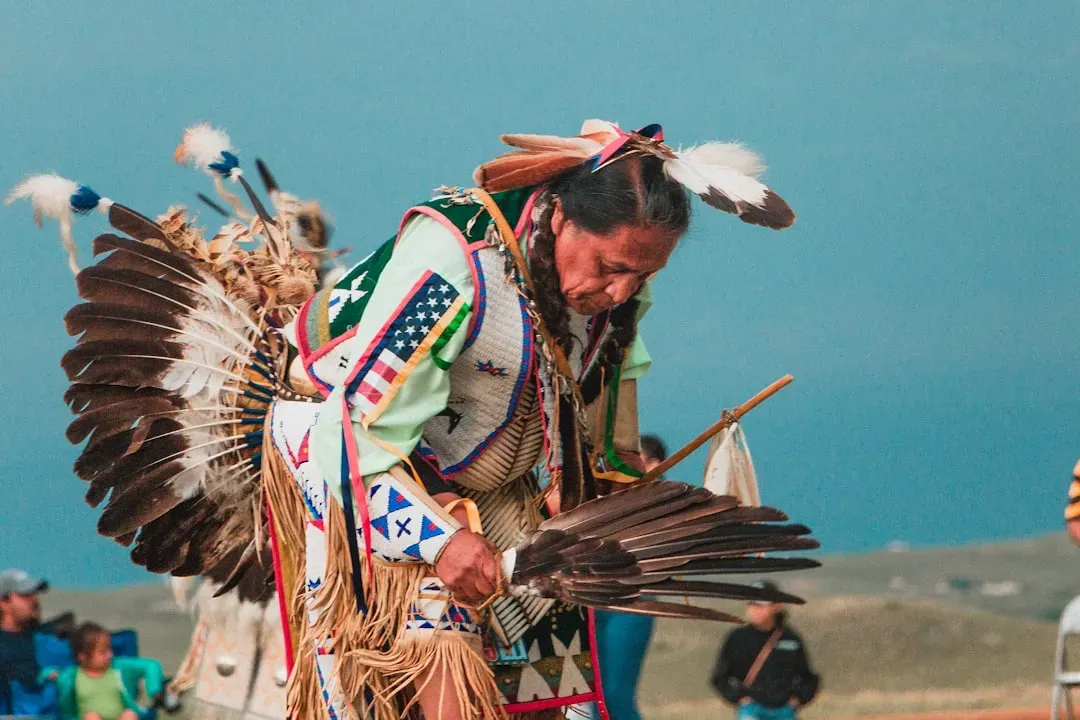
If you’ve ever felt music hit you so hard you got goosebumps, you already know that sound does something physical to the body. In many Indigenous cultures, song and drumming are not just performances; they’re medicines. Specific songs are used in ceremonies for healing, mourning, celebration, and protection, while drums are often described as the heartbeat of the earth. These aren’t casual playlists – they’re carefully held traditions, with rules about when and how certain songs can be sung, and by whom.
Neuroscience and psychology have exploded with research on music in the last couple of decades, and the findings line up in striking ways. Rhythmic drumming can influence brainwave patterns, lowering anxiety and helping regulate nervous systems that have been rattled by trauma. Group singing activates areas of the brain linked to connection, reward, and emotional regulation; it also encourages synchronized breathing, which calms the body. While most lab work hasn’t yet centered Indigenous song specifically, some early collaborations are starting, and they suggest that when you add cultural meaning and community identity to the raw power of rhythm and melody, the healing effect can be even stronger.
Land-Based Healing and Returning to Place
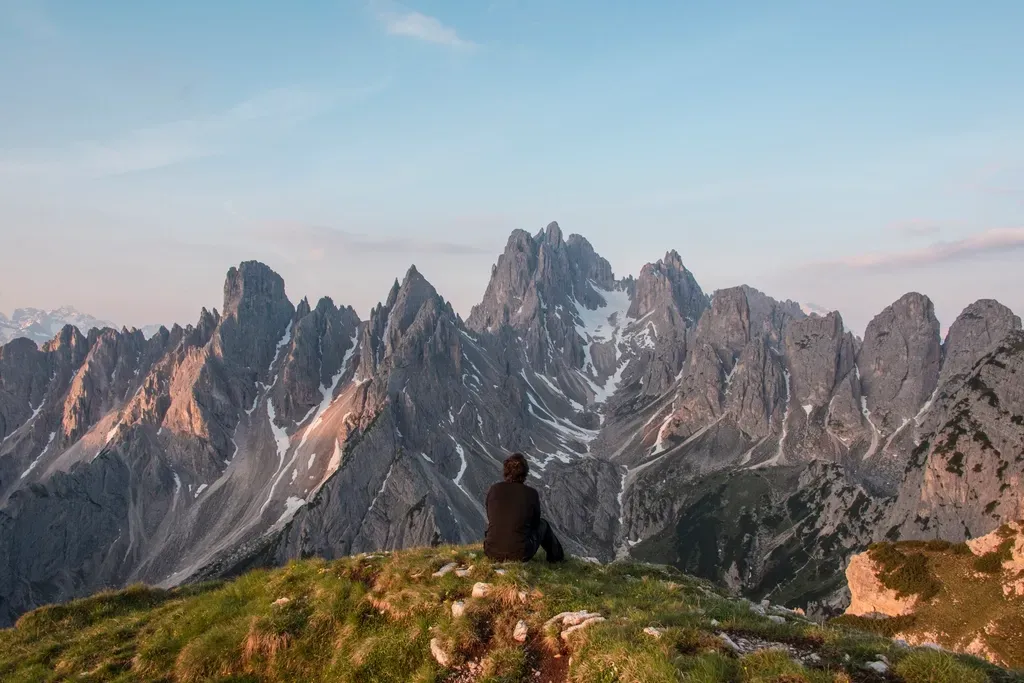
For many Indigenous peoples, the idea that you could heal without involving the land would sound incomplete at best. Land is not a backdrop or a resource; it’s a relative, a teacher, a living presence. Land-based healing programs intentionally take people – especially youth, survivors of violence, or those recovering from addiction – back onto ancestral territories to hunt, fish, gather medicines, tell stories, and practice cultural skills. The goal isn’t just fresh air; it’s reconnection to place, history, language, and responsibility.
Researchers studying these programs have started to document real, measurable outcomes: improved mental health scores, reduced substance use, stronger cultural identity, and a sense of belonging that standard clinical settings often fail to provide. Environmental psychology has also shown that time in nature can lower stress hormones, improve mood, and even support better sleep and immune function. When that nature is not generic but deeply tied to one’s culture and ancestors, the effect can be even more profound. It’s like the difference between visiting a random park and returning to your childhood home; the same trees and water feel entirely different when they carry your stories.
Smudging, Aromatic Plants, and Cleansing Rituals
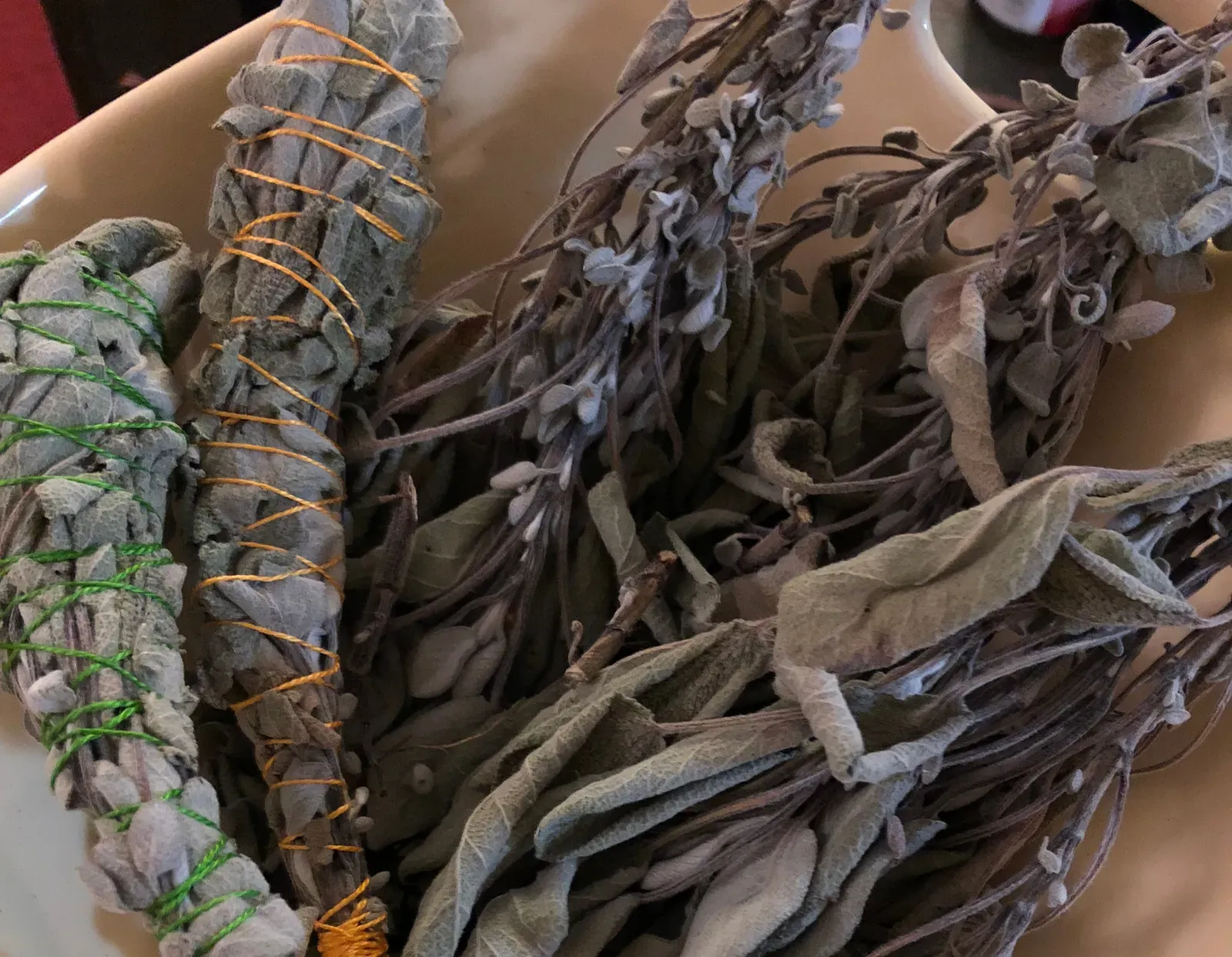
Smudging – the burning of plants like sage, cedar, or sweetgrass to cleanse spaces, people, or objects – is probably one of the most widely recognized Indigenous practices today, even if it’s often misunderstood or misused. In many communities, smudging is a way to clear heavy energy, prepare for ceremony, calm the mind, and invite good intentions. The specific plants and protocols vary among nations, and for many people, it’s not just about smoke; it’s a prayerful act, often accompanied by specific motions and words.
From a scientific standpoint, researchers have begun studying both the psychological and physical aspects of burning herbs and aromatic plants. Some studies suggest that certain plant smokes may reduce airborne microbes under controlled conditions, though this area of research is still very young and not a license to treat smoke as a disinfectant spray. More established is the evidence around scent and mood: aromatic compounds from plants can influence the nervous system, easing anxiety or lifting mood in some people. Combine that with the power of ritual – doing a familiar, meaningful action to mark a transition or create a sense of safety – and you get a practice that works on both mind and body, even if science is only beginning to map how.
Listening to Knowledge That Was Always There
When you put all of these practices side by side – sweat lodges, plant medicines, talking circles, song and drumming, vision quests, land-based healing, and smudging – a pattern starts to appear. Indigenous healing is rarely about isolating a single symptom or a single molecule; it’s about weaving together body, mind, spirit, community, and land. Modern science, by contrast, often zooms in on one variable at a time, which is powerful for certain kinds of answers but can miss the bigger picture that these traditions never stopped seeing. The irony is hard to ignore: systems once dismissed as primitive are now inspiring some of the most innovative approaches in mental health, public health, and even chronic disease care.
This doesn’t mean every traditional practice will be validated by research or that science can or should try to capture everything sacred in a data table. But the growing overlap between Indigenous knowledge and scientific findings is a reminder that wisdom doesn’t only live in labs and journals. Sometimes it lives in songs sung around a drum, in smoke curling up from a bundle of herbs, or in footsteps tracing an old trail back to the land. As more people ask how to heal in a world that feels increasingly disconnected, maybe the better question is this: whose knowledge have we ignored for far too long?