
Every year, something extraordinary happens across every ocean, continent, and sky on this planet. Creatures of all shapes and sizes embark on journeys so vast, so precise, and so biologically astonishing that they make our best GPS technology look like a child’s sketch map. We’re talking about animals traveling thousands of miles with no road signs, no satellite signal, and no prior experience – and arriving exactly where they need to be.
Animal navigation is the ability of many animals to find their way accurately without maps or instruments. Birds such as the Arctic tern, insects such as the monarch butterfly, and fish such as the salmon regularly migrate thousands of miles to and from their breeding grounds. But how? The answers range from quantum physics to ancient star maps, and honestly, once you learn the details, you may never look at a bird or a beetle the same way again. Let’s dive in.
1. The Magnetic Compass: Nature’s Built-In GPS
You carry a phone to find your way. Animals carry something far more sophisticated. In addition to providing animals with a source of directional or ‘compass’ information, Earth’s magnetic field also provides a potential source of positional or ‘map’ information. In less than a generation, the idea that animals use Earth’s magnetic field as a kind of map has gone from a contentious hypothesis to a well-established tenet of animal navigation. That’s a remarkable scientific leap in such a short window of time.
Diverse animals ranging from lobsters to birds are now known to use magnetic positional information for a variety of purposes, including staying on track along migratory pathways, adjusting food intake at appropriate points in a migration, remaining within a suitable oceanic region, and navigating toward specific goals. Think of it like a built-in compass and map, combined into one seamless biological system. A pair of physicists at the University of Crete has found that some types of biological magnetoreceptors used by various creatures to navigate operate at or near the quantum limit. That’s genuinely mind-blowing – quantum-level precision in a living creature.
2. Celestial Navigation: Reading the Stars Like an Ancient Explorer
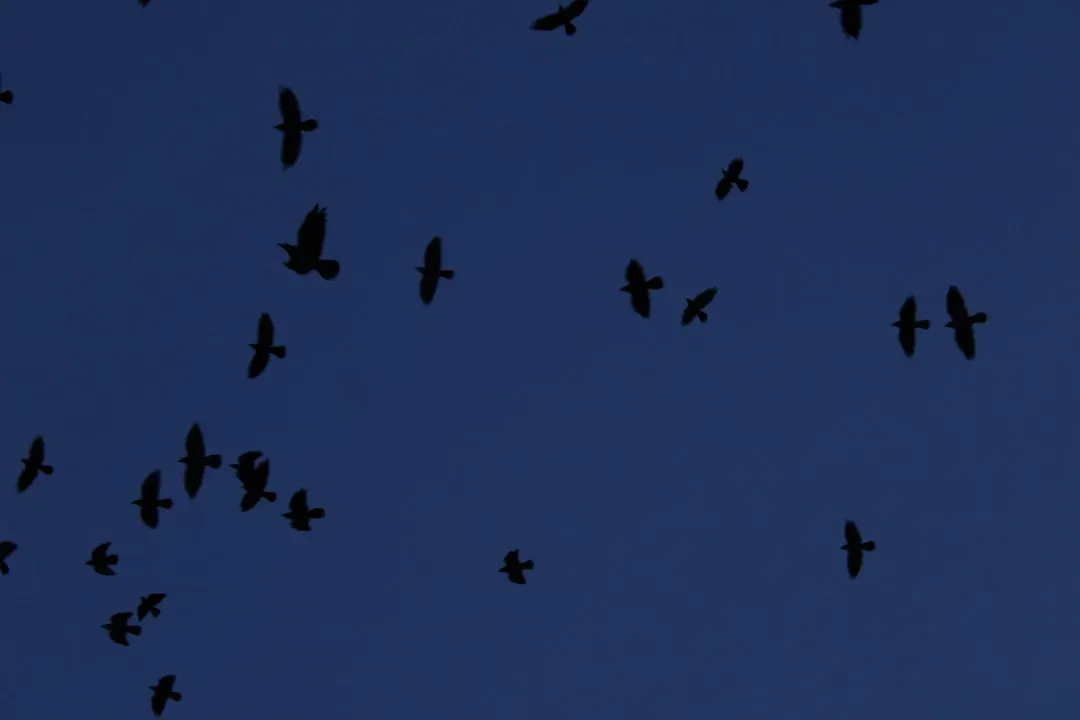
Long before human sailors used star charts to cross oceans, animals had already mastered the night sky. Stars have served as navigation aids for centuries. Animals use stars, such as Betelgeuse and the North Star, most likely because those stars are very bright and often visible. Using the stars, Mallard ducks can find north. That’s right – a duck can navigate by starlight. Let that sink in for a moment.
On moonless nights, the Milky Way provides a backup for dung beetles. This beetle is the only animal confirmed to navigate by the Milky Way. Meanwhile, research revealed individual stars don’t matter to indigo buntings as much as seeing the rotation of close star patterns around a center point. In the wild, this enables them to determine where north is, and then use this information to fly south. It’s a living planetarium, locked inside a tiny bird brain.
3. Solar Compass Navigation: Following the Sun With Perfect Timing
In the 20th century, Karl von Frisch showed that honey bees can navigate by the Sun, by the polarization pattern of the blue sky, and by the Earth’s magnetic field; of these, they rely on the Sun when possible. Here’s the thing though – the sun moves across the sky all day long. So how does any animal compensate for that movement? The answer involves an internal biological clock that runs with extraordinary accuracy.
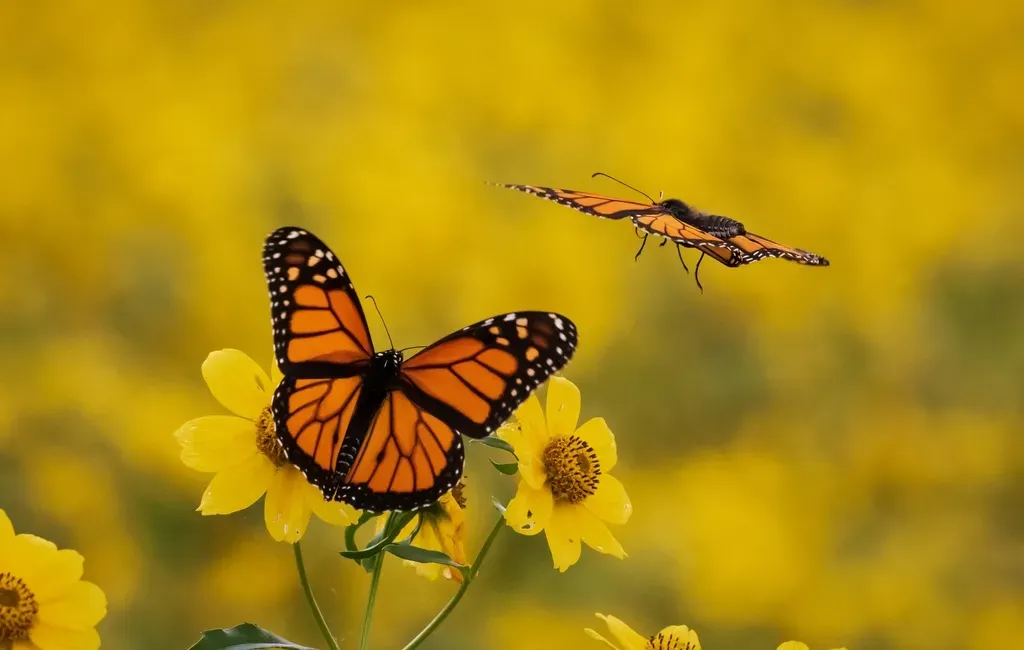
Researchers have found that monarchs navigate using a sun compass that includes time compensation to account for the movement of the sun, with the circadian clock embedded within the butterfly’s antennae. The antennae – not the brain – act as the timekeeping device. Comparisons of migratory monarch genomes with those of non-migratory monarchs has revealed that more than five hundred genes are involved in migratory behavior. Roughly five hundred genes working in concert, just to keep a butterfly on course. Nature does not do things halfway.
4. Olfactory Navigation: Sniffing a Path Across Thousands of Miles
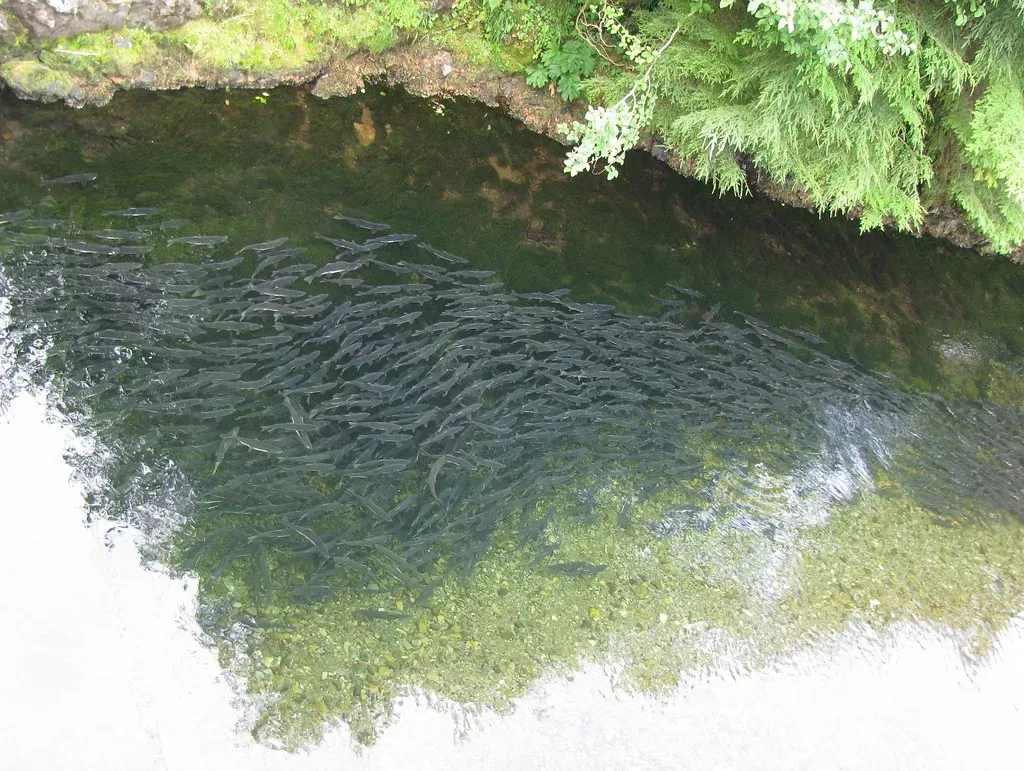
You know how certain smells can instantly transport you back to a childhood memory? Salmon take that concept to a staggering extreme. Juvenile salmon use olfactory imprinting as they go downstream, learning a series of waypoints from their natal home of birth and those imprints become cues for finding their way back as spawning fish, the fish equivalent of dropping bread crumbs to mark the return trail. It’s an elegant, biological breadcrumb system imprinted at birth.
At the peak of smoltification, salmon initiate downstream migration and begin a long journey to reach marine feeding areas often thousands of kilometers from home. After two to three years at sea, the adults begin a homing migration back to the stream and often the very same spawning bed where they hatched in order to complete the life cycle. That level of precision across oceanic distances is extraordinary. They also use magnetic orientation in their migration to saltwater, and when it’s time to return to spawn, magnetic orientation guides the fish to the river plume where olfactory orientation becomes their primary guide. Two systems, working in seamless handoff.
5. Echolocation and Cognitive Mapping: The Animal Brain as a Living Atlas
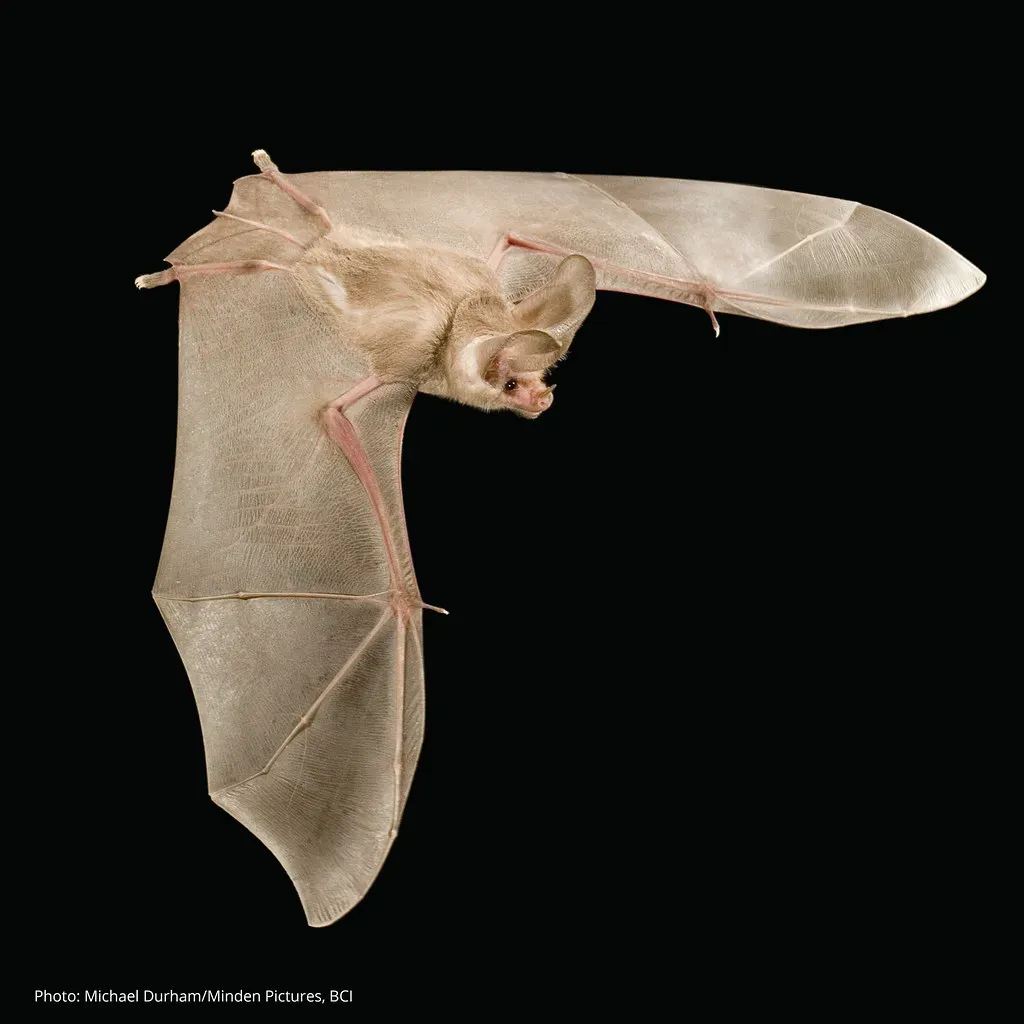
Some animals don’t just sense the world – they build entire three-dimensional maps of it inside their brains. Animal navigation starts with a two-step ‘map-and-compass’ process: an animal establishes its map position relative to its goal then heads in the required compass direction. Rodents and bats navigate using ‘place cells’ and ‘grid cells’ in the brain, so non-mammals may also draw mental maps of a route. This is neurological cartography at its finest.
In the navigation task, specific head direction cells discharge activation to characterize orientation information, place cells encode spatial location, grid cells perform path integration and construct cognitive maps, velocity cells control speed, and boundary cells encode the distance and direction of obstacles. It’s like having a full navigation dashboard installed directly into the nervous system. By building and updating internal cognitive maps, animals exhibit extraordinary navigation abilities in complex, dynamic environments. Bats in particular use echolocation to “paint” detailed acoustic pictures of their surroundings and navigate with breathtaking accuracy through absolute darkness.
6. Geomagnetic Imprinting: How Sea Turtles Remember Where They Were Born
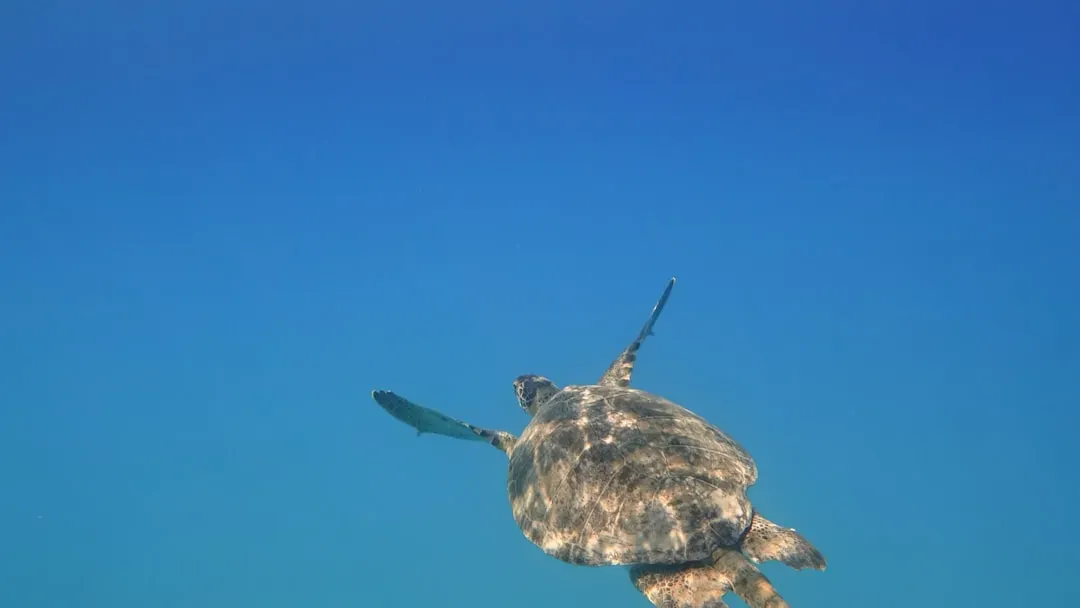
Imagine being born on a specific beach, spending decades wandering the open ocean, and then returning – with remarkable accuracy – to that exact coastline to lay your own eggs. That’s precisely what sea turtles do. In the case of sea turtles, magnetic map information can be used to guide a turtle toward a particular area or to help it assess its approximate location along a transoceanic migratory route. In effect, sea turtles have a low-resolution biological equivalent of a global positioning system, but one based on geomagnetic information instead of satellite signals.
Many birds rely on cryptochrome-based systems to sense the tilt of Earth’s magnetic field lines. This ability provides them with a magnetic compass, allowing them to determine which direction to fly during migration. In contrast, sea turtles and some other animals use magnetite-based sensors to detect subtle variations in magnetic intensity and inclination across the globe. Recent findings also indicate that sea turtles, salmon, and at least some birds imprint on the magnetic field of their natal area when young and use this information to facilitate return as adults. It is, I think, one of the most poetic navigational systems in the entire animal kingdom.
7. Multi-Sensory Integration: The Arctic Tern’s Pole-to-Pole Masterclass
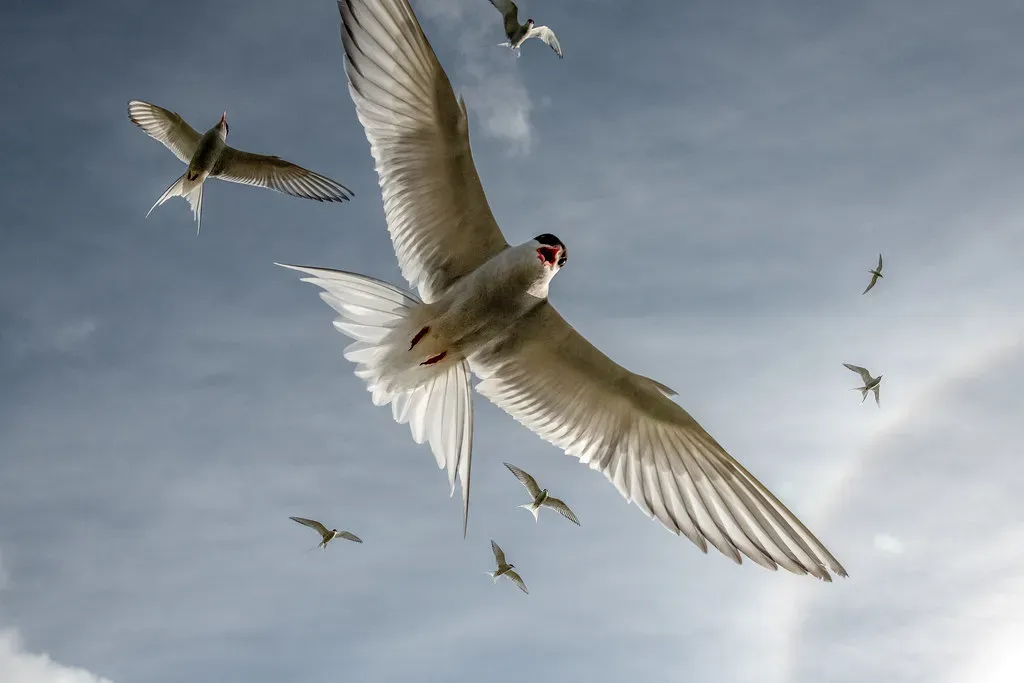
If you wanted to award a medal to the greatest long-distance navigator on Earth, it would go to the Arctic tern without any argument. The Arctic tern completes the longest known annual return migration on Earth, traveling between breeding sites in the northern Arctic and temperate regions and survival areas in the Antarctic pack-ice zone. An Arctic Tern clocked a whopping 59,650 miles over the course of its yearly migration from its breeding area off the coast of England to Antarctica and back again. The tern’s trip marks the longest migration ever recorded, the equivalent of flying around the circumference of the Earth twice, plus 10,000 miles.
Arctic terns use a combination of environmental cues to navigate their long journey, including the position of the sun, the Earth’s magnetic field, and visual landmarks. Recent studies have shown that Arctic terns may also use their keen sense of smell to detect specific oceanic smells associated with their migration routes. Scientists recently discovered the birds make several thousand-mile detours to capitalize on global wind patterns and preserve energy. That’s not just instinct. That’s strategic multi-sensory navigation, refined across millions of years of evolution, and it is nothing short of spectacular.
Conclusion: A World of Navigators That Puts Technology to Shame
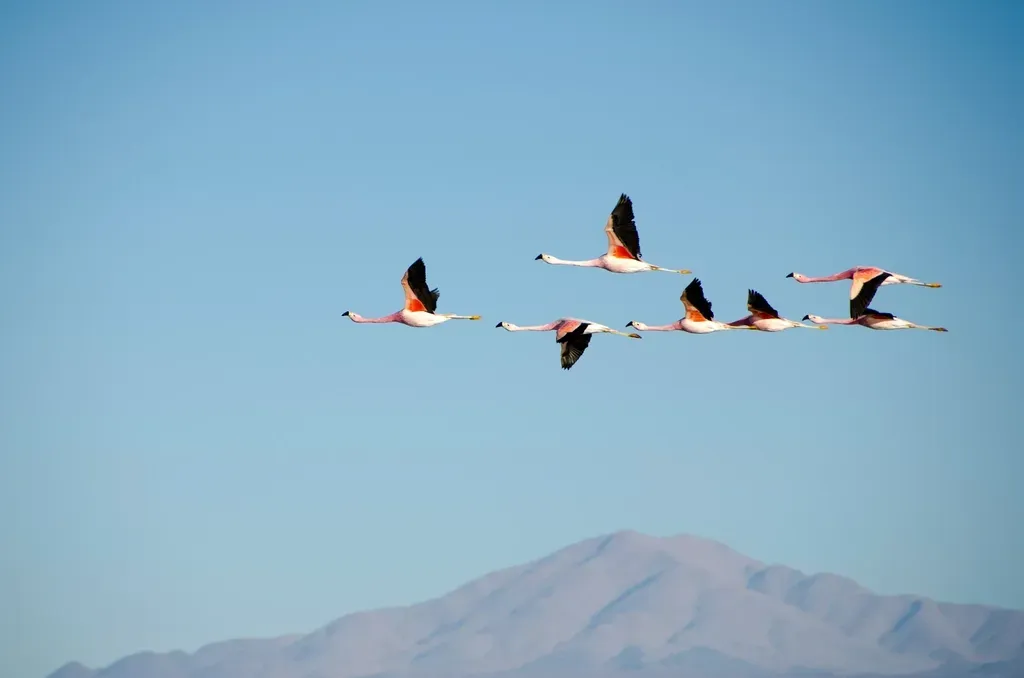
We live in an age of GPS, satellites, and real-time mapping technology. Yet the most precise navigators on this planet are not machines – they are animals that cannot read a single human word. They sense the quantum properties of magnetic fields, read star rotations, remember the chemical signature of a stream from years earlier, and fly from pole to pole using the sun as a clock and the wind as a highway.
What’s perhaps most humbling is that many of these systems still aren’t fully understood by science. The cells that function as receptors for the magnetic sense have not been identified with certainty in any animal. Even the basic principles around which magnetic sensitivity is organized remain a matter of debate. These creatures have been perfecting their navigation for millions of years, long before humans ever looked up at the stars and wondered how to get home.
So next time you reach for your phone to find the nearest coffee shop, maybe spare a thought for the Arctic tern crossing oceans on instinct alone, or the salmon finding its birthplace from thousands of miles away by smell. Nature figured out navigation long before we did – and honestly, it still does it better. What does that say about us, and what more might these incredible animals teach us if we pay close enough attention?