
Stand in a forest at dusk or float quietly in the ocean, and you quickly realize something humbling: there is a constant conversation happening all around us that we can’t fully hear, decode, or even imagine. We catch bits and pieces – a bird call here, a dolphin splash there – but the real messages, the subtle codes and hidden languages, often slip right past our human senses. It’s like living inside a crowded airport where every announcement is in a foreign language.
The deeper scientists look into animal communication, the stranger and more awe-inspiring it gets. From electrical “text messages” in murky rivers to chemical love letters floating invisibly through the air, animals are trading information in ways that stretch the limits of our technology and imagination. And the most unsettling part? We’re starting to suspect that some of these animals might be doing far more than just signaling danger or food – they may be naming each other, arguing, flirting, even gossiping. Let’s dive into seven of the wildest ways animals are talking over our heads.
The Secret World of Ultrasound: Bats and Rodents Whisper in the Dark
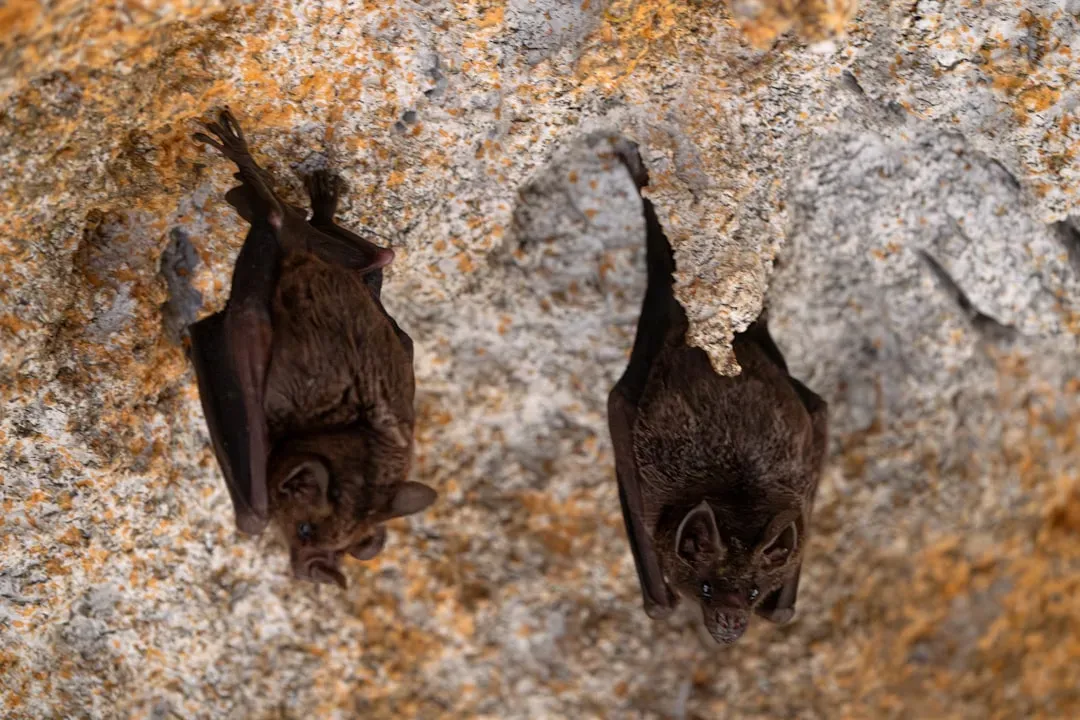
Imagine a crowded bar where everyone is shouting, but all the sound is too high-pitched for you to hear. That’s what the night sky is like for humans when bats are hunting. Bats send out ultrasonic calls, far above the range of human hearing, to map their world in three‑dimensional detail. Each rapid-fire pulse bounces off insects, leaves, and buildings, rushing back as echoes that create an internal “image” in the bat’s mind.
But here’s the twist: these calls aren’t just radar. Many bat species seem to tweak their ultrasonic calls depending on who they’re flying with, as if they’re mixing personal signatures into their sonar beams. Some rodents also use ultrasonic squeaks for social chatter that we simply never hear without special microphones. When researchers slowed down those squeaks, they found complex patterns that look suspiciously like structured communication, possibly including courtship songs and territorial arguments we’ve lived alongside for centuries without noticing.
Electric Languages: Fish Sending Invisible Messages Through Water
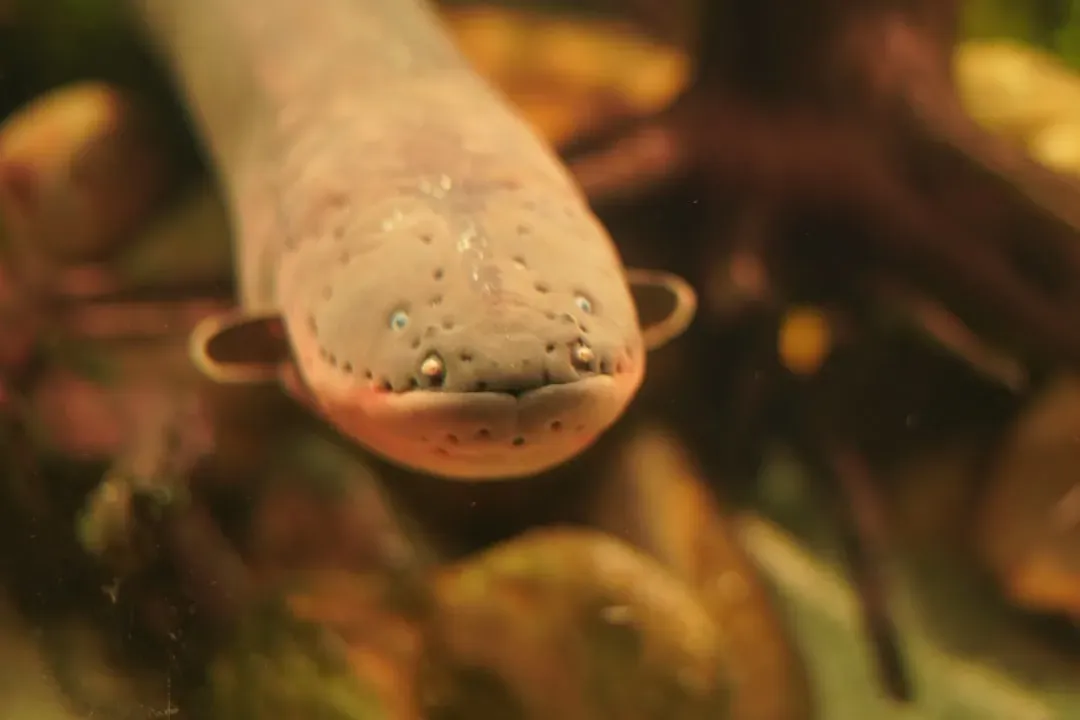
In the murky rivers of Africa and South America, some fish talk in pure electricity. Weakly electric fish generate tiny electric fields around their bodies, then sense how those fields are distorted by nearby objects, a bit like underwater radar. But they also use those fields to send coded electrical “pings” to each other – short bursts, long pulses, repeating rhythms. To them, the water is filled with glowing lines of conversation that we can’t see or feel at all.
Different species use different “dialects” of electrical pulses and patterns, and individuals can tweak their signal depending on mood or social situation. Some fish seem to alter their electrical beats when a rival shows up, like switching from small talk to a raised voice in an instant. Others adjust their signals to avoid interference when they’re swimming in groups, a bit like changing the radio station so everyone can hear clearly. Our instruments can record those pulses, but we’re still scratching the surface of what each pattern actually means.
Bee Dances: A Moving Map Drawn on a Living Canvas
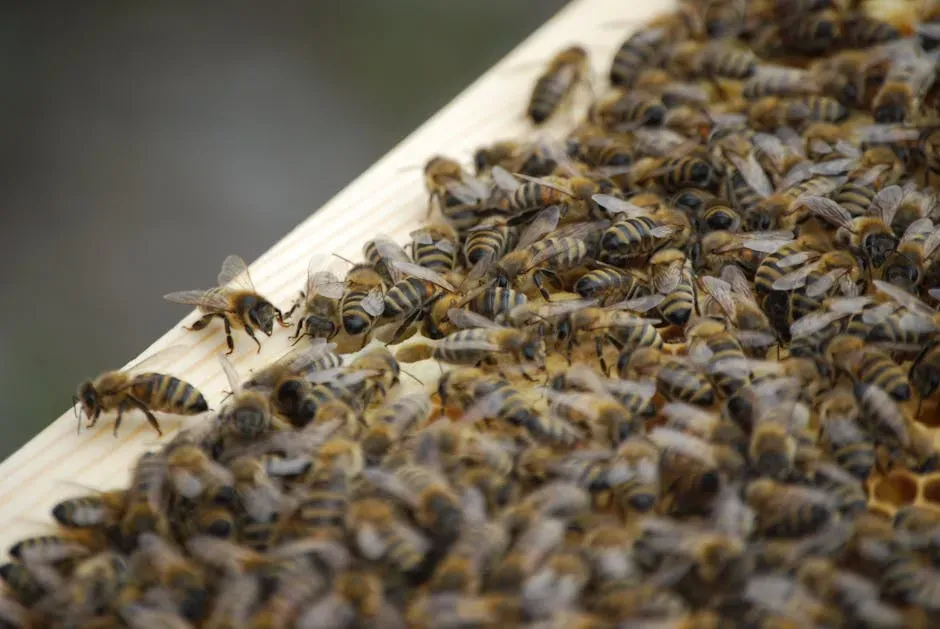
If you ever doubted that insects can share detailed information, bees will happily prove you wrong. Inside a dark hive, a foraging honeybee that’s found a rich patch of flowers returns home and performs a “waggle dance” on the vertical comb. The angle of her dance relative to gravity tells nestmates the direction of the flowers compared to the sun, while the duration of the waggle part encodes distance. She is, quite literally, drawing a moving map on a wall made of bees.
Other bees crowd around, feeling the dance with their legs and antennae, then fly out and actually find the exact patch of flowers – sometimes hundreds of meters away. Researchers have shown that bees can adjust their dances based on wind, obstacles, and even competition, suggesting they’re not just hard-wired robots following a script. And yet even now, there are parts of the dance, subtle vibrations and sounds, that we don’t fully understand, hints that this little insect “GPS” might hold layers of nuance we haven’t cracked.
Chemical Conversations: Smells as Stories, Not Just Scents
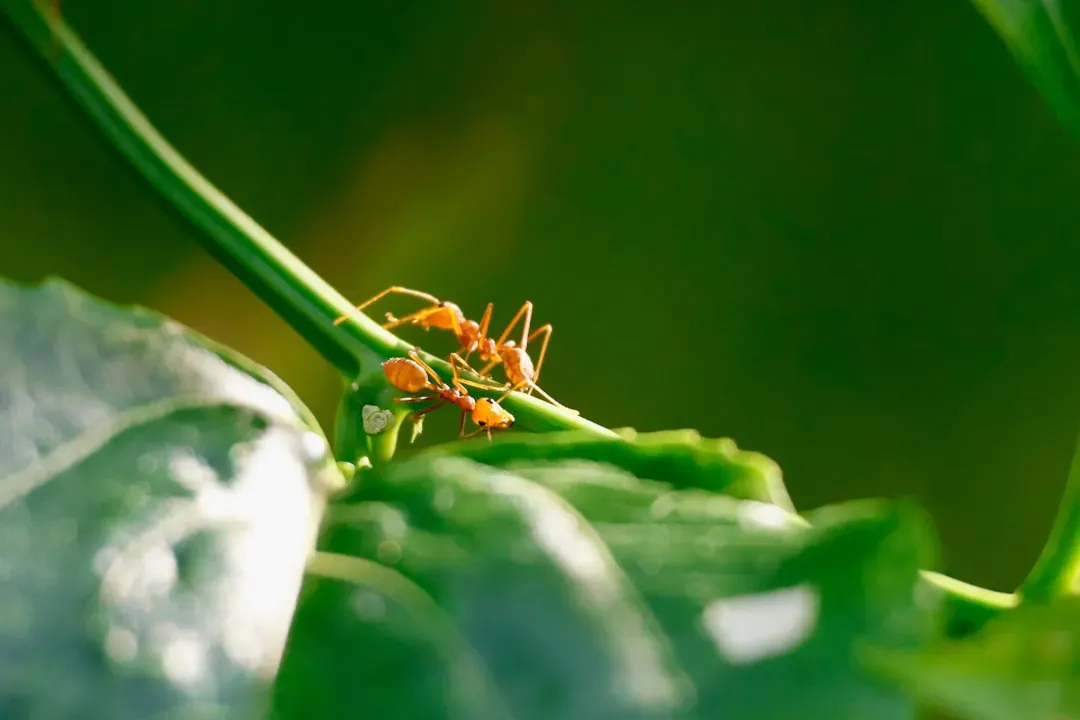
To us, smells are background noise – nice, annoying, or nostalgic. To many animals, they are sentences, names, and warning labels all rolled into one. Ants lay down invisible chemical trails that act like highways, telling others where to walk, where food is, and where danger lurks. Each tiny droplet of pheromone can mean something different: follow me, help me, stay away, or attack now. A single ant looks simple, but as a colony they function like a giant, many-bodied organism using chemistry as its nervous system.
Mammals take chemical communication to a deeply personal level. Wolves and big cats use scent marks to claim territory, announce their reproductive status, and even hint at their individual identity and health. Dogs sniff each other’s rear ends for a reason that goes far beyond rudeness: they’re effectively scrolling through a biochemical profile. What seems like a brief greeting to us might be a novel’s worth of information to them – who you are, where you’ve been, what you ate, and whether you’re stressed or ready to mate.
Whale Songs and Dolphin Names: Voices That Travel Oceans
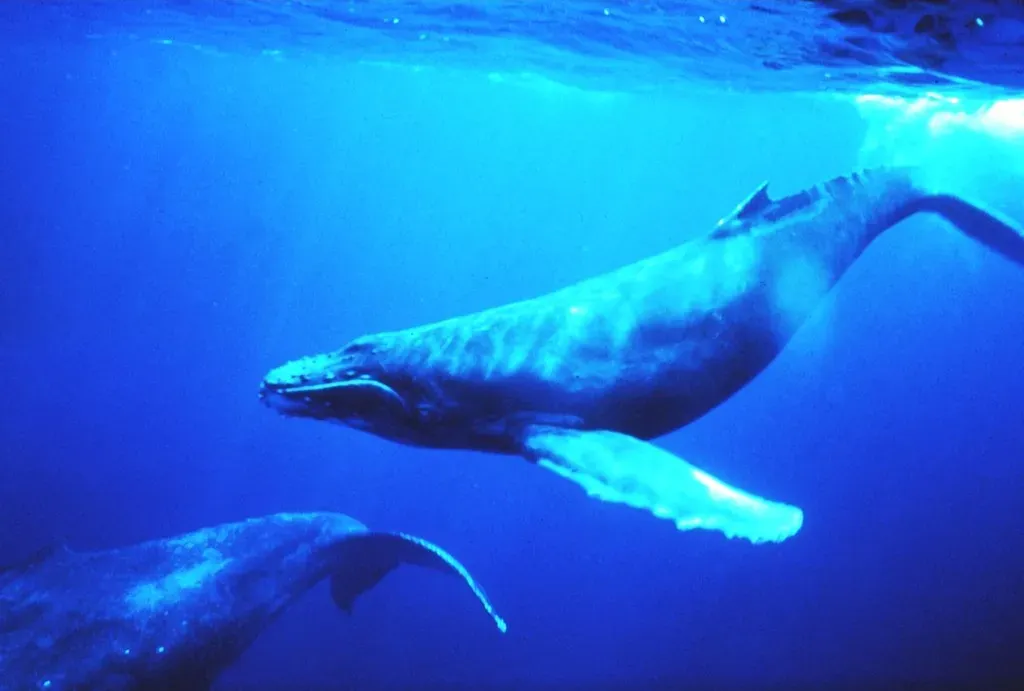
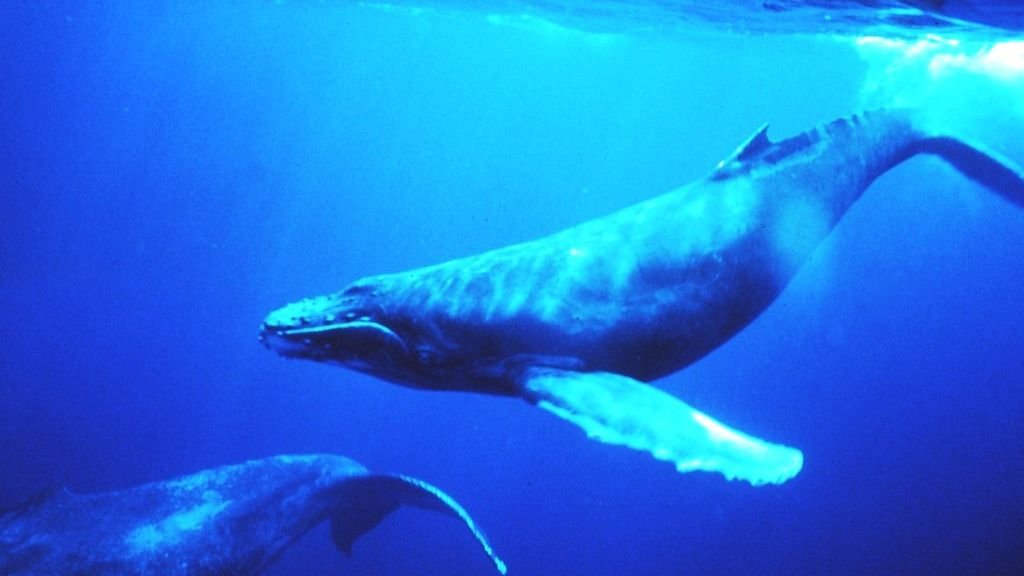
When a humpback whale sings, its voice can travel for many kilometers through the deep ocean, weaving complex sequences of sounds that shift and evolve over time. These songs are not just random noise; males within a region often share a similar song pattern, which slowly mutates year after year, like an evolving hit single that everyone keeps remixing. No one fully agrees on what these songs mean – are they mainly for mating, for social bonding, or something else entirely – but they are clearly more than simple calls.
Dolphins add another layer of mystery. Many dolphin species appear to use “signature whistles” that function almost like names. A young dolphin learns a unique whistle early in life and keeps using it for years, while others in the pod can imitate that whistle to get its attention. It’s as if they’re calling each other across the waves, saying, in effect, “Hey, you, specifically you.” That level of individual labeling and vocal precision edges uncomfortably close to what we think of as one of the foundations of language.
Color, Light, and Skin: Visual Signals We Can’t Fully See
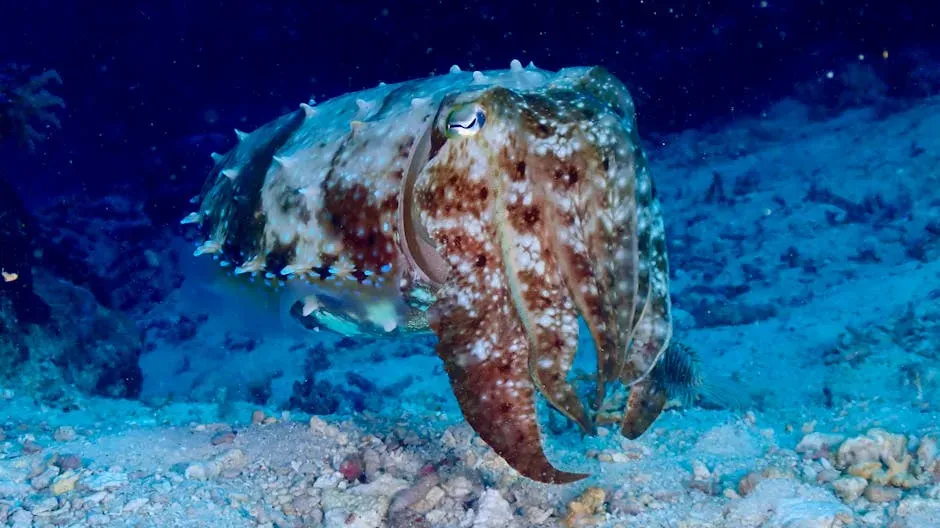
Not all messages are sound or smell; some are painted directly on the body in colors and flashes we can barely perceive. Cuttlefish, octopuses, and squids can change the color and texture of their skin in fractions of a second using special cells that expand and contract like tiny, living pixels. They use these displays to camouflage, threaten, flirt, and possibly coordinate with one another. Watching a cuttlefish pulse from one pattern to another feels like seeing a silent light show where every flicker is a word we don’t speak.
Even animals that seem ordinary to us may be sending visual signals in hidden wavelengths. Many birds and some lizards can see ultraviolet light, and their feathers or scales often carry UV patterns invisible to human eyes. What looks like a simple brown bird might, in UV, display bright stripes or patches that signal strength, readiness to mate, or species identity. We literally lack the receptors to see parts of their conversation, like trying to follow a TV show when half the dialogue is muted.
Vibrational Messages: Talking Through Branches, Webs, and Soil
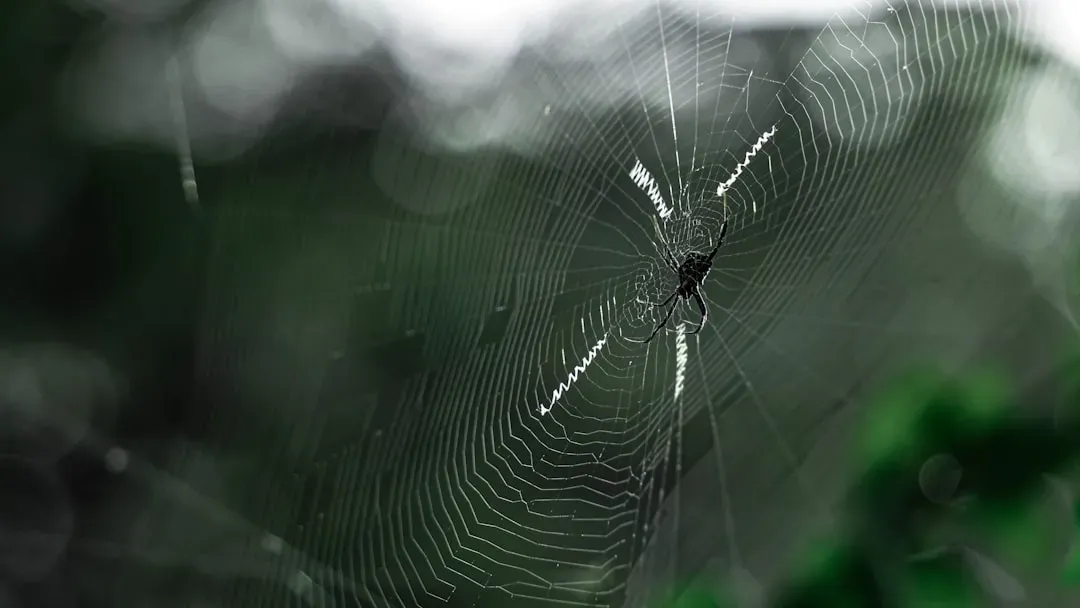
Some of the most alien-seeming communication systems never even leave the ground. Spiders pluck and vibrate their webs in specific patterns, sending messages through silk to potential mates or rivals. To us, a spider’s web looks peaceful, but to another spider it’s buzzing with encoded tremors: an invitation, a warning, or a very clear signal to back off. Different kinds of vibrations can mean different things, and some spiders even adjust their “playing style” depending on who is on the other end.
Many insects and even some small mammals use vibrational signals that travel through plants, dirt, or leaf litter. Treehoppers, for example, send soft, rhythmic pulses along stems that other treehoppers feel with specialized organs. Moles and other burrowing animals can tap or scrape underground, using seismic ripples like drum beats in the dark. Because these signals rarely rise into the air as sound waves, we’ve spent a long time not even realizing the conversations were happening under our feet.
Animal Complexity and the Edges of What We Can Know
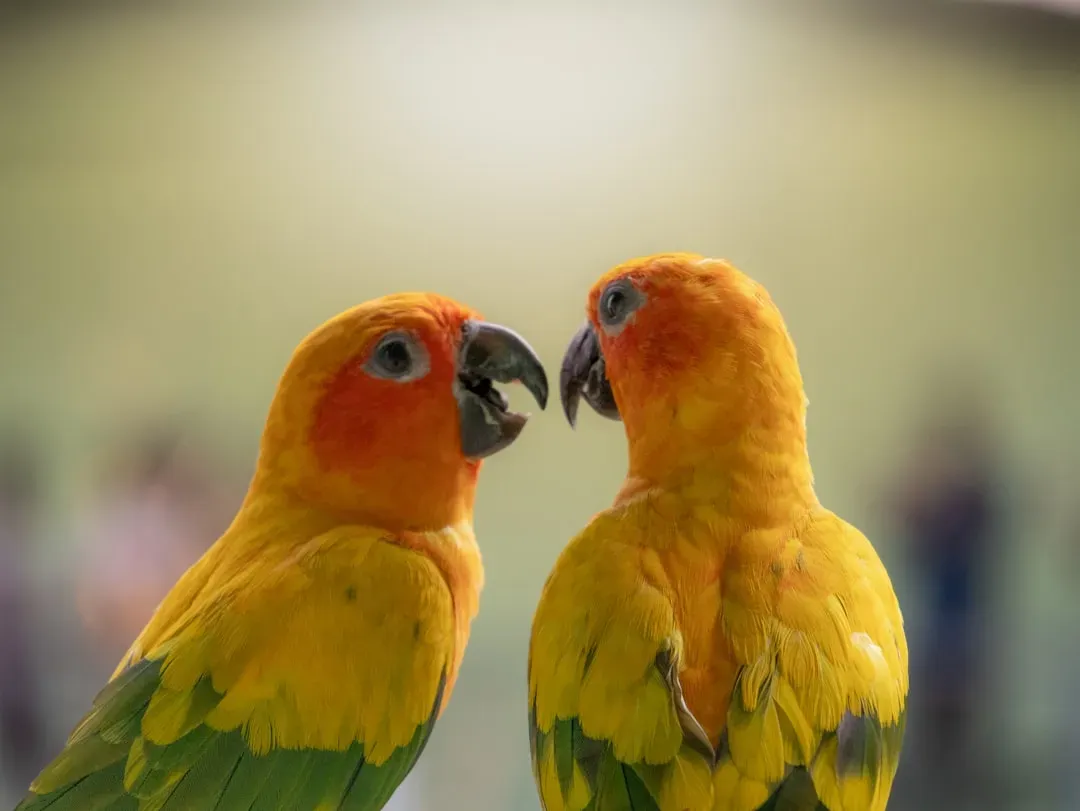
What all these examples have in common is a simple, unsettling idea: animals aren’t just reacting automatically to the world, they’re constantly talking about it in channels we barely understand. For decades, humans told themselves a comforting story that only we had real language and everyone else just had “instinct.” The more we look, the shakier that story becomes. There may still be a gap between animal communication and full human language, but it’s starting to feel more like a narrow river than a massive canyon.
I still remember the first time I listened to slowed-down bat calls on a researcher’s laptop; what sounded like silence in the night turned into something almost like digital music. It made me wonder how much of the world around me is simply passing right through my limited senses. As new tools emerge – better microphones, cameras that see UV, sensors that feel electric and vibrational fields – we’ll probably discover even more layers of conversation hidden in plain sight. Maybe the real question isn’t whether animals are talking, but how long it will take us to admit that we’ve been the quiet, clueless neighbors all along. What might you hear differently the next time you step outside?