
The United States is home to bald eagles, grizzly bears, and alligators – creatures that dominate every nature documentary and wildlife calendar you’ve ever seen. But here’s the thing: America’s wild side goes far deeper than its celebrity animals. Beneath the surface of swamps, inside the walls of glaciers, and lurking in muddy Gulf Coast ditches, there are species so bizarre and jaw-dropping that even many dedicated nature lovers have never heard of them.
Honestly, I think this is one of the most overlooked facts about American wildlife. This country stretches from subtropical Florida to the Arctic fringes of Alaska, and that sheer range of landscape breeds creatures that look like they crawled straight out of a science fiction novel. So let’s get started – you might want to hold onto something, because a few of these will genuinely blow your mind.
1. The Star-Nosed Mole – Nature’s Most Sensitive Face
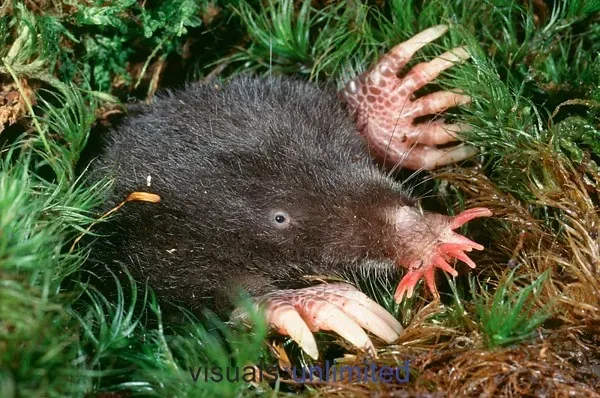
Imagine having a nose that works better than your eyes, your ears, and your hands combined. That is essentially what the star-nosed mole is working with. To survive in complete darkness, this mole relies on 22 fleshy appendages, called rays, that form the star surrounding its snout – armed with roughly 100,000 nerve endings crammed into an area about the size of a human fingertip, giving it the most sensitive touch organs in the animal kingdom.
The star-nosed mole is a voracious eater that consumes more than half of its body weight each day, and it holds a Guinness World Record for the fastest-eating mammal – scientific studies show it can identify and eat prey in less than one-fifth of a second. Think about that. The entire process of spotting, deciding, and swallowing happens faster than you can blink. Unlike other mole species, the star-nosed mole can swim and has the unique ability to smell underwater – it does this by blowing tiny air bubbles toward objects and sucking them back in to retrieve scent molecules, which was the first-ever evidence of a mammal using its sense of smell while submerged.
2. The Amphiuma – The Eel That Is Actually a Salamander
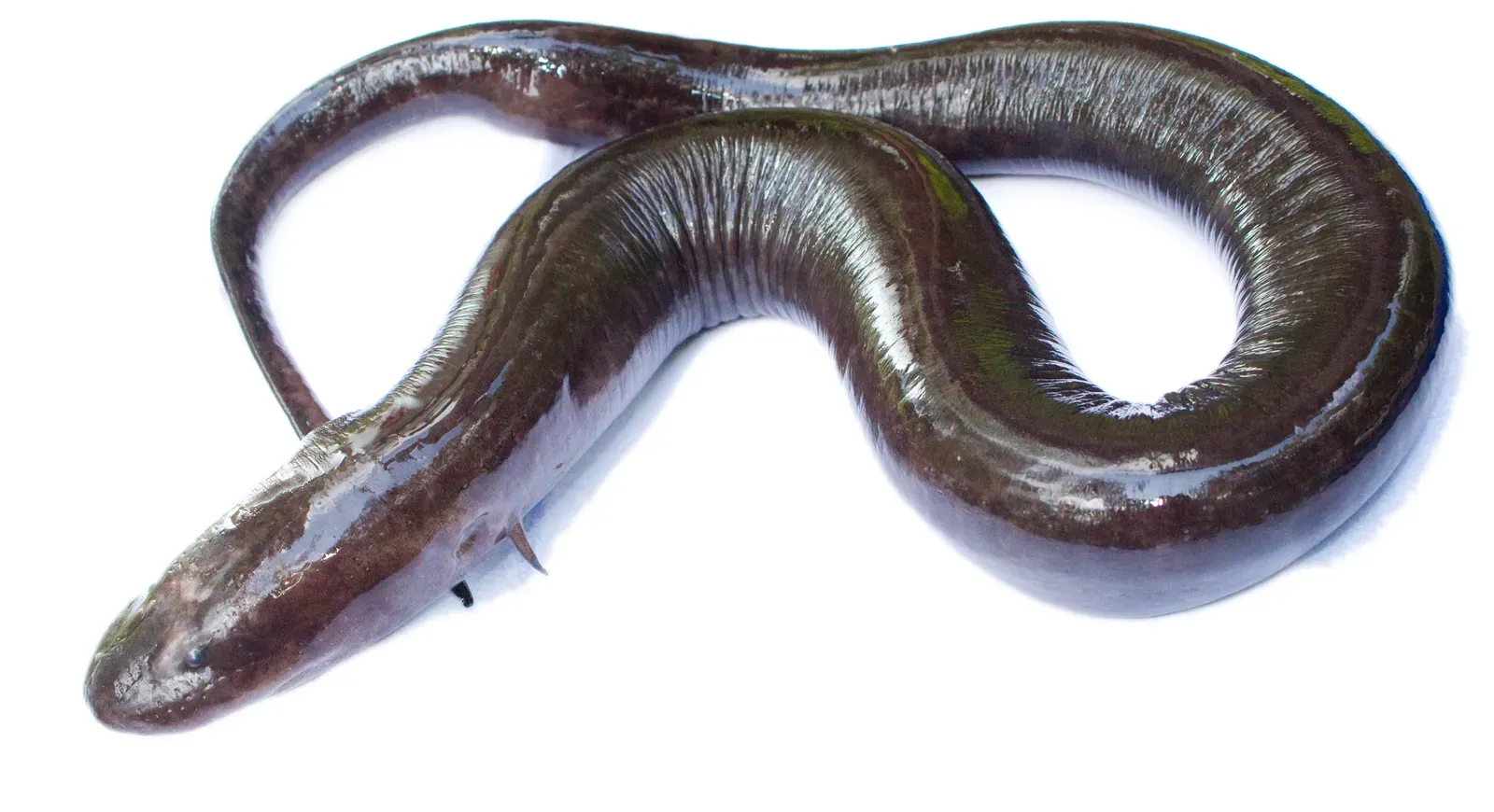
At first glance, you would easily confuse the one-toed amphiuma for a water snake or an eel – in fact, one of its common names is the “ditch eel.” In reality, it is a very rare elongated salamander with two pairs of tiny, seemingly useless limbs, each bearing a single toe unique to the species. It sounds like a creature a novelist invented for a swamp horror story. But it is very real, and it lives right here in the American South.
All three amphiuma species are found only in the southeastern United States and are distinguished by the number of toes on each of their two pairs of tiny limbs. The two-toed amphiuma is the largest, reaching nearly four feet in length, making it the longest salamander species in the United States. Amphiumas also lack eyelids and a tongue, and they have a lateral line visible on the sides of their bodies capable of detecting movement, which aids them in hunting. They are, without exaggeration, one of the strangest animals you could ever encounter on American soil.
3. The Alaskan Ice Worm – The Creature That Lives Inside Glaciers
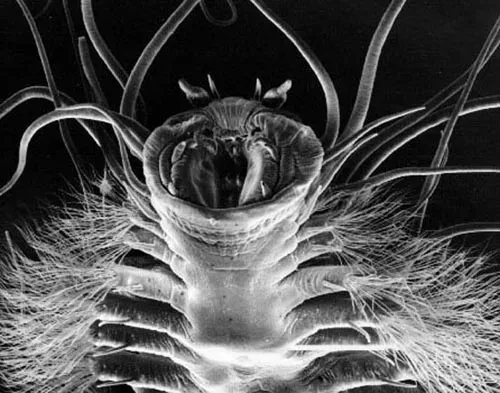
You read that right. There is a worm that does not just survive in glaciers – it thrives inside them. This relative of common earthworms and leeches makes its home inside glaciers and adjacent snowfields, moving through densely packed ice crystals with ease thanks to small bristles on the outside of its body. Its Latin name, Solifugus, meaning “sun avoider,” is essentially a warning – it thrives best at precisely 32 degrees Fahrenheit.
According to the Alaska Centers public lands guide, when heated to just 40 degrees Fahrenheit, an ice worm’s insides liquefy until it literally melts to death. There is something almost poetic and slightly terrifying about that. A creature so perfectly adapted to one extreme condition that a temperature change most humans would not even notice is instantly fatal. If you ever visit an Alaskan glacier and look closely at the surface, you might just spot thousands of these tiny dark worms wriggling across the ice in the early morning hours. Most visitors never think to look.
4. The Black-Footed Ferret – America’s Most Dramatic Comeback Story
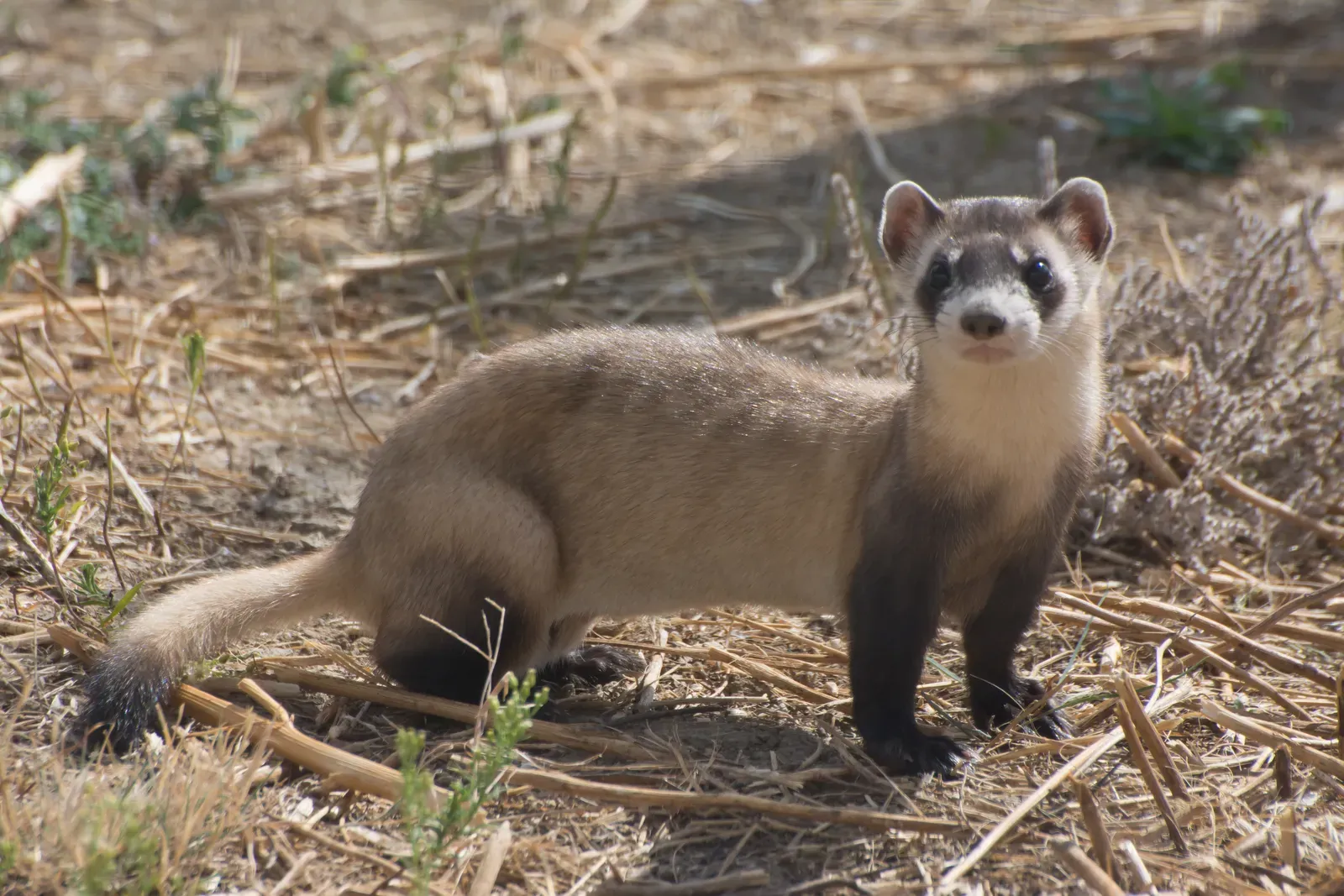
Let’s be real, most people have never heard of the black-footed ferret unless they’re deep into American wildlife conservation. Black-footed ferrets sometimes live in abandoned prairie dog burrows, and they are the only ferret species unique to North America. They are sleek, masked, and fiercely predatory – imagine a tiny mammal that looks like it is permanently wearing a bandit disguise. This is convenient for them because prairie dogs are their primary prey, making up the main element of their diet.
Once thought to be completely extinct in the wild, the black-footed ferret has made a remarkable comeback. In the early 1990s, only a handful remained, but thanks to concerted conservation efforts, they now thrive across eight U.S. states and Canada. With over 300 individuals reintroduced, the ferrets are reclaiming their native prairies – their success story is a testament to the power of human intervention in wildlife conservation. It’s one of those stories that makes you genuinely hopeful about what is possible when people pay attention.
5. The Red Hills Salamander – Alabama’s Breathing Enigma
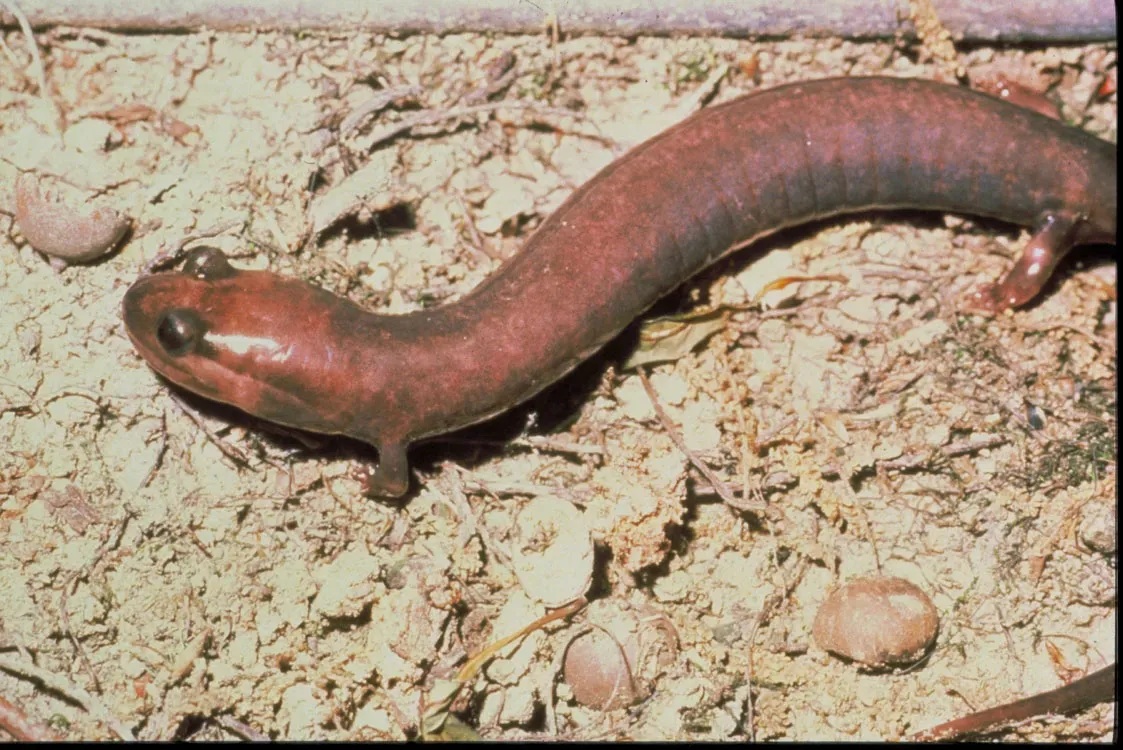
Alabama’s official state amphibian is a long, lean burrowing machine. Much larger than its other lungless salamander peers at 11 inches, the Red Hills salamander breathes entirely through its moist skin. Think of that as your primary respiratory system – no lungs, just skin. It is the kind of biological detail that sounds made up but is entirely, fascinatingly real. The species is found in a very specific and limited corner of the American South, hiding in steep ravines and hardwood forests.
This official state amphibian is a long, lean burrowing machine – much larger than its other lungless salamander peers at 11 inches, breathing through its moist skin. It’s on the U.S. Fish and Wildlife endangered species list because much of its roughly 60,000 acres of suitable habitat, including the steep slopes and moist ravines of hardwood forests, are threatened by logging and deforestation. The cruel irony is that this remarkable creature’s survival hinges on habitat that humans keep chipping away. If you have never heard of this species before today, you are not alone – and that is precisely why it needs more attention.
6. The Emperor Helmet Snail – The Ocean’s Medieval Knight
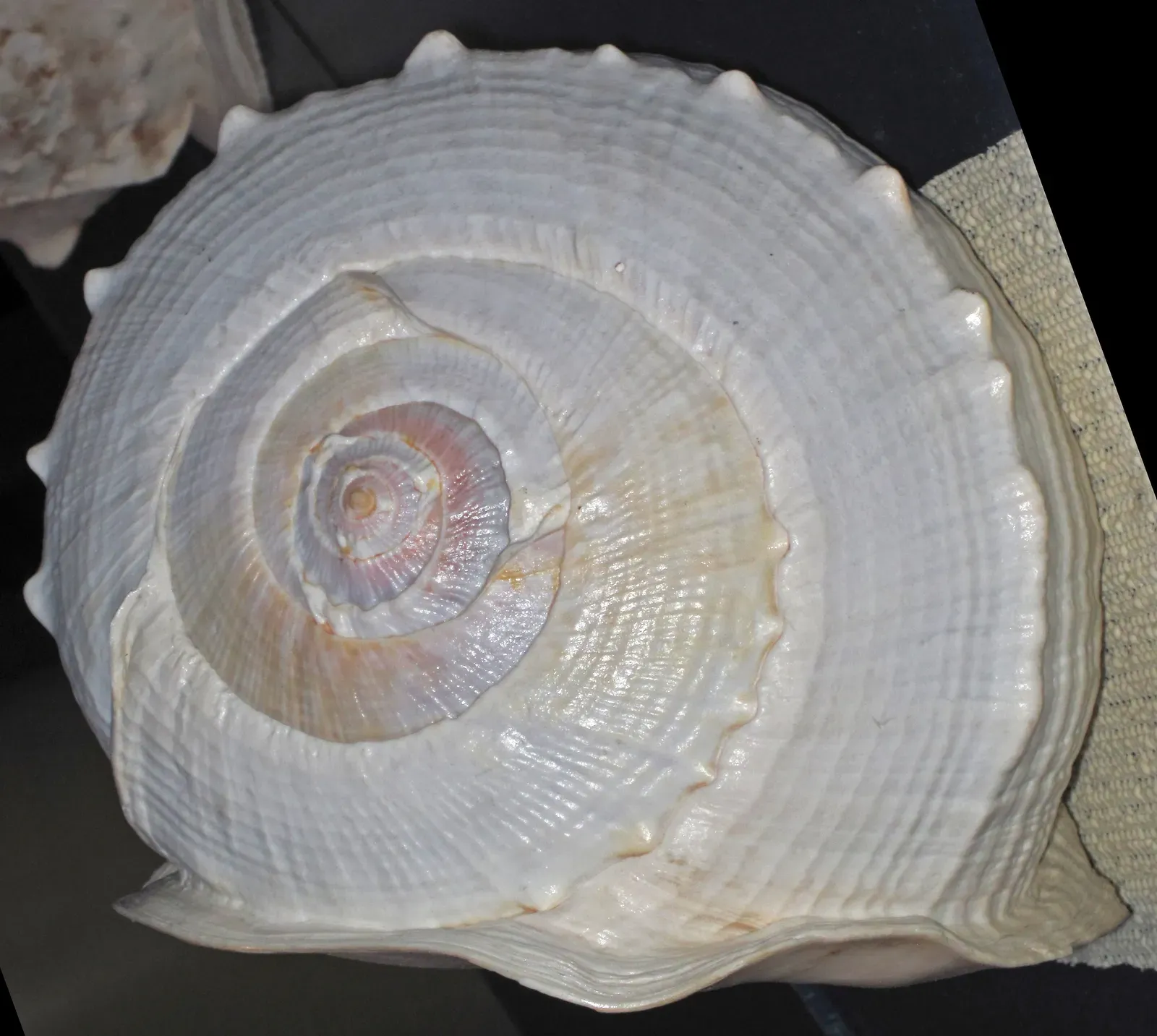
The emperor helmet snail is the largest helmet species and one of the largest gastropods in the world, most famously known for its ornate shell resembling a medieval knight’s helmet. It sounds like something you would find displayed in a museum of ancient armory, not crawling across the ocean floor near Florida. Found in the sandy bottoms of the tropical Western Atlantic, the Gulf of Mexico, and the Caribbean Sea, emperor helmet snails often bury themselves during the day and emerge to hunt at night.
What makes this species even more surprising is just how close to home it lives for many Americans. Snorkelers and divers exploring the Florida Keys have encountered these living armored giants without even knowing what they were looking at. Beneath the surface of national marine sanctuaries and marine national monuments lies a treasure trove of biodiversity, housing countless fascinating and often lesser-known creatures. The emperor helmet snail is a perfect example of the kind of extraordinary life hiding in plain sight, just below the surface of a popular vacation destination.
7. The Pronghorn – The Fastest Land Animal You’ve Forgotten About
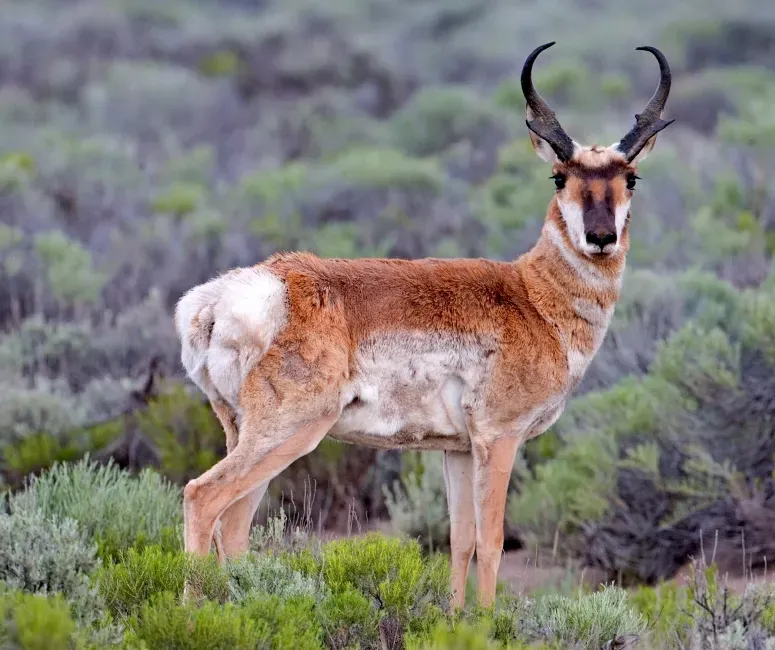
Everyone talks about cheetahs. Nobody talks about the pronghorn, and honestly, that needs to change. Pronghorn are native to North America, specifically to Canada, the central and western United States, and Mexico, where they live in deserts, plains, and grasslands. Their reddish-brown coat and horns make them look like antelopes, and they are sometimes called American Antelopes – however, they are not true antelopes, and antelopes and pronghorn actually belong to two entirely different families.
Pronghorn can run through their grassland habitat at speeds of 50 miles per hour. That makes them the second fastest land animal on Earth, behind only the cheetah. When frightened, the hairs on their behinds raise into a white patch that can be seen for miles – a built-in alarm system that works across vast open terrain. What makes pronghorn even more fascinating is that scientists believe their incredible speed was an evolutionary response to predators like the American cheetah, which went extinct thousands of years ago. The pronghorn is still sprinting from a ghost.
Conclusion: America’s Hidden Wildlife Is Worth Knowing
You do not need to travel to the Amazon or the African savanna to encounter wildlife that defies imagination. From the touch-sensing superstar mole tunneling through Pennsylvania wetlands to the ice-dwelling worm of Alaska’s glaciers, the United States is teeming with creatures that most people never get to appreciate – or even know exist.
The seven species in this article are just a handful of the thousands of remarkable animals sharing this country with you. Some are thriving, some are endangered, and some are only now being understood by science. From deserts and mountains to oceans and coastlines, the U.S. is teeming with creatures that are anything but ordinary – whether they’re flying up above in the clouds, lurking down in the deep blue, or hanging out somewhere in between.
The more you know about these overlooked species, the harder it becomes to stay indifferent to their survival. America’s wildlife is strange, spectacular, and far more diverse than most people ever realize. The real question is: how many of these incredible animals did you actually know about before today? Tell us in the comments – we’d love to hear how many surprised you.