
Every corner of our planet has been mapped, photographed from space, and fed into powerful algorithms – yet some places still refuse to give up their secrets. These landscapes look like something from an alien world, but they are very real, and scientists are racing to understand how they work, why they formed, and what they might be warning us about. From lakes that bleed red to caves that feel like a lost planet, each mystery is a reminder that Earth is far stranger than our textbooks suggest. As research tools become more sophisticated, the puzzles are getting more detailed, not simpler. The question now is not just what is happening in these places, but what they might reveal about the future of our climate, our oceans, and even life beyond Earth.
The Blood-Red Riddle of Lake Natron
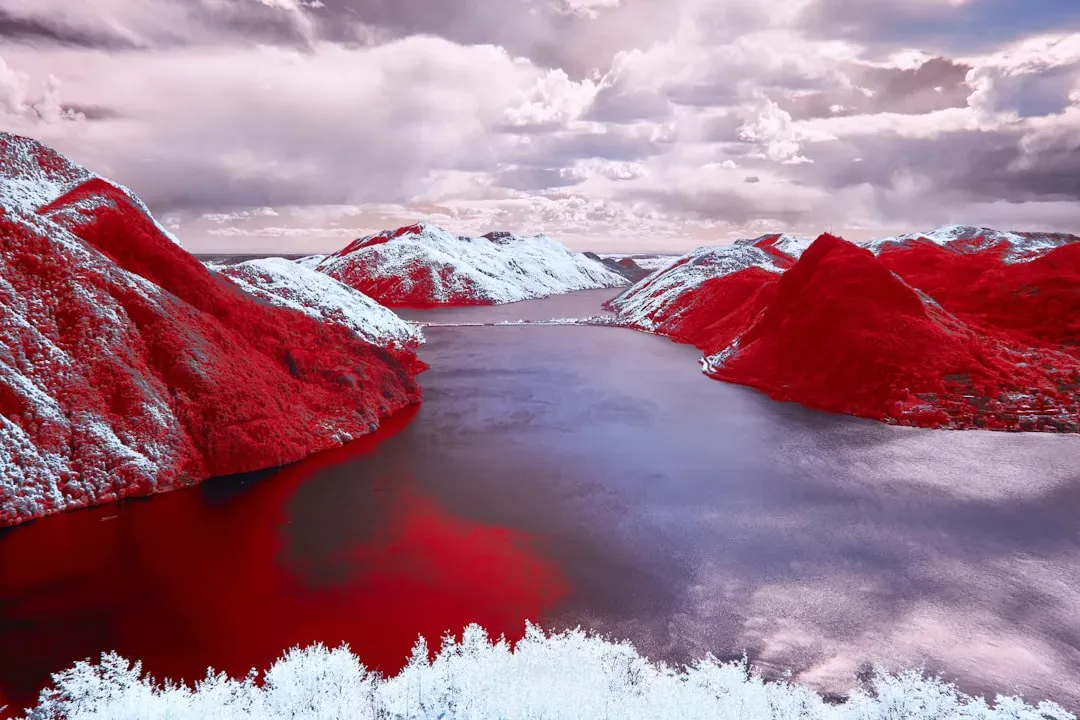
Imagine flying over northern Tanzania and seeing what looks like a vast pool of blood-red glass shimmering beneath you. That is Lake Natron, a hypersaline lake so caustic that it can chemically burn skin, yet somehow support thriving microbial life and huge flocks of flamingos. The lake’s eerie red and orange hues come from salt-loving microorganisms and cyanobacteria that bloom when the water becomes especially concentrated. Temperatures at the surface can soar above what most fish and plants can tolerate, and the water is highly alkaline, closer in chemistry to ammonia than a typical lake.
Scientists are fascinated by how such extreme conditions can still nurture biological productivity and complex ecological dynamics. The lake acts as a crucial breeding ground for lesser flamingos, whose survival in East Africa depends heavily on this hostile-looking refuge. Researchers study Lake Natron as an analog for early Earth and for potential habitats on Mars, where salty, alkaline brines may once have existed. Yet big questions remain about how stable this ecosystem really is in the face of climate shifts and regional development pressures. In a sense, Lake Natron is both a sanctuary and a warning sign carved into the African Rift.
The Boiling Mystery of the Danakil Depression
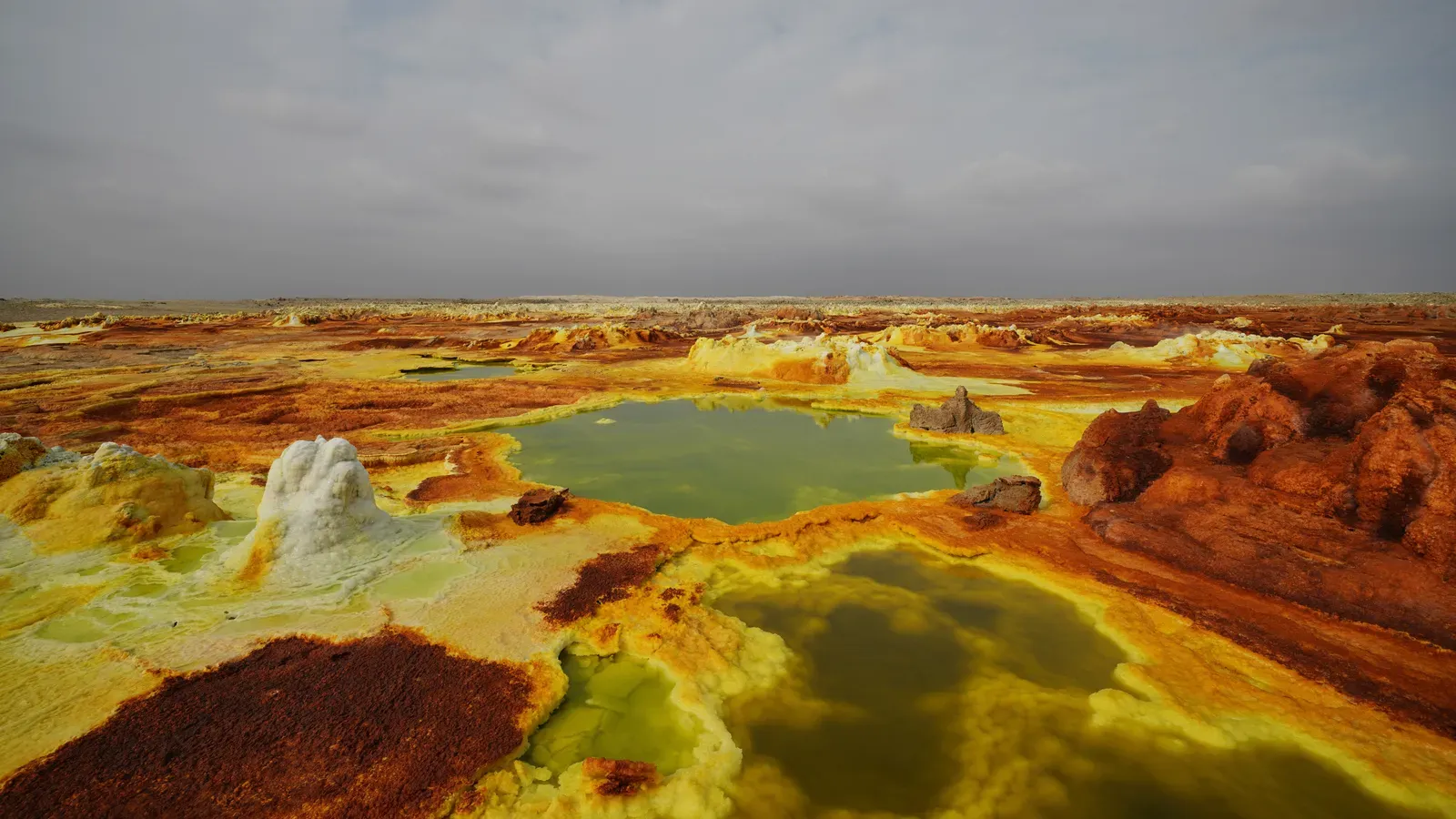
In Ethiopia’s Danakil Depression, Earth looks like it has cracked open to show what lies beneath – a lurid landscape of neon yellow pools, steaming vents, and salt plains shimmering in brutal heat. This is one of the hottest, lowest, and most volcanically active places on land, where daily temperatures can stay roughly around human body temperature or higher all year. Acidic hot springs bubble with toxic gases, and metallic salts crust over the ground in electric shades of green, orange, and sulfur yellow. It appears completely hostile to life at first glance, yet microbiologists keep finding hardy microbes clinging to existence in micro-niches.
The big puzzle in the Danakil is where the absolute boundary of life really lies. Some pools are so salty and acidic that recent studies have suggested they may cross into conditions too extreme even for known extremophiles, challenging earlier assumptions that microbial life can adapt almost anywhere. For astrobiologists, this is a crucial natural laboratory: if life cannot survive here, what does that say about similar environments on Mars or on the moons of Jupiter and Saturn? At the same time, the Depression is a dynamic tectonic zone where new ocean crust may eventually form as Africa slowly splits apart. It is a place where Earth’s deep interior, climate extremes, and the limits of biology collide in ways scientists are only beginning to chart.
The Enigmatic Blue Glow of the Puerto Rico Bioluminescent Bays
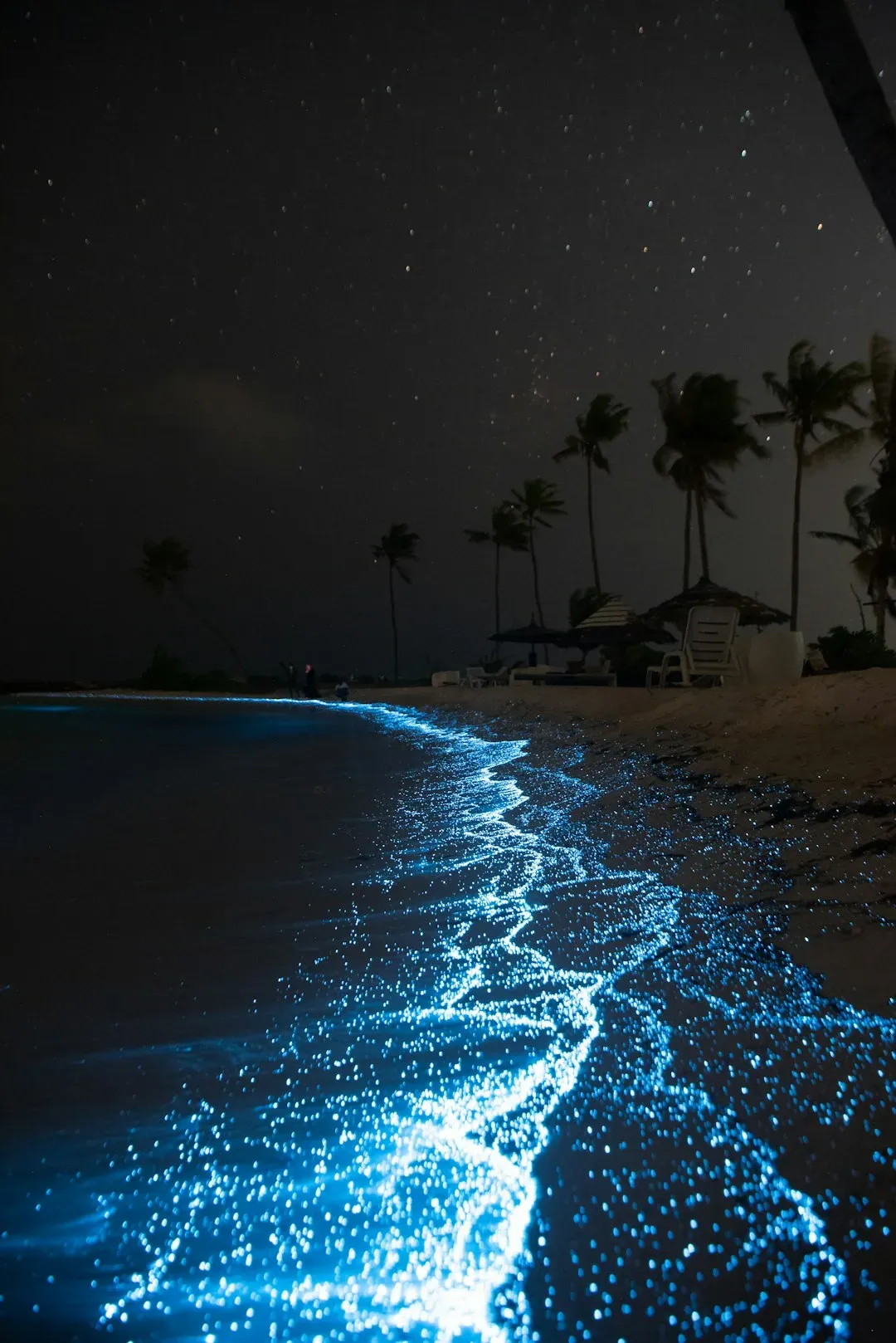
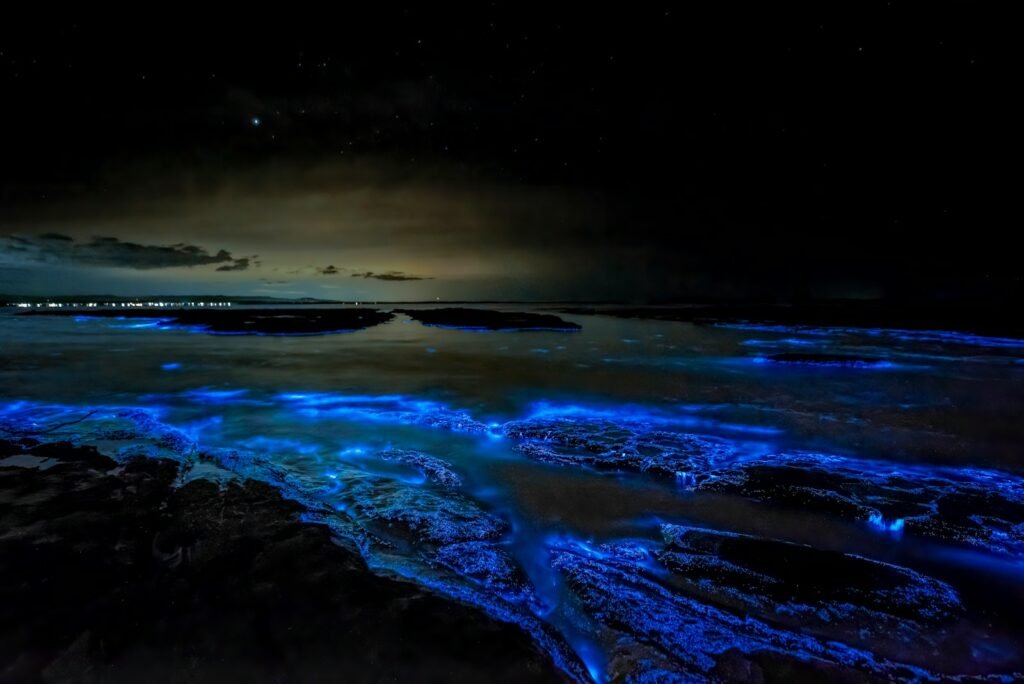
On some nights along the coast of Puerto Rico, a paddle stroke through the water leaves a trail of electric blue fire, as if the sea itself has been wired with tiny stars. These bioluminescent bays – such as Mosquito Bay on Vieques and Laguna Grande in Fajardo – are powered by microscopic dinoflagellates that flash when disturbed. Each glowing pulse is a chemical reaction, a kind of living alarm system that may help deter predators or signal stress. The result is one of the most otherworldly light shows on Earth, but one that is far more fragile than it looks.
Scientists are still struggling to predict why brightness levels spike or crash from year to year in these glowing lagoons. Factors like rainfall, nutrient runoff, mangrove health, and coastal development all appear to play important roles, but the exact recipe for a stable, bright bioluminescent bay remains elusive. In recent years, storms and human activity have dimmed or temporarily disrupted some bays, raising alarms among both researchers and local communities. Because these ecosystems sit at the intersection of ocean chemistry, plankton ecology, and coastal management, they serve as sensitive indicators of environmental change. If the glow fades for good, it may be an early warning that a much larger part of the coastal web of life is under strain.
The Hidden Clues Beneath Antarctica’s Subglacial Lakes
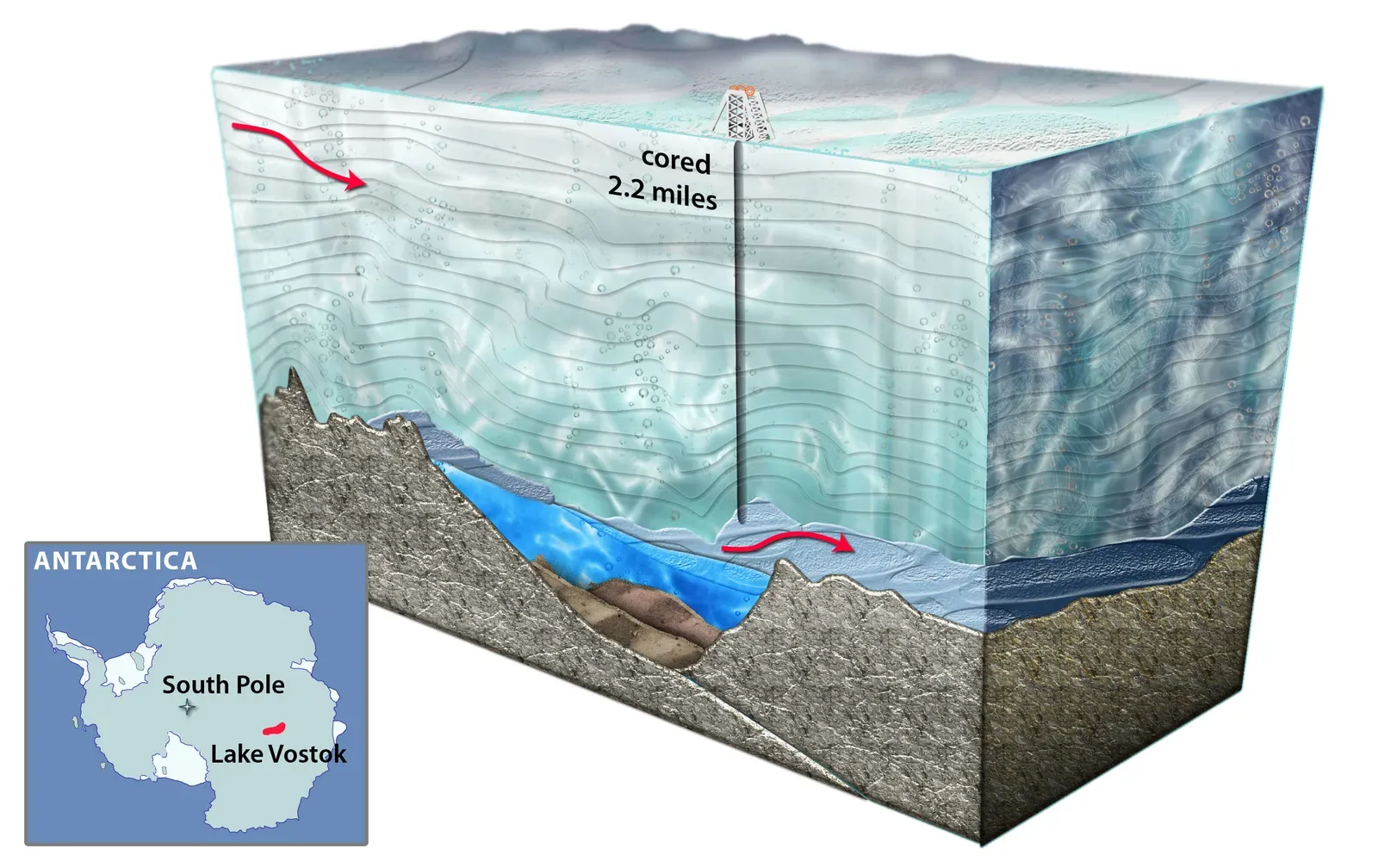
Deep under Antarctica’s miles-thick ice sheet, where sunlight has never reached, dozens of liquid lakes quietly slosh and drain in the dark. Lake Vostok, one of the largest, is buried under more than two miles of ice and has been sealed off for hundreds of thousands of years. Others, like Lake Whillans, are shallower but still completely cut off from the atmosphere and surface ecosystems. Radar from aircraft and satellites has revealed that these hidden lakes connect through channels and rivers, forming a kind of ghostly plumbing system beneath the ice.
What makes these subglacial lakes so mysterious is how they maintain liquid water and possible life in such extreme isolation. Heat from Earth’s interior, pressure from the overlying ice, and tiny amounts of dissolved salts all contribute to keeping them from freezing solid, but the exact balance is still being worked out. When researchers sampled Lake Whillans, they found microbial life capable of surviving on minerals and chemical energy rather than sunlight, hinting at entire ecosystems powered from below instead of above. These discoveries have huge implications for icy worlds like Jupiter’s moon Europa, where similar dark oceans may hide under ice shells. At the same time, movement of water beneath Antarctica affects how fast glaciers slide toward the sea, influencing future sea level rise in ways scientists are only beginning to quantify.
From Ancient Tools to Modern Science in the Atacama Desert
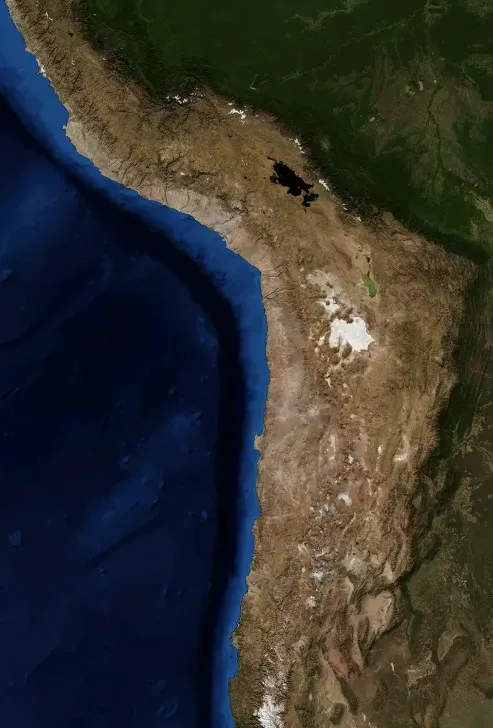
Chile’s Atacama Desert is often described as the driest non-polar desert on Earth – some weather stations there have never recorded measurable rainfall. The landscape feels frozen in time: rust-colored hills, salt flats, and valleys etched with strange polygon patterns in the soil. For thousands of years, Indigenous communities learned to read this harsh environment, using rare water sources and mineral deposits long before satellite maps existed. Today, scientists use some of those same salt-rich basins as natural detectors for climate shifts spanning thousands of years.
The Atacama’s mystery is not just its dryness, but how life manages to exist in scattered pockets amid long stretches of apparent sterility. Microbes have been found hiding inside rocks, sheltering from ultraviolet radiation and extreme dehydration, hinting at survival strategies that could work on Mars. Astronomers build observatories here precisely because the skies are so clear and dry, making this desert a window onto the universe. Geologists, meanwhile, dig into ancient lake beds and nitrate deposits to reconstruct past atmospheric chemistry and rainfall patterns. The Atacama becomes both an archive and a rehearsal space – a place where old human knowledge and new scientific tools combine to probe how ecosystems hold on at the edge of habitability.
Why It Matters: Earth’s Weirdest Places as Warnings and Blueprints
It is tempting to treat these seven landscapes as mere curiosities, the sort of thing you scroll past in a list of “places you won’t believe exist.” But for scientists, they are far more than that – they are stress tests for the rules of life, climate, and geology that we often assume are universal. When microbes thrive in boiling acid or inside Antarctic ice, they expand our sense of where life can exist, which directly reshapes the search strategies for planets and moons beyond our own. These places also reveal how sensitive ecosystems are to subtle shifts in chemistry, temperature, or human disturbance. A slight change in salinity can tip a dazzling bioluminescent bay toward collapse, or a small warming trend can speed up Antarctic ice flow in ways that affect coastal cities worldwide.
Compared with traditional laboratory experiments, these natural laboratories operate on a planetary scale and over timescales we cannot reproduce indoors. Classic ecology often focused on forests, fields, and temperate lakes; now, the frontiers include hypersaline pools, subglacial cavities, and desert rocks that barely see a drop of water in a human lifetime. Studying such extremes forces scientists to confront gaps in standard climate models and biological theories that were built around more ordinary conditions. It is in the outliers, not the averages, where our assumptions most often break. In a warming, rapidly changing world, understanding those outliers may be the difference between being surprised by abrupt changes and seeing them coming in time to adapt.
The Future Landscape of Exploration and Technology
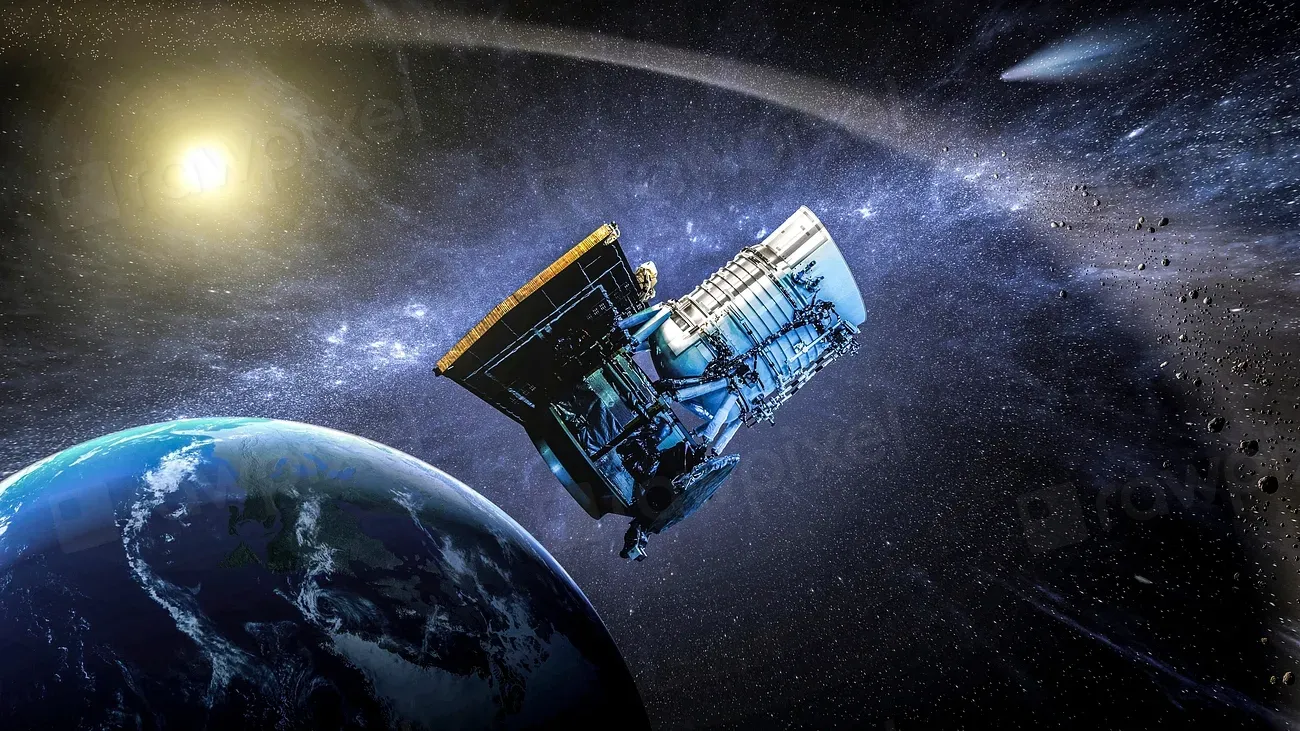
Unraveling the secrets of these mysterious places increasingly depends on technologies that, a generation ago, would have sounded like science fiction. Autonomous underwater vehicles and ice-drilling robots are being designed to slip into subglacial lakes without contaminating them, sampling water and sediments in complete darkness. Remote sensing satellites now track tiny changes in the elevation of ice sheets and salt lakes, revealing hidden floods and drainage events that nobody could see from the ground. High-resolution spectroscopy allows chemists to identify complex organic molecules and trace gases in hostile environments like Danakil’s vents or Natron’s brines.
At the same time, advancing genetic tools let scientists reconstruct entire microbial communities from just a few grains of sediment or drops of water. Machine learning models can sift through satellite data and climate records to spot patterns in when bioluminescent bays flare or fade, or when the Atacama’s hidden moisture pulses through the soil. These technologies are not just about solving intellectual puzzles; they help forecast hazards, from sudden ice-sheet destabilization to toxic gas releases in volcanic zones. Yet they come with challenges: avoiding contamination of pristine environments, navigating political and ethical questions about access, and ensuring local communities share in the benefits of discoveries. The next decade will likely see more coordinated international missions that treat these sites like shared planetary heritage, not just remote field locations to sample and leave.
Global Perspectives from Local Frontiers
One of the most striking things about these strange places is how tightly they are woven into the lives and cultures of people who live nearby. The same glowing bay that attracts tourists is also part of local fisheries and coastal identity; the same desert that hosts cutting-edge telescopes has been home to Indigenous knowledge for countless generations. In Tanzania, Lake Natron is entwined with pastoralist livelihoods and regional development plans, even as conservationists debate how to protect flamingo breeding grounds. In Ethiopia’s Danakil, salt mining and traditional trade routes intersect with geological expeditions and geothermal energy prospects.
For global science, this means that “remote” field sites are never really remote from human concerns. Decisions about research access, tourism, and conservation often play out against backdrops of economic inequality and climate vulnerability. Extreme places can become flashpoints for debates over who gets to define value: is a bay worth more as a tourist magnet, a sacred site, a biological treasure, or a protective buffer for coastlines? The answers differ from one community to another, and scientists are increasingly recognizing that their work carries social as well as scientific weight. Listening to local voices and histories is becoming as essential to understanding these places as any sensor or sample.
How You Can Engage with Earth’s Strangest Places
You do not have to trek across salt pans or camp on Antarctic ice to be part of the story of these mysterious landscapes. One of the simplest steps is to be a careful consumer of information: look for reporting and documentaries that treat these places as complex ecosystems, not just backdrops for sensational photos. When you travel, if you are lucky enough to visit fragile sites like bioluminescent bays or desert reserves, choose operators that follow strict environmental guidelines and respect local communities. Cutting down on light pollution near coasts, for example, and avoiding chemical sunscreens in sensitive waters can help protect species you may never even notice directly.
You can also support organizations that fund polar research, microbial ecology, and conservation in extreme environments, many of which rely on public donations to keep long-term monitoring going. Citizen science projects sometimes invite people to log observations of auroras, unusual blooms, or coastal changes that complement satellite data. Even advocating for robust climate policies at home links back to these distant-sounding sites, because rising temperatures and shifting rainfall patterns are some of the biggest threats they face. In the end, treating Earth’s strangest places as part of our shared neighborhood, rather than as distant curiosities, may be the most powerful way to help protect them. The real mystery, perhaps, is whether we will act in time to keep their secrets from disappearing before we fully understand them.
Suhail Ahmed is a passionate digital professional and nature enthusiast with over 8 years of experience in content strategy, SEO, web development, and digital operations. Alongside his freelance journey, Suhail actively contributes to nature and wildlife platforms like Discover Wildlife, where he channels his curiosity for the planet into engaging, educational storytelling.
With a strong background in managing digital ecosystems — from ecommerce stores and WordPress websites to social media and automation — Suhail merges technical precision with creative insight. His content reflects a rare balance: SEO-friendly yet deeply human, data-informed yet emotionally resonant.
Driven by a love for discovery and storytelling, Suhail believes in using digital platforms to amplify causes that matter — especially those protecting Earth’s biodiversity and inspiring sustainable living. Whether he’s managing online projects or crafting wildlife content, his goal remains the same: to inform, inspire, and leave a positive digital footprint.