
Imagine walking through a forest or along a rocky shore, staring straight at an animal and not seeing it at all. Your eyes pass right over it, your brain insists there’s nothing there, and yet a living creature is watching you from just a few centimeters away. That eerie sense that something is hidden in plain sight is exactly what camouflage exploits, and a few species have turned it into a true superpower.
Camouflage is more than just “looking like a leaf” or “blending into sand.” It’s a whole toolkit of tricks: changing color, changing texture, changing behavior, even changing the way light bounces off skin. Some of these animals are so good at it that even trained scientists, staring right at them, miss them on the first try. Let’s dive into seven masters of disguise that make the world feel a little bit more magical – and a little bit more like a living optical illusion.
1. Cuttlefish – The Shape-Shifting Light Show
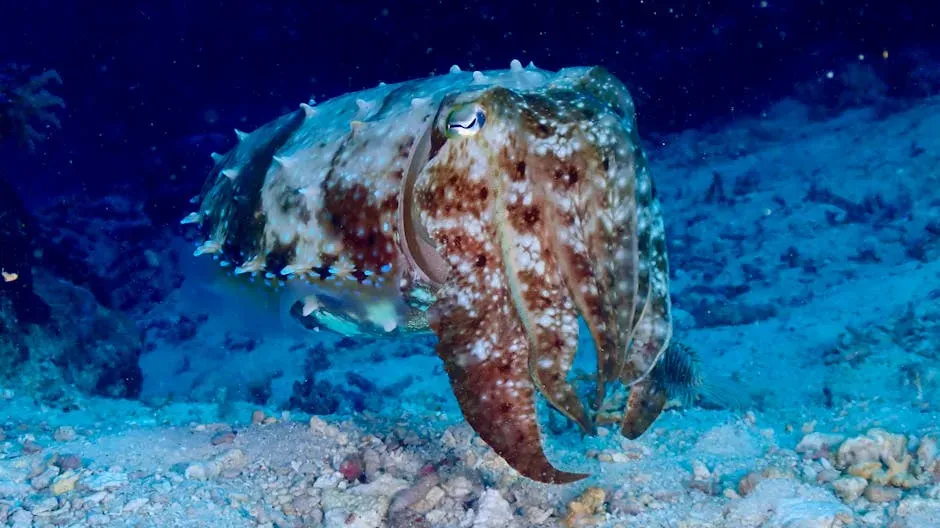
Cuttlefish are often called the chameleons of the sea, but honestly, that undersells them. In less than a second, they can flip from pale sand tones to bold, high-contrast patterns that look like someone pressed “randomize” on a digital display. Their skin is packed with special cells that control color and reflectivity, creating patterns that fool both predators and prey on coral reefs and sandy seabeds.
What makes cuttlefish wild is that they can also change their skin’s texture, raising tiny bumps to mimic rocks, coral, or seaweed. If you’ve ever seen footage of one vanish against a background of broken shells and pebbles, it feels like watching a glitch in reality. Scientists still don’t fully understand how their brains process visual information quickly enough to match the environment so precisely. It’s like having a built-in Photoshop filter that updates in real time, only much faster and smarter than anything humans have coded.
2. Leaf-Tailed Gecko – The Living Dead Leaf
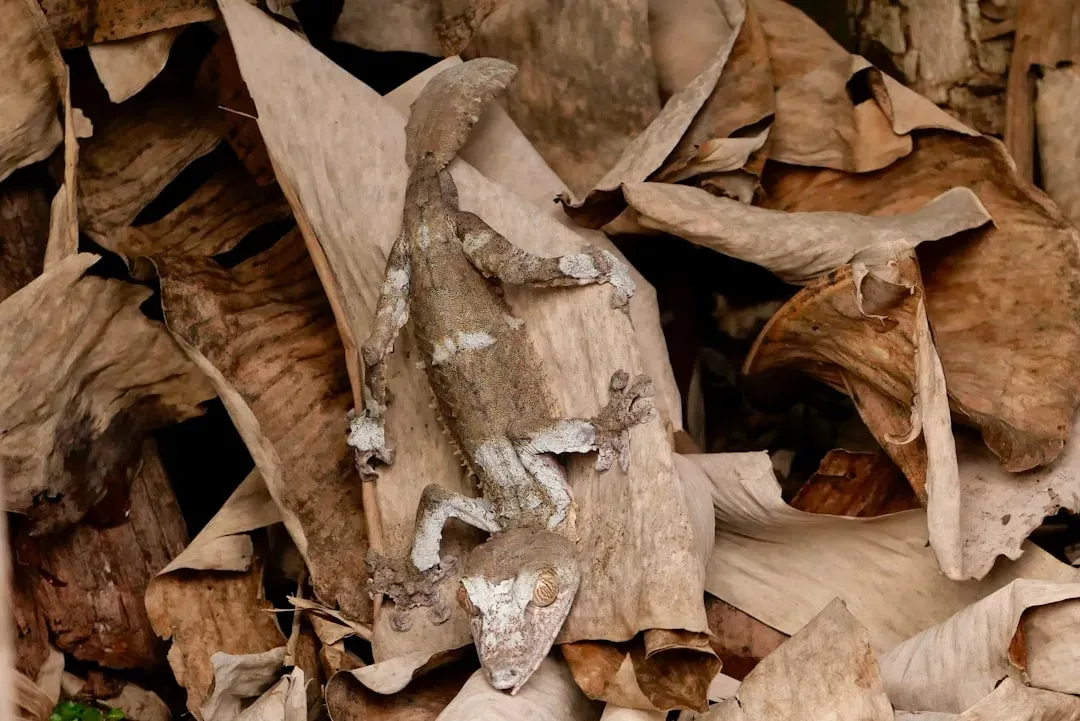
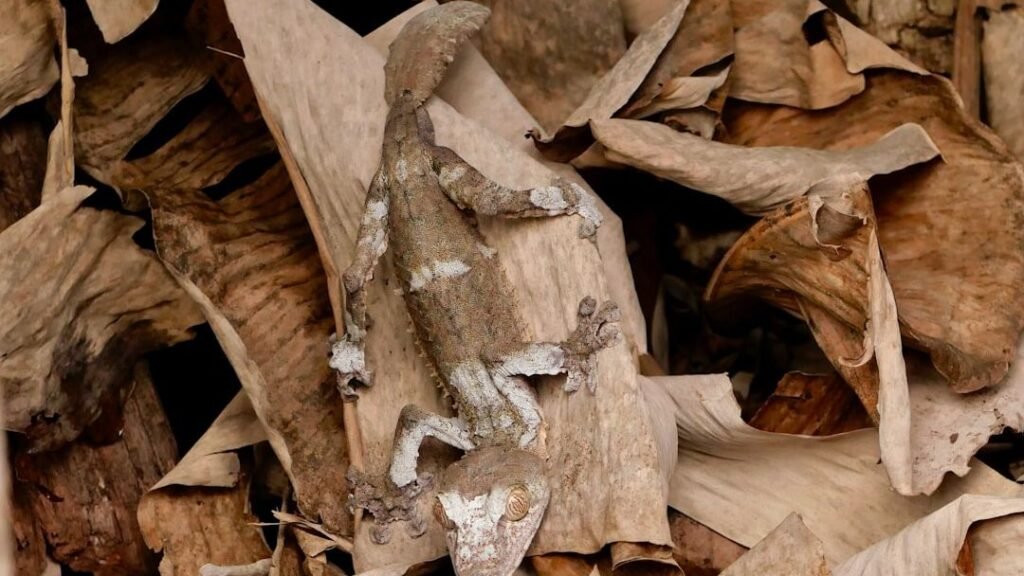
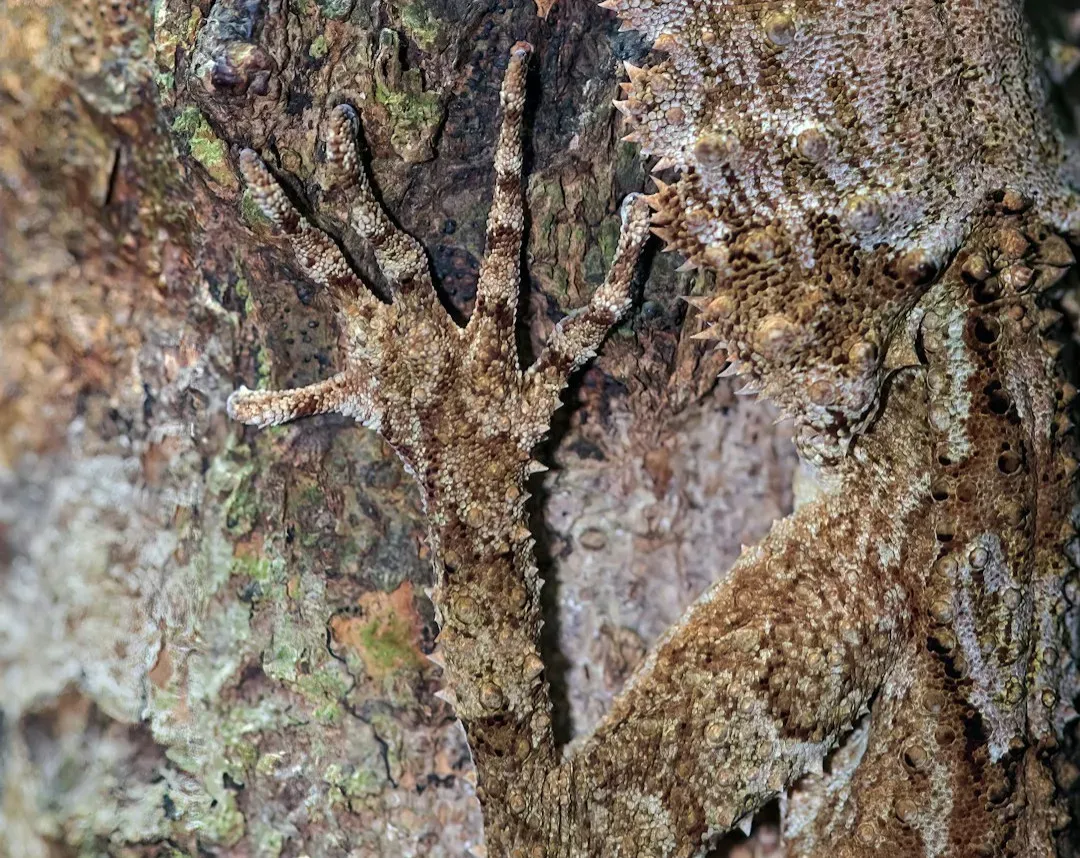
The leaf-tailed gecko from Madagascar looks so much like a dried leaf that your brain refuses to tag it as “animal” at all. Its body is mottled with browns, grays, and mossy greens, often with markings that resemble leaf veins and insect bite holes. The tail is flattened and ragged around the edges, like it’s been chewed or torn, which makes the illusion scary good when the gecko hangs motionless on a branch.
These geckos don’t just rely on color; they commit to the role with their posture and behavior. They press their bodies flat against bark, line themselves up with branches, and stay completely still for long stretches, as if the wind just dropped them there. At night, they become stealth hunters, moving slowly through foliage that matches their own pattern. I remember seeing a photo comparison – circle around the gecko included – and even knowing where to look, it still took me a second to see it. That’s when you realize how incredibly outmatched most predators must be.
3. Mimic Octopus – The Underwater Impostor
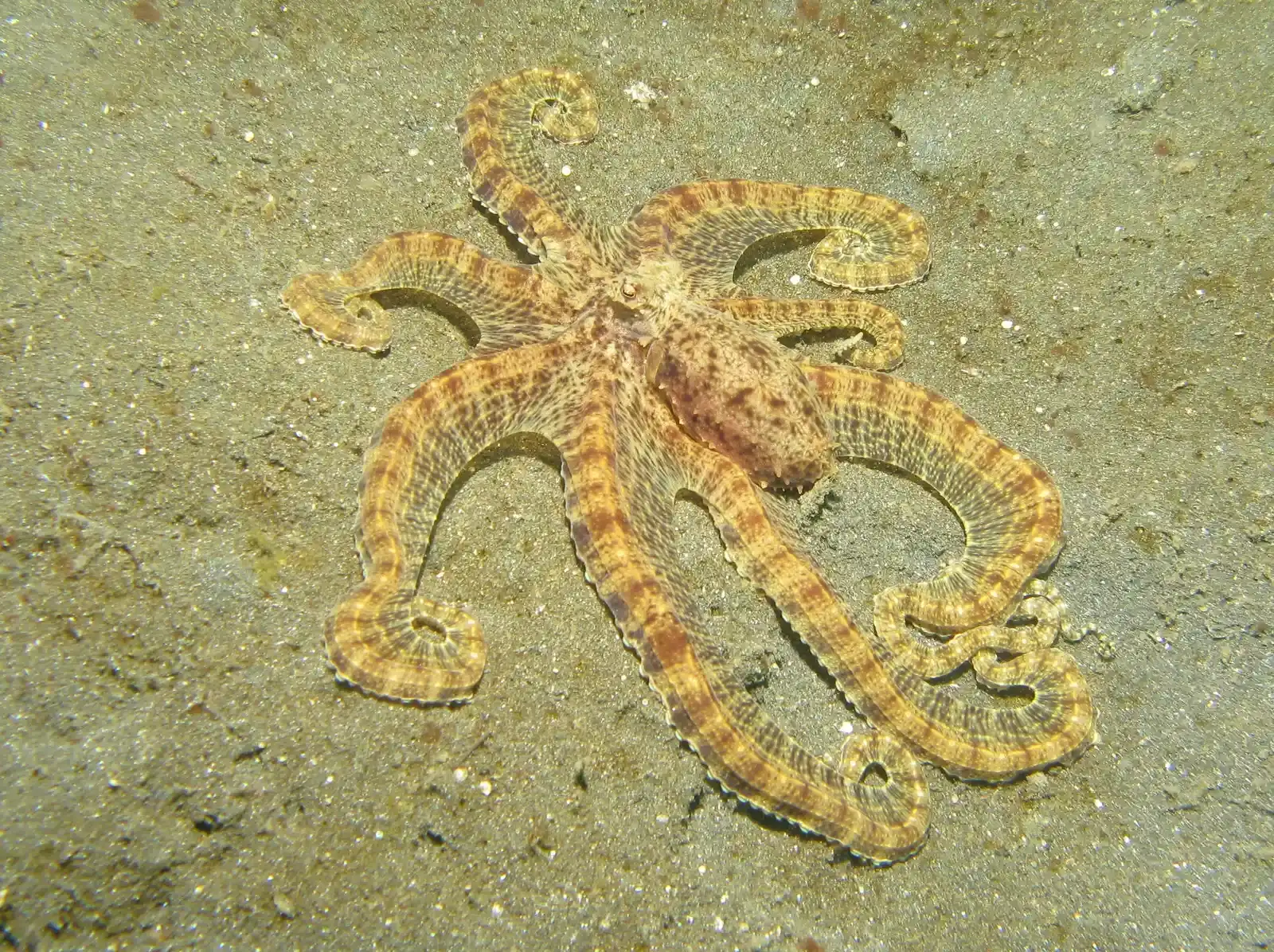
The mimic octopus, found in the Indo-Pacific, doesn’t just blend in – it pretends to be entirely different animals. It can flatten itself and ripple its arms to look like a venomous flatfish, or bunch its limbs and flash stripes like a sea snake. Researchers have documented it copying lionfish, tube worms, and other species that predators instinctively avoid. It’s not just camouflage; it’s straight-up acting.
On top of these impersonations, the mimic octopus can also do the classic octopus tricks: changing color, pattern, and skin texture to match surrounding sand, rocks, or coral. What fascinates biologists is that it seems to choose specific disguises depending on the threat it faces, like picking from a costume closet in its head. Imagine being able to walk into danger, take one quick look around, and instantly decide whether you should look like a cop, a construction cone, or a harmless potted plant. That’s the level of improvisation this creature is playing at.
4. Leaf Insects – Walking Pieces of Foliage
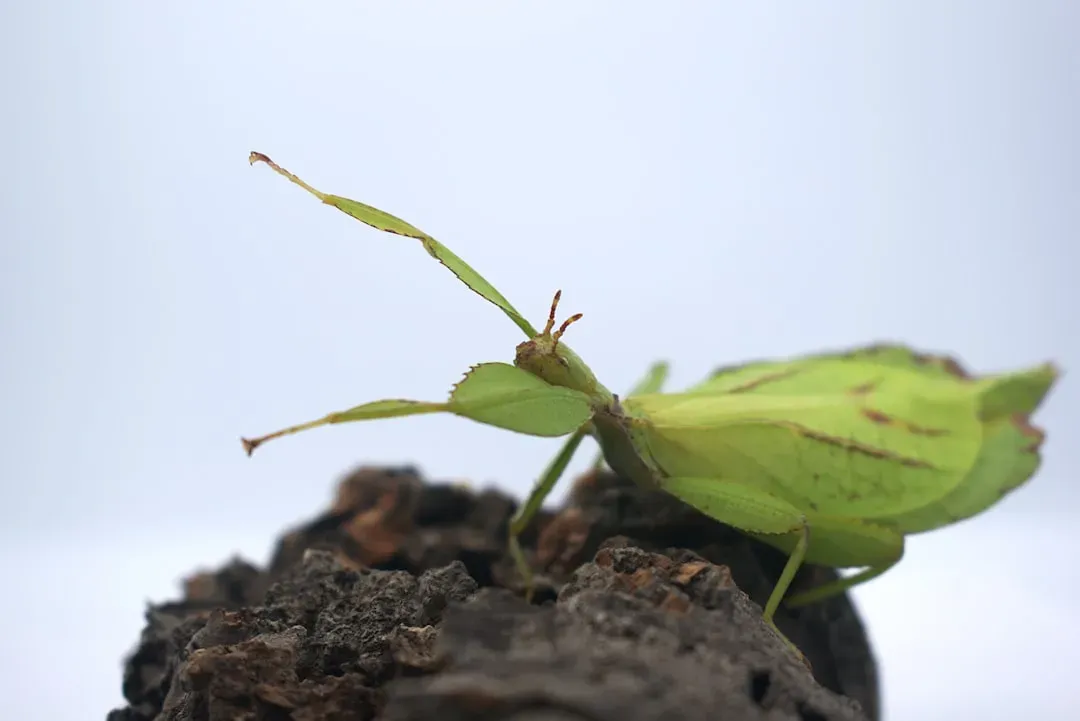
Leaf insects, mostly found in tropical forests in Asia, are so perfectly leaf-like that they almost feel like a prank nature played on everyone. Their bodies are flat and wide, with legs shaped like leaf lobes, and their colors range from fresh spring green to autumn yellow-brown. Some individuals even show spots and patches that look eerily like fungal damage or insect scars on real leaves.
What really sells the illusion is the way they move. When a breeze passes through the canopy, leaf insects sway in a gentle, irregular rhythm that looks exactly like leaves caught in the wind. I once watched a video of one being filmed on a branch, and if no one had zoomed in, I’d never have realized it wasn’t just part of the plant. Predators scanning for a sharp outline or a sudden movement simply get fooled by a creature that looks like one more unimportant scrap of foliage drifting in the background.
5. Arctic Hare – The Seasonal Shape-Shifter
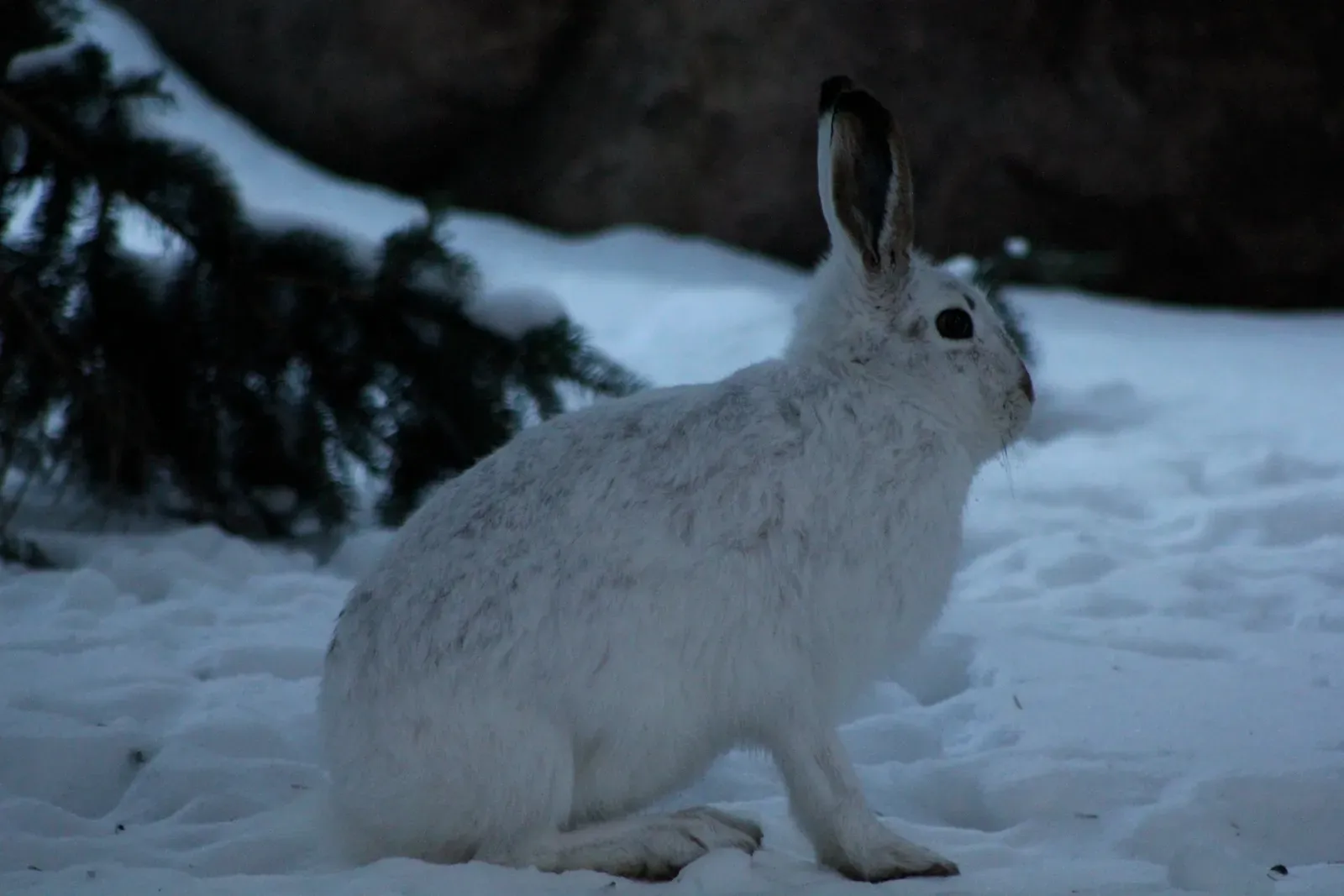
The Arctic hare doesn’t change patterns like an octopus or pretend to be other animals, but it has mastered an elegant, seasonal kind of disguise. In winter, as snow blankets the tundra, its fur turns bright white, making it almost invisible against icy drifts. When summer returns and the ground darkens with rock, soil, and sparse vegetation, the hare’s coat shifts toward grayish-brown tones that blend into the bare landscape.
This color change is tightly linked to daylight cycles rather than temperature alone, which creates a growing challenge as climate patterns shift. In some regions, snow now melts earlier in spring or arrives later in autumn, and researchers have documented white-coated hares standing out against snow-free backgrounds. It’s a sobering reminder that camouflage is finely tuned to an environment that’s no longer perfectly stable. For now, though, a well-timed snowfall still turns the Arctic hare into a ghost – present, alert, and almost impossible to pick out against the endless white.
6. Pygmy Seahorse – Invisible Among the Corals
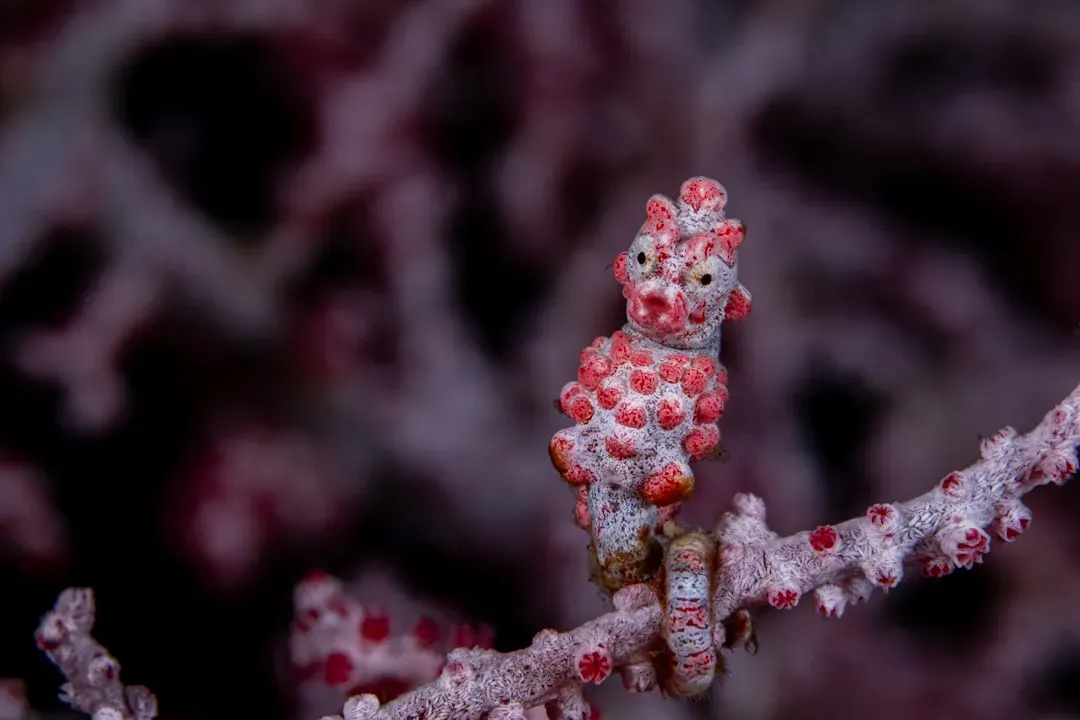
The pygmy seahorse is so tiny and so well camouflaged that it was only discovered when scientists collected its coral host and spotted the seahorses later in the lab. These minuscule fish latch onto specific species of sea fan corals and match them nearly perfectly, down to the color and raised bumps on their skin. A pink pygmy seahorse on a pink gorgonian looks like just another cluster of coral growths, not like a separate animal at all.
What’s especially striking is that different populations match different coral types, with one group taking on a purple tone and another developing more muted, knobby textures. They spend most of their lives on a single coral fan, wrapping their tails around the branches and swaying gently with the water movement. Divers can be staring right at a colony and still miss them, even when they know these seahorses are supposed to be there. It’s the kind of camouflage that makes you wonder how many other tiny specialists we simply haven’t noticed yet.
When you see close-up photos of a tawny frogmouth perched on a branch, you understand why it’s so often mistaken for a piece of wood. Its body plumage is streaked with grays, browns, and off-whites that line up with the patterns of bark, and when it stretches its body vertically and closes its eyes, it becomes the perfect imitation of a broken stump. These nocturnal birds from Australia and nearby regions are masters of stillness, relying on invisibility by day and quiet hunting by night.
7. Tawny Frogmouth – The Branch That Watches Back
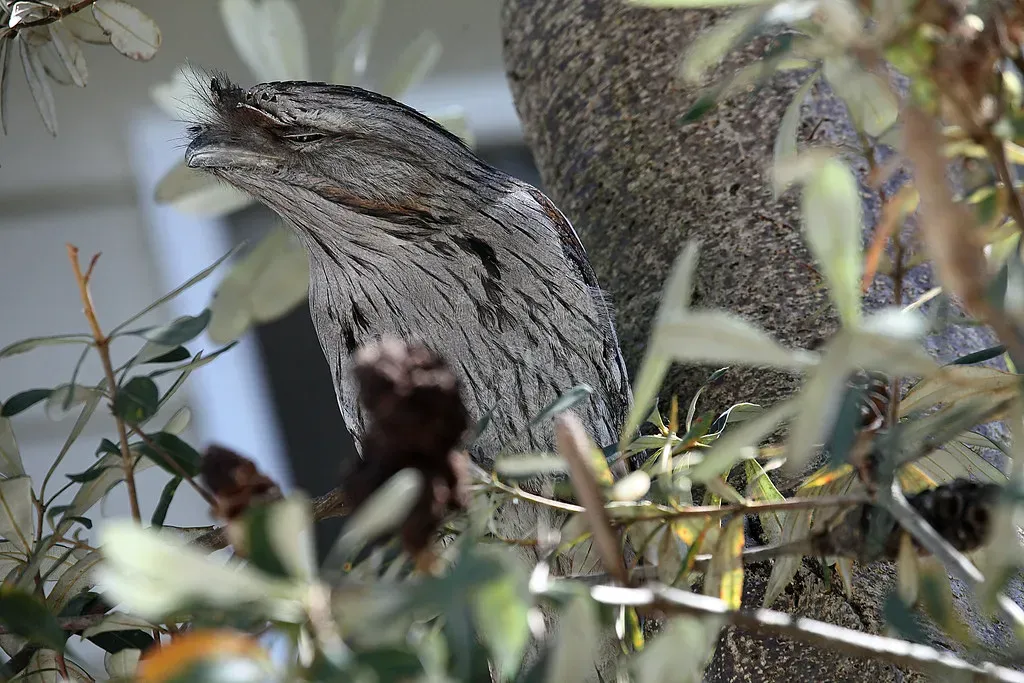
Unlike owls, which they’re often confused with, tawny frogmouths don’t typically hide in dense foliage. Instead, they trust in their bark-mimicking camouflage and a behavior called “stumping,” where they freeze in a straight, rigid pose along a branch. Even predators and people who walk right past them rarely notice anything except another chunk of tree. It’s almost unsettling once you finally spot the faint outline of a beak or the curve of a wing and realize you’ve been watched the whole time.
At night, the bird switches from statue to stealth hunter, gliding quietly to catch insects and small animals. Their daytime disguise means they can sleep in relatively open spots without wasting energy constantly seeking cover. I’ve seen birdwatchers share stories about realizing, only from a slight head tilt, that the “branch stub” they’d been leaning near was actually a frogmouth the whole time. Camouflage here isn’t flashy or fast-changing; it’s slow, patient, and incredibly effective in a very ordinary-looking setting.
The Hidden World in Plain Sight
Camouflage is easy to overlook precisely because it works best when we don’t notice it. From the light-bending skin of cuttlefish to the leaf-perfect outlines of geckos and insects, these animals remind us that survival can depend on being unseen rather than being strong or fast. Even relatively simple tricks, like the Arctic hare’s seasonal coat or the tawny frogmouth’s wooden pose, show a deep connection between body, behavior, and environment.
Once you know these creatures are out there, it changes the way you look at forests, reefs, and even a bare, wind-swept tundra. Every patch of leaves, every coral fan, every broken branch might be hiding a patient, silent expert in the art of disappearing. The next time you’re outside, it might be worth pausing and staring a little longer at the “empty” spaces around you. How many eyes do you think are watching that you’ll never actually see?