
Earth is a planet of extremes. Boiling volcanic vents, glaciers that stretch for miles, bone-dry deserts where rain hasn’t fallen in years. Most living things would not last a day in such places. Yet somehow, against every reasonable expectation, life thrives there.
What you’re about to discover is not just a list of cool animals. It’s a window into some of the most jaw-dropping, almost unbelievable survival strategies that evolution has ever produced. From creatures that literally freeze solid and wake up perfectly fine in the spring, to microscopic things that laugh in the face of outer space, nature has clearly been playing a very long and very creative game. Let’s dive in.
The Wood Frog: Nature’s Master of the Deep Freeze
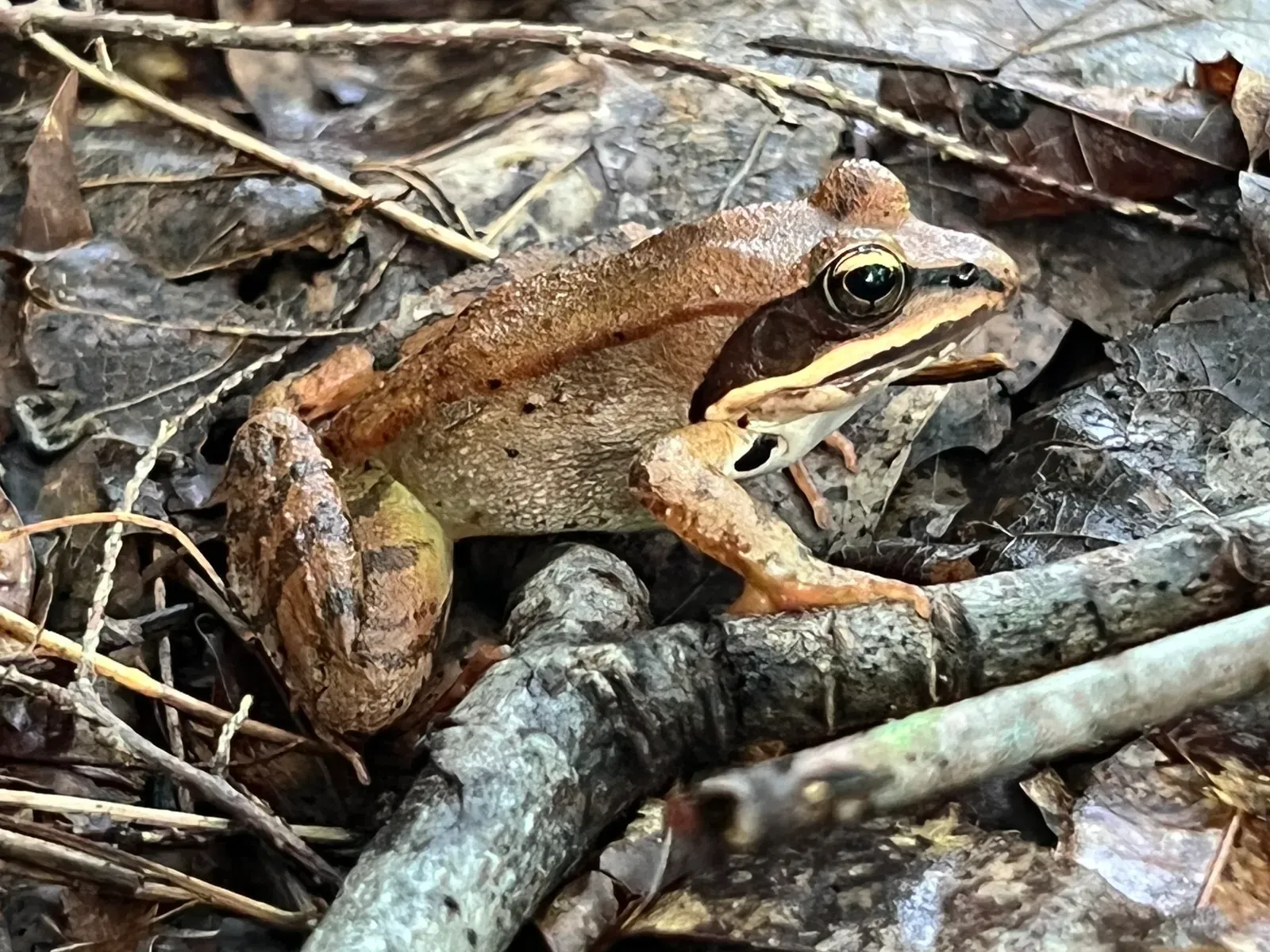
Imagine waking up one morning and deciding that the best way to survive winter is to simply turn yourself into an ice cube. Sounds insane, right? Well, for the wood frog, that’s exactly the plan. The wood frog is a species that lives in the US and Canada, as far north as Alaska and the Yukon, where these amphibians regularly experience temperatures as low as minus 45 degrees Celsius. You’d think that kind of cold would mean certain death. For almost every other animal, it would.
In the first few weeks of winter, ice fills the frog’s abdominal cavity and forms between the layers of skin and muscle. At the same time, the frog’s liver produces large amounts of glucose, which prevents their cells from freezing and binds water molecules to prevent dehydration. So while ice forms on the outsides of their organs and cells, the insides of their cells are protected. Honestly, that sounds like something straight out of a science fiction novel. Up to roughly three-fifths of the amphibian’s body will freeze during the winter, and when spring arrives, the frogs simply thaw out and resume life as usual. The sheer audacity of evolution here is breathtaking.
The Tardigrade: The Tiny Beast That Can Survive Almost Anything
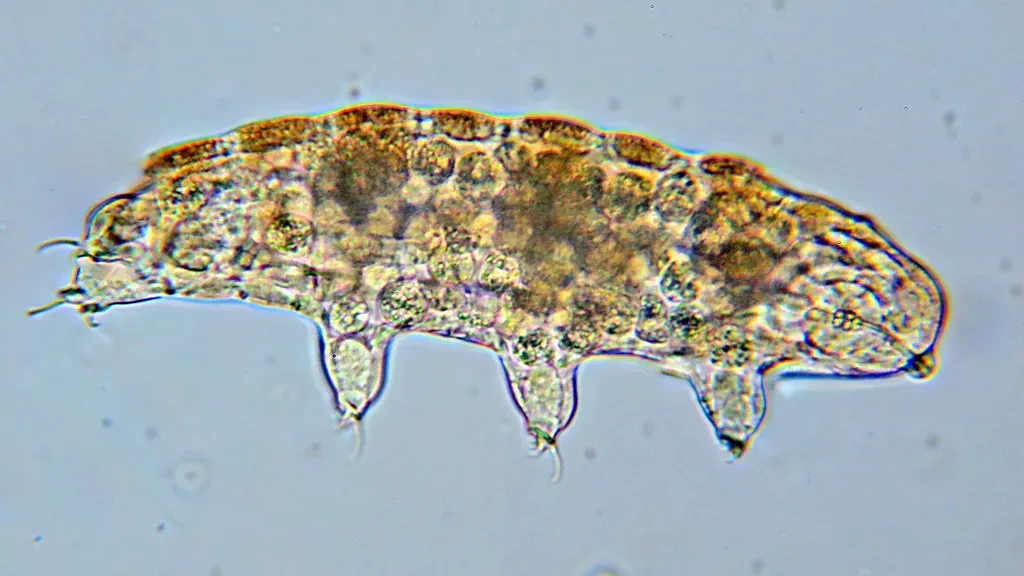
If you were to ask which creature on Earth is truly indestructible, the answer would be a microscopic animal you’ve probably never seen with the naked eye. Tardigrades, commonly known as water bears, are microscopic organisms celebrated for their resilience to extreme conditions, capable of surviving in the most inhospitable environments on Earth and even in outer space. To put that into perspective, these things survived conditions that would kill every other form of life we know of. Every single one.
They can survive in extreme heat above 300 degrees Fahrenheit and extreme cold close to absolute zero, can withstand high levels of radiation, and can go without food or water for more than 10 years by entering a state called cryptobiosis. Think about that. Ten years. Without food or water. They do this by entering into a “tun” state, in which their bodies dry out and curl into a tiny ball, entering a state of protective hibernation. I think it’s fair to say the tardigrade has earned its reputation as the ultimate survivor. No contest.
The Axolotl: The Animal That Never Really Grows Up
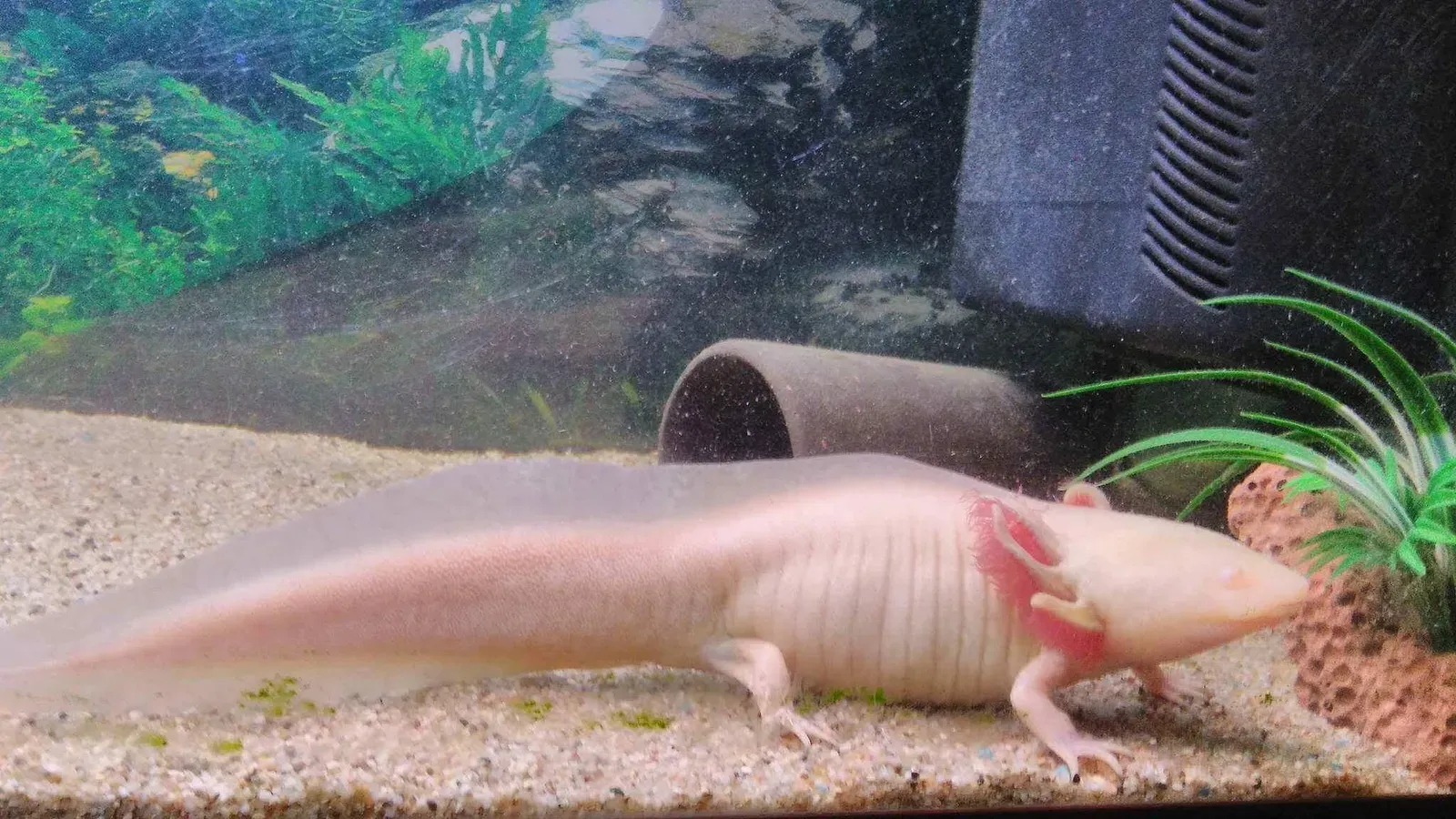
Native to the lake systems of Xochimilco and Chalco in Mexico, the axolotl is a unique type of salamander that retains its larval features throughout its life, and is renowned for its extraordinary ability to regenerate limbs, spinal cords, and even parts of vital organs like the heart and brain. Let that sink in for a moment. A heart. A brain. Regrowing pieces of a brain. That’s not just unusual, it’s practically supernatural.
This incredible adaptation has made the axolotl a focal point for medical research, with scientists studying its potential applications for human tissue regeneration. Its remarkable regenerative abilities give it a survival advantage in the wild, allowing it to recover from injuries that would be fatal to most species. Sadly, these biological marvels are critically endangered in the wild, existing now primarily in scientific facilities and the aquarium trade. A species that can regrow its own organs, yet struggles to survive against habitat loss. The irony is genuinely heartbreaking.
The Mimic Octopus: The Shapeshifter of the Sea
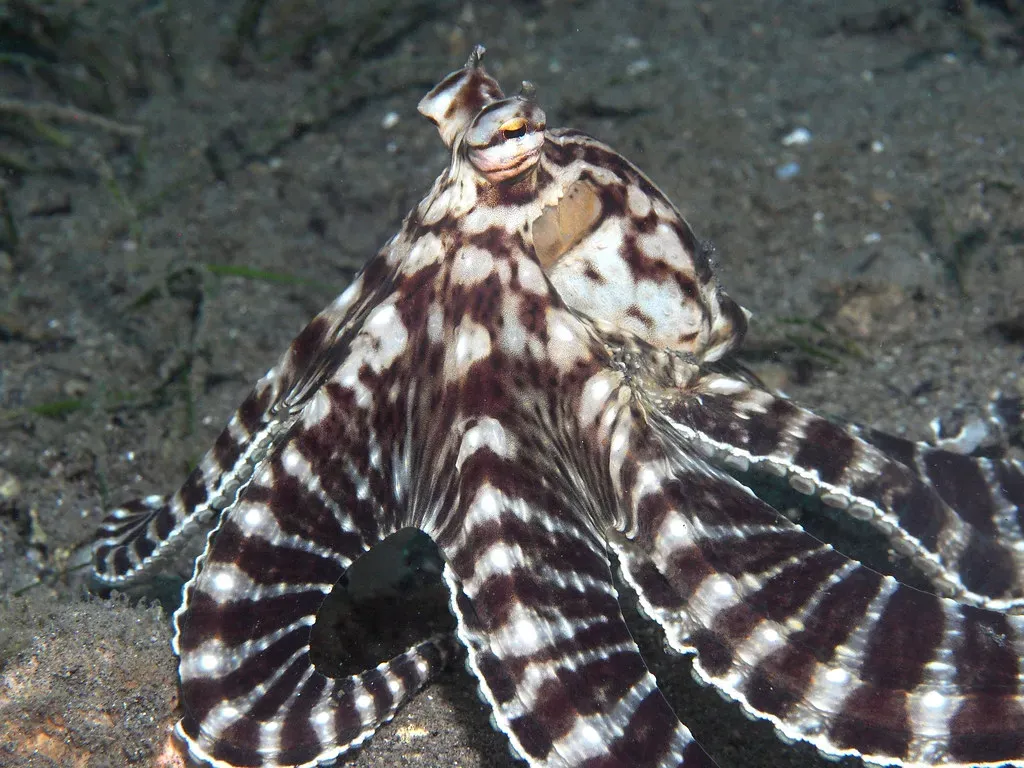
Here’s the thing about survival in the ocean: you either need to be terrifying, or you need to be convincingly fake. The mimic octopus has mastered the second strategy to an almost absurd degree. There is perhaps no better copycat on Earth than the mimic octopus. Discovered off the coast of Indonesia, this animal can take on characteristics of up to 15 different forms of marine life. It doesn’t just change color. It changes its entire body shape and behavior to impersonate other creatures.
By changing its skin color and texture, the mimic octopus can confuse predators and potential prey, enhancing its chances of survival. This ability to mimic multiple species helps it evade threats by posing as dangerous or unpalatable creatures. Think of it like a con artist who can instantly transform into a police officer, a doctor, or a firefighter, depending on who’s threatening them. The mimic octopus’s extraordinary adaptation underscores the importance of behavioral flexibility and intelligence in the animal kingdom. It’s one of the most creative survival tricks evolution has ever cooked up.
The Horned Lizard: The Creature That Shoots Blood From Its Eyes
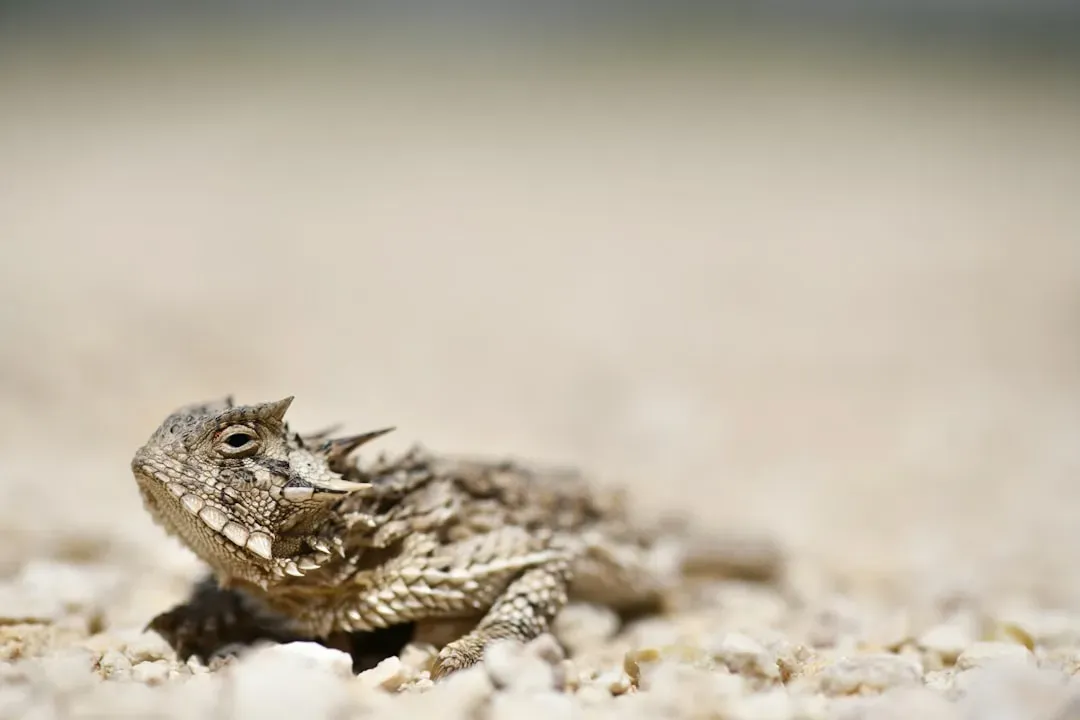
Let’s be real. When you first hear this, you assume someone is exaggerating. They are not. The horned lizard, found in Central America and the western US, has incredible ways of defending itself against predators, which include coyotes, hawks, and snakes. Sometimes called horned toads due to their toad-like appearance, these lizards use a few different strategies to protect themselves. First, there’s the camouflage. Then there’s puffing up with air to poke spines into a predator’s mouth. But the headline-grabber comes last.
In certain situations, horned lizards use their fascinating blood-squirting ability. A sinus under their eyes fills with blood and pressurizes enough to shoot it out, and this stream can reach over one meter, about three feet, away. Not only is this genuinely one of the most shocking things in the animal kingdom, it’s also remarkably effective. The blood apparently contains chemicals that are particularly foul-tasting to canine and feline predators. Their scales provide camouflage that closely resembles the soil and rocks of their habitats, and if that fails, they can puff their bodies up with air, poking their spikes into another animal’s skin. Multi-layered defense systems, backed up by one final, completely outrageous trump card. Evolution was clearly having fun with this one.
The Pompeii Worm: A Living Creature That Thrives in Near-Boiling Water
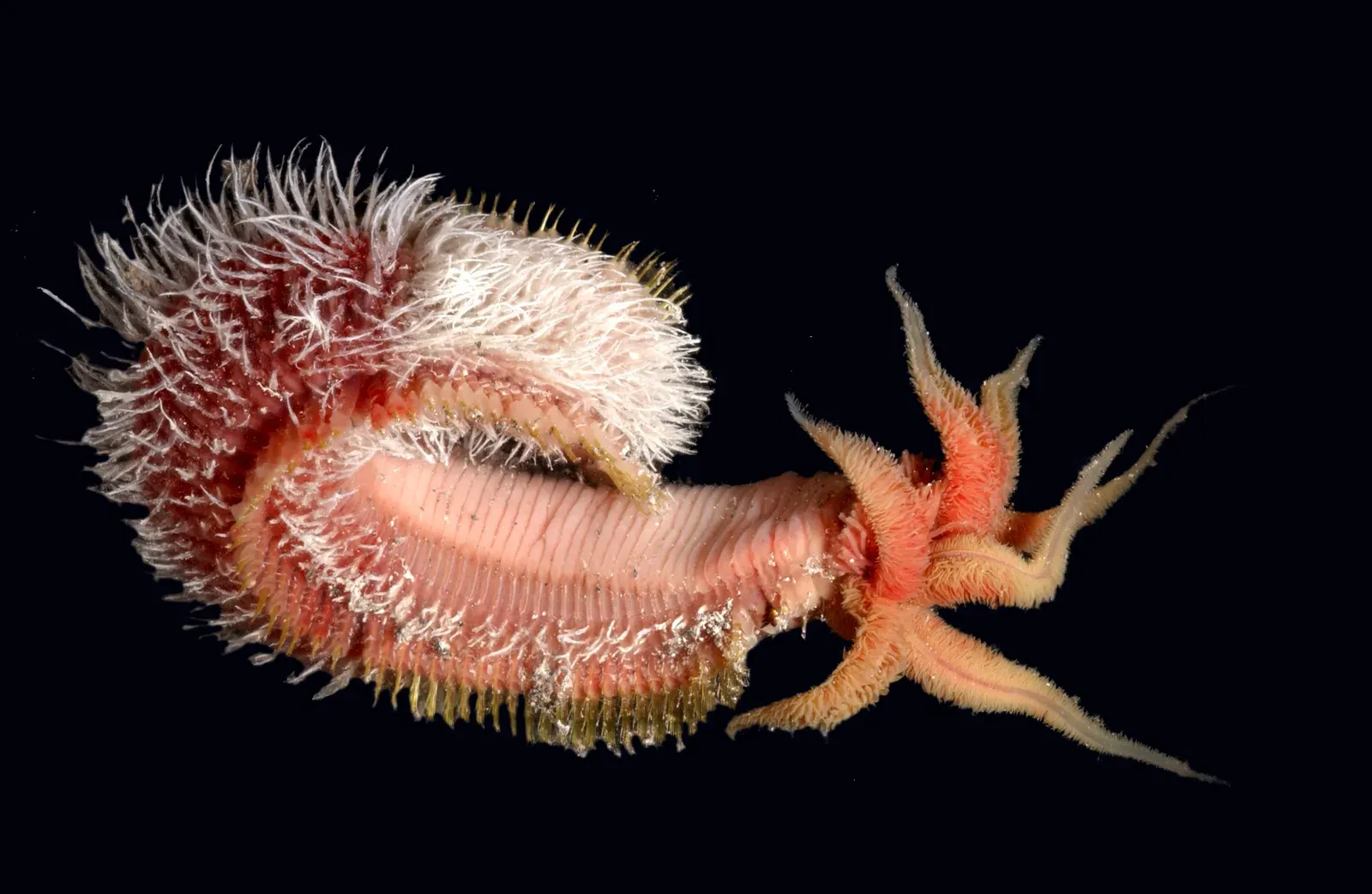
Pompeii worms are one of the most heat-tolerant animal species on Earth. They’re classed as extremophiles, organisms that can live in the most extreme conditions, and the worms live around hydrothermal vents in tubes on the ocean floor. Most animals cannot cope with temperatures above roughly 40 degrees Celsius. You are about to discover what happens when nature ignores that rule completely.
While their heads are bathed in cool seawater around 72 degrees Fahrenheit, their tails withstand scorching temperatures up to 176 degrees Fahrenheit, hot enough to kill most proteins in other organisms. This ability to survive such extreme heat comes from a symbiotic relationship with heat-resistant bacteria that form a protective fleece on the worm’s back, and these bacteria produce special enzymes that help protect the worm from the blistering temperatures. It’s one of the most remarkable partnerships in the natural world. Scientists are studying these thermostable enzymes for potential applications in biotechnology and medicine, and the Pompeii worm’s adaptation to this extreme environment showcases how life can evolve to thrive in conditions once thought incompatible with biological processes. A worm living in near-boiling water, and it might one day help cure human disease. That’s wild.
The Antarctic Icefish: The Vertebrate With No Red Blood
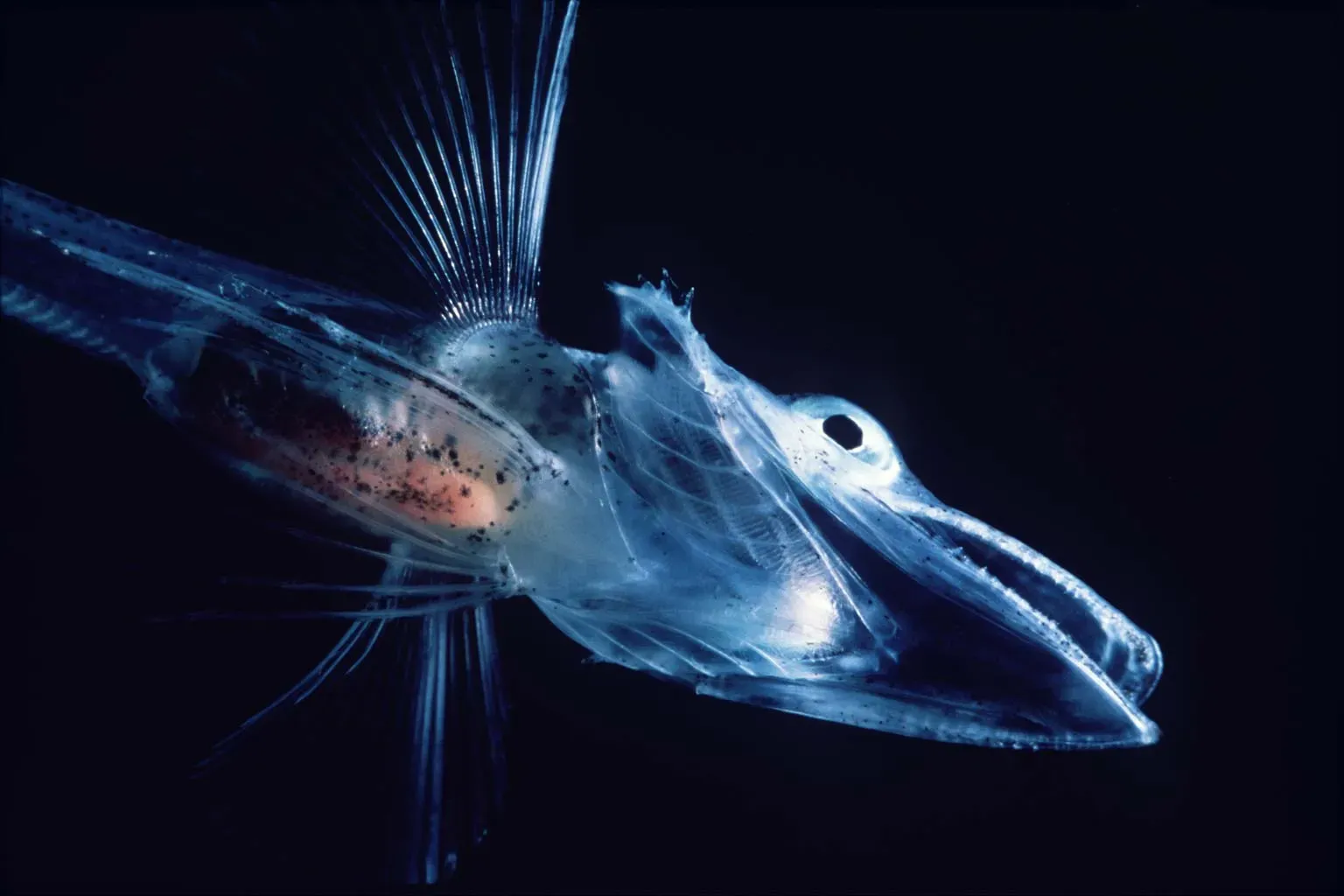
Every vertebrate on Earth has red blood. It’s one of those biological facts that feels as solid and certain as anything in science. Except, well, one fish decided to break that rule entirely. Found in the freezing waters of the Southern Ocean and Antarctica, icefish have remarkable adaptations that allow them to thrive in some of the coldest environments on Earth. Icefish are the only known vertebrates that don’t have hemoglobin, the protein responsible for transporting oxygen throughout the body and giving blood its red color. Instead of red blood, icefish have transparent or white blood. It’s genuinely one of the most startling biological facts you’ll ever read.
It’s hard to say for sure how something this extreme could ever evolve, but the payoff is remarkable. To survive the cold, icefish must preserve their energy. They have a very slow metabolism, meaning they can store food and hunt less. When the time does come to hunt, they simply sit on the ocean floor and wait for prey to pass by. Deep-sea creatures have evolved specialized proteins and enzymes that remain functional at low temperatures, and the icefish found in Antarctic waters possess antifreeze proteins in their blood, preventing it from freezing in icy waters. No red blood, antifreeze in the veins, and a hunting strategy that requires almost zero effort. If patience were an Olympic sport, the icefish would take gold every time.
Conclusion: Evolution Has No Limits
If there’s one thing these seven creatures make abundantly clear, it’s that life on Earth is far stranger and far more resilient than most of us ever stop to imagine. From a frog that freezes solid every winter and simply wakes up in spring, to a worm thriving in near-boiling water at the bottom of the ocean, the variety of survival strategies nature has produced is honestly humbling.
Animal adaptations are evolutionary changes that occur over generations, enabling species to better survive and reproduce in their environments. That slow, patient process has produced what amounts to a planet full of living miracles. Each one of these creatures is a reminder that evolution doesn’t work to a blueprint we’d recognize. It experiments, fails, tries again, and occasionally produces something so bizarre it looks like science fiction.
The next time you feel like the world is too harsh or too challenging, maybe think about the wood frog, cheerfully becoming an ice block for eight months before waking up refreshed. Nature wrote the ultimate survival manual, and it turns out the rules are far more flexible than we ever thought. Which of these seven creatures surprised you the most? Drop your thoughts in the comments below.