
Think you know all the wonders nature has to offer? Imagine walking through a forest at night and seeing what looks like ghostly lights floating through the air, or diving into the ocean and witnessing an underwater light show that rivals anything on Broadway. The natural world is filled with creatures that have mastered the art of producing their own light, and the reasons behind this glowing phenomenon are as diverse as the animals themselves.
From the deepest parts of the ocean where sunlight never reaches to the humid forests where fungi illuminate rotting logs, bioluminescence serves purposes far beyond just looking pretty. These living light shows help creatures hunt, hide, attract mates, and even send distress signals. Let’s dive into the fascinating world of seven remarkable creatures that illuminate the darkness.
Fireflies: The Romantic Flashers of Summer Nights
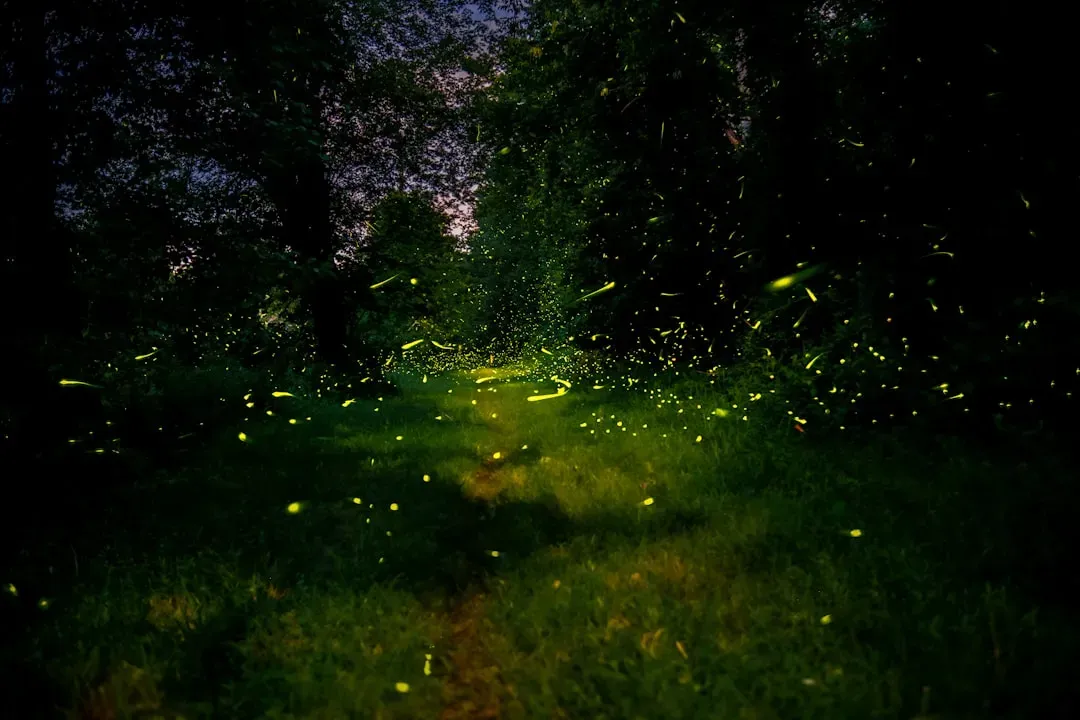
Fireflies use light to attract mates, with females responding to the flashes of flying males. What makes this particularly clever is that each species uses a unique temporal sequence of flashing to avoid confusion between different types of fireflies. Think of it like nature’s version of Morse code, where every species has its own distinct pattern.
The chemical reaction in fireflies involves luciferin, luciferase, and oxygen within specialized cells called photocytes, producing light that’s roughly 96% efficient. Here’s the thing though: some sneaky female fireflies have learned to cheat the system. Female Photuris fireflies sometimes mimic the light pattern of another firefly species to attract males as prey. Talk about a dangerous date.
Anglerfish: The Deep Sea’s Deceptive Hunters
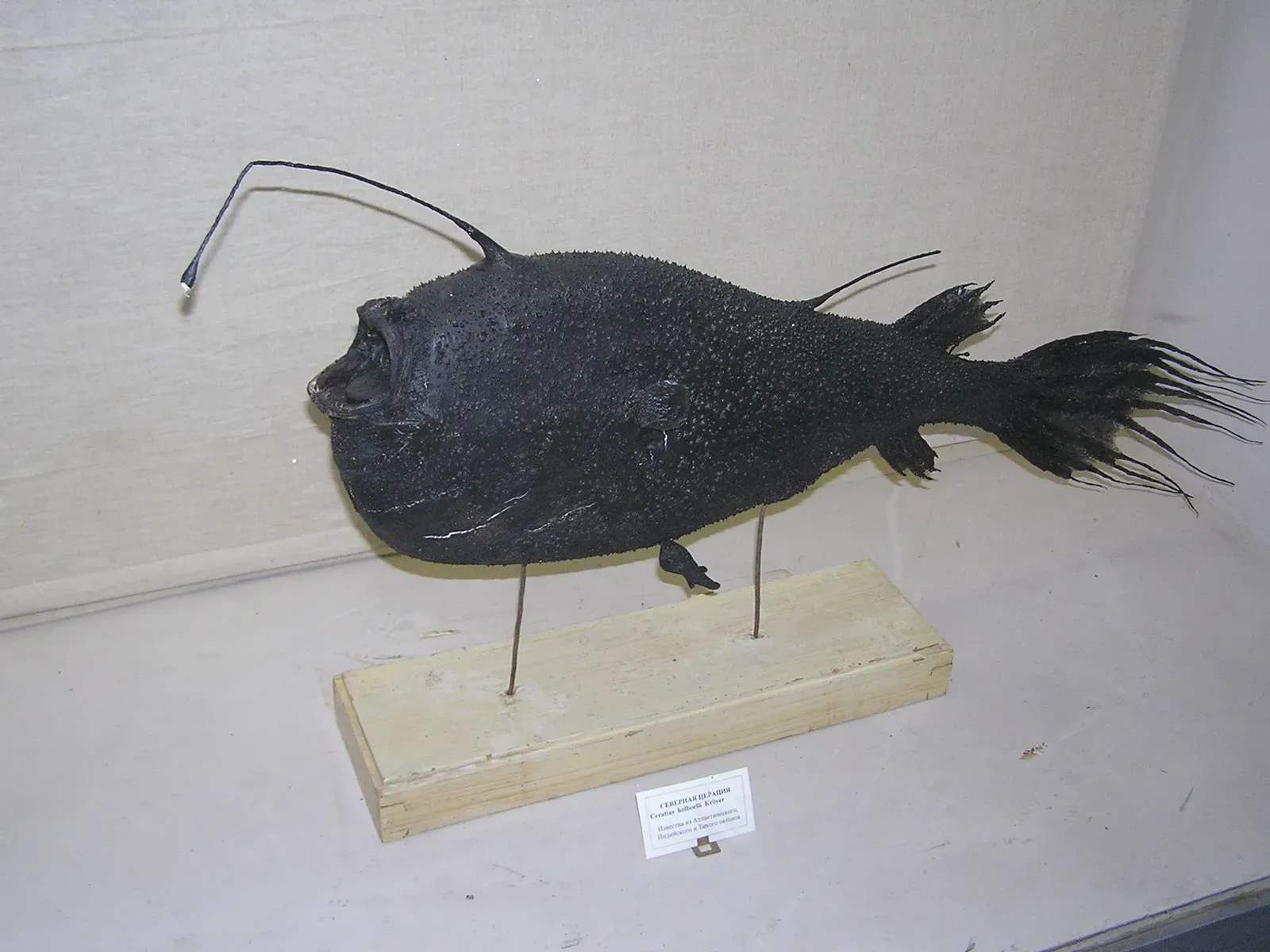
The anglerfish uses a fleshy growth called a filament on top of its head, tipped with a ball called the esca that it can light up to lure prey. Picture a monstrous fish dangling what looks like a tasty snack in the pitch-black depths of the ocean. Smaller fish swim in for a closer look at the spot of light, only to discover the enormous, dark jaws of the anglerfish behind the bright esca when it’s too late.
The really fascinating part? The esca contains bioluminescent bacteria able to produce a long-lasting glow which the fish can control. Only female anglerfish have the lures, which they also use to attract males who will bite onto the female and fertilize her eggs. The deep sea can be a lonely place, so evolution came up with some truly bizarre solutions.
Dinoflagellates: The Sparkle Behind Glowing Waves
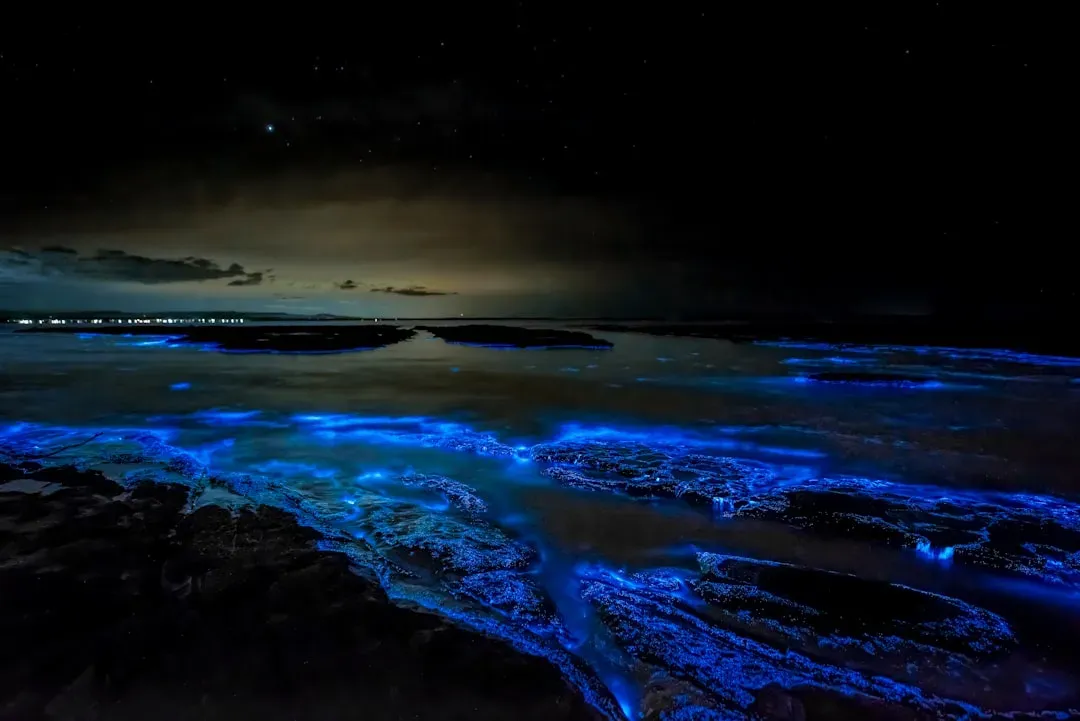
You know those magical beach scenes where the waves seem to light up with blue sparkles? That’s dinoflagellates working their magic. These single-celled dinoflagellates bloom in dense layers at the surface of the water, causing the ocean to sparkle as they move in the waves at night. When agitated by movement from breaking waves, a swimming fish, or a kayak paddle, these microscopic organisms emit brief flashes of blue light that serve as a burglar alarm.
What’s clever about this strategy is that the light doesn’t just scare predators. It actually attracts bigger predators that might eat whatever’s threatening the dinoflagellates. Let’s be real, it’s like calling the cops on someone trying to eat you. When conditions are right, dinoflagellates bloom in dense layers, causing the ocean to take on a reddish-brown color in daylight and a sparkly sheen at night.
Hawaiian Bobtail Squid: Masters of Moonlight Camouflage
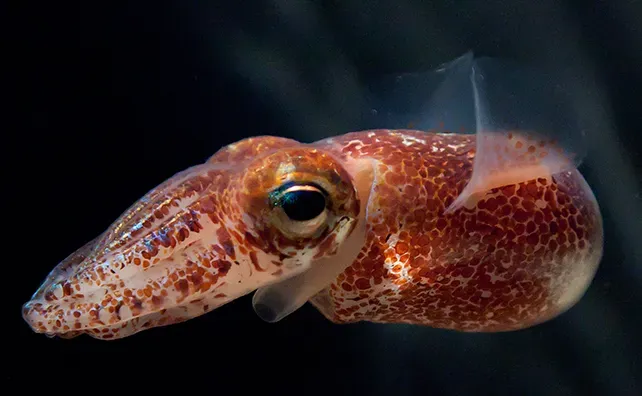
Bobtail squid have a symbiotic relationship with bioluminescent bacteria called Vibrio fischeri, using the resulting blue-ish glow to blend in with moonlit waters. This technique is called counterillumination, and it’s basically the opposite of what you’d expect. Instead of hiding in darkness, these squid light up their undersides to match the faint light coming from above.
The squid harbors glowing bacteria in specialized organs, and the light emitted may help camouflage the squid by mimicking moonlight, while the bacteria benefit from a nutrient-rich environment. It’s hard to say for sure, but this partnership is so sophisticated that their ability to disguise themselves even caught the attention of the U.S. military, who studied the relationship to improve aircraft camouflage. Nature was doing stealth technology long before we were.
Vampire Squid: The Glowing Mucus Defense
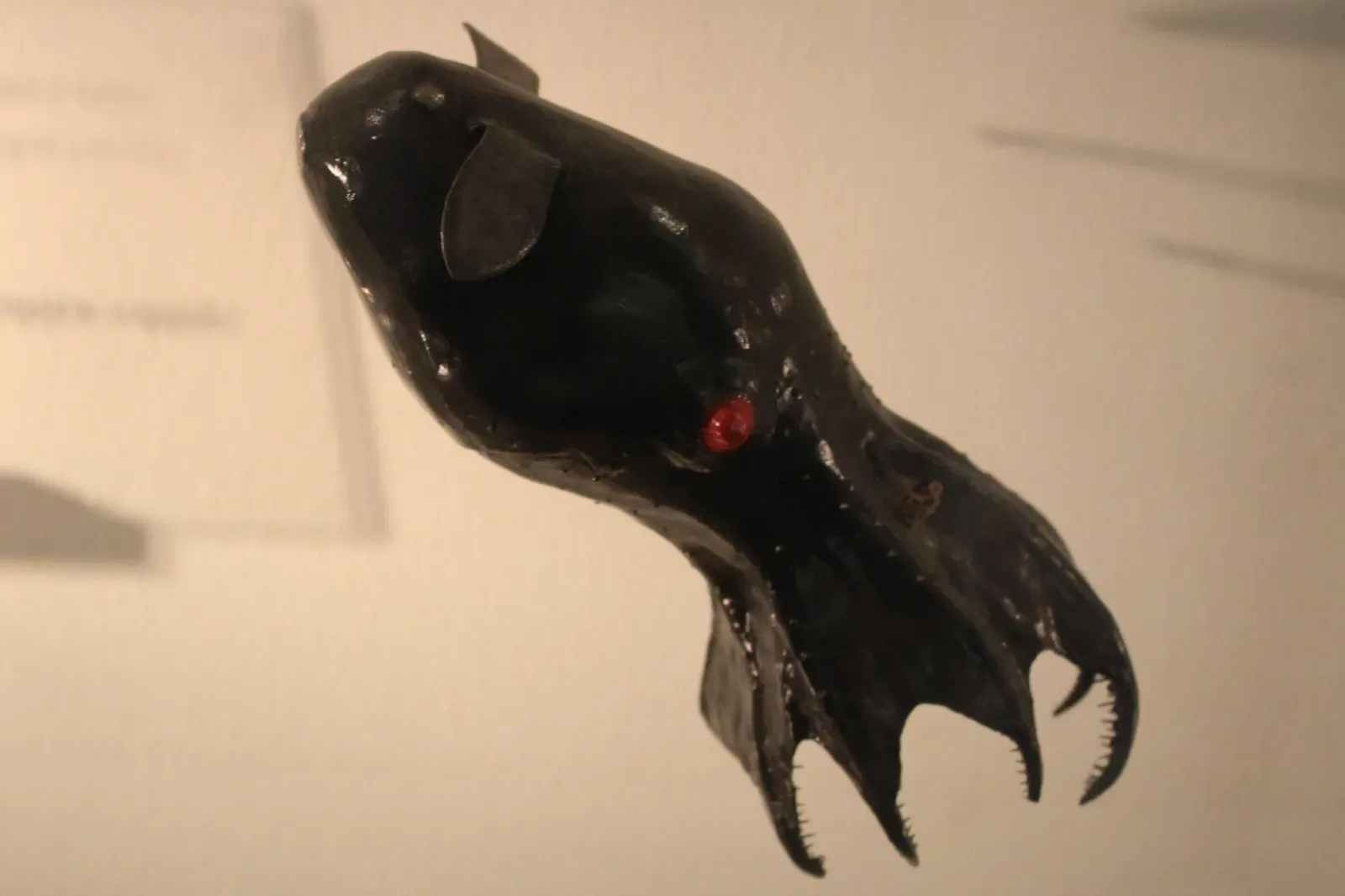
Despite its terrifying name, the vampire squid is actually quite small and harmless. What makes it incredible is its defensive strategy. When threatened, the vampire squid ejects sticky bioluminescent mucus, which can startle, confuse, and delay predators, allowing the squid to escape. Imagine being chased through absolute darkness and suddenly releasing a cloud of glowing goo that sticks to your attacker.
The vampire squid ejects a cloud of bioluminescent mucus filled with glowing particles, confusing predators and allowing it to escape into the darkness. Unlike squid that live near the surface and use dark ink, this deep-sea dweller evolved a completely different approach. The glowing particles create a dazzling distraction that gives the vampire squid precious seconds to disappear into the black depths.
Bioluminescent Fungi: The Forest’s Eerie Night Lights
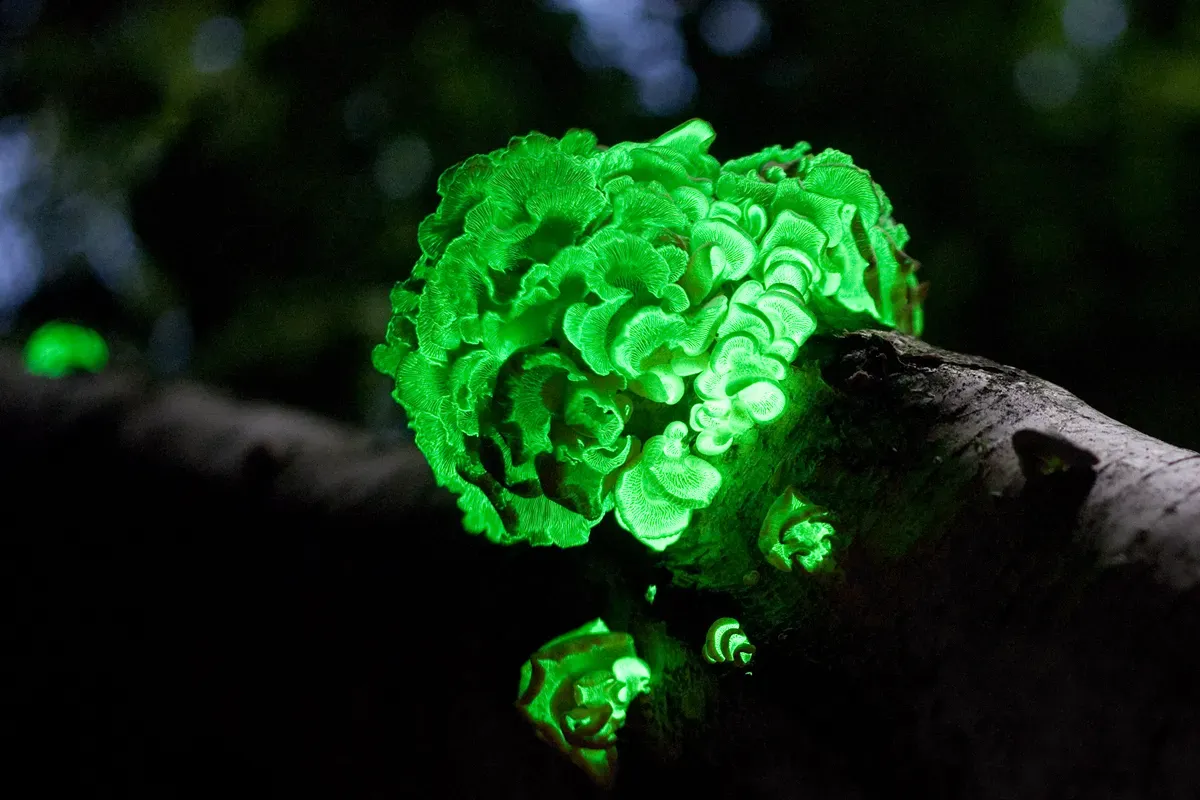
In old-growth forests at night, particularly in warm, humid regions, an eerie green-blue glow emanates from decaying logs, a phenomenon known as foxfire caused by bioluminescent fungi. About 75 species of fungi are capable of giving off an eerie, green light, with most living in tropical rainforests. Walking through a dark forest and seeing these ghostly glows must have spooked countless travelers throughout history.
The exact reason fungi glow remains somewhat mysterious, but leading theories suggest the light attracts insects that help spread fungal spores, or that it’s a byproduct of lignin-degrading oxidative enzymes. Honestly, the fact that mushrooms can glow at all seems like something out of a fantasy novel. The glow is most visible during the active growth phase, with mycelium producing a steady, ghostly light that once helped travelers navigate forests.
Dragonfish: The Red Light Hunters
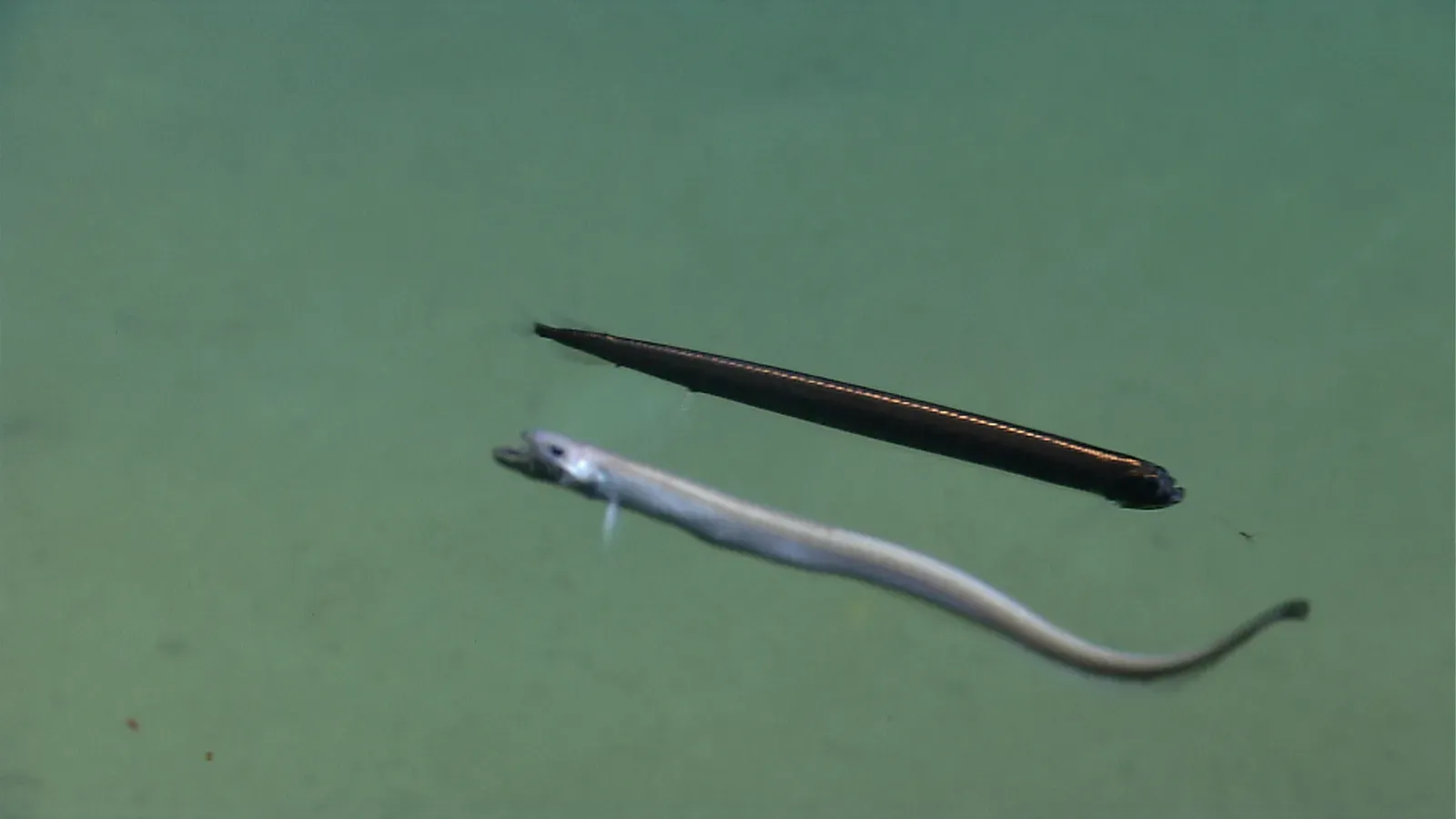
Most deep-sea creatures can’t see red light, which makes the dragonfish one of nature’s most cunning predators. Dragonfish called loosejaws use bioluminescence to search for prey, having adapted to emit red light while most fish can only see blue light, giving loosejaws an enormous advantage when they illuminate a surrounding area. They can see their prey perfectly, but their prey has no idea they’re being hunted.
Dragonfish have light-emitting organs called photophores on their cheeks, with the yellow cheek pads and belly dots being bioluminescent. They make use of a rare trait in the deep sea by being able to see red light, which doesn’t penetrate more than 100 meters below the surface, making many deep-sea creatures red themselves because it makes them effectively invisible. The dragonfish essentially has night-vision goggles in a world where everyone else is blind.
Conclusion
The underwater and terrestrial worlds are filled with creatures that have turned light production into an art form. Bioluminescence has arisen over 40 times in evolutionary history, proving that when a survival strategy works this well, nature finds a way to reinvent it again and again. From romantic firefly displays to terrifying anglerfish lures, from glowing beach waves to mushrooms that light up the forest floor, these creatures remind us that evolution can be both beautiful and bizarre.
What’s truly amazing is that we’re still discovering new bioluminescent species and learning more about why they glow. The deep ocean remains largely unexplored, and who knows what other glowing wonders are waiting down there in the darkness? Next time you see a firefly or visit a bioluminescent bay, remember that you’re witnessing millions of years of evolutionary ingenuity at work. Which of these glowing creatures surprised you the most? Let us know what you think.