
Imagine living in a world where you could see electric fields, hear the heartbeat of a fish through sand, or smell a single drop of blood in an Olympic swimming pool. For a lot of animals, that’s just Tuesday. While humans like to brag about being smart, out in the wild it’s the senses that decide who eats and who gets eaten.
Once you start looking into animal super-senses, the world feels a lot stranger and a lot more magical. Everyday creatures suddenly seem like science-fiction characters quietly minding their own business in forests, oceans, and backyards. Let’s dive into seven of the most incredible sensory superpowers on Earth – and prepare to feel just a little bit under-equipped as a human.
Mantis Shrimp: Living Rainbows with Punch-and-Prism Vision
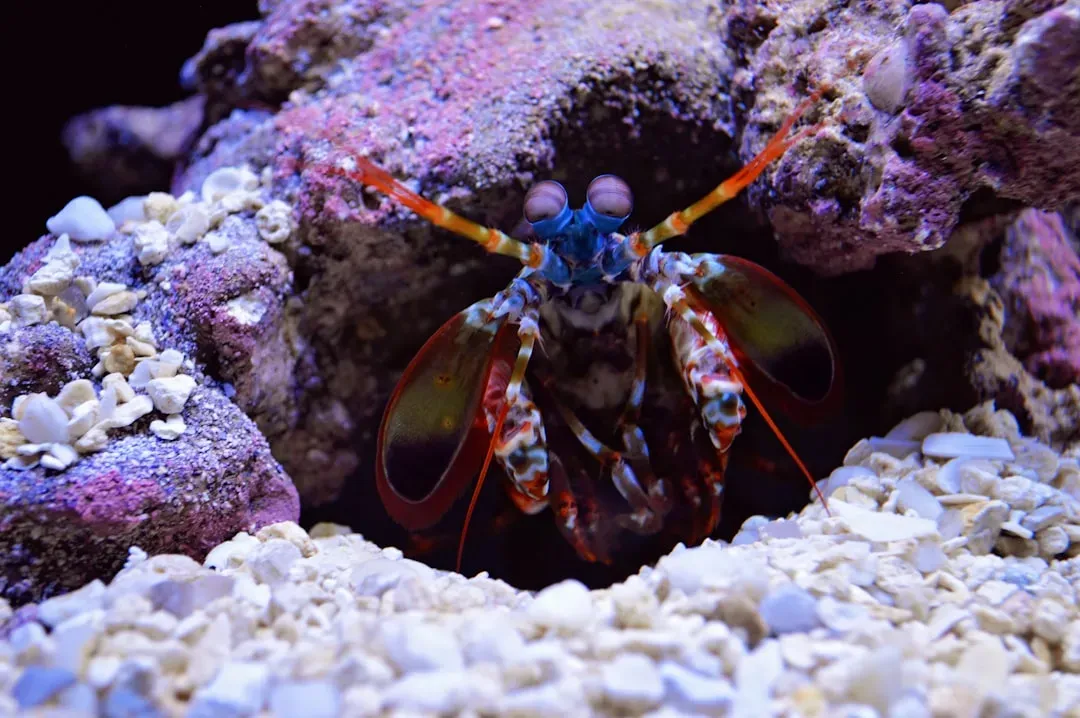
Mantis shrimp are small, but they experience the world as if someone cranked the saturation and added a dozen extra colors humans can’t even imagine. While we rely on three types of color receptors in our eyes, mantis shrimp have more than ten, and some species have well over a dozen. They don’t just see red, green, and blue; they pick up ultraviolet light and polarized light, giving them a built-in pair of high-tech sunglasses and a secret color language humans are completely blind to.
Scientists think this complex vision helps them spot prey, rivals, and mates in the chaotic, shimmering light underwater. Their eyes work kind of like advanced scientific instruments, detecting patterns in light waves that engineers usually need special filters to see. On top of that, mantis shrimp are infamous for their spring-loaded punches, which are so fast they can create tiny bubbles that momentarily reach temperatures similar to the surface of the sun. It’s like nature decided to combine a high-speed camera, a spectrometer, and a jackhammer into one furious little crustacean.
Sharks: Masters of the Invisible Electric World
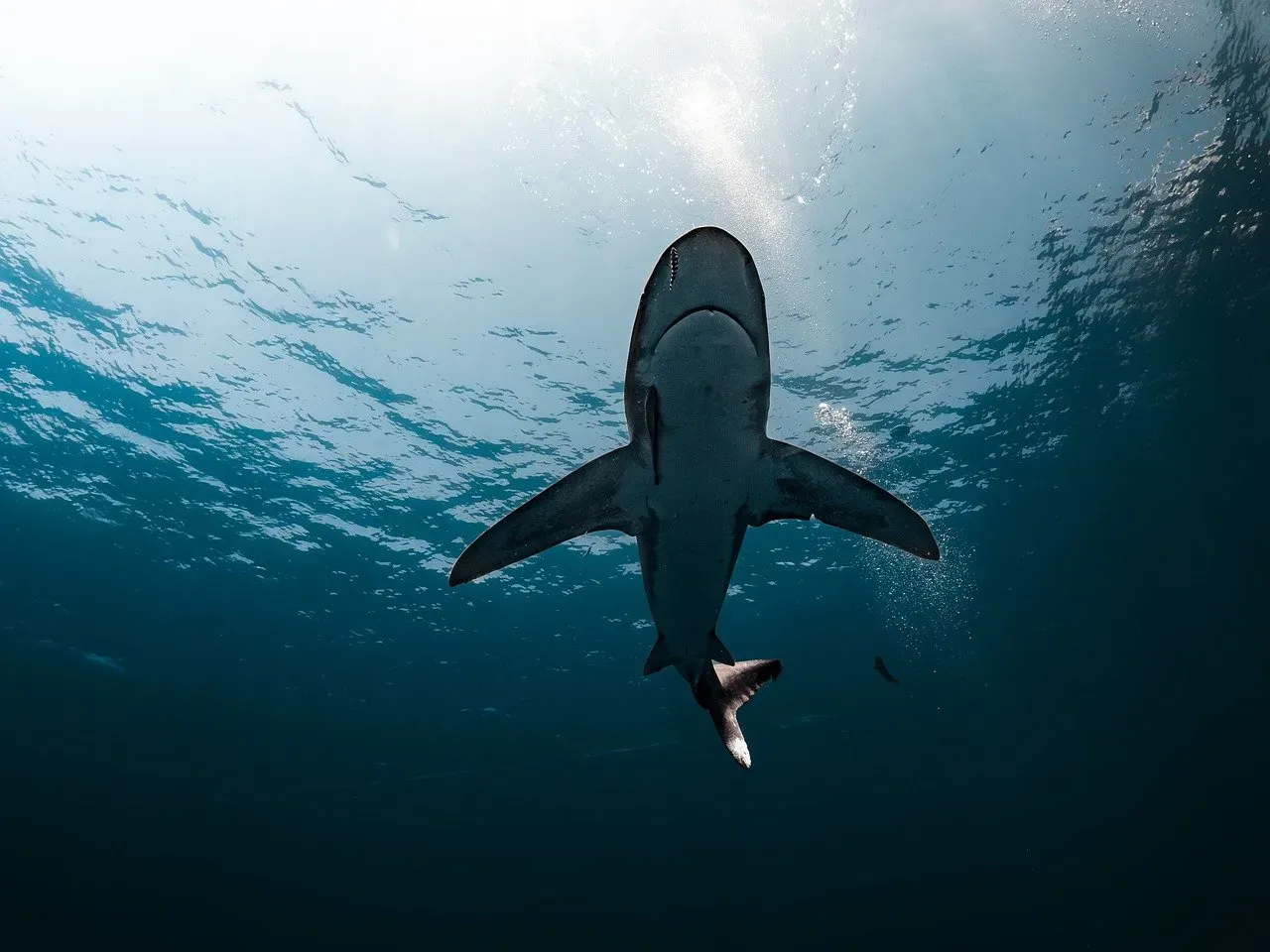
Sharks don’t just swim through water; they swim through an invisible web of electric signals most animals never even notice. Scattered around their snouts are tiny jelly-filled pores called ampullae of Lorenzini, which act like ultra-sensitive voltage detectors. These sensors can pick up the faint electrical fields made by the muscle movements and heartbeat of other animals, even when those animals are buried in sand or hiding in murky water.
This sense is so sharp that some sharks can detect electrical fields weaker than what you’d get from a tiny household battery submerged in the ocean from several meters away. For a shark, the ocean isn’t dark or opaque – it’s more like a ghostly radar screen lit up with the quiet signals of living bodies. This ability gives them a huge advantage when hunting in low visibility conditions, and it also seems to help them navigate using Earth’s magnetic field, like carrying a biological compass in their face.
Star-Nosed Mole: The World’s Fastest Feeler
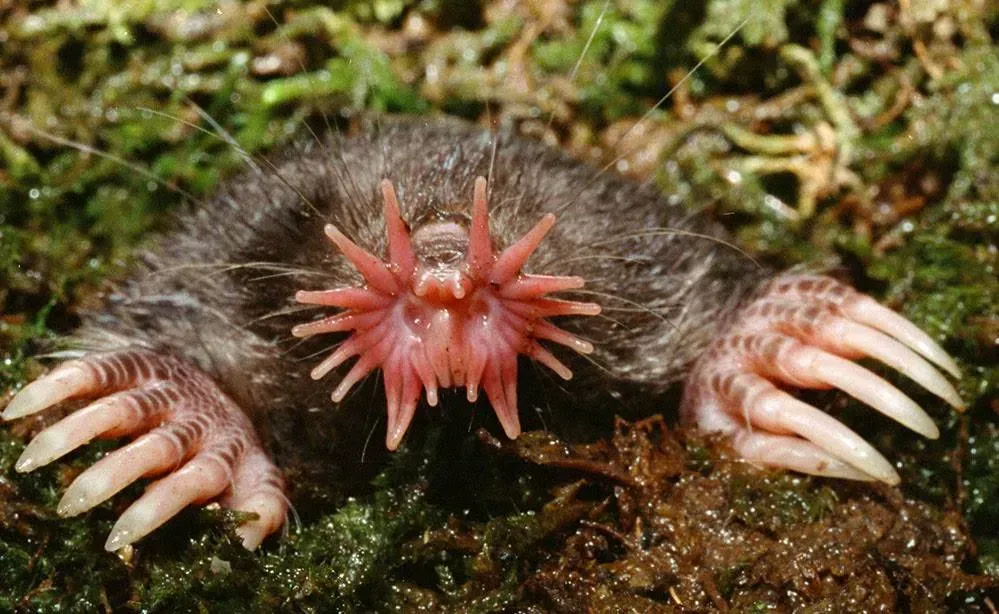
The star-nosed mole looks like something straight out of a sci-fi horror movie at first glance, with its bizarre star-shaped nose covered in fleshy tentacles. But that strange “star” is one of the most sensitive touch organs known in the animal kingdom. Each of the tiny rays is loaded with thousands of touch receptors, packed so densely that scientists compare its sensitivity to that of our eyes for fine detail – except it’s feeling, not seeing.
This mole lives in dark, muddy tunnels where vision is almost useless, so it’s turned touch into its primary super-sense. It can tap its star over the ground so quickly that it identifies and decides whether to eat something in less than the blink of a human eye. In a way, it “sees” the world through texture and pressure, building a mental map of its surroundings the same way we build one from sight. It’s like running your fingers over braille at sprint speed and instantly reading entire paragraphs.
Pit Vipers: Heat Vision Hunters in the Dark
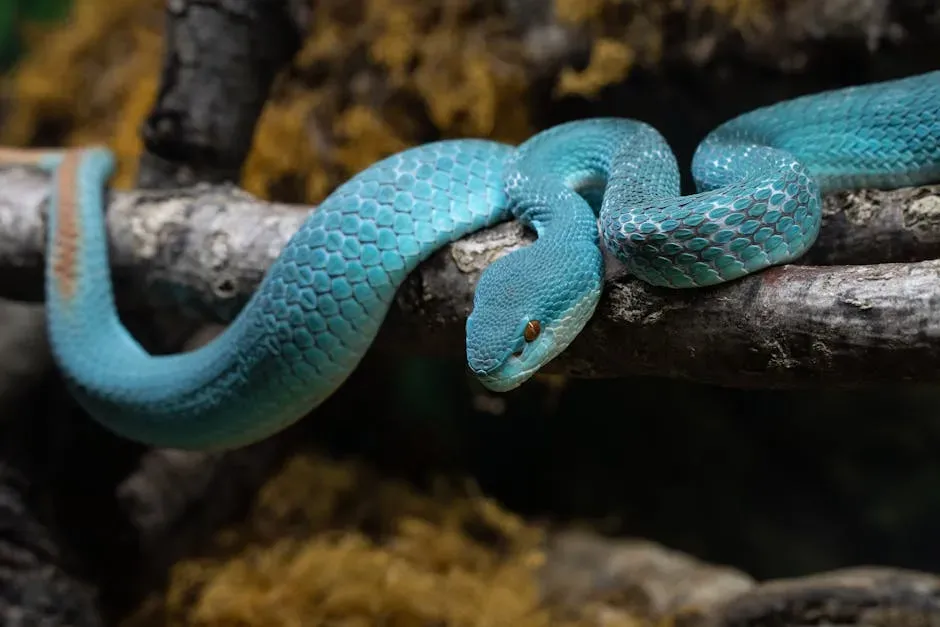
Some snakes, including pit vipers, pythons, and boas, come with a built-in thermal camera. Those little pits on either side of their face are not just weird nostrils; they’re highly specialized organs that detect infrared radiation, or in simpler terms, body heat. This means a snake can “see” warm-blooded animals like rodents even in complete darkness, not by light, but by the heat shining off them like a glow.
The information from these heat pits is processed in the brain alongside regular vision, creating a combined image that blends both light and temperature. So when a pit viper looks at a mouse hiding in the grass at night, it doesn’t just see a vague shape – it sees a bright, clear thermal outline that stands out against the cooler background. This turns nighttime into prime hunting time and makes camouflage much less effective. Trying to hide from a pit viper is like trying to disappear from a motion sensor in a dark hallway.
Barn Owls: Hearing So Precise It Beats Most Technology
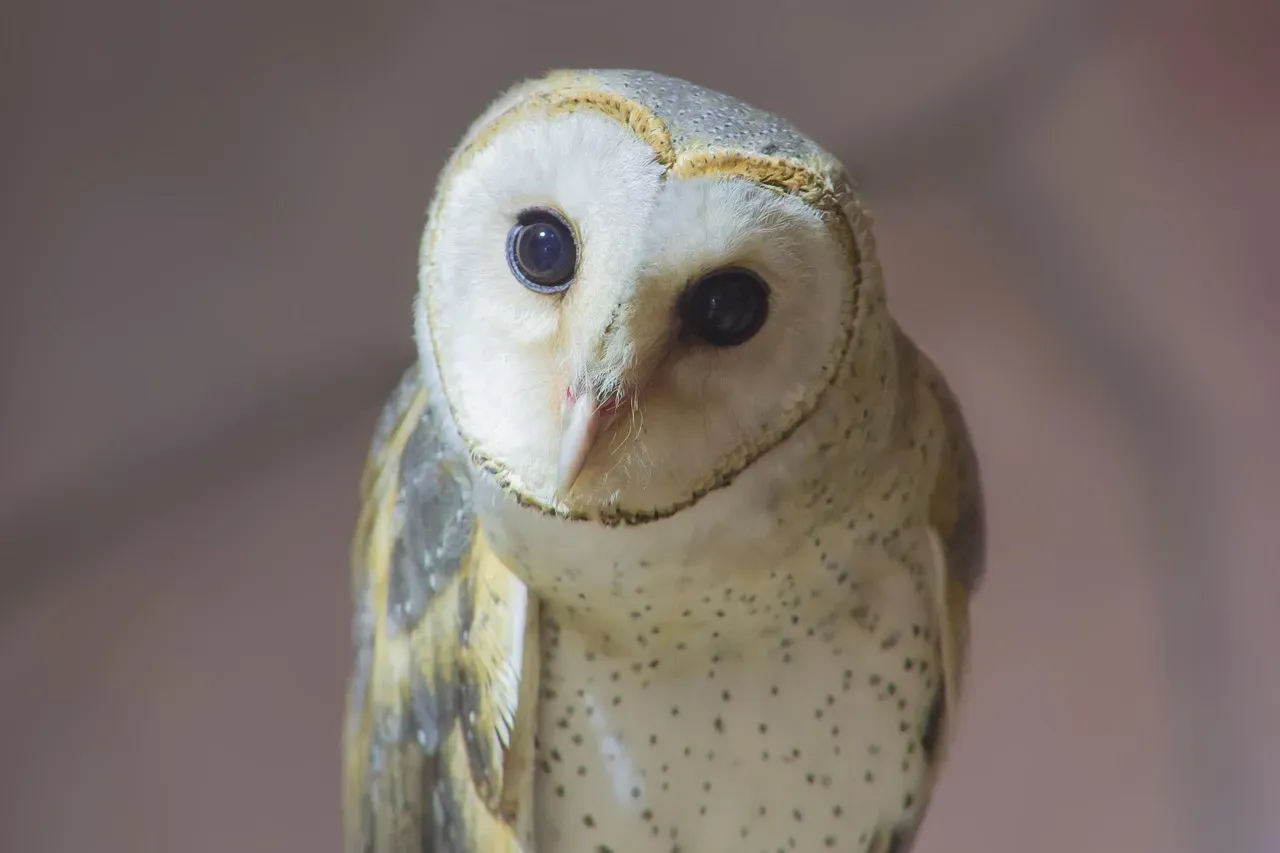
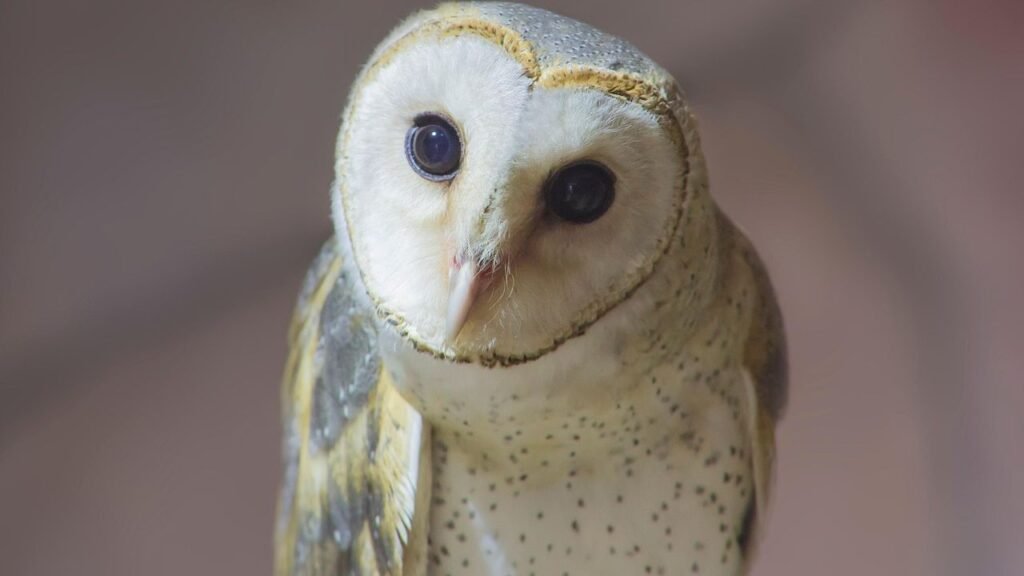
Barn owls might look ghostly and gentle, but their hearing is almost frighteningly precise. Their ears are placed slightly asymmetrically on their heads, with one higher than the other, and their facial disk of feathers acts like a satellite dish focusing sound. This setup lets them detect tiny differences in when sound hits one ear versus the other, giving them a three-dimensional audio map of their surroundings.
They can hunt in almost total darkness just by listening to the rustling of small mammals in grass or beneath snow. Experiments have shown that barn owls can pinpoint the location of a sound in space with incredible accuracy, often better than many artificial systems built by humans. To them, the night is not quiet at all – it’s full of detailed sound cues that paint a picture as clear as daylight. When one swoops silently down on an unsuspecting mouse, it’s more like a guided missile locked onto a tiny soundtrack of footsteps.
Bloodhounds: Noses that Remember the Past

Humans like to think we have a decent sense of smell because we enjoy good food and notice when something burns in the kitchen, but dogs – especially bloodhounds – are on a completely different level. A bloodhound’s nose is packed with hundreds of millions of scent receptors, far more than a human has, and its long ears and wrinkled skin help funnel smells toward its nostrils. Where we might notice “it smells like rain,” a bloodhound can pull apart layers of scent like reading a complex, multi-page story in the air.
What’s truly wild is how long a trail can linger for them. A person who walked through a field hours earlier still leaves a smelling footprint that a trained bloodhound can follow across roads, through busy areas, and over long distances. Their brain devotes a huge amount of space to processing smells, turning tiny chemical traces into a vivid, trackable memory. It’s as if the ground itself keeps a diary, and the bloodhound just reads what happened earlier that day.
Bats: Precision Flight with Sound Alone
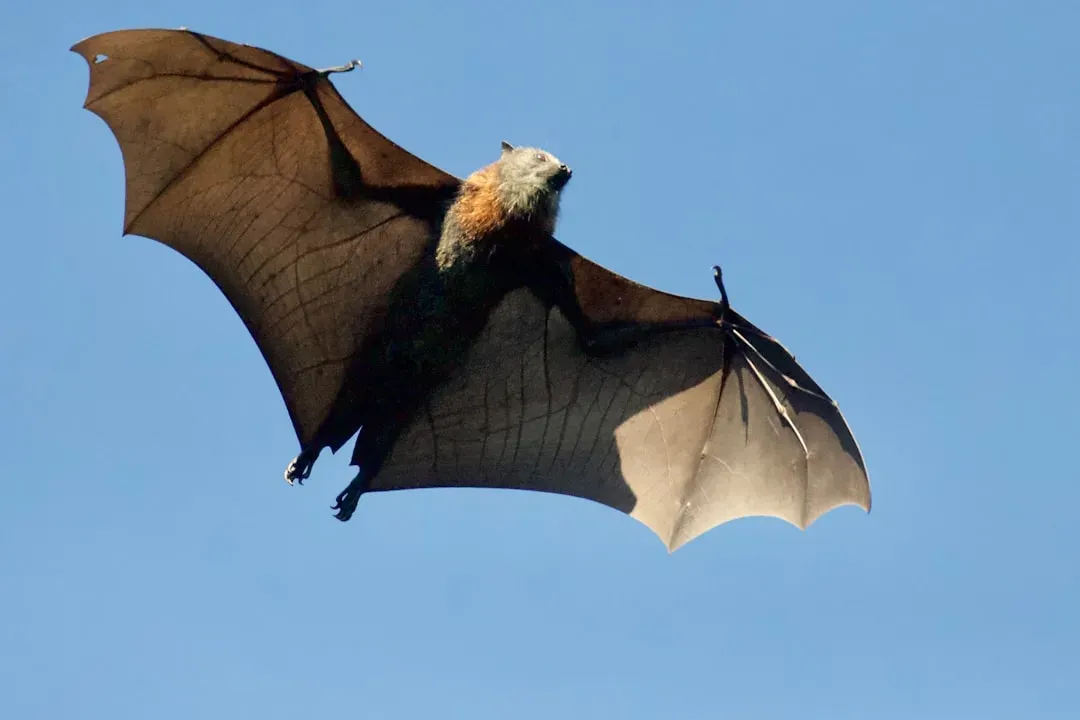
Bats that use echolocation have turned sound into a kind of invisible spotlight. As they fly, they emit rapid, high-pitched calls that bounce off objects and return as echoes. Their brains interpret the timing and quality of those echoes to build a real-time mental 3D model of their surroundings. To them, the dark night air is not empty; it’s full of acoustic outlines of trees, insects, and buildings.
Some bats can detect tiny insects the size of a small pebble while flying at speed, dodging branches and each other with incredible agility. The precision is so fine that they can distinguish between different types of prey based only on how the echoes change. Engineers have used bat echolocation as inspiration for sonar and even some robotics systems, but bats are still ahead of the game. It’s like flying through a pitch-black room while someone constantly paints the whole space for you with sound, and you never once hit a wall.
Conclusion: A World Far Richer than Human Senses

Once you start seeing animals as sensory specialists, it’s hard not to feel like we’ve been walking around with the “basic” version of reality installed. Mantis shrimp see light we can’t, sharks feel electricity, moles touch in high definition, snakes read heat, owls hear in 3D, bloodhounds smell time, and bats navigate by sound-scapes that are completely silent to us. The planet hasn’t just evolved different bodies – it has evolved entirely different experiences of what “here and now” feels like.
There’s something humbling and oddly comforting in knowing that our human view is just one small slice of what’s really happening all around us. It means the world is bigger, stranger, and more layered than any one species can perceive alone. Next time you see a bird, a dog, or even a tiny insect, it might be sensing things you’ll never notice, quietly living in a version of reality that overlaps with yours but isn’t the same. Makes you wonder: how much of the world around you have you actually never sensed at all?