
Walk through a forest, dive into a coral reef, or stare at a rocky cliff, and you might be surrounded by animals you never even notice. Nature’s best camouflage experts are so good at hiding that researchers sometimes walk right past them, even when they know exactly what they’re looking for. Camouflage isn’t just a cool visual trick; for many species, it’s the difference between life and death.
Some creatures vanish by matching a leaf or branch, while others shift colors like living mood rings. A few even change their own body shape or texture to melt into the background. Below are seven of the most astonishing masters of disguise, each with its own unique way of bending the rules of visibility and almost cheating the eyes that try to find them.
1. Leaf-Tailed Geckos: The Vanishing Leaves of Madagascar
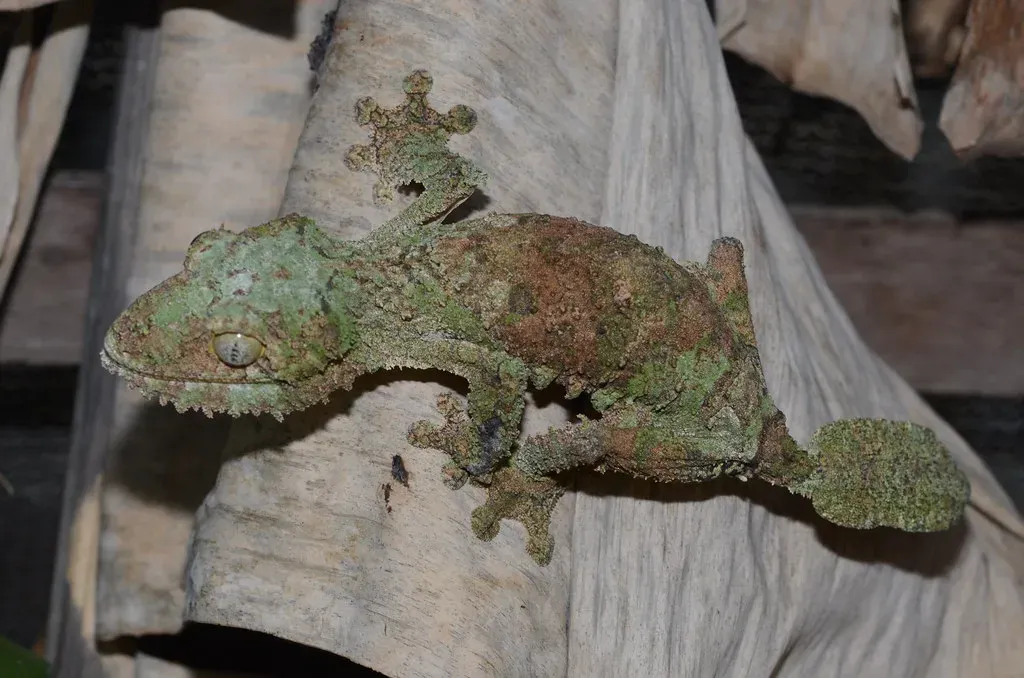
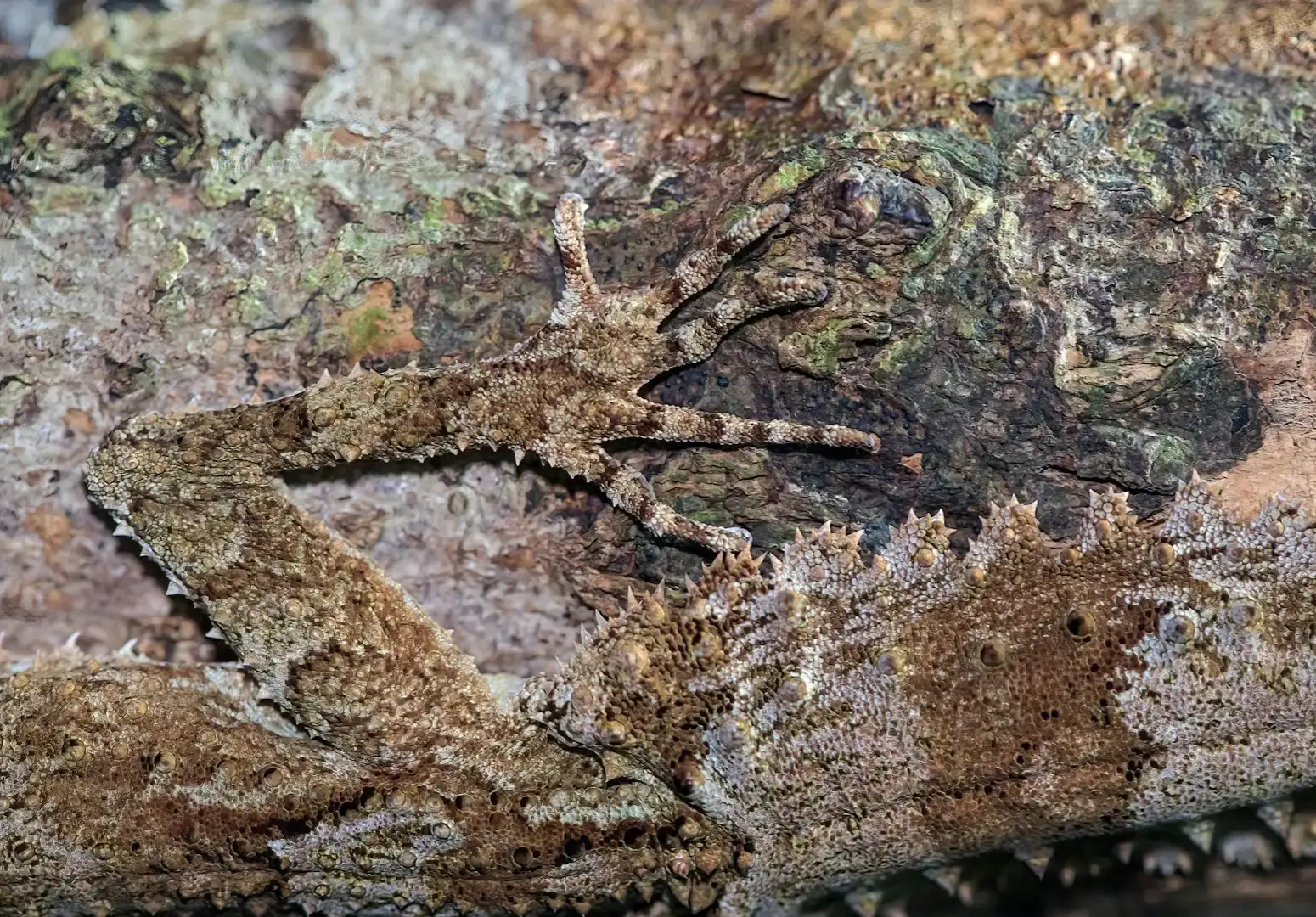
The first time you see a leaf-tailed gecko in a photo, your brain often refuses to believe it’s an animal. Native to Madagascar, these lizards look exactly like dead leaves: jagged edges, midrib lines, tiny fake “bite marks,” even the right kind of dull brown or mottled green. When they press flat against a branch and stay perfectly still, they basically disappear in plain sight.
What makes them even more shocking is their body texture and posture. Their skin isn’t smooth; it’s rough and uneven, mimicking bark and leaf decay. Some species have tails that curl and twist like a windblown leaf on a forest floor. At night they come alive to hunt insects, but by day they cling motionless to trunks or branches, turning themselves into forest debris that predators simply overlook.
2. Cuttlefish: Shape-Shifting Geniuses of the Sea
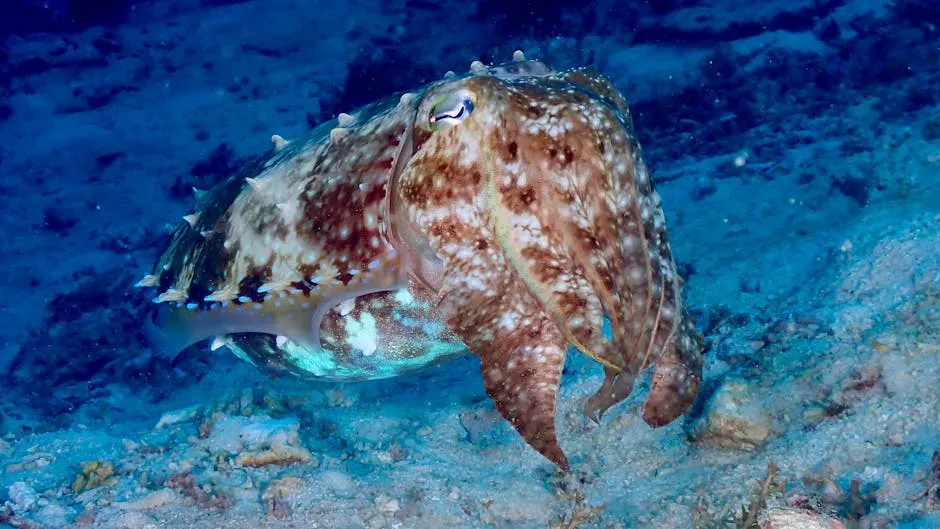
Cuttlefish are often called the “chameleons of the sea,” but honestly, that undersells them. These cephalopods can change color, pattern, and even skin texture in a fraction of a second, thanks to layers of special pigment cells and reflective structures in their skin. They don’t just blend in; they seem to run a full special-effects studio right under their skin.
What’s truly mind-bending is that cuttlefish are colorblind, yet still produce complex color patterns that match rocks, sand, or coral. Scientists think they rely on contrast, brightness, and pattern recognition rather than seeing color like we do. I remember watching one video where a cuttlefish crossed a checkerboard-like seafloor, and its pattern shifted smoothly as if it were copying every tile. It’s hard not to feel like you’re watching an intelligent, underwater magician.
3. Leaf Insects: Walking, Breathing Foliage
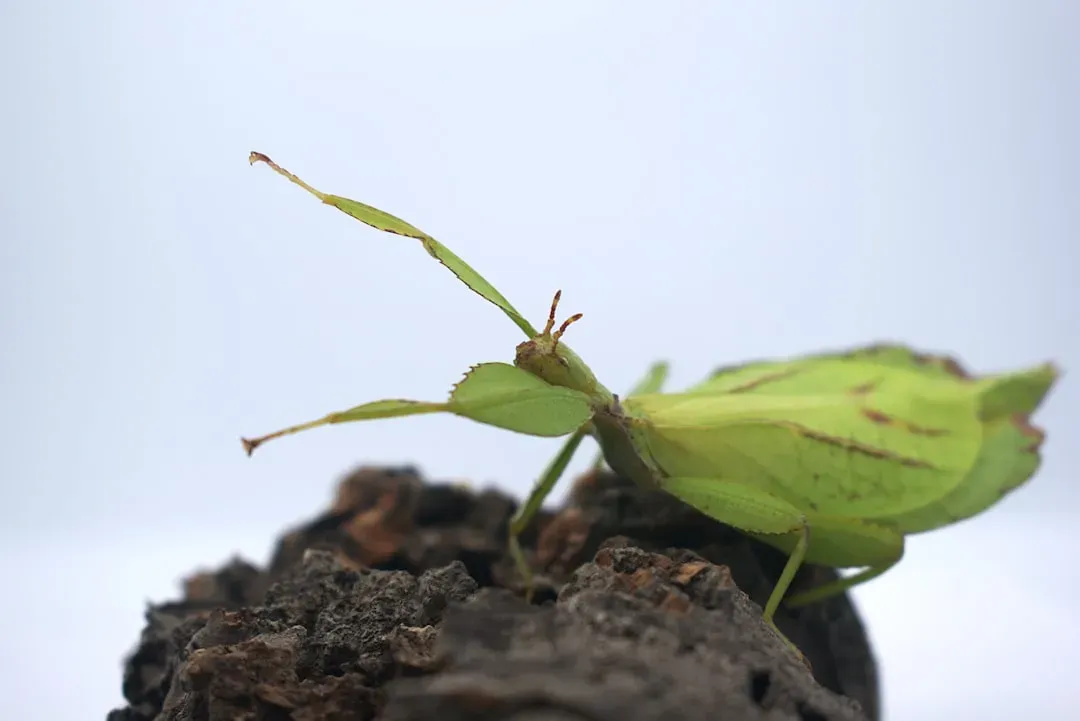
Leaf insects take camouflage so literally that they are almost a prank from evolution. Their bodies are wide and flat, with veins that run across their wings and legs just like the veins of a leaf. Some individuals even show what looks like fungal spots or insect damage, mimicking imperfections you’d find on real foliage. When they hang motionless, they’re practically indistinguishable from the leaves around them.
The performance goes deeper than just looks. When a breeze stirs the branches, leaf insects often sway gently, copying the motion of leaves in the wind. That tiny, almost theatrical sway is what sells the illusion. Predators are usually searching for something that moves like an animal, not a leaf fluttering with the branch. By blending in visually and behaviorally, these insects make it surprisingly hard for hungry birds or reptiles to pick them out.
4. Snow Leopard: The Ghost of the Mountains
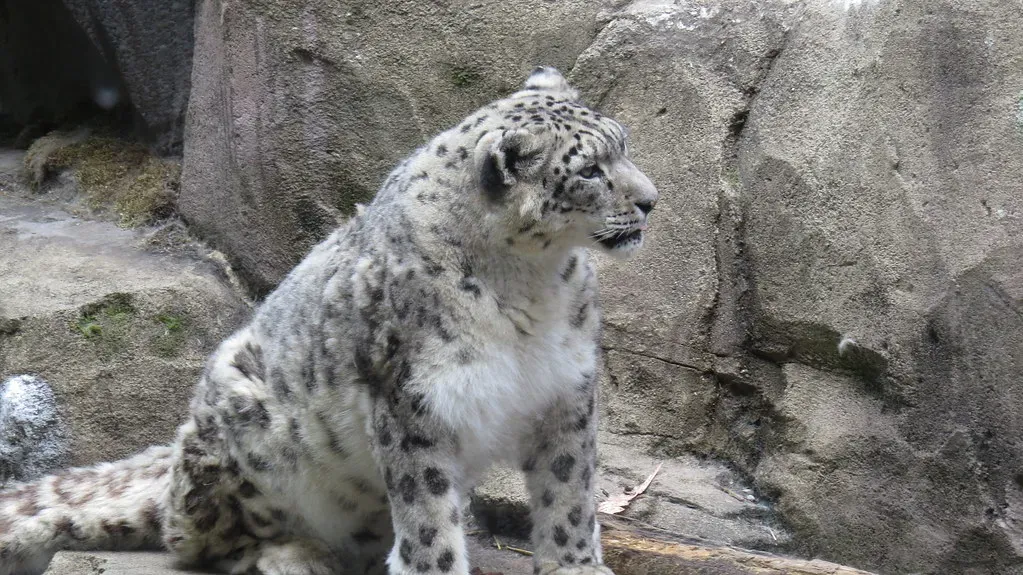
Snow leopards are sometimes called “ghosts” of Central Asia’s high mountains, and their camouflage is a big reason why people can spend weeks in snow leopard country without ever spotting one. Their pale gray coats are dusted with darker rosettes and spots that mirror the broken shadows of rocks and snow patches. From a distance, a resting snow leopard looks like part of the cliff itself, just another rough shape on a jagged slope.
Their environment is harsh: steep cliffs, sparse vegetation, and shifting snow cover. Instead of a pure white coat, their mixed pattern helps them vanish whether they’re lying on a rocky ledge or moving along a scree-covered hillside. Camera traps often capture them only when they move, and even then, you sometimes have to squint to find the cat in the frame. It’s a reminder that camouflage isn’t only for tiny creatures; even a big predator can become a shadow in the landscape.
5. Leafy Sea Dragons: Living Seaweed Sculptures
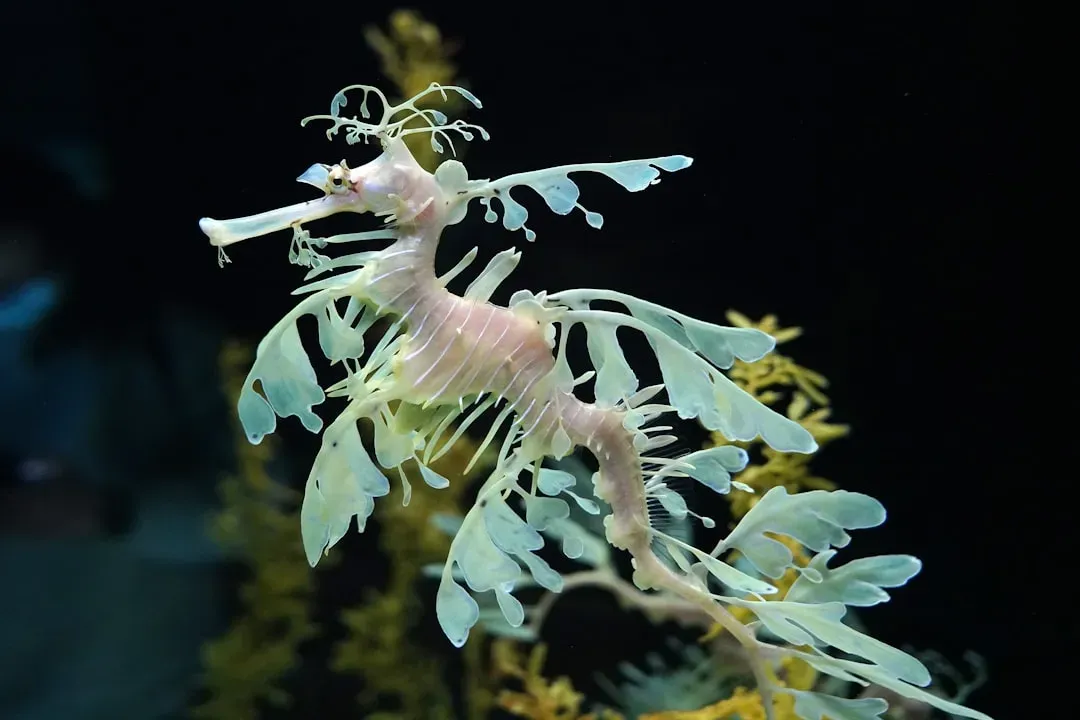
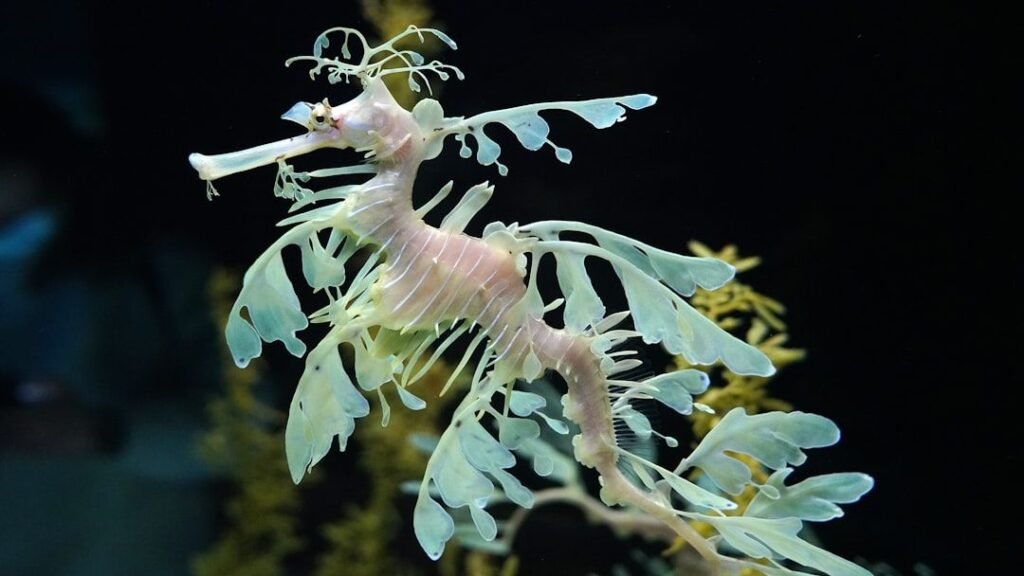
Leafy sea dragons look so much like drifting seaweed that many divers swim past them without realizing they’ve seen an animal. Found along the southern and western coasts of Australia, these relatives of seahorses have long, leaf-like appendages sprouting from their bodies. These “leaves” don’t help with swimming; they’re purely for disguise, mimicking fronds of algae and seagrass.
Instead of powering through the water, leafy sea dragons glide slowly, using tiny fins that are almost invisible. They move with the same lazy, swaying rhythm as seaweed in the current, which makes the illusion incredibly convincing. Predators searching for a clear, fast-moving fish are more likely to overlook a shape that just looks like a clump of plants. Watching one in motion is like watching a piece of the seafloor suddenly decide to go for a stroll.
6. Owl Butterflies: Fake Eyes That Fool Predators
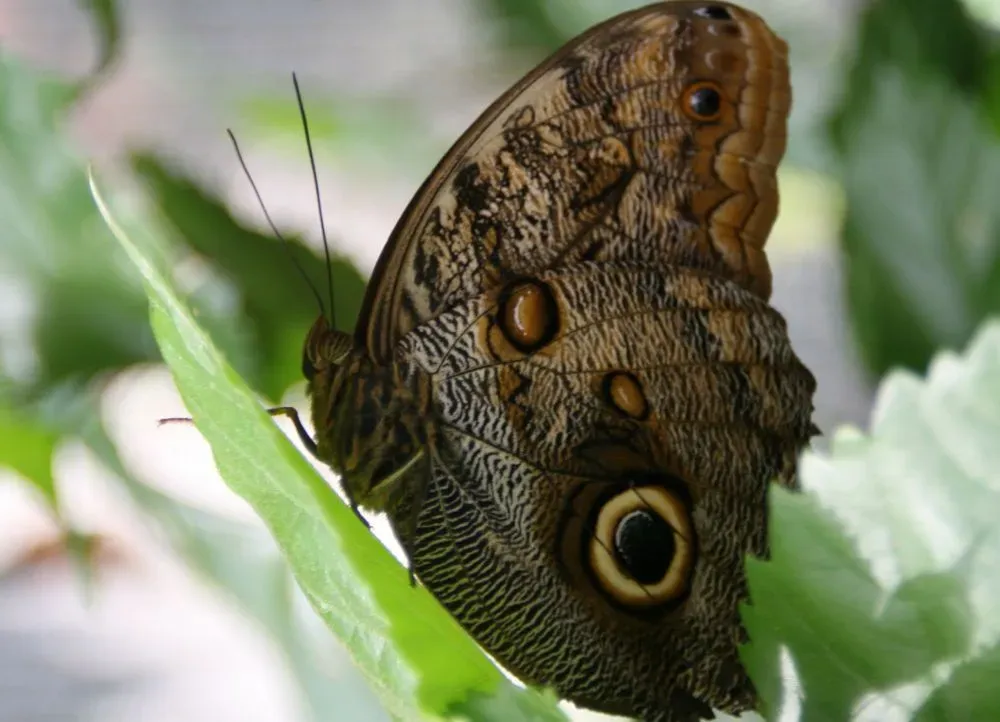
Owl butterflies aren’t trying to vanish entirely; they use camouflage in a different, clever way. When their wings are closed, the underside shows huge, eye-like patterns that look a lot like the eyes of an owl or other large animal. To a predator, that sudden “face” can be startling, sending a quick signal that this might not be an easy snack after all.
On top of that, the rest of the wing underside is colored like rough tree bark or dry leaves. When resting, the butterfly blends into tree trunks or branches, and the fake eyes become part of the background pattern until something gets too close. If a bird attacks, it may aim for the big “eye” spot instead of the actual body, giving the butterfly a chance to escape with a torn wing rather than paying with its life. It’s camouflage with a built-in, decoy alarm system.
7. Pygmy Seahorses: Camouflage So Perfect It Fooled Scientists
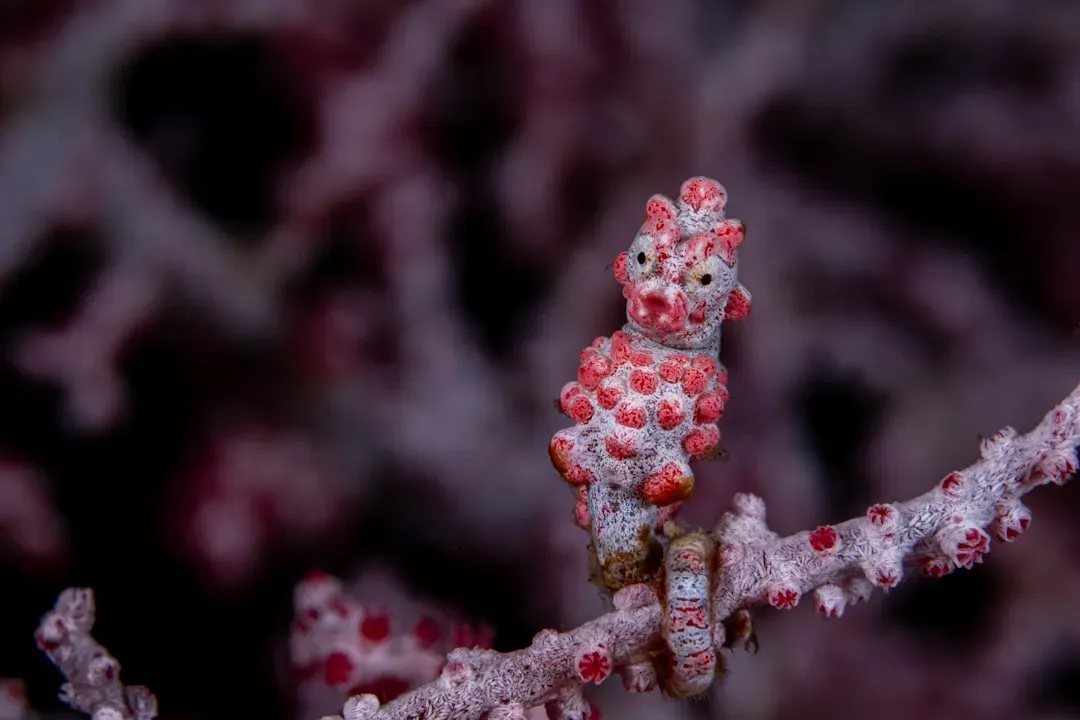
Pygmy seahorses might be some of the most perfectly camouflaged animals ever found. These tiny seahorses, often less than the length of a fingernail, live on specific species of soft corals called sea fans. Their bodies match the color and even the bumpy texture of the coral branches, down to little knobby bumps that look exactly like the coral’s polyps. For a long time, people studied the coral without realizing seahorses were living on it.
What’s especially fascinating is that different populations of pygmy seahorses match different coral colors, like pink or yellow, suggesting a deep level of adaptation. They tend to stay on their home coral, moving very little and keeping their bodies aligned with the branches. Predators scanning the reef see a complex pattern of coral shapes and shadows, and these tiny seahorses simply dissolve into that storm of visual information. It’s as if they have chosen invisibility as a lifestyle, not just a trick.
Conclusion: Camouflage as Nature’s Silent Superpower
Camouflage can look like a magic trick, but underneath the wonder are simple, brutal pressures: hunt or be hunted, eat or be eaten. From leaf-tailed geckos mimicking forest litter to cuttlefish running high-speed color shows in shallow seas, each of these animals is carrying a survival strategy written into its skin, shape, and behavior. They’re not just hiding; they’re playing an endless game of visual chess with the eyes that search for them.
For me, learning about these species changes the way I walk through the world. A patch of moss might hide a gecko, a clump of seaweed might be a leafy sea dragon, and a rough patch of coral might be sheltering a whole family of pygmy seahorses. The more closely we look, the more we realize how much we usually miss. Next time you’re out in nature, will you trust your eyes – or wonder what’s quietly blending into the background right in front of you?