
If you’ve ever watched a flock of birds trace strange patterns across the sky or seen a clip of thousands of animals moving together like a living river, you know migration feels a bit like magic. Scientists have uncovered a lot about how animals navigate, but there are still moments that leave even experts quietly admitting they have no solid answer. It’s the kind of mystery that makes you look at the natural world and think, “Wait… how on earth do they do that?”
Some of these journeys stretch across entire oceans, others weave through continents, and a few are so precisely timed and coordinated they seem impossible. I remember watching a documentary as a kid about animals returning to the exact same spot year after year and feeling slightly freaked out, like they had an invisible GPS stitched into their bones. Decades later, with all our satellites and maps and tracking tags, there are still migrations that feel less like biology and more like a riddle nature refuses to explain.
Monarch Butterflies: The Fragile Insects With an Impossible Map
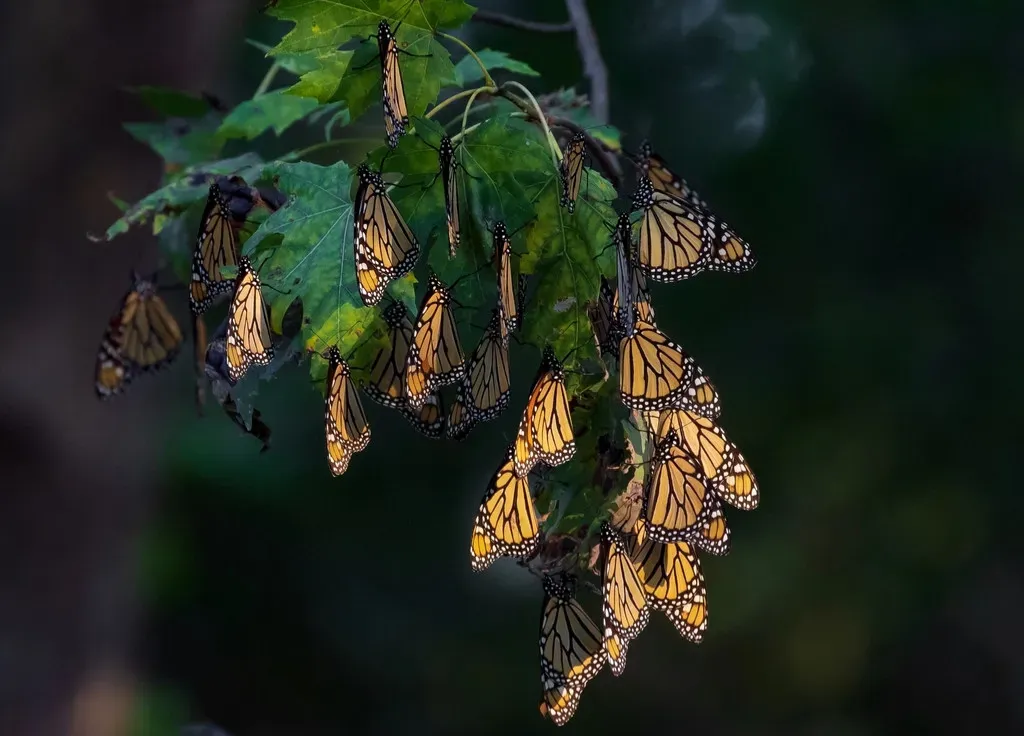
Imagine a creature that weighs less than a paperclip, fluttering thousands of miles across a continent to a forest it has never seen. That’s the monarch butterfly, traveling from as far north as Canada to the mountains of central Mexico every autumn in an epic migration that sounds like a myth someone made up around a campfire. The strangest part is that the butterflies arriving in Mexico each year are several generations removed from those that left the previous spring, so no individual is retracing its own route.
Scientists know monarchs use a mix of the sun’s position, the Earth’s magnetic field, and maybe even subtle smells to find their wintering sites, yet nobody can fully explain how a great-great-grand-butterfly shows up at precisely the same patch of forest. These insects follow a path spanning thousands of kilometers with a level of accuracy we struggle to match without phones and maps. When you stand in a monarch grove and see branches sagging under orange wings, it feels less like simple instinct and more like a secret they’ve agreed never to share.
Arctic Terns: The Tiny Birds That Chase Endless Summer
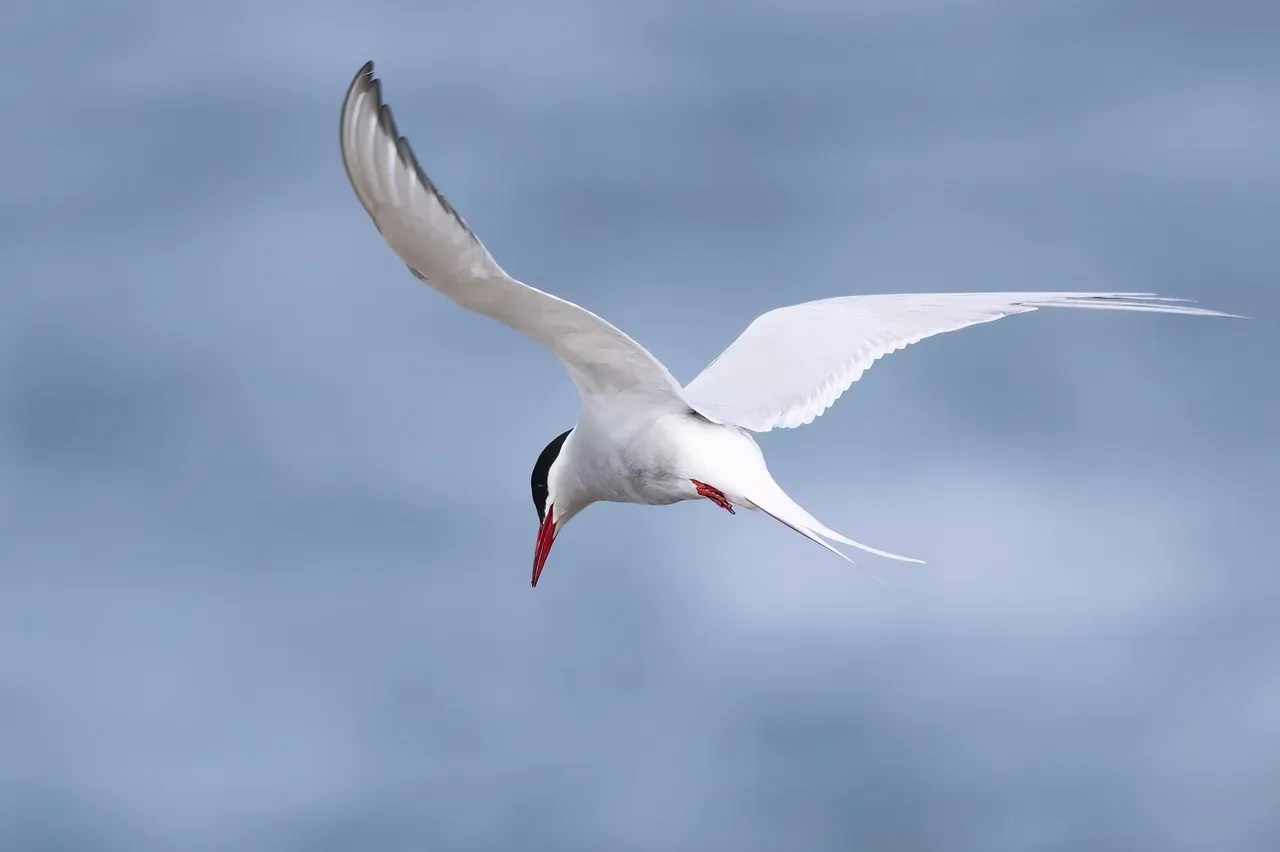
Arctic terns pull off one of the most staggering migrations on Earth, commuting between the Arctic and the Antarctic every year. They spend northern summers breeding in places like Greenland or northern Canada, then head south across oceans to catch the southern summer near Antarctica, effectively living in near-permanent daylight. Over a lifetime, one of these birds may travel a distance comparable to flying to the moon and back several times.
Tracking devices have revealed looping, curving routes that bend around weather systems and ocean currents in ways scientists did not predict. The terns somehow optimize their path to take advantage of favorable winds and feeding grounds, even though each bird is just a few ounces of feathers and bone. We know they likely use the sun, stars, and Earth’s magnetic field, but how they fine‑tune those marathon flights so efficiently is still puzzling. It’s as if they’re reading a travel guide written into the sky that no human can see.
Salmon: The Fish That Swim Home With Laser Precision
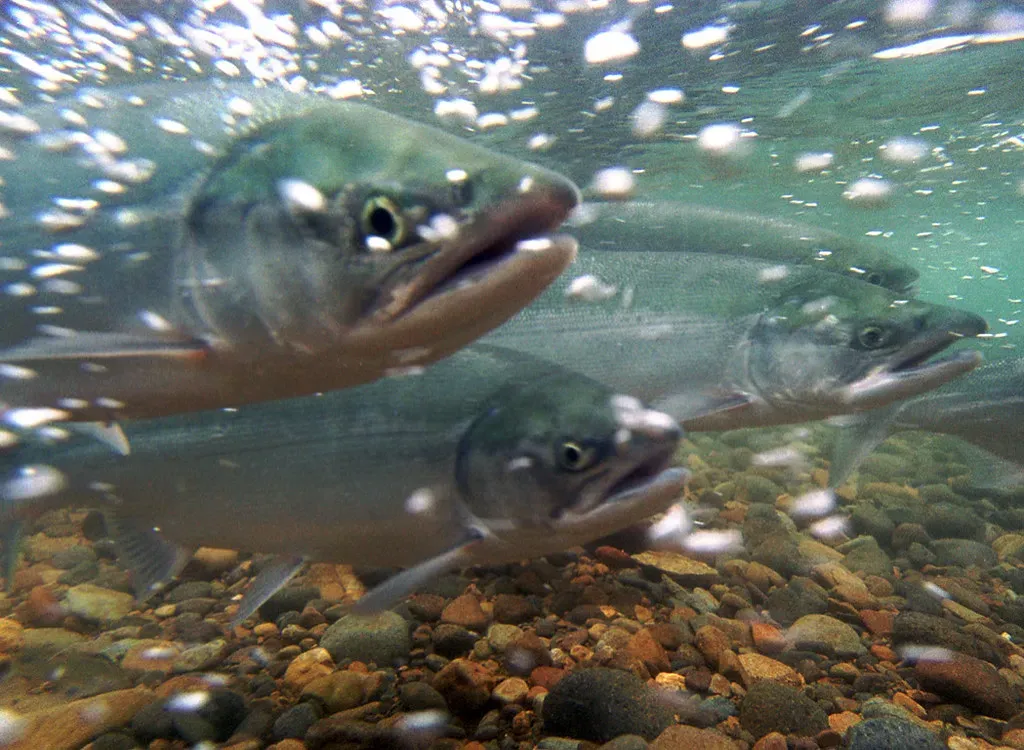
Salmon migrations feel almost supernatural: born in freshwater streams, they drift out to the open ocean for years, then somehow fight their way back against powerful currents to spawn in exactly the same gravel beds where they hatched. They navigate through vast, seemingly featureless water, yet still manage to locate one particular river mouth among thousands. Watching them leap up waterfalls and squeeze past obstacles, you get the sense they’re powered by more than just muscle.
Researchers think salmon rely on a kind of “chemical memory,” recognizing the unique scent signature of their home rivers, combined with a magnetic map that helps guide them across the open ocean. But even that idea leaves big gaps: how does a young salmon encode a magnetic pattern it might not use again for years? Why do some individuals take slightly different routes and still end up on target? Every time scientists think they’ve pinned down the exact method, new tracking data shows twists and detours that leave room for mystery.
Green Sea Turtles: Ocean Drifters With an Exact Destination
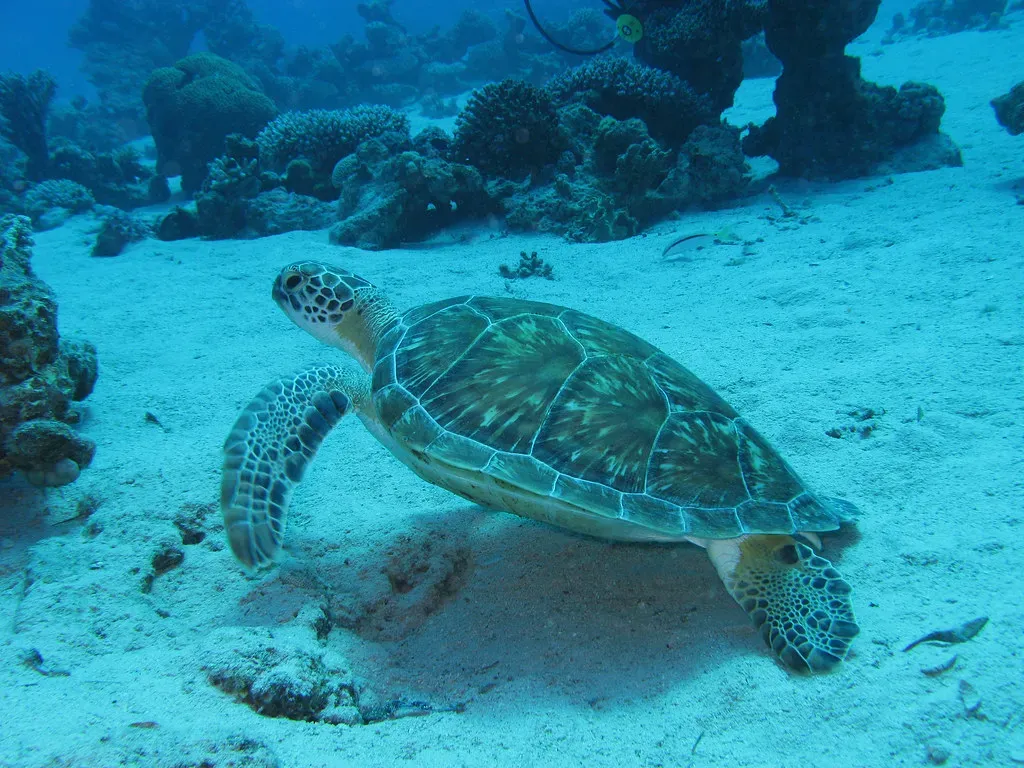
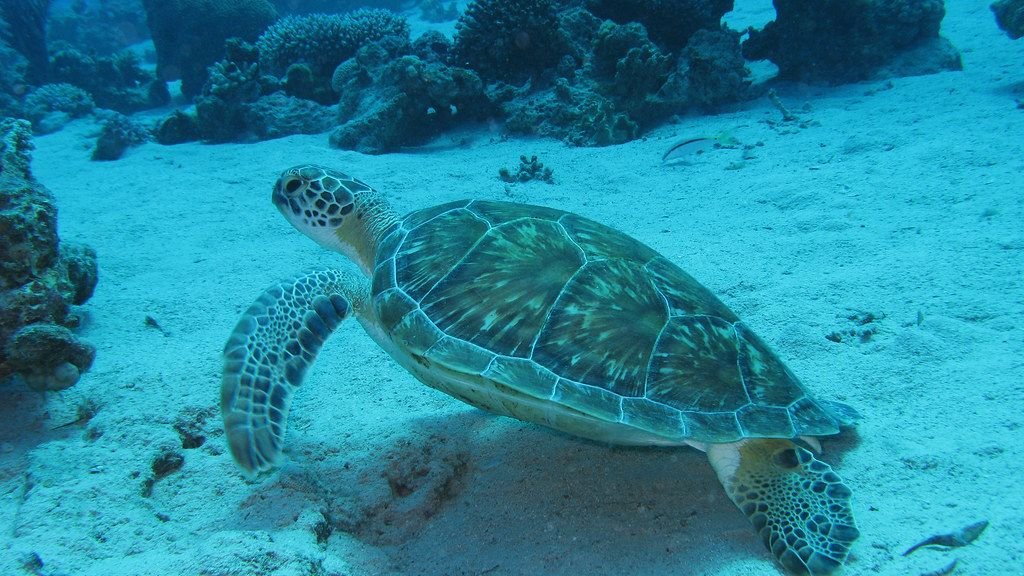
Green sea turtles can spend decades roaming the oceans, grazing on seagrass and drifting along currents, yet when it’s time to nest, females return to the very same beach where they themselves hatched. Some swim from feeding grounds thousands of kilometers away, crossing open blue water with no obvious landmarks. If you plot their journeys on a map, the lines often look like someone took a ruler and drew a nearly straight path through the sea.
Scientists have found that green turtles are sensitive to Earth’s magnetic field and may even use tiny differences in that field, like a built‑in compass and map. But even that doesn’t fully explain their accuracy, or why they often zero in on a specific stretch of sand instead of just any coastline. The idea that a hatchling, barely larger than a human hand, can imprint on a beach’s invisible magnetic “signature” and recall it decades later feels wild. It suggests a level of long‑term memory and sensory perception that we don’t really know how to measure.
Wildebeest of the Serengeti: The Living River That Knows When to Move
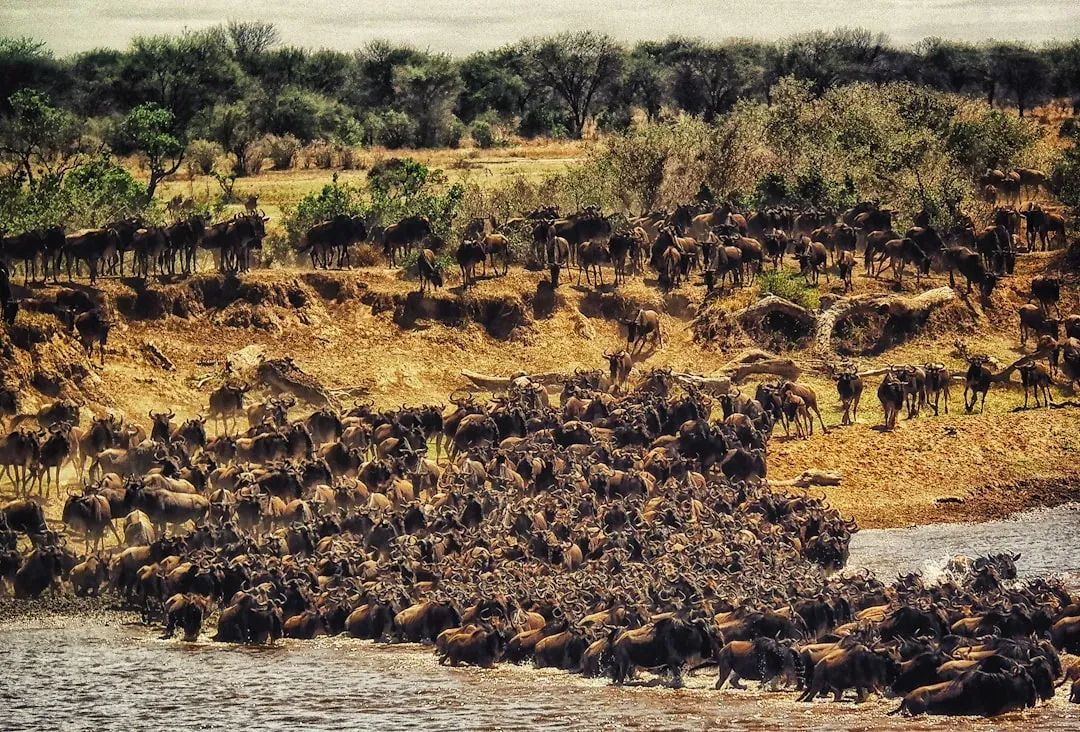
Every year, over a million wildebeest, along with zebras and other grazers, move in a huge loop across the Serengeti and Maasai Mara in East Africa. This so‑called “Great Migration” is so large it can be seen from space as a shifting mass that flows across plains, rivers, and valleys. It’s driven by the search for fresh grass and water, but predicting exactly when and how the herds will move is still surprisingly difficult, even with satellite data and long‑term observations.
There’s no clear leader and no written schedule, yet the herd somehow responds collectively to distant storms, subtle changes in plant growth, and shifting river levels. Some researchers think the animals respond to tiny cues in smell, sound, or even vibrations carried by thousands of hooves, but no single explanation fully captures how they coordinate on such a huge scale. Standing near the migration feels like watching a living weather system, with each animal acting on local information that somehow adds up to a grand, continent‑scale movement.
Bar‑Tailed Godwits: Nonstop Marathoners of the Sky
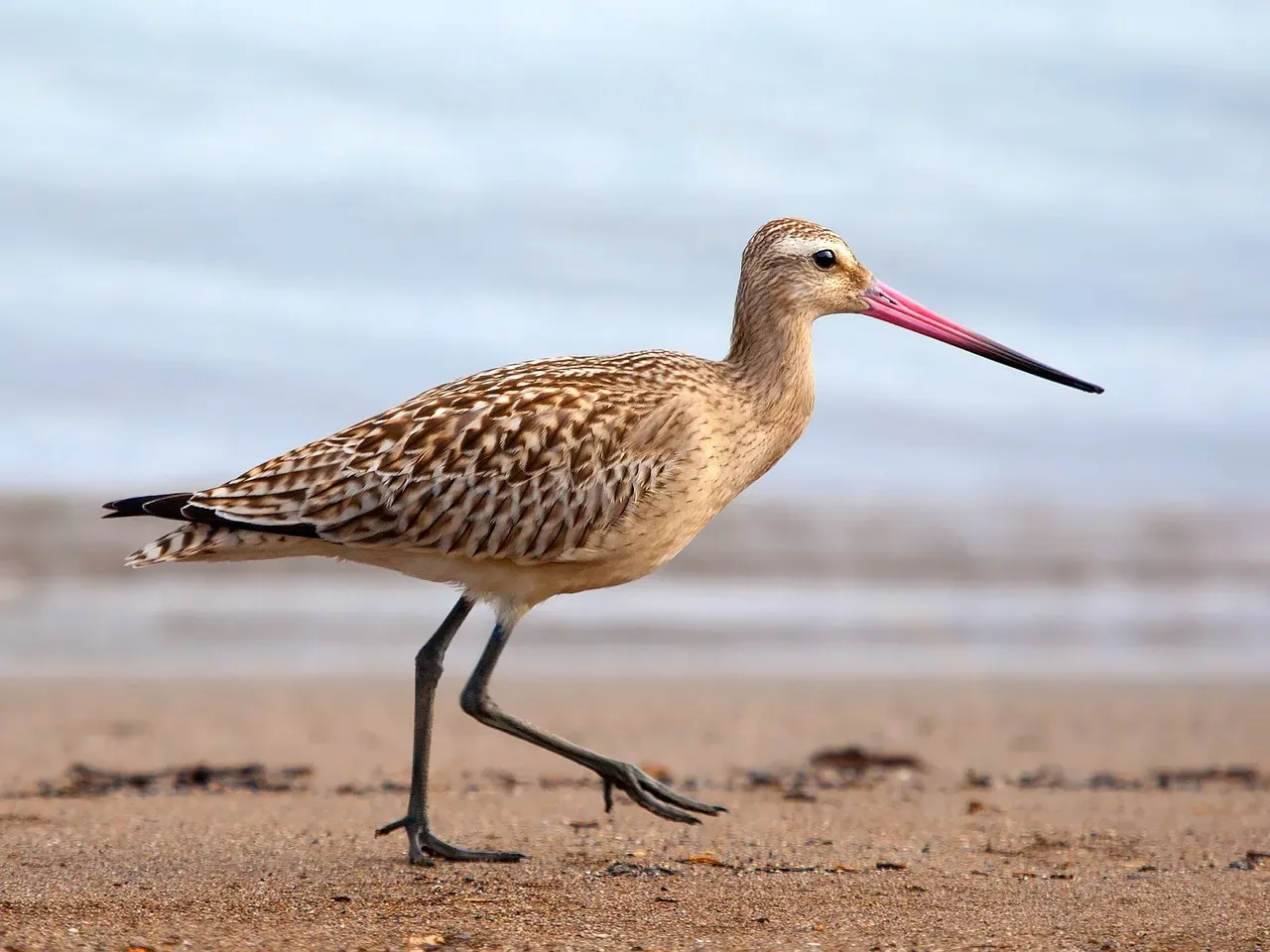
The bar‑tailed godwit holds one of the most jaw‑dropping migration records of any bird: some individuals fly from Alaska to New Zealand in a single nonstop flight, covering more than ten thousand kilometers without landing. No food, no rest, no island break for a snack – just continuous wingbeats over open Pacific Ocean for more than a week. Before scientists attached satellite tags to them, nobody believed a bird that small could fly that far without stopping.
To pull this off, godwits shrink some of their internal organs before migration and pack on fat reserves, turning their bodies into streamlined fuel tanks. Even so, it’s hard to explain how they manage energy, avoid storms, and maintain a precise heading for so long in ever‑changing winds. We can model their likely routes, but the moment‑to‑moment choices each bird makes in the middle of a dark, empty ocean remain largely unknown. Their flights feel less like routine seasonal travel and more like an extreme feat that should be impossible on paper.
European Eels: The Ghost Migrants of the Deep Atlantic
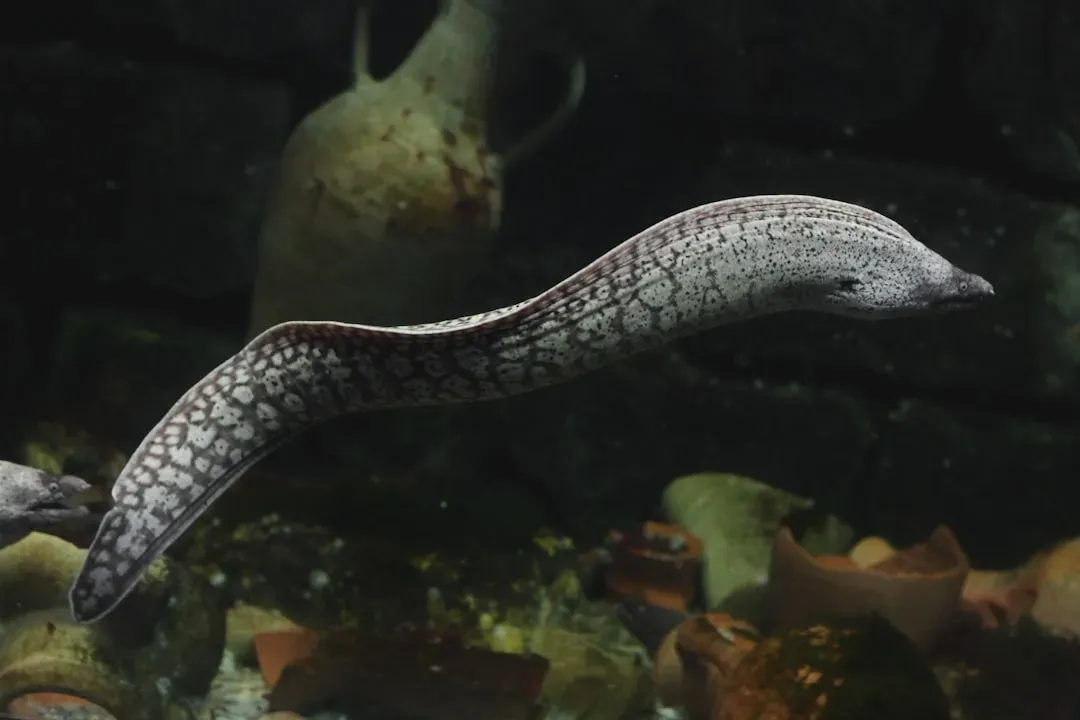
European eels start their lives in the Sargasso Sea, an area of the Atlantic Ocean bordered only by currents, with no solid shores. Tiny, transparent larvae drift on currents toward Europe, transforming into small eels that then swim into rivers and lakes, sometimes traveling inland for hundreds of kilometers. They can spend years, even decades, in freshwater before something triggers a complete transformation and a long return journey back to the Sargasso to spawn.
Here’s the strange part: despite intensive research, no one has directly observed adult eels spawning in the wild, and the exact routes they take through the deep ocean remain murky. They likely use temperature, currents, and magnetic cues, but the full picture is still full of holes, almost like a detective story with missing chapters. Eels can cross land on damp nights, wiggle through tiny gaps, and appear where they seemingly shouldn’t be, all while maintaining a migration pattern that stretches across the Atlantic. Their life cycle feels like one of nature’s most stubborn secrets, resisting clear explanation even in an age of satellites and deep‑sea sensors.
When Nature Refuses to Show Its Hand
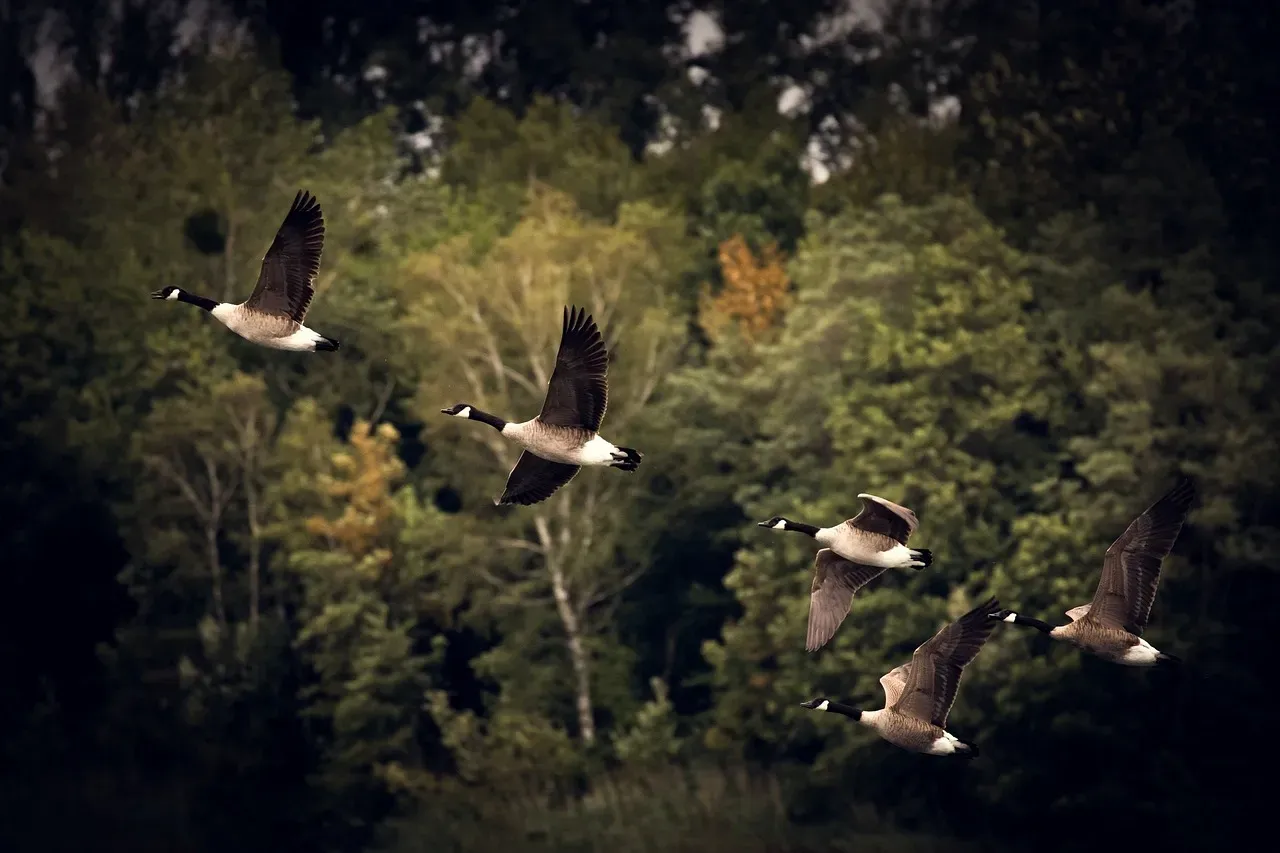
These migrations show that even with all our technology and tracking devices, some of the most familiar animals on Earth are still carrying around mysteries we can’t fully crack. Birds, fish, insects, and mammals are using tools – magnetic fields, smells, stars, maybe even cues we haven’t identified – that allow them to cross the planet with a confidence most humans only get from turn‑by‑turn navigation. The more closely scientists look, the more layers they uncover, but there’s always a bit of the story that slips out of reach.
Personally, I find that gap between what we know and what we can’t yet explain strangely comforting. It means there are still real wonders left in the world, not just in distant galaxies or quantum labs, but in butterflies gliding over fields and birds stitching invisible lines across the sky. Next time you see a flock overhead or a map of an animal’s migration route, it might be worth pausing and remembering how much we still don’t understand. Which of these journeys surprised you the most?