
You ever stop and think about how weird nature really is? Like, properly weird. We humans pride ourselves on figuring things out, cracking codes, solving mysteries. Yet here’s the thing: the natural world keeps throwing curveballs that even our smartest scientists can’t quite catch. There are animal behaviors happening right now, all around the planet, that defy our best explanations. These aren’t just quirky little habits either. They’re complex, sophisticated, sometimes downright mind-bending phenomena that challenge everything we thought we knew about intelligence, communication, and survival. So let’s dive into seven of the most fascinating mysteries that continue to puzzle researchers in 2026.
The Mystery of Whale Songs
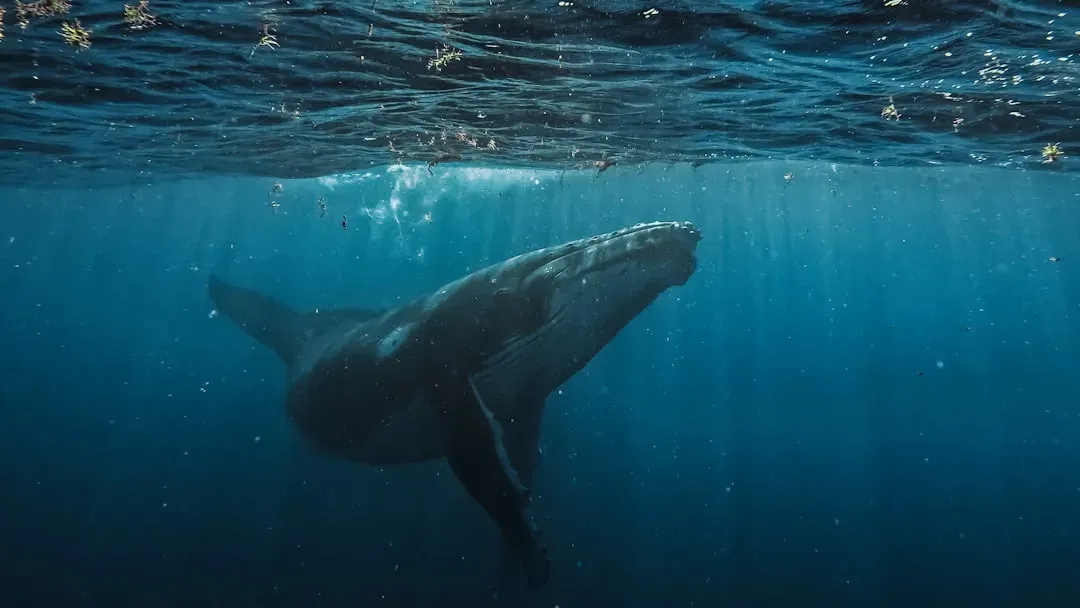
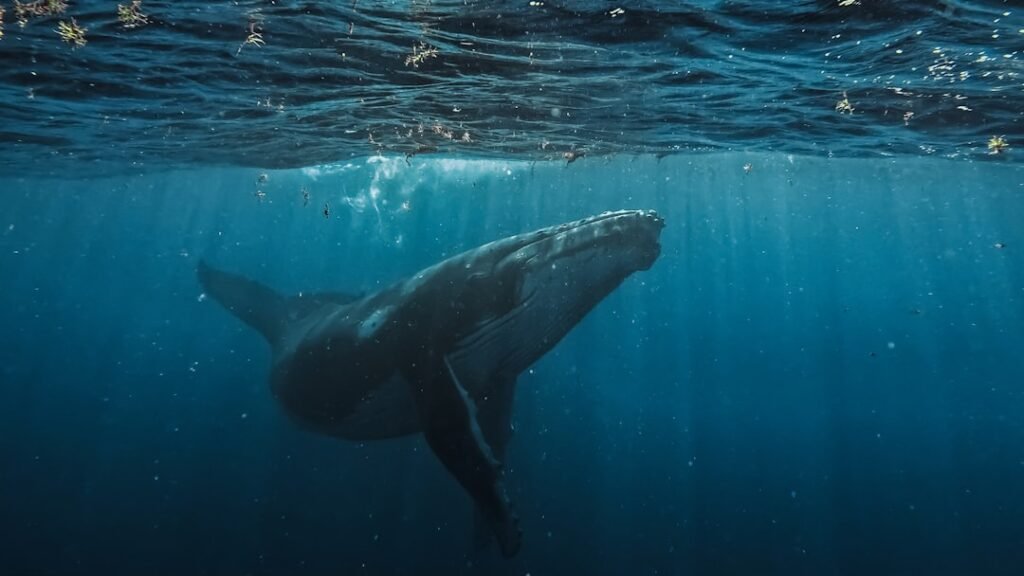
Marine biologist Philip Clapham describes the song as “probably the most complex in the animal kingdom.” Humpback whales produce elaborate, haunting melodies that can last for hours, yet scientists still can’t agree on exactly why they do it. For decades, the assumption was simple: males sing to attract females during mating season.
Here’s where it gets interesting though. No evidence was found that links these songs to reprosexuality. That’s right, the mating theory? Doesn’t really hold up under scrutiny. Some researchers now propose whales might be using their songs as a form of long-range sonar to map their environment. The biological mechanisms humpbacks use to produce their vocalisations aren’t completely understood. Even the physical process remains somewhat mysterious.
The complexity doesn’t stop there. The song itself is continually evolving, continually changing through time – being passed from one population to the next. It’s like they’re maintaining an underwater cultural tradition that shifts across oceans and generations. And then there’s the really strange case: Scientists have been unable to explain this phenomenon of a whale tracked for years in the North Pacific singing at a completely different frequency than other whales. Is it a hybrid? A dialect? We honestly don’t know.
Magnetoreception: Nature’s Built-In GPS
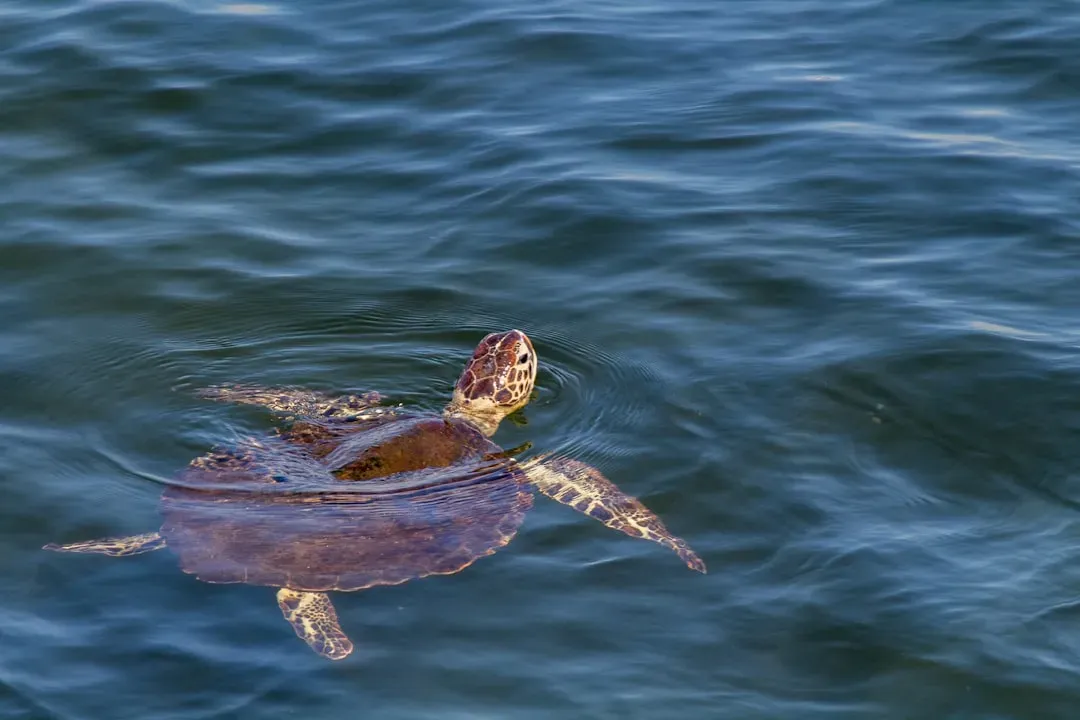
Picture this: you’re a sea turtle hatchling, barely the size of your hand, crawling into an ocean you’ve never seen before. Somehow, you know exactly where to go. Years later, you’ll swim thousands of miles and return to the exact beach where you were born. How? Magnetoreception, the ability to sense Earth’s magnetic field.
The cells that function as receptors for the magnetic sense have not been identified with certainty in any animal. Let that sink in. We know it happens. We’ve proven it through countless experiments. Biologists have long wondered whether migrating animals such as birds and sea turtles have an inbuilt magnetic compass, enabling them to navigate using the Earth’s magnetic field. Until late in the 20th century, evidence for this was essentially only behavioural.
Loggerhead sea turtles, which undergo long-distance migrations, can learn magnetic signatures associated with different geographic areas and have two different magnetic senses, each based on a different underlying mechanism. Two different mechanisms! Scientists have proposed crystals of magnetite in animal tissues, or light-sensitive proteins called cryptochromes in the eyes. Both theories have evidence supporting them. Even the basic principles around which magnetic sensitivity is organized remain a matter of debate. It’s 2026, and we’re still scratching our heads about this one.
Octopus Intelligence and Instant Camouflage
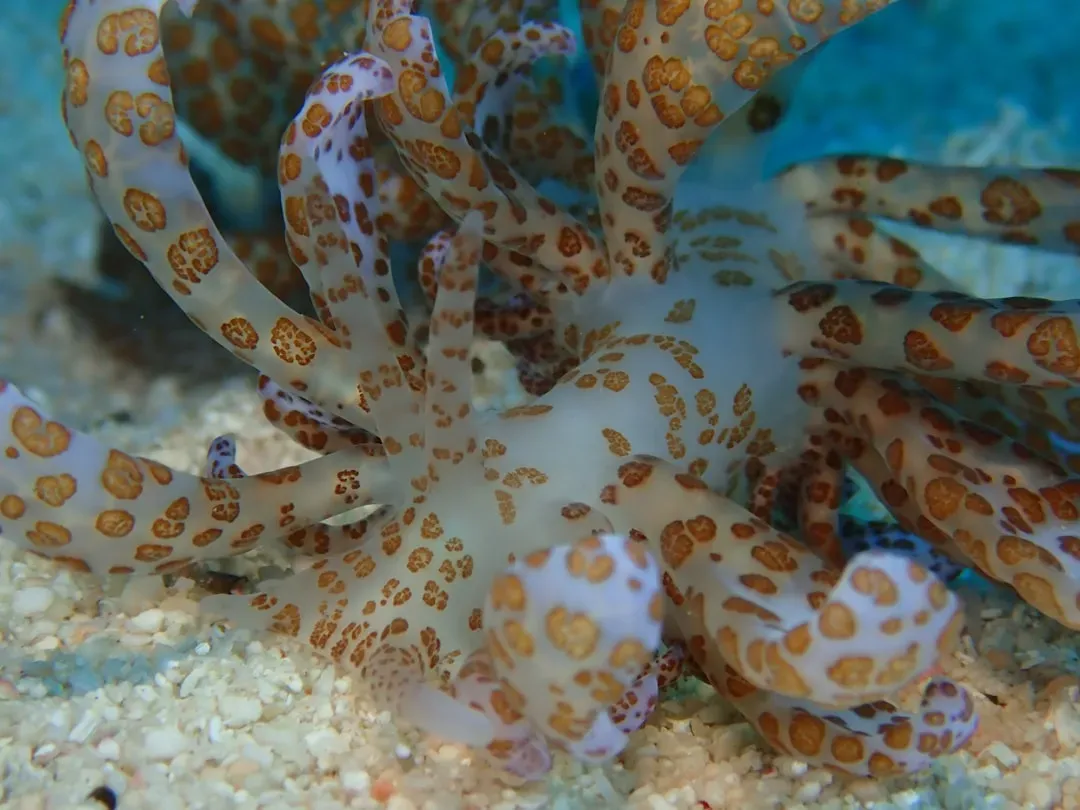
Honestly, octopuses might be the closest thing we have to aliens on Earth. Their intelligence is distributed throughout their bodies in a way that’s fundamentally different from anything else we know. Three-fifths of the octopus’s nerves are distributed throughout its eight arms. Each arm can literally think for itself.
The brain may simply delegate orders, while the arm is responsible for deciding exactly how to execute the order. Essentially this means that the brain can give a quick assignment to the arm and then not have to think about it anymore. Researchers tested this by severing nerves and tickling detached arms. The arms still responded normally. That’s not just weird, that’s revolutionary.
Then there’s the camouflage. Cephalopods don’t see the world with their skin. They’re often colorblind, yet they can instantly match complex patterns and textures around them. Cephalopod skin patterns are an external manifestation of their internal perception of the world. The speed is what really gets me. We’re talking milliseconds. The researchers also found evidence of extensive RNA editing, which allows the octopus to alter protein sequences without changing underlying DNA code. They’re literally rewriting their genetic expression on the fly.
The Synchronized Dance of Murmurations
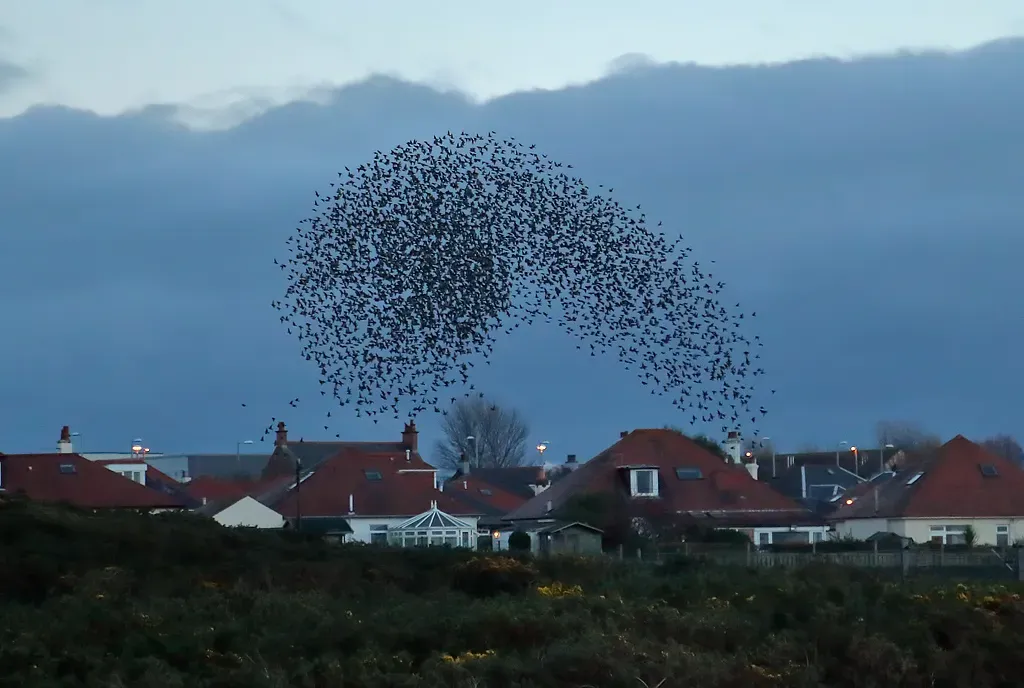
If you’ve ever seen footage of starling murmurations, you know they’re breathtaking. Thousands of birds swirling through the sky in perfect synchrony, creating shapes that seem impossible. Each bird positions itself next to approximately seven other birds, coordinating its movements to create an overlapping synchronicity. Simple rule, right? Watch your seven nearest neighbors.
Except here’s the mystery: Very little is known about why they murmurate. Is it for warmth? The results, published in 2017, showed no correlation between temperature and murmuration size, leaving little support for the warmth hypothesis. Protection from predators makes sense, but the study also reported the presence of a hawk, falcon, or other bird of prey in just under a third of the murmurations, offering some support for the predation theory – yet leaving unexplained why the birds join together in such lengthy performances.
Researchers have been able to determine that schooling in fish, swarming in insects, and murmuration in birds is not a learned behavior. It seems to be instinctive and even involuntary. Think about that. These birds aren’t consciously deciding to create these patterns. It’s hardwired into them. Our results suggest that flocks behave as critical systems, poised to respond maximally to environmental perturbations. They’re essentially operating at the edge of chaos, ready to react instantly as a unified whole.
Collective Decision-Making in Swarms
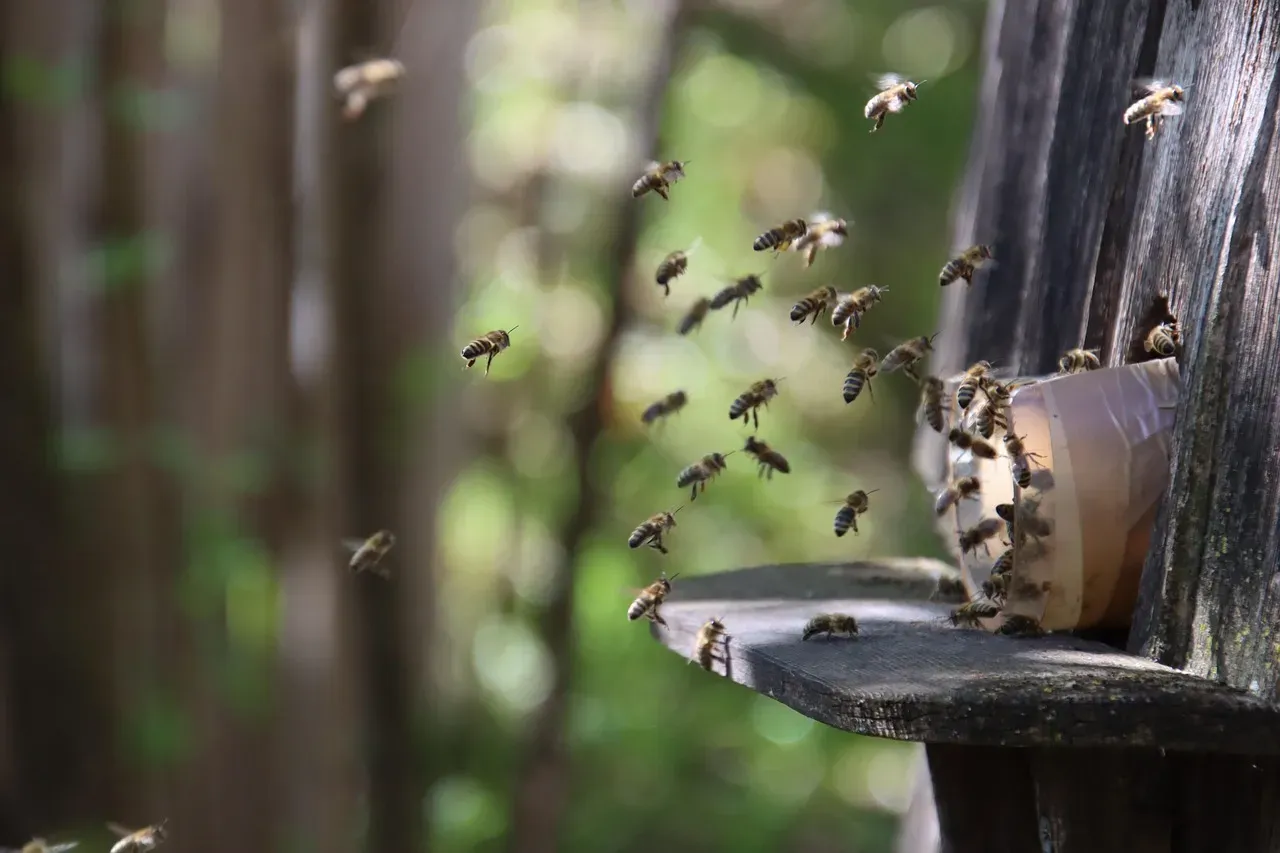
Swarm intelligence goes way beyond just moving together. Groups of animals can act in unison to form a “super brain”, displaying highly complex behaviour not seen in individual animals. A single ant is pretty simple. A colony of ants can build elaborate underground cities, farm fungi, and wage coordinated warfare.
The Boids model suggests that swarming does not need leaders to coordinate behaviour – like pedestrians in a town centre rather than a guided museum tour. No one’s in charge, yet complex decisions get made. How does a swarm of bees decide where to build their new hive? Remarkably well, it turns out. They evaluate options, debate through dancing, and reach consensus.
Dr. Couzin’s research has found that the shoal is incredibly adept at finding shade patches while moving as a group, yet, if individual fishes are placed in a tank, they do not know how to behave. This suggests that the swarm results in a collective behavior that is unique to the group. The intelligence exists in the collective, not the individual. That’s a fundamentally different kind of mind than what we’re used to thinking about. how information propagates through these groups so efficiently without any central command structure.
Animal Emotions and Metacognition
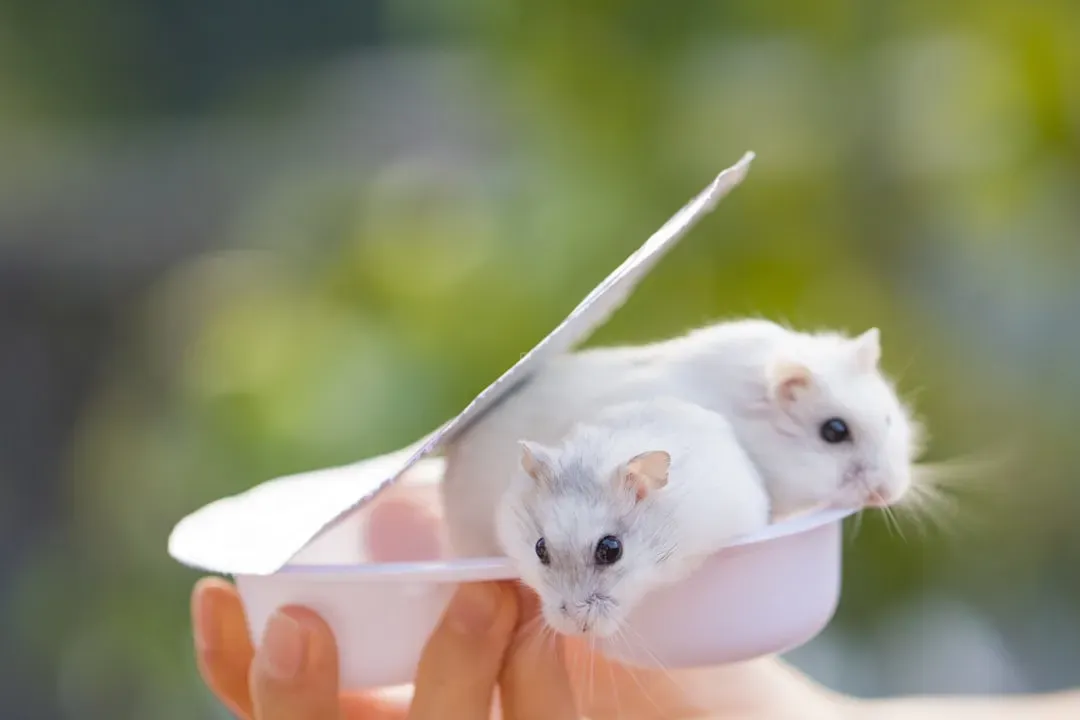
Do animals actually think about thinking? Mice have been observed seemingly trying to revive their unconscious companions. When researchers anesthetized one mouse and placed it with healthy mice, the healthy mice were seen to pay very close attention to the drugged mouse – sniffing at it and grooming it; and then, as it slipped further into unconsciousness, pawing at the creature and nipping it, as though trying to wake it up.
Is that empathy? Concern? Something else entirely? We can observe the behavior, but understanding the internal experience is the hard part. The property of a higher order arising out of seeming randomness is a phenomenon called ’emergence,’ and numerous scientists are trying to get to the bottom of it. Some researchers suggest murmurations and other collective behaviors might involve a form of metacognition, a collective awareness.
The challenge is that we’re fundamentally limited by our own perspective. We can’t experience what it’s like to be a bat using echolocation or a whale singing across ocean basins. We impose our frameworks of consciousness and intelligence onto creatures with completely different nervous systems and evolutionary histories. Maybe the question isn’t whether animals have emotions or metacognition by our standards, but whether they possess forms of awareness we can’t even conceptualize yet.
Interspecies Communication Nobody Expected
Researchers have established not only that the apes drum to a rhythm, but that this rhythm varies between sub-species. Those in Uganda and Tanzania, in the east of Africa, favour a jazzy “swing” pattern – a long-short-long-short rhythm, whereas the western chimps, in Guinea and Ivory Coast, go for the evenly spaced beats that are typical of rock music. Chimpanzees aren’t just banging on trees randomly. They’re creating culturally specific rhythmic patterns.
Birds across the globe independently evolved a shared warning call against parasites, blending instinct and learning in a remarkable evolutionary pattern. Different species, different continents, yet somehow the same alarm call. How does that happen? Convergent evolution explains some of it, but the precision is startling.
Researchers studying stone tool use among capuchin monkeys on Jicarón island off the coast of Panama accidentally discovered the same monkeys have adopted a second unusual behavior – abducting infant howler monkeys. Both of these behaviors are unique to the capuchins on this island and had never been seen before. Island populations developing entirely novel behaviors? The fact that we keep discovering these things shows how much we still don’t understand about the complexity and diversity of animal communication and culture.
Conclusion
Nature has been conducting experiments for billions of years, developing solutions we’re only beginning to glimpse. These seven behaviors represent just a fraction of the mysteries still out there. What strikes me most is how often our assumptions get flipped on their heads. Whale songs aren’t about mating. Swarms don’t need leaders. Octopuses have nine brains working semi-independently.
The more we learn, the more we realize how much we don’t know. That’s not a failure of science; it’s actually what makes this field so exciting. Every answer opens up ten new questions. Maybe that octopus changing colors isn’t just hiding from predators but expressing something we can’t comprehend. Perhaps those starlings aren’t just avoiding hawks but experiencing something closer to a collective consciousness.
What’s your take on these unexplained behaviors? Do you think we’ll ever truly understand what it’s like to be another creature, or are we forever limited by our human perspective? The ocean, the sky, and the forests are still full of secrets waiting to be discovered.