
Some animals don’t just survive in the wild – they design it. From underwater fortresses to skyscraper-sized mounds, the natural world is full of creatures quietly pulling off engineering feats that would make human architects pause. If you’ve ever thought we’re the only true builders on Earth, the animals in this list might change your mind.
What fascinates me most is that none of them went to school, drew blueprints, or opened a 3D design program, yet their creations can regulate temperature, resist floods, and even shape entire ecosystems. Let’s step into their world and look at seven animal architects whose buildings are as astonishing as anything we’ve ever put on a skyline.
1. Beavers: Master Dam Builders and Landscape Engineers
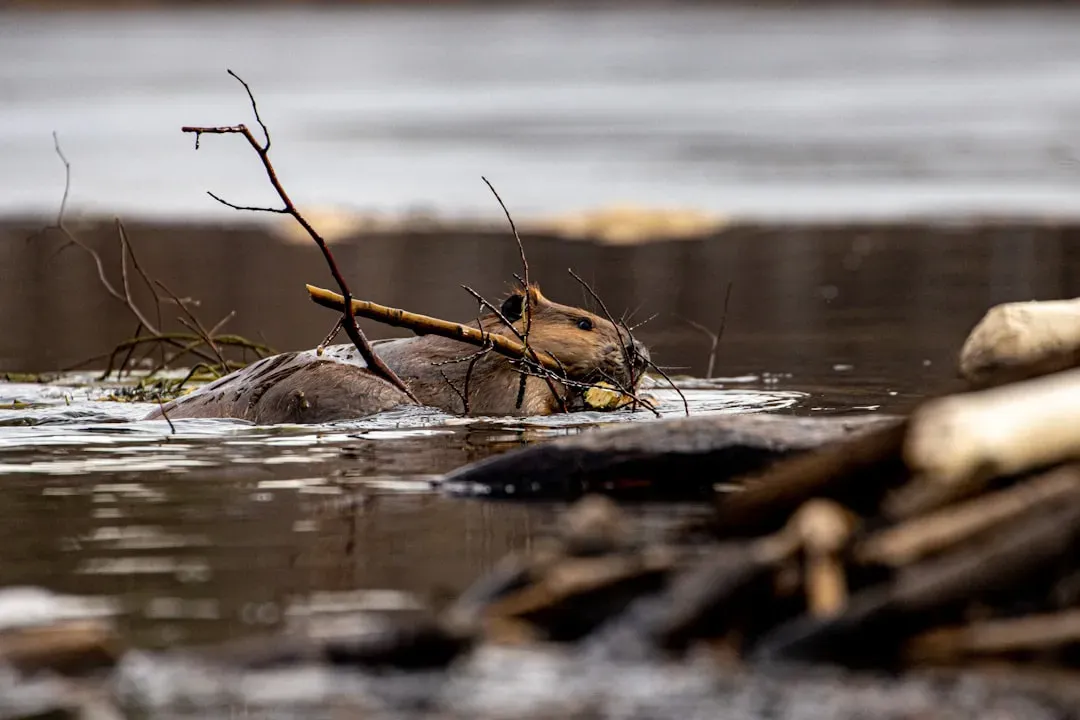
Walk along a quiet river at dusk and you might stumble onto a beaver dam that quite literally changed the shape of the stream. Beavers chew through trees, drag branches, and pack mud to build dams that slow flowing water and create deep, calm ponds. These ponds give them protection from predators and a safe space to build their lodges, which are dome-shaped homes with underwater entrances and dry rooms inside.
What’s wild is how far their influence goes beyond their own needs. Beaver dams can raise water tables, create wetlands, and attract birds, fish, insects, and even larger mammals looking for food and shelter. Scientists sometimes call beavers “ecosystem engineers,” because a single family can turn a trickling stream into a thriving wetland habitat. In some places, people now work with beavers on purpose, using their dams to help restore damaged rivers and even reduce wildfire risk by keeping landscapes wetter.
2. Termites: Builders of Natural Skyscrapers with Air Conditioning
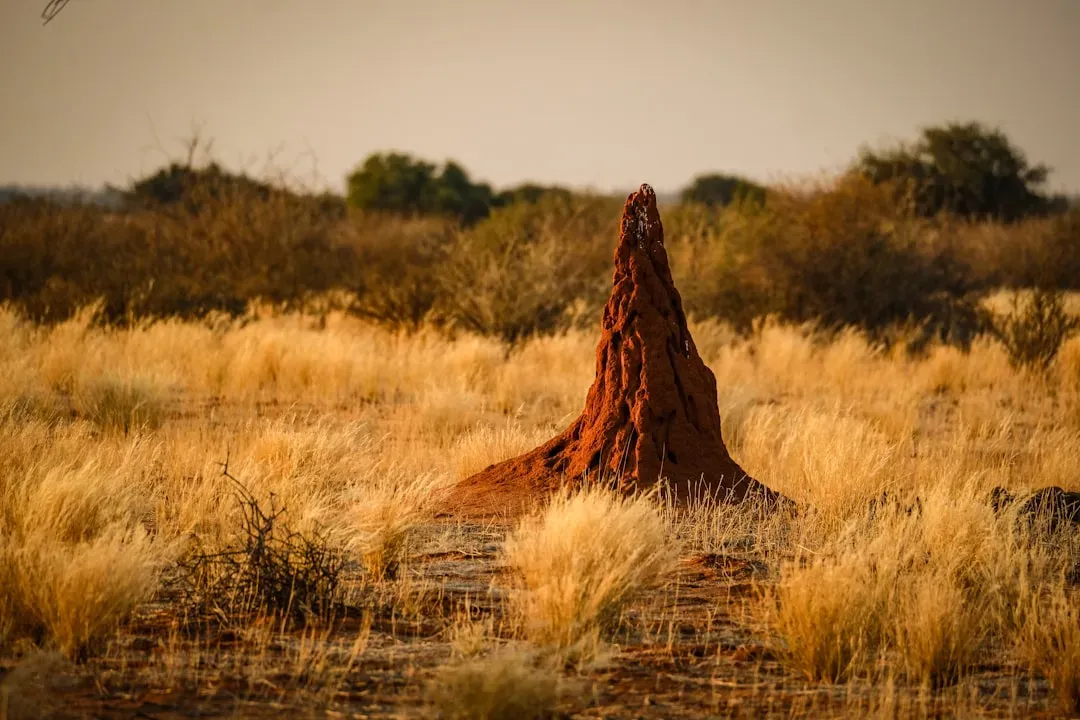
In parts of Africa, South America, and Australia, termite mounds rise from the ground like strange stone towers, sometimes taller than a person and, in extreme cases, even higher than a house. These mounds are not just piles of dirt; they’re carefully constructed ventilation systems that help regulate the temperature and humidity inside. While the outside may bake under the sun, the interior stays surprisingly stable, creating a comfortable home for millions of termites.
Termites build with a mix of soil, saliva, and fecal material, forming a kind of natural concrete that’s surprisingly strong and durable. The mound’s network of tunnels and vents allows hot air and carbon dioxide to escape while drawing in cooler, fresher air. Some modern architects and engineers study termite mounds to design buildings that stay cool without using as much energy. It’s a humbling thought that tiny insects with no central planner can pull off a level of climate control humans still try to copy.
3. Weaverbirds: Hanging Nests That Defy Gravity
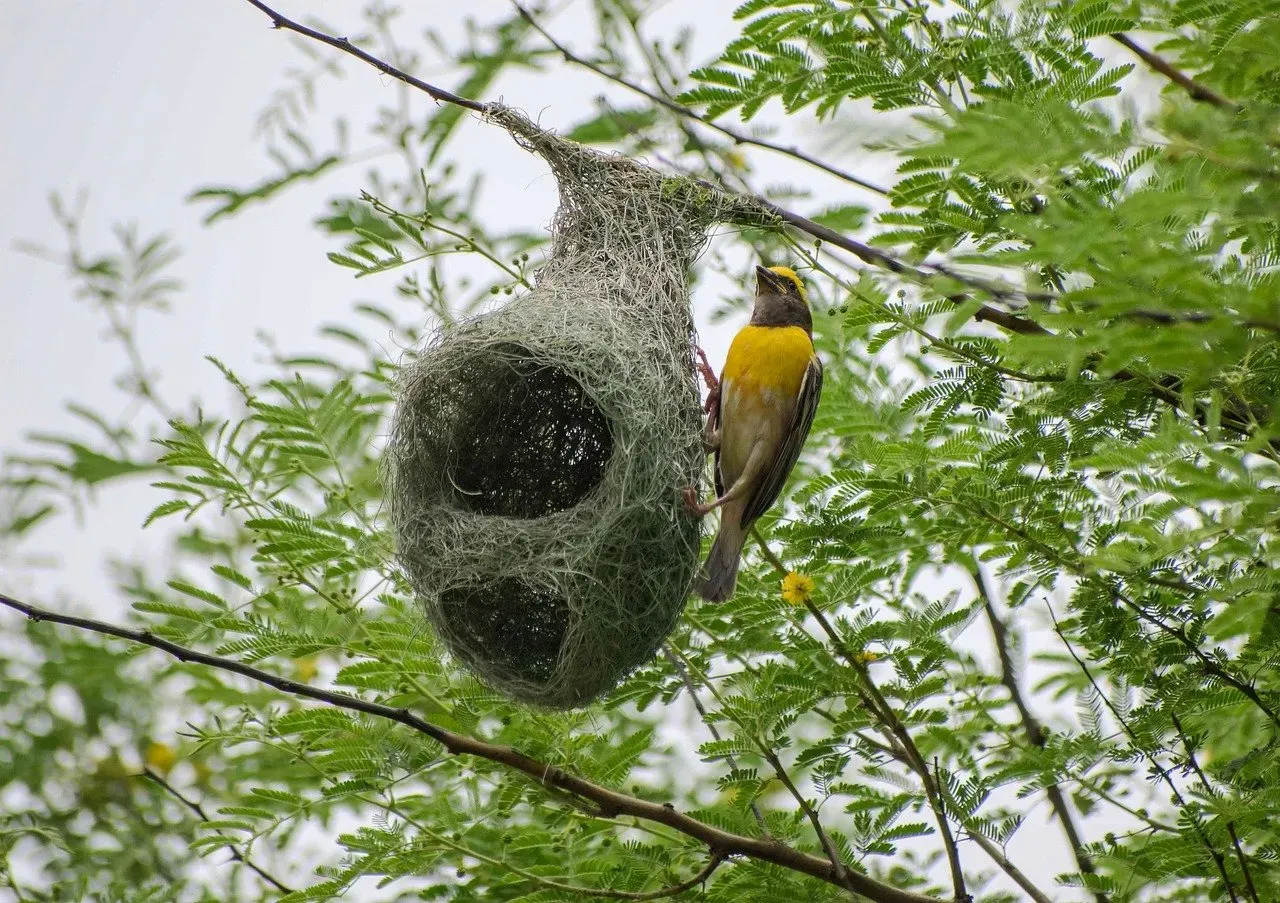
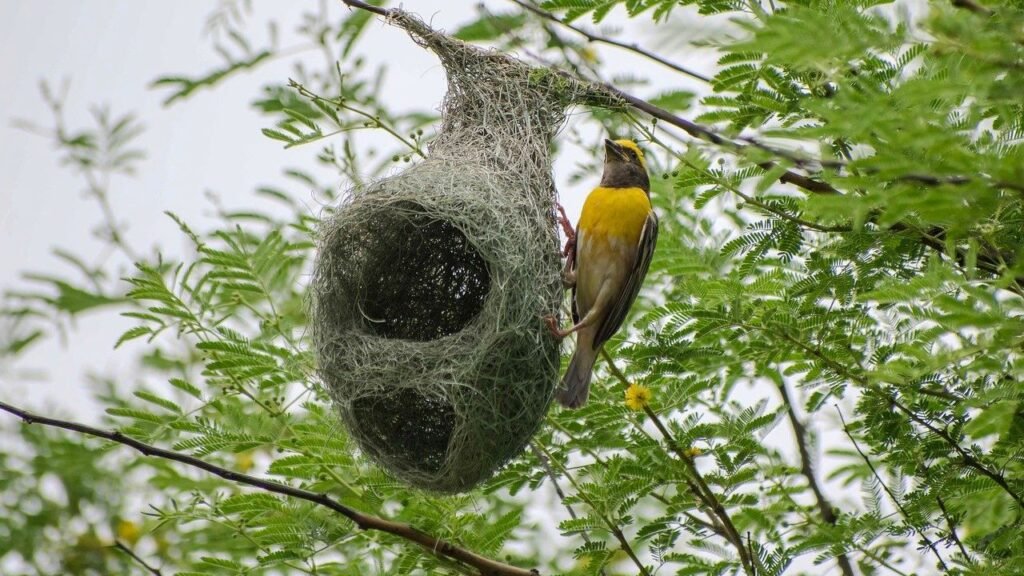
Imagine weaving a basket with your beak while dangling from a tiny branch in the wind. That’s everyday life for weaverbirds. These small birds, found mainly in Africa and parts of Asia, build intricate, hanging nests out of grass, leaves, and fibers. The males usually do the construction, looping and knotting strands together in ways that look almost like they learned traditional basket weaving from a human village.
The nests aren’t just pretty – they’re smart. Their design helps protect eggs and chicks from snakes, predators, and even flooding. Some species build massive communal nests that house dozens or even hundreds of birds in one huge structure, almost like an apartment block suspended from a tree. I remember watching a colony of weaverbirds once and being struck by the sound: a constant chatter as if a neighborhood meeting was in session while everyone worked on their piece of this hanging city.
4. Coral Polyps: Tiny Builders of Giant Reefs
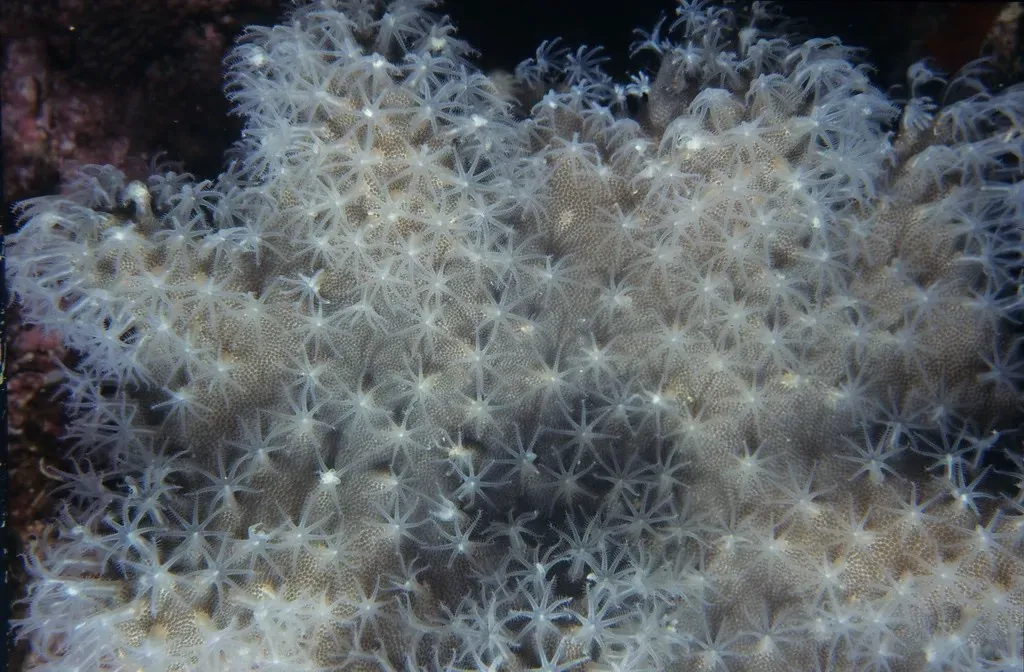
Coral reefs feel so massive and solid that it’s easy to forget they’re built by tiny animals. Coral polyps are small, soft-bodied creatures that look a bit like miniature sea anemones. They extract calcium carbonate from seawater and slowly, layer by layer, build hard skeletons around themselves. Over generations, these skeletons stack up into reefs that can stretch for hundreds of miles and be large enough to be seen from space.
What coral builds becomes the foundation for some of the richest ecosystems on Earth. Fish, crustaceans, mollusks, and countless other species depend on reefs for shelter and food. It’s like an underwater city with streets, alleys, and high-rise towers, all created by animals not much bigger than a fingernail. At the same time, coral reefs are fragile, threatened by warming oceans, pollution, and acidification, which makes their architectural achievement feel both awe-inspiring and painfully vulnerable.
5. Honeybees: Hexagon Engineers of the Perfect Comb
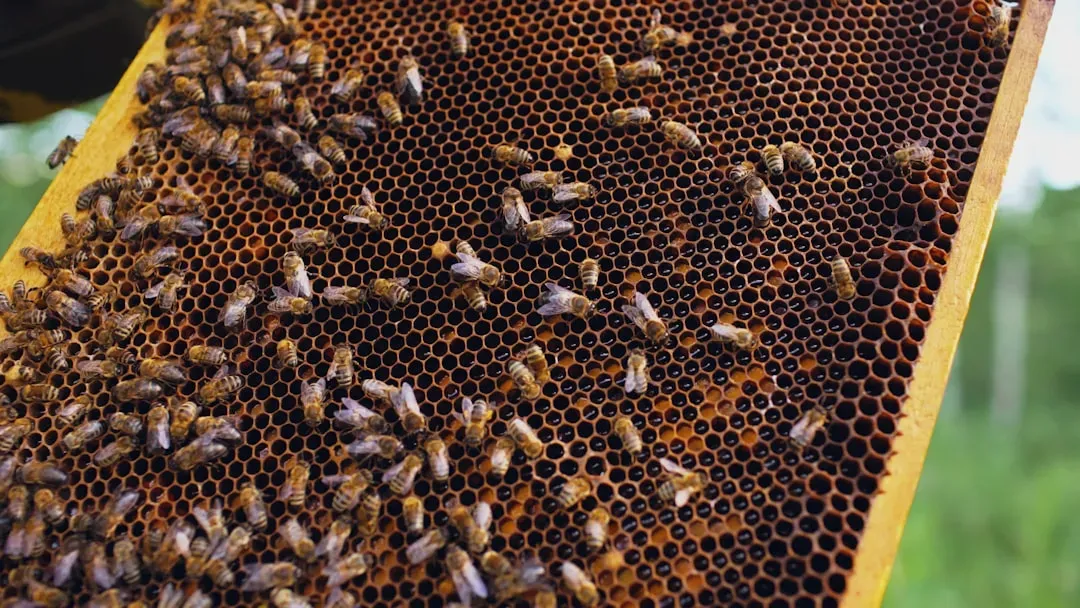
Open up a beehive (carefully, and preferably with a beekeeper suit) and you’ll see some of the most elegant natural architecture: rows and rows of perfectly aligned hexagonal cells made of wax. Honeybees produce this wax from glands on their abdomens, then mold it into honeycomb that stores honey, pollen, and developing larvae. The hexagon shape isn’t accidental; it’s incredibly efficient, packing the most storage into the least amount of space and material.
What fascinates many researchers is that no individual bee has the full blueprint. Instead, thousands of bees work side by side, each reacting to local cues, and somehow the hive ends up with a remarkably uniform and functional design. The comb helps regulate temperature and humidity too, acting like both pantry and nursery under one efficient roof. Some mathematicians and physicists have even analyzed honeycomb to understand how nature solves optimization problems that we usually tackle with equations and software.
6. Pufferfish: Underwater Artists of Perfect Sand Circles
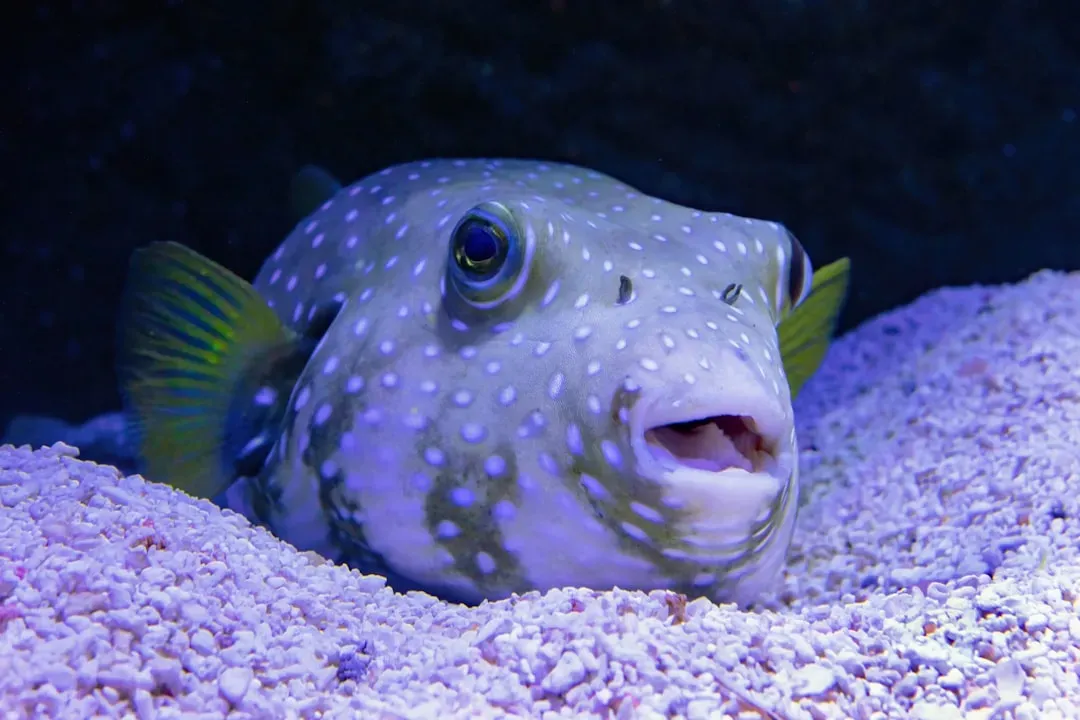
On the seafloor off parts of Japan, male pufferfish create what look like underwater crop circles in the sand: large, perfectly symmetrical rings with ridges and valleys radiating from the center. The fish, much smaller than the patterns they make, flap their fins and nudge grains of sand into place over days or even weeks. From above, the result looks like a piece of geometric art or an alien landing site, which is probably why these “mystery circles” baffled divers until the fish were finally observed making them.
The purpose, though, is surprisingly down to earth: courtship. The male builds these circles to attract females, and the ridges help calm the water in the center, protecting the eggs when they’re laid. When I first saw a video of this, it felt almost like watching a tiny underwater architect working on a mandala that will eventually be washed away. There’s something oddly moving about that level of effort for something so temporary, almost like a sandcastle that exists just long enough to matter.
7. Ants: Underground Cities with Highways and Farms
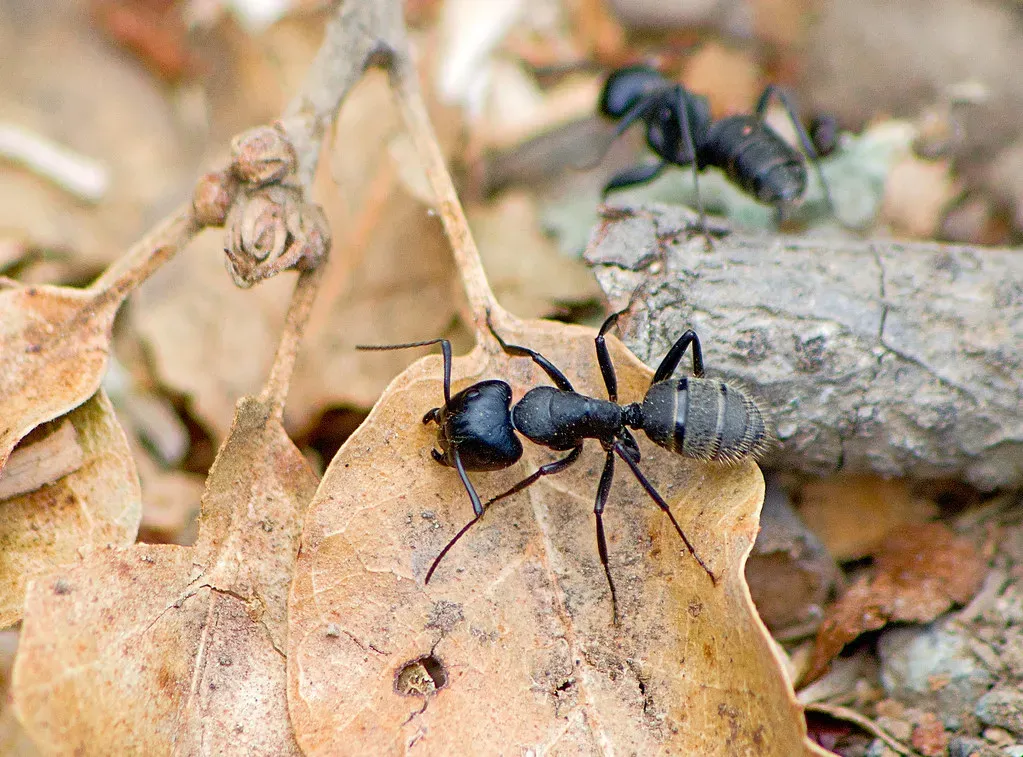
Ant nests may look like small piles of dirt on the surface, but below ground they can be sprawling cities of tunnels, chambers, and storage rooms. Different species build different styles, from relatively simple burrows to complex, multi-level structures with ventilation shafts and specialized rooms for brood, food, and even waste. Pouring a safe casting material into an abandoned nest and excavating it later has revealed incredible structures that look surprisingly like human city maps turned upside down.
Some ants go even further and farm inside their nests. Leafcutter ants, for example, cut bits of vegetation and carry them underground, not to eat directly, but to feed to a special fungus they cultivate as their main food source. So inside these dark tunnels you essentially have agriculture, transportation routes, nurseries, and waste management all running smoothly. It’s hard not to see the parallels to human infrastructure, except theirs evolved step by tiny step over millions of years, guided only by instinct and natural selection.
When you step back and look at beaver dams, termite mounds, woven nests, coral reefs, honeycomb, sand circles, and ant cities, it becomes clear that the world is quietly covered in non-human architecture. These structures don’t just shelter their builders; they reshape rivers, create new habitats, regulate climate, and sometimes support entire ecosystems. In their own ways, each species is not just surviving but designing the conditions of its own life.
What strikes me most is how much of this happens without central control, formal plans, or conscious theory, and yet the results can rival some of our proudest achievements. Maybe the next time we walk through a city, paddle down a river, or swim over a reef, it’s worth remembering that we’re not the only builders here. Who knows what other wild architects are still out there, quietly working on masterpieces we haven’t even noticed yet?