
Some animals don’t just survive in nature – they design it. Hidden in forests, deserts, and even our backyards are builders so skilled that human engineers quietly study them for inspiration. From underwater cities to desert air‑conditioning systems, these creatures raise structures that look less like “nests” and more like living machines.
What blows my mind every time is that none of them went to school, drew blueprints, or opened a design app. They build using instinct, teamwork, and a kind of trial-and-error intelligence baked into their behavior over millions of years. Once you really see what they create, it becomes hard not to rethink who the “smart” species on this planet truly are.
1. Termites: Masters Of Natural Air Conditioning
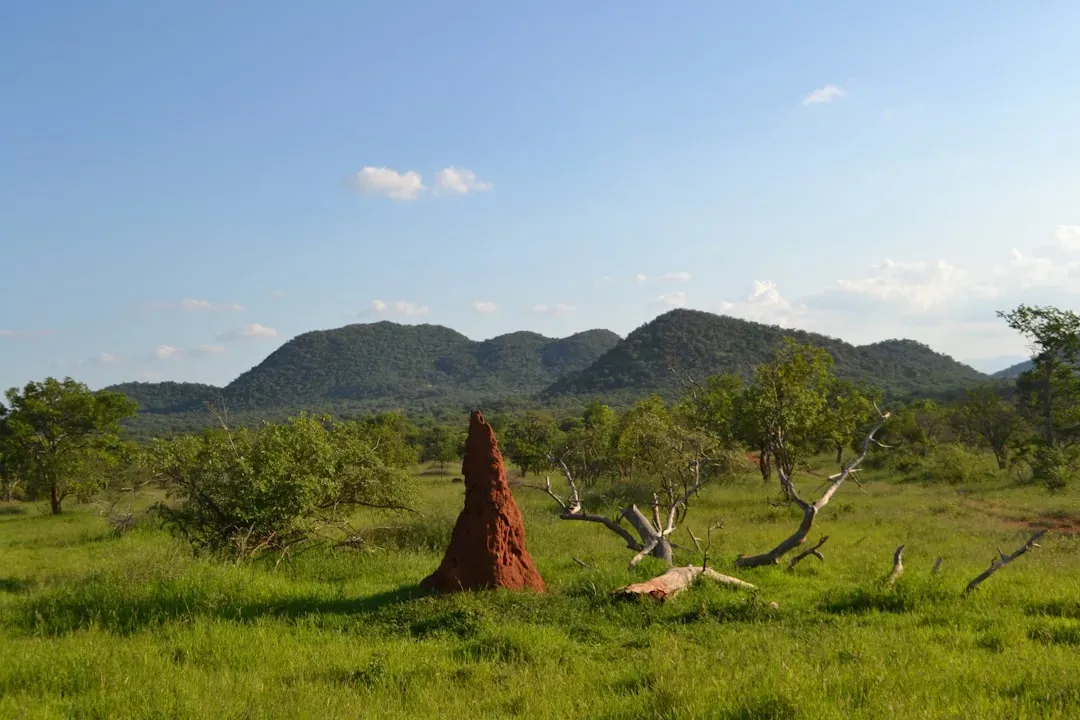
Imagine a skyscraper in the middle of a scorching savanna that can stay almost the same temperature year‑round without a single fan or air conditioner. That’s basically a termite mound. Some African and Australian termite species build towers that can rise higher than a person, with a maze of tunnels and chimneys that constantly circulate fresh air. Inside, the temperature and humidity stay remarkably stable, protecting delicate fungal gardens that the termites rely on for food.
The architecture is so ingenious that architects and engineers have copied it to design energy‑efficient buildings in hot climates. The mound works like a giant lung, breathing in cooler air and pushing out warm air using only temperature differences and wind. To us it looks like dirt and spit piled up, but in reality it’s a finely tuned climate system run by insects that are each smaller than a grain of rice. Next time you see a termite mound, it might feel less like a pile of mud and more like a natural power plant.
2. Beavers: Engineers That Rewire Entire Landscapes
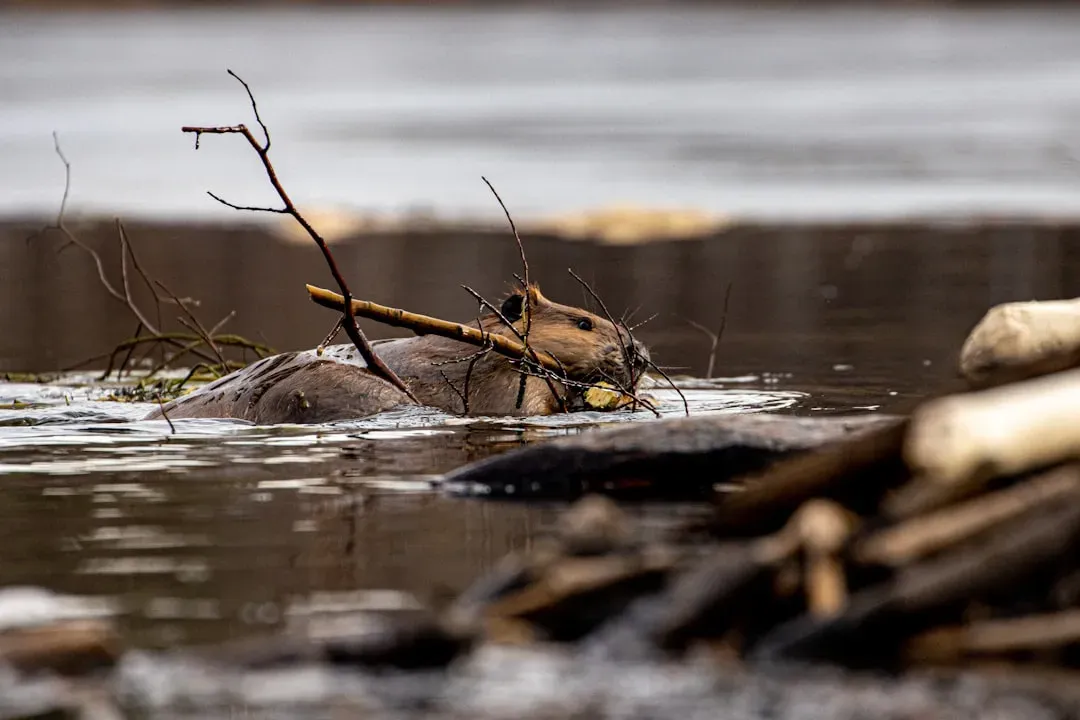
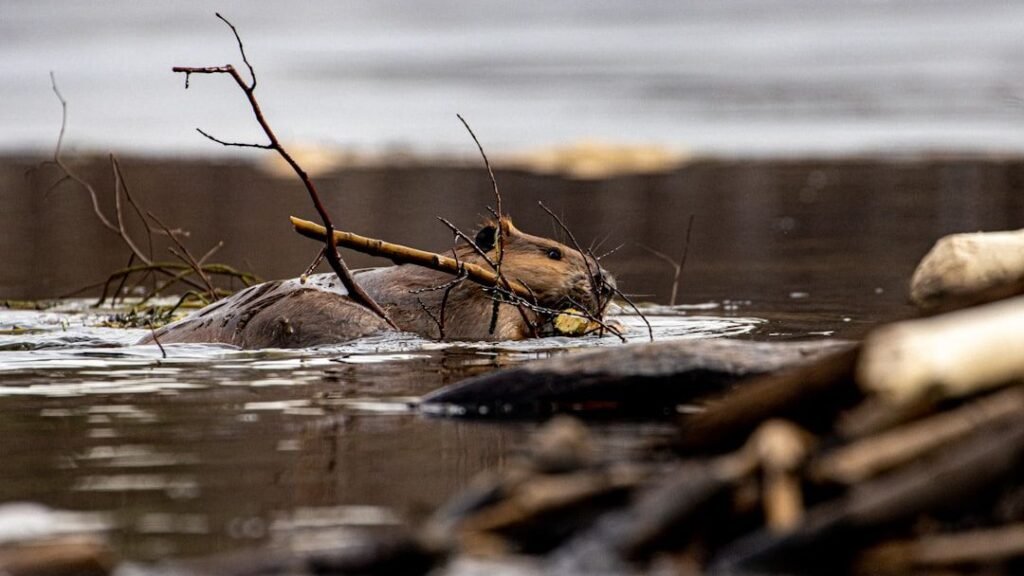
Beavers don’t just build homes; they remodel ecosystems. Using trees, branches, mud, and stones, they construct dams across streams and rivers that can flood entire areas and create new ponds. Behind the dam, water slows down, spreads out, and deepens, forming calm pools where beavers build their lodges with underwater entrances for safe, hidden access. Those dams can stretch for surprising distances, with some known to span hundreds of meters in remote regions.
The result isn’t just a cozy beaver home – it’s a complete landscape redesign. These ponds and wetlands become havens for fish, birds, amphibians, and countless insects. Scientists have found that areas with active beaver dams often support more biodiversity and can even help buffer floods and store water during droughts. I remember standing next to a beaver dam once, realizing this chunky, shy animal had done more “engineering” there than any human had for miles. Quietly, with teeth and mud, they redraw the map.
3. Bowerbirds: Artists Building Love Architecture
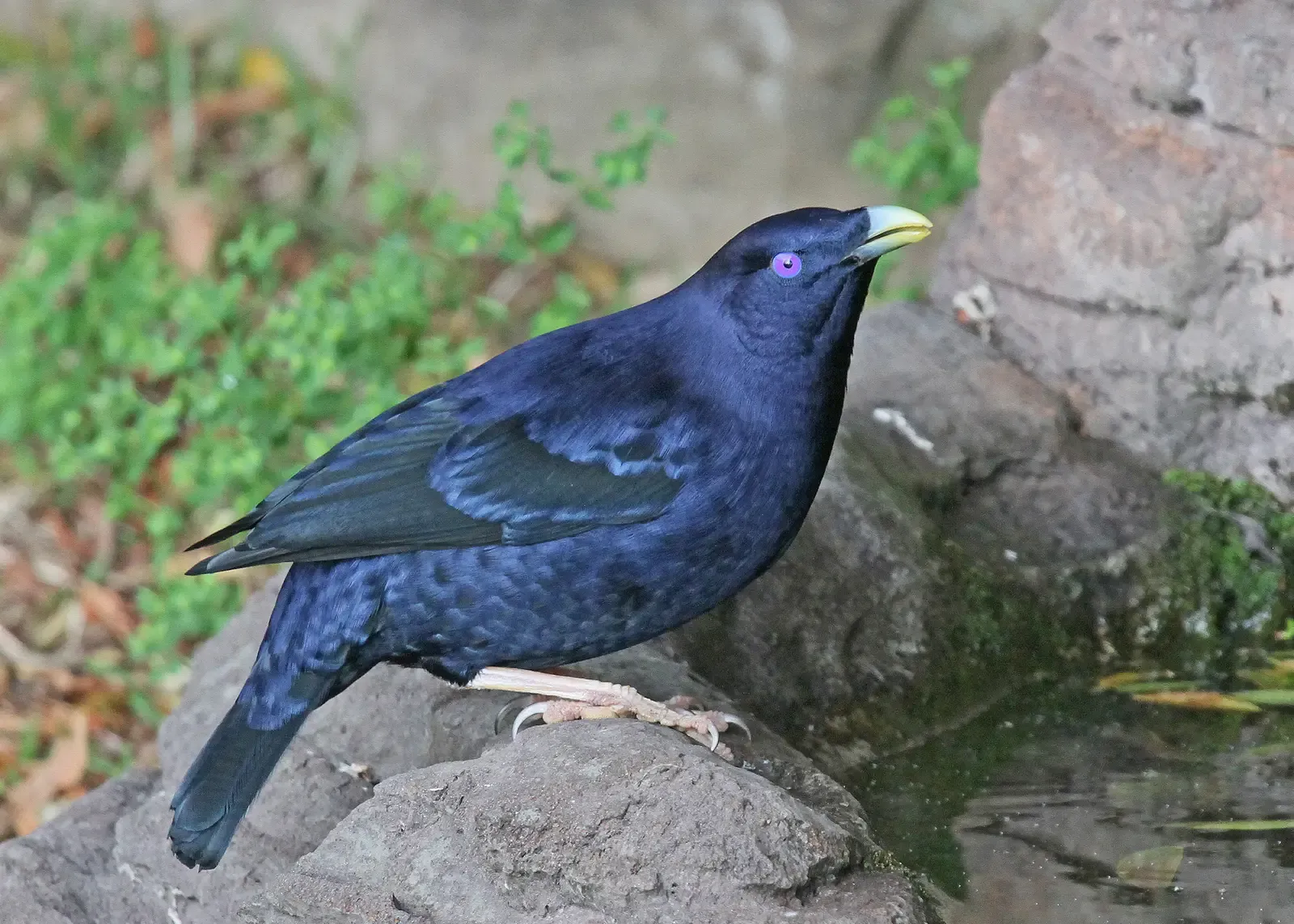
While most birds are happy with a sturdy nest, male bowerbirds in Australia and New Guinea take things to a jaw‑dropping level. They build bowers – not for raising chicks, but purely to impress potential mates. These structures can look like tiny huts, avenues, or arched tunnels, decorated with flowers, berries, shells, beetle wings, and even bits of human trash like bottle caps or plastic. Some species sort objects by color, arranging all the blue items in one spot or carefully lining a walkway with pale stones.
It’s less like watching wildlife and more like stepping into a miniature outdoor art exhibition. Females visit and inspect the bower, judging not just the male’s dancing and calls, but the quality and layout of his creation. If she isn’t impressed, she simply leaves and checks out another “gallery.” What fascinates me is how close this feels to human behavior – we build fancy houses, decorate them, and hope someone likes our taste. The bowerbird has been playing that game far longer than we have.
4. Coral Polyps: Tiny Builders Of Underwater Cities
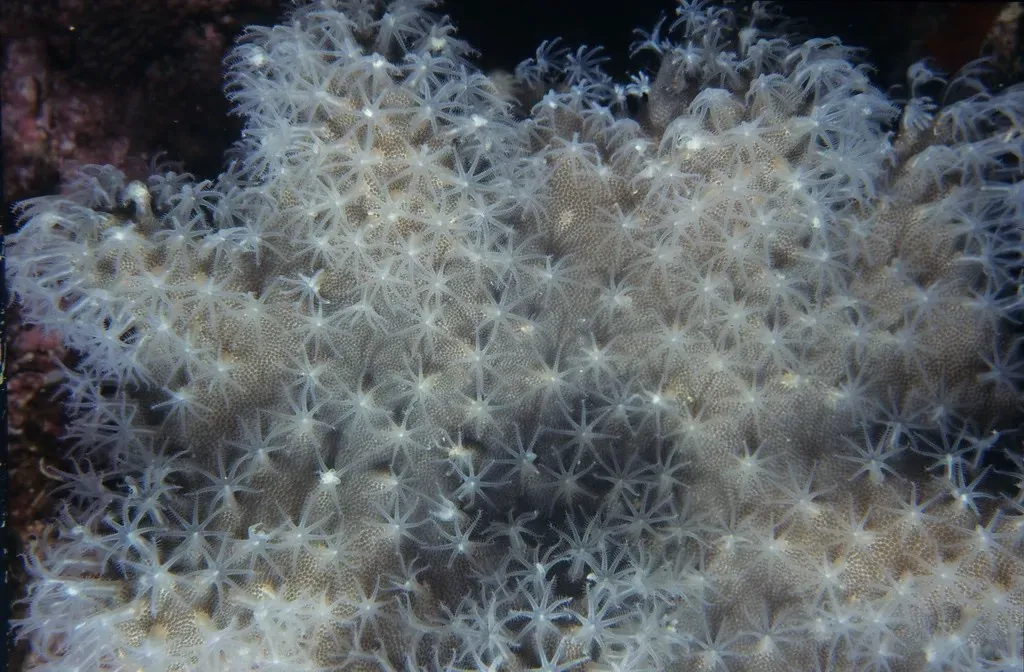
Coral reefs look like colorful rocks, but they’re actually vast, living architecture built by animals so small you could fit dozens on your fingertip. Each coral polyp secretes a hard skeleton around itself, and as countless generations live and die in the same spot, they stack these skeletons into massive structures. Over time, this slow, patient building gives rise to entire reef systems that can stretch for hundreds of kilometers and be visible from space. These reefs shape coastlines, break waves, and protect shores from erosion.
The true astonishment is how much life depends on these animal‑made cities. Even though coral reefs cover only a small fraction of the ocean floor, they support a huge share of marine species: fish, crustaceans, mollusks, and more. Swimming over a healthy reef feels like hovering above a crowded, neon‑lit metropolis, with tunnels, ledges, plazas, and towers. Yet these grand underwater fortresses are built by animals that look, to the naked eye, like nothing more than soft, wiggling dots.
5. Weaver Birds: Hanging Homes That Defy Gravity
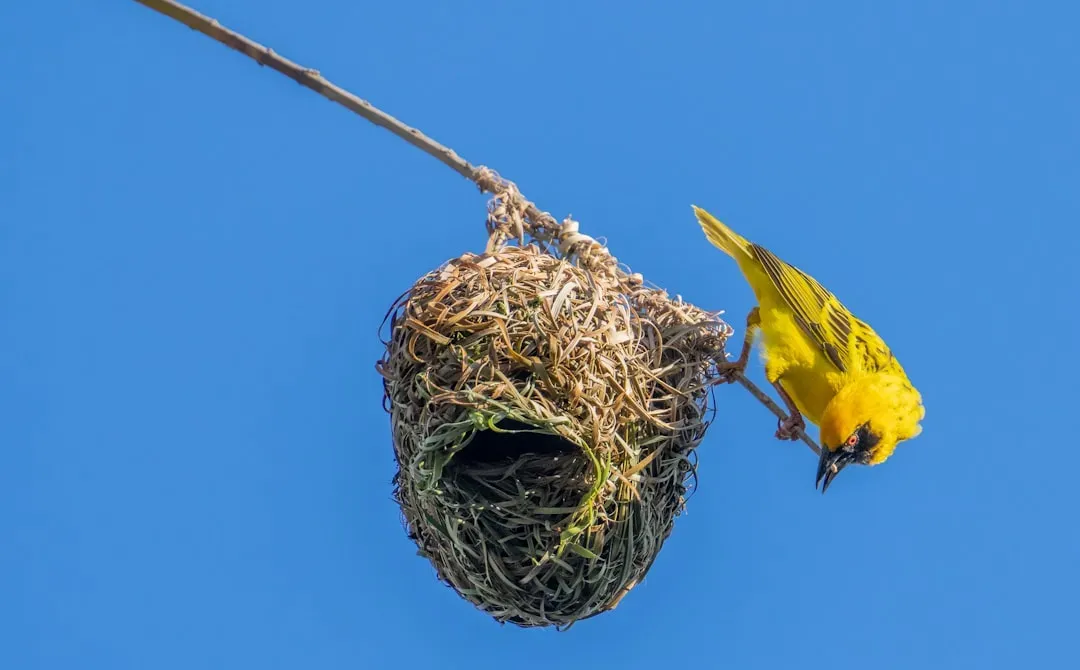
Weaver birds are like the basket makers of the bird world, except their work hangs from tree branches and sways in the wind. Using strips of grass, plant fibers, and sometimes even pieces of string, they stitch together intricate nests that look like upside‑down gourds, spheres, or woven pouches. The male often does most of the weaving, looping and knotting the fibers with his beak and feet until the structure is tight, flexible, and strong. Many nests have narrow entry tubes that curve upward, making it harder for predators to reach the eggs.
In some regions, whole colonies crowd a single tree with dozens of nests, turning it into something that resembles a giant, living chandelier. The level of craftsmanship is wild: the birds choose just the right thickness of fiber, test the tension, and rework sections that don’t hold. I remember seeing a weaver nest for the first time and genuinely assuming a person had made it and hung it up as decoration. When you learn a bird did that, strand by strand, it shifts how you think about what “instinct” can really do.
6. Spiders: Web Designers With Precision Engineering
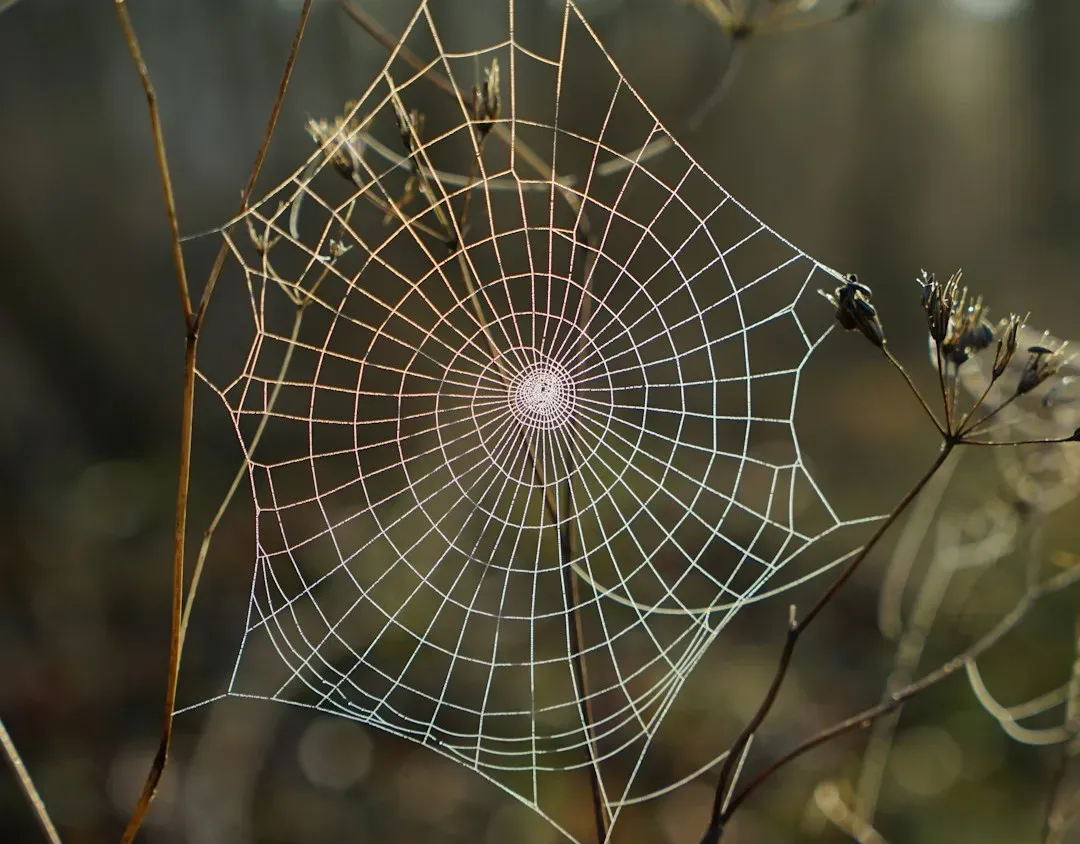
A spider’s web is easy to overlook until you see one glistening with dew in early light and realize how intricate it really is. Many orb‑weaving spiders create near‑perfect circular webs with radial spokes and spiraling threads that function as both trap and alarm system. They carefully anchor the web to different points, adjusting tension so the structure stays stable even in wind. The silk itself is astonishingly strong for its weight, combining toughness and elasticity in a way that material scientists still struggle to match.
Different species design different styles: sheet webs, funnel webs, messy‑looking tangles that are secretly highly effective. Some spiders even rebuild or repair their webs daily, eating the old silk to recycle proteins before spinning again. Watching a spider methodically work its way around a frame is like watching a tiny robotic arm in a factory, except this “robot” is alive and has been refining its craft for millions of years. That fragile‑looking web across your garden path is actually a finely engineered hunting device.
7. Ants: Underground Megacities Hidden Beneath Our Feet
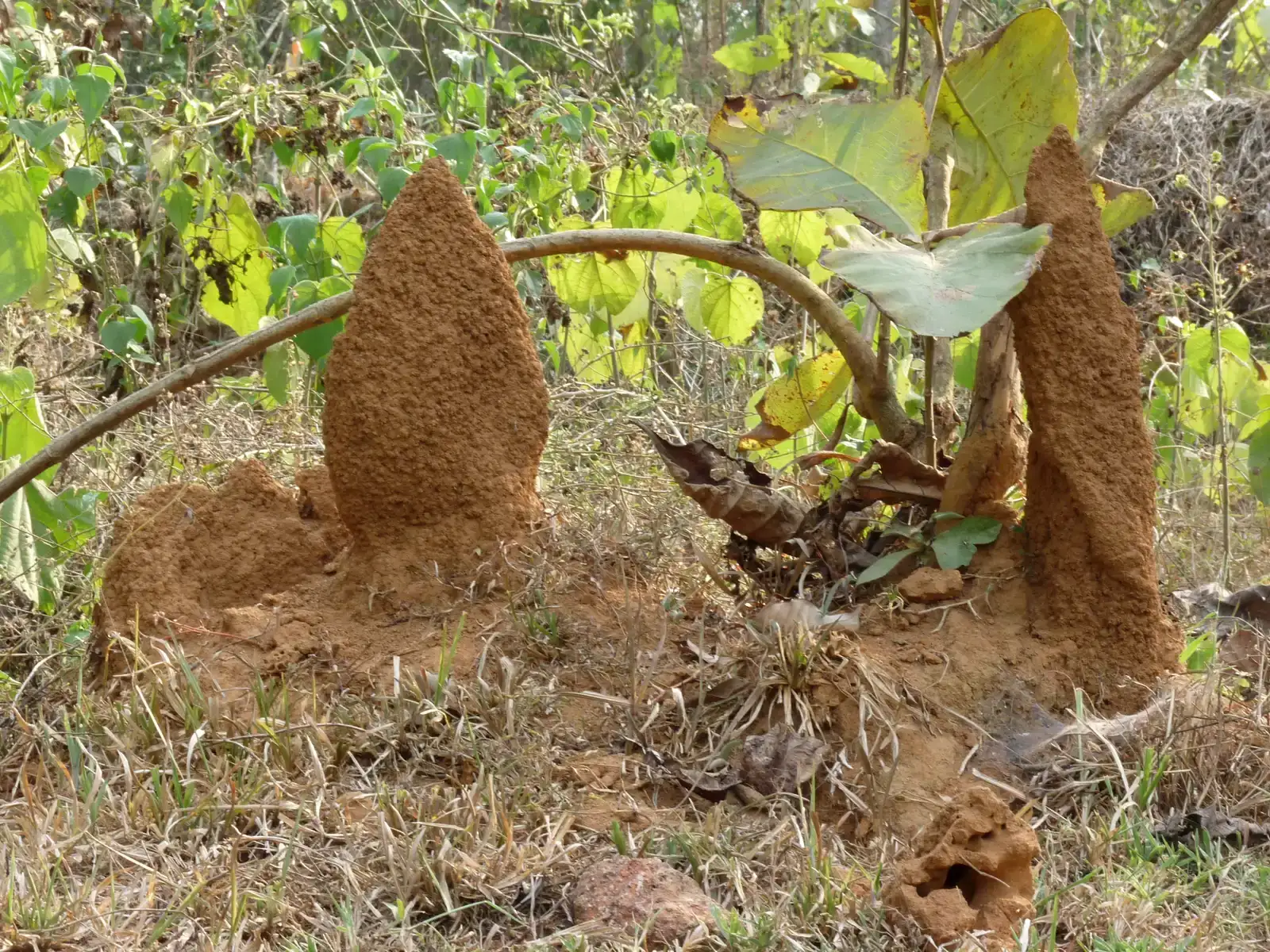
Ant hills on the surface barely hint at what lies below. Many ant colonies build sprawling underground complexes with multiple levels, chambers, and corridors that can cover the area of a small house or more. Inside, there are dedicated rooms for larvae, food storage, waste, and sometimes even fungus gardens. Some species create ventilation shafts and design the tunnels in ways that regulate temperature and humidity, a bit like a naturally air‑conditioned bunker.
When researchers have poured casting materials into abandoned nests and then excavated them, the resulting structures look eerily like human‑planned cities, full of intersections and layered highways. What’s wild is that no single ant is in charge, yet together they build and maintain this megastructure as if they were following a hidden blueprint. Every time I see a line of ants along a sidewalk now, I can’t help imagining the hidden high‑rise complex under my feet, buzzing with life and order.
From termite mounds that cool themselves to coral reefs that reshape coastlines, these animals show that architecture isn’t just a human obsession. Their structures feed them, protect them, attract mates, and even reshape entire ecosystems in ways our own buildings often fail to do. None of it comes from conscious design meetings or written plans, yet the results rival some of our best engineering tricks.
Once you start noticing these wild constructions, walks in nature feel a bit like visiting a hidden world of unsung architects. It’s hard not to wonder what else is being built quietly around us, just out of sight, while we rush past. The next time you see a web, a mound, a dam, or a strange hanging nest, you might find yourself asking: who’s really the most impressive builder on this planet?