
Think you know everything about history? You might want to reconsider. Long before smartphones and computers ruled our lives, ancient civilizations were crafting innovations that would puzzle even the brightest minds today. These weren’t just primitive tools or simple machinery. We’re talking about sophisticated devices that seem almost anachronistic, like someone dropped future technology into the past.
Archaeological excavations throughout the world reveal that, once in a while, ancient civilizations developed inventions that were decades if not centuries ahead of their time. Some of these discoveries were so advanced that when archaeologists first stumbled upon them, they couldn’t believe their eyes. Ready to discover what our ancestors were really capable of? Let’s dive in.
The Antikythera Mechanism: An Ancient Computer from the Deep
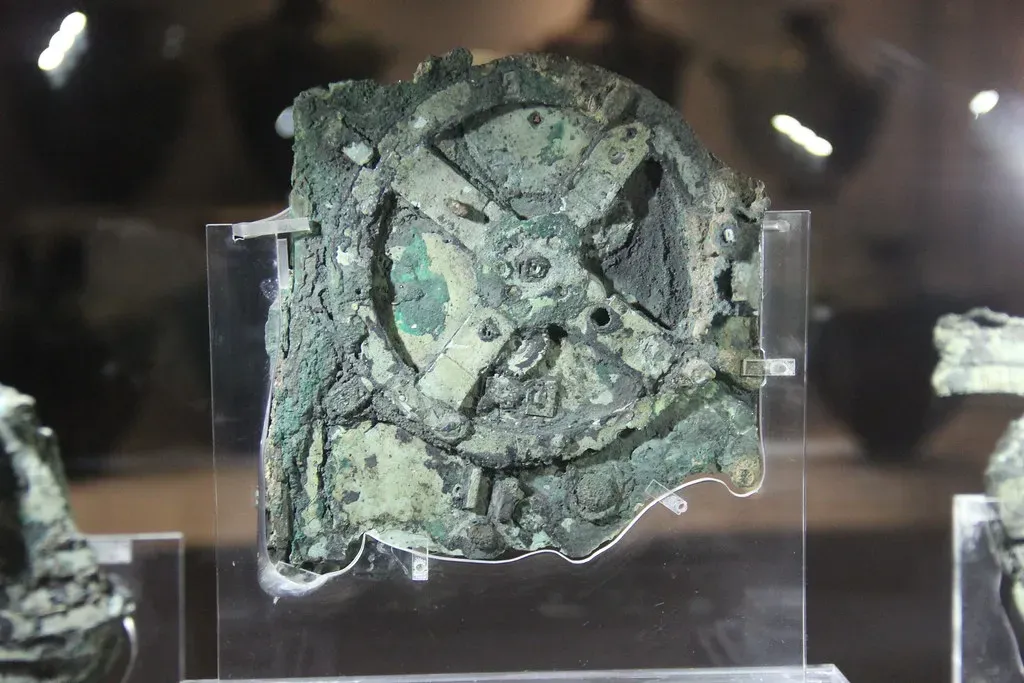
The artefact was among wreckage retrieved from a shipwreck off the coast of the Greek island Antikythera in 1901. In 1902, during a visit to the National Archaeological Museum in Athens, it was noticed by Greek politician Spyridon Stais as containing a gear, prompting the first study of the fragment by his cousin, Valerios Stais, the museum director. What they’d found looked like a corroded lump of bronze, nothing special at first glance. Yet hidden inside this ancient relic was something extraordinary.
It is the oldest known example of an analogue computer. It could be used to predict astronomical positions and eclipses decades in advance. Imagine holding a device from roughly 100 BCE that could track planetary movements, predict eclipses, and even display the cycles of the ancient Olympic Games. No other geared mechanism of such complexity is known from the ancient world or indeed until medieval cathedral clocks were built a millennium later. The sheer sophistication makes you wonder what else the ancient Greeks achieved that time has erased.
Greek Fire: The Unstoppable Flame That Terrorized the Seas
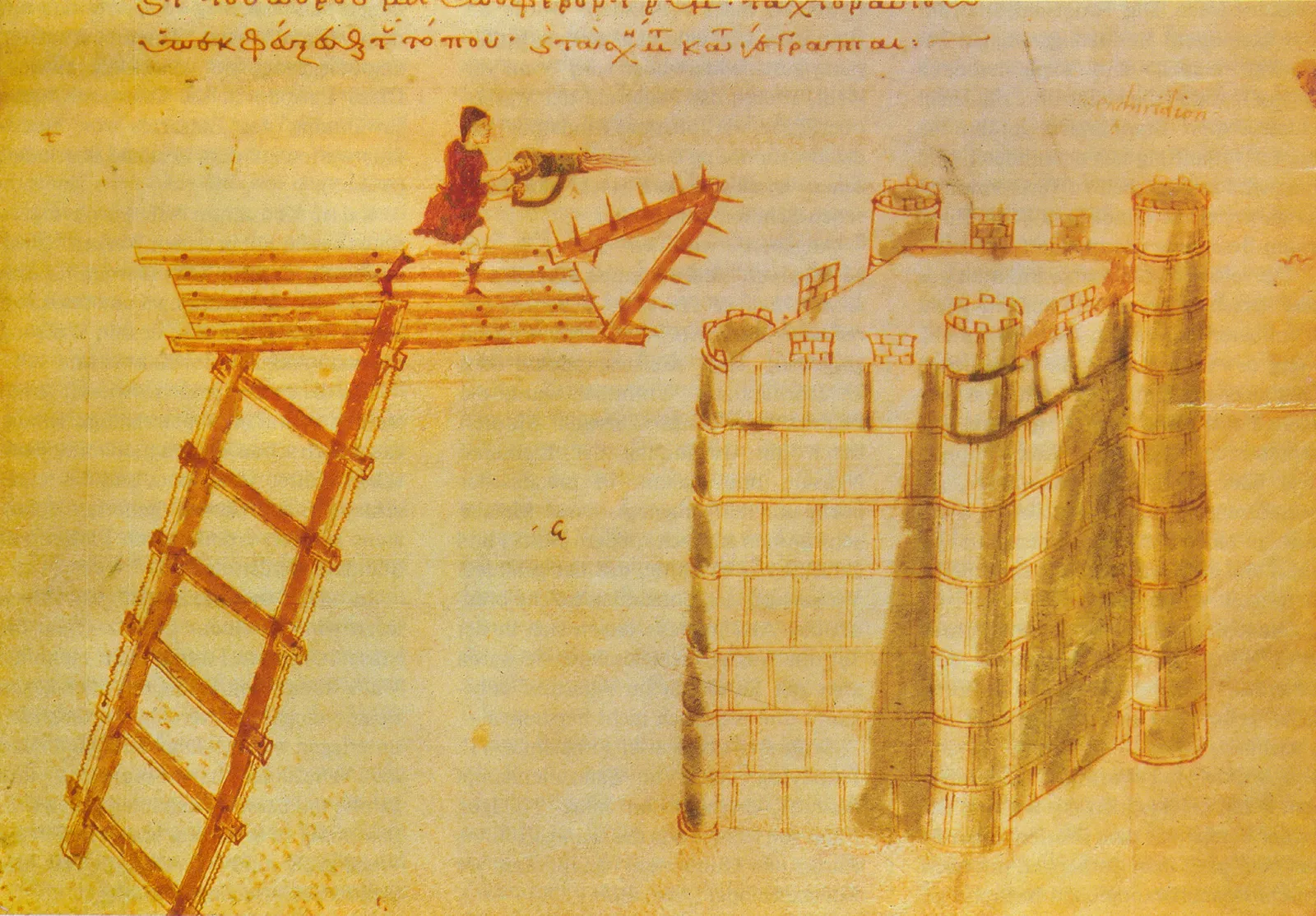
Let’s be real, if you’re defending your empire from invading fleets, you need something dramatic. First invented in 672 AD by the Eastern Roman Empire, fire was known as many different things like sea fire, Roman fire, or war fire. The military weapon debuted on the historic stage when the Byzantines were attacked by a massive naval fleet of their current enemy, the Muslims. What happened next was pure chaos.
The attacking force had never seen anything like Greek fire before, burning ships, people, and even burning on top of the water. The Greeks very literally hosed their enemies down with fire. This incendiary weapon was so effective and terrifying that its exact formula became a closely guarded state secret. The formula for this fearsome substance remains an unsolved mystery, adding to its mythic status. Even today, historians and chemists can only speculate about the precise ingredients that made Greek fire so devastatingly effective.
The Baghdad Battery: Ancient Electricity or Ancient Mystery?
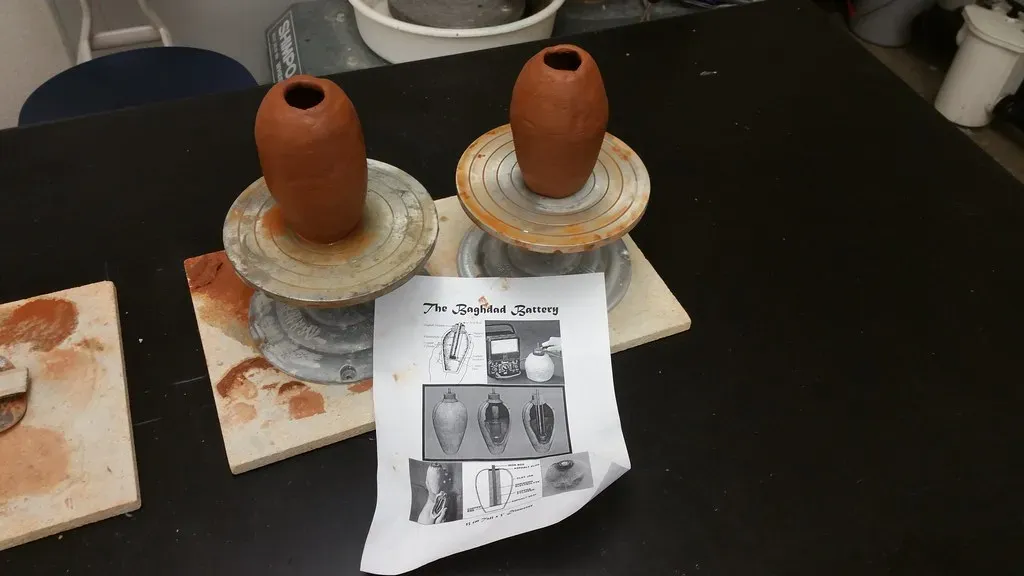
The Baghdad Battery or Parthian Battery is the name given to an artifact consisting of a ceramic pot, a tube of copper, and a rod of iron fixed together with bitumen. It was discovered in present-day Khujut Rabu, Iraq in 1936, close to the ancient city of Ctesiphon, the capital of the Parthian (150 BC – 223 AD) and Sasanian (224–650 AD) empires, and it is believed to date from either of these periods. This curious object sparked a debate that still rages today.
MythBusters, 2005: The popular science show built replicas of the jars, using lemon juice as an electrolyte, and demonstrated that they could produce about 4 volts of electricity when connected in series. Could ancient Mesopotamians have truly understood electricity nearly two thousand years before we did? There is no electroplated object known from this period, and the claims are universally rejected by archaeologists. An alternative explanation is that it functioned as a container for magic spells for protection, defense or curses. Whether battery or sacred vessel, the artifact reminds us that ancient people experimented with materials in ways we’re only beginning to understand.
Roman Concrete: The Material That Outlasted Empires

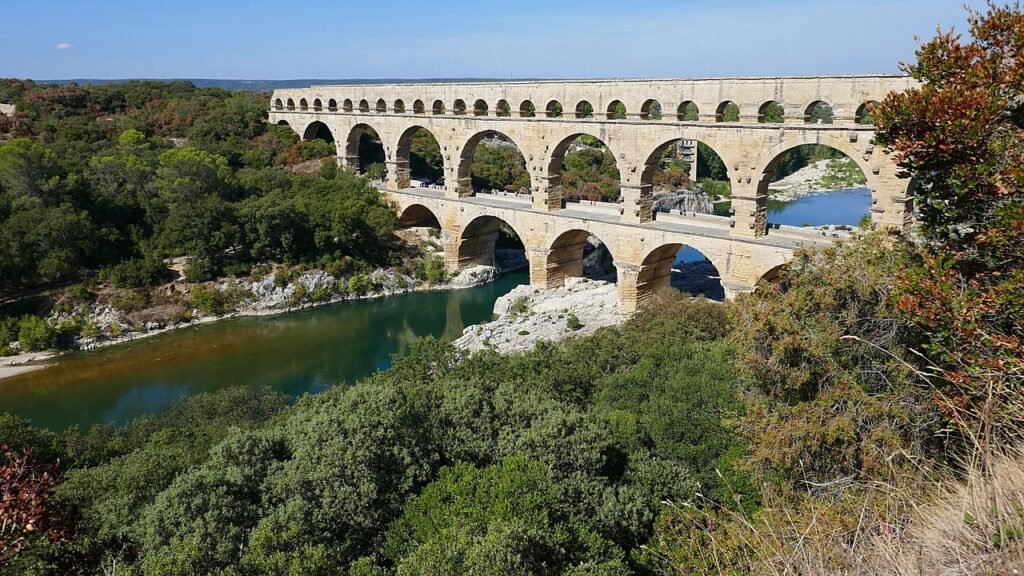
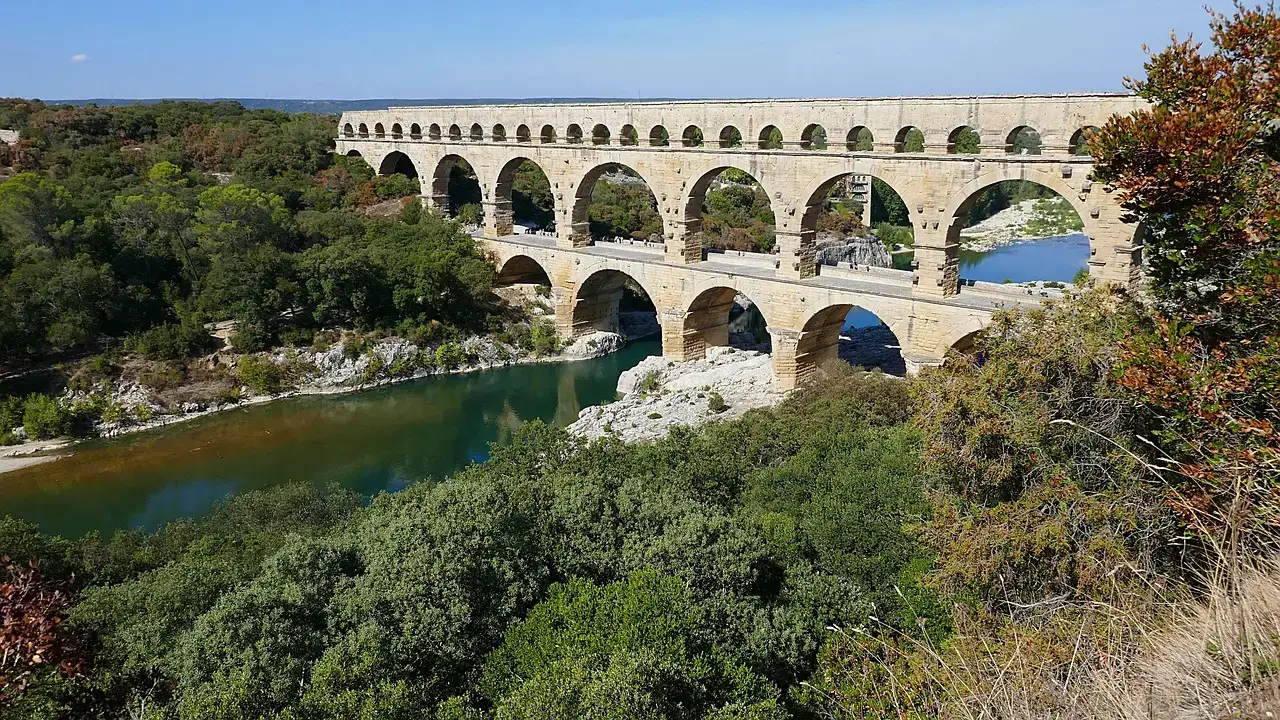
Picture this: structures built two millennia ago still standing strong today while modern concrete crumbles after a few decades. The ancient Romans were masters of engineering, constructing vast networks of roads, aqueducts, ports, and massive buildings, whose remains have survived for two millennia. Many of these structures were built with concrete: Rome’s famed Pantheon, which has the world’s largest unreinforced concrete dome and was dedicated in 128 C.E., is still intact, and some ancient Roman aqueducts still deliver water to Rome today. How did they do it?
The Ancient Roman’s concrete consisted of a mix of volcanic ash or also known as Pozzolana, lime, and water to make a mortar. The mortar was then mixed with the aggregate, often chunks of rock, to create Ancient Roman concrete. The real secret, discovered recently by researchers at MIT, was a technique called hot mixing. Roman concrete was likely made by mixing the quicklime directly with pozzolana and water at extremely high temperatures – a process the team dubbed ‘hot mixing’ that results in the lime clasts. This allowed the concrete to actually heal its own cracks over time, growing stronger with age. It could also explain why Roman concrete from seawalls built 2,000 years ago has survived intact for millennia despite the ocean’s constant battering. Modern engineers are now trying to recreate this ancient formula to build more sustainable infrastructure.
Damascus Steel: The Legendary Metal Lost to Time
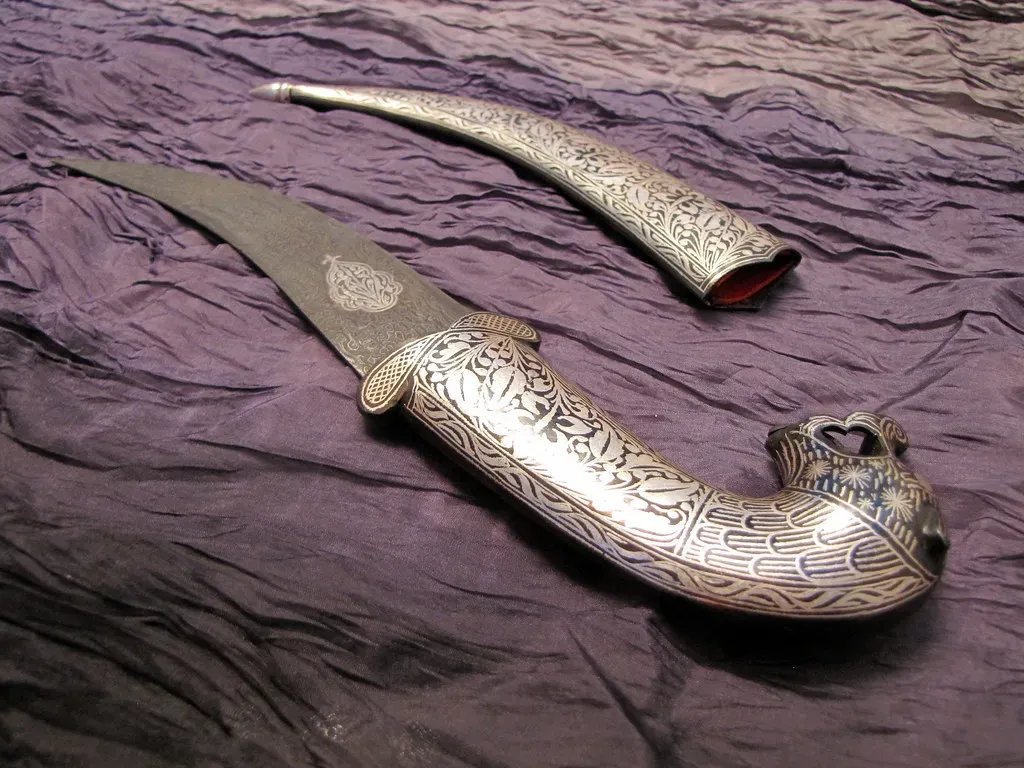
Damascus steel is the high-carbon crucible steel of the blades of historical swords forged using the wootz process in the Near East, characterized by distinctive patterns of banding and mottling reminiscent of flowing water, sometimes in a “ladder” or “rose” pattern. Damascus steel was reputed to be tough, resistant to shattering, and capable of being honed to a sharp, resilient edge. When Crusaders first encountered these blades in the Middle East, they were both terrified and fascinated.
It was known as wootz steel and it was some of the finest steel in the world. It was first produced in India from iron ore with a high level of carbon – about 1 to 2 percent – and additional trace elements. The ingots – or cakes – of steel from India were sent to Damascus, Syria, where they were made into swords. Here’s the thing though: Unfortunately, the technique of producing wootz Damascus steel blades is a lost art. The date of the last blades produced with the highest-quality damascene patterns is uncertain, but is probably around 1750; it is unlikely that blades displaying low-quality damascene patterns were produced later than the early 19th century. The technique was not lost, it just stopped working. The “secret” that produced such high quality weapons was not in the technique of the swordsmiths, but rather on the composition of the material they were using. In the 19th Century, the mining region where those ingots came from changed. These new ingots had slightly different impurities than the prior ingots. Without the right source material, the legendary blades could no longer be forged.
Zhang Heng’s Seismoscope: Earthquake Detection from Afar
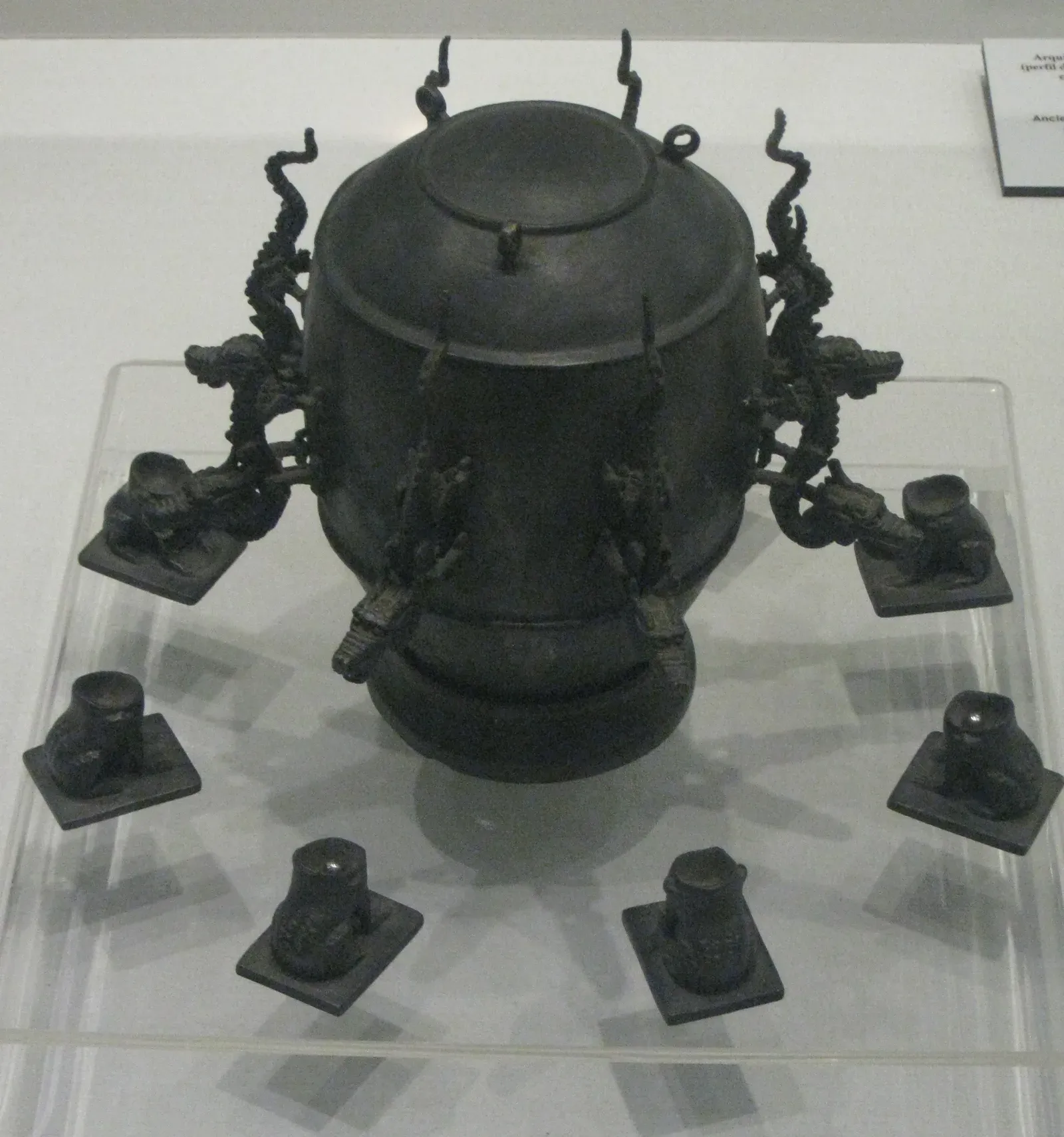
In AD 132, Zhang Heng, official court astronomer and historian to the Eastern Han Dynasty, invented the world’s first earthquake detector. Though not as advanced as today’s seismographs (from which we can determine the epicenter and magnitude of an earthquake), the Houfeng Didong Yi could determine the occurrence of the slightest earthquake, as well as its general direction. This massive bronze contraption was nothing short of brilliant.
The device looked like a big bronze pot, adorned with eight dragon heads and eight toads at the base. Each dragon held a small bronze ball in its mouth, this dropped into one of the toads’ mouths to show the direction of an earthquake. The clang of the ball alerts officials to the shake, which they interpreted as either Heaven’s anger or an imbalance between good and evil. A fundamental addition to our list of ancient and amazing inventions, the device was remarkably accurate in detecting earthquakes from afar and did not rely on shaking or movement in the location where the device was situated. This meant officials could respond to distant disasters without modern communication technology. In 2005, scientists in Zengzhou, China (which was also Zhang’s hometown) managed to replicate Zhang’s seismoscope and used it to detect simulated earthquakes based on waves from four different real-life earthquakes in China and Vietnam.
Automatic Doors in Ancient Greece: A Theatrical Marvel

What is perhaps the most striking aspect of the ancient Greek’s automatic doors is the fact that it wasn’t until 1931 that the automatic doors that we are familiar with today were first created. The doors that existed in ancient Greece were clearly hundreds of years before their time. Created by Heron of Alexandria, these doors opened automatically when a fire was lit on an altar outside a temple.
The mechanism relied on heated air expanding in a hidden chamber, which pushed water into a bucket. The weight of the filling bucket then pulled ropes connected to the door hinges, causing them to swing open dramatically. Temple visitors believed they were witnessing divine intervention when really they were experiencing brilliant engineering. The system used principles of pneumatics and hydraulics that wouldn’t be widely understood for centuries. Heron Alexandrinus, otherwise known as the Hero of Alexandria, was a 1st century Greek mathematician and engineer who is known as the first inventor of the steam engine. His steam powered device was called the aeolipile, named after Aiolos, God of the winds. Heron’s work demonstrated that ancient inventors understood forces and mechanics at a level that challenges our assumptions about technological progress.
Conclusion
These seven inventions shatter the myth that ancient people were technologically primitive. From computers that tracked the cosmos to concrete that heals itself, from unstoppable flames to earthquake detectors, our ancestors possessed knowledge and skills that in some cases rival or exceed our own understanding. Their work is not anachronistic, but a testament to the ingenuity and scientific potential of their respective civilizations.
What’s perhaps most humbling is realizing how much knowledge has been lost over the centuries. The formula for Greek fire, the exact process for Damascus steel, the full capabilities of Roman concrete – all were once common knowledge, now mysteries we’re only beginning to solve again. It makes you wonder what other secrets are buried beneath our feet, waiting to remind us that innovation isn’t a modern invention. What do you think our civilization will be remembered for thousands of years from now? Will future archaeologists puzzle over our smartphones the way we puzzle over the Antikythera mechanism?