There’s something strangely thrilling about realizing that the past is not a closed book, but an active investigation. For centuries, people stared at crumbling ruins, puzzling manuscripts, and ancient bones, making their best guesses about what really happened. Now, with advanced tools like DNA sequencing, satellite imaging, and AI analysis, some of history’s biggest question marks are finally getting real answers.
Yet the most fascinating part isn’t just the new facts; it’s how often science overturns what everyone thought was obviously true. Heroes turn out to be more complicated, mysteries turn out to be surprisingly practical, and sometimes what people called “legend” ends up being mostly accurate. Let’s walk through seven of these unraveling – and see how much we were getting wrong all along.
Who Were the First People of the Americas?
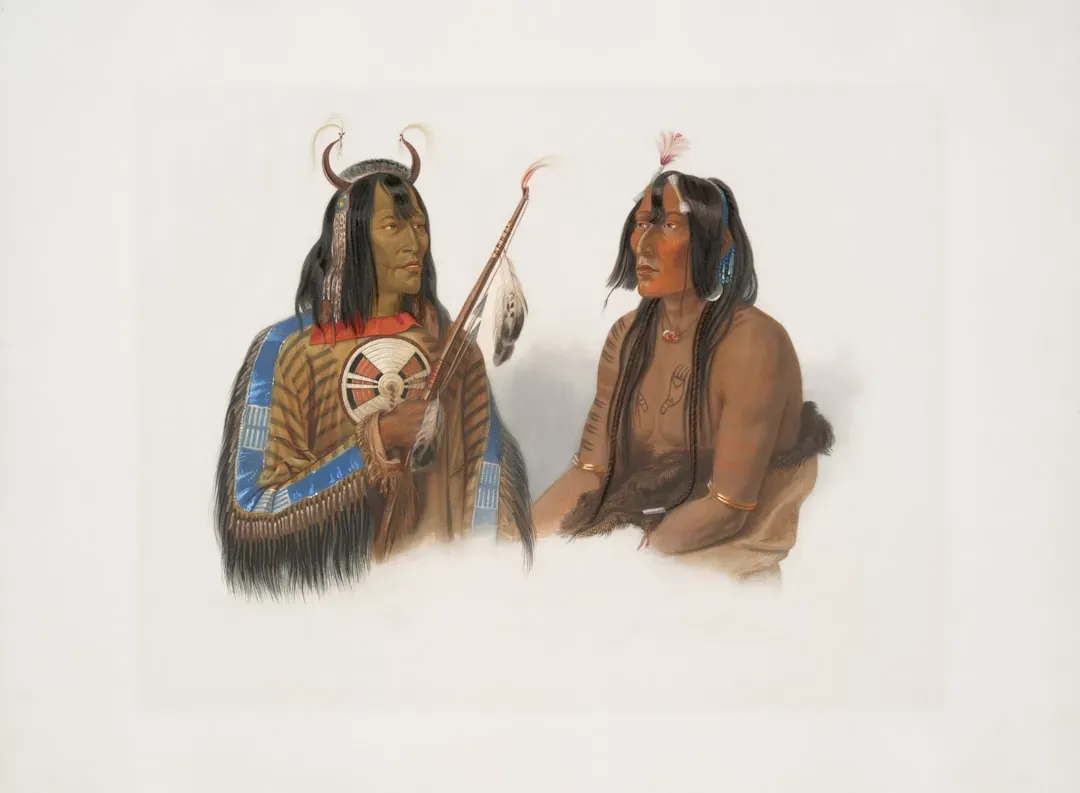
For a long time, the simplest story was that the first Americans walked across a land bridge from Siberia to Alaska at the end of the last Ice Age and then slowly spread south. That neat little story has been blown wide open by genetics, archaeology, and even ancient footprints. DNA from early skeletons, including remains found in North and South America, shows that the peopling of the Americas was more complex, with multiple waves and perhaps different routes.
Even more surprising, human footprints found in what is now New Mexico have been dated to a time when glaciers still covered much of North America, suggesting people were here earlier than many experts were comfortable accepting not long ago. Genetic evidence from Indigenous populations, when studied respectfully and collaboratively, shows deep, continuous roots going back thousands upon thousands of years on this continent. This means the story of “first arrival” is less a straight line and more like a braided river of migrations, pauses, and local adaptations that science is only now mapping in fine detail.
How Did the Pyramids Really Get Built?
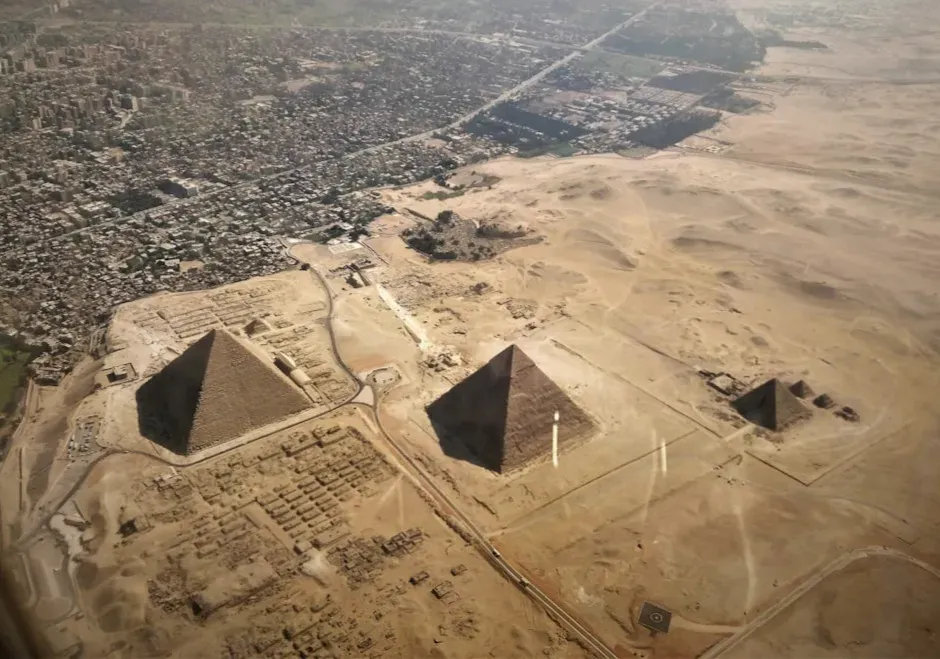
The pyramids of Egypt have inspired every kind of theory, from careful engineering analyses to wild claims involving lost civilizations and mysterious forces. The reality, revealed through archaeology, engineering studies, and analysis of workers’ remains, is both more down-to-earth and more impressive. Far from being built by enslaved masses working under constant brutality, the evidence points to highly organized labor teams, skilled craftsmen, and rotating crews of workers who seem to have been well fed and housed.
Recent studies using 3D modeling, experimental archaeology, and analysis of quarry marks suggest practical solutions: water to reduce friction when dragging blocks, carefully designed ramps, and clever use of counterweights and levers. Remains of workers’ villages show bakeries, breweries, and medical care, painting a picture of a national project that combined logistics, administration, and human skill on a huge scale. In a way, the more we learn, the less the pyramids feel like a “mystery” and the more they look like the outcome of a determined society with time, resources, and a very clear idea of what it wanted to build.
What Actually Happened to the Maya Civilization?
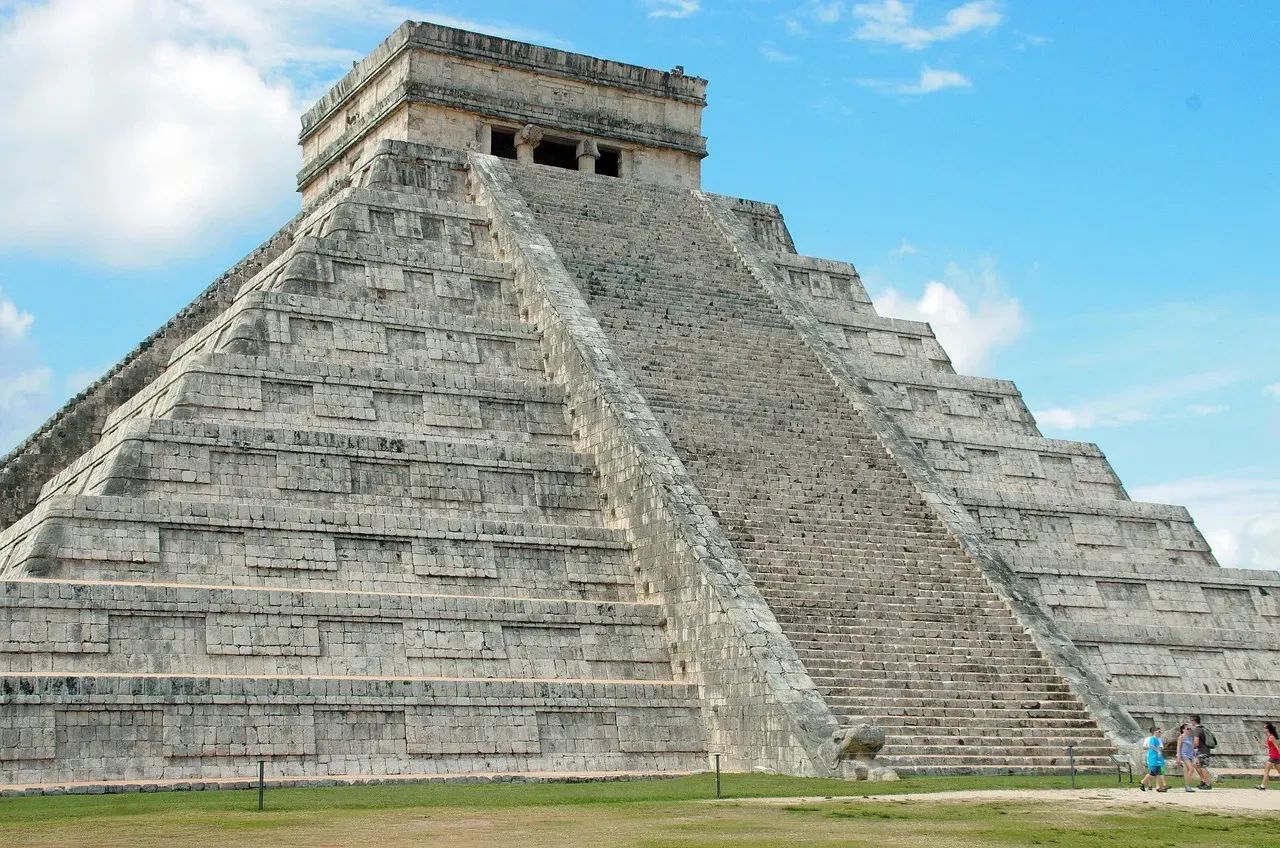
For decades, schoolbooks loved to say that the Maya “mysteriously vanished,” as if millions of people simply melted into the jungle overnight. New research coming from climate science, archaeology, and the study of ancient pollen records paints a far more nuanced and human story. The so‑called “collapse” looks less like a sudden apocalypse and more like a drawn‑out crisis driven by droughts, overuse of resources, warfare, and political upheaval among the city‑states.
Lake sediments and cave stalagmites record centuries of changing rainfall, lining up with periods when major Maya cities were abandoned or shrank dramatically. Lidar scanning from planes, which can see past the forest canopy, has revealed huge networks of roads, fields, and towns that show just how large and interconnected the civilization was before things fell apart. Crucially, modern Maya communities are very much alive today; the riddle wasn’t about a vanished people, but about why certain big cities declined. Science is now showing that the Maya story feels uncomfortably familiar: climate stress, political instability, and environmental pressure all wrapped together.
What Wiped Out the Dinosaurs – And How Fast Did It Happen?
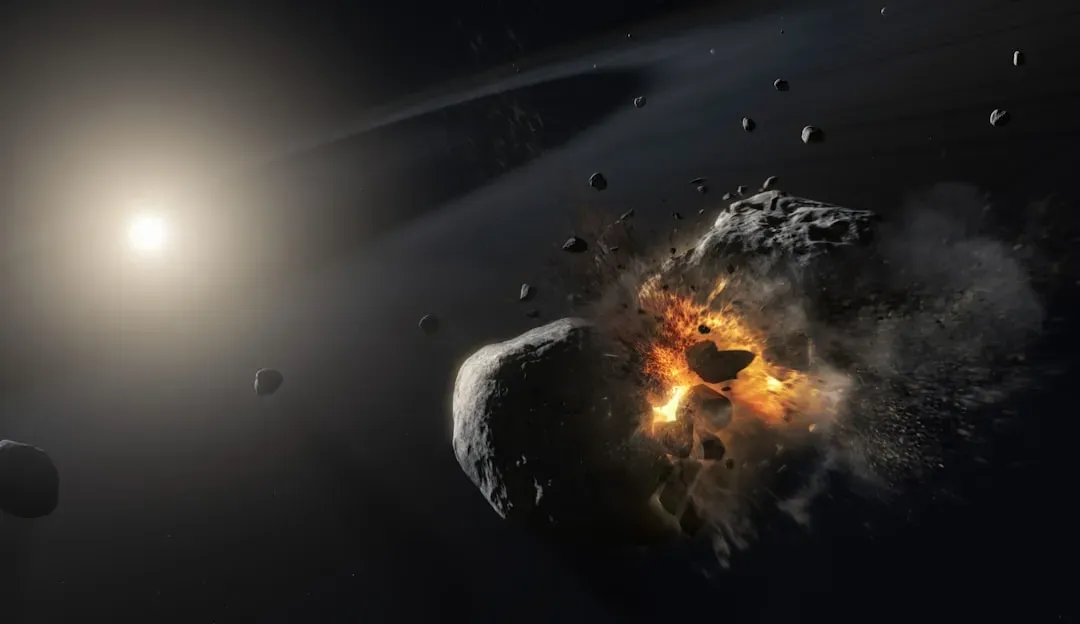
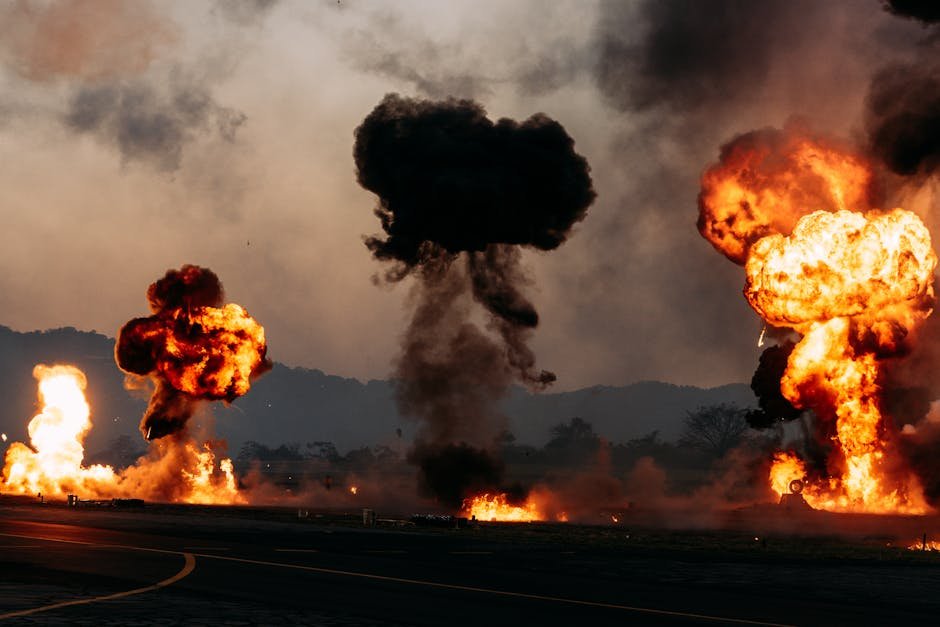
Most people have heard that a giant asteroid hit the Earth and wiped out the dinosaurs, but for a long time there were fierce debates about whether that impact was really the main cause. New layers of evidence, from shocked minerals to global traces of rare elements, have made the asteroid case extremely strong, and drilling into the impact crater off the coast of Mexico has been especially revealing. Cores pulled from deep below the seafloor show a timeline of devastation, with debris and chemical changes marking an unimaginably violent event.
What’s emerging is a picture of a world turned upside down in a geological instant: massive tsunamis, wildfires, darkened skies, and a sharp drop in photosynthesis that cascaded up the food chain. At the same time, climate models and volcanic evidence suggest that huge eruptions in what is now India stressed ecosystems before the asteroid even hit. So the riddle is no longer “asteroid or volcanoes?” but “how did these disasters work together?” Modern science suggests the dinosaurs were living on the edge of a knife, and the asteroid was the final shove.
How Did Vikings Really Reach North America?
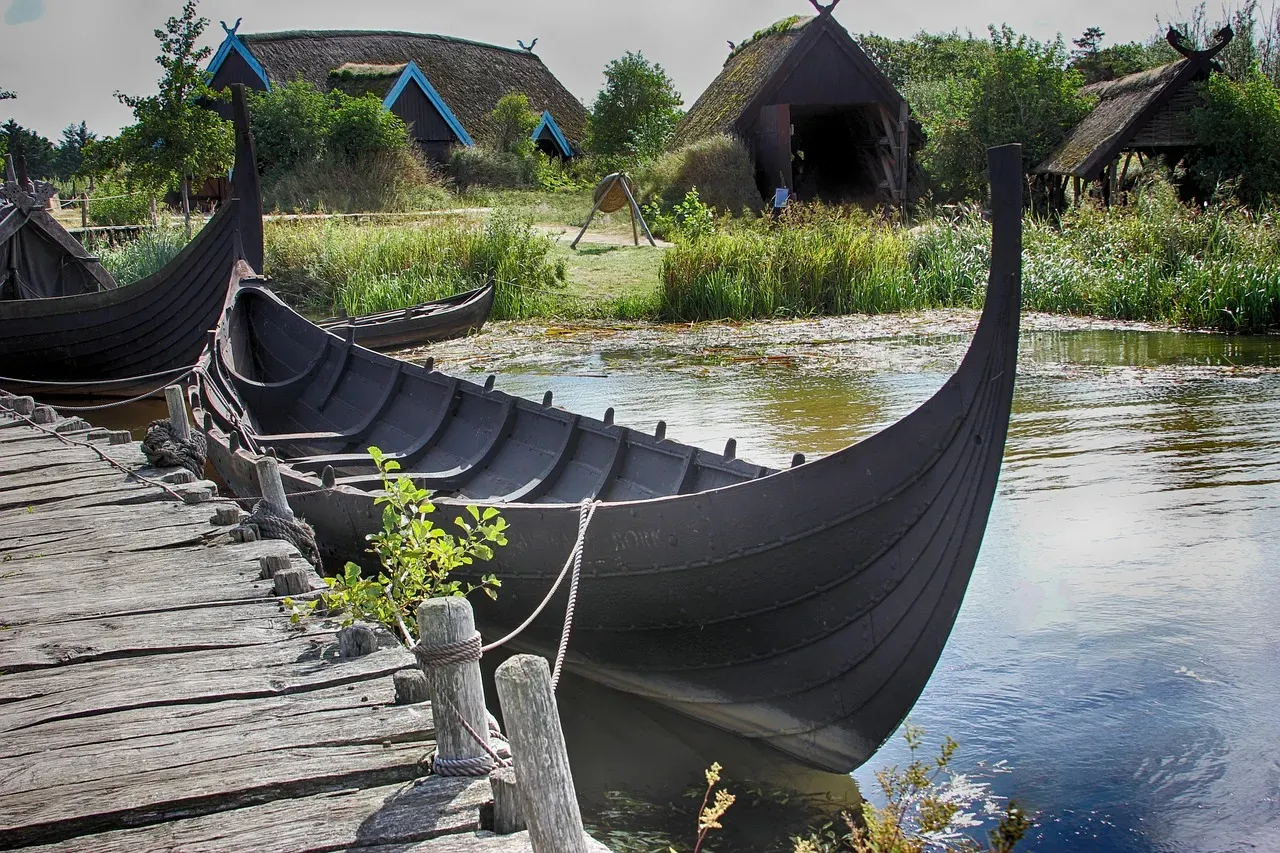
Stories of Norse voyages to a far western land were once treated as half‑myth, half‑wishful thinking. Then the remains of a Norse settlement were identified at L’Anse aux Meadows in Newfoundland, proving that Vikings reached North America roughly a thousand years ago. The question that lingered was when, exactly, these journeys happened and how extensive they were. Recently, scientists used the traces left by a solar storm – recorded like time stamps in tree rings – to date wooden artifacts at the site to a specific year in the early eleventh century.
This clever use of astrophysics and dendrochronology turns vague sagas into concrete timelines and hints at just how navigationally skilled these sailors were. Other finds of Norse artifacts, as well as subtle clues in Indigenous oral histories, suggest contact that may have been brief, tense, and limited in scope. It seems the Vikings did not establish enduring colonies in North America, but they did cross the Atlantic centuries before later European expeditions. Modern science hasn’t just confirmed the old stories; it has sharpened them in a way that makes those open boats on cold seas feel far more real.
What Really Caused the Justinian Plague?
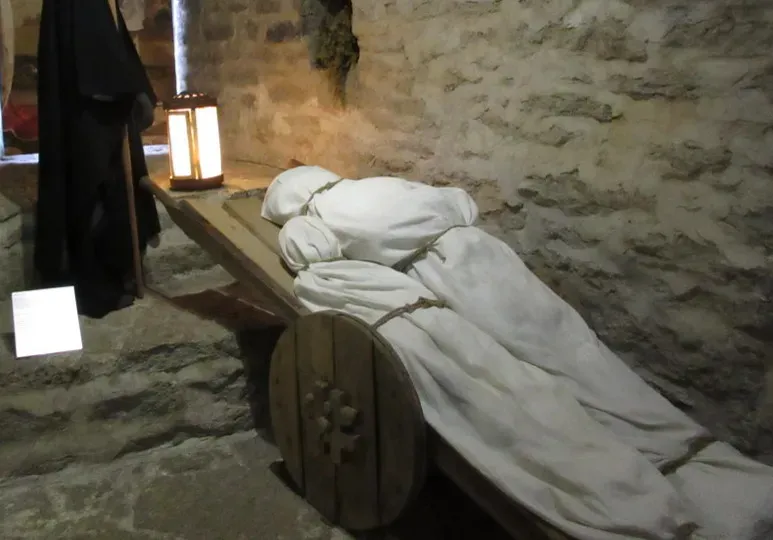
The so‑called Justinian Plague, which began in the sixth century, has been blamed for reshaping the Mediterranean world, weakening empires, and dimming the lights of late antiquity. For a long time, historians debated what disease it actually was and how deadly it might have been. With the rise of ancient DNA techniques, researchers have recovered fragments of genetic material from teeth in old graves, and the culprit turns out to be a familiar one: the bacterium responsible for bubonic plague.
By comparing ancient strains to modern ones, scientists can trace how the pathogen evolved and moved through populations over time. The emerging story suggests waves of outbreaks over several centuries, interacting with climate fluctuations, shifting trade routes, and political chaos. While there is still heated discussion about exactly how many people died, the riddle of “what disease was this?” is now far closer to being settled. It’s eerie to realize that a microscopic enemy known from medieval Europe had already been rewriting history nearly a thousand years earlier.
How Old Are Some of Humanity’s Earliest Stories?
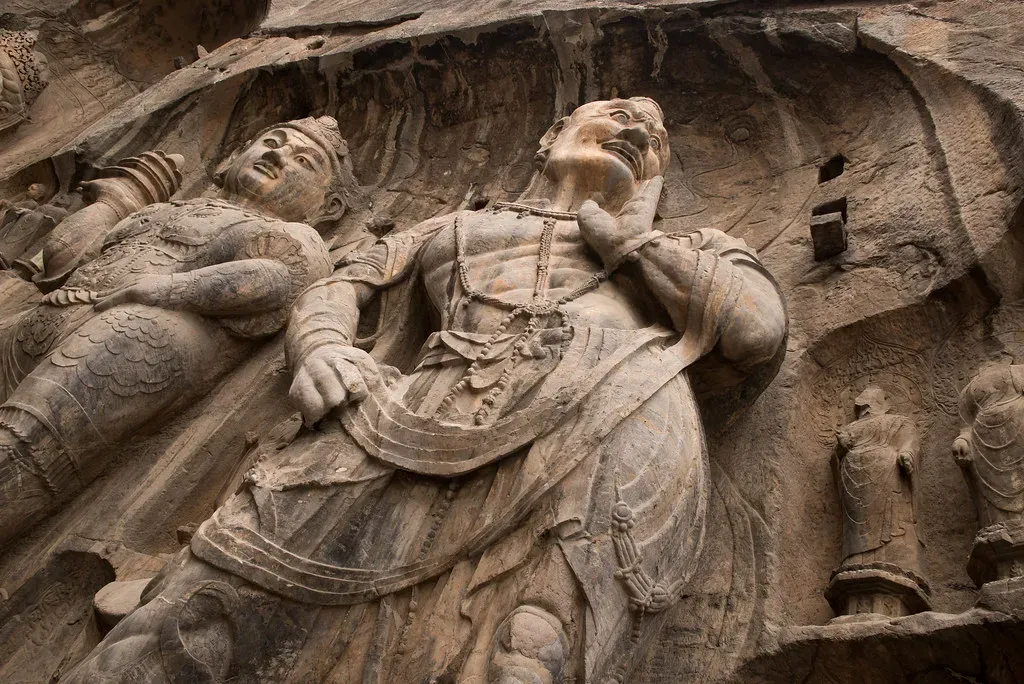
Myths used to be treated as charming but unreliable: interesting for what they say about a culture’s imagination, not for what they reveal about real events. Lately, a mix of geology, linguistics, and archaeology has been quietly challenging that assumption. In some cases, oral traditions describing floods, volcanic eruptions, or coastline changes line up strikingly well with known geological events from thousands of years ago, suggesting that certain stories are far older than anyone assumed.
Researchers analyzing shared themes across related languages can sometimes estimate when a story might have first taken shape, then compare that rough age to the physical record. In one sense, science is discovering that collective memory can last far longer than an individual lifetime, more like a long‑running relay race than a single voice. This doesn’t mean every legend maps neatly onto a specific event, but it does mean we have to take the possibility more seriously than before. Some of the oldest riddles of all – the ones people told around fires long before writing – may carry faint but real echoes of worlds that no longer exist.
In the end, these seven riddles show how history changes when you shine new kinds of light on old evidence. As tools get sharper and data sets grow, the past stops looking like a stack of settled facts and starts feeling more like an ongoing investigation that we’re all living in the middle of. Which of today’s certainties do you think might turn out to be our next great historical misunderstanding?