
You probably think of the ocean as something you’ve seen – sunlit waves, sandy beaches, maybe a snorkel adventure over a coral reef. Here’s the uncomfortable truth: you’ve barely scratched the surface. Literally. Only about five percent of the ocean has ever been explored by humans, and less than ten percent has been mapped using modern sonar technology. That means the vast majority of our own planet is a mystery we haven’t even introduced ourselves to yet.
What makes this even more mind-blowing is that the deeper scientists go, the more they find. Not empty darkness. Not barren seabeds. Actual ecosystems, bustling with life forms that have never seen sunlight and never will. Let’s dive in – because what’s waiting down there is stranger, more beautiful, and more important than most people realize.
The Ocean’s “Twilight Zone” – A Living Library Hidden in the Dimness
Imagine descending into water where the light fades from aquamarine to deep blue to near-nothing, right around 55 to 100 meters deep. Scientists call this the mesophotic zone, or more poetically, the “twilight zone.” Life thrives in this dim underwater world between 55 and 100 meters deep, and the creatures here make their homes on unusual structures on the seafloor. It sounds eerie, and honestly, it is.
Scientists working near Guam gathered 2,000 specimens and identified 100 species never before recorded in the region – and at least 20 appear to be completely new to science. Think about that for a second. An entirely new catalog of life, hiding in water that isn’t even that far from the surface. The twilight zone is too deep for conventional scuba divers and too shallow to attract submersibles or remotely operated vehicles, which is exactly why this area remains largely unexplored and seldom sampled.
Researchers also made a concerning discovery here: temperature monitors showed that ocean warming is occurring even in the twilight zone – an area where temperature data is rarely collected. Scientists previously thought deep reefs might escape human damage. The evidence shows they were wrong. The twilight zone is not just a biological wonder. It’s a warning light, flashing in the dark.
Hydrothermal Vents – Cities of Life Built on Liquid Fire
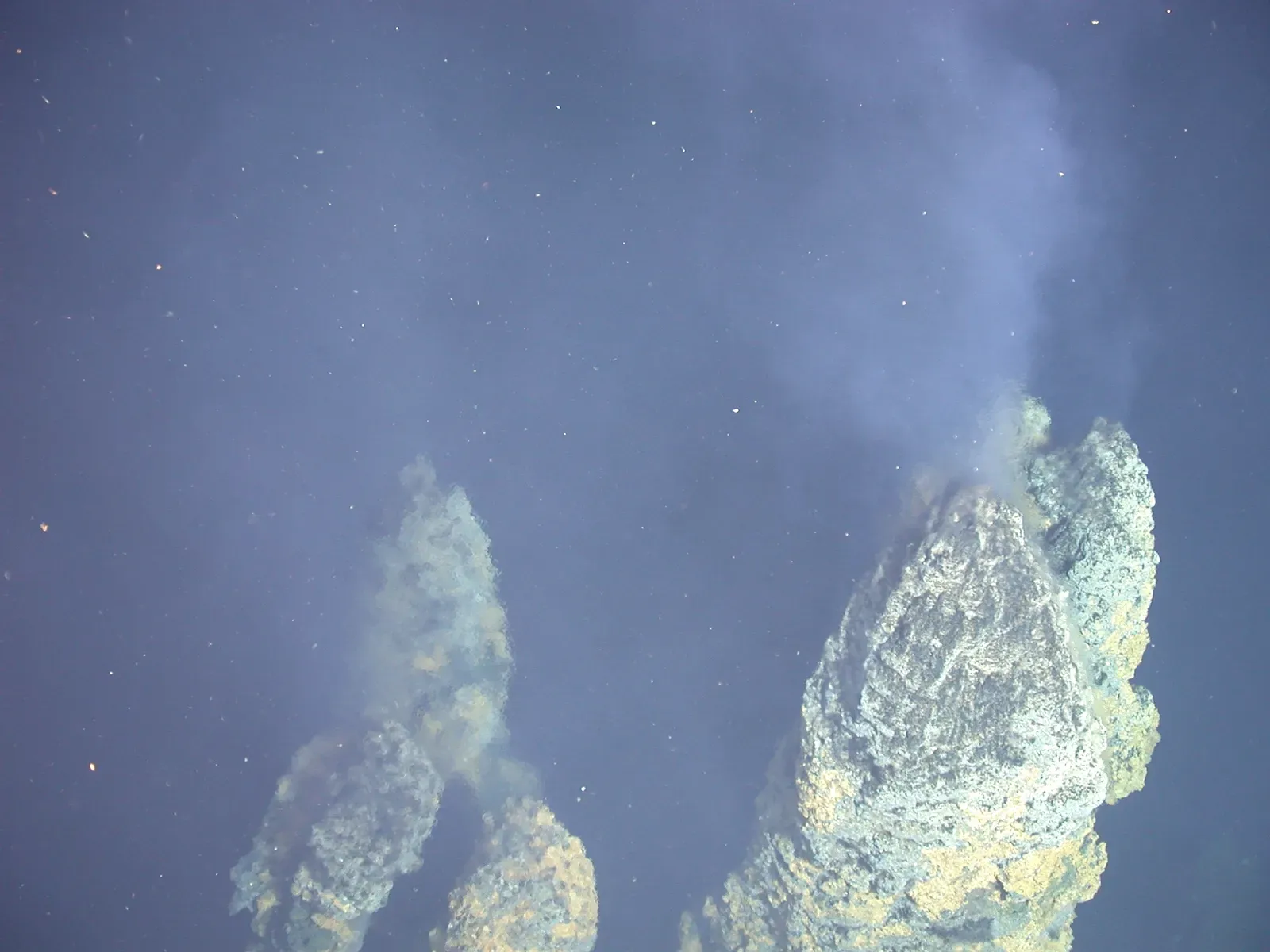
Here’s a place that sounds like it belongs in a science fiction novel. Deep along the ocean’s mid-ocean ridges, cracks in the seafloor belch superheated water rich in minerals. Hydrothermal vents form in volcanic areas where subseafloor chambers of rising magma create undersea mountain ranges. Cold seawater seeps into cracks in the seafloor, gets heated by magma-heated rocks, and then percolates back up loaded with chemicals. The result? Something extraordinary.
Hydrothermal vents are recognized as chemosynthetic-based ecosystems where primary productivity is fueled by chemical compounds rather than light. The water from the vents is rich in dissolved minerals and supports enormous populations of chemoautotrophic bacteria, which use sulfur compounds – particularly hydrogen sulfide, toxic to most known organisms – to produce organic material. Think of it like a city powered entirely by volcanic chemistry instead of sunlight.
Using an underwater robot, one science team overturned chunks of volcanic crust and discovered cave systems teeming with worms, snails, and chemosynthetic bacteria. The discovery adds a new dimension to hydrothermal vents, showing that their habitats exist both above and below the seafloor. Over 300 new species have been discovered at hydrothermal vents alone – and scientists are still just getting started.
The Clarion-Clipperton Zone – A New Branch of the Tree of Life
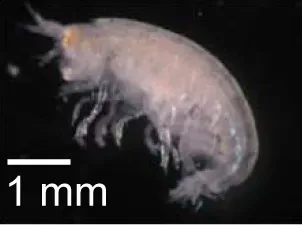
This is the one that honestly stopped me cold when I read it. Scientists don’t just discover new species every day – discovering an entirely new superfamily, a genuinely new branch on the evolutionary tree of life, is something that almost never happens. Yet that’s exactly what occurred in the Clarion-Clipperton Zone, a vast stretch of the Pacific Ocean floor. Researchers discovered 24 new species of amphipods in the Pacific’s Clarion-Clipperton Zone, including a rare, entirely new superfamily. The findings reveal previously unknown branches of life and push the boundaries of how deep these creatures are known to live.
The findings were published in an open-access ZooKeys special issue and represent a major step forward in documenting life in the CCZ. This vast region stretches across six million square kilometers between Hawaii and Mexico and remains one of the least understood ecosystems on Earth. Six million square kilometers of almost total scientific darkness. With more than 90% of species in the CCZ still unnamed, each species described is a vital step toward improving understanding of this fascinating ecosystem. That number alone should stop you in your tracks.
Deadly Brine Pools of the Red Sea – Liquid Death That Might Explain the Origins of Life
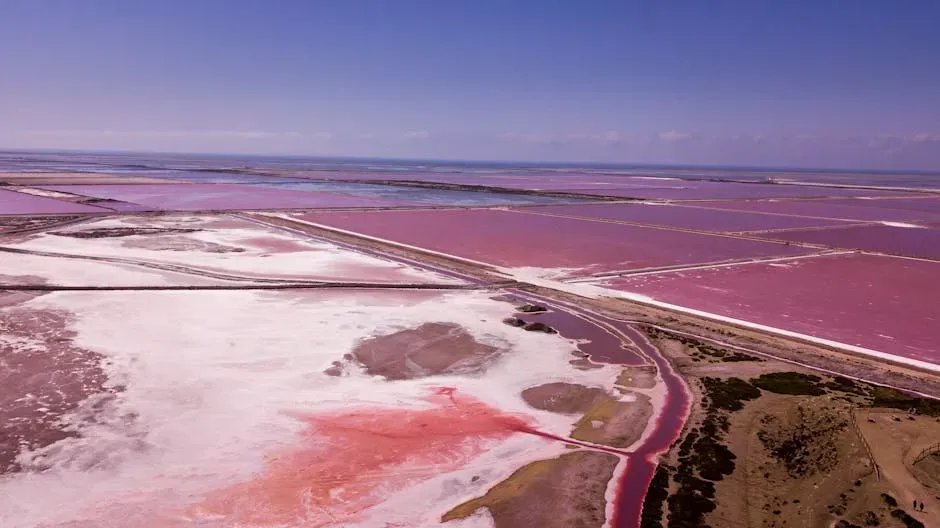
There are places at the bottom of the Red Sea where the water itself becomes a trap. These are brine pools – pockets of dense, hyper-salty liquid resting on the seafloor like lakes within the ocean. While these so-called “death pools” may seem like an inhospitable abyss, researchers believe they could hold crucial insights into the origins of life on Earth, and even resemble conditions found on distant water worlds beyond our solar system. When I say they’re deadly, I mean it – fish that drift in simply stop moving.
These pools essentially serve as natural feeding stations for deep-sea hunters, who have learned to wait patiently at the pool’s edge for stunned prey to drift toward them. This unique predator-prey dynamic is rarely seen elsewhere in the ocean and highlights just how alien and unforgiving these environments can be. Yet microbes thrive inside the pools themselves. Beyond offering a glimpse into Earth’s ancient history, these deadly pools may help guide the search for life on other planets. Scientists speculate that similar brine-rich environments could exist beneath the icy surfaces of Jupiter’s moon Europa, Saturn’s moon Enceladus, and exoplanets in distant star systems.
The Arctic Deep – A Hidden Gas Hydrate Oasis Nobody Knew Existed
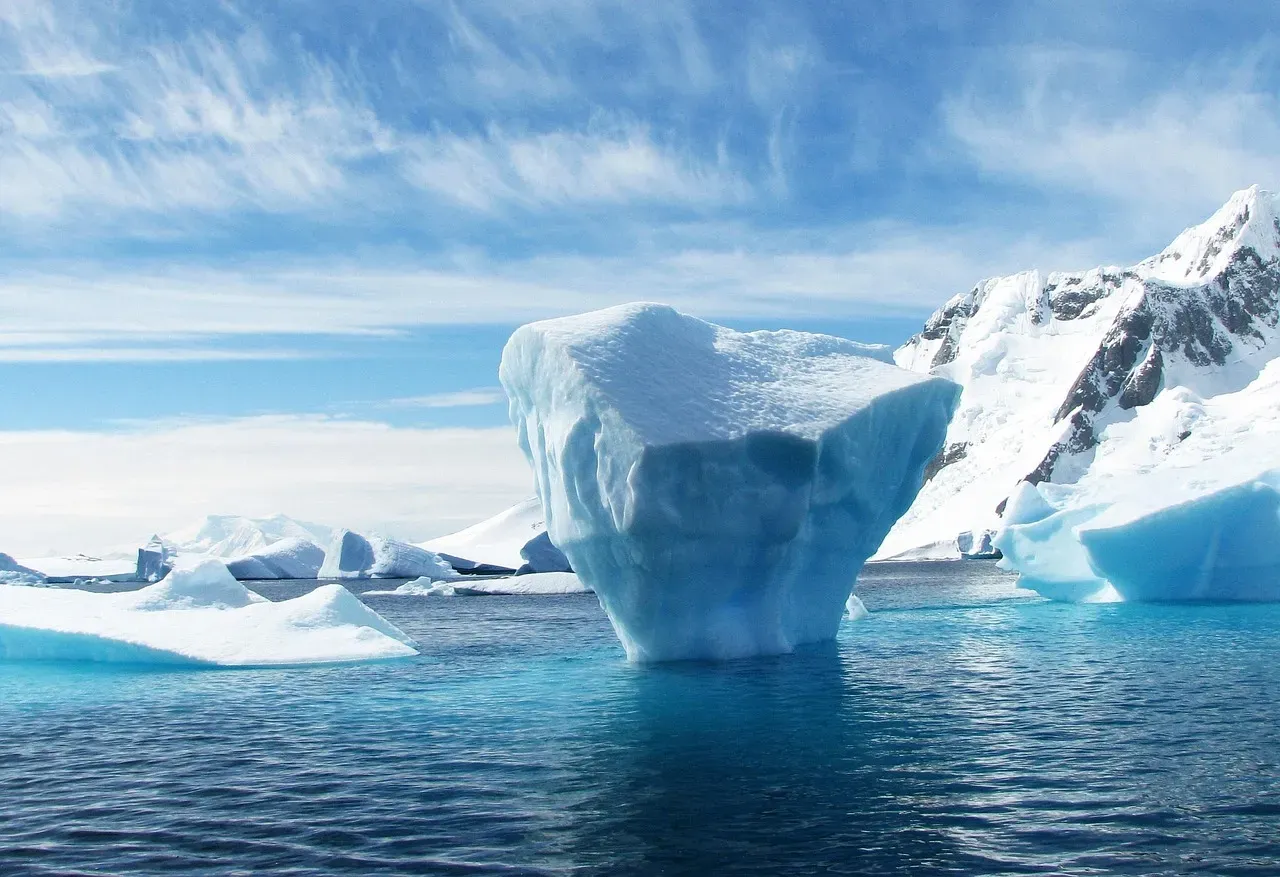
The Arctic Ocean is cold, remote, and largely ignored by the scientific community compared to more accessible seas. That oversight is now proving costly – and revelatory. Scientists have discovered a hotspot of weird marine life more than two miles underwater in the Arctic, making it the deepest known example of an environment called a gas hydrate cold seep. The ecosystem thrives not on sunlight, not on warmth, but on gases seeping from the seafloor.
In addition to the biological hub at the Freya mounds, the team also explored ecosystems living on hydrothermal vents in the nearby Fram Strait. Hydrothermal vents form at fissures in the seafloor where hot mineral-rich water erupts into the ocean, and they too support rich chemosynthetic ecosystems. Remarkably, the expedition revealed that the organisms living in the hydrate seeps and the vent systems are related, suggesting an ecological connectivity in the Arctic that is absent in other parts of the ocean.
Gas hydrates store huge volumes of greenhouse gases like methane, which could potentially be released as ocean temperatures rise, making these environments a wild card for climate predictions. While the Freya mounds are too deep to be affected by ocean warming, their discovery helps fill in the map of gas-rich sites in the ocean. The stakes here go far beyond biology – this hidden world could play a role in our planet’s climate future.
Deep-Sea Canyons – Underwater Gorges Teeming With Pastel Monsters
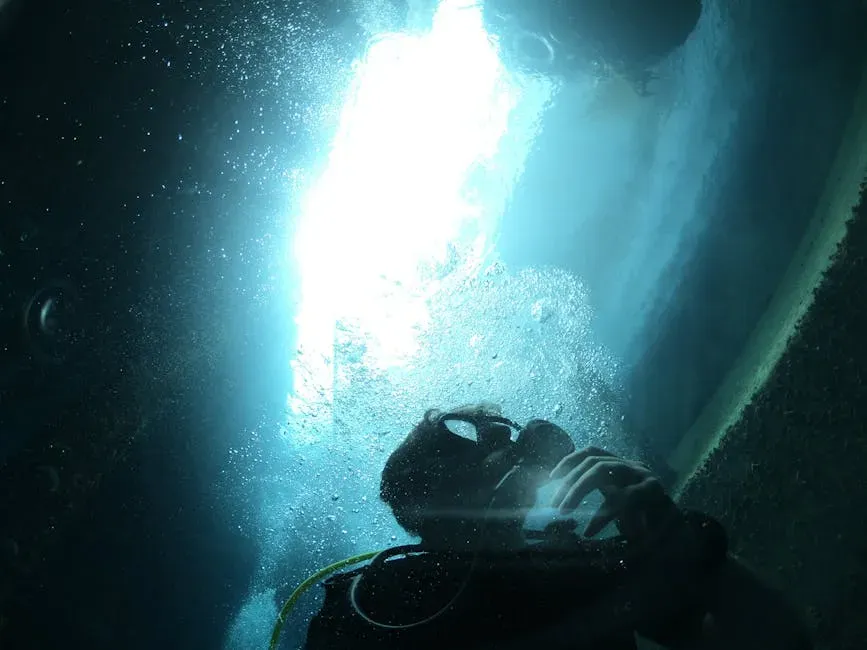
You might picture the ocean floor as flat and featureless. It isn’t. Carved by powerful currents over millions of years, deep-sea canyons plunge to staggering depths and funnel nutrients, organisms, and sediments in ways that create some of the richest biodiversity hotspots on the planet. On a mission exploring submarine canyons, researchers snapped dramatic photos of anglerfish lurking in the shadows. These canyons are carved by strong currents that funnel sediments, nutrients, and organisms through the system, acting like a moving buffet for creatures within.
Scientists aboard the Schmidt Ocean Institute’s research vessel Falkor explored the Mar del Plata Canyon over three weeks and recorded many strange and startling sights, including more than 40 species that may be new to science. Pink lobsters, glittering comb jellies, mother octopuses clutching their eggs behind vivid corals – the scene was almost surreal. The area off Argentina’s northeastern coast is shaped by two converging currents: one salty and flowing from the tropics, the other cold and rich with nutrients sweeping up from Antarctica. Deep-sea canyons such as Mar del Plata act like funnels, channeling and concentrating those waters. Life gathers where the food gathers. Simple as that.
The Antarctic Iceberg Underworld – Life Waiting Beneath the Ice for Centuries
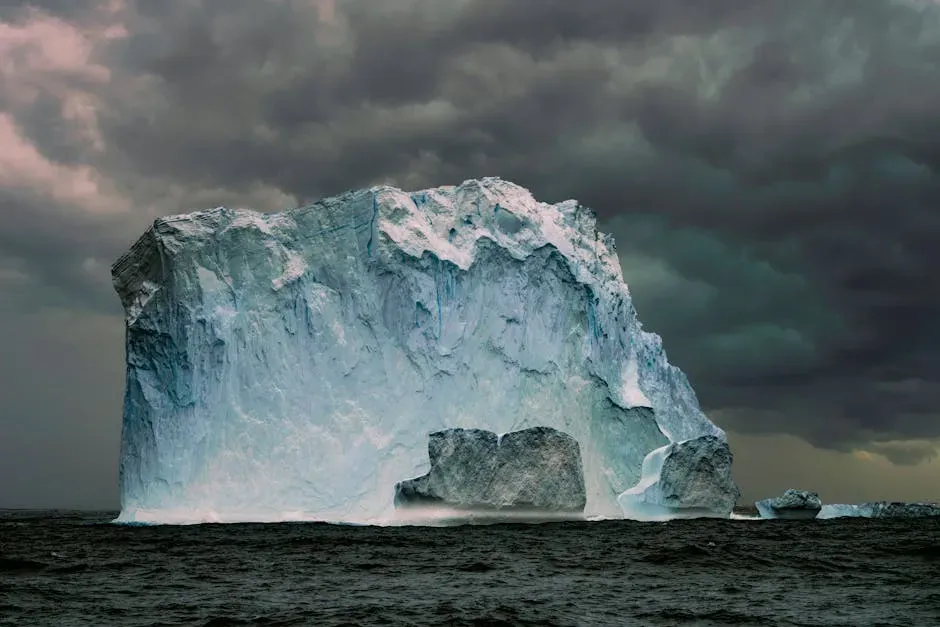
In January 2025, an iceberg roughly the size of Chicago broke away from an Antarctic ice shelf. Most people heard the news as a climate story. Scientists saw something else entirely – an opportunity. When the iceberg broke away, Schmidt Ocean Institute scientists raced over in their research vessel to glimpse what life forms had been dwelling below. There was a sense of going into a complete unknown. What they found was a vibrant and alien-like ecosystem of anemones, sea spiders, icefish and octopuses – including some new species – that had been living there for decades or even hundreds of years.
A large sponge, a cluster of anemones, and other life was seen nearly 230 meters deep at an area of the seabed that was very recently covered by the ice shelf. Sponges can grow very slowly, sometimes less than two centimeters a year, so the size of the specimen suggests this community has been active for decades, perhaps even hundreds of years. An entire ecosystem, sealed off from human eyes for potentially centuries, living in total darkness under a frozen ceiling.
Sea stars thriving in the extreme conditions of hydrothermal vent fields near these frozen regions play a crucial role in deep-sea ecosystems, often acting as scavengers that recycle nutrients and support the deep ocean’s delicate balance. These discoveries highlight the importance of continued exploration in the Arctic, as rapid climate change alters its fragile ecosystems. The ice is retreating. And in doing so, it’s accidentally giving science a backstage pass to worlds it never expected to find.
A Planet We’ve Barely Met
Let’s be real – the ocean has been right here the whole time, and we’ve been treating it like a backdrop. More than 80 percent of the marine environment remains unexplored and unmapped. That’s not a gap in knowledge. That’s a canyon. And what’s falling into view as technology finally catches up is nothing short of astonishing – new branches of evolution, alien chemistries, ecosystems that rewrite biology textbooks, and habitats that could guide the search for life on other planets.
Every one of these seven hidden worlds has something to teach us. About resilience, about the creativity of evolution, and about how little we truly know of the planet we call home. Every expedition reveals new life forms, new ecosystems, and new questions about how life survives in such extreme conditions. These discoveries are not isolated – they connect to climate systems, global biodiversity, and even the search for life beyond Earth. The oceans are speaking. The only real question is whether we’re paying attention.
What surprises you most – the fact that life thrives in total darkness, or that we’ve only just started looking? Drop your thoughts in the comments.