
Think you know everything about ancient civilizations? Let me tell you, most textbooks barely scratch the surface when it comes to the Americas. We’re talking about thousands of years of remarkable human achievement that gets overshadowed by pyramids in Egypt or ruins in Rome.
Long before European ships touched American shores, incredibly sophisticated cultures thrived across these continents. They engineered massive earthworks, created astronomical observatories, and built cities that rivaled anything in Europe at the time. Some of these places remain shrouded in mystery even today, waiting to reveal their secrets. So let’s dive in and explore seven hidden wonders you probably never learned about in school.
Poverty Point’s Ancient Engineering Marvel
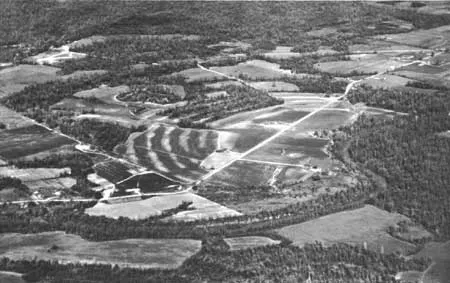
You’re standing before one of America’s most underrated archaeological treasures in northern Louisiana. Native Americans who occupied this area more than three thousand years ago were anything but simple hunters and gatherers – they were highly skilled engineers. Using modern research methods including radiocarbon dating and microscopic soil analysis, scientists discovered the earthworks were built rapidly, with essentially no evidence of weathering between levels that would suggest even brief construction pauses.
Here’s what really blows my mind. The Native Americans mixed different types of soil – clays, silts, and sand – in a calculated recipe to make structures virtually indestructible, similar to Roman concrete or rammed earth in China. The oldest mound, Lower Jackson Mound, has been dated to around 3900 BC, with the mounds and concentric half-circles shaped by hand without domestic animals and centuries before the invention of the wheel. The site was likely an important religious destination where Native Americans came in pilgrimage, abandoned abruptly between three thousand and three thousand two hundred years ago, most likely due to documented flooding and climate change.
Caral: The Forgotten City That Predates the Pyramids
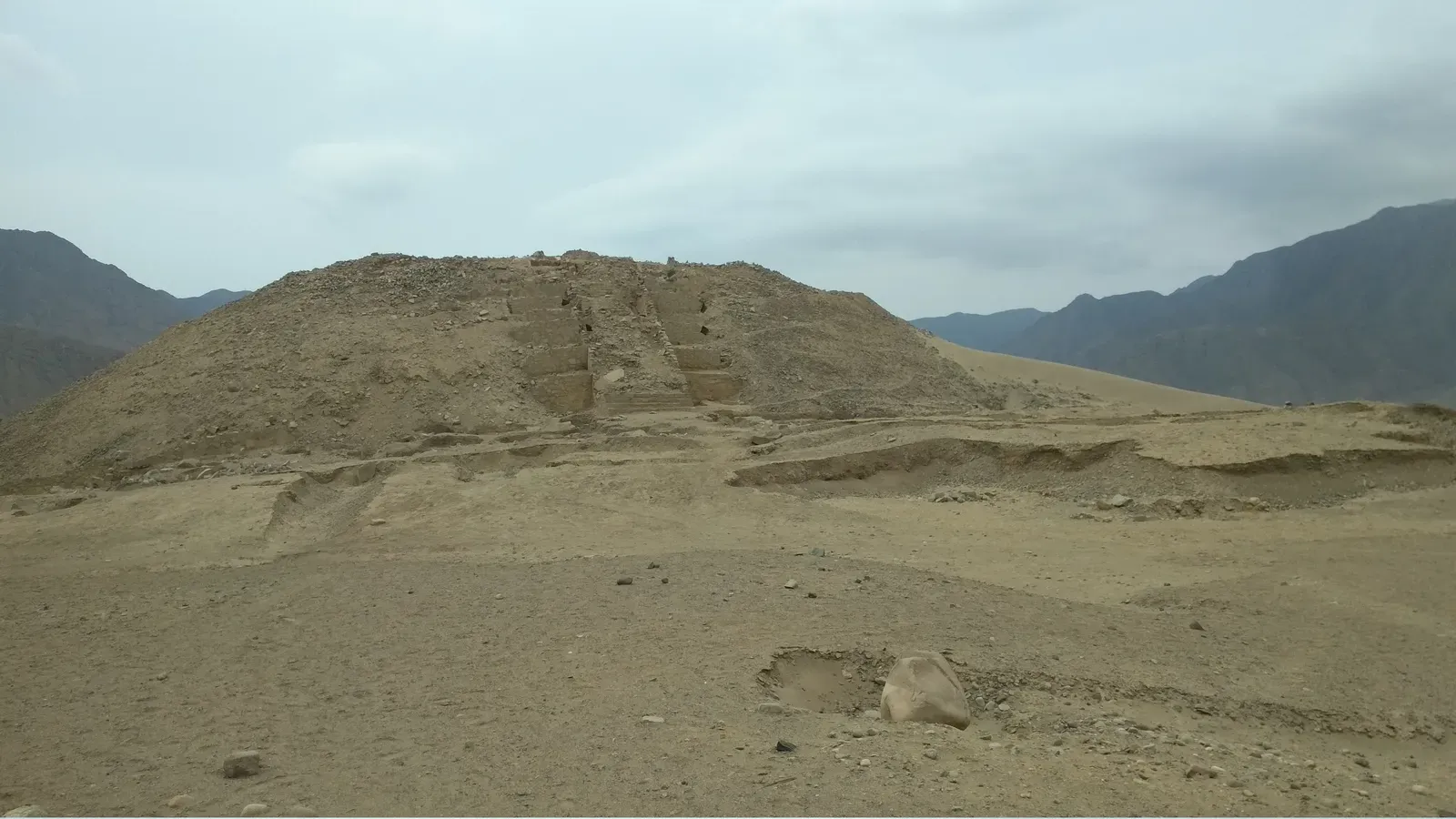
Few people realize that Caral, Peru, built towering pyramids five hundred years before Egypt’s first stone was laid. This isn’t some minor settlement we’re discussing either. The Norte Chico civilization, also known as Caral-Supe, is the oldest known civilization in the Americas and one of only six sites where civilization originated independently in the ancient world, flourishing between the thirtieth and eighteenth centuries BC.
Situated on a desert terrace overlooking Peru’s lush Supe River Valley, this five thousand year old site was declared a UNESCO World Heritage Site in 2009, celebrated not only for its antiquity but also for its advanced sociopolitical organization and architectural sophistication. The really fascinating debate among scholars? There’s ongoing scholarly debate over the extent to which Norte Chico’s flourishing resulted from its abundant maritime food resources, with Michael E. Moseley contending in 1973 that a maritime subsistence economy had been the basis of society. This challenged conventional wisdom that civilization arose only from intensive grain-based agriculture.
Cahokia: North America’s Lost Metropolis
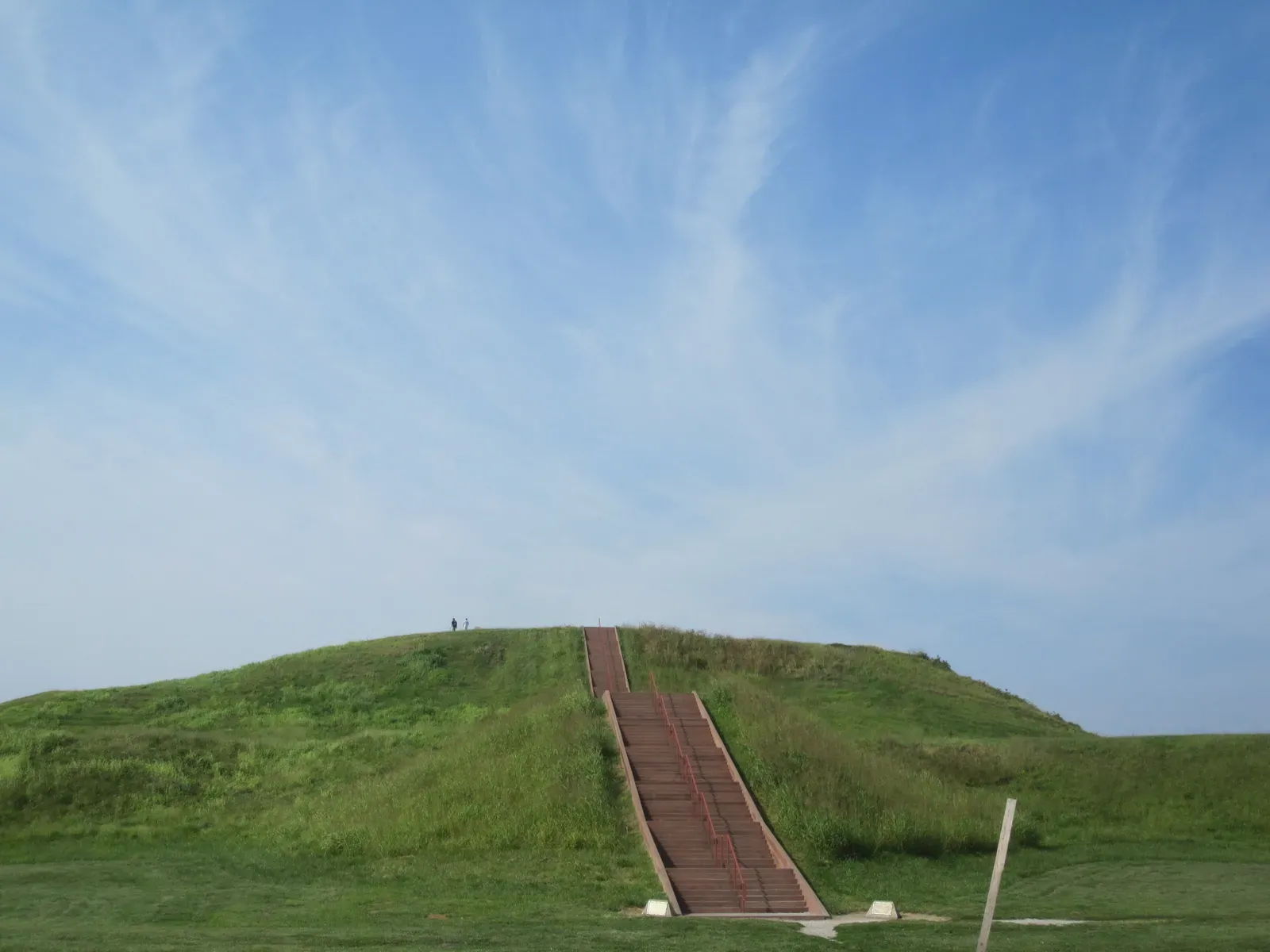
Let’s be real, when you think of medieval cities, London probably comes to mind. But Cahokia housed more people than medieval London. Spread across six square miles with an estimated population between ten thousand and twenty thousand, Cahokia was once bigger than London, or at least London as it was in AD 1250, which is when North America’s first known city reached its peak.
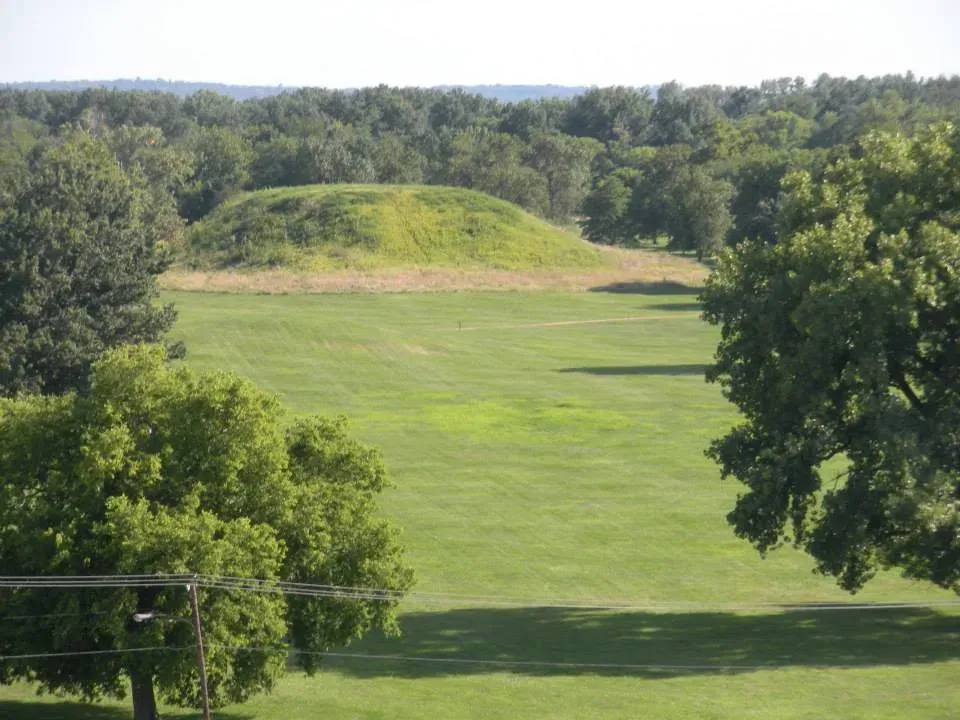
Cahokia was a center of a civilization that existed from around AD 600 to 1400 on the east bank of the Mississippi River, one of the most sophisticated cities in pre-Columbian North America, covering around six square miles with evidence that the city was inhabited by a farming community that grew crops such as corn, beans, and squash. The land is dotted with more than one hundred earthen mounds whose origins are shrouded in mystery, with a series of ceremonial calendars made with red cedar posts that line up with the rising sun on certain days of the year built around AD 1100. Today you can visit this incredible site just outside Collinsville, across the Mississippi River from St. Louis.
The Meadowcroft Rockshelter Mystery
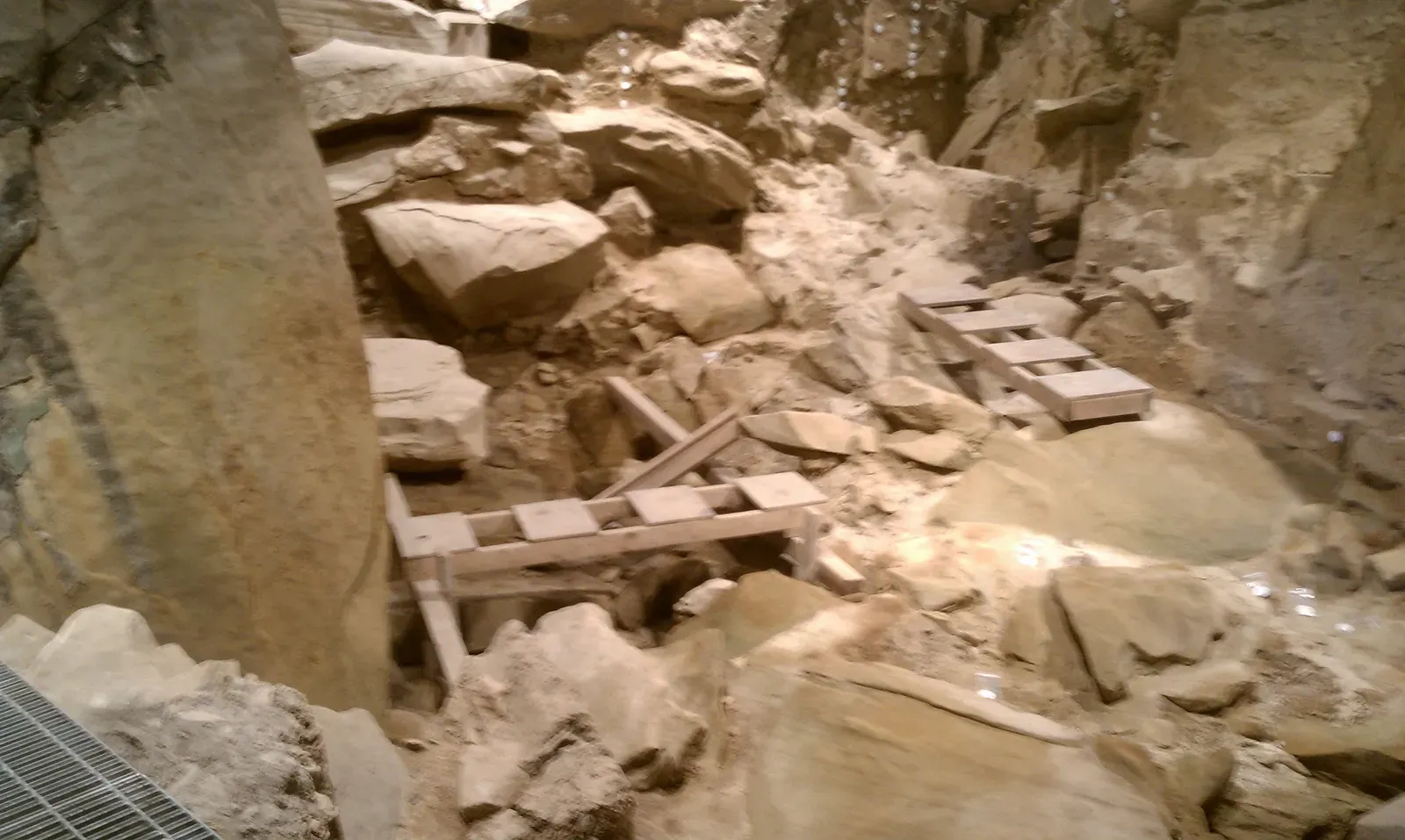
When Albert Miller found a prehistoric tool on his family farm in 1955, he had no idea his discovery would eventually yield nearly two million ancient artifacts dating back sixteen thousand years, with a rock ledge overhang showing evidence of campers dating back nineteen thousand years, making Meadowcroft Rockshelter, believed to be the oldest human settlement in the U.S., designated a National Historic Landmark in 2005.
Known as one of the most significant prehistoric sites in North America thanks to its careful preservation, Meadowcroft was discovered in the 1950s and dates back more than sixteen thousand years, with the rockshelter harboring a wealth of artifacts from stone tools to weapons that tell the story of early human life in the area, including pottery, plant and animal remains, and one of the earliest hearths to be discovered in North America. This Pennsylvania site completely challenges traditional theories about when humans first arrived in the Americas. It’s hard to say for sure, but the evidence keeps mounting that people were here way earlier than we thought.
White Sands: Footprints Through Time
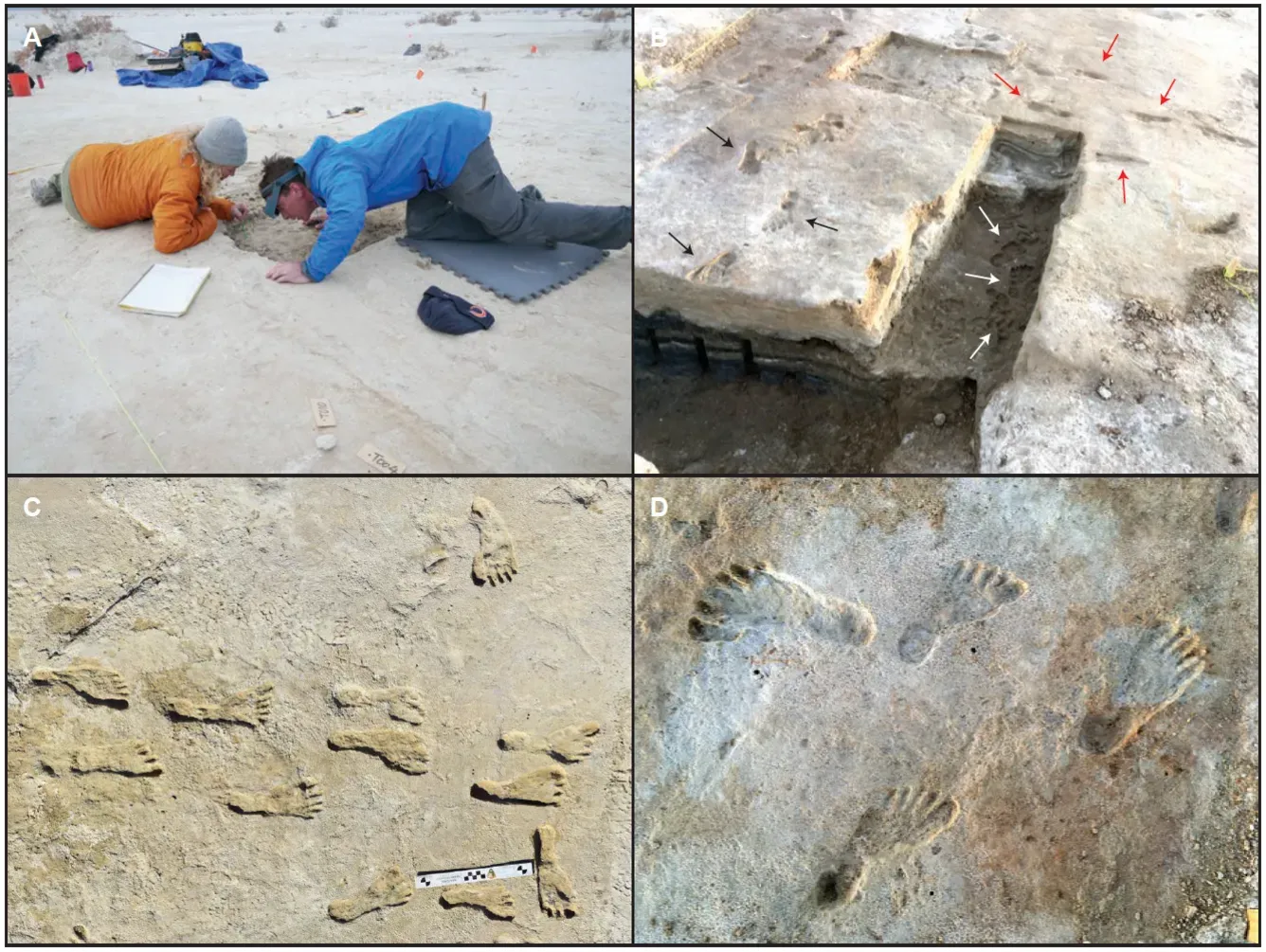
In 2021, scientists reported finding 61 fossilized footprints preserved in ancient lake sediment at White Sands National Park in New Mexico, estimated to be between 21,000 and 23,000 years old, representing the oldest known evidence of human presence in North America. Picture this: teenagers and kids walking across wet sand thousands of years before the Ice Age ended, their tracks preserved perfectly in the geological record.
The footprints, mostly belonging to teenagers and children, tell the story of how early North American inhabitants lived, with scientists believing that teenagers were responsible for fetching supplies while adults performed more skilled tasks, and also suspecting early North American children made more footprints than adults simply from playing. Experts have been aware of ancient footprints at White Sands since the turn of the twentieth century, but seeds found within the footprints push back their date of origin to 21000 BC, with a recent 2025 study also dating the footprints to 21000 BC. What makes this even more incredible is that these prints cross paths with those of mammoths and giant sloths.
Casa Grande’s Unsolved Purpose
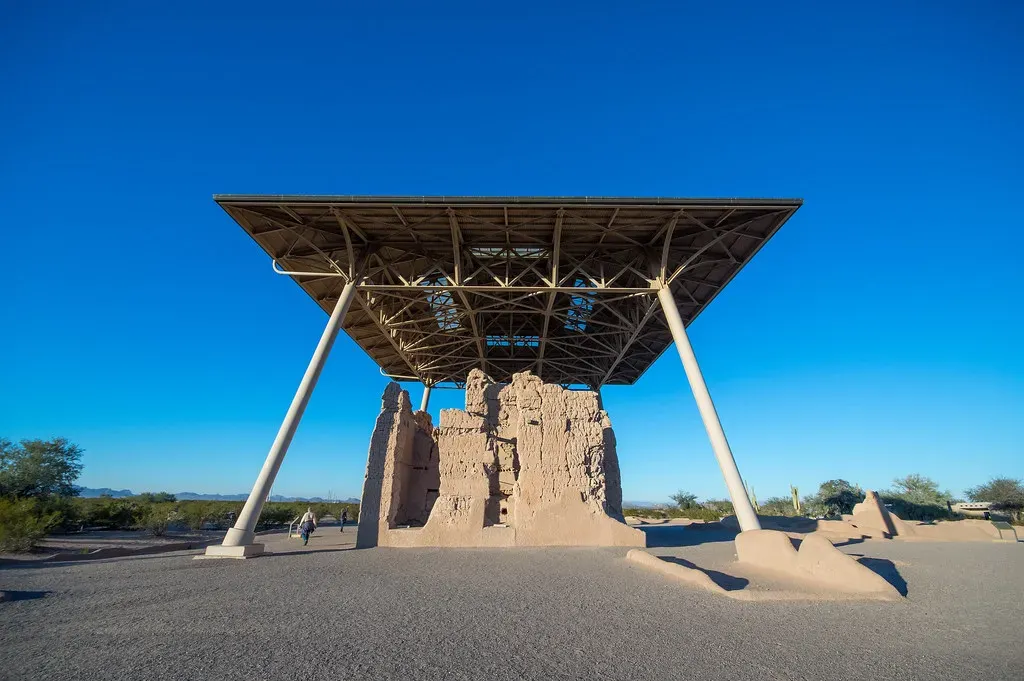
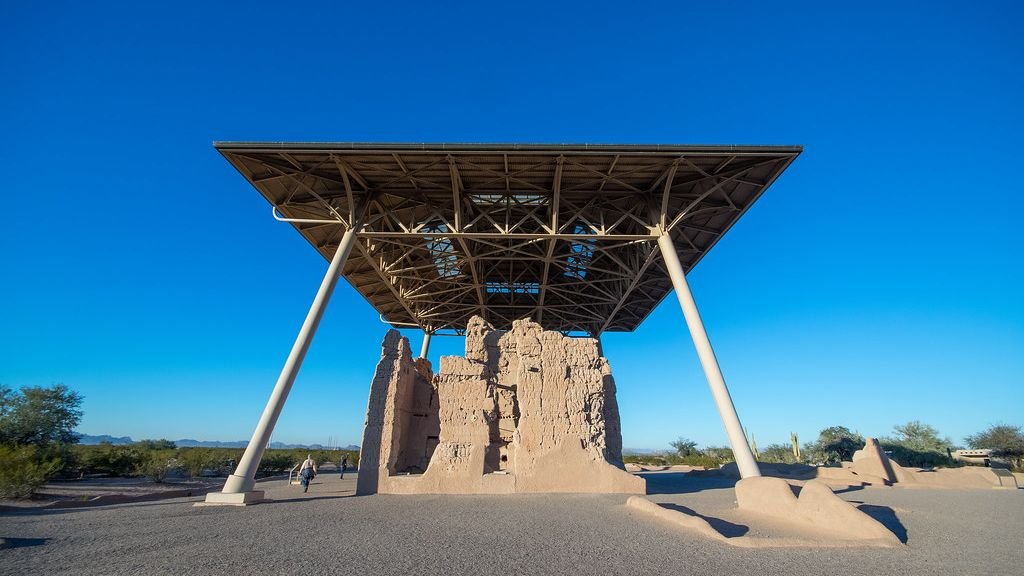
Archaeologists understand some things about Casa Grande in Arizona – they know it was probably constructed in the early thirteenth century using adobe, and that the full complex included several other adobe structures and a ball court surrounded by a wall, but they don’t know what the four-story central building was for: a guard tower, a grain silo, a house of worship, or something else.
The site was abandoned nearly half a century before Columbus’s voyage to the Americas, long after the nearby Hopi had moved away, and was too ruined for early Spanish explorers to investigate what it was, with the main building now under a protective roof built by Civil Conservation Corps workers in the 1930s, making the full ruins a federally protected national park – the first prehistoric ruins to become such a park in the United States. Standing before it today, you can’t help but wonder what ceremonies took place within those massive adobe walls. The mystery persists despite decades of archaeological study.
Judaculla Rock’s Sacred Petroglyphs
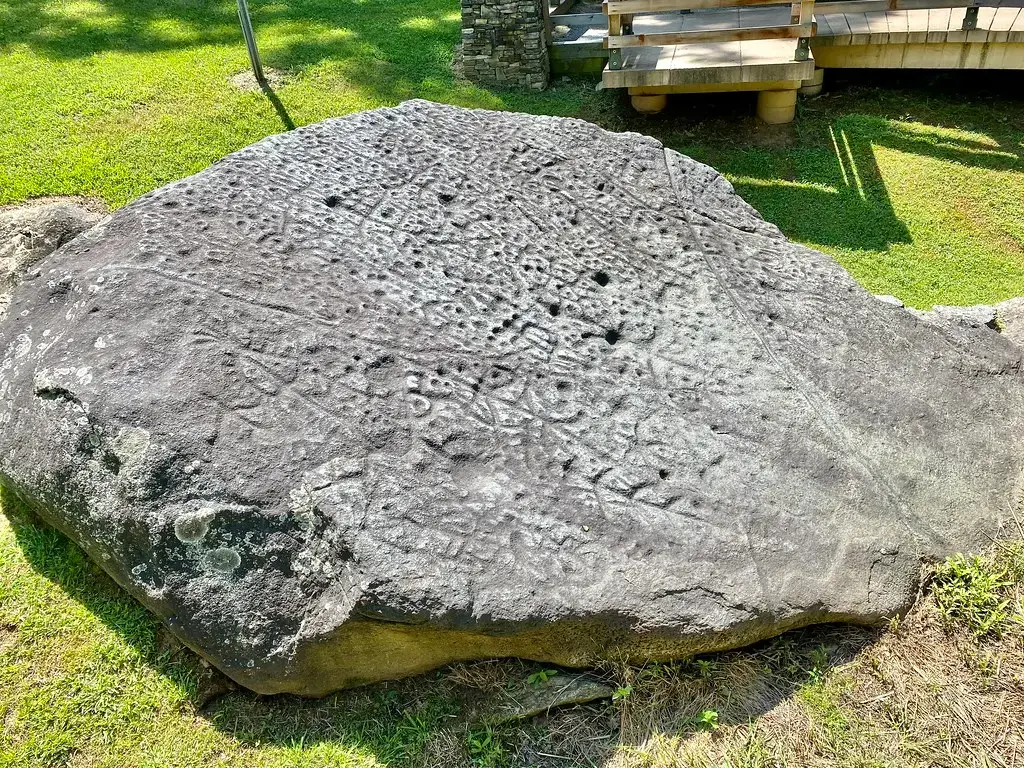
For years, the Cherokee people who lived near the soapstone boulder now known as Judaculla Rock used it as a sort of billboard, etching so many petroglyph designs into the North Carolina stone that even today it’s difficult to tell exactly how many there are, with the boulder also sporting seven grooves – the mythical footprints of a legendary giant – which contemporary archaeologists attribute to ancient masons mining soapstone to make bowls.
More than one thousand petroglyphs can be found on one boulder at this soapstone quarry in Jackson County, North Carolina, believed to pre-date Cherokee presence in the region, sacred to the Tribe which believes the markings were made by Judaculla, a powerful being also known as the “Great Lord of the Hunt,” with the site never excavated and believed to contain numerous other treasures below the surface. Research has been slow because soapstone is naturally fragile and the Cherokee still see the rock as a sacred artifact, though the Cherokee are working with visitors and researchers to give them access while still preserving the stone. Honestly, it’s one of those places that makes you realize how much we still don’t understand about ancient American cultures.
Conclusion
These seven wonders barely scratch the surface of what accomplished. From engineered earthworks that rival Roman concrete to cities that dwarfed medieval London, these cultures demonstrated remarkable ingenuity and sophistication. The footprints at White Sands, the enigmatic purpose of Casa Grande, the sacred petroglyphs of Judaculla Rock – each tells a story that textbooks often overlook.
What strikes me most is how much remains unknown. Modern technology like LIDAR and advanced dating methods keep revealing new secrets, suggesting countless discoveries still await beneath our feet. These hidden wonders challenge everything we thought we knew about human achievement in the Americas. Next time someone mentions ancient civilizations, you’ll have some pretty impressive examples from your own continent to share. Did you expect that these American sites would rival the most famous ancient wonders around the world?