
Most people know Yellowstone, Yosemite, and the Grand Canyon. Those parks are spectacular, no argument there. But honestly, they can feel less like nature escapes and more like rush-hour traffic jams surrounded by trees. What if you could have all of that jaw-dropping American wilderness – without the tour buses, without the parking-lot chaos – and discover something even more extraordinary along the way?
While these iconic parks deservedly capture our imagination, they represent just a fraction of the natural wonders preserved within the U.S. National Park System. Beyond these well-trodden paths lie lesser-known parks that offer equally breathtaking landscapes, diverse ecosystems, and unforgettable experiences, often without the crowds. There are seven of these hidden wonders that deserve your full attention. Let’s dive in.
1. Mammoth Cave National Park, Kentucky: A World Beneath Your Feet
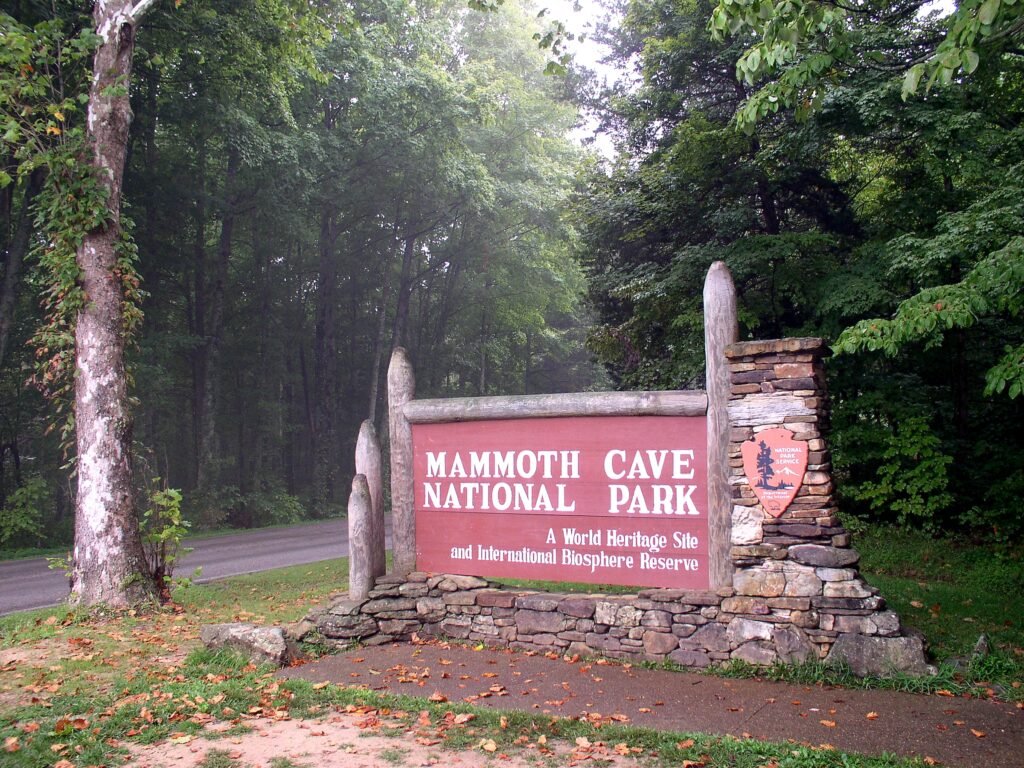
Picture yourself walking above a rolling Kentucky hillside, completely unaware that directly beneath your shoes lies the longest known cave system on Earth. That’s exactly the surreal reality of Mammoth Cave National Park. Literally hiding underground, Mammoth Cave National Park is home to the longest-known cave system in the world. At just over 53,000 acres, the above-ground landscape is home to rivers, rolling hills, historical buildings, and a variety of native plant and animal life. Underneath the gentle hills are 400 known miles of twisting caves, with as many as 600 unexplored miles connecting to those.
This cave system beneath the Green River Valley in Kentucky is the world’s longest known cave system, with some 400 miles explored and many more still to be mapped. Kids absolutely delight in exploring this aptly-named natural wonder, which is consistently 54 degrees, making it an accessible and comfortable activity whether it’s blazing hot or snowing on the surface. Think of it like a city underground, a whole parallel world running beneath ordinary farmland. The park has numerous tours set up for every interest and ability level, including fully accessible options. Reservations are required, so make sure to visit the Mammoth Cave National Park website to find the perfect match.
2. Great Basin National Park, Nevada: Where the Milky Way Casts Shadows
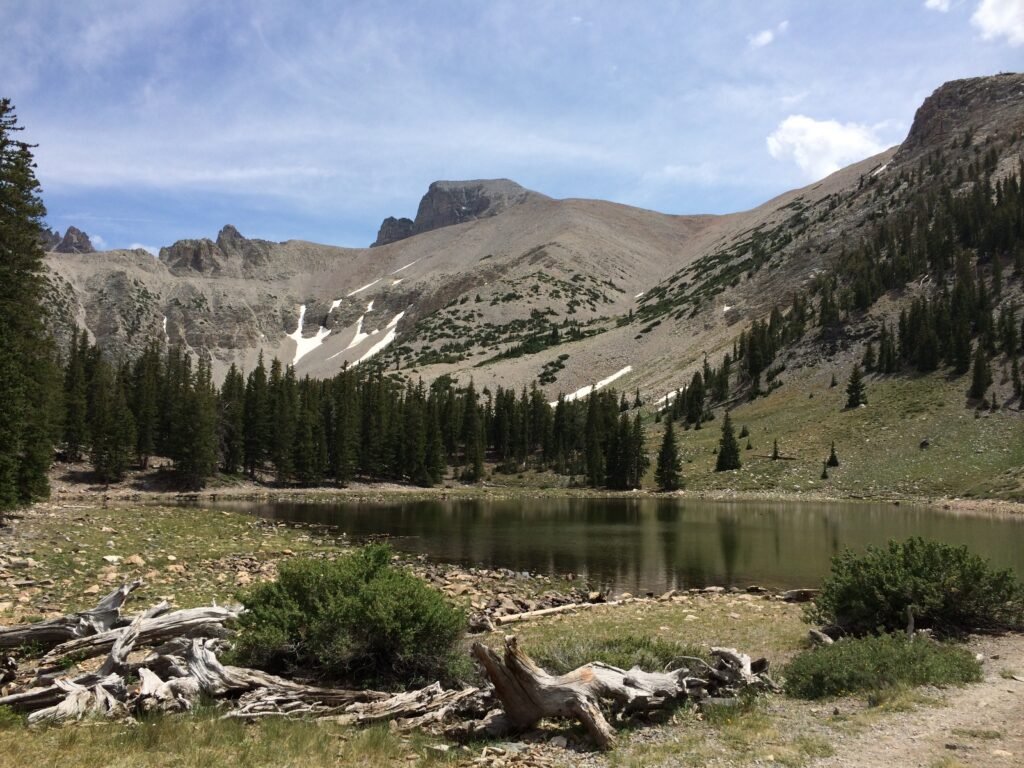
You probably didn’t expect to find one of America’s greatest stargazing destinations just a few hours from the neon glow of Las Vegas. I know, it sounds crazy. Nestled in eastern Nevada, Great Basin National Park is a stargazer’s paradise. With some of the darkest night skies in the lower 48 states, it’s a place where the Milky Way casts shadows on moonless nights. That’s not a poetic exaggeration. That is literally what happens there.
Great Basin offers stunning mountain landscapes, ancient bristlecone pines, and beautiful caves. You can hike to vistas, including the famous Wheeler Peak, the second-highest point in Nevada. The park is also home to the Lehman Caves, where you can see stalactites and stalagmites. The bristlecone pines here are among the oldest living organisms on the planet, some over 4,000 years old. Standing next to one of those ancient, gnarled trees puts everything in surprisingly humbling perspective.
3. Dry Tortugas National Park, Florida: America’s Most Remote Treasure
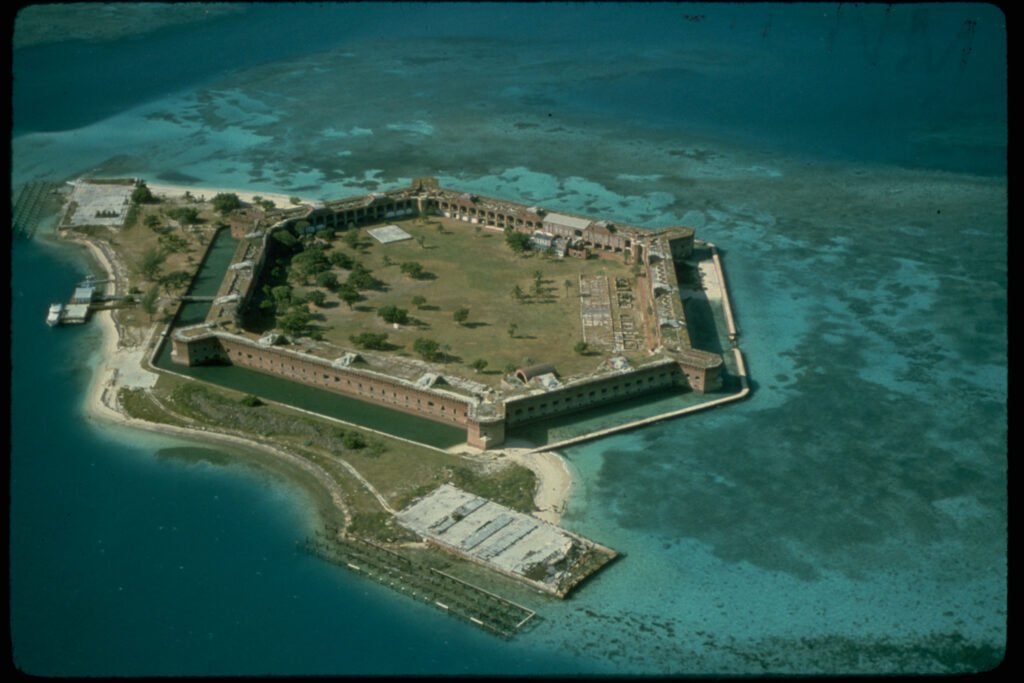
Here’s the thing about Dry Tortugas: you can only reach it by boat or seaplane. That natural barrier alone keeps the crowds away and keeps the magic intact. At the farthest end of the Florida Keys is the third-largest barrier reef system outside of Australia and Belize. Accessible only by boat or seaplane, the 100-square-mile park is primarily open, blue water, with an abundance of marine life living in and around its seven small islands.
Fort Jefferson, once a remote prison facility, remains the largest masonry structure in the Western Hemisphere. You can spy shipwrecks under the seas as well as a plethora of birds in the sky. Dry Tortugas National Park in the Florida Keys boasts the third-largest reef system in the world, where you can snorkel alongside tropical fish, sharks, sea turtles, and colorful coral. It’s like discovering a Caribbean island that somehow got tucked away inside the U.S. national park system. Honestly, few places in America feel this remote and this rewarding at the same time.
4. Big Bend National Park, Texas: Dinosaurs, Dark Skies, and Desert Solitude
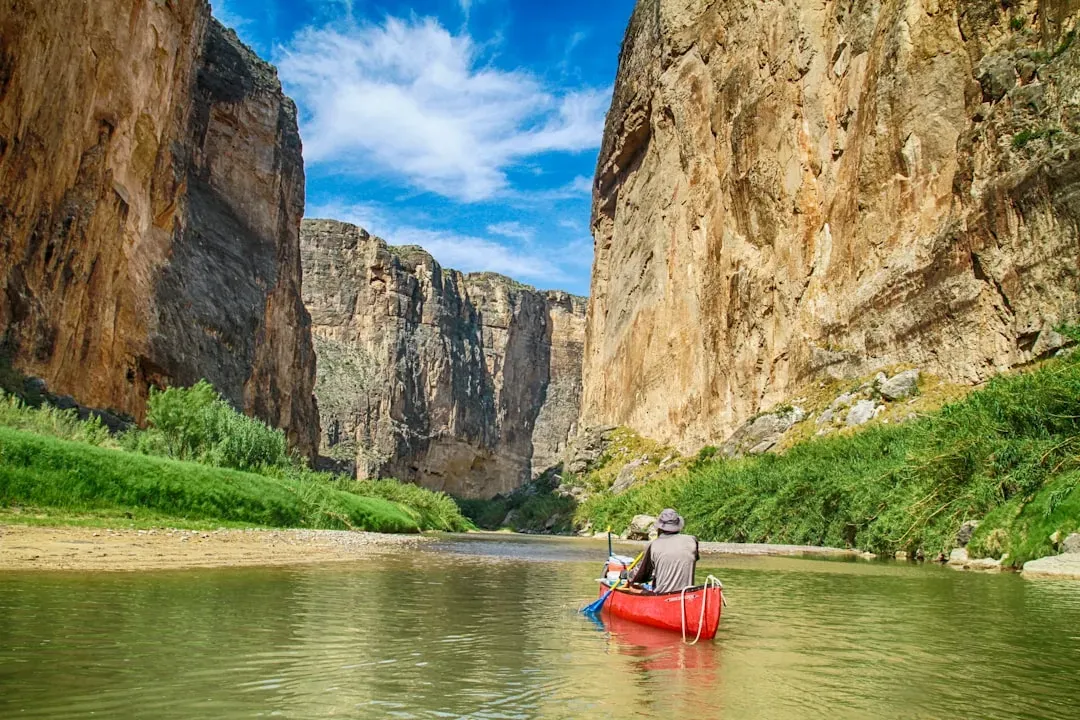
Big Bend is the kind of park that rewards the determined traveler. It’s not easy to reach, and that’s precisely the point. Tucked away in Southwest Texas, Big Bend National Park is more difficult to reach than many other national parks. It is this remote location that has allowed it to remain a bit of a hidden gem and definitely one of the most underrated national parks in the US. If you undertake the journey to Big Bend, you’ll be rewarded with an incredibly biodiverse desert and mountain landscape.
Big Bend is the national park attracting more bird species, 450 in all, than any other. Add to that the dinosaur fossils, stunning canyon views, and natural hot springs. While there are many incredible sights in Big Bend, including the Ross Maxwell Scenic Drive, Santa Elena Canyon, Chisos Basin, and Hot Springs, what really sets the park apart is its night skies. Big Bend is home to the darkest skies in the lower 48 states and is an International Dark Sky Park, so make sure you plan to stay into the night.
5. Channel Islands National Park, California: The American Galapagos
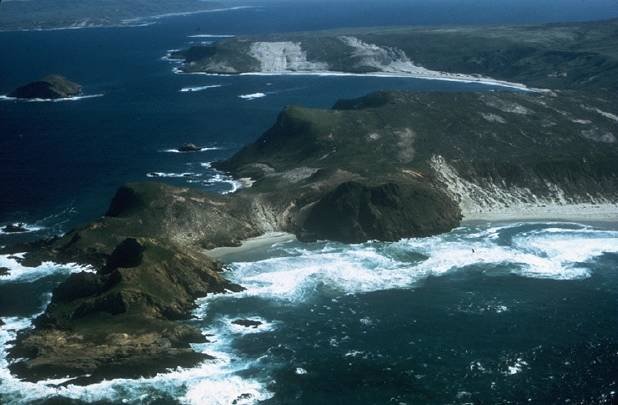
Most visitors to California never make the short journey offshore, which means they miss something truly extraordinary. Five of the eight Channel Islands and their surrounding waters are managed by the National Park Service, protecting this unique coastal Mediterranean ecosystem. Sometimes referred to as the “North American Galapagos,” there are 145 animals and plants totally unique to this area, like the island fox. These islands are also home to the largest breeding colonies of seabirds in the region, as well as the oldest dated human remains on the continent.
Painted Cave on Santa Cruz Island is one of the world’s largest known sea caves, with a length greater than four football fields. Nature lovers can choose from a plethora of outdoor recreation activities, including hiking, camping, snorkeling, fishing, surfing, as well as viewing birds, seals, sea lions, and whales. Think of it as California’s wild side, the version that hasn’t been tamed by freeways or filtered for Instagram. The islands are only accessible by boat or private plane from Oxnard or Ventura, which gives the whole experience a genuine sense of adventure and real escape.
6. Lassen Volcanic National Park, California: Fire, Mud, and Eerie Beauty
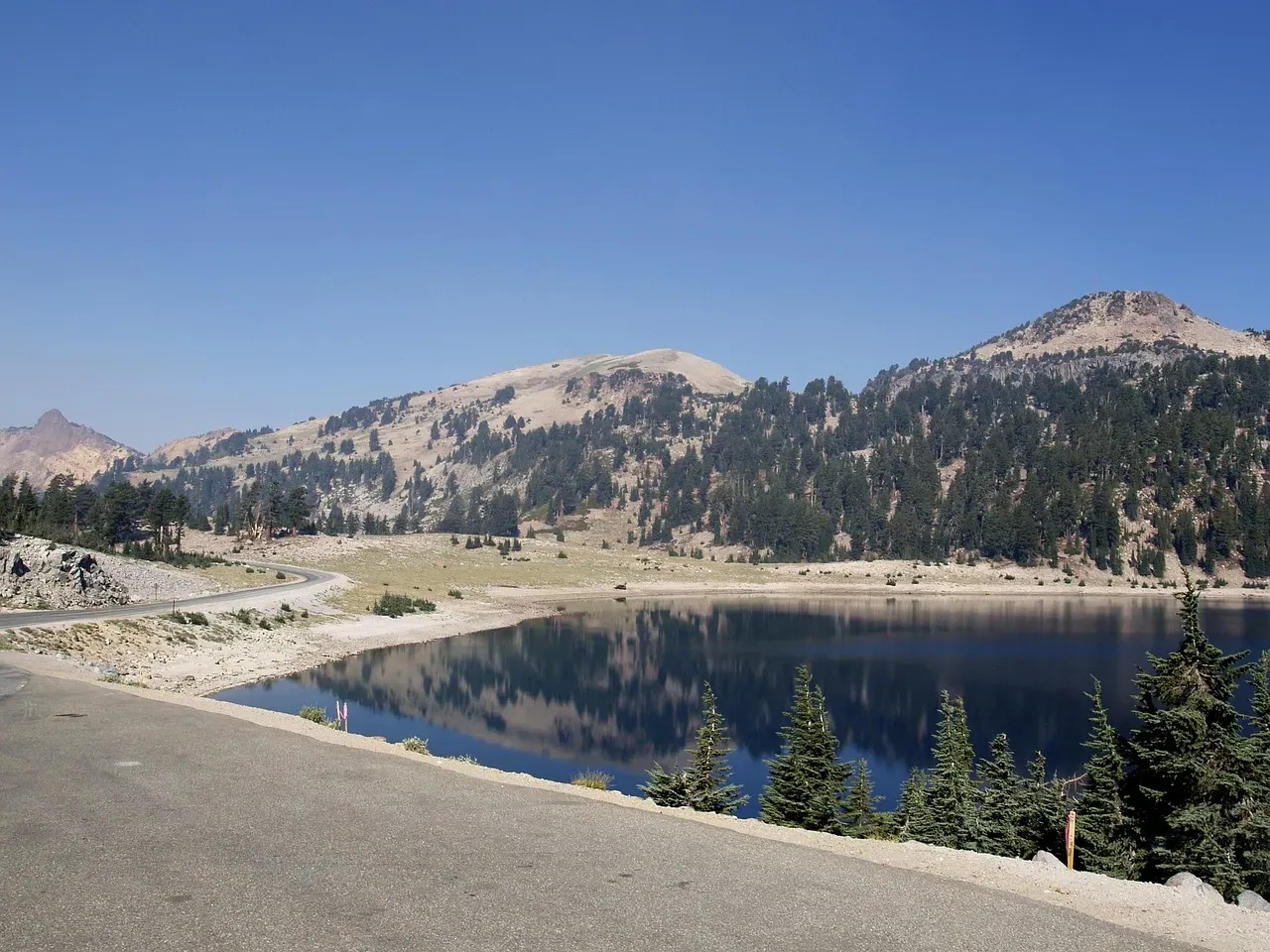
While millions of people queue up for Yosemite just a few hours south, Lassen sits quietly in northern California, bubbling and steaming with geothermal drama that honestly rivals anything Yellowstone has to offer. While millions flock to Yosemite and Sequoia, fewer than 100,000 visitors discover the otherworldly landscapes of Lassen Volcanic National Park each year. Located in northeastern California, Lassen is a geothermal wonderland, home to steaming fumaroles, boiling mud pots, and crystal-clear mountain lakes. The park’s centerpiece is Lassen Peak, one of the world’s largest plug dome volcanoes.
Hiking the Bumpass Hell Trail takes you through a 16-acre cauldron of boiling springs and steam vents, offering a glimpse into the Earth’s fiery core. Winter transforms Lassen into a snow-covered paradise, perfect for skiing, snowshoeing, and sledding. There’s something deeply humbling about standing next to a boiling mud pot while snow-capped peaks tower above you. It’s one of those rare places that makes you feel like you’ve landed on a different planet entirely, without ever leaving American soil.
7. Voyageurs National Park, Minnesota: A Water Wilderness Like No Other
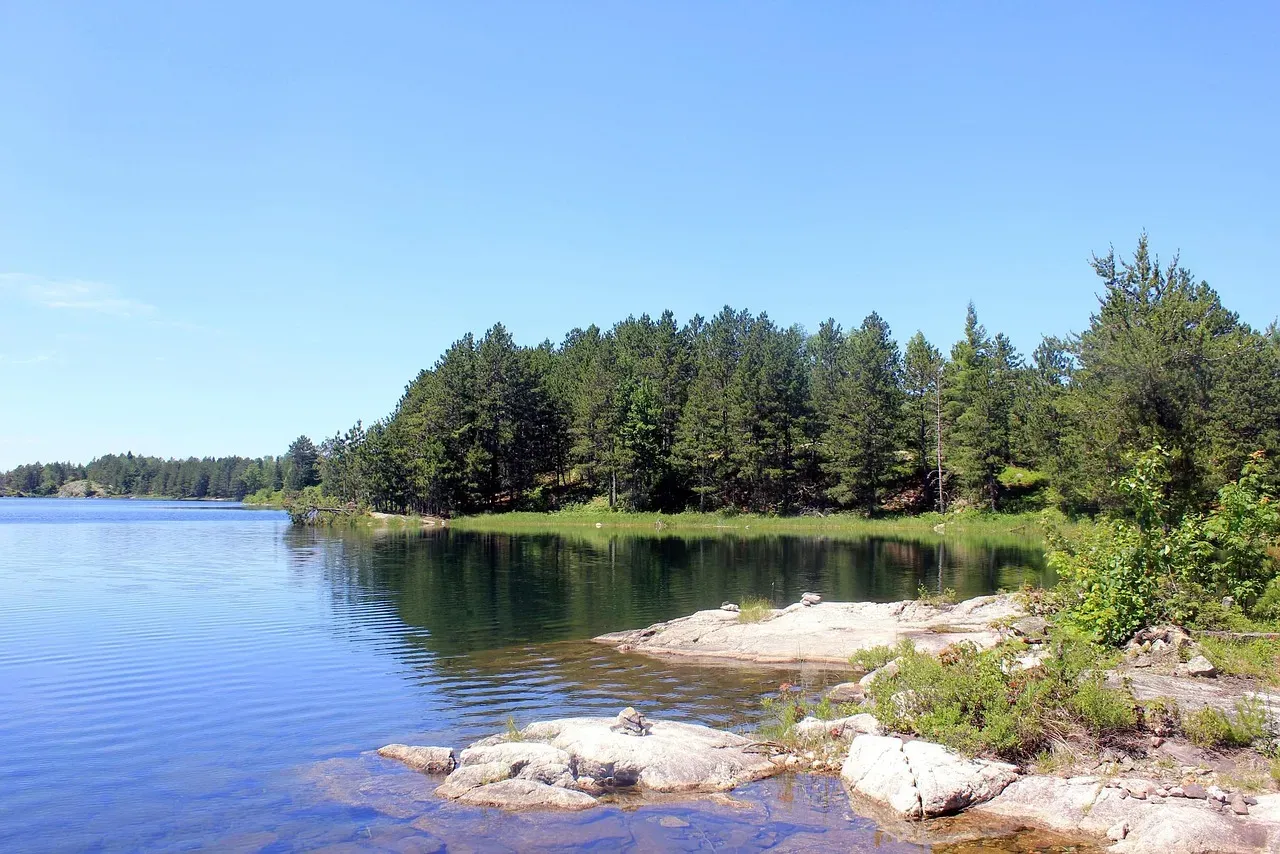
Most people assume national parks are about hiking trails and mountain vistas. Voyageurs rewires that assumption entirely. With only 199,030 visitors in 2024, Voyageurs National Park along the Canadian border in Minnesota doesn’t always get the attention it deserves, despite being a wonderland for aquatic activities as well as a certified International Dark Sky Park. Nearly 40 percent of the park is water, a series of interconnected waterways plus lakes including Rainy, Kabetogama, Namakan, and Sand Point.
There is evidence that for more than 10,000 years, humans have centered life in this area around the waterways, using them for fishing and foraging and as transportation corridors, all of which still draw travelers today. As for stargazing, Voyageurs offers visitors a rare opportunity to glimpse the aurora borealis in the lower 48. That alone should be enough to convince you. The northern lights, from a houseboat, on a pristine lake in Minnesota. It’s the kind of experience that stays with you for a lifetime, the kind you’ll be telling people about for years. Very few national parks offer anything remotely close to that combination.
Conclusion: The Road Less Traveled is Always Worth It
Here’s what it comes down to: America’s most beloved parks are beloved for a reason, but they’re not the whole story. These hidden gems provide all the beauty and diversity of their more famous counterparts, but with the added benefits of fewer crowds, more intimate experiences, and a true sense of discovery. From the underground cities of Kentucky to the bioluminescent waters of southern Florida, the real wonders of America’s national park system are hiding in plain sight.
Most tourists never venture further than one mile from their car, so with a bit of planning, ingenuity, and exercise, a clever visitor can have a great spot all to themselves, or darn close to it. That’s the secret the crowds don’t know yet. The parks on this list are not consolation prizes. They are destinations in their own right, places with stories, power, and beauty that will genuinely surprise you. So the next time you’re planning a trip, dare to go a little further off the map. What would you have guessed was waiting for you there?