
Your body is waging wars you never even know about. Right now, while you read this sentence, microscopic battles are being fought on your behalf – silent, precise, relentless. Most of us take our immune system completely for granted, and honestly, that’s a little unfair. It is one of the most sophisticated defense systems in the known universe, and the wild thing is, it lives inside you.
There’s so much more going on beneath the surface than just “fighting colds.” The real story of your immune system is layered with surprises, weird biological tricks, and fascinating science that most people never hear about. If you’ve ever wondered why stress makes you sick, why your gut affects your immunity, or how your body actually “remembers” every germ it has ever met – you’re about to find out. Let’s dive in.
Your Immune System Has a Memory More Reliable Than Yours
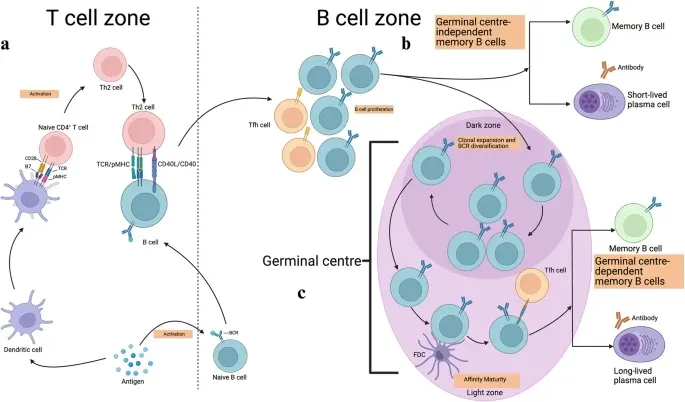
Here’s something genuinely mind-blowing to start with. Your immune system remembers every microbe it has ever fought and defeated. If that same microbe enters your body a second time, the immune system has a stored record that enables it to quickly recognize and fend off the invader before it can infect you. It’s like having a permanent “most wanted” list that never expires.
Memory B cells, the type of immune cell that remembers an old infection and can quickly produce antibodies if that virus or bacteria enters the body again, can live for decades. These long-lived immune cells, and related cells known as memory T cells, are the reason the measles vaccine you got as a young child still protects you today. Think about that – a childhood vaccination making decisions on your behalf thirty, forty years later. That is not a metaphor. That is actual cellular biology doing its job quietly, without asking for any credit.
Your Gut Is the Secret Headquarters of Your Immune Defense
Most people picture the immune system as something that lives in their blood or their white blood cells. The truth is far stranger, and honestly more interesting. With roughly seventy to eighty percent of immune cells being present in the gut, there is an intricate interplay between the intestinal microbiota, the intestinal epithelial layer, and the local mucosal immune system. Your stomach is essentially an immune command center wearing a digestive disguise.
The microbiome plays critical roles in the training and development of major components of the host’s innate and adaptive immune system, while the immune system orchestrates the maintenance of key features of host-microbe symbiosis. In other words, the trillions of bacteria living in your gut are not freeloaders – they are actively training your defenses. The gut microbiota that resides in the gastrointestinal tract provides essential health benefits, particularly by regulating immune homeostasis. Alterations of these gut microbial communities can cause immune dysregulation, leading to autoimmune disorders. What you eat, then, is quite literally programming your immune responses. That bowl of plain yogurt is more powerful than you think.
Chronic Stress Is Silently Sabotaging Your Defenses

Let’s be real – everyone knows stress is “bad for you.” But most people don’t understand just how specifically and mechanically it dismantles your immune protection. Acute stress can temporarily strengthen immunity and promote protection during infection. In contrast, chronic stress dysregulates or inhibits immune functions, causing an increase in cortisol levels through the HPA axis that ultimately suppresses the immune response. The difference between short-term and long-term stress is enormous.
Chronic stress decreases your body’s lymphocytes – the white blood cells that help fight off infection. The lower your lymphocyte level, the more at risk you are for viruses, including the common cold and cold sores. It’s a slow leak in your armor, not a dramatic collapse – which makes it even more dangerous because you don’t notice until you’re sick. Chronic stress weakens the immune system by disrupting its balance, reducing infection-fighting cells, and increasing inflammation, thereby heightening vulnerability to illnesses and diminishing overall health. Managing stress isn’t just a wellness trend. It is a genuine act of immune maintenance.
Sleep Is When Your Immune System Does Its Most Important Work

You might think sleep is passive downtime. Your immune system strongly disagrees. Research indicates a bidirectional relationship between sleep and immunity: a robust immune system promotes better sleep, while adequate sleep is one of the most beneficial things for supporting healthy immune function. They feed each other in a loop, which means breaking that loop can send both systems into a tailspin.
Research over the past few decades consistently shows that sleep deprivation depresses the immune system’s disease-fighting abilities, such as by decreasing the proliferation of cells called T-cells. Even a single night of poor sleep can impair the immune system by reducing the number of natural killer cells. One bad night. That’s all it takes to start knocking things off balance. A lack of quality sleep and dealing with stress can wear down the body and weaken the immune system. Adults should strive to get seven to eight hours of sleep per night. Honestly, if sleep were a supplement, it would be the best-selling immunity product on the planet.
Exercise Strengthens Your Immunity, But Only If You Don’t Overdo It

This one surprises most people. Exercise is great for your immune system – but there’s a catch that most fitness influencers conveniently skip over. Shorter bouts of moderate exercise have an anti-inflammatory effect and stimulate the immune system, whereas prolonged exercise of sixty minutes or longer at vigorous intensity can release immune-suppressing stress hormones. When it comes to exercise, the key may be working smarter, not harder.
In a study of more than 500,000 US adults, those who met aerobic and muscle-strengthening physical activity guidelines were about half as likely to die from flu and pneumonia as adults who met neither guideline. That statistic alone should be enough motivation to get off the couch. When you stay physically active, your body naturally releases more white blood cells. While exercising, your immune cells circulate in the body to detect germs faster and remove them. This also boosts overall health, improves sleep quality, reduces stress, and maintains a healthy weight – all factors that support a strong immune system. Think of moderate exercise as regular maintenance on a high-performance engine. Overrevving it, however, is where the damage happens.
Your Immune System Can Detect and Fight Cancer Cells
This is perhaps the most underappreciated secret of all, and it genuinely deserves more attention. Immune cells are actually extremely good at detecting and eliminating cancer. Mice genetically engineered to lack key parts of the immune system develop more tumors than immunologically healthy mice. Your body is not just sitting around passively. It is actively hunting down mutated cells every single day.
Researchers at Fox Chase Cancer Center have uncovered a new mechanism by which the body’s immune system responds to viral infections, a finding that can potentially be harnessed to attack cancer. This kind of research is reshaping medicine as we know it. Cancer immunotherapy, which uses a patient’s own immune system as the basis for treatment, is showing promise for a number of different cancers. These therapies, ranging from tumor-recognizing antibodies to engineered T cells, peel back cloaking layers to let the immune system do its job. It’s hard to say for sure how far this science will go, but we’re living through one of the most exciting eras in immunological history.
Your Immune System Ages, But Science Is Working on Reversing That
Here’s something sobering that rarely gets discussed. Your immune system gets old, just like the rest of you. The thymus, a small organ located in front of the heart, plays a critical role in T-cell development. Within the thymus, immature T cells go through a checkpoint process that ensures a diverse repertoire. Starting in early adulthood, however, the thymus begins to shrink – a process known as thymic involution – leading to a decline in the production of new T cells.
The immune system also becomes weaker as we age, as immune system tissues begin to shrink and white blood cell count and activity starts to decline. It’s a quiet, gradual process, almost like a dimmer switch being slowly turned down over decades. Yet there is genuine hope on the horizon. Using mRNA to deliver three key factors that usually promote T-cell survival, researchers were able to rejuvenate the immune systems of aged mice. Treated mice showed much larger and more diverse T-cell populations in response to vaccination, and also responded better to cancer immunotherapy. If developed for use in patients, this type of treatment could help people lead healthier lives as they age. The idea of essentially “rebooting” an aging immune system is no longer science fiction. It is science in progress.
Conclusion: Your Body Knows More Than You Think

Your immune system is not a simple on/off switch, and it is not something you can “boost” overnight with a miracle supplement. Healthy immune function depends on several factors – genetics, nutrition, sleep, stress levels, and overall lifestyle. The body constantly adapts and learns from exposure to germs, which is why experts stress that immunity is not something that can be quickly “boosted,” but rather supported through consistent, healthy habits.
The real takeaway here is that every single daily choice you make – what you eat, how you sleep, how you handle stress, how you move your body – is a vote cast for or against your immune health. It is not dramatic. It is quiet, cumulative, and deeply personal. You can strengthen your immune system by eating well, being physically active, and maintaining a healthy weight. Simple in theory. Life-changing in practice.
Your immune system has been working for you since the day you were born, silently adapting, memorizing, and defending – often without a single symptom to show for it. The least you can do is give it the tools it needs to keep doing that remarkable job. What part of your daily routine do you think might be quietly working against it? Think about that, and then perhaps make one small change. That’s where it starts.