
You might think we have ancient history pretty much figured out. Satellites, AI, ground-penetrating radar, DNA sequencing – we have tools that would make Indiana Jones weep with envy. There has never been a point in modern history where humans know more about ancient civilization than now, and thanks to the tireless work of scientists, historians, and archaeologists, new discoveries and breakthroughs are being made each day. Yet somehow, the more we dig, the more we realize how little we actually know.
Here’s the thing – ancient civilizations were not the primitive, slow-moving cultures we once imagined. Some of what they left behind is so sophisticated, so eerily precise, and so completely unexplained that the world’s best experts are still scratching their heads in 2026. Grab a seat. Be prepared to have your assumptions completely shattered. Let’s dive in.
1. Göbekli Tepe: The Temple That Rewrites Everything We Know About Civilization
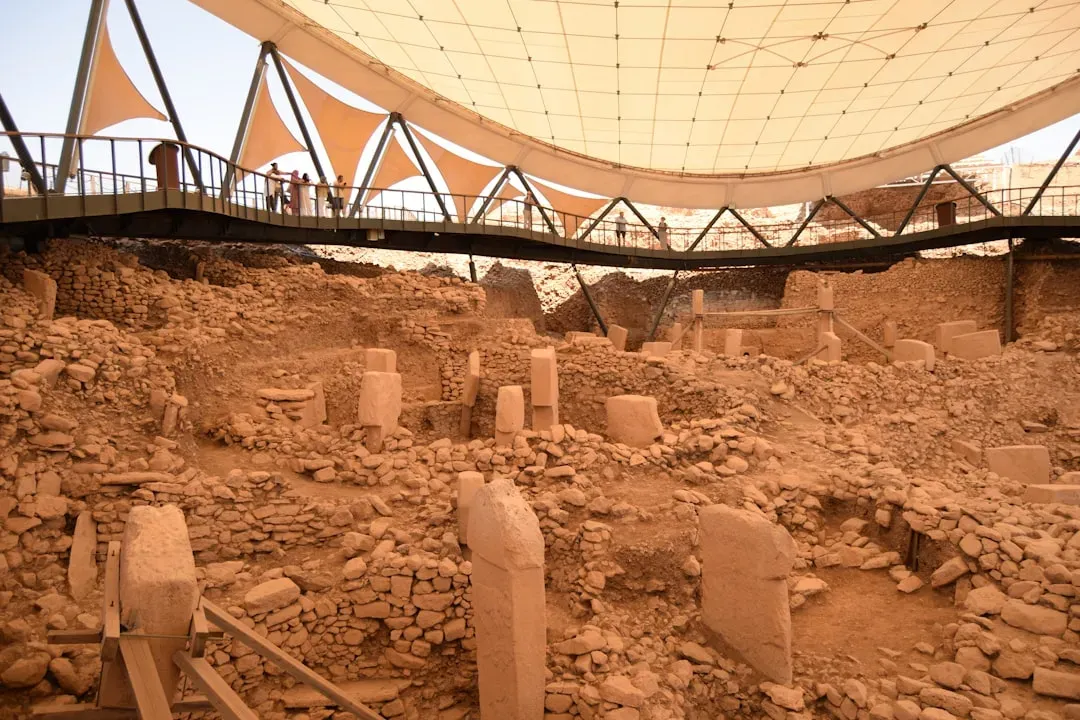
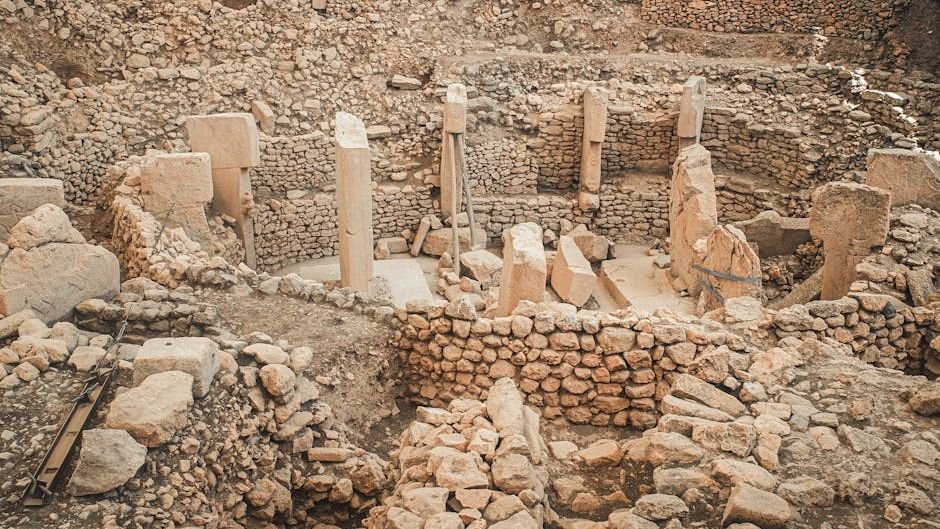
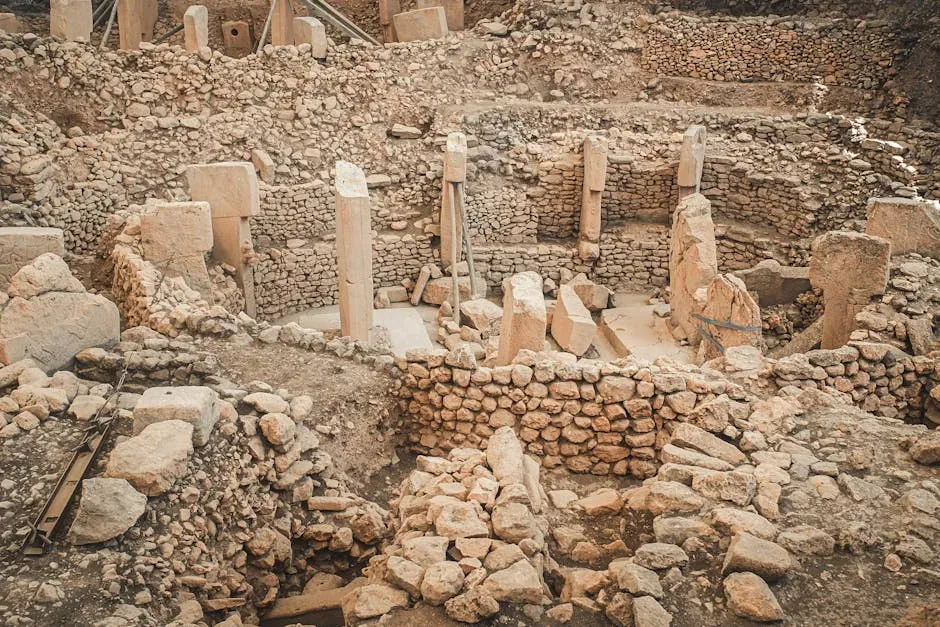
Imagine building a massive, architecturally complex religious monument before you even figured out farming. That sounds completely backwards, right? More than 11,000 years ago, hunter-gatherers built a monumental stone complex thought to be the world’s first temple, known as Göbekli Tepe, a megalithic settlement perched on a mountain ridge in Upper Mesopotamia in what is now southeastern Turkey. The Neolithic site is two times older than Stonehenge and contains elaborate circular enclosures constructed of massive T-shaped limestone columns. To give you a sense of scale, Göbekli Tepe is about 7,000 years older than the Great Pyramid of Giza.
What truly blows the mind is who built it. It was built by hunter-gatherers who didn’t, or weren’t supposed to, have the technology or social structure to create such sophisticated monuments. There is no evidence of agriculture, pottery, or permanent villages nearby during its construction. Instead, it suggests that large groups of people gathered here, organized themselves, and worked together to move multi-ton stone pillars, some weighing up to 20 tons, into position. Many researchers now believe that spirituality may have actually sparked civilization, not followed it. That’s a story we’ve had completely backwards for decades.
2. The Nazca Lines: A Message Nobody Has Been Able to Read
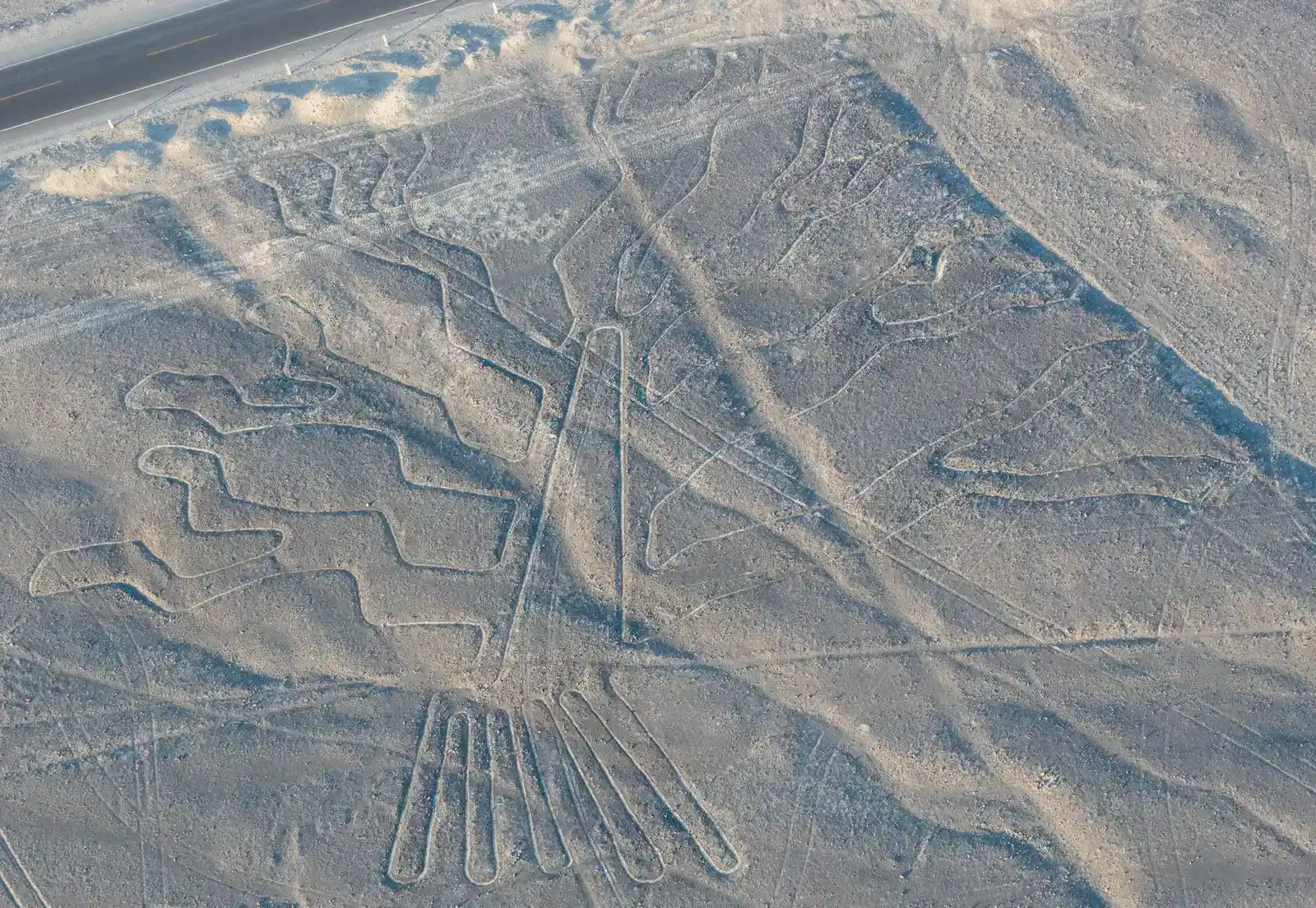
You’ve probably seen pictures. Enormous drawings etched across a desert floor in Peru, so vast that you can only really appreciate them from the sky. The Nazca Lines are a series of large drawings etched into the ground in Peru 2,000 years ago, created by the Nazca civilization. They remained widely unknown until a plane flying over the desert of southern Peru spotted them. There are over 300 geoglyphs depicting various things, such as animals, plants, geometric shapes, and humanoid figures, and some of the images measure 1,200 feet long. Think about that for a second. These people created imagery the size of several city blocks, with no ability to see the finished result from the ground.
Researchers using AI recently identified over 300 new Nazca geoglyphs, dramatically expanding the known catalog. The scale and variety suggest that these symbols may have served a complex, multi-functional role in ancient Nazca society. Though the true purpose of the geoglyphs remains unknown, theories range from astronomical alignment tools to ceremonial markers or water distribution indicators. Honestly, it’s hard to say for sure which theory holds up, because some outlandish theories suggest the carvings point to aliens or ancient astronauts, but researchers can’t agree on the more realistic theories either. Initial scholars suggested the Nazca Lines were connected to astronomy, while recent theories argue they were used for begging rain from the gods. Even AI has doubled the number of clues without cracking the code.
3. The Antikythera Mechanism: A Computer 1,000 Years Ahead of Its Time
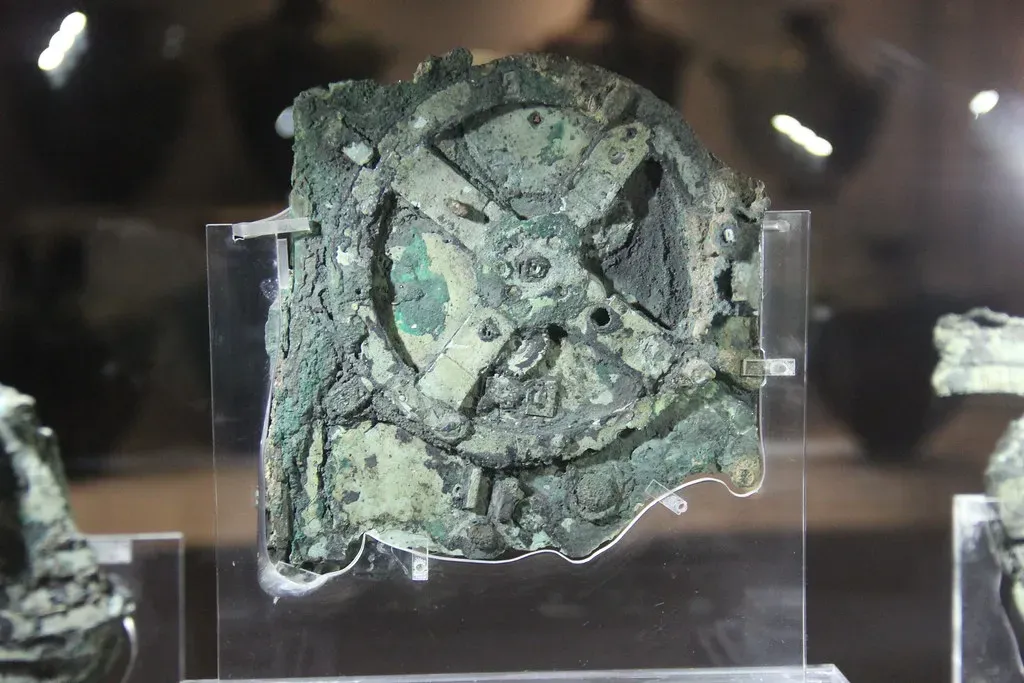
This one might be the most stunning entry on this list. In 1900, Greek sponge divers stumbled upon a corroded lump of bronze in a shipwreck at the bottom of the sea. Nobody paid it much attention at first. Then it broke apart and revealed something that, according to everything historians believed, simply should not have existed. Often regarded as the world’s first analog computer, the Antikythera Mechanism is the most technologically advanced instrument known from antiquity. Built roughly 2,100 years ago, its complex system of interlocking bronze precision gears charted the movements of the planets, sun, and moon. This hand-powered device also predicted eclipses, tracked the moon’s phases, and displayed the dates of the ancient Olympics.
No other mechanism approaching its complexity is known from the ancient world until more than a millennium later. The Antikythera mechanism shattered the assumption that ancient peoples lacked the ability to design sophisticated mechanical devices. Even more confounding, despite extensive research, its creator is still unknown, but scholars believe it was made on Rhodes, where Hipparchus, a well-known Greek astronomer, studied celestial events. You’re left wondering not just how they built it, but what other technologies from the ancient world have simply vanished without a trace.
4. The Plain of Jars: A Laos Field Full of Giant Stone Vessels and Zero Answers
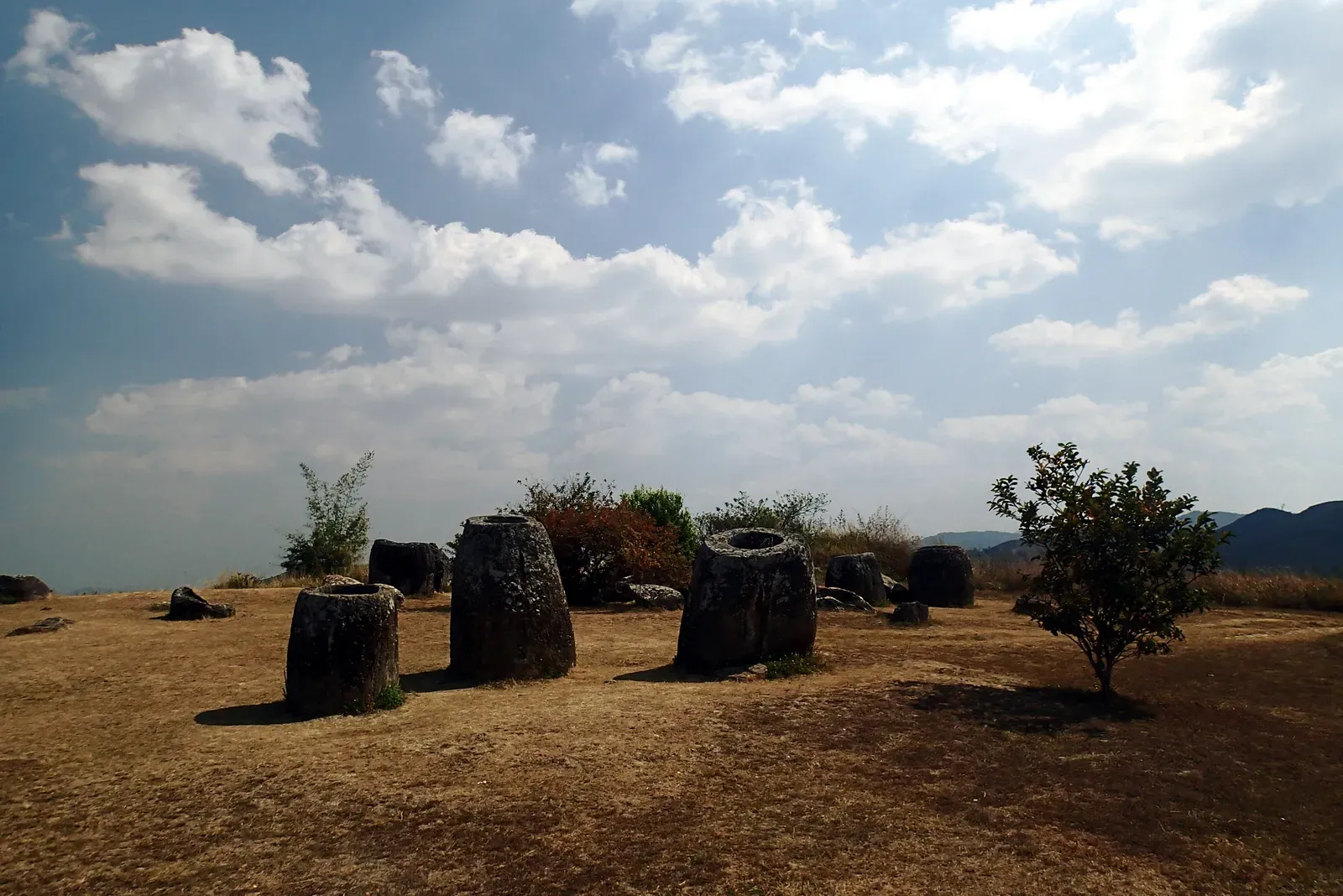
Tucked away in the mountains of northern Laos is a landscape that looks like it belongs in a dream, or possibly a nightmare. Thousands of lichen-covered stone jars from the Iron Age, some standing close to 10 feet tall and weighing several tons, dot the mountainous landscape of northern Laos. Carved largely from sandstone and found in groups ranging from just one to 400, legend holds that giants used them as wine glasses. Many archaeologists, on the other hand, believe they served as funerary urns, though much remains unknown about their purpose, about how they were moved into place, and about the civilization that produced them.
Recent research dates at least some of the stone jars to as early as 1240 B.C., which would make them far older than the human remains buried nearby. Little is known of the people who carved the huge containers, and the jars themselves give little clue as to their origins or purpose. Making things even more frustrating, many of the jars stand in fields of unexploded munitions, the vestige of a massive U.S. bombing campaign during the Vietnam War, and therefore cannot be safely studied. History is literally being blocked by the dangers of more recent history. There’s something deeply ironic and sad about that.
5. The Minoan Linear A Script: A Language Lost to Silence
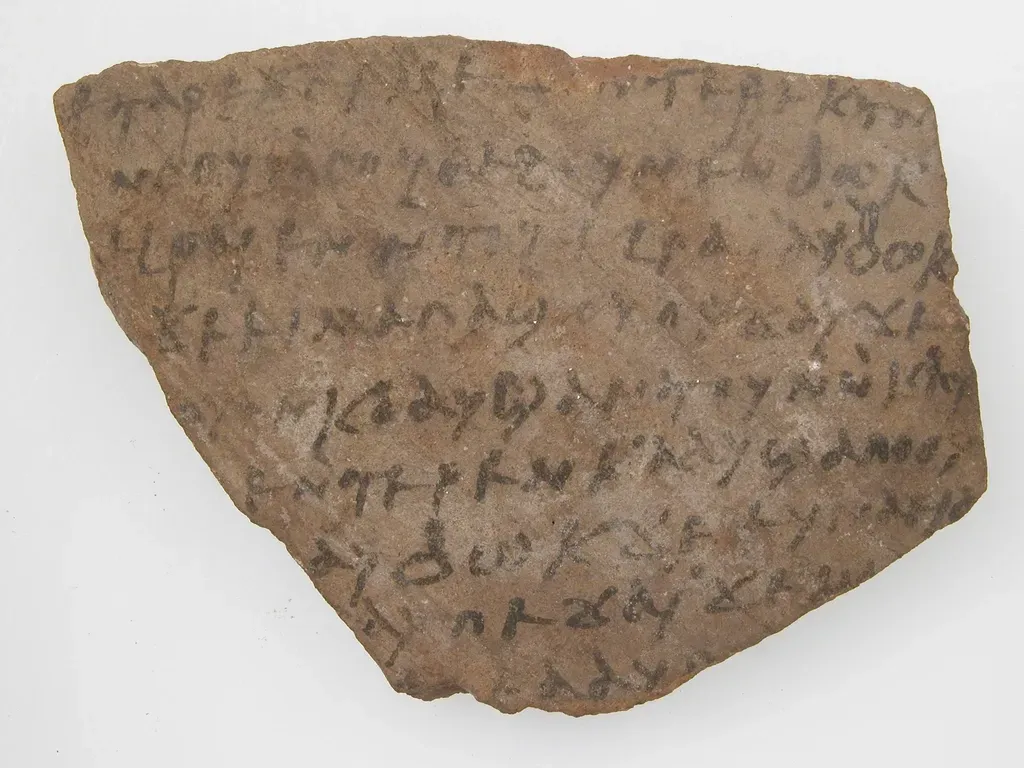
The Minoan civilization lasted for centuries in what is today called Crete in modern-day Greece. Not much is known about these people, but it is clear that they established themselves as one of the more notable powers in the Ancient Mediterranean Bronze Age. Their civilization disappeared almost as quickly as it appeared. They left behind art, architecture, and a mystery so persistent it has kept linguists awake for generations. Two distinct but similar writing styles, Linear A and Linear B, have been found on ancient Minoan relics, but researchers are still scratching their heads over the former. Greek-based Linear B was cracked in 1952 and represents syllables rather than letters. Still, that knowledge hasn’t opened the door to deciphering Linear A, which was used between 1800 and 1450 BC and remains an unsolved ancient mystery.
Think of it like having someone hand you a translation dictionary for Spanish, only to find out the book you’re trying to read is written in an entirely different, unknown language. The only kind of written language the Minoans left behind is something researchers call Linear A. If Linear A can be cracked, it can open the door to a better understanding of the Minoan people and their untimely fate. In 1886, British archaeologist Arthur Evans started collecting pottery fragments on Crete covered in a mysterious written script. Little did he know they would remain undeciphered almost 150 years later. An entire civilization’s voice remains locked away, and we still don’t have the key.
6. The Voynich Manuscript: The Most Mysterious Book Ever Written
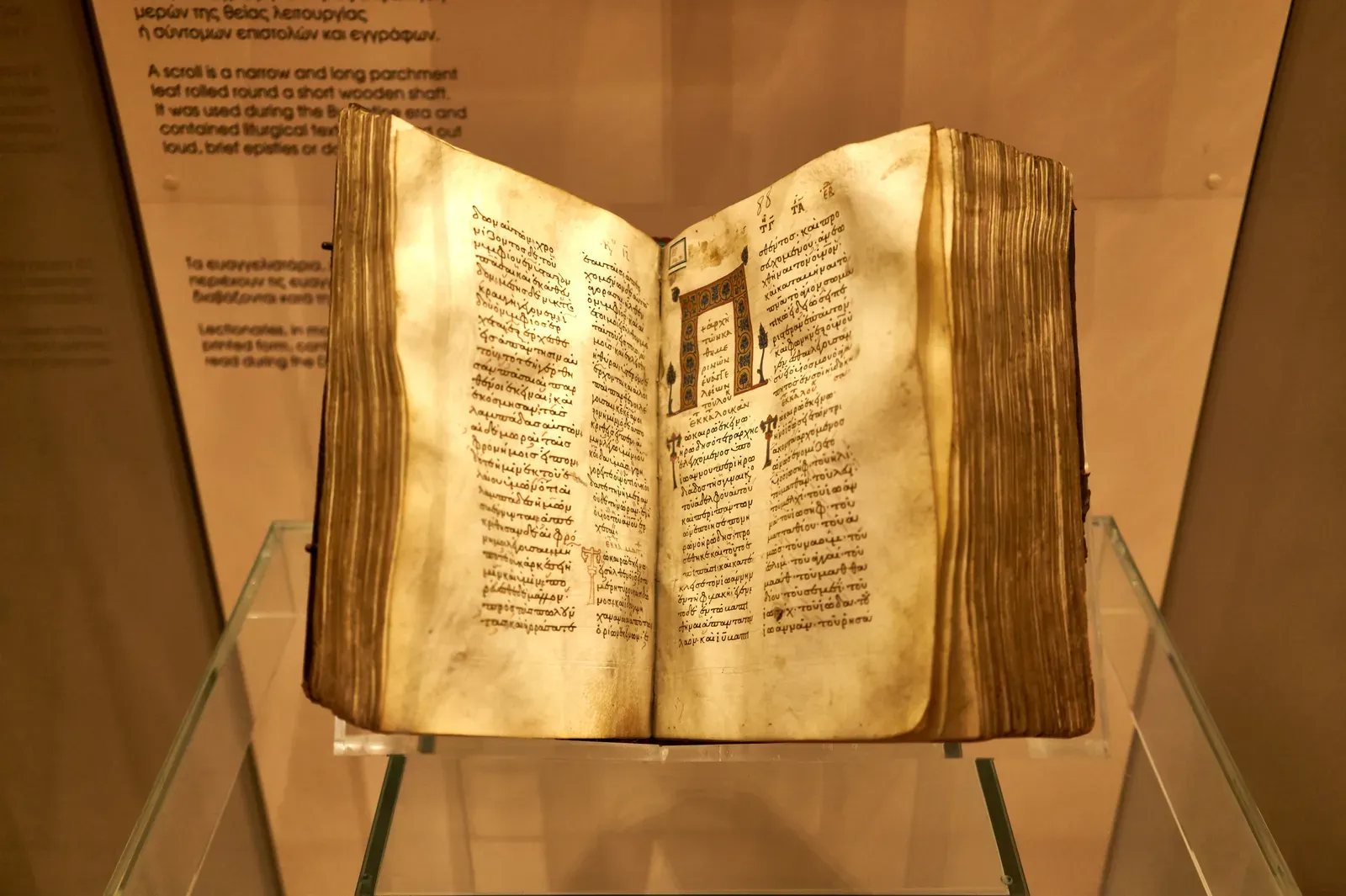
Picture a medieval book filled with illustrations of plants that don’t exist in nature, written in a language nobody has ever spoken, acquired by a rare book dealer almost by accident. The Voynich Manuscript is one of the more baffling ancient mysteries on record. It is a late-medieval manuscript filled with illustrations of species of plants that don’t exist, written in a language or code that appears equally fictitious. Supposedly, the codex was uncovered in southern Europe, hidden away in a castle. The medieval mystery was acquired by a rare book dealer called Wilfrid Voynich in 1912. The book is handwritten and was written in the 15th century, which we know thanks to carbon dating.
Experts have deduced that it may have been composed in Italy, based on similarities to other works from the Renaissance period, but its origins remain unknown. The ancient text has been studied by experts throughout the years, yet none have been able to unravel the mystery of the Voynich Manuscript, nor provide new insights. In recent years, even artificial intelligence tried to crack it. AI suggested that the words are Hebrew written in code, as previous experts have also proposed, but that study was only able to match 80% of the words to Hebrew, and even then, it produced incoherent sentences. So AI, the same technology reshaping medicine and engineering, ran headfirst into this 600-year-old puzzle and basically came up short. Let that sink in.
7. Puma Punku: Stonework So Precise It Defies Explanation
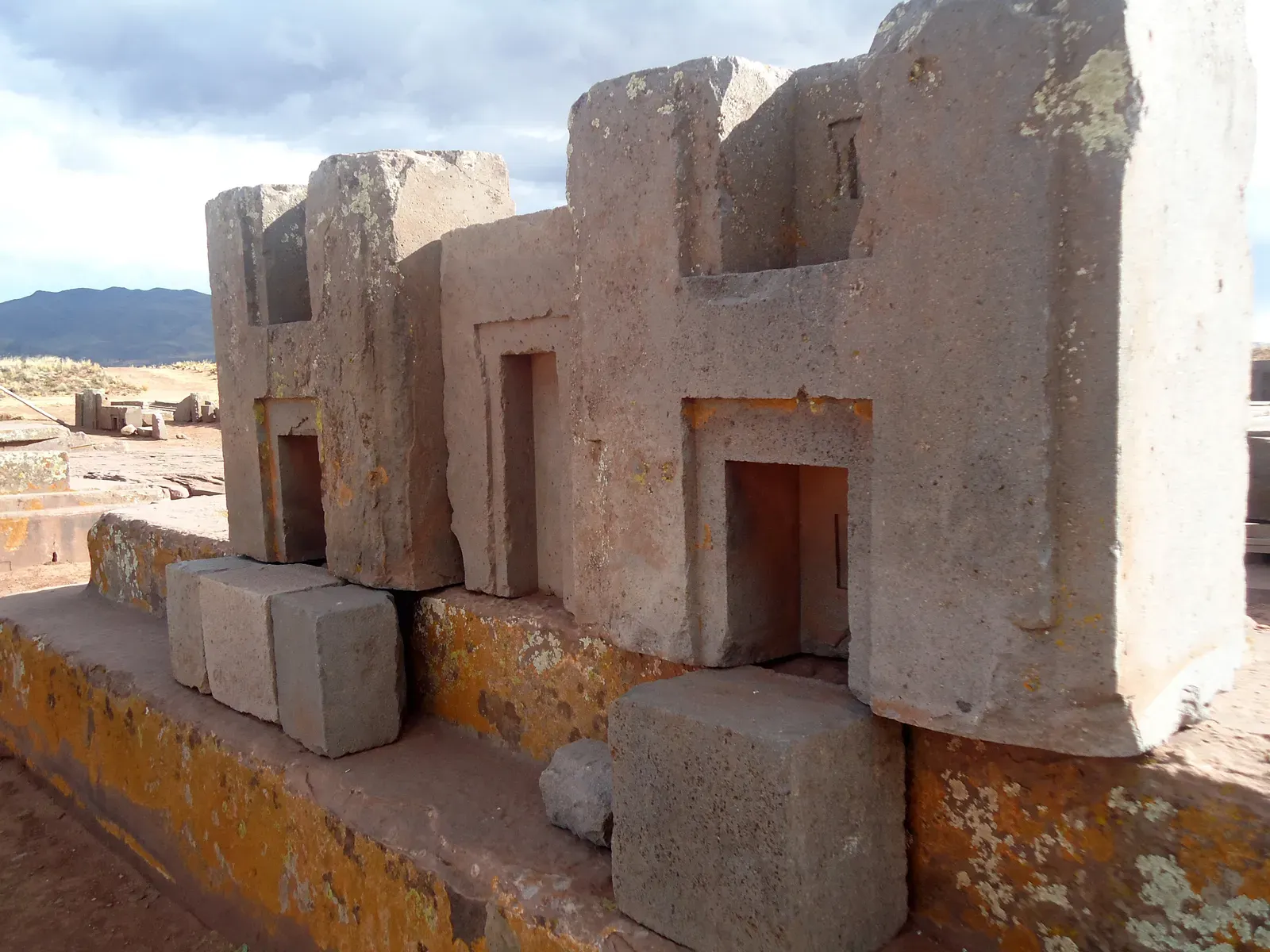
Let’s be real. When you look at what survives at Puma Punku in Bolivia, your brain starts reaching for explanations it shouldn’t need to reach for. Around the world, you can find numerous examples of ancient stone-cutting so precise that they rival creations of the modern day produced with advanced machinery. One of the most impressive examples can be found at Puma Punku, an ancient archaeological site in Bolivia that contains such incredible stonework that it looks as if the stones were cut using a diamond tool. Enormous blocks weighing up to 800 tons consist of perfectly straight edges that lock perfectly into each other and contain no chisel marks.
Attempts to replicate the precision of the stonework have failed, and archaeologists as well as stone masons are at a loss to explain how they accomplished such precise cuts without advanced technology. The blocks interlock like LEGO pieces, except these aren’t plastic toys made in a factory. They’re multi-ton stone slabs carved in an era with no power tools, no computers, no industrial machinery. Across deserts, mountains, jungles, and plains, ancient civilizations built monumental structures that still baffle historians and archaeologists today. These sites were more than just buildings – they were feats of engineering, centers of culture, and reflections of human ingenuity that remain partially unexplained even now. Puma Punku stands as perhaps the most dramatic proof that we are still profoundly underestimating what ancient humans were capable of.
Conclusion: The Secrets Are Still Out There
What makes these mysteries so captivating is not just the “what” but the “why.” Why did the Minoans vanish? Why did Nazca artists make images only visible from the sky? Why did hunter-gatherers build the world’s most sophisticated temple before they even planted a single crop? From the shores of the Baltic Sea to the depths of the Caribbean, from ancient Troy to medieval England, these discoveries remind us that countless secrets still lie buried beneath our feet, waiting to tell their stories.
I think the deeper truth here is humbling. We like to believe that modern civilization represents the peak of human intelligence. Yet generation after generation of ancient peoples achieved things we still cannot fully explain or replicate. Whether standing stones, nondescript mounds, or lines in the earth, ancient civilizations have left signs of their existence that must have held deep meaning for them that is now lost to time. Subsequent dwellers of this earth are left to wonder who, what, when, and why. These seven secrets are not relics of a primitive past. They are reminders of just how much human brilliance history has buried.
The real question isn’t whether we’ll ever solve them all. It’s whether we’re humble enough to admit we might not. What do you think – which of these ancient mysteries would you most want to see solved, and why? Tell us in the comments.