
There is a quiet but powerful assumption many of us carry around without even realizing it. We look at the ground beneath our feet and assume it is stable, permanent, even dead. Rocks are just rocks. Mountains just stand there. The ocean floor is just a cold, dark carpet stretching into the abyss. But here is the thing – every single one of those assumptions is spectacularly wrong.
Earth is not a passive lump of rock drifting through space. It churns, cracks, erupts, and reinvents itself every single day. You are, quite literally, standing on a living system. The seven geological wonders you are about to discover are not just beautiful curiosities – they are proof that our planet is still very much awake, active, and doing things that would blow your mind. So let’s dive in.
The Mid-Atlantic Ridge: A Mountain Range You’ve Never Seen
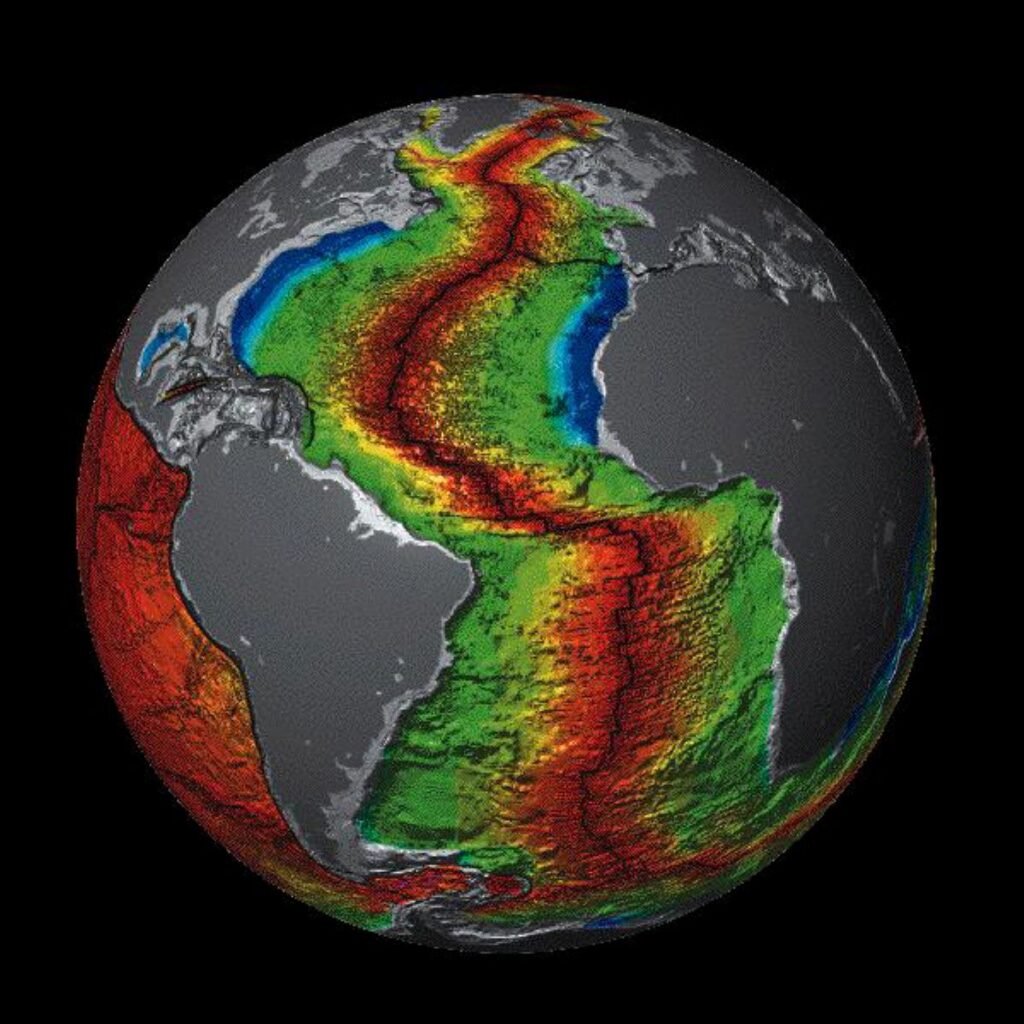
Picture the longest mountain range on Earth. You are probably imagining the Andes or the Himalayas, right? Honestly, that is an understandable guess – but you would be wrong. The mid-ocean ridge system connects and forms part of every ocean on Earth, making it the longest mountain range in the world, stretching roughly 65,000 km in total length – several times longer than the Andes. The fact that it sits silently beneath the ocean and barely gets a mention in casual conversation is, to me, one of the great injustices of popular science education.
Molten material from Earth’s mantle continuously wells up along the crests of these mid-ocean ridges. As the magma cools, it is pushed away from the flanks of the ridges, creating a successively younger ocean floor. The continents bordering the Atlantic Ocean, for example, are believed to be moving away from the Mid-Atlantic Ridge at a rate of roughly one to two centimeters per year. Think about that for a moment. Every single year, the Atlantic Ocean is getting wider – slowly, patiently, unstoppably. You would not feel it during your lifetime, but it is happening right now, beneath miles of ocean water.
Hydrothermal Vents: Life in the Most Unlikely Place on Earth
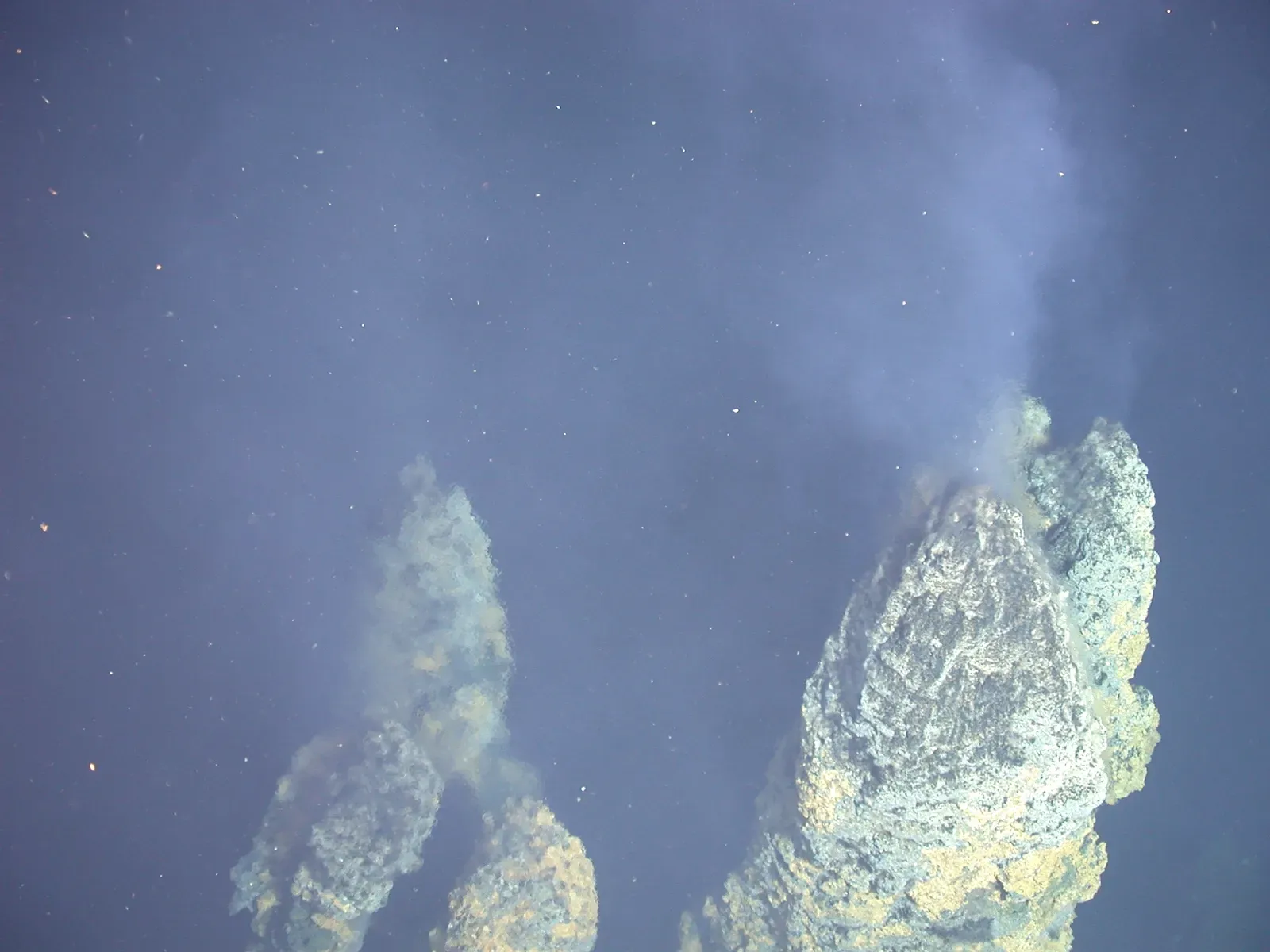
If someone told you that there are boiling, chemical-spewing towers on the ocean floor that host entire thriving ecosystems entirely cut off from sunlight, you might be tempted to call it science fiction. It is not. Hydrothermal vents exist because Earth is both geologically active and has large amounts of water on its surface and within its crust. Under the sea, they may form features called black smokers or white smokers, which deliver a wide range of elements to the world’s oceans. The areas around hydrothermal vents are biologically more productive than most of the deep sea, often hosting complex communities fueled by the chemicals dissolved in the vent fluids.
Cold seawater is heated by hot magma and reemerges to form the vents. Seawater in hydrothermal vents may reach temperatures of over 700 degrees Fahrenheit. Yet the hot seawater does not boil because of the extreme pressure at the depths where the vents are formed. Scientists have even uncovered an extensive underwater vent system near Milos, Greece, hidden along active fault lines beneath the seafloor. These systems are not rare geological footnotes – they are widespread expressions of a planet still radiating its internal heat outward with tremendous force.
The Yellowstone Supervolcano: A Sleeping Giant with One Eye Open
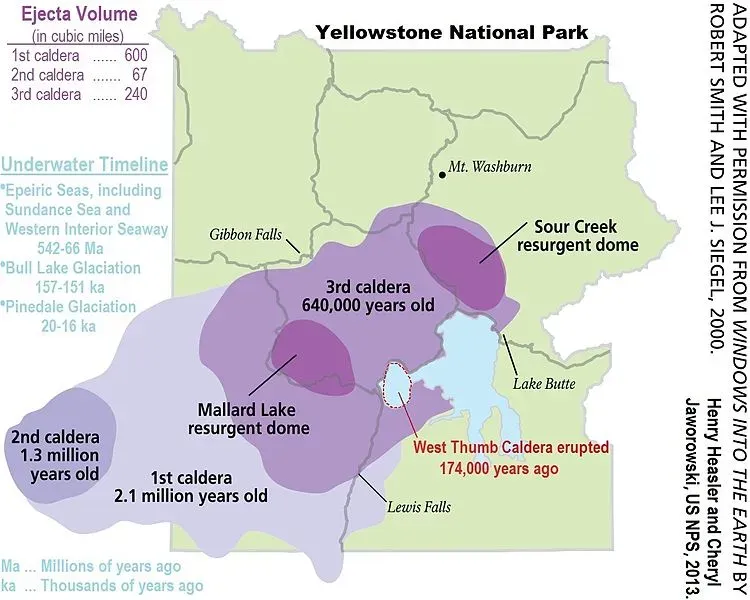
Let’s be real – the word “supervolcano” is enough to make anyone sit up straight. Yellowstone is not simply a national park famous for geysers and bison. It is one of the most geologically violent systems on the planet, currently resting in an uneasy dormancy. Volcanic and tectonic actions in the region cause between 1,000 and 2,000 measurable earthquakes annually. Most are relatively minor, measuring magnitude 3 or weaker. Occasionally, numerous earthquakes are detected in a relatively short period of time, in events known as earthquake swarms. The ground beneath Yellowstone is essentially alive with movement.
The Yellowstone hotspot is a volcanic hotspot responsible for large scale volcanism in Idaho, Montana, Nevada, Oregon, and Wyoming, formed as the North American tectonic plate moved over it. Geologists closely monitor the elevation of the Yellowstone Plateau, which has been rising as quickly as 150 millimeters per year. The upward movement of the Yellowstone caldera floor between 2004 and 2008 was more than three times greater than ever observed since such measurements began in 1923. That is not the behavior of a dead volcano. That is a planet flexing its muscles in slow motion.
The East African Rift Valley: Watching a Continent Split in Real Time
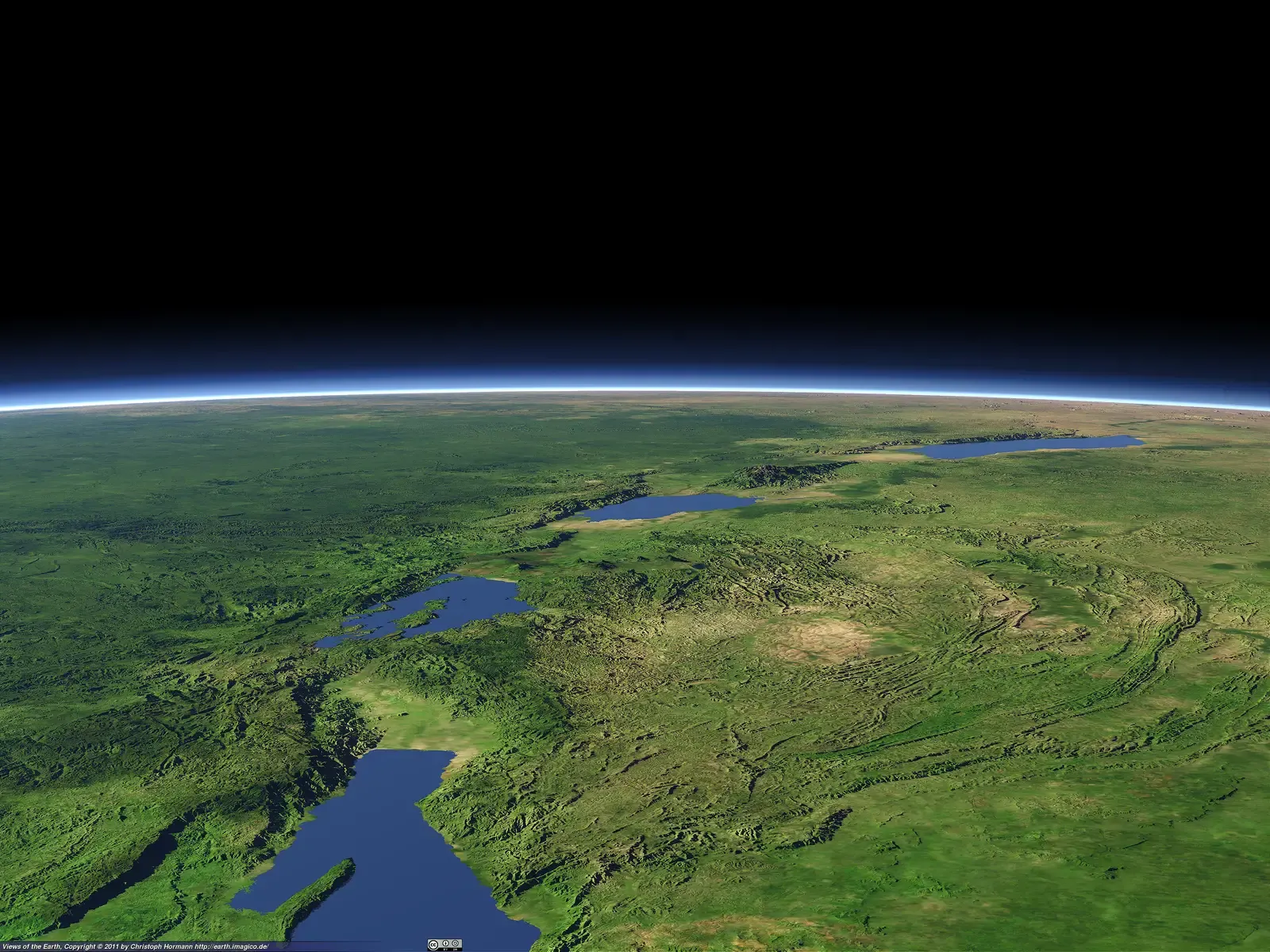
Here is something that sounds genuinely impossible but is absolutely happening: a continent is tearing itself apart, right now, in East Africa. When a series of mantle plumes exists beneath a large continent, the resulting rifts may align and lead to the formation of a rift valley, such as the present-day Great Rift Valley in eastern Africa. It is suggested that this type of valley eventually develops into a linear sea, such as the present-day Red Sea, and finally into an ocean. You are witnessing, in real-time geological terms, the birth of a future ocean.
A study led by researchers from the University of Sydney and the University of Adelaide revealed how the breakup of an ancient supercontinent transformed Earth’s surface environments. “Our approach shows how plate tectonics has helped shape the habitability of the Earth,” the lead author noted. “It provides a new way to think about how tectonics, climate and life co-evolved through deep time.” The East African Rift is not just a dramatic landscape of escarpments and volcanic lakes. It is a live demonstration that the forces which once shaped all of Earth’s continents are still fully operational. Think of it as watching a slow-motion replay of something that has been happening since Earth first formed a solid crust.
Earth’s Magnetic Field: The Invisible Shield That Keeps Reversing
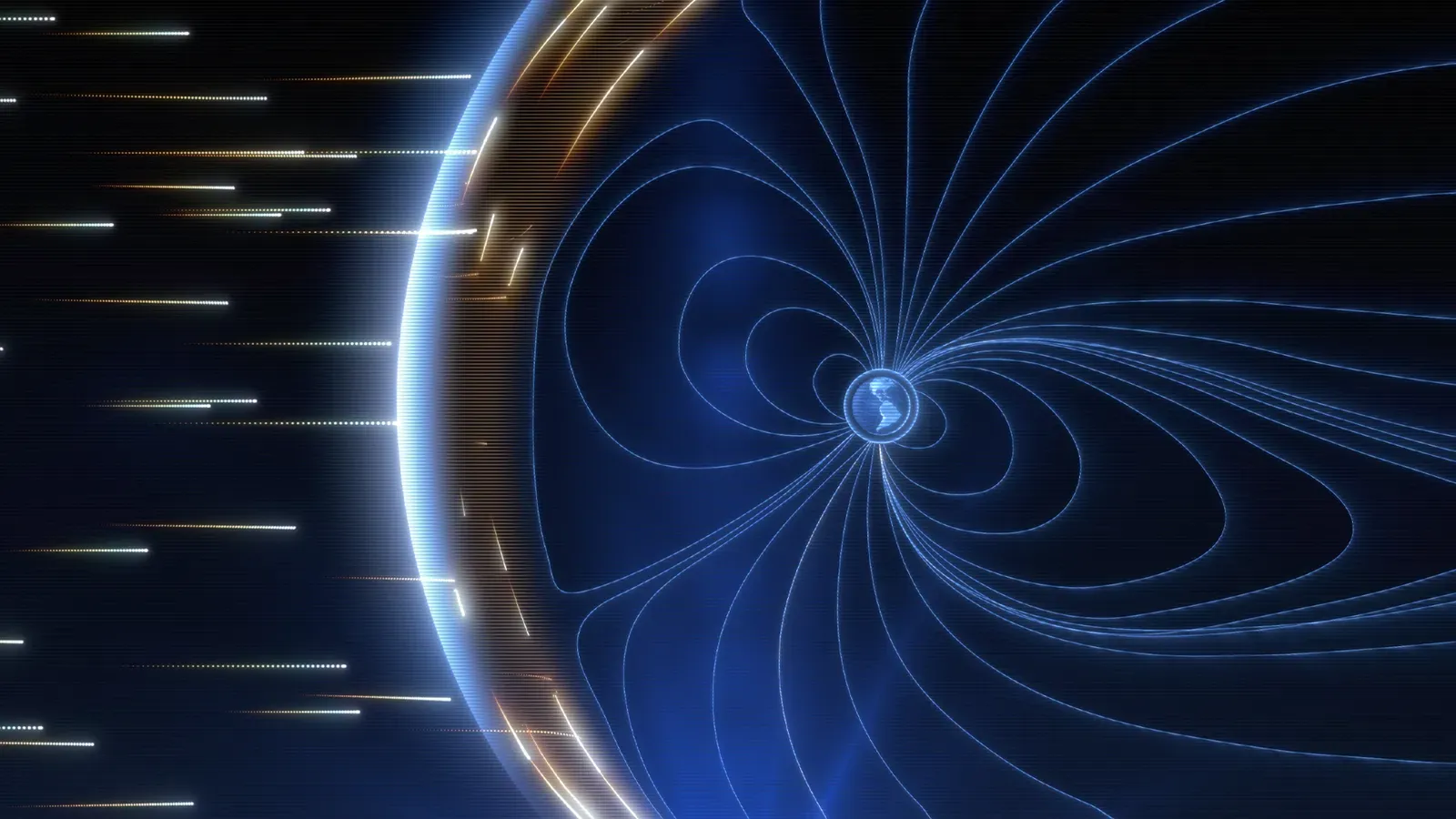
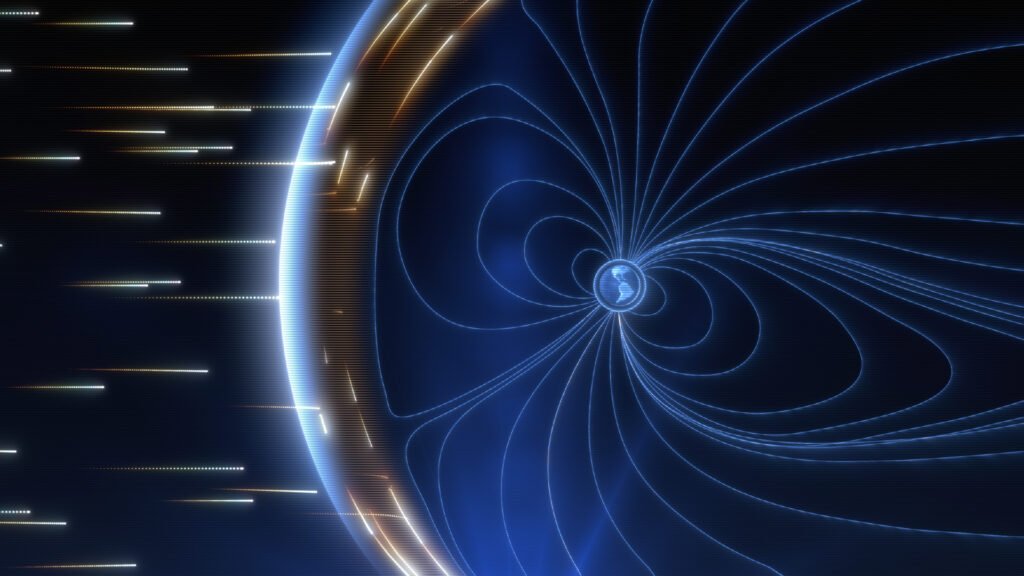
You probably know Earth has a magnetic field. You might even know it protects you from harmful solar radiation, the way a force field protects a spaceship in the movies. What you might not know is that this field is not stable. It wobbles. It weakens. And sometimes, it completely flips. The magnetic polarity of Earth can change, flipping the direction of the magnetic field. The geologic record tells scientists that a magnetic reversal takes place about every 300,000 years on average, but the timing is very irregular.
There have been at least 183 reversals over the last 83 million years. The latest, the Brunhes-Matuyama reversal, occurred 780,000 years ago. That means we are, in geological terms, somewhat overdue for the next one. As far as scientists know, such a magnetic reversal does not cause any harm to life on Earth, and a reversal is very unlikely to happen for at least another thousand years. When it does happen, compass needles are likely to point in many different directions for a few centuries while the switch is being made. It is hard to say for sure what a reversal would mean for modern technology – but this process itself is proof that Earth’s interior is churning, dynamic, and very much alive.
Submarine Volcanoes: The Most Prolific Eruptions You Never Hear About
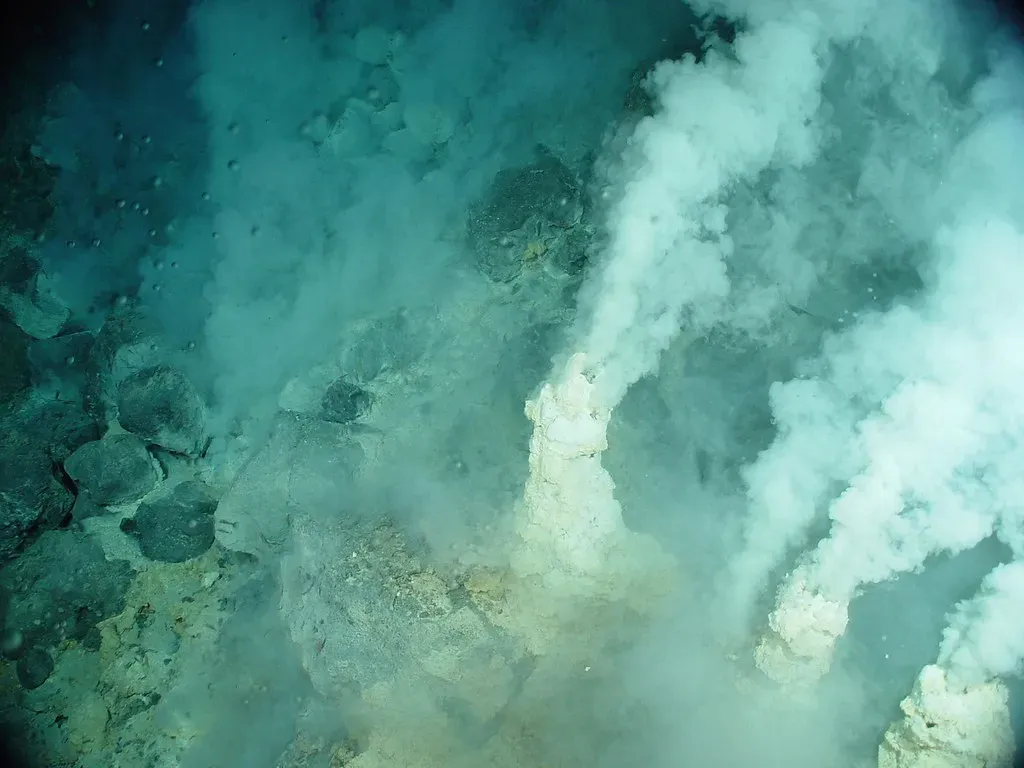
Most people imagine volcanic eruptions as dramatic spectacles of lava fountains and ash clouds visible from space. The reality is far stranger. The majority of Earth’s volcanic activity occurs beneath the ocean, especially along mid-ocean ridges where tectonic plates are spreading apart. There are thousands of submarine volcanoes, with many more yet to be discovered. Some of the most active volcanic regions are underwater, making submarine volcanoes a widespread and integral feature of our planet’s geology. Essentially, the most active volcanic zone on Earth is largely hidden from view.
The magma that erupts from these volcanoes can reach temperatures of over 1,200 degrees Celsius. When this hot magma comes into contact with the cold seawater, it rapidly cools and solidifies, but the immediate area around the eruption site remains extremely hot. This intense heat drives the formation of hydrothermal vents, such as Black Smokers, which spew out mineral-rich water heated by the volcanic activity. There is something profoundly humbling about the idea that every single day, somewhere beneath the ocean surface, Earth is quietly building new crust, erupting, and reshaping its own face – completely out of sight.
Proto-Earth Remnants: Ancient Fingerprints Surviving Billions of Years
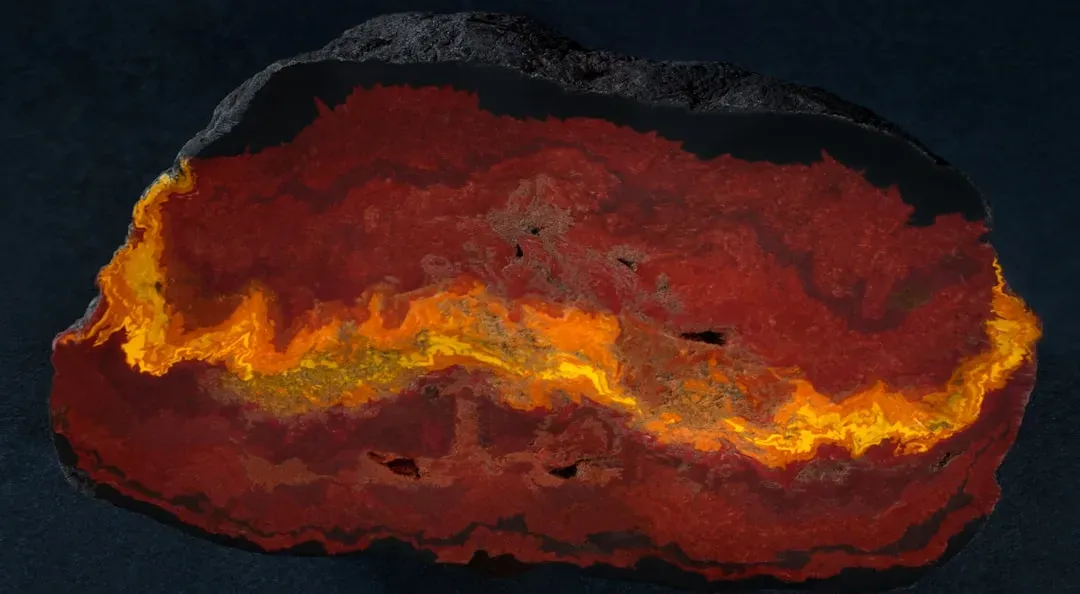
This last wonder is perhaps the most mind-bending of all. Scientists recently discovered that fragments of Earth’s original planetary body – from over 4.5 billion years ago – may still be hiding deep within our planet today. Researchers discovered fragments of Earth’s precursor containing distinctive chemical fingerprints in ancient rocks from Greenland, Canada, and Hawaii. The results imply that remnants of proto-Earth survived geological processes like the constant mixing of the mantle. Think of it like finding an uncracked original walnut buried at the very center of a completely baked cake.
This deficit in potassium isotopes represents the primitive proto-Earth mantle that largely escaped the mixing caused by the giant impact and still exists deep within Earth today, the researchers say. Scientists also discovered that the remnants of supercontinents hidden deep within the mantle are older than previously thought. The finding suggests that the rocky mantle is not as uniformly blended by Earth’s internal churning as once believed. In fact, there are many hidden structures, such as ancient tectonic plates, that may shape activity in the mantle and on Earth’s crust in ways yet to be fully understood. Earth has been constantly transforming for billions of years, yet somehow it has managed to hold on to its earliest memories, locked deep in stone.
Conclusion: Earth Has Never Stopped Moving
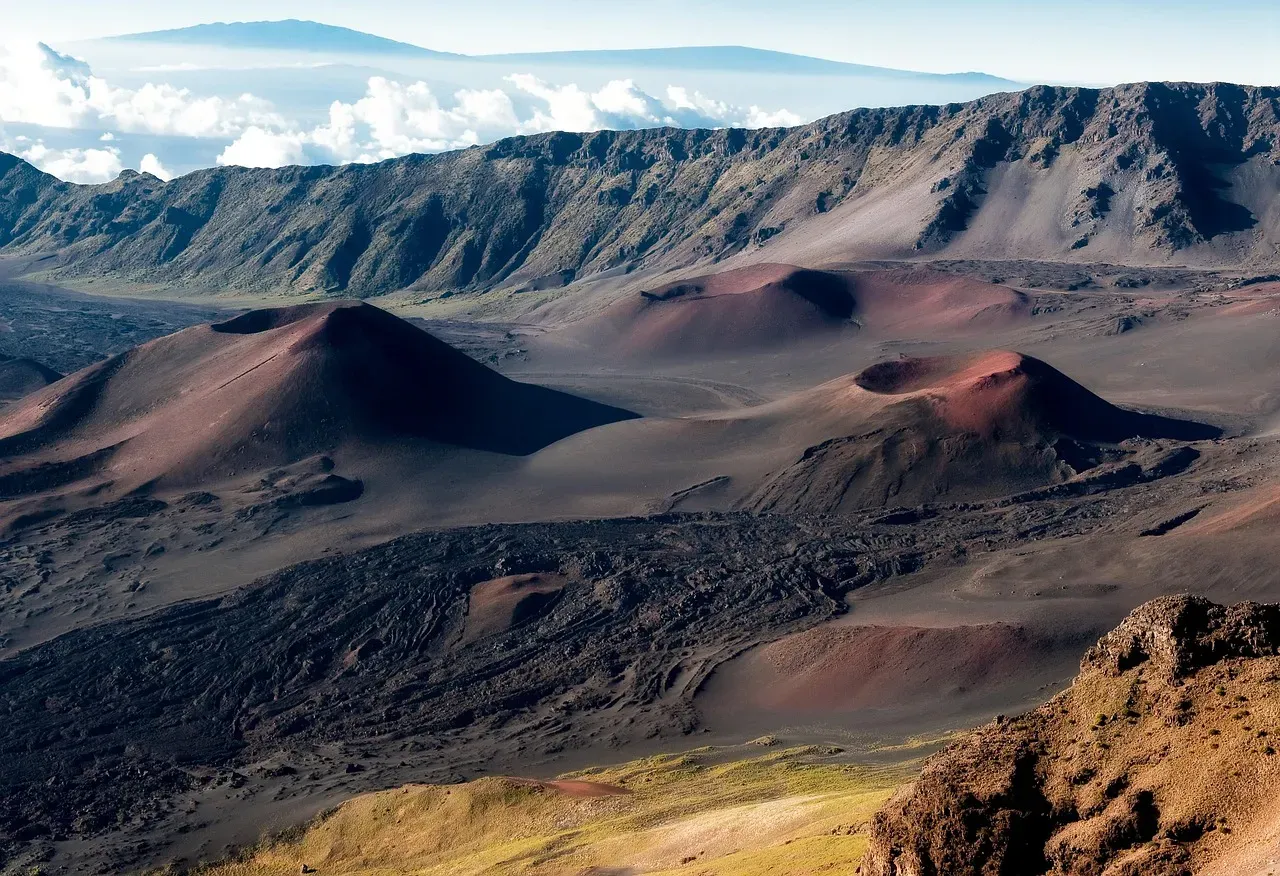
You might walk across a parking lot, stand on a mountain trail, or swim in the ocean and feel a profound sense of solidity under your feet. It is an illusion, and a gorgeous one at that. The seven wonders described here are not ancient history – they are actively ongoing, happening right now beneath your feet and under miles of ocean water.
From the Mid-Atlantic Ridge quietly manufacturing new ocean floor, to the deep supervolcanic plumbing system beneath Yellowstone, to a continent slowly tearing apart in East Africa, Earth is unmistakably, irreversibly alive. It always has been. The planet is not a stage on which life happens. It is a participant. It breathes, cracks, builds, and reinvents itself on a timeline that dwarfs anything human civilization has ever known.
So next time you feel the ground beneath you and think it is just rock, remember – you are standing on the skin of a living planet, one that has been restlessly reshaping itself for 4.5 billion years and shows absolutely no signs of stopping. Does that change the way you see the world beneath your feet?