
Fossils are often described as time capsules of Earth’s distant past, offering glimpses into life that existed millions of years ago. Through the diligent work of paleontologists, certain fossil discoveries have reshaped our perception of prehistoric life, dispelling old myths and opening new chapters in the history of our planet. Let’s delve into seven monumental fossil discoveries that have challenged and enriched our understanding of the ancient world.
The Discovery of Archaeopteryx

First unearthed in 1861 in Germany, the Archaeopteryx fossil marked a groundbreaking discovery as it bridged the gap between non-avian dinosaurs and modern birds. With its blend of avian and reptilian features—feathers akin to birds, but teeth and a long bony tail reminiscent of dinosaurs—it suggested that birds evolved from theropod dinosaurs. Archaeopteryx has since become a pivotal piece of evidence supporting the theory of evolution.
Lucy: Unlocking Human Evolution
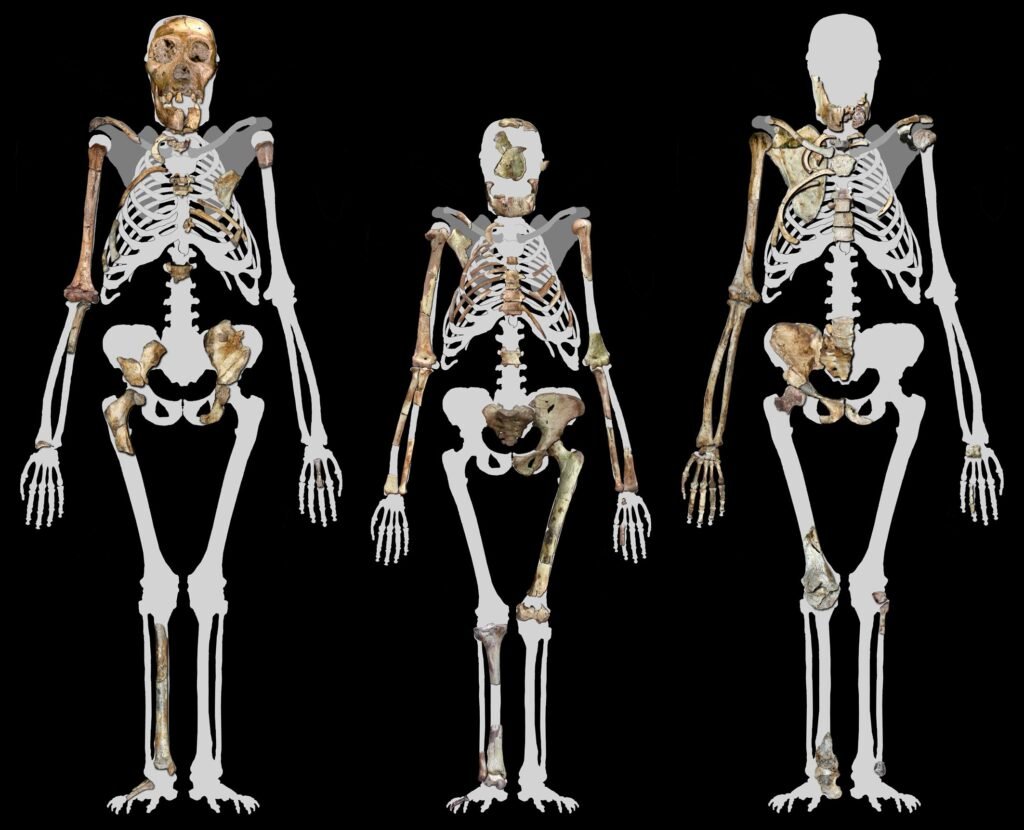
In 1974, Donald Johanson and his team discovered a 3.2 million-year-old Australopithecus afarensis fossil in Ethiopia, famously named Lucy. Standing only about 3.5 feet tall, Lucy provided significant insight into human bipedalism. Her structure suggested that walking upright preceded the development of larger brains in early human ancestors. This discovery helped map out a crucial phase in human evolution.
The Taung Child and the Rise of Australopithecus
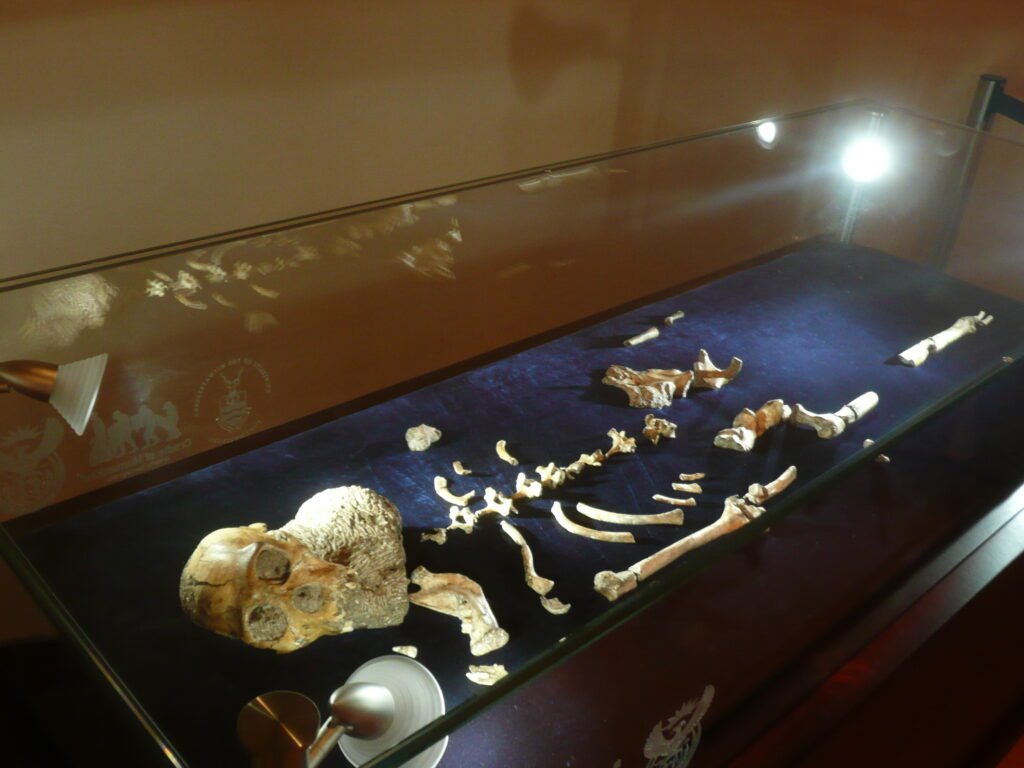
Found in 1924, the Taung Child skull, belonging to the species Australopithecus africanus, was uncovered by Raymond Dart in South Africa. This juvenile fossil challenged the prevailing view that hominid evolution was centered in Asia by suggesting that Africa was indeed the cradle of humanity. The Taung Child revealed that early hominids had a unique combination of both human and ape-like features, offering clues about early human traits.
The Burgess Shale: A Treasure Trove of Marine Life
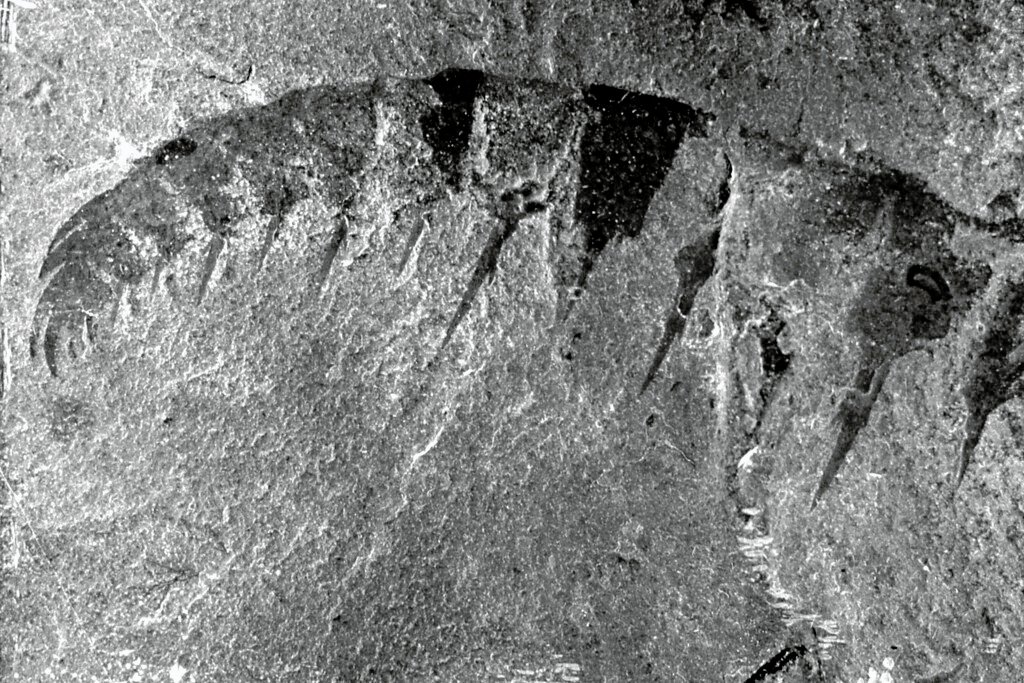
Discovered in the Canadian Rockies, the Burgess Shale is a fossil-rich deposit that dates back over 500 million years to the Cambrian Explosion—an era of rapid diversification of life forms. This site has provided exceptionally preserved fossils capturing a wide array of strange, soft-bodied marine creatures. It has broadened our understanding of the early complexity of life and the evolutionary paths different animal groups have taken.
Cambrian Explosion and the Chengjiang Fauna

In China, the Chengjiang fossil site rivals the Burgess Shale and offers a window into the Cambrian Explosion. With its numerous well-preserved fossils, including the earliest known vertebrates, the Chengjiang assemblage has shed light on the rapid diversification that occurred around 541 million years ago. It highlights critical developments like the emergence of early body plans that are still recognizable in today’s animal kingdom.
Tiktaalik: The Fishapod
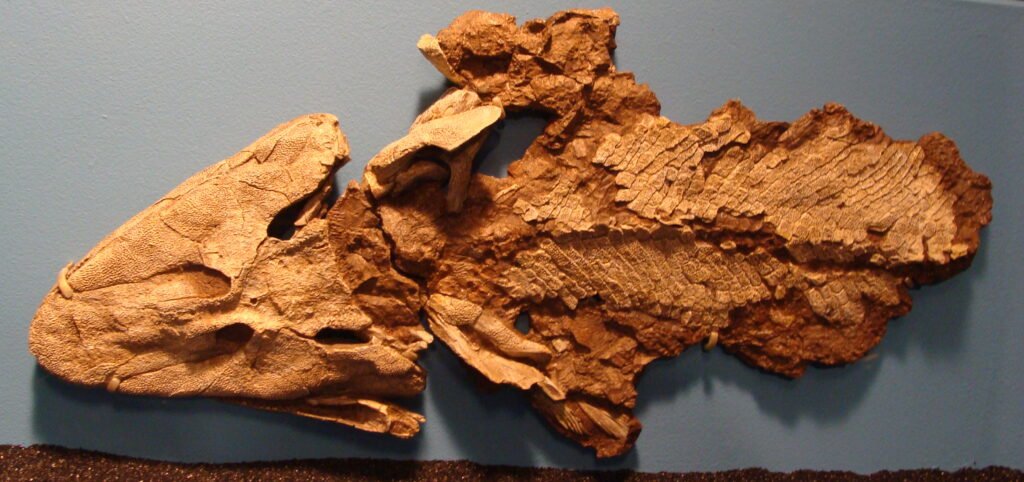
Discovered in the Canadian Arctic in 2004, Tiktaalik is a 375-million-year-old “fishapod” that fills an evolutionary gap between fish and terrestrial vertebrates. It had fins with bone structures resembling a tetrapod’s arm and wrist, indicating the ability for limited limb movement on land. Tiktaalik is crucial in understanding the evolutionary transition from aquatic to terrestrial life and highlights the adaptability of life forms through time.
Thrinaxodon and the Mammalian Middle Ear
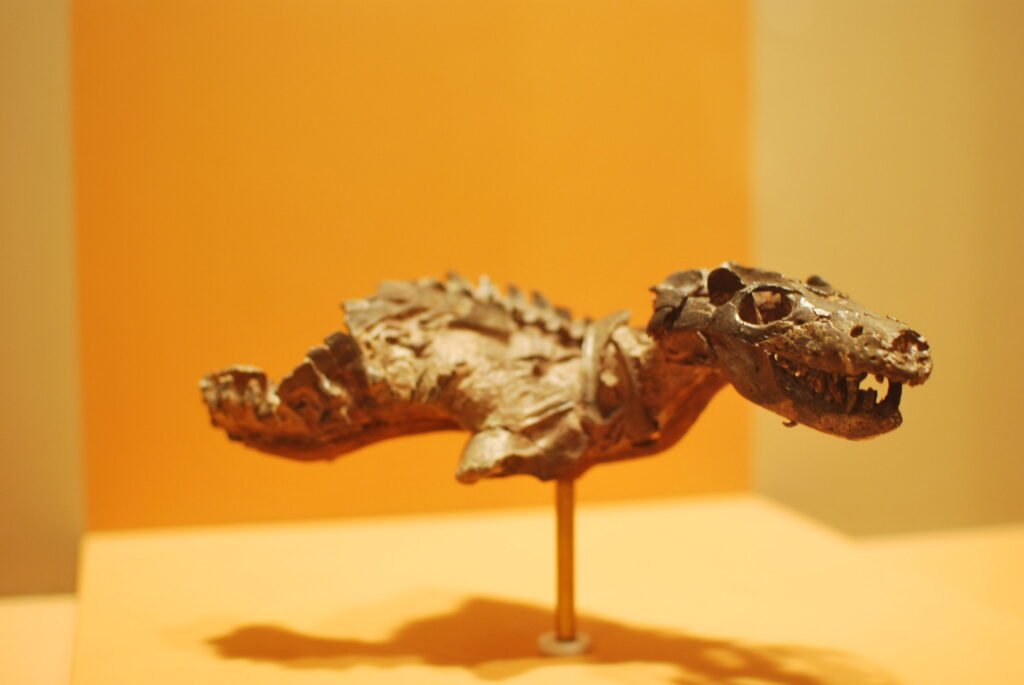
The discovery of the Thrinaxodon, a small synapsid from the early Triassic, has significantly impacted our understanding of the evolution of mammals. This genus provides insight into the mammalian middle ear’s origin, a complex structure essential for acute hearing. Fossil evidence shows the gradual change of jawbones found in reptilian ancestors transforming into parts of the ear in mammals, illustrating the intricate process of evolutionary adaptation.
The exploration and study of these fossils not only fortify the evolutionary narrative but also continuously inspire and challenge scientists to further unearth the mysteries of prehistoric life. Each discovery contributes invaluable knowledge, illustrating the dynamic and interconnected history of life on Earth. As paleontology advances, who knows what incredible revelations await beneath our feet’s surfaces?