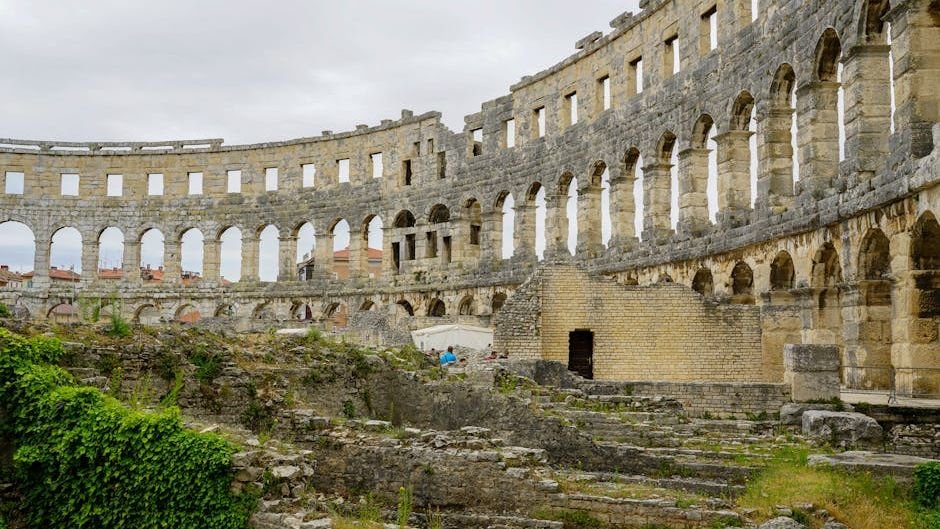

Every so often, humanity stumbles across an idea so far ahead of its time that the world just isn’t ready for it. The story of technology isn’t just about the breakthroughs that reshaped our lives. It’s also about the strange, brilliant, and sometimes tragic inventions that slipped through the cracks, then quietly vanished. When you look closely, you start to wonder: how different would our world be if a few crucial ideas had caught on just a little earlier?
I’ve always been fascinated by the “what ifs” of history. Not the big political ones, but the tiny mechanical miracles that never found their moment. Some were buried by war, others strangled by greed, and some simply arrived before the supporting technology existed. Let’s dig into seven inventions that almost rewrote the script of human history – then faded into the background like they never existed.
The Ancient Greek Steam Engine That Arrived Two Millennia Too Early

Here’s a shocker: the basic idea behind the steam engine existed in ancient Greece, nearly two thousand years before the Industrial Revolution. Around the first century, an engineer and mathematician in Alexandria described a device powered by steam that spun when heated. It was essentially a simple reaction turbine – steam was boiled, escaped through nozzles, and caused a sphere to rotate. On paper, it was already a tiny ancestor of modern power plants.
The problem wasn’t imagination; it was context. The ancient world relied heavily on slave labor and manual work, so there was little economic pressure to automate anything. Without the right materials, manufacturing methods, or social need, this device stayed a clever temple novelty instead of becoming a factory engine. Imagine if the concept of harnessing steam power had spread, improved, and been adopted centuries earlier: industrialization might have started in the Mediterranean rather than in eighteenth‑century Britain.
Hero’s Vending Machine: A Lost Leap Toward Everyday Automation
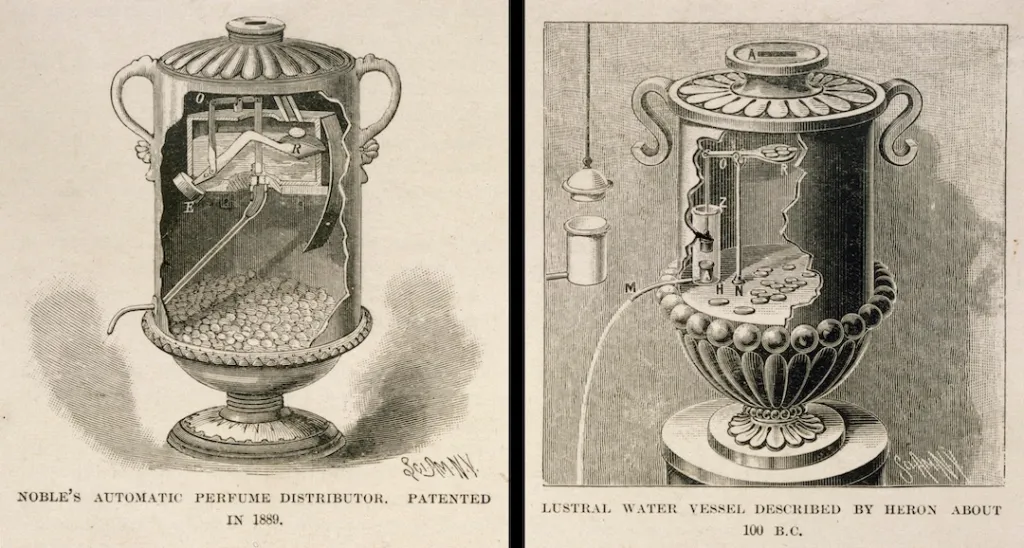
That same era also gave birth to another oddly modern idea: a coin‑operated dispenser used in temples to deliver a measured amount of holy water. When a coin was dropped into the machine, it tipped a small scale, opened a valve, and allowed liquid to flow out. Once the coin slid off, the scale returned and the valve closed. Strip away the ancient context and you basically have the ancestor of the vending machine and automated payment systems.
It might sound like a simple curiosity, but it hinted at something deeper: machines mediating everyday transactions without a human in between. If such mechanisms had become more widespread and diversified, it could have normalized automation long before the modern era. Instead, the idea remained isolated, remembered mostly as a fun temple trick rather than a prototype for self‑service commerce. It took many centuries before automatic dispensers re‑emerged and reshaped how we buy everything from snacks to train tickets.
Roman Concrete: The Building Material We Forgot How to Make
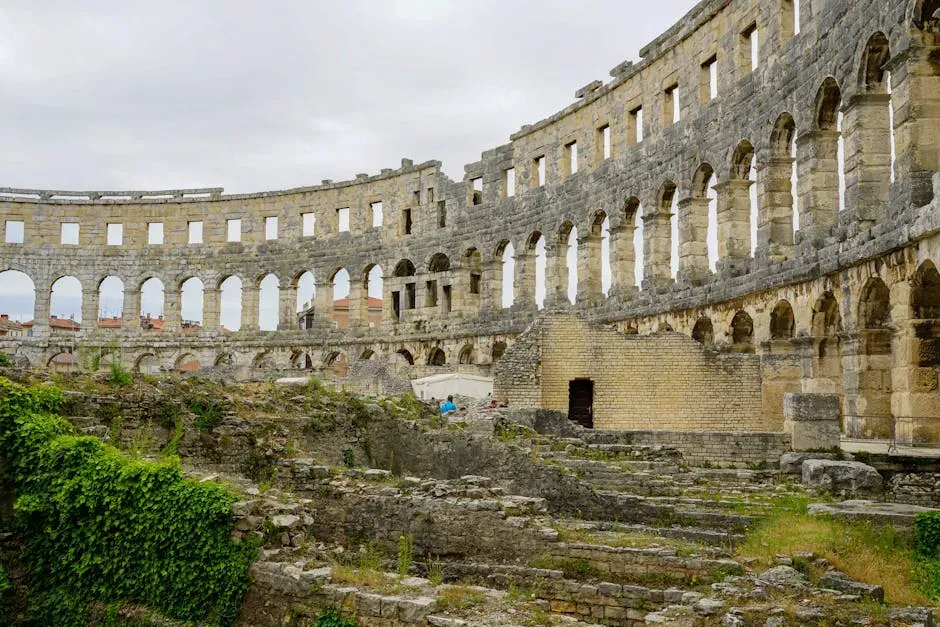
Some inventions don’t just change history – they stubbornly refuse to die, even when we forget their secret. Roman concrete is one of those. Many ancient Roman harbors, seawalls, and buildings are still standing after nearly two millennia, including massive structures battered by waves and storms. Their secret wasn’t just “they built things well,” but a special blend of volcanic ash, lime, and seawater that created a self‑healing, long‑lasting material.
For a long time, modern builders couldn’t fully replicate this mix. Contemporary concrete is strong but often starts to crack and fail in a matter of decades, especially in harsh environments like coasts and bridges. Researchers in the last decade have shown how Roman mixtures formed crystals that could grow and repair micro‑cracks over time. If that knowledge had been preserved and continuously improved instead of forgotten, our cities might have been more durable, our infrastructure cheaper to maintain, and our environmental impact smaller, since concrete production is a major contributor to global emissions.
Archimedes’ War Machines: Early Engineering That Vanished in the Flames
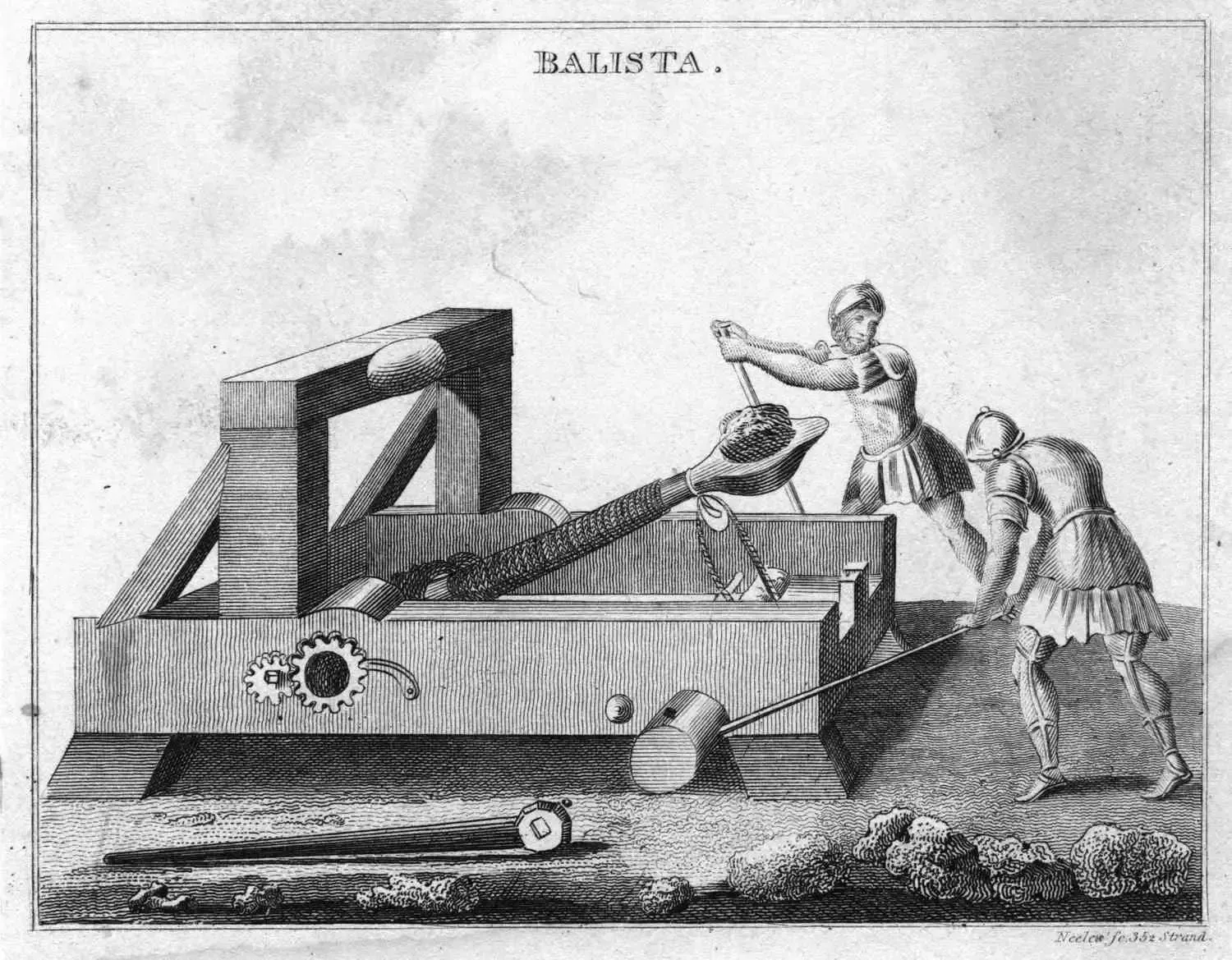
During the siege of Syracuse in the third century BCE, a legendary inventor supposedly designed a series of defensive machines that terrified attacking forces. Accounts from the time describe mechanical devices like giant cranes that lifted enemy ships, dropping them back into the water, and complex catapults that adjusted range automatically. While some of these stories may be dramatized, there’s solid evidence that he engineered highly advanced war tools for his era.
Here’s the sad twist: much of this knowledge was lost when the city fell, and the inventor himself was killed. Instead of becoming a foundation for early mechanical engineering textbooks, his designs disappeared into fragmented descriptions and secondhand stories. If his machines had been systematically studied and copied, the development of applied mechanics, precision warfare, and engineering education might have accelerated by centuries. It’s like losing an entire research lab’s worth of prototypes in a single catastrophic fire.
Al-Jazari’s Automata: A Medieval Vision of Robotics That Went Nowhere

Jump forward to medieval times in what is now the Middle East, and you find something astonishing: detailed descriptions of programmable mechanical devices powered by water. An engineer in the twelfth and thirteenth centuries created water clocks with moving figures, musical automata, and even mechanisms that followed preset sequences – almost like early “code” encoded in cams and valves. His work documented how to build machines that performed repeated tasks automatically.
Think of these automata as the great‑grandparents of robots and industrial machines. They showed that humans could design systems that operated on their own, triggered by hidden mechanisms rather than constant human input. But instead of sparking a sustained tradition of mechanical computation and mass automation, they were treated mostly as marvels and entertainment. If this spark had caught on more broadly, the idea of programmable machines could have matured much earlier, potentially bending the timeline of both industry and computing.
Early Electric Cars: The Clean Revolution That Started in the 1800s
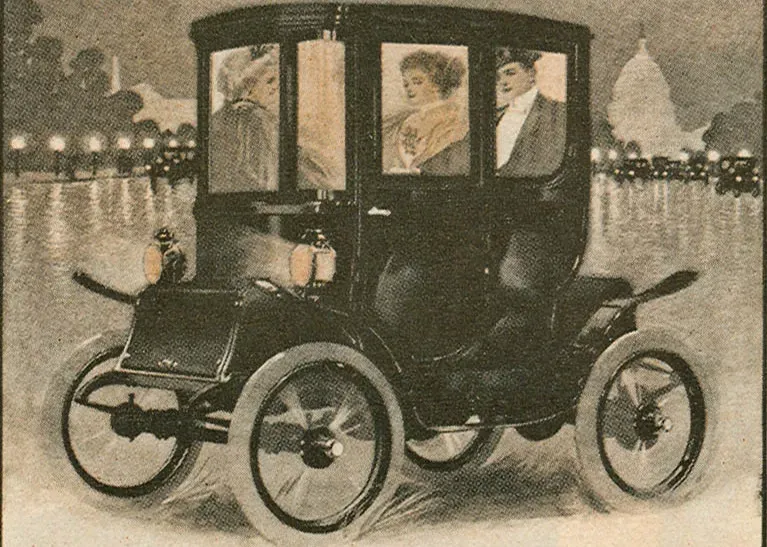
Most people think of electric cars as a twenty‑first‑century response to climate change, but the story is much older – and a bit heartbreaking. In the late nineteenth and early twentieth centuries, battery‑powered vehicles were surprisingly popular in some cities. They were quiet, easy to start, and didn’t belch smoke like early gasoline cars. For a while, they even competed directly with combustion engines in urban transport, especially for taxis and city driving.
So why did they vanish? Weak battery technology, limited range, slow charging, and the rise of cheap gasoline combined to push them off the road. Instead of investing heavily in better batteries, charging networks, and electric infrastructure, most societies doubled down on fossil fuels. If electric vehicles had stayed in the game and kept improving across the entire twentieth century, urban air quality might have been far better, oil politics very different, and the climate crisis less severe. It’s a rare case where we actually tried the greener path early, then abandoned it.
Clean, Early Nuclear Concepts Overshadowed by Weapons
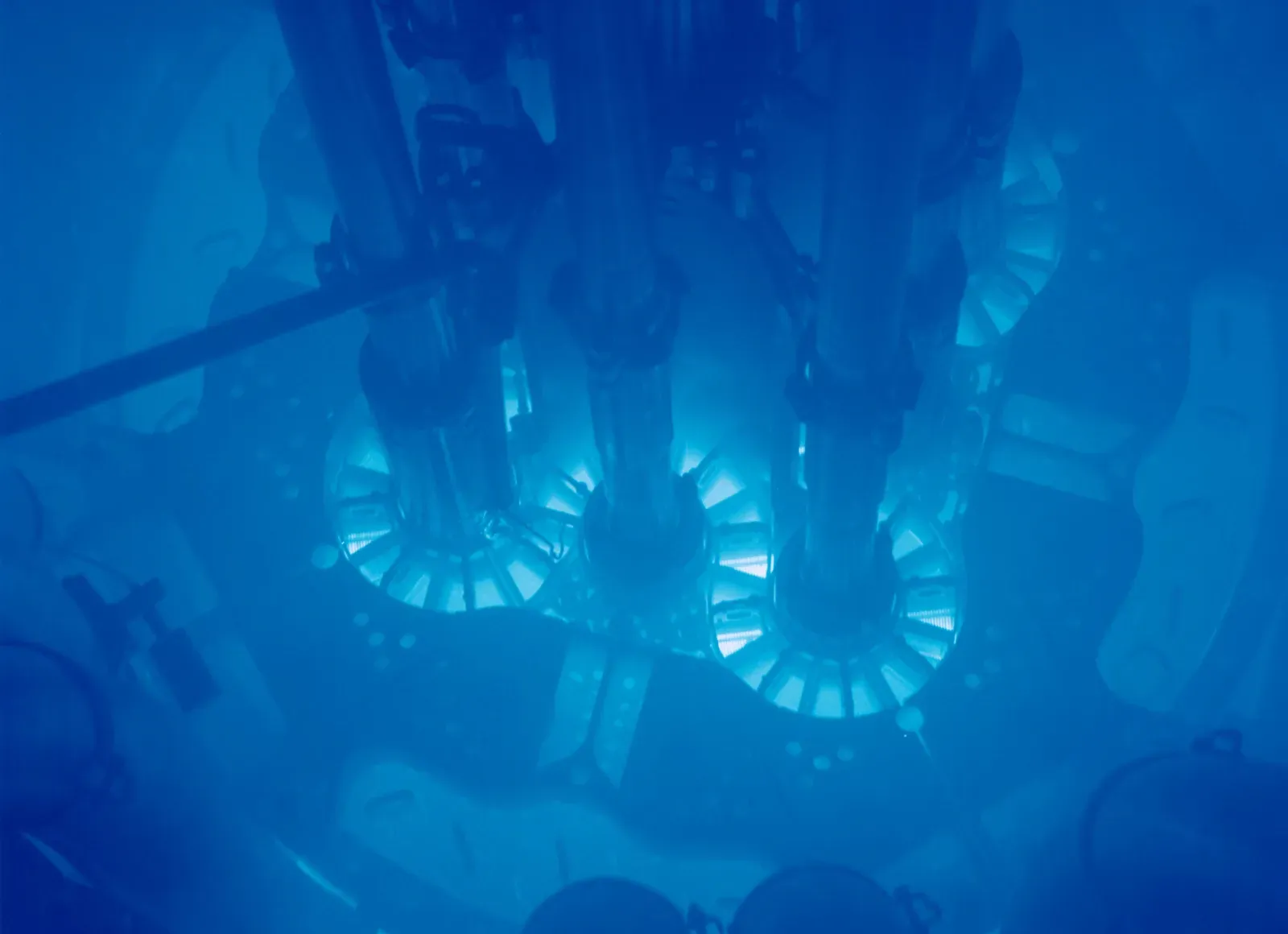
In the early decades of nuclear research, some scientists explored designs that focused on safety, fuel efficiency, and even the possibility of using alternative fuels like thorium. Certain reactor concepts were envisioned to be less prone to meltdown and to produce significantly smaller quantities of long‑lived waste. A few experimental reactors in the mid‑twentieth century hinted that more flexible, inherently safer nuclear systems were technically possible, given time and sustained support.
But the political and military context pushed development in another direction. The designs that aligned most closely with weapons production or navy propulsion received the most funding and attention. Civilian‑oriented alternatives were sidelined, paused, or never moved beyond early experiments. If more benign nuclear architectures had been prioritized from the start, we might live in a world where low‑carbon nuclear power was more widely accepted, with fewer high‑profile disasters and less fear shaping the public imagination.
The Hidden Cost of Missed Chances

Looking back at these forgotten inventions feels a bit like staring at ghost roads branching away from our own timeline. Ancient steam engines that never powered factories, self‑healing concrete we rediscovered only after a long detour, electric cars that almost won the race the first time around – each one is a reminder that progress isn’t guaranteed to follow the “best idea.” It follows whatever ideas survive politics, economics, culture, and sheer luck.
The striking thing is how often humanity had the right concept at the wrong time, or in the wrong place, with the wrong incentives. It makes me wonder which of today’s overlooked experiments – clean energy prototypes, niche medical devices, oddball software tools – will be the “forgotten inventions” of our century. When future generations look back at us, which breakthrough sitting quietly in a lab or a garage right now will they wish we had taken more seriously?