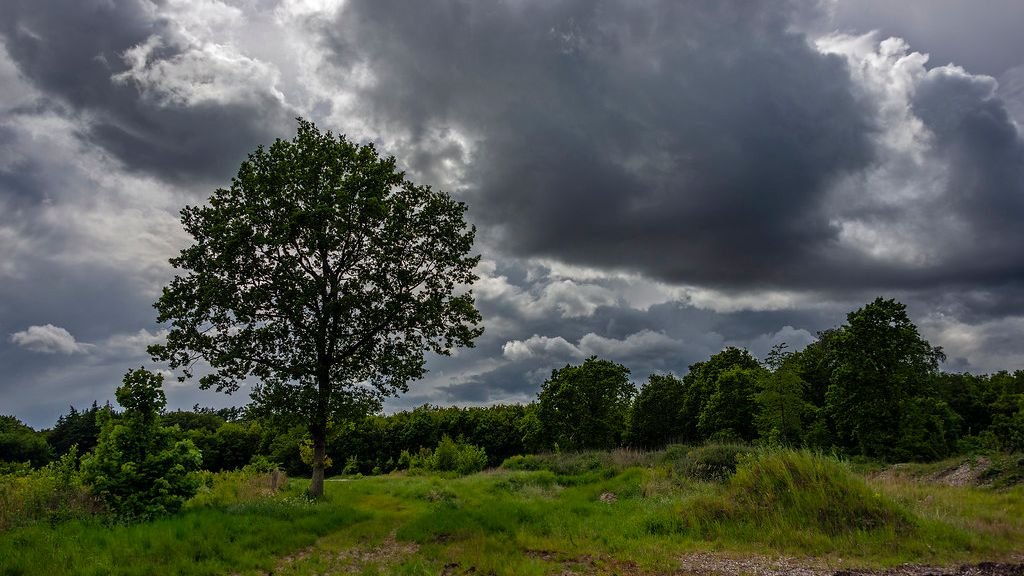

Every time the sky turns strange, humans look up and wonder what it means. For most of our history, weather wasn’t just background noise; it was a mysterious force that decided who thrived, who starved, which empires rose, and which legends were born. Long before satellites and weather apps, a sudden storm or a failed monsoon could feel like a message from the universe itself.
What’s wild is how many turning points in human history trace back to something as simple as wind direction, a cold snap, or a few seasons of strange rain. Wars were lost, religions took shape, and whole migrations began because the climate shifted or the clouds didn’t behave as expected. Let’s walk through seven moments where the weather didn’t just make the news – it wrote the story.
The Little Ice Age: When Cold Weather Redrew the Map of Europe
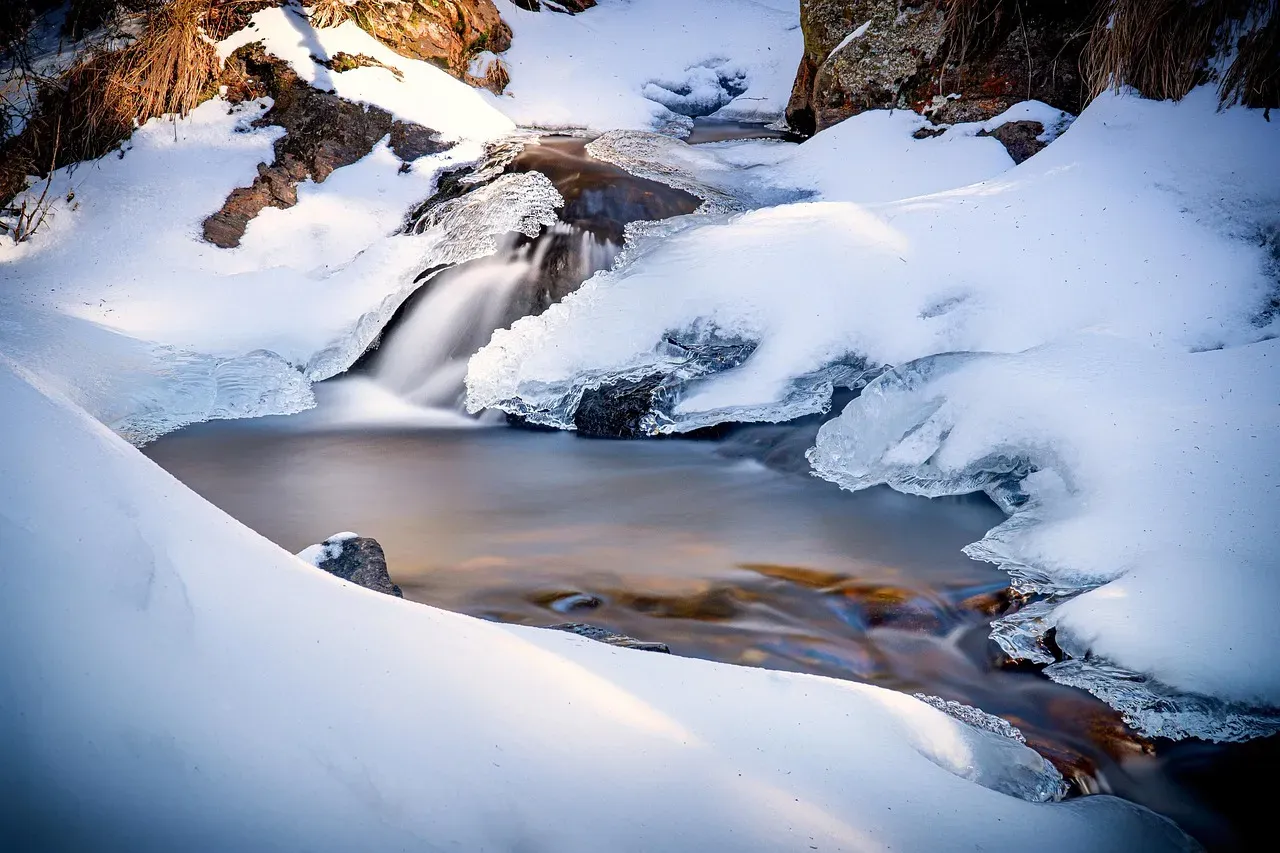
Imagine centuries of unpredictable chills, frozen rivers, and failed harvests slowly pushing societies to the edge. That’s essentially what happened during the Little Ice Age, a long stretch of cooler temperatures that roughly began in the late Middle Ages and lingered into the nineteenth century. In parts of Europe, winters became harsher, growing seasons shorter, and crops less reliable, leading to famines, uprisings, and a constant sense of uncertainty.
This colder climate helped reshape everything from politics to culture. Some historians argue that food crises and economic strain fueled unrest that later fed into big social shifts, including revolutions. At the same time, the freezing of rivers like the Thames in London inspired vibrant ice fairs and winter traditions that still show up in art and stories today. It’s a strange twist: the same cold that starved villages also gave birth to some of the most iconic winter imagery in European culture.
The Year Without a Summer: Volcano Ash, Dark Skies, and Global Hunger
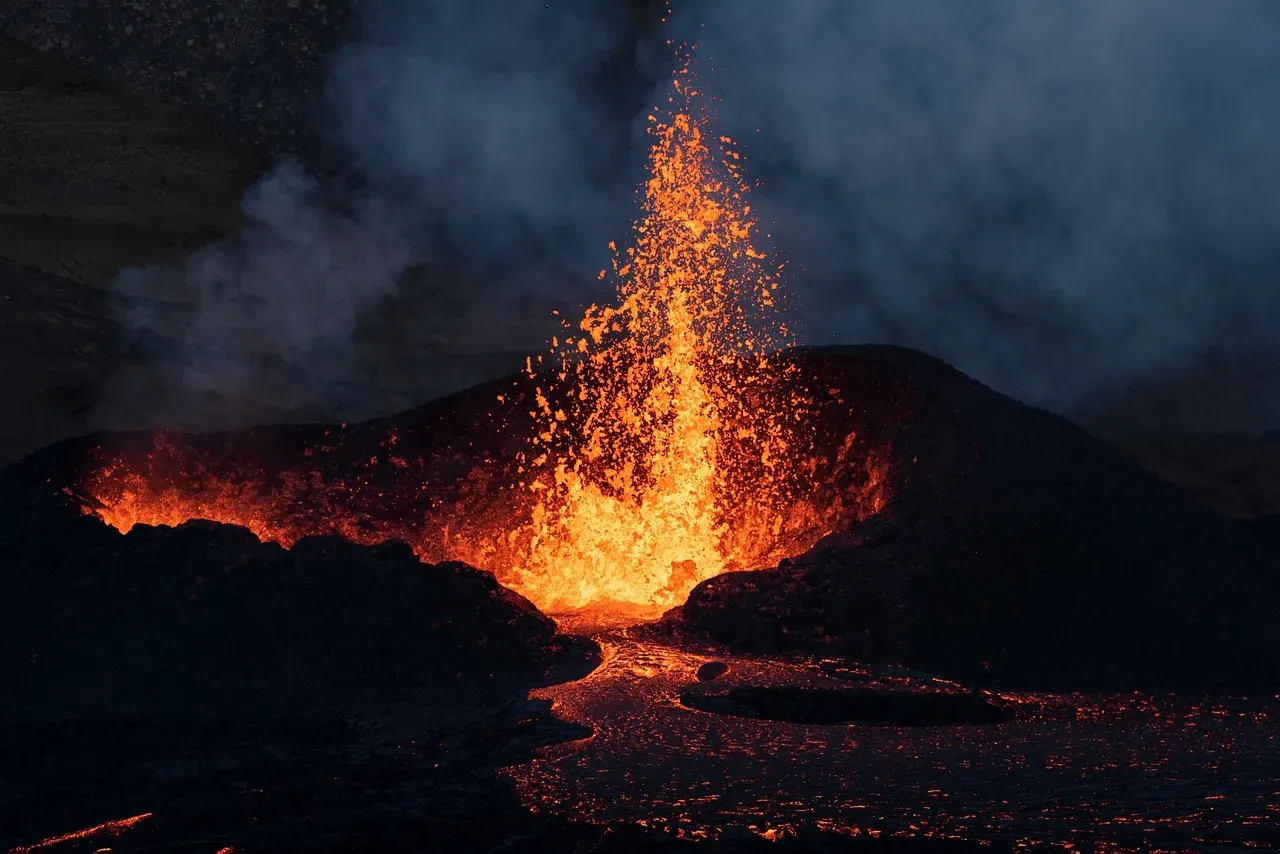
In 1816, people across Europe and North America watched summer disappear. Frost struck in June, crops failed, and the sky stayed weirdly hazy and dim. The hidden culprit was a massive volcanic eruption the year before, when Mount Tambora in present-day Indonesia blasted vast amounts of ash and particles high into the atmosphere, blocking enough sunlight to cool the planet for a while.
The consequences were brutal and far-reaching. Harvest failures led to soaring food prices, hunger, and migration, as families abandoned their homes in search of better conditions. Yet out of this misery came cultural sparks: gloomy weather kept writers and artists indoors, inspiring dark, imaginative works that still echo through literature and art. It’s unsettling to realize that a single mountain exploding on the other side of the world can rewrite the mood of an entire year – and leave a mark on culture that lasts centuries.
The Dust Bowl: When the Great Plains Turned Into a Man-Made Desert
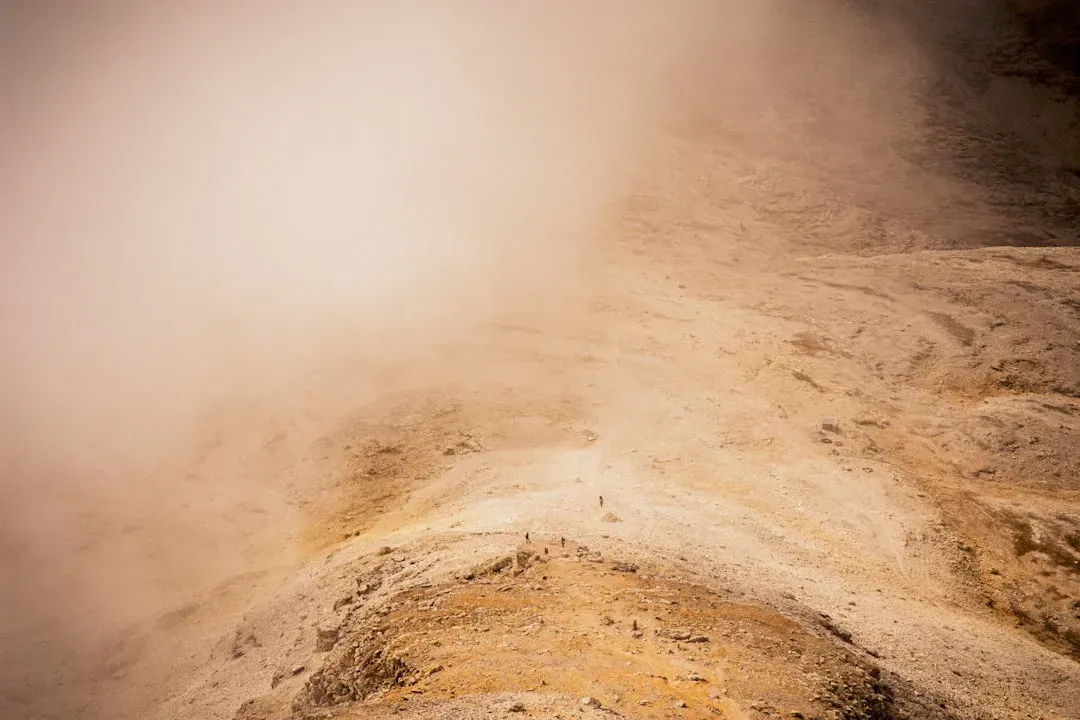
In the 1930s, huge swaths of the United States Great Plains turned into a choking, swirling nightmare of dust. Drought collided with aggressive, unsustainable farming practices, stripping away the protective grasses that had anchored the soil for ages. Then came the winds, lifting the dry earth into towering dust storms that blotted out the sun and buried homes and fields.
For countless families, this wasn’t just bad weather; it was the end of a way of life. Many packed their belongings and headed west, their journeys shaping American identity and showing up later in novels, songs, and photographs that defined an era. The Dust Bowl also forced governments and scientists to rethink how land should be managed, birthing new ideas about conservation and sustainable agriculture. It’s a haunting reminder that when humans ignore the limits of an ecosystem, the weather doesn’t just get unpleasant – it pushes back hard.
Monsoons and the Rise of Ancient Civilizations in South and East Asia
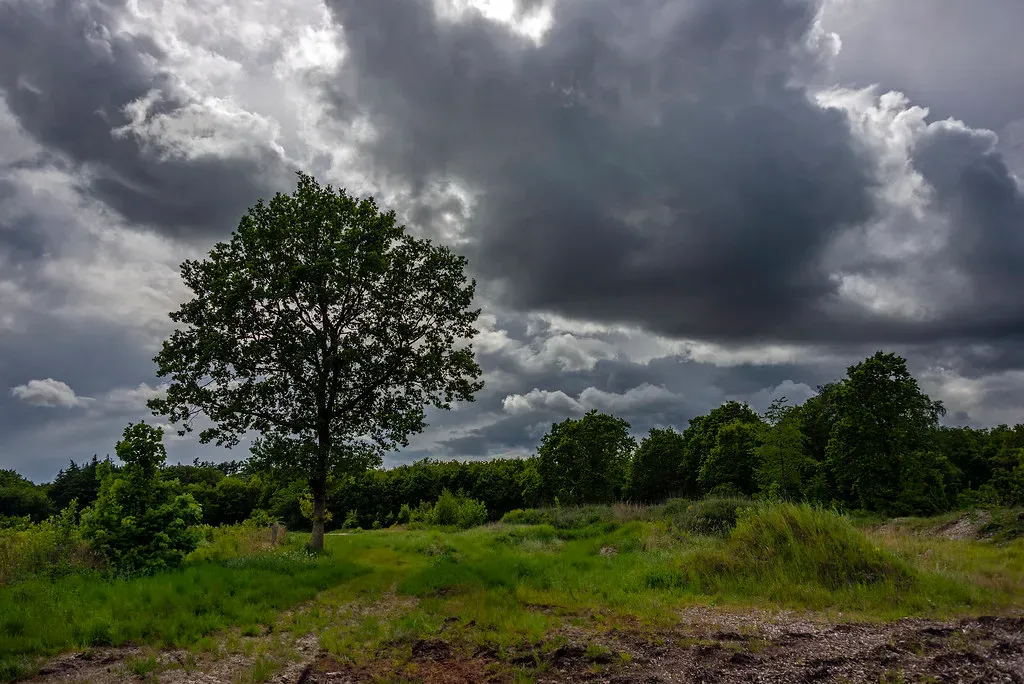
The monsoon is more than a season; in much of South and East Asia, it’s the heartbeat of life. For thousands of years, predictable cycles of wet and dry shaped where people settled, what they planted, and how they traded. Powerful river-based civilizations, like those in the Indian subcontinent and along major East Asian rivers, relied on monsoon rains to fill reservoirs, flood fields, and recharge the soil.
But this relationship with the monsoon has always been delicate. Too little rain meant drought and hunger; too much meant floods and destruction. Some researchers link shifts in monsoon patterns to the decline of ancient cities, as changing rainfall made old agricultural strategies fail. Even today, cultural rituals, festivals, and prayers in many regions still revolve around the arrival of the monsoon, blending deep spiritual meaning with very practical hopes: good rains, decent harvests, and one more year of stability.
The “Divine Wind” Typhoons That Saved Japan from Invasion
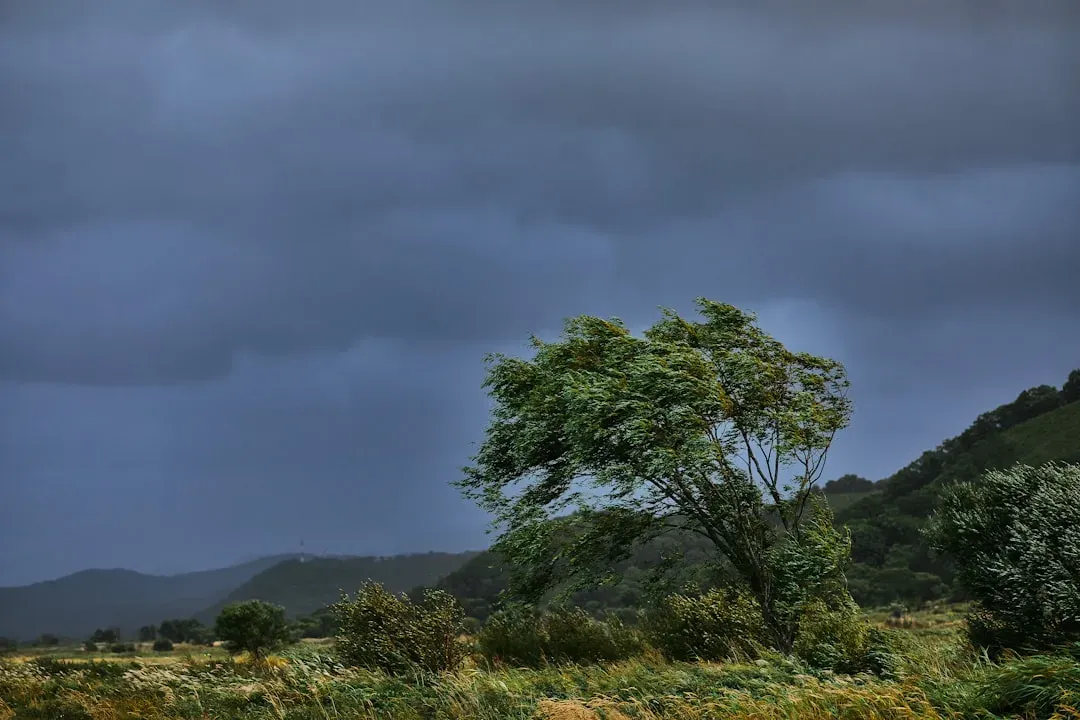
In the thirteenth century, powerful Mongol fleets attempted to invade Japan, armed with soldiers and ships meant to overwhelm the islands. Twice, those fleets were shattered not by swords, but by storms. Massive typhoons tore through the invading armadas, wrecking ships and drowning warriors before they could secure a foothold on Japanese soil. For the people of Japan, these storms felt like a cosmic intervention.
Over time, these typhoons became woven into national identity as a kind of sacred protection, remembered as a “divine wind” that guarded the islands. That idea of weather as a shield lingered far into the future, influencing stories, military thinking, and how the nation saw itself in relation to the wider world. It’s a powerful example of how a single unexpected weather event can become a defining national myth, blurring the line between meteorology and meaning.
Storms and the Fate of Naval Empires: When Wind Picked the Winner
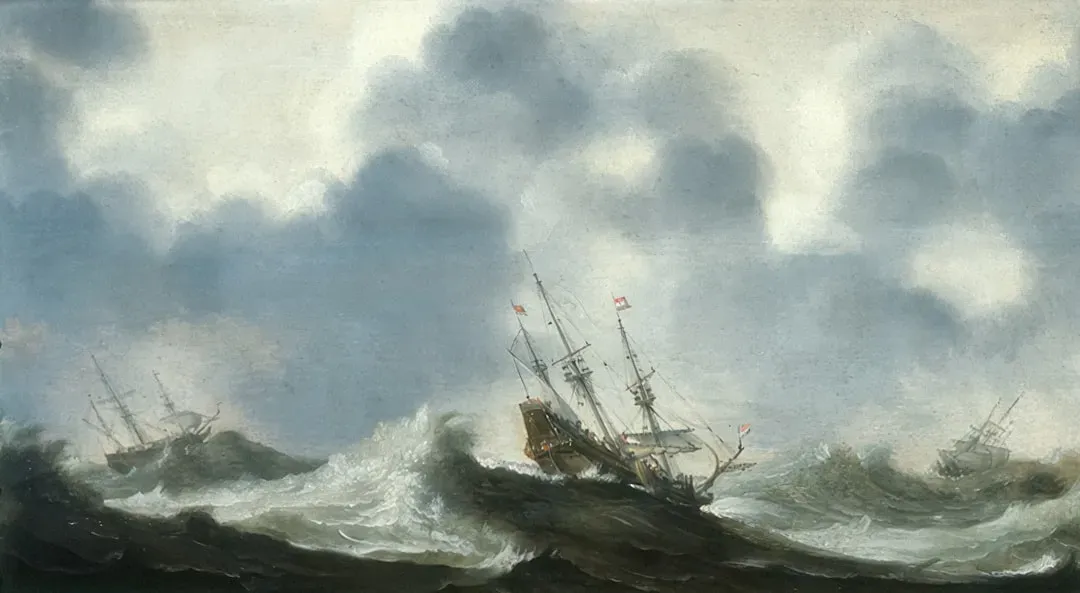
For centuries, naval battles and oceanic empires lived and died by the wind. Before engines, ships depended entirely on weather patterns, and commanders could plan brilliantly yet still lose everything to a sudden shift in wind or an unseasonal storm. In several famous conflicts, storms scattered fleets at exactly the wrong moment, handing victory to rivals almost by accident.
These weather-driven twists changed which nations controlled trade routes, colonies, and global influence. Storm-damaged fleets could take years to rebuild, during which rival powers moved in and reshaped international politics. If you zoom out, you can see the wind as a quiet, invisible player in world history, nudging outcomes that textbooks often credit purely to strategy or courage. Sometimes the crucial difference wasn’t a brilliant admiral, but a sky that turned ugly at just the right time.
El Niño, La Niña, and the Subtle Weather Patterns Behind Major Crises
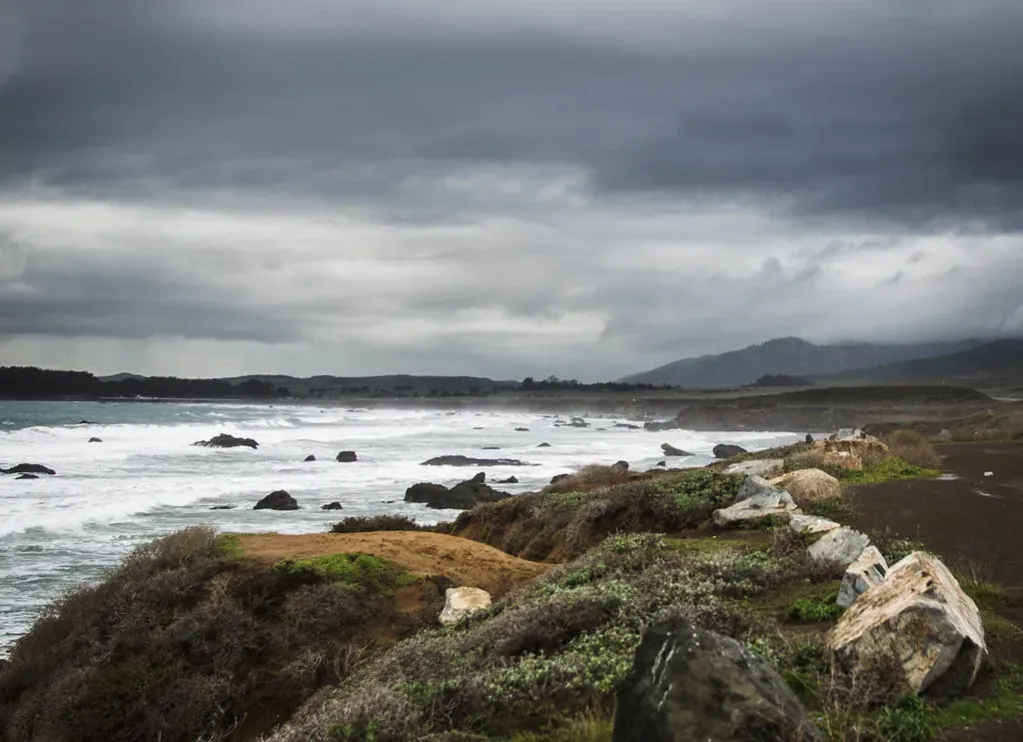
Every few years, the vast Pacific Ocean subtly rearranges its temperature patterns in events known as El Niño and La Niña. On paper it sounds technical and distant, but the effects ripple across the whole planet. Some regions get pounded with heavy rains and floods, others suddenly dry out, and entire farming seasons are thrown off balance. Fisheries can collapse when ocean conditions change, pushing communities that depend on them into hardship.
Over the past century, scientists and historians have traced links between these climate patterns and food shortages, disease outbreaks, and even social unrest. When harvests fail across multiple regions at once, prices spike and pressure builds on governments and ordinary families alike. In a way, El Niño and La Niña show how tightly human life is tied to global systems we can’t see but can now begin to track and predict. Knowing that a patch of warmer water thousands of kilometers away can shape whether fields thrive or fail is both unsettling and oddly humbling.
When the Weather Becomes the Main Character
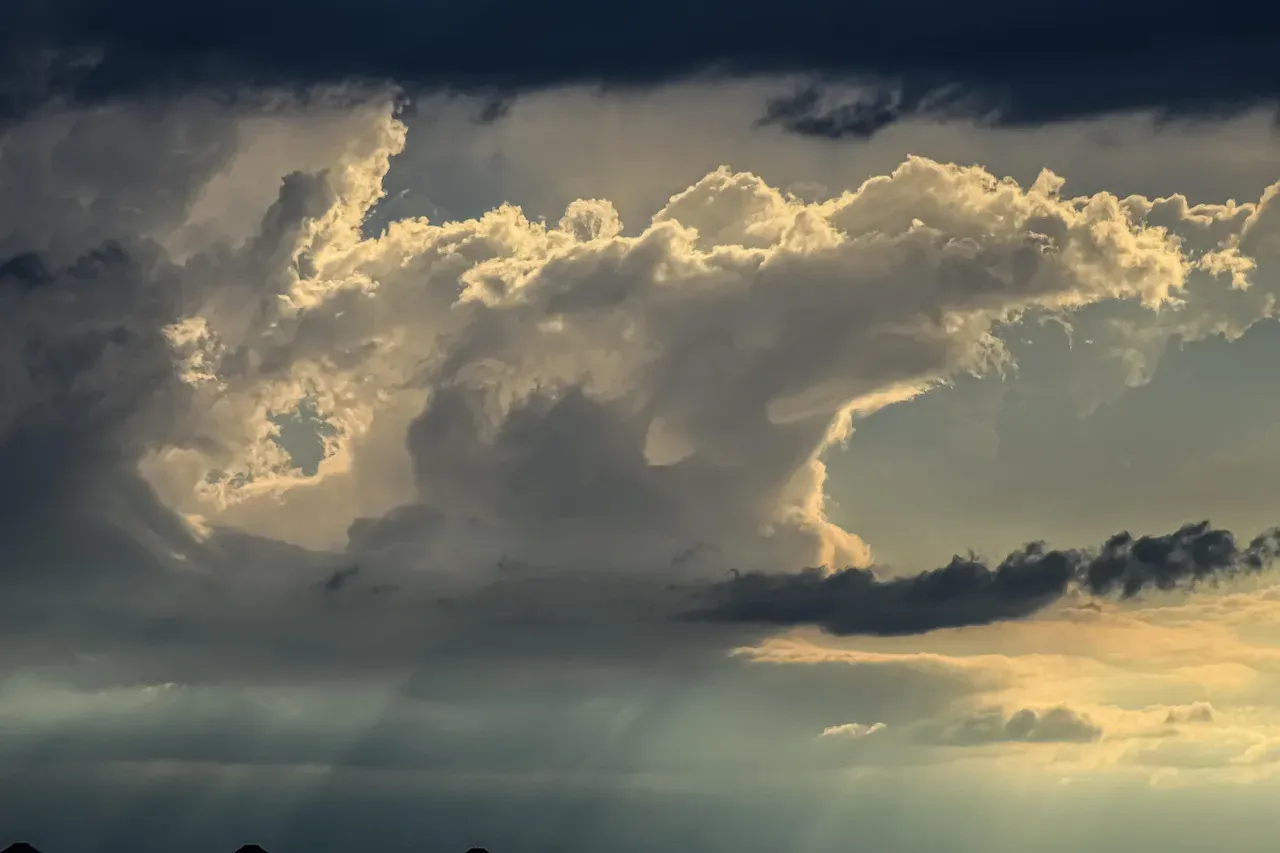
Looking back at these events, it’s hard not to see weather as more than just scenery in the story of humanity. Sometimes it acts like a silent partner, nudging us this way or that; other times it kicks the door in and forces entire societies to rethink everything from farming to faith. Empires fall, new cultures emerge, and deeply rooted traditions form because the rain shifted, the wind changed, or the temperature dropped for just a few crucial years.
What makes this even more pressing today is that humans are now pushing the climate system in ways that echo some of these past disruptions, but on a larger and faster scale. We’re no longer just reacting to the weather; in many ways, we’re participating in shaping it, for better or worse. As we face more extremes, from fiercer storms to more stubborn droughts, it’s worth asking: when future generations look back, which of today’s weather events will they say changed everything, and would you have guessed them now?