
Think about it for a second. What if the greatest minds in history had never stumbled upon the scientific breakthroughs that defined them? Where would we be without gravity, radioactivity, or the understanding of electricity? Science doesn’t just change theories or textbooks. It changes lives, destinies, entire legacies.
Throughout history, some of the most fascinating individuals didn’t just witness scientific discoveries. They were molded by them, driven to obsession, triumph, controversy, and even tragedy because of what they uncovered. These weren’t just lab coats and equations. These were human beings whose entire existence was redirected by a single moment of clarity, a spark of curiosity, or a relentless pursuit of truth. Let’s dive into the stories of seven remarkable figures whose lives were forever altered by the science they helped create.
Benjamin Franklin: The Man Who Tamed Lightning
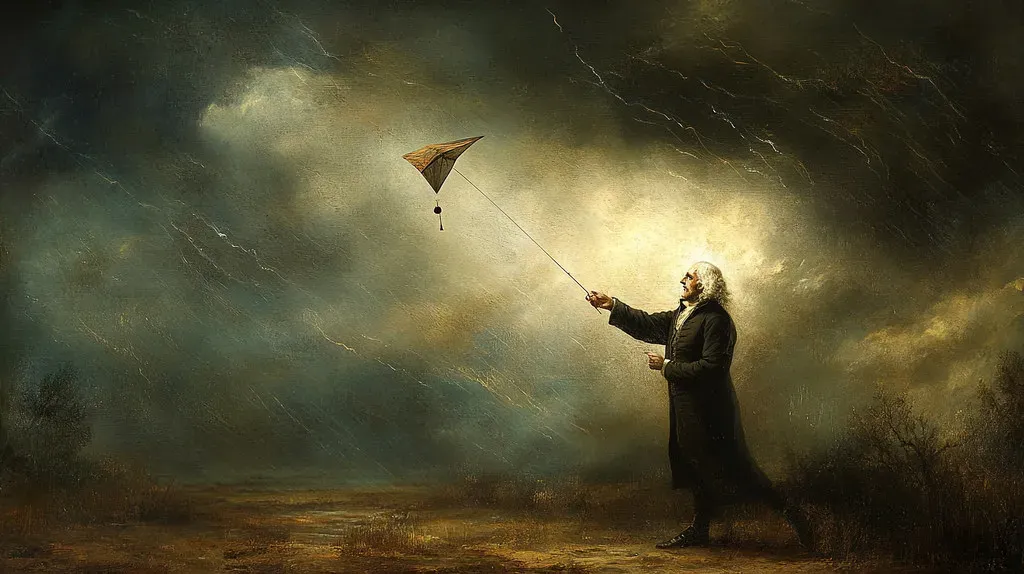
Franklin wanted to demonstrate the electrical nature of lightning, and to do so, he needed a thunderstorm. Picture this: June 1752, a storm rolling over Philadelphia. Most people rushed indoors. Benjamin Franklin decided it was the perfect time to go fly a kite.
Franklin’s experiment demonstrated the connection between lightning and electricity, a revelation that completely reshaped his life and legacy. Franklin did not invent electricity, but he discovered many things about it, previously not understood. He introduced terms we still use today like positive, negative, battery, and conductor. His home in Philadelphia became an electrical laboratory where he rigged bells to alert him when electricity filled the atmosphere. From 1746 to 1752, he conducted experiments that changed peoples’ understanding of electricity, transforming himself from a successful printer into one of the era’s most celebrated scientific minds. The kite experiment wasn’t just about proving a theory. It was about Franklin’s unshakable need to understand the forces around him, and that curiosity defined the rest of his days.
Marie Curie: Radioactivity’s Relentless Pioneer
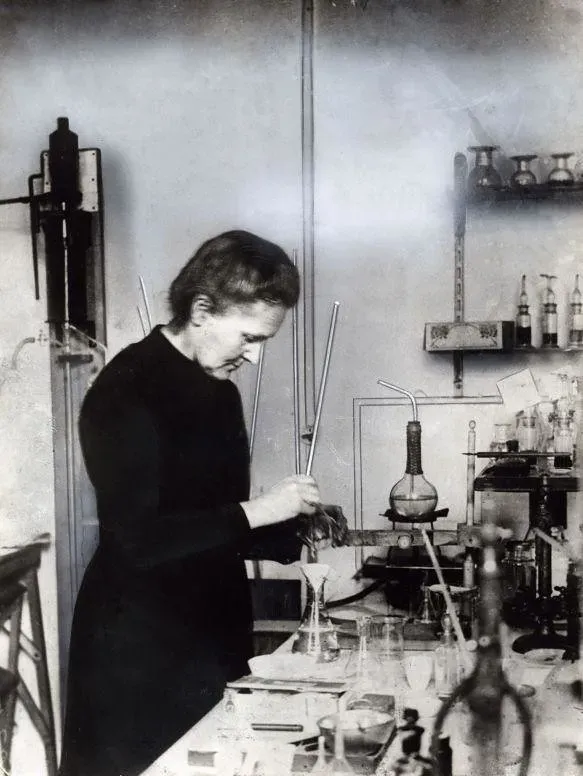
Marie Curie was a Polish and naturalised-French physicist and chemist who conducted pioneering research on radioactivity and was the first woman to win a Nobel Prize, the first person to win a Nobel Prize twice, and the only person to win a Nobel Prize in two different scientific fields. Let that sink in.
In an era when women weren’t welcome in science, Marie Curie dared to dream differently and had to move to Paris to study science, as universities in her homeland wouldn’t accept women. She shared the 1903 Nobel Prize in Physics with her husband Pierre Curie and physicist Henri Becquerel for their pioneering work developing the theory of radioactivity, a term she coined. She won the 1911 Nobel Prize in Chemistry for her discovery of the elements polonium and radium, using techniques she invented for isolating radioactive isotopes. The discovery of radioactivity didn’t just advance science. It consumed her life entirely. Marie Curie’s death from aplastic anemia in 1934, at age 66, was likely caused by radiation exposure. Her relentless work cost her everything, yet she never stopped pushing forward, proving that passion and persistence could break even the strongest barriers.
Isaac Newton: The Gravity of Genius
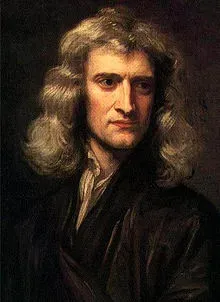
You’ve heard the apple story, right? When most people think of Isaac Newton, they think of him sitting under an apple tree observing an apple fall to the ground, and when he saw the apple fall, Newton began to think about a specific kind of motion – gravity. Whether or not the apple actually bonked him on the head is debatable, honestly. The point is, that moment changed everything.
Newton stated the three universal laws of motion which describe the relationship between any object, the forces acting upon it and the resulting motion, laying the foundation for classical mechanics. He used the Latin word gravitas for the effect that would become known as gravity, and formulated the law of universal gravitation, achieving the first great unification in physics. During two years following his bachelor’s degree, he developed theories on calculus, optics, and the law of gravitation. Here’s the thing: Newton didn’t just explain how apples fell. He explained why planets stayed in their orbits, why the moon circled Earth, and how the entire universe was held together by invisible forces. His work in the Principia Mathematica became the foundation for centuries of scientific progress. Newton was a complicated, brilliant, obsessive figure whose entire existence revolved around unlocking the secrets of motion and force.
Charles Darwin: Evolution’s Reluctant Revolutionary
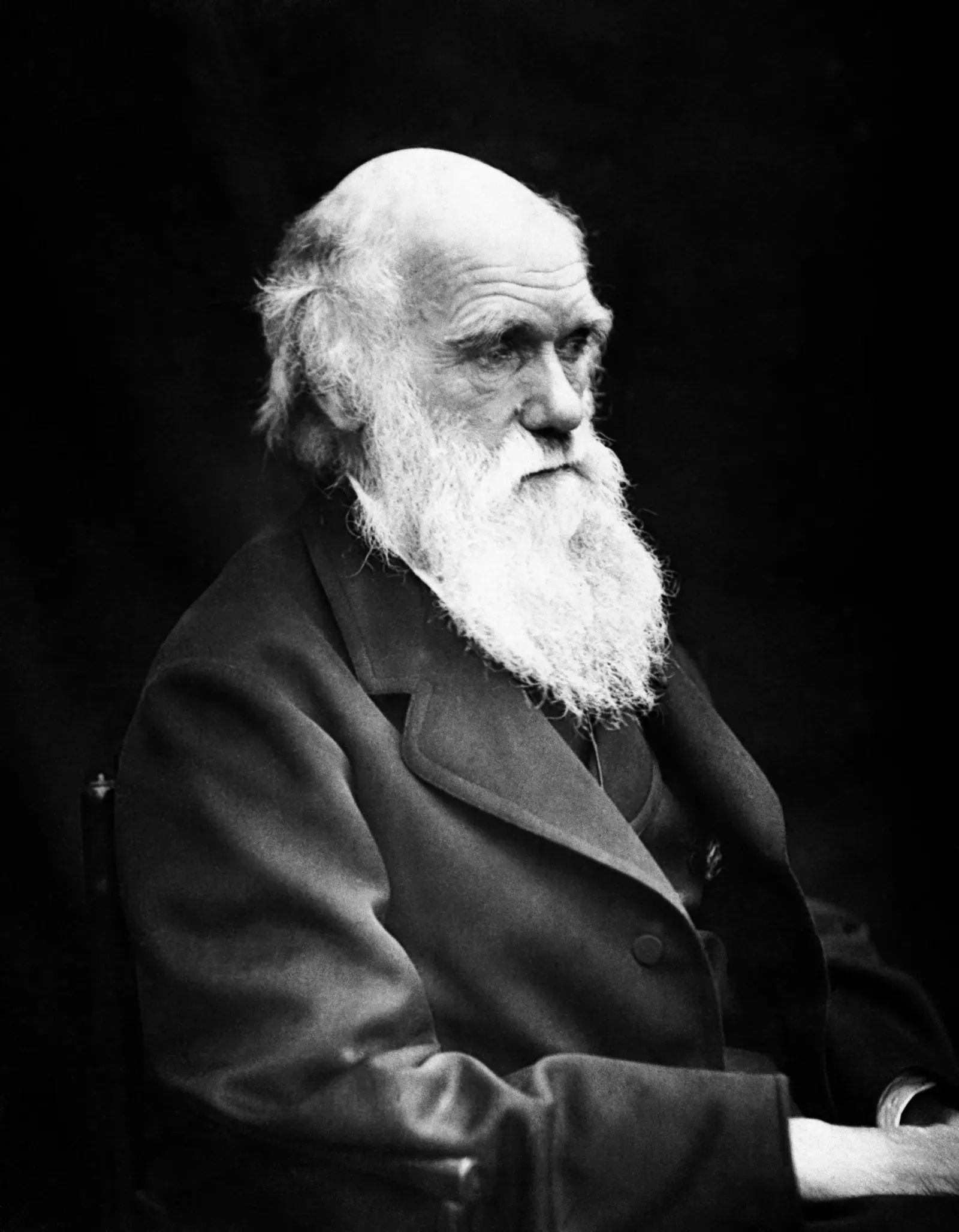
Darwin was raised in a Christian family and held creationist beliefs, which is not what you’d expect from the man whose landmark 1859 book On the Origins of Species by Means of Natural Selection provided a detailed description of the theory of evolution. Imagine growing up believing one thing your entire life, then discovering evidence that challenges everything you were taught.
In his writings, he outlined his natural selection concept, in which species that evolve and adapt to their environment thrive while the others perish. Charles Darwin’s discoveries remain the most controversial of all the famous scientists, as his work on evolution via natural selection turned the Church’s teachings about creation on its head. Darwin didn’t want controversy. He was a quiet naturalist with a love for beetles and birds. The weight of his discovery haunted him for years before he published. Evolution wasn’t just a theory to Darwin. It was a complete reframing of human existence, and that knowledge transformed his life from a simple naturalist into one of the most debated figures in history.
Galileo Galilei: The Stargazer Who Defied the Church
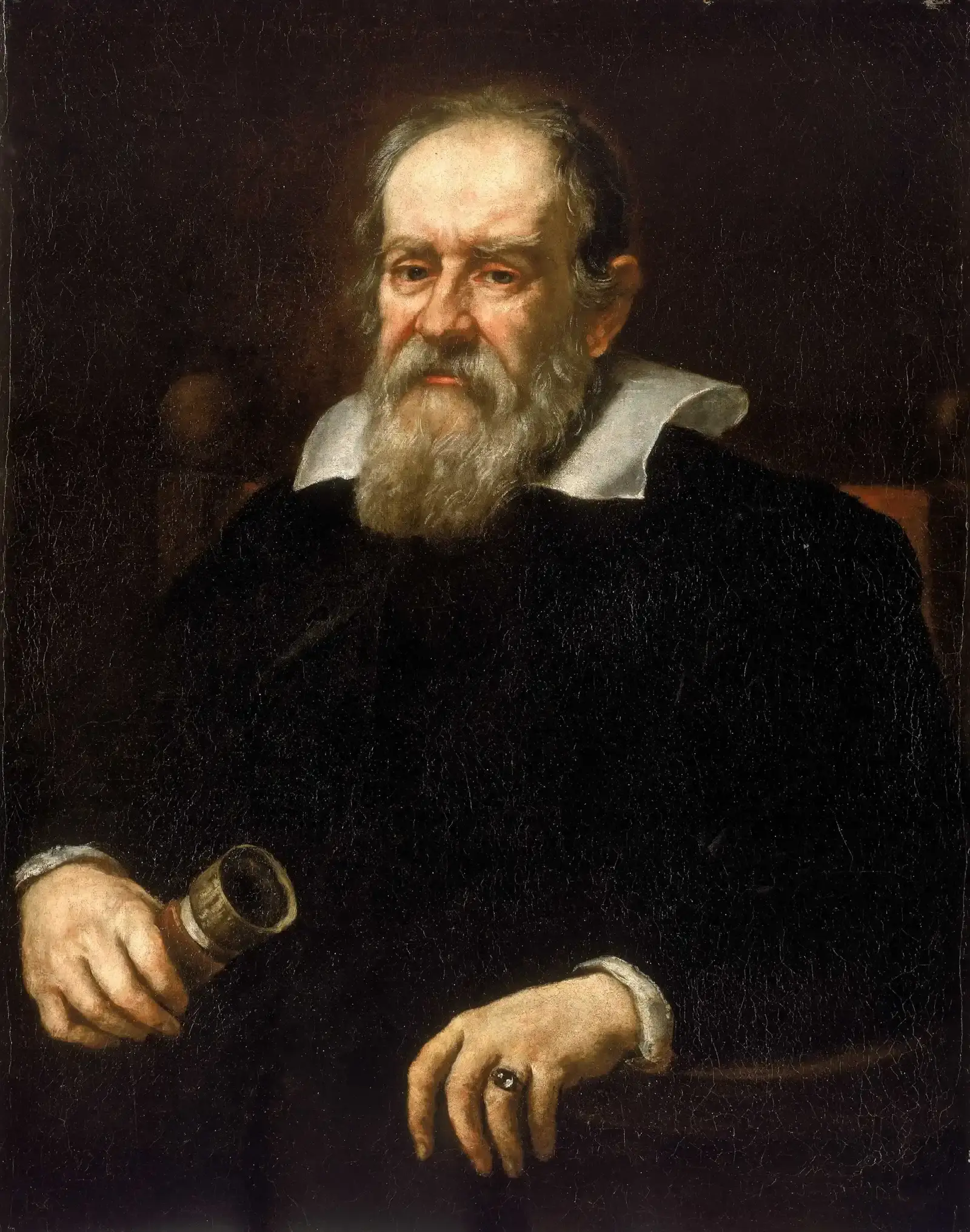
Born in Pisa, Italy in 1564, Galileo was expected to become a doctor, but his heart beat for the stars, and he built his own telescope and pointed it toward the night sky, discovering moons orbiting Jupiter and proving that the Earth was not the center of the universe. That didn’t go over well.
For this, Galileo was put on trial by the Inquisition and under threat of death, he was forced to deny his findings. He defended the concept of heliocentrism and was eventually forced to recant after an investigation by the Roman Inquisition, tried again in 1632, found guilty, and spent the rest of his life under house arrest. Think about that. A man who revolutionized astronomy, who created tools to see farther into the universe than anyone ever had, was silenced and imprisoned for telling the truth. Though silenced, his work laid the foundation for modern astronomy, and in the quiet of his house arrest, Galileo whispered, “And yet it moves.” Science shaped Galileo’s life, gave him purpose, and ultimately cost him his freedom.
Rosalind Franklin: The Unsung Hero of DNA
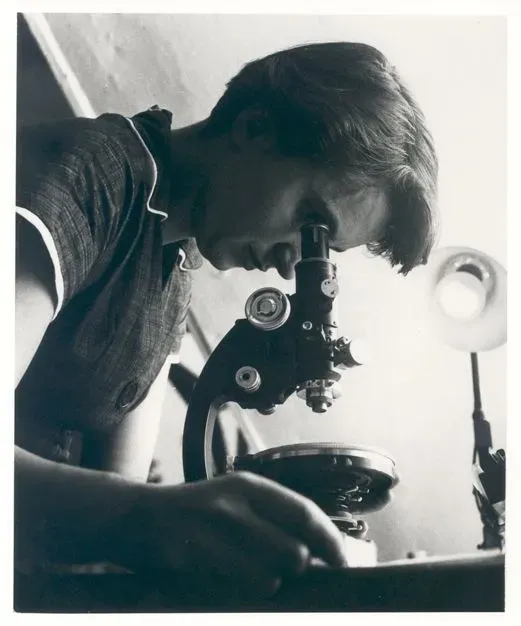
Rosalind Franklin’s meticulous work in X-ray diffraction was crucial to the discovery of the double-helix structure of DNA, and her famous “Photograph 51” provided key evidence that James Watson and Francis Crick used to build their model of DNA. Yet for decades, she was written out of the story.
Franklin’s work was integral to discovering DNA’s molecular structure, yet she was snubbed from the defining paper and resulting accolades, and it wasn’t until 2023 that the scientific community formally celebrated her contribution as equal to the paper’s authors, Crick and Watson. Despite not receiving the same recognition during her lifetime, Franklin’s contributions were fundamental to understanding the molecular structures of DNA, RNA, and viruses. Her life was shaped not just by the brilliance of her discoveries but by the cruel reality that the scientific world wasn’t ready to give a woman her due credit. Franklin’s legacy reminds us that sometimes the most groundbreaking work happens in the shadows, and the people who change the world don’t always get to see their names in lights.
Ada Lovelace: The First Computer Visionary

A computer scientist in the 1800s? Yes, Lovelace’s notes and instructions on mentor Charles Babbage’s “analytical engine” are considered a breakthrough on the path to modern computers, as the London-born Lovelace first theorized a process now called looping, in which computer programs repeat a series of instructions until a desired outcome is reached. She saw patterns where others saw gears and metal.
Although her contributions weren’t recognized until the 20th century, her legacy was forever cemented in 1980 when a programming language was named in her honor. Ada Lovelace didn’t just understand machines. She imagined a future where they could do far more than calculate numbers. She envisioned computation as art, as possibility, as limitless potential. Her life was brief, her work underappreciated in her time, yet the discoveries she helped pioneer shaped the very technology you’re using to read this right now. Science didn’t just change Ada Lovelace. It allowed her to see a world that wouldn’t exist for another century.
Conclusion
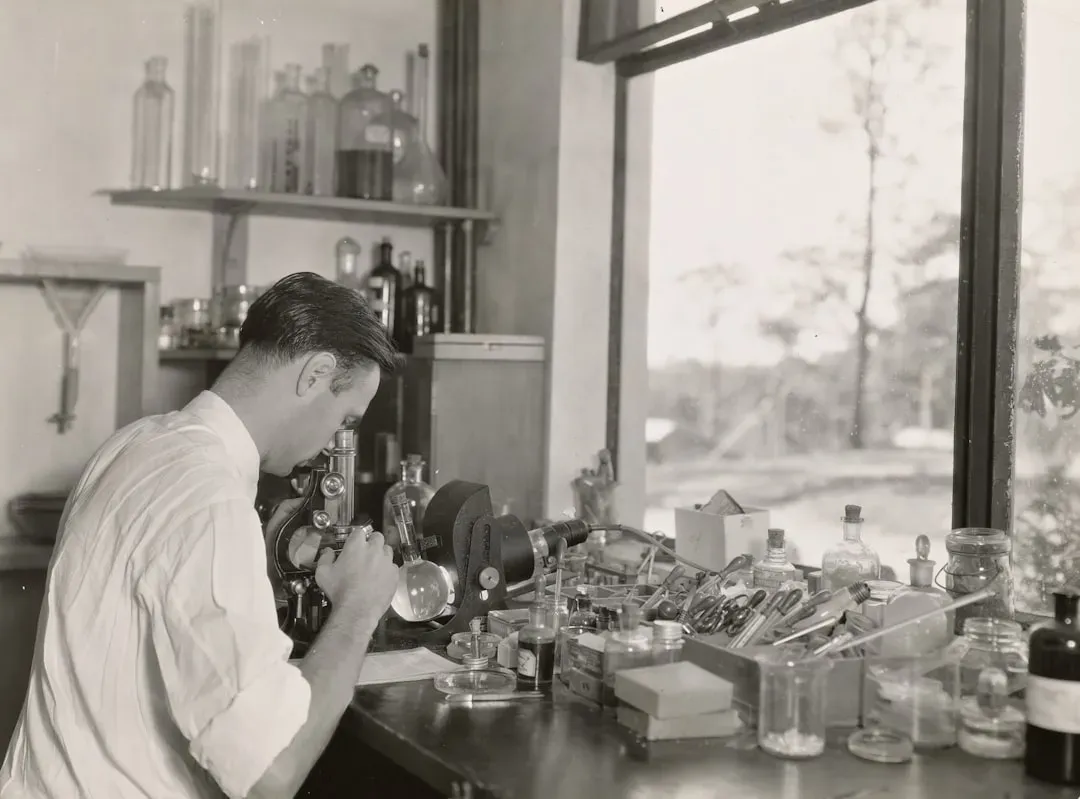
Science isn’t just about cold facts and sterile laboratories. It’s about people whose lives were consumed, transformed, and immortalized by the discoveries they made. From Franklin taming lightning to Curie sacrificing her health for radioactivity, from Newton unlocking the laws of motion to Darwin challenging the very nature of existence, these figures remind us that scientific discovery is deeply, profoundly human.
Some were celebrated. Others were silenced. A few were forgotten, only to be rediscovered decades later. Their stories aren’t just history lessons. They’re reminders that curiosity can change everything, that pursuing truth comes with risk, and that the greatest discoveries often come at a price. What would you have guessed? Did you expect science to shape lives this dramatically? Tell us in the comments what you think.