
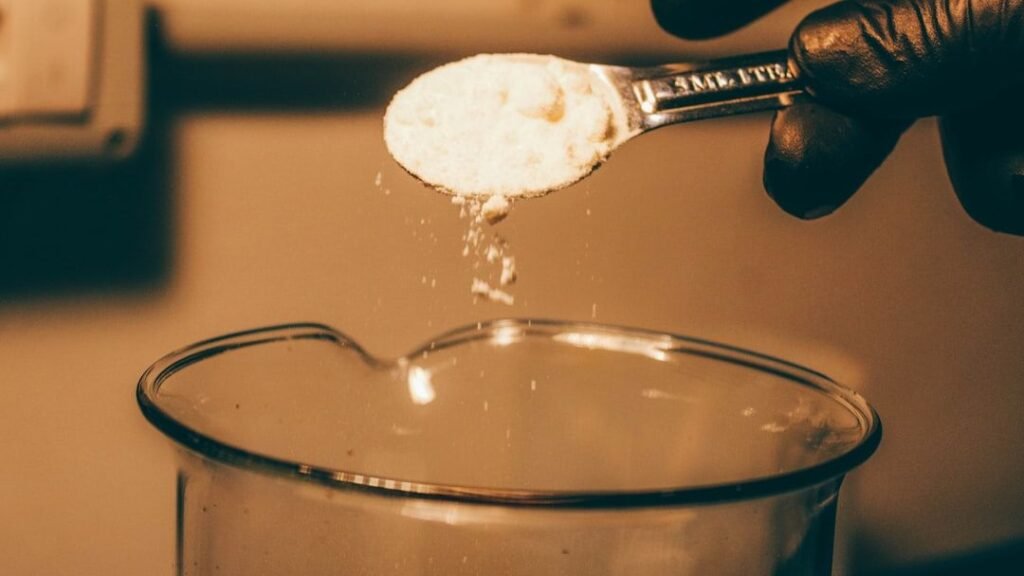

Open your kitchen drawer, look around your bathroom, or glance at the clothes you’re wearing right now. Hidden in plain sight are materials that quietly break the rules of common sense, powered by physics, chemistry, and a bit of evolutionary luck. We’re so used to them that their weirdness barely registers, but if they suddenly vanished, modern life would feel like trying to text from a rotary phone.
Once you see what these seven everyday materials are really doing behind the scenes, it’s hard to go back to thinking of them as “ordinary.” From a sticky strip that can hold a car door shut to a powder that can stop a truck in its tracks, each of these has a scientific superpower that feels almost magical. Let’s pull back the curtain and see what’s really going on.
1. Toothpaste: A Daily Dose of Controlled Corrosion
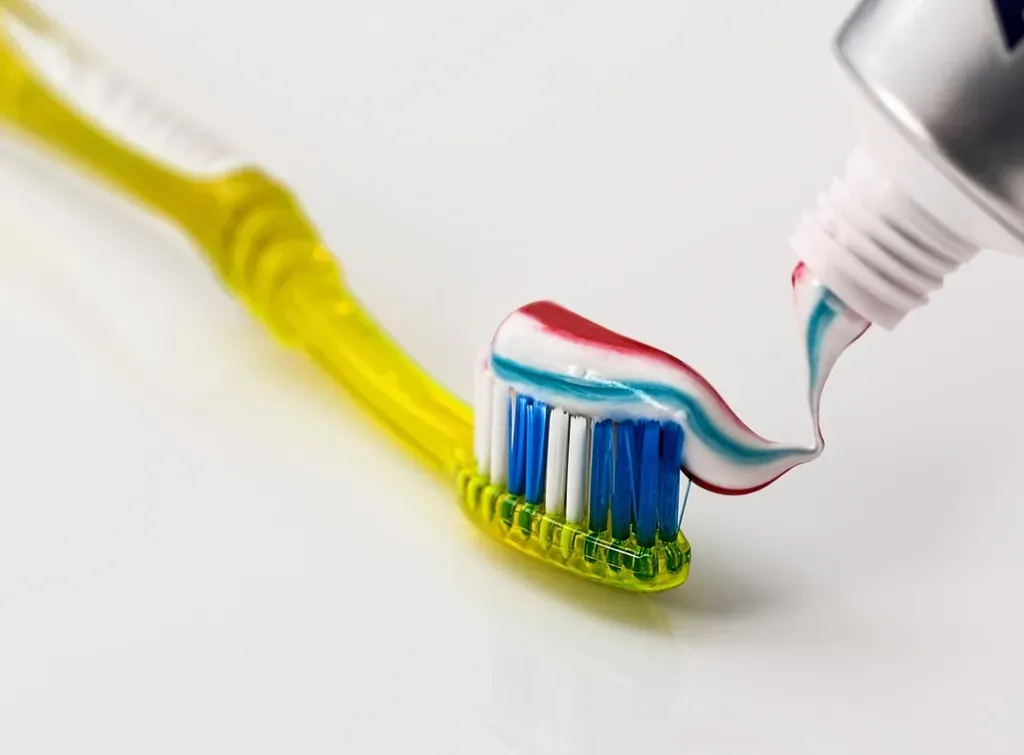
Every morning and night, you smear a carefully engineered abrasive and chemical cocktail all over your teeth, and somehow that’s a good thing. Toothpaste is built on tiny particles, often silica or calcium compounds, that are hard enough to scrub away plaque but soft enough not to destroy enamel. It’s like using sandpaper that somehow knows when to stop sanding your favorite table.
Then there’s the real superhero ingredient: fluoride. In the right dose, it doesn’t just protect teeth, it actually helps rebuild and harden enamel by forming a tougher mineral layer on the surface. Some formulas add agents that bind to bacteria or neutralize acids, turning your brushing routine into a controlled chemical battle that plays out in two minutes. You think you’re just freshening your breath; you’re really running a tiny corrosion-and-repair lab inside your mouth.
2. Duct Tape: A Flexible Web of Mechanical Muscle
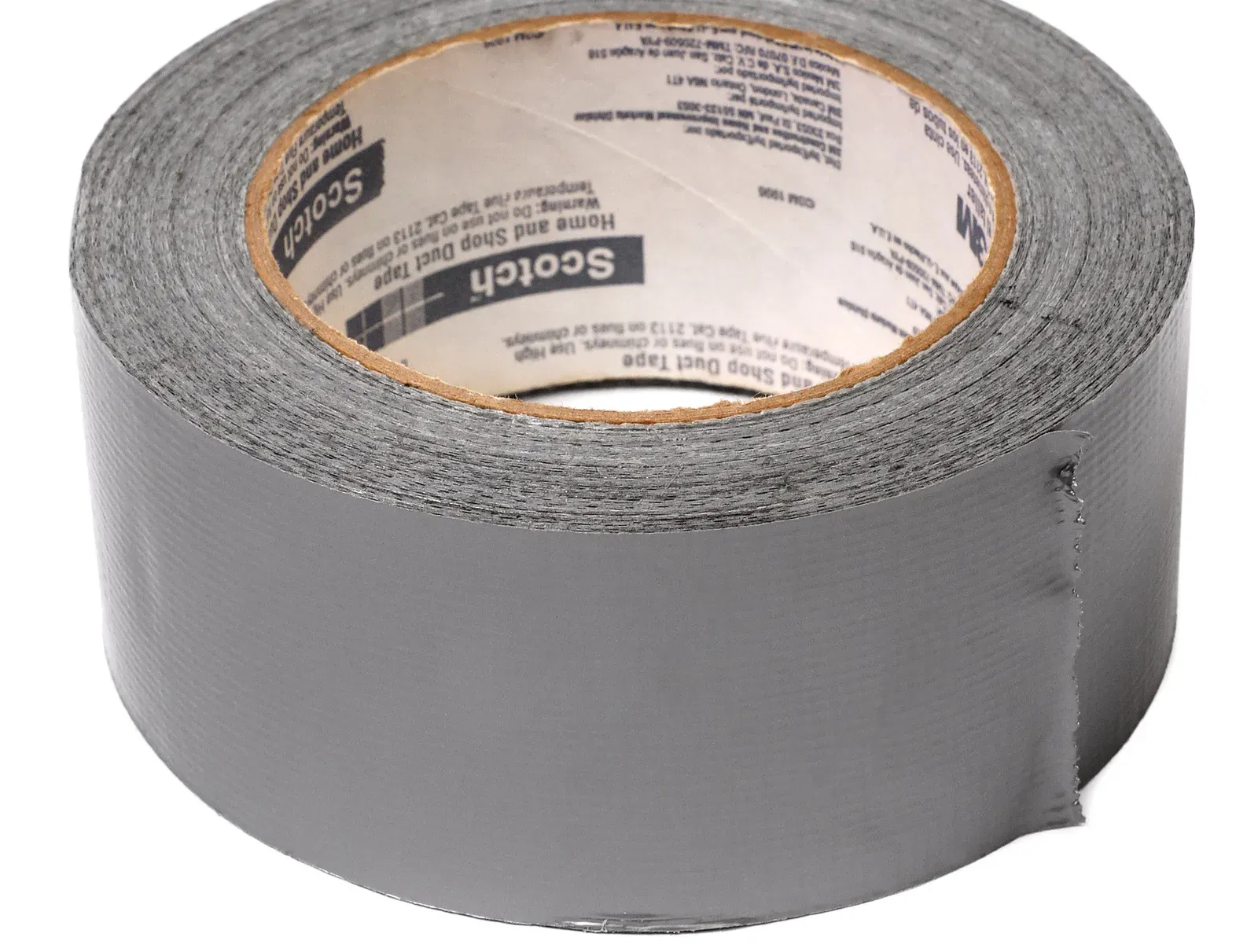
Duct tape isn’t just “strong tape”; it’s a layered composite material wearing a hardware-store disguise. Peel it back in your mind: a pressure-sensitive adhesive that flows into microscopic surface bumps, a woven fabric mesh that gives it tear resistance in one direction and controlled ripping in another, and a plastic backing that shrugs off water. Together, they behave like a cheap, improvised exoskeleton for almost anything you slap it on.
What feels like simple stickiness is actually a balance of elastic and viscous behavior in the adhesive, allowing it to deform under pressure and then hold fast. The fabric reinforcement turns that gluey layer into a load-bearing structure, so you can bind pipes, patch car bumpers, or build emergency fixes that survive surprising amounts of stress. When you rip a strip off the roll, you’re not just grabbing tape; you’re pulling out a tiny, portable engineering solution.
3. Cotton T-Shirts: Nature’s Moisture-Management Tech

Your soft, boring cotton T-shirt is hiding a sophisticated piece of plant engineering. Cotton fibers are basically twisted, ribbon-like tubes of cellulose, packed with hydroxyl groups that love water. That chemical structure lets cotton soak up and hold moisture in a way synthetic fibers often struggle to match, which is why a cotton shirt feels comforting and breathable instead of plasticky and suffocating.
At the same time, the twisted shape of the fibers creates air pockets when woven into fabric, making a kind of built-in insulation that feels cool when it’s hot and cozy when it’s cooler. The fibers can swell and shrink as they absorb and release moisture, subtly changing how the fabric drapes and feels on your skin. It’s low-tech on the surface, but on a molecular level, your T-shirt is constantly managing humidity, temperature, and comfort like a tiny, passive climate-control system.
4. Glass: A Frozen Liquid That Bends Light to Our Will

From your windows to your phone screen, glass is one of the strangest “solids” you use every day. Unlike crystals such as salt or quartz, glass has atoms arranged in a disordered, almost liquid-like structure that got “frozen” in place as it cooled. That weird in-between state is what gives glass its unique mix of rigidity, transparency, and workability when heated, all from simple ingredients like sand, soda, and lime.
Its real superpower, though, is how it handles light. By carefully controlling composition and shape, we can make lenses that focus, spread, or split light with incredible precision, from simple eyeglasses to telescope mirrors peering deep into space. Modern glass can be chemically strengthened, layered, or coated to resist scratches, block certain wavelengths, or even conduct electricity in touchscreens. It looks fragile and boring, but it quietly underpins nearly everything about how we see and interact with the modern world.
5. Baking Soda: A Shape-Shifting Chemical Problem-Solver
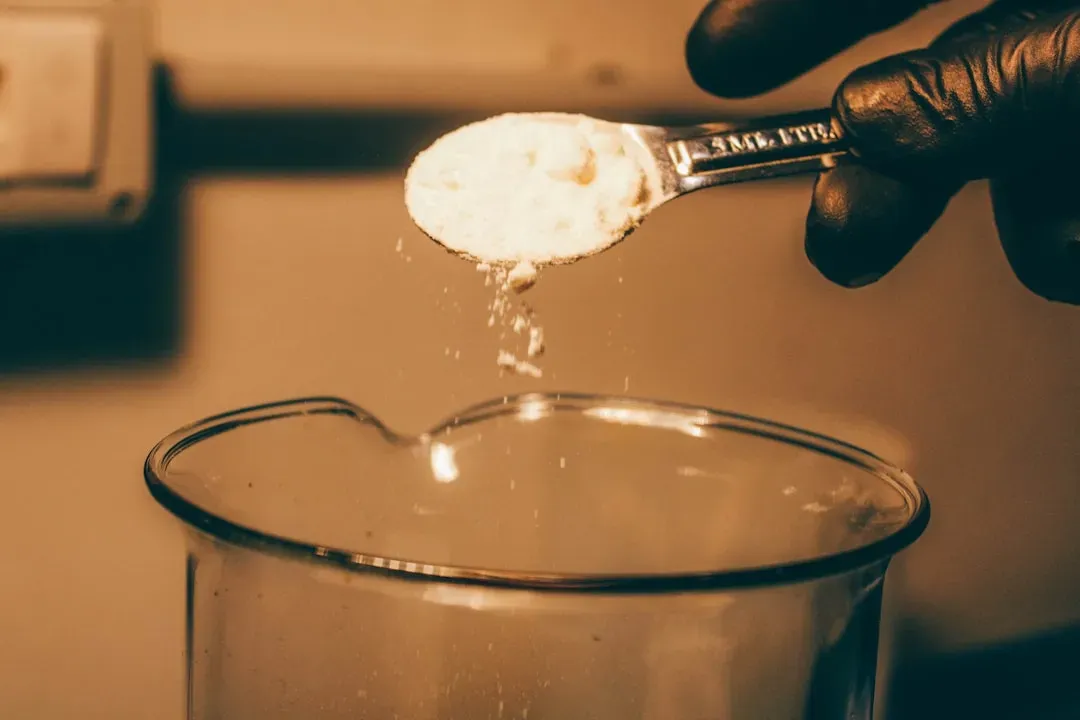
That cheap box of baking soda in your pantry is like a Swiss Army knife in powder form. Chemically known as sodium bicarbonate, it’s a mild base that reacts with acids to release carbon dioxide gas. In a cake, that reaction forms bubbles that expand under heat, turning heavy batter into a light, airy crumb, almost like inflating a balloon inside your dessert.
But its talents go way beyond baking. As a gentle abrasive and pH buffer, it can help clean surfaces, neutralize odors by reacting with acidic or basic smell-causing molecules, and calm minor acid-related irritation. In water, it can soften hardness slightly and alter how other substances behave, acting like a behind-the-scenes mediator in countless chemical interactions. It’s the unassuming little box that keeps bending the rules of what one simple compound should reasonably be able to do.
6. Velcro: A Forest of Tiny Hooks Inspired by Nature
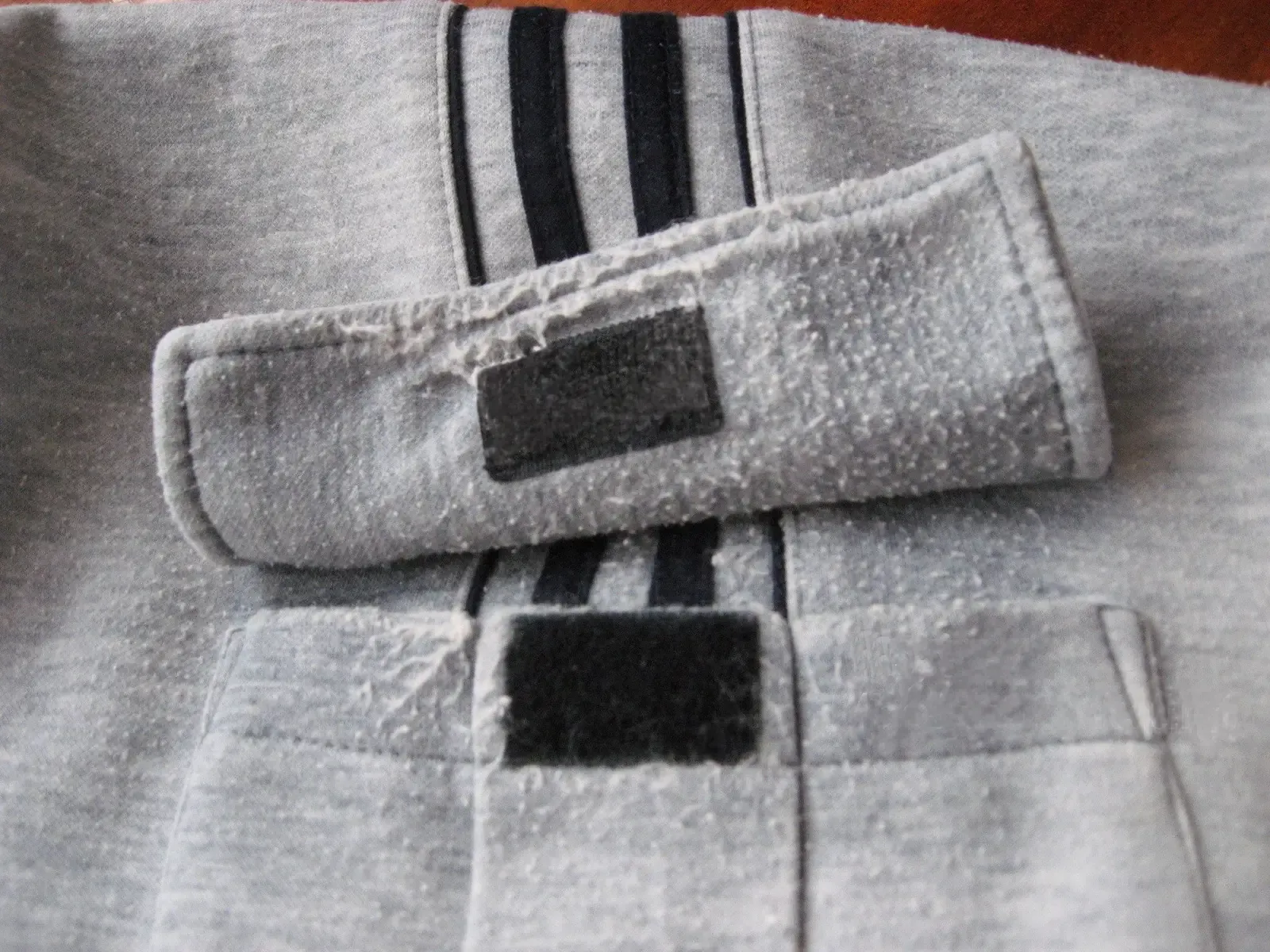
Velcro looks like a simple fastener, but under a microscope it turns into a miniature landscape of hooks and loops. One side is covered in tiny flexible hooks, the other in soft loops that snag and hold those hooks when pressed together. The magic is in the numbers: you’re not relying on one or two hooks, but on a dense field of them sharing the load, which makes the connection strong yet easy to peel apart.
This design was originally inspired by plant burrs clinging to animal fur, a natural masterclass in mechanical fastening. Engineers have since tweaked fiber thickness, stiffness, and density to customize how strongly it grips and how many times it can be opened and closed. The result is a reusable, adjustable, and lightweight fastening system that works from kids’ shoes to space missions, all powered by thousands of tiny, cooperative hooks doing their simple job extremely well.
7. Cornstarch: The Everyday Ingredient That Acts Like a Superhero Fluid
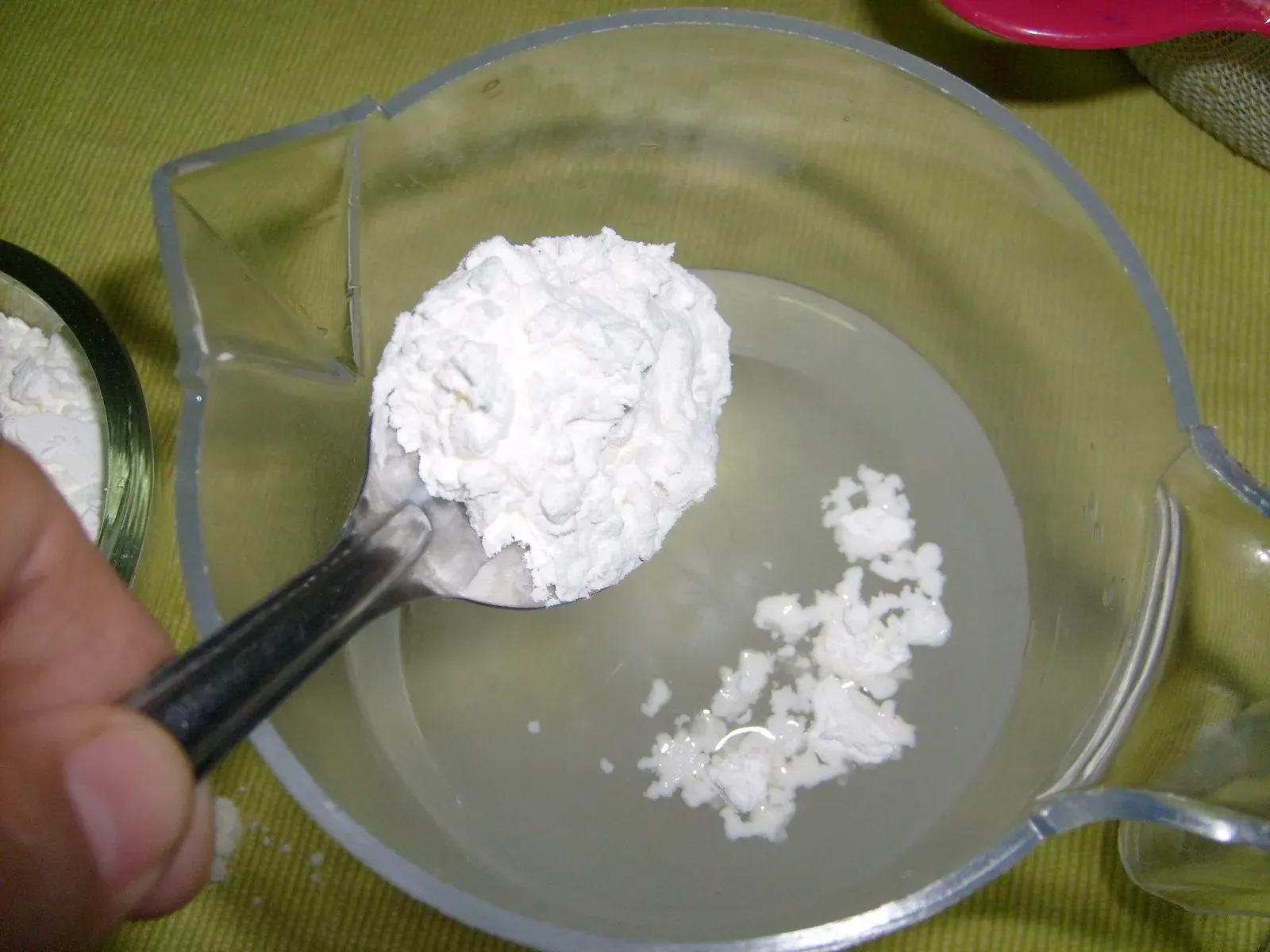
Pour cornstarch in your hand and it feels like any ordinary soft powder, but mix it with a little water and the story changes fast. You get a non-Newtonian fluid often called “oobleck,” which flows slowly when you treat it gently but turns solid-like when you hit or squeeze it hard. That strange behavior comes from long starch molecules jamming together under sudden force, forming a temporary, rigid network.
Walk slowly through a pool of it and you’ll sink; try to run and you can literally dash across the surface without breaking through. This same thickening behavior points toward potential uses in impact protection, where materials stay flexible during normal use but stiffen under a strike or collision. The fact that you can demonstrate all of this with a box from the baking aisle makes it feel a bit like having a science lab hiding right in your kitchen cupboard.
The Extraordinary Hiding in the Ordinary

When you look closely, these seven materials turn everyday life into a kind of low-key science fiction. Your toothpaste is repairing tiny damage, your tape is acting like a portable structural engineer, your shirt is managing moisture and heat, and cornstarch is casually breaking your intuition about what counts as a solid or a liquid. They just do it so quietly that we almost never stop to notice.
I still catch myself staring at something as dull as a strip of Velcro and thinking, this came from someone simply paying attention to burrs on a dog’s fur. That’s the real hidden superpower here: curiosity turning ordinary stuff into extraordinary tools. Next time you grab any of these materials without a second thought, what invisible science do you think is working for you in that exact moment?


